

3 Days in Konya: A Cultural and Historical Weekend Itinerary
3-day Konya guide: explore the Mevlana Museum, Seljuk architecture, sema ceremonies, Çatalhöyük day trip, Meram parks and etli ekmek — practical weekend tips.
Three days uncover Seljuk monuments, Sufi traditions and nearby Çatalhöyük. This compact itinerary balances museums, markets, village charm and local food.
Konya is an inland Turkish city shaped by Seljuk architecture, Sufi tradition and wide Anatolian plains. It suits travelers who want deep cultural immersion: history lovers, spiritual curious, food seekers and anyone who appreciates quiet, slow-paced cities rather than nightlife. Three days is perfect because the core attractions sit close to one another — the Mevlana Museum, Seljuk madrasas and the old bazaar — while a relaxed day trip reaches Çatalhöyük or Sille. The pace lets you attend a sema (whirling dervish) performance, sample etli ekmek and still leave time for parks and a neighborhood coffee. Below is a focused, easy-to-follow plan with transit and dining notes.
Why Visit
Konya blends imperial Seljuk architecture and living Sufi practice in a compact, walkable centre. You’ll see tilework madrasas, austere mosques and the mausoleum of Rumi: a city where heritage remains visible in everyday life. Museums are high quality and inexpensive; public parks and tea gardens offer restful breaks between sights. Compared with busier Turkish destinations, this region feels undisturbed and contemplative—ideal for travelers who prefer substance over spectacle.

Quick Planning Tips
Arrive by Konya Airport or high-speed train from Ankara and Istanbul; the train station sits within easy reach of the old town. Buy a KonyaKart for trams and buses, and download local taxi apps or use official taxis from stands. Museums open c. 09:00–17:00; check sema performance days and book in advance. For Çatalhöyük bring sturdy shoes and sunscreen. Cash is handy for small cafés and bazaars; most hotels accept cards.

Day 1
Morning: Start at the Mevlana Museum to see Rumi’s tomb, the green dome and the sema hall. Spend 60–90 minutes here and read the inscriptions and manuscripts. Midday: Walk to Alaeddin Hill for panoramic city views and visit Alaeddin Mosque. Lunch: Try etli ekmek at a nearby bakery — a thin, long flatbread topped with minced meat, best eaten hot. Afternoon: Visit Karatay Medrese to admire Seljuk tiles and the İnce Minare Medrese for stonework details. Evening: Stroll the old bazaar near the museum, pick up tea blends or lokum and have dinner at a family-run restaurant in the old town.

Day 2
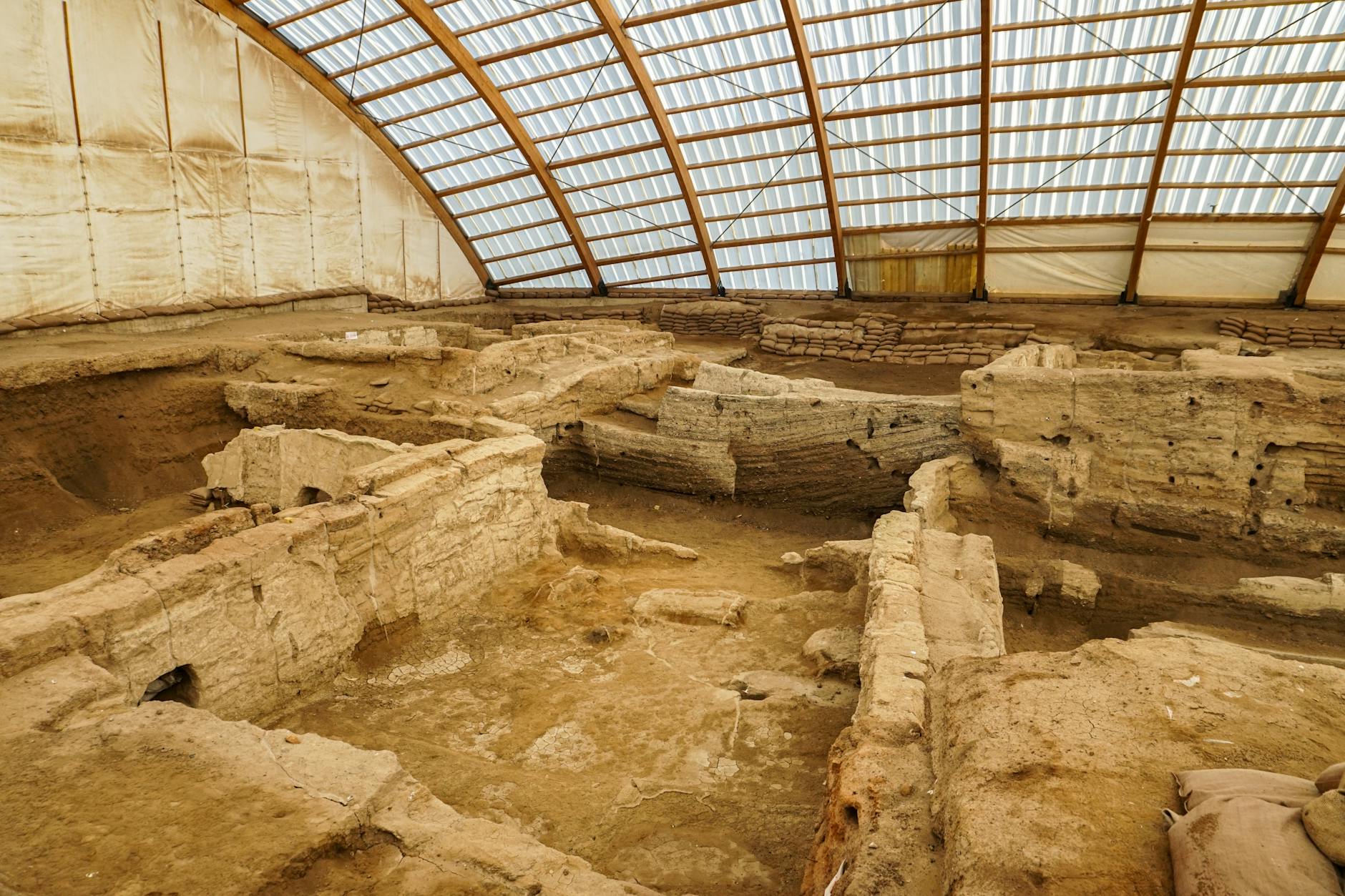
Morning: Take a guided trip to Çatalhöyük (about 50–60 km, 1–1.5 hours). Explore the Neolithic ruins and on-site museum; plan 2–3 hours. Lunch: Picnic or eat at a local café on the return route. Afternoon: Visit Sille Village — a charming, historic Greek village with rock-cut houses, a small monastery and riverside tea gardens. Later, head to Meram for its gardens and hillside tea houses; relax with tea and gözleme. Evening: Check schedules and attend a sema performance at the Mevlana Cultural Center or a local lodge—book tickets in advance.
Day 3
Morning: Konya Archaeological Museum offers artifacts from the region and complements Çatalhöyük. Next, visit the Konya Tropical Butterfly Garden for a light, colorful contrast. Lunch: Try local stews or tandır near the central market. Afternoon: Explore Sahip Ata Complex and small craft shops for tiles and textiles; visit the Karatay craft streets for Seljuk-inspired ceramics. Late afternoon: Walk Alaeddin Boulevard or relax in a tea garden in the city centre. Evening: Choose a relaxed dinner—sample local sweets such as baklava and end with Turkish tea.

Best Local Experiences
Attend a sema (whirling dervish) performance to understand Rumi’s spiritual legacy; book early. Eat etli ekmek fresh from a wood-fired oven and seek out family-run tandır restaurants. Wander Meram’s tea gardens at sunset and try gözleme prepared on a griddle. Shop for Seljuk tile reproductions and handwoven textiles in Karatay and the old bazaar. For hands-on learning, join a short pottery or tile workshop offered by local artisans.

Where to Stay
Stay near the Mevlana Museum or Alaeddin Hill for easy walking access to main sights. Karatay and the old town offer boutique hotels in renovated Ottoman buildings. If you arrive by train choose accommodation close to the station or Selçuklu district for quieter, modern hotels. For a scenic vibe, guesthouses near Meram provide hill views. Book early for sema nights and summer weekends.
Food and Drink
Konya cuisine is regional and hearty. Must-tries: etli ekmek (local flatbread), tandır and simple stews. Start with small bakeries around the Mevlana area for breakfast simit and tea. Afternoon tea houses in Meram serve gözleme and Turkish coffee. For dessert try local baklava or sütlaç. Markets and small restaurants accept cash; for authentic flavors prefer family-run places away from the main tourist strip.
Getting Around
Central attractions are walkable; use the tram and bus network for longer hops. The KonyaKart covers public transport. Taxis are affordable for short rides; confirm the meter or price before starting. For Çatalhöyük and rural Sille, rent a car or join a small-group tour—public buses exist but are less convenient. High-speed train links to Ankara make day transfers practical. Airport transfers are simple by taxi or hotel shuttle.
Best Time to Visit
Spring (April–June) and autumn (September–October) offer mild weather and pleasant sightseeing. Summers can be hot and dry; winters bring cold weather and occasional snow. If you want sema ceremonies and outdoor time, aim for shoulder seasons for comfortable walking and day trips.
Budget and Practical Tips
Currency is Turkish lira; carry small notes for bazaars. Museums are reasonably priced — student discounts often available. Tip 5–10% at restaurants if service is good. Dress respectfully for mosques and religious sites; women should carry a headscarf for mosque entry. Purchase tickets for sema performances in advance and check opening hours for smaller museums. Bargain politely at carpet and tile stalls; fixed prices are common in museums and many restaurants.
FAQ
How do I get to Konya from Antalya?
By bus it takes about 3–4 hours depending on route; regular companies run services. Driving is similar in time. Alternatively, fly to Konya Airport if schedules fit.
Are sema ceremonies held regularly?
There are regular sema performances at the Mevlana Cultural Center and some local lodges; schedules change seasonally so book or check ahead.
Is English widely spoken?
English is common in hotels, tourist sites and larger restaurants; learning a few Turkish phrases helps in markets and rural areas.
Can I visit Çatalhöyük independently?
Yes, but a car or organized tour is easiest. Local buses are limited; guided visits enhance interpretation.
Is Konya safe for solo travelers?
Yes. It is generally safe and conservative; normal urban precautions apply and dress modestly at religious sites.
What should I pack for a weekend in spring?
Layers for cool mornings and warm afternoons, comfortable walking shoes, sun protection and a light scarf for mosque visits.
Conclusion
Three days reveal Konya’s layers: contemplative Sufi heritage, striking Seljuk art, approachable museums and nearby ancient sites. Follow this itinerary for a balanced weekend of landmarks, local food and easy day trips. Leave time to sit in a tea garden, listen to local stories and let the slow rhythm of the city set the pace.
How this guide was prepared
This guide was prepared through a structured research that combines destination research, geographic context, itinerary planning logic, and content review.