

3-Day Kuala Lumpur Itinerary: Practical Weekend Plan
A concise, realistic 3-day Kuala Lumpur travel plan with transit tips, costs, neighbourhoods and what to skip for an efficient weekend visit.
A clear, actionable 72-hour plan for Kuala Lumpur that balances iconic sights, street food, neighbourhood walks and practical transit advice for first-time visitors.
Arrival gives a first impression of layered contrasts: glass towers beside colonial streets, busy markets, and neighbourhood mosques sitting a few blocks from high-end malls. The pace is often fast during business hours and slows at night in residential pockets, where food stalls and kopitiams dominate. Weather is hot and humid year-round, so expect sweat during walking and erratic showers; planning must factor in short breaks and indoor alternatives.
Many guides overplay the skyline and underplay the transit reality — tap-and-go cards, MRT and KTM transfers are essential to move efficiently. This suits travellers who like compact days of walking plus quick transit hops rather than long guided tours. Business-class hotel blocks and backpacker hostels coexist, so accommodation choice shapes daily rhythm: stay near KL Sentral for fast airport and intercity links, or Bukit Bintang for immediate street-food and nightlife access.
Is 3 days in Kuala Lumpur enough?
Yes — three days is enough to see the Petronas Twin Towers, Batu Caves, a major museum and good street-food neighbourhoods if travel is limited to the central area. The honest caveat: there isn't time for a full-day trip to the Cameron Highlands, Ipoh or extended exploration of every ethnic quarter.
Who This Guide Is For
Best for first-time visitors who prioritize city highlights, hawker food, and short museum visits; less good for travellers wanting countryside hikes or a deep culinary research trip on a tight budget.
Local Tips for Kuala Lumpur
Practical details that most travel sites skip — specific to Kuala Lumpur.
- Buy a Touch 'n Go card (reloadable) at KLIA, KL Sentral or MRT stations and top up RM30–50 to cover three days; many buses and LRT/MRT gates only accept it.
- Take the KLIA Ekspres from KLIA to KL Sentral in 28 minutes for about RM55 one-way; KTM Komuter and RapidKL need 45–60 minutes from the airport by bus or transfer and are cheaper.
- Batu Caves is easiest by KTM Komuter to Batu Caves station (from KL Sentral); expect a 30–40 minute ride and arrive early to avoid large tour groups and heat.
- Use the MRT Sungai Buloh–Kajang (SBK) line to reach Bukit Bintang area via interchange at Muzium Negara (to Monorail) or via Tun Razak Exchange for new developments.
- Evening hawker areas like Jalan Alor and Kampung Baru often add service charges at some restaurants; check the bill and carry small notes (RM1–RM50) as stalls may not accept cards.
How This Guide Was Prepared
This guide treats Kuala Lumpur as a working metropolis with intense contrasts rather than a single postcard image. Most guides either over-focus on the Petronas Towers or reduce the city to a food list; this plan shows how to use public transit, where crowds matter, and which neighbourhoods repay slow exploration. This guide was prepared through a structured research that combines destination research, geographic context, itinerary planning logic, and content review.
Plan Your Stay in Kuala Lumpur
Use these planning pages to compare areas to stay, expected costs, seasonal timing, and local transport before booking.
Why Visit
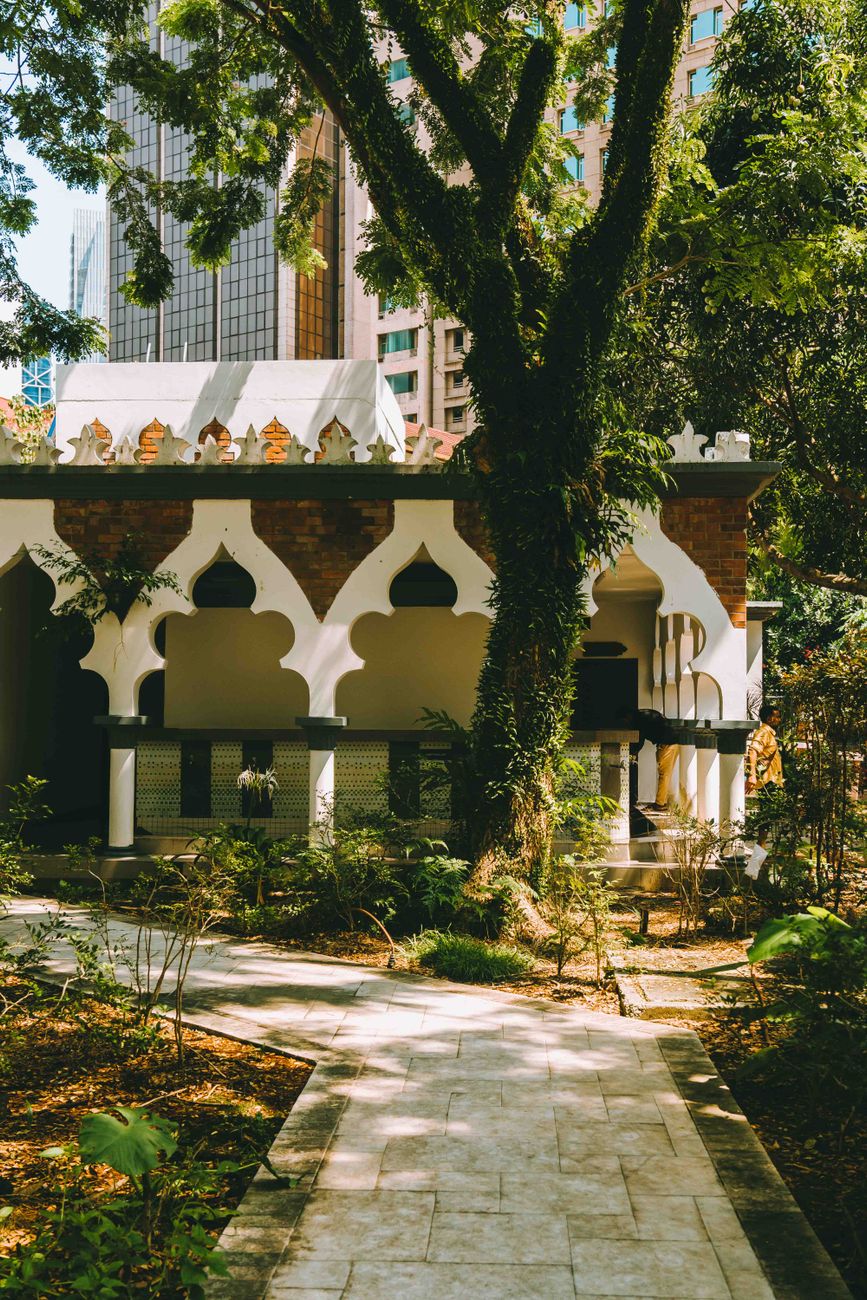
Major reasons are variety of food scenes across ethnic neighbourhoods, efficient city transit for short visits, and easily reachable cultural sites. Street-food corridors like Jalan Alor and Petaling Street show Malay, Chinese and Indian culinary overlap within blocks. The contrast between colonial Merdeka Square and the modern KLCC/Pavilion axis provides architectural variety without long travel between points.
Kuala Lumpur has several compact museums and gardens worth short visits: Islamic Arts Museum Malaysia, Muzium Negara and Perdana Botanical Gardens give cultural depth without consuming an entire day. Nightlife and late-night hawker culture around Bukit Bintang and Kampung Baru allow flexible evening plans for travellers who prefer late starts.
Quick Planning Tips
Fly into KLIA and choose KLIA Ekspres to KL Sentral (28 minutes) for speed, or budget for bus transfers (SkyBus) if cost is a priority. Buy a Touch 'n Go card on arrival and top up; many transit gates, taxis and some markets accept only this stored-value system. Expect persistent humidity — pack breathable clothing, a small umbrella and comfortable walking shoes.
Avoid a common planning mistake: scheduling Petronas Tower, Batu Caves and Central Market all in one hot afternoon. Instead, split museum or temple stops into morning and indoor mall or market time in the afternoon. Book Petronas Twin Towers timed-entry tickets (around RM80) and check KTM Komuter or LRT schedules for Batu Caves before leaving the hotel.

Day 1
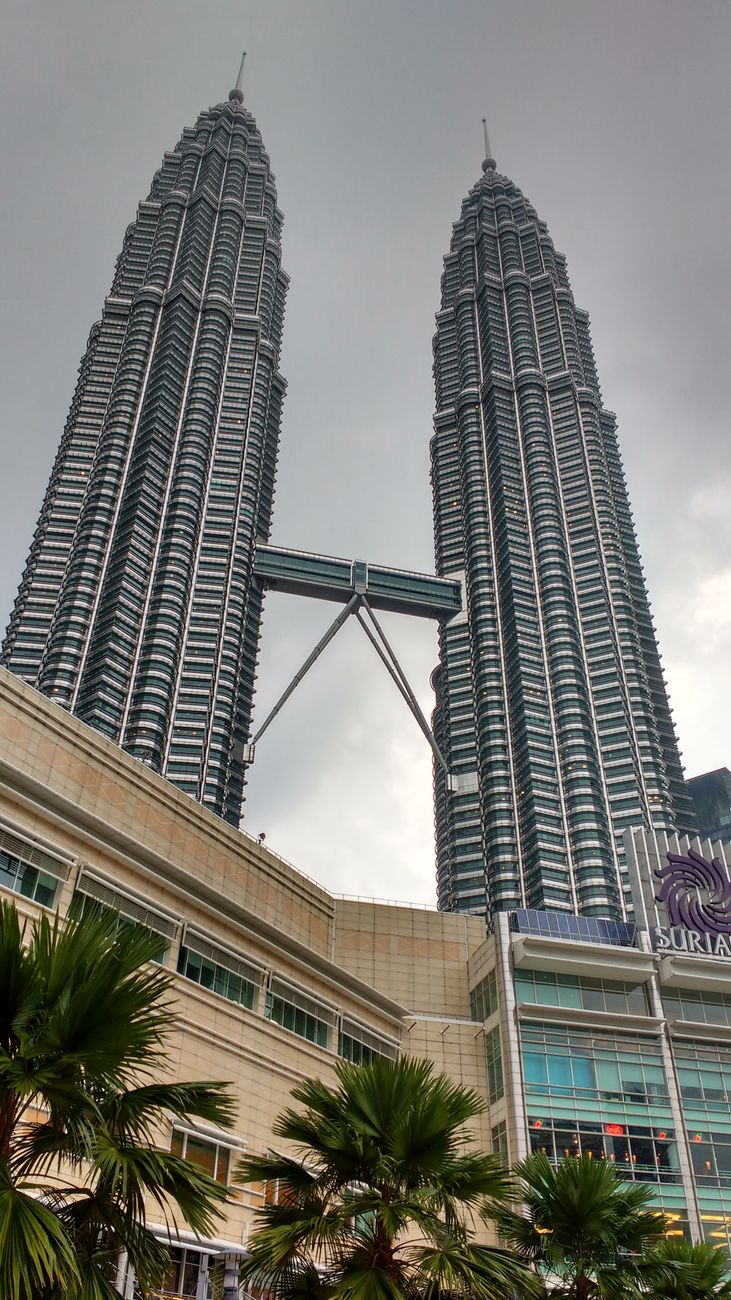
Morning: Start at KLCC Park for Petronas Twin Towers photos and then use the Suria KLCC entrance to visit the observation level if tickets are booked (allow 1.5–2 hours). Walk 10–15 minutes to Avenue K or jump on the Kelana Jaya LRT from KLCC’s nearby station to reach your next stop.
Late morning: Head to the Kuala Lumpur Tower (Menara KL) near Bukit Nanas for a shorter line than Petronas and a view across the city; allow 1 hour. From Menara KL, walk 15 minutes to the Sultan Ismail area or take a short Grab ride into Bukit Bintang.
Lunch: Eat at Lot 10 Hutong or Jalan Alor — Lot 10 Hutong houses curated hawker stalls if air-conditioning is needed (lunch RM12–25). Expect a 5–10 minute walk between Pavilion and Jalan Alor.
Afternoon: Explore Bukit Bintang shopping streets, then walk (15–25 minutes) or take the Monorail to Bukit Nanas and descend to the Perdana Botanical Gardens for a relaxed hour. This is a good low-energy break in the heat.
Evening: Return to Jalan Alor for street-food dinner, try char kuey teow and grilled fish, then finish with a late-night drink on Changkat Bukit Bintang. Nightlife options here stay open late; plan for non-air-conditioned stalls and street noise.
Day 2
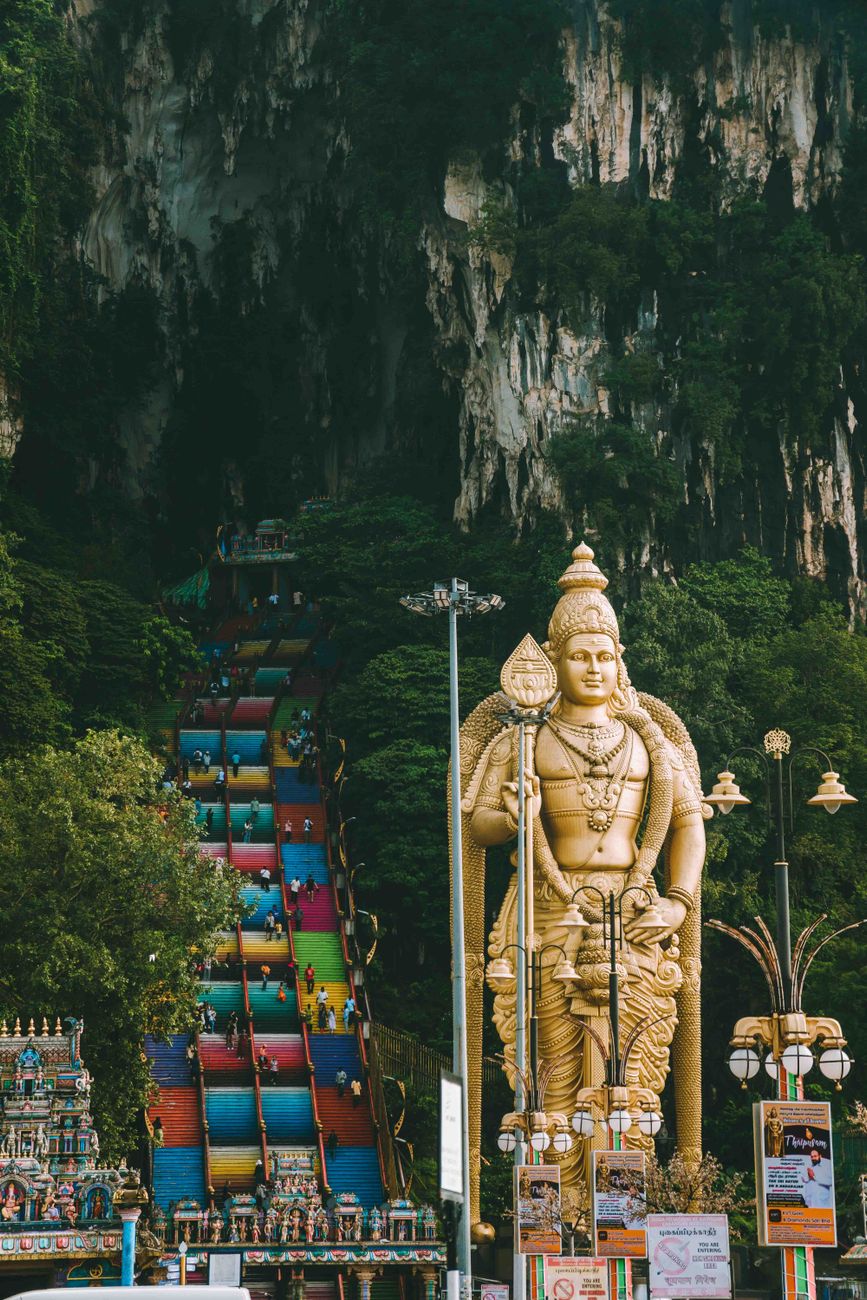
Morning: Catch the KTM Komuter from KL Sentral to Batu Caves station (30–40 minutes). Arrive early to climb the steps before large tour buses; temple access is free but donations are requested and modest clothing is required. Allocate 2–3 hours including travel and the climb.
Late morning: Return to KL Sentral and take the MRT SBK line to Muzium Negara or continue by LRT/Monorail to Pasar Seni for Central Market. Allow 30–40 minutes travel and 1–1.5 hours for Central Market and nearby heritage walks along Jalan Sultan and Jalan Hang Kasturi.
Lunch: Dine at the food stalls inside Central Market or at the old-style kopitiam, both offer plates around RM8–20. After lunch, walk to Merdeka Square (about 10 minutes) to view Sultan Abdul Samad Building and the cricket field.
Afternoon: Visit the Islamic Arts Museum Malaysia (near Perdana Botanical Gardens) for 1–2 hours; adult ticket roughly RM14. From the museum, stroll the gardens or the National Mosque (Masjid Negara) next door for exterior viewing.
Evening: Head to Kampung Baru for traditional Malay food and satay stalls along Jalan Raja Muda Musa; this neighbourhood offers open-air dining and an authentic local atmosphere. Expect a Grab ride of 10–20 minutes from central areas.
Day 3
Morning: Reserve this slot for museums or neighbourhoods missed earlier. Options include the National Textile Museum, Bank Negara Money Museum (free) or a deeper dive into Petaling Street markets. If flight timing allows, a morning visit to Thean Hou Temple offers good city vantage points and quieter steps; allow 1–1.5 hours.
Late morning: Check out of accommodation and leave luggage at the hotel or use KL Sentral left-luggage facilities. From Central Market, a 10–15 minute walk or short Grab ride will reach Petaling Street for last-minute souvenirs and Chinese-Malay snack hunting.
Lunch: Try a nasi kandar or banana leaf rice near Jalan Pudu or Little India (Brickfields) — a hearty meal ranges RM8–20. After lunch, move toward KL Sentral for any transfers; KTM Komuter and LRT options converge here which helps with airport timing.
Afternoon: If catching an afternoon flight, plan transport: KLIA Ekspres from KL Sentral 28 minutes (RM55) or Grab/taxi 45–60 minutes depending on traffic (expect RM70–RM120). If the flight is late evening, spend the afternoon in Perdana Botanical Gardens for a calm end to the trip or return to Bukit Bintang for last-minute shopping.

Best Local Experiences
Markets and food corridors: Jalan Alor (street food at night), Petaling Street (Chinatown stalls), and Pasar Seni (Central Market) for craft and snacks. Night scenes: Kampung Baru satay stalls and Jalan P Ramlee bars for late-night drinks.
Cultural visits: Batu Caves for the Hindu shrine and limestone steps; Islamic Arts Museum Malaysia for Malay and Islamic artefacts; Thean Hou Temple for Chinese religious architecture. Neighbourhood walks: Brickfields (Little India) for thosai and banana leaf meals, and Bukit Bintang arcades for shopping and street-level people-watching.
Unique activities: Take the KLIA Ekspres for a fast airport-city transfer, ride the KL Monorail from Bukit Bintang, and join a Malay cooking class or hawker tour for hands-on food learning.

Where to Stay
KL Sentral: Suits travellers prioritising transport links and airport access. Close to KL Sentral station (KLIA Ekspres, KTM Komuter, LRT), trains to Batu Caves and buses to other Malaysian cities depart here. Expect mid-range hotels from RM180–350 per night (approx. USD 38–75).
Bukit Bintang / Changkat: Suits nightlife and food-focused visitors who want immediate access to Jalan Alor, Pavilion and late-night dining. Street noise is common; choose rooms with good glazing. Prices run RM200–500 per night (approx. USD 43–110) depending on standard.
Chinatown (Petaling Street / Pasar Seni): Suits budget travellers and those who want street markets and heritage buildings. Walkable to Merdeka Square and Central Market. Guesthouses and budget hotels start at RM60–150 per night (approx. USD 13–33).
Food and Drink
Nasi Lemak: Fragrant coconut rice with sambal, egg, ikan bilis and peanuts. Best at Village Park Restaurant (Damansara Uptown) or local kopitiams; expect RM6–12 for a plate. Roti Canai: Malaysian-style flatbread served with dhal or curry. Try Ali, Muthu and Ah Hock near Jalan Tun Perak or Brickfields; typically RM1.50–4.
Char Kuey Teow: Stir-fried flat rice noodles with prawns and Chinese sausage, available on Jalan Alor or Petaling Street stalls; RM6–12 per portion. Satay: Skewered grilled meat served with peanut sauce; good roadside satay in Kampung Baru or Sate Kajang Haji Samuri in Kajang; RM0.70–1.50 per stick depending on location.
Teh Tarik: Strong pulled tea served hot, available at kopitiams for RM1.50–3. Dinner recommendation: Jalan Alor hawker stretch or Lot 10 Hutong for validated, indoor hawker stalls if heat or hygiene are concerns; mains RM12–30.
Getting Around
Transit modes: Kelana Jaya LRT (serves KLCC via the KLCC/Pavilion area), Ampang/Sri Petaling LRT, MRT Sungai Buloh–Kajang (SBK) line, MRT Putrajaya Line for newer suburbs, KL Monorail (Bukit Bintang line), KTM Komuter (to Batu Caves and suburbs), and KLIA Ekspres (airport link). Taxis and e-hailing: Grab is the dominant app; cash taxis still operate but confirm meter or negotiate price.
Fares: Single LRT/MRT rides typically cost RM1.20–RM5 depending on distance. KLIA Ekspres is about RM55 one-way. There is no single universal unlimited citywide day pass covering all operators; tourist hop-on buses offer day tickets around RM40–RM60. Use a Touch 'n Go card for convenience and load RM30–60 for a three-day stay.
Apps and cards: Install MyRapid and Google Maps for planning, use Touch 'n Go (physical or eWallet) for gates and many taxis, and Grab for rides and food delivery. Expect taxi from KLIA to city by Grab or metered taxi RM70–RM120 depending on traffic and tolls.
Best Time to Visit
Climate is equatorial: hot and humid year-round with temperatures generally 25–33°C. Two wetter periods: the inter-monsoon seasons around March–April and October–November bring frequent heavy showers; afternoons clear quickly but expect disruptions. December–January can be wetter due to the Northeast Monsoon but still usable for short stays.
Best value: shoulder months (February, September–October) often have lower hotel rates and fewer festival crowds. Peak crowds and slightly higher prices occur during Malaysia school holidays and major public holidays such as Hari Raya Aidilfitri, Chinese New Year and year-end Christmas/New Year.
Budget and Practical Tips
Typical daily budget (mid-range traveller): Accommodation RM180–350 (USD 38–75), Food RM30–80 (USD 6–18), Transport RM10–40 (USD 2–9), Entry fees RM10–80 (USD 2–18). Budget travellers can target RM80–150 per day, while comfortable mid-range stays reach RM300–500 daily.
Tipping: Not compulsory. Restaurants may add a 10% service charge and 6% SST; leaving small change or rounding up for good service is appreciated. Street stalls generally expect cash; carry small notes. Cash and cards: most malls and larger restaurants accept cards, but markets, food stalls and some taxis prefer Touch 'n Go or cash. Keep small RM1–RM10 notes for market purchases and minor payments.
FAQ
Is Kuala Lumpur safe for solo travellers?
Yes overall; normal precautions apply. Petty theft like bag snatching can occur in crowded areas such as markets and Bukit Bintang, so keep valuables secure and avoid poorly lit streets at night.
What is the best way to get from KLIA to the city center?
KLIA Ekspres to KL Sentral is fastest (28 minutes, about RM55); cheaper alternatives include SkyBus or Grab/taxi which take 45–75 minutes depending on traffic and cost.
Is there a city pass worth buying?
No single, comprehensive citywide pass covers all transit and attractions. Consider individual attraction tickets (book Petronas Tower online) and use Touch 'n Go for transport. Tourist hop-on bus passes cost about RM40–60 if sightseeing bus stops match plans.
How much does public transit cost per ride?
Single LRT/MRT/KTM rides typically range RM1.20–RM5 depending on distance; expect RM10–40 per day on average for several trips. Touch 'n Go saves time at gates.
Can credit cards be used everywhere?
Cards are widely accepted in malls, chain restaurants and hotels, but street vendors, small stalls and some taxis will require cash or Touch 'n Go. Carry small notes and a topped-up Touch 'n Go card.
Are English and Malay widely spoken for directions?
Yes. English is commonly used in tourism, hotels and transit signage. Shopkeepers and drivers often understand basic English directions.
Is it necessary to book Petronas Twin Towers tickets in advance?
Yes. Timed tickets (around RM80) often sell out days ahead, especially on weekends and public holidays. Book online to secure preferred slots.
Conclusion
Three days offers a compact but manageable introduction to the city: a skyline visit, a temple and cave experience, market forays, and diverse food scenes. Most travellers will remember the contrast between gleaming towers and busy street stalls, and the speed of moving between them by MRT, LRT or Grab. If time becomes tight, prioritize a morning at Petronas Twin Towers or KL Tower and an evening food crawl around Jalan Alor — these give the clearest single-day snapshot of what the city feels and tastes like.
How this guide was prepared
This guide was prepared through a structured research that combines destination research, geographic context, itinerary planning logic, and content review.