

San Francisco in 3 Days — A Practical Weekend Plan
A practical 3-day San Francisco itinerary with transit tips, realistic walking times, neighborhood food picks, and what to skip to save time.
Concrete 72-hour plan for first-time visitors who want transit-smart days, neighborhood meals, and realistic walking times.
Expect steep streets, sudden pockets of fog, and short walking distances that can feel like mini hikes. The urban fabric is a mosaic of small neighbourhoods — each has its own food scene, transit access and pace. Many visitors arrive thinking sightseeing equals a loop around Fisherman's Wharf; that is only a small, tourist-heavy slice of the place.
Market stalls, late-night taquerias, and seaside viewpoints compete for attention, so planning with realistic walking times and transit options makes a weekend feel fuller. Prices skew higher than most U.S. cities: budget for accommodation and meals accordingly and expect to trade time for convenience if avoiding public transport.
This environment suits active travellers who like photography, short hikes, and varied food. Those who prefer minimal walking or cheap long-term parking should consider staying outside central neighbourhoods and using transit into the core.
Is 3 days in San Francisco enough?
Yes: three days are enough to see Golden Gate viewpoints, ride a cable car, visit Alcatraz (if booked), stroll the Mission murals, and cover a major museum. Caveat: a day trip to Muir Woods or Napa requires leaving the city and will force cutting a neighbourhood visit or museum.
Who This Guide Is For
Best for walkers who tolerate hills, food-focused travellers, and first-time visitors on a moderate budget. Poor fit for travellers who insist on driving everywhere or want a slow, luxury spa weekend without much walking.
Local Tips for San Francisco
Practical details that most travel sites skip — specific to San Francisco.
- Buy and use a Clipper card for most transit; load it at BART stations, Walgreens, or via the Clipper app — it avoids paying multiple single fares and is accepted on Muni, BART, Golden Gate Transit and ferries.
- Muni single-ride fare is $3.00 (pay with Clipper or MuniMobile); a 1‑day MuniPassport is roughly $5 and a 3‑day pass about $13 from the SFMTA visitor options — these often pay off if taking streetcars, buses and Muni Metro frequently.
- Cable car rides cost $8 per person one-way on Powell‑Hyde and Powell‑Mason lines; expect long lines at Powell Street and use the Powell–Hyde terminus near Lombard for shorter waits in the evening.
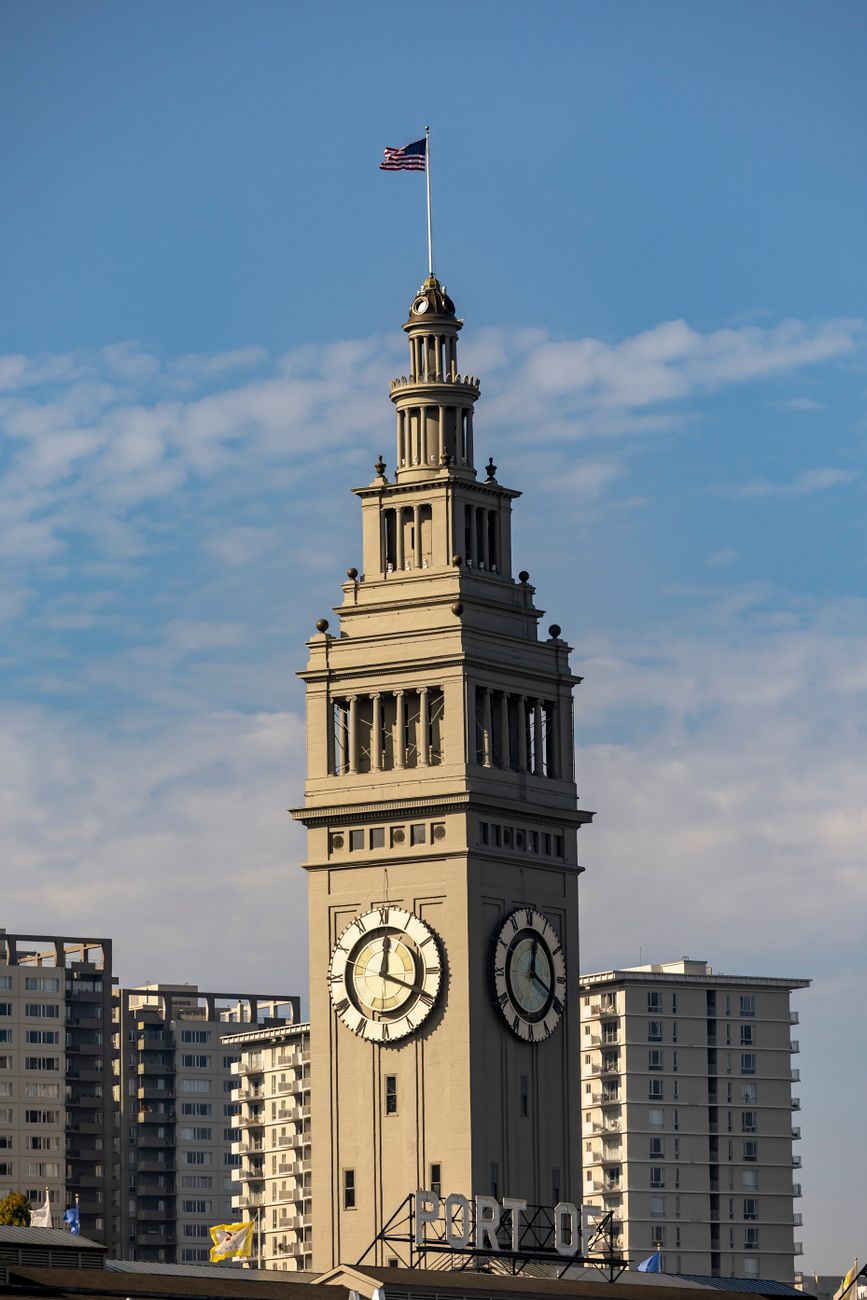
- Ferry Plaza Farmers Market runs 8am–2pm on Saturdays and 10am–2pm on Tuesdays at the Ferry Building (Embarcadero & Market); Saturday has the largest selection of produce, cheese and prepared stalls.
- Book Alcatraz tickets through Alcatraz Cruises well in advance; daytime ferry slots often sell out weeks ahead and adult fares for the ferry plus audio tour commonly run $44–$50.
How This Guide Was Prepared
This guide treats San Francisco as a patchwork of small neighbourhoods with very different microclimates and transport needs, not a single sightseeing blob. Many guides over-focus on Fisherman's Wharf or treat the cable car like a transit backbone; this plan balances the tourist highlights with efficient local routes and honest notes on crowds, cost, and fog. This guide was prepared through a structured research that combines destination research, geographic context, itinerary planning logic, and content review.
Plan Your Stay in San Francisco
Use these planning pages to compare areas to stay, expected costs, seasonal timing, and local transport before booking.
Why Visit
Iconic views: walk or bike to the Golden Gate Bridge and use Battery Spencer or Fort Point for different perspectives and photo opportunities. Urban nature: Golden Gate Park and the Presidio offer urban trails, the de Young museum and the California Academy of Sciences in a compact area.
Distinct neighbourhood food scenes: the Mission District has Mission-style burritos and bakeries like Tartine, while the Ferry Building gathers high-quality producers and seafood vendors. Cultural variety: Chinatown's Grant Avenue, North Beach coffees and Italian bakeries, and modern art at SFMOMA mean a traveler can move between eras and cuisines in a single afternoon.
Convenience advantages include good regional transit links (BART to downtown, ferries to Sausalito and Alameda) and compact walking routes that make it possible to see a lot without long daytime transfers.

Quick Planning Tips
From SFO, the fastest public transit option to downtown is BART; plan 30–45 minutes to Powell or Embarcadero stations depending on time of day. From Oakland Airport use BART to 12th Street/Oakland City Center then transfer; rideshare times vary widely during rush hour.
Carry a Clipper card and install the Clipper or MuniMobile app to buy passes and avoid cash lines. Many attractions accept cards but small vendors at markets may prefer exact cash. Avoid scheduling outdoor photo shoots for early July mornings near the coast — the marine layer often sits until late morning.
Reserve Alcatraz, cable car rides in high season if a specific time is needed, and consider booking restaurant dinner spots for weekend nights. Allow extra time for hills when estimating walking durations between sites.

Day 1
Morning: Start at the Ferry Building Marketplace (Embarcadero & Market). Spend 60–90 minutes at the Saturday farmers market or 45 minutes browsing stalls on a weekday. Walk west along the Embarcadero 15–25 minutes to Pier 15 for the Exploratorium, or hop the F-line streetcar (5–10 minutes).
Midday: Take the F-line or a 10–15 minute walk to Fisherman’s Wharf and have lunch at Scoma’s (seafood) or Boudin for clam chowder in a sourdough bowl; expect 15–30 minute waits at peak midday. If Alcatraz is booked for noon, board from Pier 33; allow 20–30 minutes to clear security before departure.
Afternoon: Return and take the Powell–Hyde cable car from near Fisherman’s Wharf up to Lombard Street viewpoint (ride 10–15 minutes plus queue time). Walk 10 minutes to Coit Tower for city panoramas and then descend to North Beach for a coffee.
Evening: Dinner in North Beach — try Tony’s Pizza Napoletana or an Italian trattoria. After dinner, walk 10 minutes to Washington Square Park or check a bar with live music on Columbus Avenue for a relaxed end to the day.

Day 2
Morning: Head to the Mission District for breakfast at Tartine Bakery (expect a 20–40 minute queue at peak times). Walk to Balmy Alley and Clarion Alley to see murals (5–10 minutes between sites) and then stroll over to Mission Dolores Park for city views; the park sits 5–10 minutes from the murals on foot.
Midday: Eat a Mission-style burrito at La Taqueria or a neighborhood taqueria (lunch 10–15 minutes). From there, take the 22 Fillmore bus or the 24 Divisadero to Golden Gate Park (transfer time 20–30 minutes depending on traffic) and arrive at the de Young and the California Academy of Sciences.
Afternoon: Spend 2–3 hours between the de Young and the Academy of Sciences; the two sites are a short walk apart inside the park. If preferred, rent a bike nearby and explore the park’s longer stretches, including the Japanese Tea Garden and Stow Lake.
Evening: Exit the park toward Haight Street for dinner and bar options; try Nopalito for Mexican or a neighborhood gastropub. If energy remains, explore Haight-Ashbury vintage shops or catch live music at a small venue.

Day 3
Morning: Start at Crissy Field for a flat waterfront walk with Golden Gate Bridge views; allow 45–75 minutes if including photos and a brief coffee stop. Walk 20–30 minutes or take the 30/76 bus up to the Golden Gate Bridge welcome plaza and Fort Point beneath the bridge for a different angle.
Midday: Cross into the Marina and have lunch in Cow Hollow (A16 or a local bistro) — transit from Fort Point or Crissy Field is 10–20 minutes by bus. Alternatively, take a short ride to the Presidio and visit the Presidio Officers’ Club or the Main Post shops.
Afternoon: Return toward Union Square for late-afternoon shopping or a museum such as SFMOMA (allow 45–60 minutes travel time from the Presidio by transit). Practical note for departures: if catching an afternoon flight, store luggage at a downtown hotel or use luggage storage near Union Square and take BART from Powell, Montgomery or Embarcadero to SFO; allow 60–75 minutes for transit and security.
Evening: If time allows before late flights, grab an early dinner in Chinatown on Grant Avenue (dim sum or noodle houses) or quick seafood near the Embarcadero before heading to the airport.

Best Local Experiences
Ferry Plaza Farmers Market (Embarcadero & Market) on Saturday mornings for local producers and ready-to-eat stalls. Ride a Giants game evening at Oracle Park for a local sports atmosphere and ballpark seafood.
Mission mural walks: Balmy Alley and Clarion Alley show community art with easy self-guided routes. A Presidio hike to Baker Beach or the Ecology Trail combines history and coastal views without leaving the city.
Ride the Powell–Hyde cable car for views and atmosphere (expect lines); take the 30/76 bus or a bike across the bridge for a less crowded but more active view. Day trip options: ferry to Sausalito for a seaside village lunch, or organized shuttles to Muir Woods for redwood walks.
Where to Stay
Union Square: Suits shoppers and first-time visitors who want central transit access (BART, Muni). Near Powell Street cable car turnaround and multiple hotels; expect $180–$350 per night (€165–€320 / $180–$350 USD). Frequent sales reduce prices outside weekend dates.
Fisherman’s Wharf/North Beach: Suits those prioritizing waterfront views and easy access to Pier 33/39. Walkable to many tourist sites but busier and louder at night; expect $160–$300 per night (€145–€275 / $160–$300 USD).
Mission District: Suits food-focused travellers and younger visitors who want cheaper boutique hotels and easy access to bars and taquerias. More residential and lively at night; expect $130–$240 per night (€120–€220 / $130–$240 USD).
Consider SoMa for business travelers or museum access (SFMOMA) with close BART links, and the Marina for quieter nights and easy access to Crissy Field and waterfront walks.
Food and Drink
Sourdough bread: classic San Francisco sourdough at Boudin Bakery or local bakeries, typically $4–7 for a loaf or $3–6 for a roll. Clam chowder in a sourdough bowl at Boudin runs about $10–$14 for a serving.
Mission-style burrito: a large, wrapped burrito with rice, beans, meat and salsa — try La Taqueria or El Farolito for $7–$12. Cioppino: tomato-based seafood stew found at Scoma’s or Tadich Grill; expect $30–$50 per person depending on portion.
Dungeness crab: seasonal winter/spring special; market stalls and restaurants charge $30–$60 depending on size and preparation. Buena Vista Cafe Irish coffee is a local ritual near Fisherman’s Wharf and typically costs $10–$14.
Breakfast pastries and coffee: Tartine Bakery for morning pastries ($3–$6) and independent coffee shops like Blue Bottle or Sightglass with espresso drinks around $3–$6. Dim sum in Chinatown: Good Mong Kok offers inexpensive options by item, expect $2–$6 per plate.
Getting Around
Transit modes include BART regional rail (SFO to downtown and East Bay), Muni buses and Muni Metro lines (K, L, M, N, J), historic streetcar F‑line along the Embarcadero, and the Powell–Hyde and Powell–Mason cable car lines. Golden Gate Transit runs buses to Marin County; ferries connect to Sausalito and Alameda.
Single Muni fare is $3.00; use Clipper or MuniMobile to pay. BART fares vary by distance and station; plan $9–$11 from SFO to downtown in many cases. Taxi or rideshare from SFO to downtown typically runs $45–$75 plus tolls depending on traffic; allow extra time for peak periods.
Useful apps and cards: Clipper card (tap-and-go), MuniMobile app, BART app, and Transit or Google Maps for real-time routing. Consider buying a short MuniPassport if planning heavy streetcar and bus use over two or three days.
Best Time to Visit
September and October offer the most reliable warm and clear days; daytime highs are often 65–75°F (18–24°C) while nights cool into the 50s°F (10–13°C). Summers (June–August) bring cooler temperatures near the water and frequent morning fog, with highs 55–68°F (13–20°C) on the coast and warmer inland.
Spring (March–May) is mild with variable rains and temperatures 55–68°F (13–20°C). Winter (November–February) is wetter with daytime highs 50–60°F (10–15°C) and occasional heavy rain; prices for hotels can be lower except around holidays. For clearer skies and fewer crowds, target mid-September to October.
Budget and Practical Tips
Typical daily budget for a mid-range traveler: accommodation $150–$250 per night, meals $50–$100, local transport $10–$20, museum or attraction entry $20–$40. Total per day roughly $230–$410 (≈€210–€380 / $230–$410 USD). Budget travelers can reduce accommodation to $80–$140 with hostels or budget hotels and eat from markets for $30–$50 per day.
Expect to tip 15–20% at sit-down restaurants and 1–2 dollars per bag for porters. Taxi drivers and rideshare drivers are commonly rounded up; service staff rely on tips for a major part of income. Carry a small amount of cash for market stalls and street vendors but use cards or contactless payments for larger purchases.
Many museums offer timed-entry tickets; buy online for the California Academy of Sciences, SFMOMA and Alcatraz to avoid waits. Pack layers for temperature swings and a small umbrella in winter.
FAQ
Is San Francisco safe for tourists?
Most tourist areas are safe by day; be alert for petty theft (pickpockets and bag snatchers) in crowded spots like transit hubs and market stalls. Avoid poorly lit, empty side streets at night and secure valuables.
What is the best way to get from SFO to downtown?
BART provides the simplest public transit route from SFO to downtown stations such as Powell, Montgomery or Embarcadero in roughly 30–45 minutes; rideshares and taxis are faster door-to-door but can be costly during peak times.
Are cable car rides worth it?
Yes for the experience and views, but expect tourist lines and slow travel; use them for a short hop or novelty rather than routine transit.
Is a city pass worth buying?
CityPASS and Go San Francisco passes can save money if visiting multiple paid attractions like a bay cruise, SFMOMA and the California Academy of Sciences; compare attraction lists and include the cost of transit or museum reservations.
Can Alcatraz be visited at the last minute?
Not reliably — daytime and sunset ferries often sell out, especially in summer and on weekends. Book weeks ahead for a specific day and time.
Is driving recommended inside the city?
Driving is fine for trips outside the core, but downtown traffic, expensive parking and narrow streets make transit or walking preferable for central sightseeing.
How much time should be allowed to get to SFO from downtown?
Allow at least 60–75 minutes via BART from central stations including transfer and security time; rideshares can be faster but unpredictable with traffic.
Conclusion
A three-day visit will most likely be remembered as a series of contrasting neighbourhoods, brisk hill climbs, and strong local food. The single thing worth prioritising if time is tight is a Golden Gate viewpoint (Crissy Field or Battery Spencer) paired with a short walk along the waterfront — it condenses the maritime, architectural and climatic quirks into one clear impression.
Plan with realistic walking times, book Alcatraz and major museums in advance, and accept that microclimates will shape photo opportunities. Those choices make a 72-hour visit feel complete rather than rushed.
How this guide was prepared
This guide was prepared through a structured research that combines destination research, geographic context, itinerary planning logic, and content review.