

3-Day Practical Guide to Lagos, Portugal: Itinerary & Tips
A practical 3-day guide to Lagos, Portugal with realistic itineraries, transit, meals, neighbourhoods and timing to make the most of a weekend in the Algarve.
A no-nonsense 72-hour plan for seeing Lagos’s cliffs, beaches, old town and a few local markets without wasting time on tourist traps.
Expect a small port town with two distinct pulses: a busy daytime scene focused on beaches, boat trips and markets, and a compact old town that fills with evening diners and small bars. First impressions are often of narrow limestone streets, a lot of foot traffic in July and August, and cliffs always visible on the horizon. Many visitors arrive expecting only sunbathing; in reality the best short visits mix a morning market, a cliff walk or boat trip, and an afternoon stroll around the Igreja de Santo António and Praça Gil Eanes.
Crowds and noise concentrate near Marina de Lagos and the main beaches during high season, while weekday mornings are the quietest time to explore the old town. This place suits travelers who like walking, short boat excursions and a straightforward layout where most key sites are within 20 minutes on foot of each other. Accommodation choices are compact, so booking ahead for July and August avoids unpleasant last-minute price jumps.
Is 3 days in Lagos enough?
Yes — three days is enough to see the old town, the main beaches (Praia Dona Ana, Camilo), a Ponta da Piedade boat or walk, and a market or two. A clear caveat: an inland or distant coastal day trip (Benagil cave or Sagres full day) will have to wait for another visit.
Who This Guide Is For
Best for active travelers who want coastal walks, short boat tours and a compact historic centre; not ideal for those seeking a long, quiet beach holiday or extensive nightlife. Budget travelers and families can do well, but expect peak-season prices in July–August.
Local Tips for Lagos
Practical details that most travel sites skip — specific to Lagos.
- Faro Airport to Lagos by train: Linha do Algarve (Comboios de Portugal) runs roughly hourly; journey time about 1h10–1h20 and a single fare is typically €6–8 (buy at Faro station or on CP app).
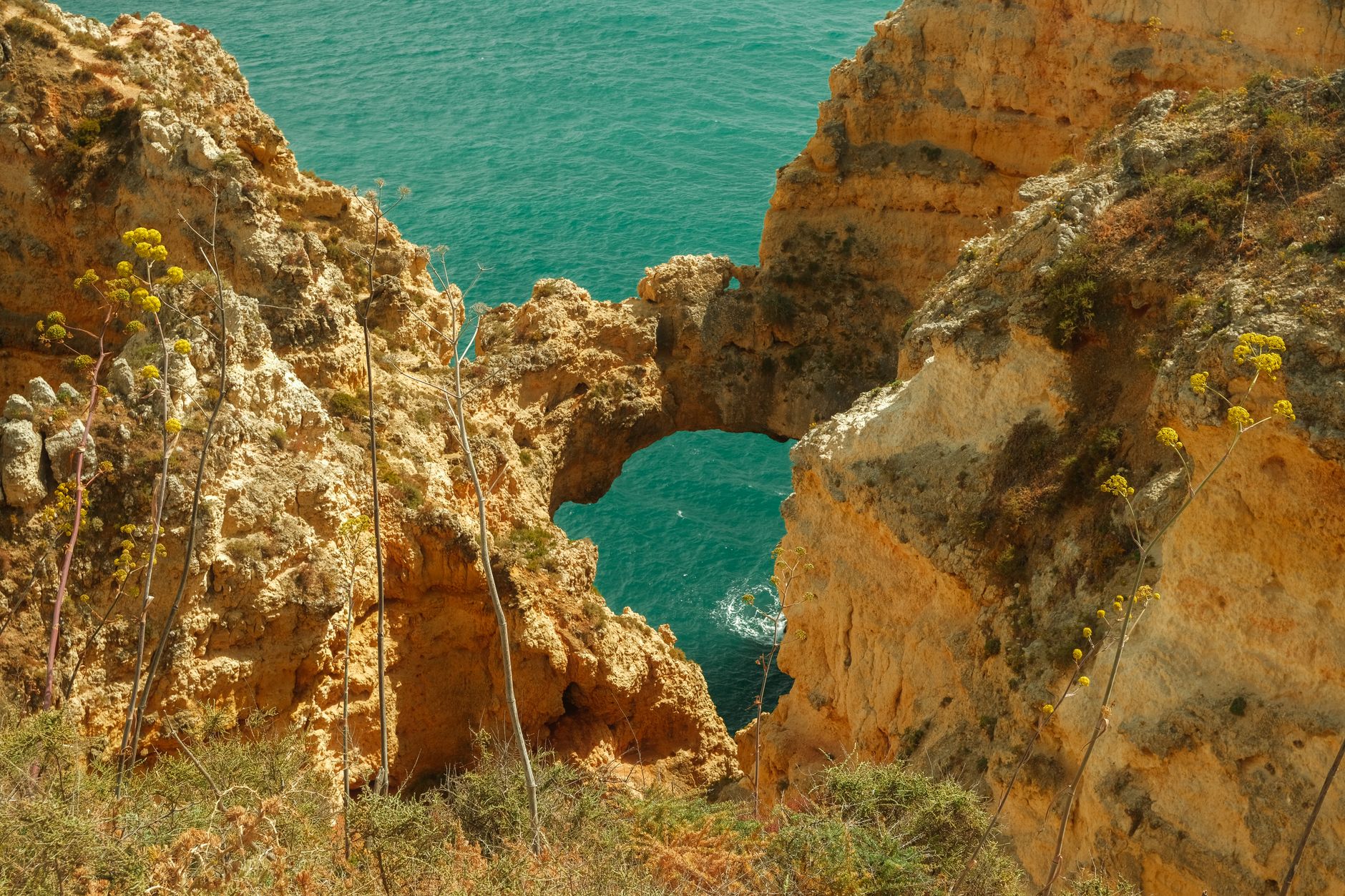
- Boat tours to Ponta da Piedade leave from Marina de Lagos; expect €20–25 for a 60–75 minute grotto and cliff-arch run and arrive 30–45 minutes early in July–August.
- Mercado Municipal de Lagos on Avenida dos Descobrimentos has the freshest fish and local cheeses; stalls often close around 13:00, so shop early for best selection.
- Museu Municipal / Mercado de Escravos (near Igreja de Santo António) charges a small entry fee (around €3–5); check closing times before planning an afternoon visit.
- Many restaurants add a couvert (bread, olives) or include a small service charge — typical couvert is €1–3 per person and appears automatically on the bill.
How This Guide Was Prepared
This guide treats Lagos as a working coastal town with dramatic cliffs and a compact historic core, not an Instagram set-piece. Many guides focus only on beaches; this one balances boat trips, town museums, neighbourhood walks and realistic transport timing so a traveler can actually move between sites without overbooking. This guide was prepared through a structured research that combines destination research, geographic context, itinerary planning logic, and content review.
Plan Your Stay in Lagos
Use this itinerary as your starting point, then compare areas to stay, transport options, seasonal timing, and realistic daily costs before booking.
Why Visit
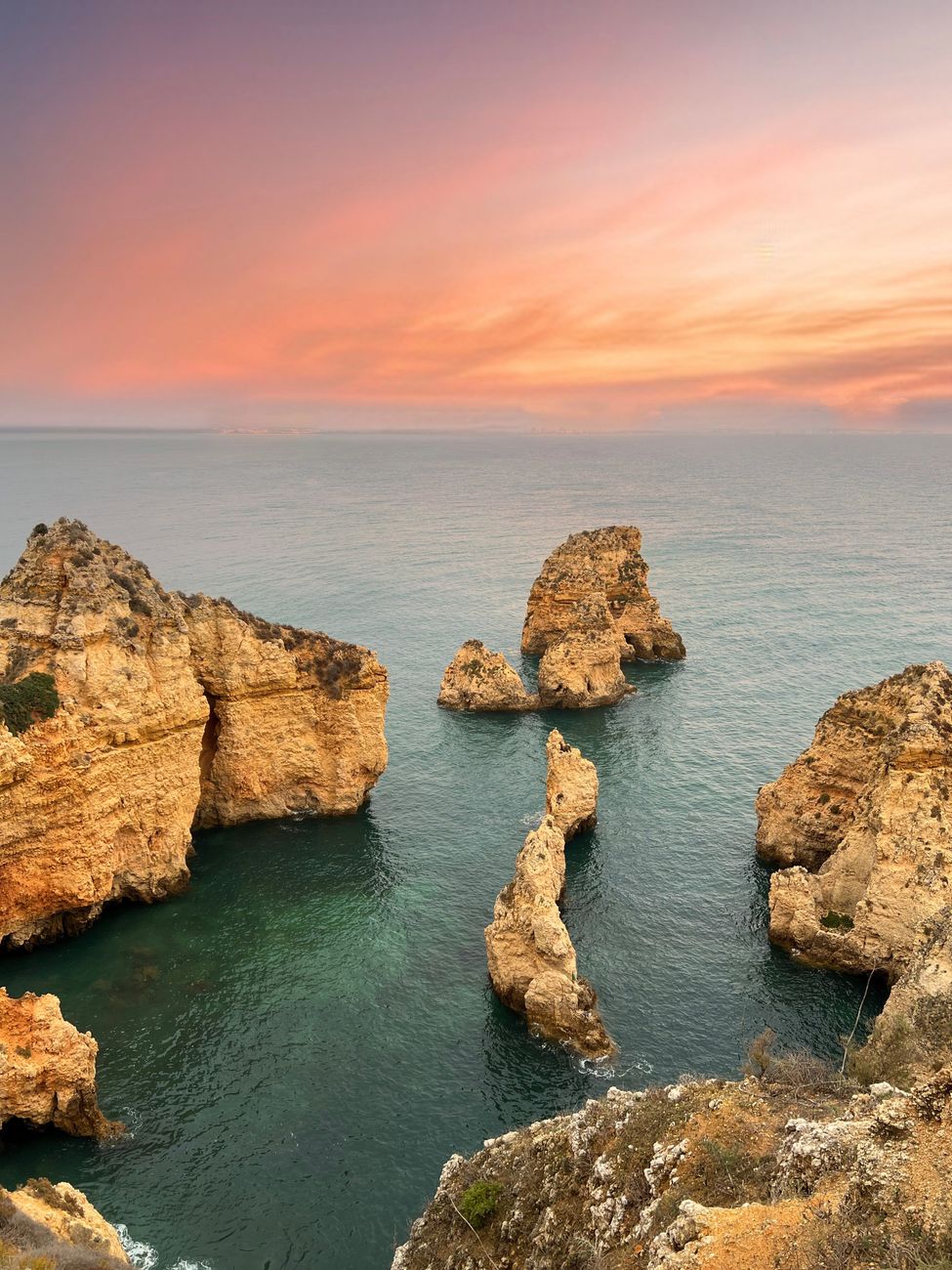
Ponta da Piedade’s sea-carved cliffs and arches are a landscape that can be experienced from a short boat tour out of Marina de Lagos or from the clifftop viewpoints — this geological contrast defines the local coastline. The historic centre around Praça Gil Eanes and Igreja de Santo António offers compact, walkable streets and a handful of small museums such as the Museu Municipal / Mercado de Escravos that explain Lagos’s maritime past.
Beaches like Praia Dona Ana and Praia do Camilo are within easy walking distance of the centre and offer different moods: Dona Ana is broader and easier to access, Camilo is smaller and reached by long wooden stairs with a strong viewpoint. Practical travel reasons include direct train connections on Lina do Algarve to Faro and regular intercity buses, which make Lagos convenient as a base for short day trips to Portimão or Sagres. Finally, the local seafood and small fish markets provide access to fresh produce at lower cost than the bigger Algarve resorts.
Quick Planning Tips
Arrive by rail or bus from Faro Airport: Linha do Algarve trains from Faro station reach Lagos in about 1h10–1h20 and are simple to use with the CP app or station kiosks. An alternative is EVA Transportes buses; expect similar travel time and ticket prices around €6–10. Taxis from Faro Airport to central Lagos run about €70–90 depending on time and luggage.
Carry some cash for small markets and cafés — most places accept cards but smaller fish stalls and family-run cafés sometimes prefer euros. Avoid booking every boat tour on the same day as a midday beach visit; tide and swell affect grotto tours, so schedule the boat in the morning when seas are calmer. Also avoid staying too far from the old town if the plan is to maximise short walks between sights.

Day 1
Morning: Start at Praça Gil Eanes and walk to Igreja de Santo António (5–10 minutes). Visit the church interior and then cross to the Museu Municipal / Mercado de Escravos for local exhibits (allow 45–60 minutes). Both sites are in the compact old town, keeping walking time low.
Midday: Walk to Mercado Municipal de Lagos (10 minutes) for a quick market visit and a light lunch of fresh fish or local cheese. If planning to eat at a sit-down restaurant, Reserva or O Camilo are options near the beaches; O Camilo is beside the stairs to Praia do Camilo and serves seafood plates (allow 20–30 minutes walk from the market).
Afternoon: Descend the stairs to Praia do Camilo (5–10 minutes from the restaurant), spend an hour at the beach, then walk the clifftop path toward Ponta da Piedade viewpoint (15–20 minutes). The clifftop walk is short but exposes visitors to sun and wind; bring sun protection.
Evening: Return to the old town (20 minutes walk from Ponta da Piedade viewpoints or a short taxi) and have dinner on Rua 25 de Abril or Rua Cândido dos Reis. For an evening recommendation, choose a small seafood restaurant near Praça Gil Eanes to avoid long waits and a long walk back to accommodation.

Day 2
Morning: Book a Ponta da Piedade boat tour leaving from Marina de Lagos (departures often between 10:00–11:00). Allow 60–75 minutes for the grotto and arch tour; arrive 30 minutes early to buy or confirm tickets at the marina desk. After the tour, explore the marina area and grab a coffee at a quay-side café.
Midday: Walk to Praça do Infante for lunch in the old town (10–15 minutes). Choices include petiscos (Portuguese tapas) or grilled sardines depending on the season. Use the time to check small shops and the Forte da Ponta da Bandeira on the waterfront.
Afternoon: Take a short bus or taxi to Meia Praia if a longer, flatter beach is wanted (5–10 minutes by taxi). Meia Praia is a long sandy stretch with rental options for paddle boards and longer walks along the shore. Alternatively, walk back through town and visit local artisan shops along Rua Lançarote de Lagos.
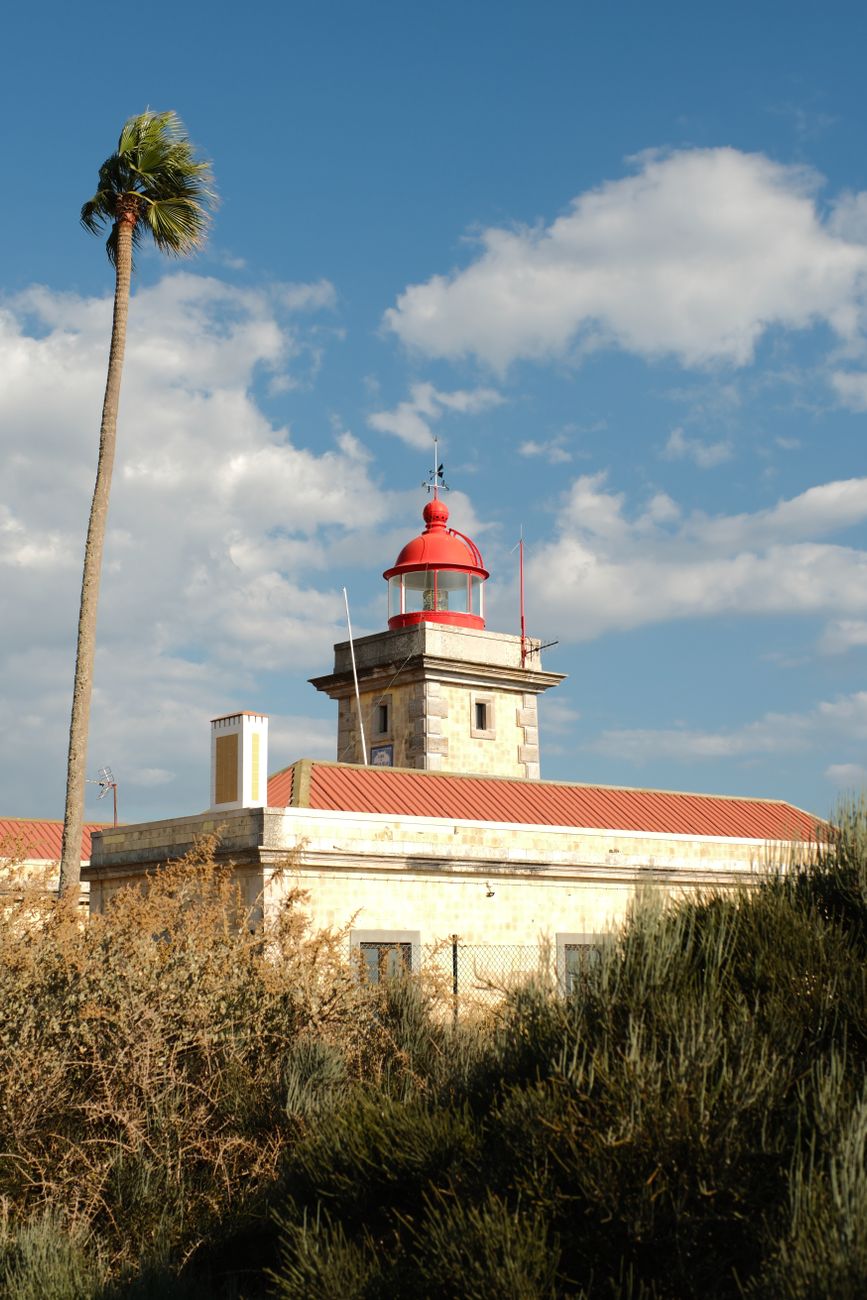
Evening: Head to a viewpoint near the lighthouse for sunset or book a seafood dinner at a restaurant near the marina. For nightlife keep to small bars around Praça Gil Eanes rather than the busiest tourist disco spots to avoid steep prices and crowds.

Day 3
Morning: Reserve morning for quick sightseeing or a second short boat trip if weather prevented one earlier. Visit Forte da Ponta da Bandeira and then walk along Avenida dos Descobrimentos toward the municipal market for last-minute purchases (20–30 minutes total walking if staying central). Pack or check out mid-morning if your accommodation requires it.
Midday: If an afternoon flight or train is scheduled, use early midday for a short beach visit to Praia Dona Ana (10–15 minutes from the old town on foot) and an early lunch at a nearby café. Leave at least 90–120 minutes to return, collect luggage if needed, and reach Lagos station or a taxi rank.
Afternoon: For those catching a train to Faro or a bus to the airport, allow at least one hour buffer for seasonal queues and station ticket lines. Taxi ride to Faro Airport takes about 50–65 minutes and costs roughly €70–90; book in advance for an afternoon departure in high season. If staying longer, consider a late-afternoon transfer to Portimão for more train/bus options.
Evening: If schedule allows, finish with a relaxed dinner near Praça Gil Eanes. For travelers leaving late, keep bags at accommodation and confirm luggage storage before exploring the final hours.
Best Local Experiences
Walk the clifftop trail from Praia do Camilo to the Ponta da Piedade viewpoints for coastal geology and tough-but-short paths that reward with layered headlands. Take a grotto and arch boat trip from Marina de Lagos to see caves best accessed by sea; choose a small boat operator for closer access but beware of overbooked departures in July and August.
Visit Mercado Municipal de Lagos early morning to watch fishmongers and local shoppers and compare catches at adjacent stalls. Spend an evening at Praça Gil Eanes sampling petiscos and watching street life. Try a day trip to Sagres or a short train ride to Portimão for a different shoreline and fish restaurants. Attend a small local festival if visiting in season — Festa da Nossa Senhora da Luz or harbour events sometimes include live music and local stalls that offer a more local feel than tourist menus.
Where to Stay
Old Town (Centro Histórico): Suited for walking access to museums, restaurants and Praça Gil Eanes. Best for first-time visitors who plan to be on foot. Nightly costs range widely: low-season guesthouses €50–80, mid-range hotels €90–160, high-season €140–250 depending on room type (EUR prices).
Marina and Meia Praia: Suited for families and beach-focused travelers who want longer sand access and water activities. Meia Praia has larger resort hotels and apartment blocks; expect €80–170 per night for comfortable options, higher in July–August. A taxi or long walk connects the marina to the old town.
Parish of São Sebastião / Bensafrim outskirts: Suited for budget travelers or those with a car seeking quieter nights and lower prices. Accommodation here often drops to €40–80 per night for basic guesthouses or self-catering apartments, but factor in a 10–20 minute drive to town. Overall, book early in peak months and prefer central locations if relying on walking or taxis.
Food and Drink
Cataplana de Marisco: A seafood stew cooked in a metal clamshell pot; looks like a mixed seafood boil with tomatoes and herbs. Good places include family-run restaurants near the marina and expect €12–18 per person. Grilled sardines (sardinhas assadas): Whole fish served with salad or potatoes; seasonal and inexpensive at local tascas for €8–14.
Arroz de marisco: A soupy rice dish with mixed shellfish, rich and often shared — order in mid-range restaurants, expect €12–20. Pastel de nata and local bolo de amêndoa: Available at bakeries for breakfast; expect €1.10–1.80 each. Street food option: bifana sandwiches are common at snack shops and markets (pork sandwich with spicy sauce) for about €3–5.
Breakfast option: a pastelaria near Praça Gil Eanes serves coffee and pastries for about €3–5. Dinner recommendation: choose a seafood restaurant with views near the marina or a recommended tasca in the old town — mains typically €12–25 depending on portion and season. For drinks, local white wines and vinho verde per glass run €2.50–5; a beer is usually €2–4.
Getting Around
No metro or tram system exists here; travel is by foot inside the centre, regional train (Linha do Algarve) and intercity buses (EVA Transportes and other operators). Linha do Algarve connects Lagos with Faro, Portimão and other Algarve towns; trains are the best option for a predictable schedule and storage for luggage at stations. Single train fares such as Faro–Lagos are about €6–8; check the Comboios de Portugal (CP) app for real-time timetables.
Local taxis and ride apps operate in town for quick hops; a taxi from Lagos centre to Marina or nearby beaches is typically €5–10 depending on distance. There is no common one-day bus pass for town sightseeing; bus and train tickets are bought per journey. Useful apps: CP (Comboios de Portugal) for trains and the EVA Transportes website/app for intercity buses. Google Maps and Maps.me generally show walking routes and ferry or boat operators for Ponta da Piedade.
Best Time to Visit
High season (July–August): Temperatures average 24–30°C with long sunny days; crowds and prices peak and beach facilities are fully staffed. Book everything well in advance if traveling in this period. Shoulder seasons (May–June and September–early October): Temperatures typically 18–26°C, seas warm enough for swimming in June and September, fewer crowds and better value on accommodation and tours.
Low season (November–March): Cooler, with averages 12–16°C and more rain; many businesses reduce hours and some boat operators run limited schedules. Best value and quieter streets occur in late spring and early autumn, when weather is generally good for coastal walks and market visits without the peak-season hassle.
Budget and Practical Tips
Typical daily budget (per person): Budget traveller: accommodation €40–70, food €20–30, transport €5–10, entry fees €5–10 — total €70–120/day (approx. $75–130). Mid-range traveller: accommodation €90–150, food €25–45, transport €8–15, entry fees/tours €15–30 — total €140–240/day (approx. $150–260).
Expect higher prices in July–August for hotels and boat tours. Many museum entries are small (€2–5) while Ponta da Piedade boat tours run €20–25. Tipping: service is often included in the bill but leaving small change or 5–10% for good table service is appreciated; taxis are usually rounded up. Practical tip: bring a small reusable water bottle and refill at cafés or grocery shops rather than buying multiple single-use bottles to save money and avoid repeated small purchases.
FAQ
Is Lagos safe for solo travelers?
Yes; daytime areas and main tourist streets are generally safe. Take normal precautions at night in crowded spots and keep an eye on belongings on beaches.
How do I get from Faro Airport to Lagos without a car?
Take a train from Faro station on Linha do Algarve or an EVA Transportes bus; trains run about hourly and take roughly 1h10–1h20, tickets about €6–8.
Is a city card or tourist pass worth buying for Lagos?
No standardized city card covers Lagos the way larger cities do; individual museum entries are inexpensive and boat tours are sold separately, so buying per-visit is usually cheaper.
Can I visit Benagil cave from here in a day?
Possible but time-pressured; Benagil departures are more frequent from Portimão or Albufeira, so expect a full day with travel and a longer boat transfer.
Are the beaches safe for swimming year-round?
Summer swimming is generally safe at main beaches but watch local flags for strong currents and occasional sea conditions; lifeguards are present on main beaches in high season.
Is public transport frequent within town?
No; the town is compact so walking is the primary mode. Buses and taxis fill in gaps, but bus frequency is lower than in larger urban centres.
Where can I store luggage if checking out but flying late?
Some guesthouses and hotels offer luggage hold; Lagos station has limited facilities, so confirm with accommodation or book a private luggage storage service in advance.
Do I need a car to see the main sites?
No for a 3-day visit: most key sites are accessible on foot or by short taxi/trip; a car is useful for broader Algarve exploration beyond Lagos.
Conclusion
A realistic 72-hour visit will be remembered for the contrast between limestone cliffs and a compact town where most attractions sit within a short walk. Prioritise a Ponta da Piedade experience (boat or viewpoint) and one relaxed beach; these two elements capture the place more reliably than trying to squeeze in distant cave systems. If time is tight, choose the boat tour in the morning and a short old-town walking loop in the afternoon — that combination gives a clear sense of the coastline and local life.
How this guide was prepared
This guide was prepared through a structured research that combines destination research, geographic context, itinerary planning logic, and content review.