

3 Days in Zanzibar: Stone Town, Jozani and Beach Time
A frank 3-day itinerary for Zanzibar covering Stone Town, spice tours, Jozani Forest and beaches with transport, realistic costs.
A practical three-day plan that balances Stone Town culture, a spice farm visit and a beach day with realistic timing, costs and transport advice.
Stone Town is a compact, old port quarter with narrow streets, carved doors and a waterfront that still hums with day traders and fishermen. The first impression is often heat, mixed smells from markets and the sound of calls to prayer layered over Swahili conversation. Expect small alleys where motorbikes must reverse to pass and storefronts that open directly onto the lane.
Beyond the alleys, the island’s other face is the coast: north beaches with solid infrastructure and east coast villages where windsurfing and seaweed farms dominate. Travel within the island requires mixing transport modes—walking in Stone Town, dala-dala minibuses, taxis and dhows for marine trips. That mix is part of the experience but also a frequent source of frustration for visitors used to scheduled transit.
This guide focuses on realistic daily pacing: one day for Stone Town and museums, one day for north-coast beaches/snorkel or east-coast kitesurfing, and one flexible day for Jozani, a spice tour and a short island trip. The plan aims to reduce wasted time caused by tide-dependent activities and unpredictable boat schedules.
Is 3 days in Zanzibar enough?
Three days is enough to see Stone Town properly, do a spice farm visit and spend meaningful beach/snorkel time on the north or east coast. The main caveat is that a full Mnemba Atoll boat snorkeling trip or a multi-island itinerary will likely need an extra day due to boat schedules and sea conditions.
Who This Guide Is For
Best for travellers who want a quick mix of culture and beach time and who can tolerate simple transport and budget variability. Poor fit for travellers wanting many remote islands or a strict luxury-only experience.
Local Tips for Zanzibar
Practical details that most travel sites skip — specific to Zanzibar.
- Azam Marine fast ferry between Dar es Salaam and Stone Town runs multiple daily crossings; expect one-way fares roughly US$35–45 (about 80,000–110,000 TZS) and book seats in advance during holidays.
- Forodhani Night Market opens around sunset on Mizingani Waterfront; come after 19:00 for seafood and Zanzibar pizza—cash only at most stalls and street prices are about 2,000–6,000 TZS per snack.
- Jozani Chwaka Bay National Park charges roughly 10,000–15,000 TZS for entry and requires a park guide for the red colobus trail; plan 1.5–2 hours on site.
- Stone Town’s Darajani Market is busiest 06:00–09:00; buy whole cloves, cinnamon and black pepper there but haggle and expect small local-pack prices, not wholesale.
- Dala-dala minibuses are the cheapest local transport; short trips in Stone Town often cost 1,000–2,000 TZS; inter-town routes (Stone Town–Nungwi or Stone Town–Paje) take longer and usually require a full-seat fare or taxi if short on time.
How This Guide Was Prepared
This guide treats Zanzibar as an island with two rhythms: compact, walkable Stone Town and the very different pace of the island beaches and marine trips. Many guides romanticize alleys or sell only beach resorts; this guide explains how to move between neighbourhoods, realistic transport times and what to skip when tides or weather interfere. This guide was prepared through a structured research that combines destination research, geographic context, itinerary planning logic, and content review.
Plan Your Stay in Zanzibar
Use this itinerary as your starting point, then compare areas to stay, transport options, seasonal timing, and realistic daily costs before booking.
Why Visit
Stone Town’s architecture and street life are distinct from mainland ports; carved Omani doors, wooden balconies on Shangani and small museums explain the island’s role in Indian Ocean trade. Palace Museum (Beit al-Sahel) and the Old Fort give context to the Omani and Swahili heritage.
The spice farms around Kizimbani and Kidichi are practical, sensory outings: short guided walks show how cloves, cinnamon and nutmeg are grown and sold. These tours are compact and pair well with Stone Town half-days.
Marine activities are simply different from mainland coastlines: Mnemba Atoll offers some of the clearest snorkeling close to shore but requires booking and decent sea conditions. Nungwi and Kendwa offer swim-friendly beaches that are less affected by tidal variation than the east coast.
Jozani Chwaka Bay National Park is the best place on the island to see the endemic red colobus monkey and offers a contrasting green walk to the island’s coastal scenery.

Quick Planning Tips
Most international visitors arrive at Abeid Amani Karume International Airport; the straightforward option to Stone Town is a taxi for roughly 25,000–40,000 TZS (about 11–17 USD). From Dar es Salaam, Azam Marine fast ferries run to Stone Town; expect one-way fares around US$35–45 and 2–3 crossings daily depending on season.
Carry local currency: Tanzanian shillings (TZS) are essential for markets, street food and dala-dalas. ATMs are available along Kenyatta Road in Stone Town and many hotels accept cards, but plan on cash for most smaller purchases. Vodacom, Tigo and Airtel SIMs are sold at the airport and in town; a local data pack makes booking boats and taxis easier.
Avoid scheduling multiple sea-dependent activities on the same day. Low tides and wind can cancel Mnemba or dhow trips, so keep one flexible day as a buffer. Also avoid assuming daytime availability for certain small museums—check opening hours in advance.

Day 1
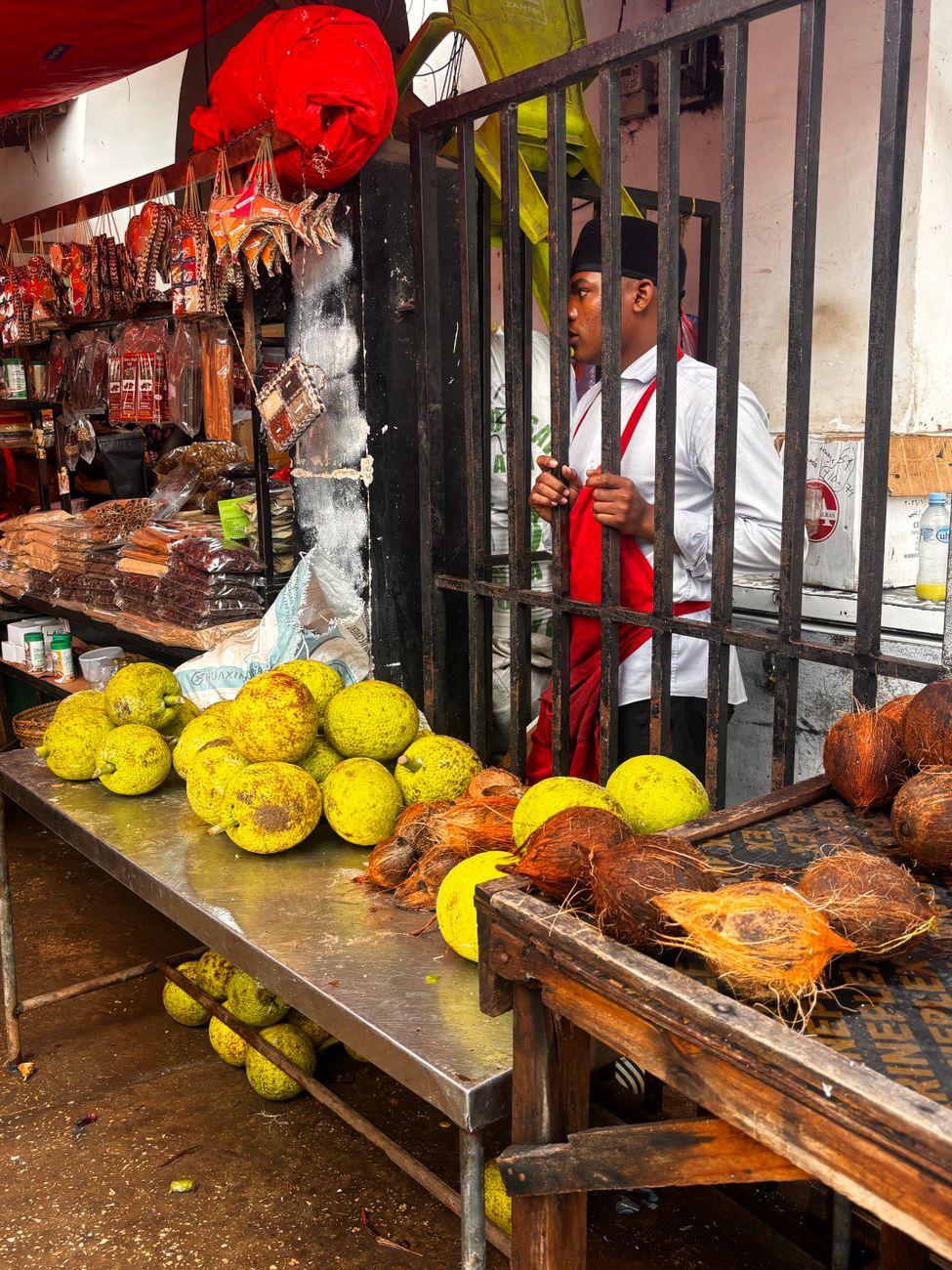
Morning: Start at Darajani Market on Darajani Street for an early local market experience; 06:00–09:00 is the busiest period. From Darajani, walk 5–10 minutes to Mkunazini (the fish market area) and then to Forodhani Gardens along Mizingani Waterfront; the walk is flat but often crowded with vendors.
Midday: Visit the House of Wonders (Beit-al-Ajaib) and the Palace Museum (Beit al-Sahel) on the same north–south axis; both are within 5–12 minutes on foot of Forodhani. House of Wonders entry can vary—check the current fee at the ticket desk, but expect an entry fee in the low tens of thousands of TZS. Plan 60–90 minutes combined for both sites depending on interest in exhibits.
Lunch: Eat at Lukmaan Restaurant on Haile Selassie Road for affordable plates of pilau, biryani and grilled fish; allow 30–45 minutes and expect 6,000–15,000 TZS per main dish. After lunch, walk 5–8 minutes to the Old Fort (Ngome Kongwe) for history and the small craft stalls around it; the Fort often hosts taarab concerts or craft events in the evenings.
Afternoon: Visit Freddie Mercury’s childhood home area and take time to photograph carved doors on Shangani and Shangani Road; allow another 30–45 minutes. If time allows, take a 30–40 minute guided tour of the Anglican Cathedral ruins and Slave Chamber on Mkunazini Road to understand the darker parts of the island’s past.
Evening: Return to Forodhani Gardens for the night market after sunset (around 19:00). Sample Zanzibar pizza and grilled seafood and sit by the waterfront; bring small change as most stalls are cash only. If a rooftop meal is preferred, book in advance at a rooftop restaurant near Hurumzi for sunset views and a sit-down Swahili dinner.
Day 2
Choose a north-coast focus or an east-coast active option depending on priorities. Option A — North coast and snorkel: Leave Stone Town early by taxi (driving time to Nungwi 1.5–2 hours depending on traffic) or arrange a private minivan. Nungwi and Kendwa have beaches that are swim-friendly throughout the day because they experience smaller tidal swings than the east coast. Spend the late morning snorkeling or swimming; boat trips to Mnemba Atoll typically depart from Matemwe or Nungwi and take 40–60 minutes each way.
If booking a Mnemba trip, expect to pay roughly US$60–100 per person for a half-day including guide and snorkel gear; confirm whether a park fee is included. Lunch in Nungwi can be fresh grilled seafood at Langi Langi Beach Restaurant or local grill stands; budget 15,000–40,000 TZS per person depending on choice.
Option B — East coast and water sports: For kitesurfing or windsurfing head to Paje or Jambiani; taxi time from Stone Town is about 1–1.25 hours. Rent gear from a kitesurf school and book lessons in advance if needed; prices vary but expect 60,000–150,000 TZS for board and hour-based instruction.
Evening: North-coast visitors can watch sunset from Kendwa Rocks or a beach bar in Nungwi; east-coast visitors often enjoy a quieter seafood dinner in Jambiani. Return to Stone Town late or stay overnight on the coast if a long day is unwanted—travel times back can be reduced by private transfer.

Day 3
Morning: Start with a spice farm tour at Kizimbani or Kidichi—most visits are 60–90 minutes and include tasting and a short guided walk through cloves, nutmeg and cinnamon trees. These farms are 20–40 minutes by car from Stone Town depending on location and traffic.
Midday: Transfer to Jozani Chwaka Bay National Park, allow 60–90 minutes for the drive from Stone Town. The guided red colobus trail at Jozani takes around 45–75 minutes including a boardwalk over mangroves. Plan for a park entry plus guide fee of about 10,000–15,000 TZS.
Afternoon option (if flight or ferry is later): Take a short boat trip to Prison Island (Changuu) from Stone Town’s Jetty; the round-trip boat fare and island entry typically total 25,000–50,000 TZS depending on negotiation and group size. The giant tortoises there and a short coral snorkel make a convenient half-day.
Practical note for departures: If catching a late-afternoon flight from Abeid Amani Karume Airport, avoid booking a sea excursion on the same day. Allow at least 2–2.5 hours travel time to the airport plus check-in; taxis from Stone Town to the airport generally cost 25,000–40,000 TZS. Leave extra time for unexpected delays in town.

Best Local Experiences
Forodhani Night Market on Mizingani Waterfront is the best place to sample street food in the evenings, from Zanzibar pizza to grilled octopus. Darajani Market in Stone Town is where traders buy whole spices—visit early and watch local bargaining.
A spice farm tour at Kizimbani or Kidichi is a compact, sensory experience that explains where cloves and cinnamon are grown and how they are processed. Prison Island (Changuu) offers a quick boat ride from Stone Town and a chance to see Aldabra tortoises with relatively low transit time.
Jozani Chwaka Bay National Park’s red colobus trail is the most reliable place to see endemic monkeys on the island; the mangrove boardwalk is part of the route. A dhow sunset cruise from Stone Town’s jetty is a short, easy evening trip that pairs well with Forodhani dinner afterward.
Seaweed-farming visits in Jambiani show a working coastal economy and can be combined with local lunch. Finally, a Mnemba Atoll snorkel day trip is a marine highlight if weather permits; book it with a reputable operator and expect a boat ride of 40–60 minutes.

Where to Stay
Stone Town: Suits history-first travellers who want walking access to museums, markets and night food stalls. Budget guesthouses along Shangani or Mizingani can cost about 40,000–120,000 TZS per night (≈17–52 USD). Mid-range hotels near Forodhani and Hurumzi typically run 120,000–300,000 TZS (≈52–130 USD). Luxury boutique options and rooftop rooms are more expensive.
Nungwi / Kendwa (north coast): Suits beach-focused travellers wanting full days of sun and easy boat access. Nightly rates vary widely: basic beachfront bungalows 100,000–250,000 TZS (≈43–108 USD), mid-range resorts 250,000–600,000 TZS (≈108–260 USD), high-end villas more than 700,000 TZS (≈300+ USD).
Jambiani / Paje (east coast): Suits kitesurfers and those who prefer a quieter village feel and wind-dependent activities. Expect simple guesthouses for 50,000–150,000 TZS (≈22–65 USD) and kitesurfing hostels or mid-range lodges in the 150,000–300,000 TZS range (≈65–130 USD). Consider staying a night on the coast if a long transfer on the day of arrival would be tiring.
Food and Drink
Urojo (‘‘Zanzibar mix’’) is a spicy tangy soup served for breakfast and snacks, often called mix or murojo; try it at single-stall vendors near Darajani or Forodhani for about 3,000–6,000 TZS. Zanzibar pizza is a folded fried or grilled street snack at Forodhani Night Market; expect to pay 2,000–6,000 TZS depending on fillings.
Pilau and biryani are common Swahili rice dishes served with spiced meat or seafood; Lukmaan in Stone Town is a reliable local spot and mains often cost 6,000–15,000 TZS. Mshikaki are marinated meat skewers sold by roadside vendors and markets for 2,000–5,000 TZS each.
Seafood: grilled whole fish or octopus at Forodhani and Nungwi runs from 15,000–45,000 TZS depending on size and restaurant. For a sit-down dinner with local flavour, book a rooftop or courtyard restaurant in Stone Town—expect 30,000–90,000 TZS per person.
Drinks: Chai (spiced tea) and kahawa (coffee) are common; try masala chai with coconut milk for about 1,000–3,000 TZS. Fresh sugarcane juice and coconut water are sold along beaches and markets for small cash amounts.
Getting Around
Local transport modes are dala-dala minibuses, taxis, boda-boda motorbike taxis, private car hires and boats/dhows for sea transfers. Dala-dala rides inside Stone Town usually cost 1,000–2,000 TZS; longer inter-town dala-dala fares vary and often require filling the vehicle before departing.
There is no rail or metro. Taxi from Abeid Amani Karume Airport to Stone Town is roughly 25,000–40,000 TZS (≈11–17 USD). A private transfer to Nungwi typically costs 60,000–150,000 TZS depending on vehicle size and season. Bolt operates sporadically in Unguja but coverage is not guaranteed; having local taxi numbers and cash is essential.
For marine trips, Azam Marine runs the fast ferry to Dar es Salaam—buy tickets online or at the terminal. No universal day-pass exists for island transport, so plan fares individually. Useful apps: Google Maps and Maps.me for offline navigation, and local WhatsApp numbers for boat operators or hotel transfers.
Best Time to Visit
High season runs July–August and mid-December to early January when weather is dry and sea conditions are calm; expect higher prices and fuller hotels. Temperatures in these months typically sit 25–30°C with lower humidity and good sea visibility.
Avoid the long rains from March through May when heavy, sometimes prolonged showers make marine trips less reliable and inland trails muddy. Short rains appear around late October to early December; humidity and sporadic showers rise then.
Best value months are September–November (outside the short rains window) and late January–February when weather is warm and hotel rates are generally lower than peak season. Sea conditions for snorkeling are best in dry months when visibility increases.
Budget and Practical Tips
Budget traveller per day: accommodation 40,000–120,000 TZS (≈17–52 USD), food 10,000–25,000 TZS (≈4–11 USD), transport 5,000–20,000 TZS (≈2–9 USD), entry fees/snorkel extras 10,000–50,000 TZS (≈4–22 USD). A low-budget daily total around 65,000–200,000 TZS (≈28–87 USD) is realistic.
Mid-range daily: accommodation 150,000–350,000 TZS (≈65–152 USD), meals 25,000–60,000 TZS, transport and activities 30,000–120,000 TZS; expect 200,000–500,000 TZS per day (≈87–217 USD). For higher-end travellers, villa and resort rates rise substantially.
Tipping: Small tips for porters and service staff are appreciated—rounding up bills or 5–10% in sit-down restaurants when service is good is typical. In markets and street stalls tipping is uncommon. Carry smaller TZS notes for transactions and tips. Check and agree prices for boats and taxi fares up front to avoid misunderstandings.
FAQ
Is Zanzibar safe for solo travellers?
Stone Town and major resort areas are generally safe during daylight and early evening; exercise standard city caution, avoid poorly lit alleys at night, secure valuables and watch for petty theft in crowded markets.
How do I get from Dar es Salaam to Stone Town?
Options are the Azam Marine fast ferry (one-way around US$35–45) or a flight; ferries run most days but check schedules and book in busy months.
Is a city card or tourist pass worth buying?
There is no comprehensive city pass that covers all island transport and attractions; buy tickets individually for museums and park entries and reserve boat trips separately.
Can credit cards be used widely?
Cards work at mid-to-high-end hotels and some restaurants; small vendors, markets and many beach shacks accept cash only—carry TZS and some USD as backup.
Will language be a barrier?
Swahili is the common language and English is widely spoken in tourist areas, guides and hotels; learning a few basic Swahili phrases helps interaction.
How reliable are boats to Mnemba and Prison Island?
Boats depend on tides and wind; morning trips are sometimes canceled if seas are rough—book with a buffer day and confirm pickup times the evening before.
Do I need a visa?
Many nationalities can obtain a Tanzania e-visa before arrival or a visa on arrival; check the current Tanzania government e-visa portal for requirements and fees.
Is it possible to see monkeys and marine life in a single day?
Yes—combine an early Jozani visit with an afternoon Prison Island snorkel if boat schedules and tides align, but avoid packing both if an afternoon flight is planned.
Conclusion
A three-day schedule that pairs a full Stone Town day, one coast-focused day and a flexible nature or spice tour day will capture the island’s most distinctive contrasts without overpacking the itinerary. Expect to remember the market sounds, carved doors and the contrast between alleys and open beach after the trip.
If time becomes tight, prioritise Stone Town’s morning market plus Forodhani Night Market and one beach or snorkel trip; these deliver the clearest taste of local life, food and sea in a limited schedule.
How this guide was prepared
This guide was prepared through a structured research that combines destination research, geographic context, itinerary planning logic, and content review.