

3-Day Lubbock Itinerary: Music, Ranching and South Plains Eats
Practical 3-day guide to Lubbock: music history, Texas Tech campus, ranching museums, and local eats with realistic transport, timing, and costs.
A no-nonsense 72-hour plan to see Buddy Holly-related sites, Texas Tech museums, ranching exhibits, and the best local barbecue and breakfast spots while managing driving times and museum hours.
A first impression is of wide streets, a strong university presence, and museums that reflect regional identities—music and ranching in particular. Expect long, straight drives and wind off the Llano Estacado; this is a place where a car or reliable rideshare shapes almost every itinerary.
Crowds are mostly event-driven: football weekends at Jones AT&T Stadium, exhibition openings, and summer fairs. Many visitors underestimate how spread out attractions are and overestimate late-night dining options on weekdays.
The city suits travelers who like small to mid-size museums, live music, and hearty regional food, and who prefer a slower, deliberate visit rather than a compressed sightseeing sprint. Avoid expecting a closely packed downtown arts district like larger metros; instead, plan logical drives, check hours, and time meals around museum schedules.
Is 3 days in Lubbock enough?
Three days is enough to cover the signature experiences: Buddy Holly-related sites, the National Ranching Heritage Center, Museum of Texas Tech, and a sampling of local food and music. The trade-off is limited time for day trips outside the metro area or deeper winery and trail exploration.
Who This Guide Is For
Best for travelers who want music history, college-campus culture, and regional museums and who can drive or use rideshares. Poor fit for visitors relying solely on public transit or expecting a dense, walkable downtown.
Local Tips for Lubbock
Practical details that most travel sites skip — specific to Lubbock.
- Lubbock Citibus fares are low: single ride $1, day pass $2; pay with the Token Transit app on most routes and check route maps before assuming frequent service.
- Buddy Holly Center near the Depot Entertainment District operates seasonal hours—expect small admission fees under $10 for rotating exhibits and shorter weekend hours than larger museums.
- National Ranching Heritage Center sits on the Texas Tech campus; adult admission is typically around $8–10 and it's an easy 10–20 minute walk to the Museum of Texas Tech.
- Llano Estacado Winery maintains a tasting room where flights commonly cost $5–10; weekend tastings fill up during warm months, so reserve or arrive early.
- Mackenzie Park (home to Prairie Dog Town and the Science Spectrum) is exposed and windy—bring sunscreen and a windbreaker, and plan outdoor time for mornings when gusts are lighter.
How This Guide Was Prepared
This guide treats Lubbock as a working regional hub rather than a postcard: expect long distances between attractions, a strong college-town rhythm, and an outsized local music and ranching identity. Many guides bundle every site into a walkable downtown loop; the reality is that a car or rideshare matters and museum hours are uneven, so this plan groups places by realistic travel time and local opening patterns. This guide was prepared through a structured research that combines destination research, geographic context, itinerary planning logic, and content review.
Plan Your Stay in Lubbock
Use this itinerary as your starting point, then compare areas to stay, transport options, seasonal timing, and realistic daily costs before booking.
Why Visit
The music history is specific and concentrated: the Buddy Holly legacy is curated at a dedicated museum and reflected in local festivals and the Walk of Fame. Museum visits connect that story to other local narratives.
Texas Tech brings campus culture, public art, and sports energy; visiting the Museum of Texas Tech and attending a game (if timing allows) shows a different civic side than the downtown nightlife.
The National Ranching Heritage Center documents ranch life with preserved buildings and working exhibits that are uncommon in mid-size US cities. That collection is a clear reason to visit for anyone interested in agricultural history and ranch architecture.
The surrounding plains set the scene: wind, open skies, and local food rooted in Texas barbecue and Tex-Mex make eating and short drives part of the attraction rather than an afterthought.

Quick Planning Tips
Fly into Lubbock Preston Smith International Airport (LBB); the airport is roughly a 10–20 minute drive to central neighborhoods. Rental cars are widely available; expect taxi or rideshare to cost about $20–35 to central hotels depending on time of day.
Currency is US dollars. Most restaurants and museums accept cards, but small food trucks and weekend vendors may be cash-only, so keep small bills on hand. Pay parking meters on 19th Street and at some park lots to avoid fines.
One planning mistake to avoid is assuming frequent public transit between attractions. Lubbock Citibus serves key corridors but service frequency is limited outside weekday peak hours, so plan for a car or check Token Transit for bus passes.
Day 1
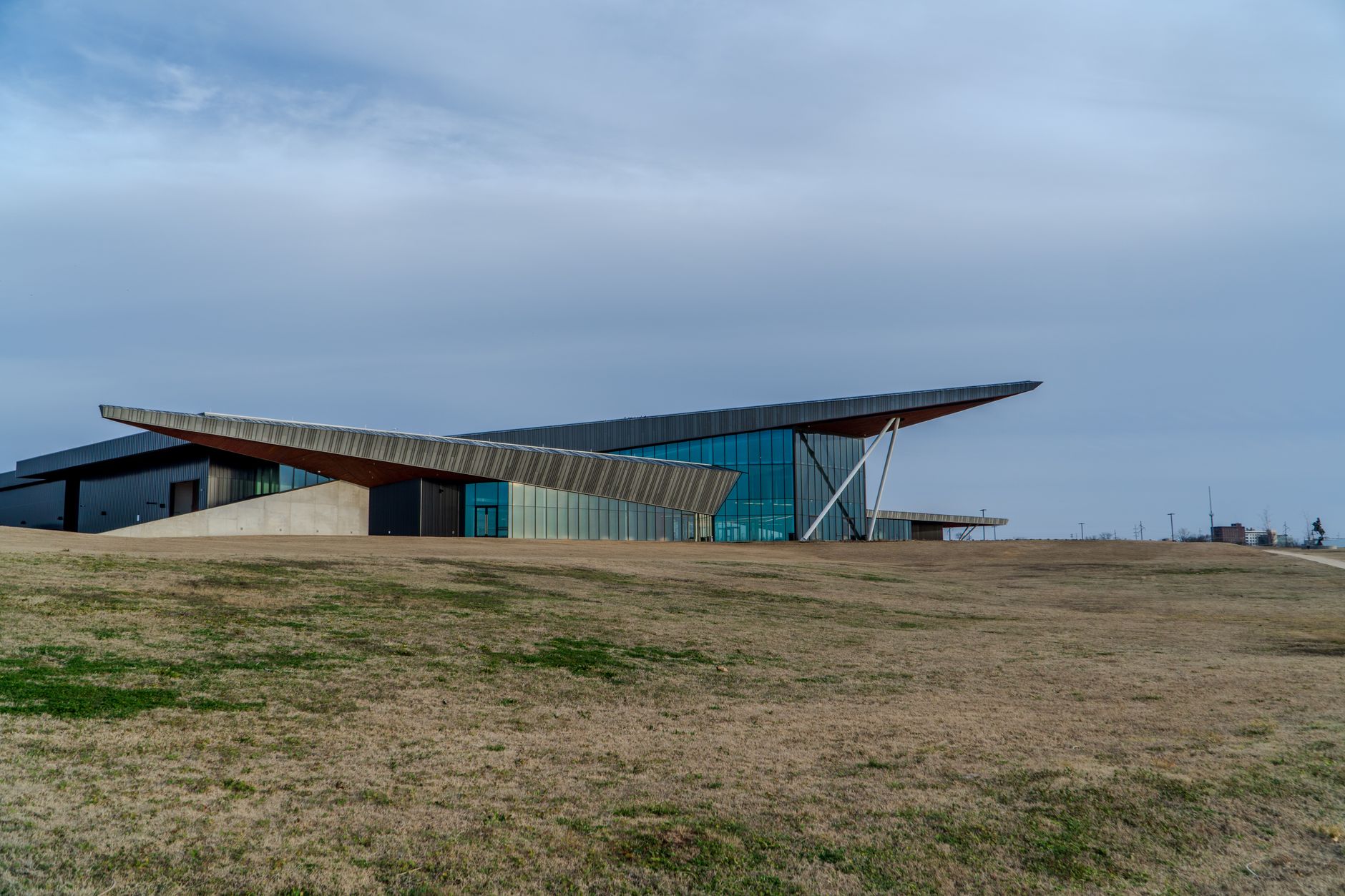
Morning: Start downtown at the Buddy Holly Center and the adjacent West Texas Walk of Fame. Allocate 60–90 minutes for the museum and photo opportunities on 19th Street. The Depot Entertainment District is a short walk from the center and is useful for a quick coffee stop or to note evening venues.
Late morning: Drive 5–10 minutes to the National Ranching Heritage Center on the Texas Tech campus. Allow 1.5–2 hours to walk the outdoor historic building exhibits and covered barns; walking between the ranching center and the Museum of Texas Tech takes about 10–15 minutes.
Lunch: Eat at Evie Mae's Pit Barbecue for brisket and smoked turkey; expect a 20–40 minute wait at peak midday and plan accordingly. The drive from the ranching center to Evie Mae's is about 10 minutes.
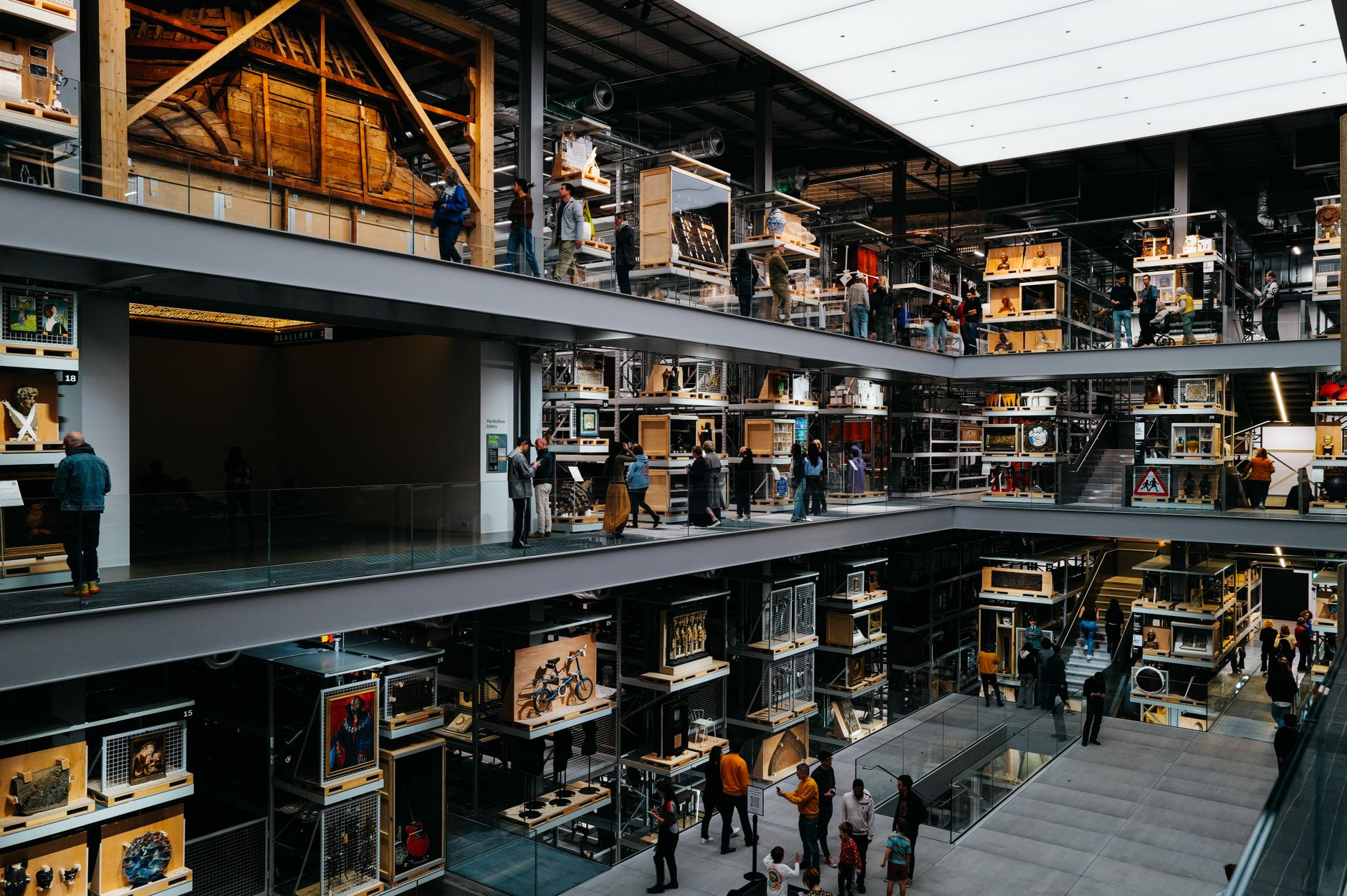
Afternoon: Visit the Museum of Texas Tech to see regional art and paleontology displays; allocate 1–2 hours. If interested in archaeology and natural history, add the Lubbock Lake Landmark (about a 10–12 minute drive north of campus) for a 60–90 minute trail and visitor center visit.
Evening: Return downtown for dinner at Triple J Chophouse or nearby eateries and then catch live music at Blue Light Live or a venue in the Depot Entertainment District. Late-night bar options cluster along 19th Street, but service can slow after midnight on weekdays.
Day 2
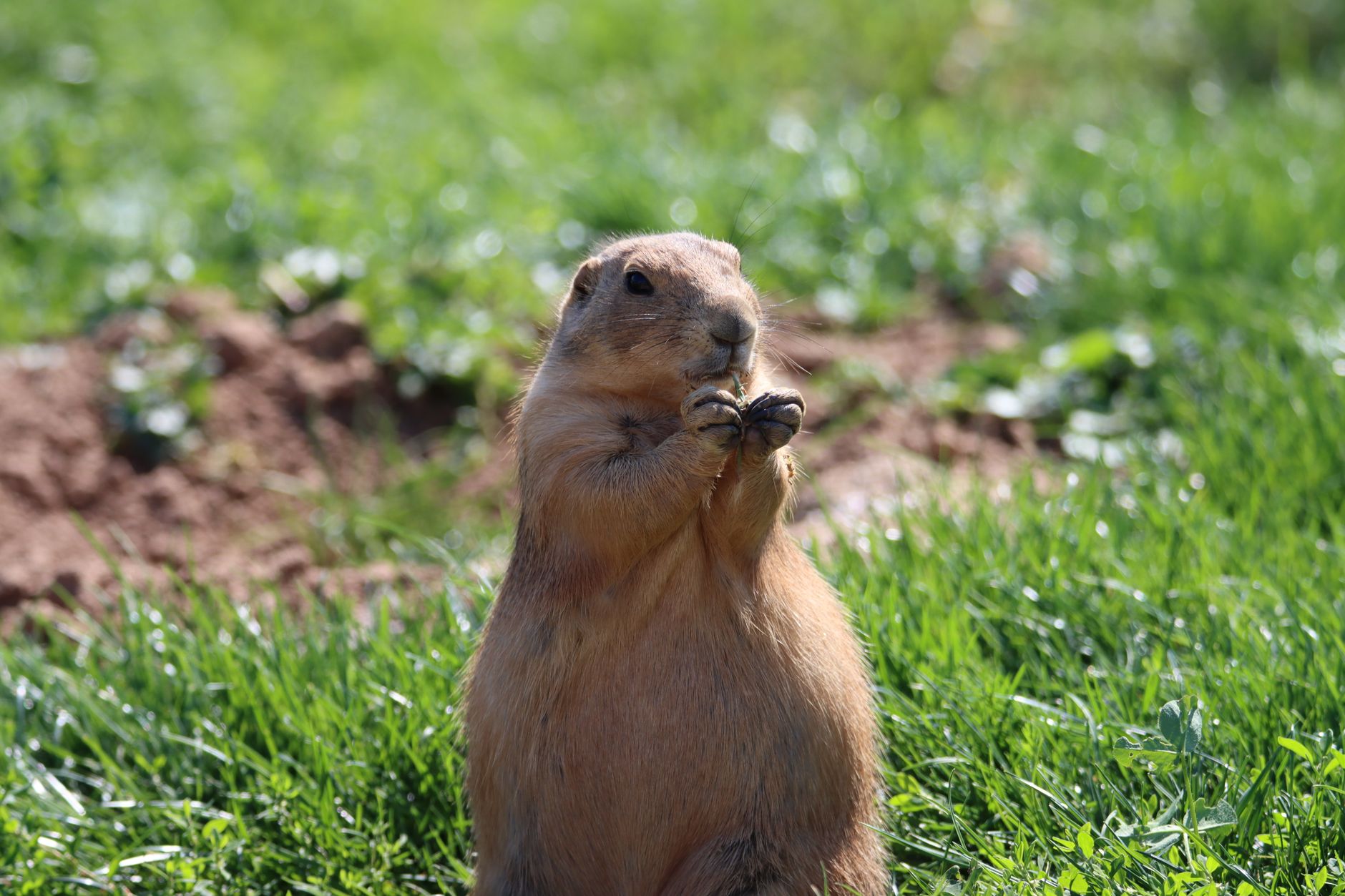
Morning: Begin at Mackenzie Park to see Prairie Dog Town and take a stroll around parts of the park. Allocate 45–60 minutes for the small animal viewing area and park paths. The Science Spectrum and Omni Theater sits inside the park complex and is a short drive or a 10-minute walk depending on where parking is taken.
Late morning to early afternoon: Head to the Silent Wings Museum to explore the World War II glider program collection; plan 1–1.5 hours. From Mackenzie Park to Silent Wings is a 10–15 minute drive.
Lunch: Try local Tex-Mex or a diner near 34th Street or 50th Street, where students and local workers eat affordably—expect $8–15 for a solid plate.
Afternoon: Drive out to the American Windmill Museum to see a concentrated collection of windmills; allow about 60 minutes. Alternatively, spend the afternoon on the Llano Estacado Winery tasting room for a tasting flight (allow 60–90 minutes) and short vineyard shop browsing.
Evening: Dinner at a downtown steakhouse such as Triple J if not used the night before, or join a college-town bar on 19th Street for a more youthful scene. Weekends may have live bands and later service.
Day 3
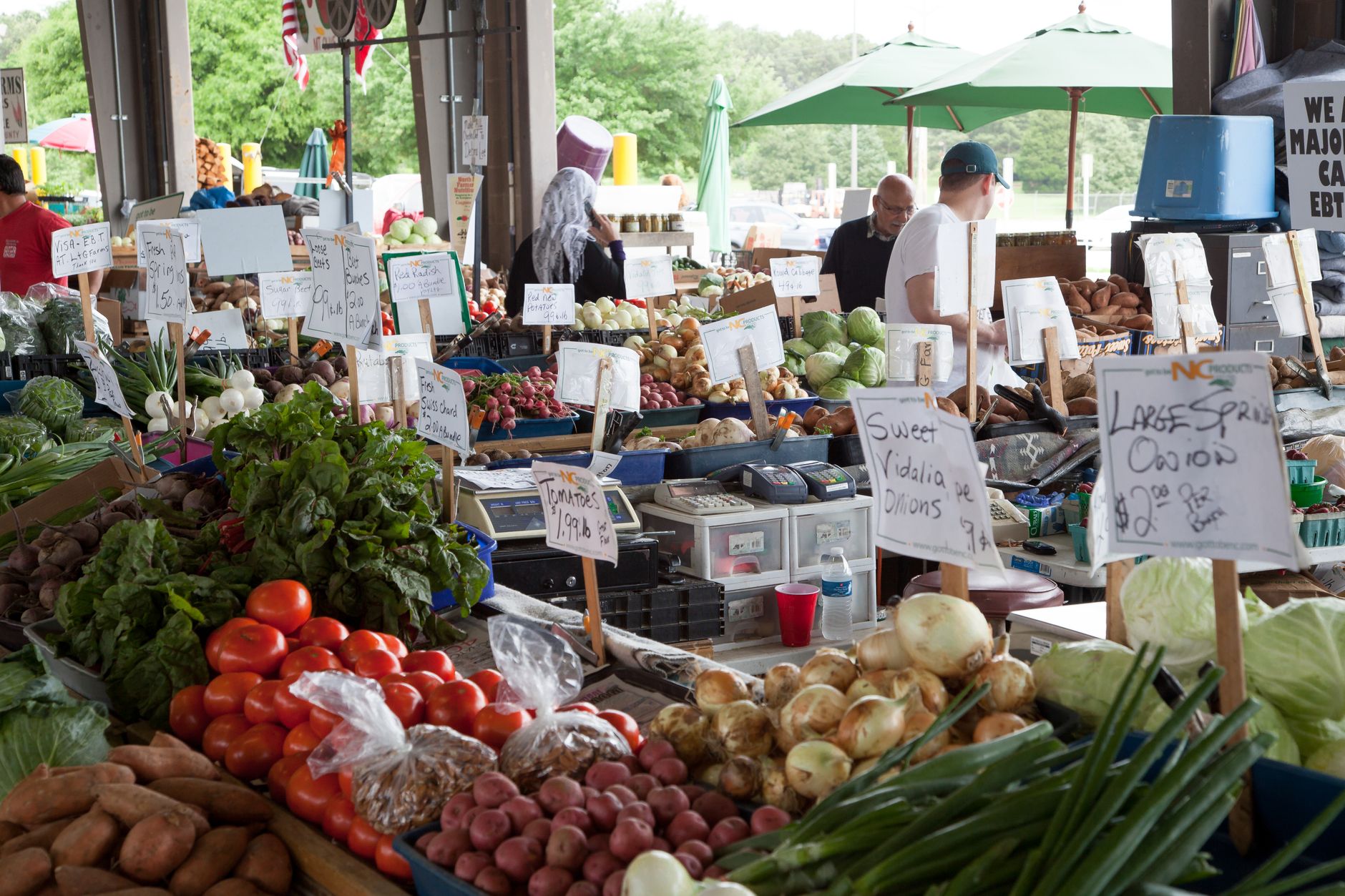
Morning: Visit the Museum of Texas Tech if missed on Day 1, or check out the Lubbock Downtown Farmers Market if it aligns with travel dates; markets usually operate on Saturdays with local produce and crafts. If staying near Texas Tech, walk campus public art routes or visit the campus bookstore.
Late morning: Stop at local specialty shops along 19th Street for coffee and kolaches or a quick bakery breakfast. Allocate 30–60 minutes depending on lines.
Lunch: Try a final barbecue or comfort-food plate at a well-reviewed spot such as Evie Mae's (if missed) or a popular diner. After lunch, schedule a short visit to any museum missed earlier—Science Spectrum, Lubbock Lake Landmark, or the American Windmill Museum—keeping in mind museum closing hours.
Practical note for departures: Allow 45–75 minutes to return a rental car, check baggage, and clear TSA at Lubbock Preston Smith International Airport. Weekend traffic is light, but weekday midday construction or event-related congestion near the stadium can add time.
Best Local Experiences
Buddy Holly Center and the West Texas Walk of Fame: a concentrated music-history stop with rotating exhibits and memorial plaques. Attend a live set at Blue Light Live or a university show for contemporary music context.
National Ranching Heritage Center: tour the assembled ranch buildings and catch demonstration days when available. Lubbock Lake Landmark: short trails and archaeology exhibits that reveal early human settlement on the South Plains.
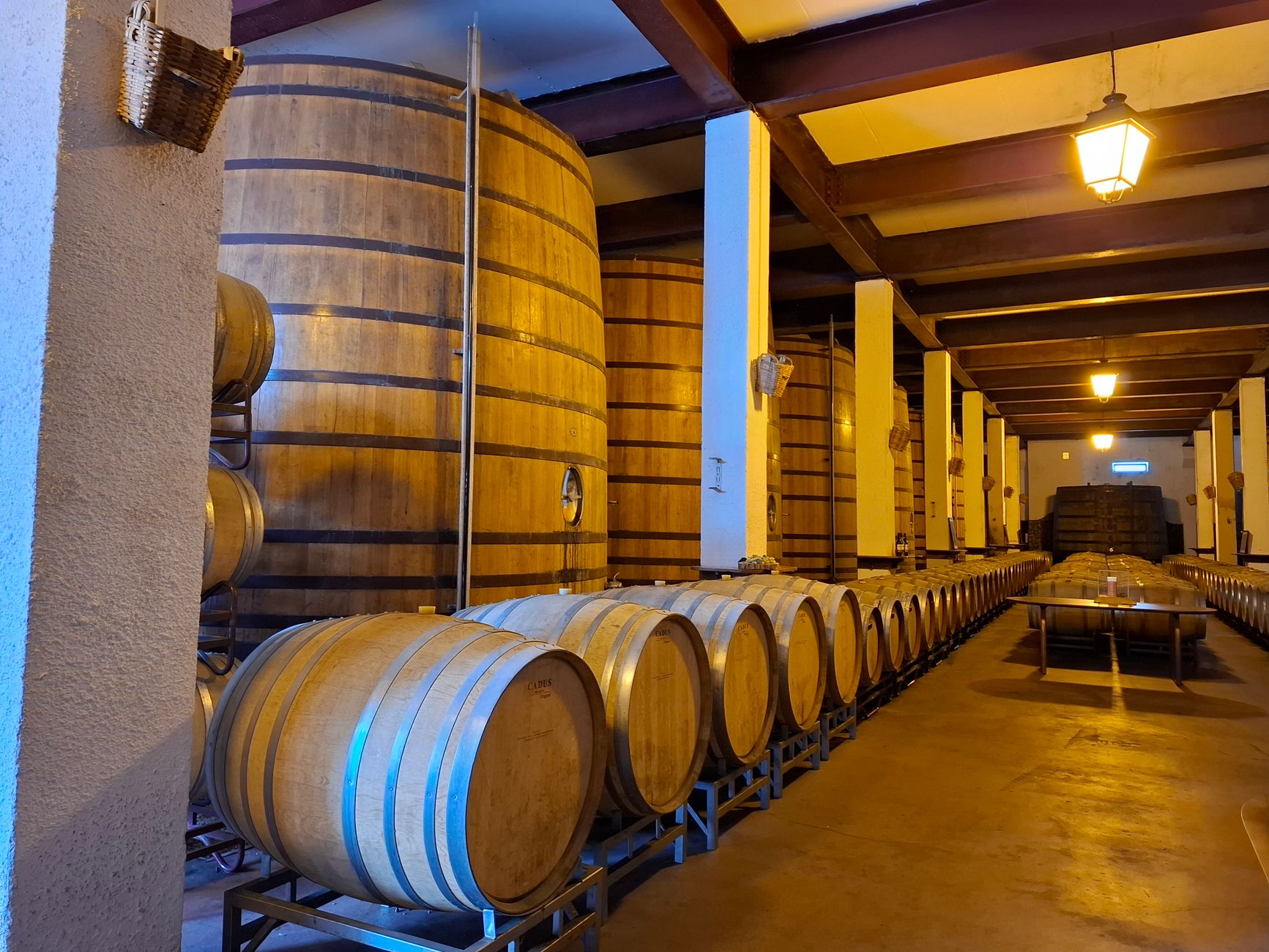
Prairie Dog Town at Mackenzie Park: quick, family-friendly viewing of native animals. Llano Estacado Winery tasting room: West Texas winemaking on-site; book a tasting flight and ask about seasonal live music.
Silent Wings Museum and the American Windmill Museum: specialized aviation and agricultural technology collections unusual for a mid-size city. Check local calendars for Texas Tech sporting events, which change the city's tempo and dining-hour crowding.
Where to Stay
Downtown / Depot Entertainment District: Suits travelers who want nightlife, music venues, and easy access to the Buddy Holly Center. Expect mid-range hotels and boutique options from roughly $90–160 per night (about €85–150 / USD shown). This area has the most evening options but can be noisy on event nights.
Texas Tech / University District: Best for college visitors and those who want campus access and quieter residential streets. Nearby hotels and rental rooms run about $80–140 per night (≈€75–130). Walking distance to the Museum of Texas Tech and the National Ranching Heritage Center.
South Lubbock / Mackenzie Park area: Suits families and outdoor-focused visitors, with larger chain hotels and easy access to the Science Spectrum and airport. Nightly rates are generally $70–120 (≈€65–110). Parking is ample and driving times to downtown are typically 10–20 minutes.
Food and Drink
Chicken-fried steak: A pan-fried, breaded beef steak served with cream gravy; find hearty plates at local diners and pubs for $10–15. Good diner examples are near the university and on 19th Street.
Barbecue brisket: Smoked brisket by the pound at places like Evie Mae's Pit Barbecue; expect $12–18 per plate and longer waits during peak midday service. Takeout lines move steadily but plan for 20–40 minute waits.
Tex-Mex enchiladas and migas: A staple breakfast or lunch option—look for college-area restaurants where plates run $7–12; migas often appear on weekend brunch menus.
Kolaches and bakery breakfast: Czech-influenced kolaches (sweet or sausage fillings) are common at local bakeries for $1.50–3 each; a practical grab-and-go breakfast.
Local beer and tasting rooms: Several small breweries and the Llano Estacado Winery tasting room offer flights. Brewery pints run $5–7 and winery flights $5–10. For dinner, Triple J Chophouse and downtown steakhouses provide higher-end meals for $25–45 per person.
Getting Around
Lubbock Citibus operates the local bus network; single-ride fares are $1 and a day pass is about $2. Use the Token Transit app to buy passes and check route maps; buses cover main corridors but frequencies drop on weekends and evenings.
Rideshare services (Uber, Lyft) operate in the area and are practical for nights out; expect 10–20 minute waits outside peak times. Taxi rides from LBB to central neighborhoods run about $20–35 depending on traffic.
Driving is the most flexible option. Street names to note are 19th Street for dining/nightlife and University Avenue for campus access. Use Google Maps, Apple Maps, or the Transit app for planning; parking is generally available but meters on 19th Street and event-day restrictions near the stadium apply.
Best Time to Visit
Spring (March–May) brings milder temperatures and strong wind; daytime highs 65–80°F (18–27°C) with occasional gusts and storm risk in April. This is the best balance of outdoor comfort and event scheduling.
Fall (September–November) offers pleasant weather, lower humidity, and college football season energy; highs typically 70–85°F (21–29°C) in early fall and cooler later. Expect heavier crowds on home football weekends.
Summer (June–August) is hot, with highs frequently in the mid-90s°F (35–37°C); outdoor midday plans are uncomfortable and museum visits are the better choice. Winter (December–February) is cool to cold with occasional freezes and highs around 45–55°F (7–13°C).
Budget and Practical Tips
Daily budget estimate (per person): Accommodation $70–150 (USD) / ≈€65–140; food $30–60 / ≈€28–55; transport $10–25 / ≈€9–23; museum/entry fees $10–25 / ≈€9–23. A reasonable three-day total for a mid-range traveler is roughly $300–600 (≈€275–550).
Expect tipping of 15–20% in restaurants; leave small change for bar service and $1–2 per bag for porters. Many eateries accept cards but keep $20–40 in cash for small vendors, parking meters, or market stalls.
Museum admission fees are modest but check for reduced rates for students and seniors. If driving, factor in gas and any event-day paid parking near Jones AT&T Stadium or festival venues.
FAQ
Is Lubbock safe for visitors?
Most daytime areas frequented by visitors are safe; normal city precautions apply after dark, especially outside well-lit entertainment corridors. Campus areas are patrolled and well-trafficked.
What are the best options to get from the airport to downtown?
Rental car, rideshare (Uber/Lyft), or taxi are the fastest options; expect $20–35 for a ride-share or taxi. No direct rail link connects the airport to the city center.
Is there a city pass for attractions worth buying?
No widely used city pass exists; individual museum tickets are inexpensive and most visitors buy single admissions rather than a bundled pass.
Can public transit get me between the main museums and Texas Tech?
Citibus routes serve corridors near major sites, but service frequency is limited, so plan rides around bus schedules or use rideshare for tighter timing.
Are there day trips recommended from here?
Caprock Canyons State Park and Palo Duro Canyon are possible day trips but are 1.5–3 hours away by car; these require a full day and early starts.
What should visitors know about football game days?
Home games at Jones AT&T Stadium sharply increase hotel and restaurant demand; parking fills early and downtown traffic can be congested before and after games.
Are museums closed on certain days?
Smaller museums often close or have limited hours on Mondays or Sundays—check each museum's website before visiting.
Is tipping included at casual restaurants?
Tipping is normally separate; 15–20% is customary unless a service charge is explicitly added.
Conclusion
A three-day visit will leave a clear sense of local character: a music legacy grounded in Buddy Holly, active university life, and museums that reflect ranching and aviation history. Transportation logistics and museum hours shape what can be realistically achieved, so prioritize the one or two sites that matter most and build meals and drives around them.
If time runs short, prioritize the Buddy Holly Center (for the town’s defining cultural reference), the National Ranching Heritage Center (for a uniquely local museum experience), and a landmark barbecue lunch to sample local food culture.
How this guide was prepared
This guide was prepared through a structured research that combines destination research, geographic context, itinerary planning logic, and content review.