
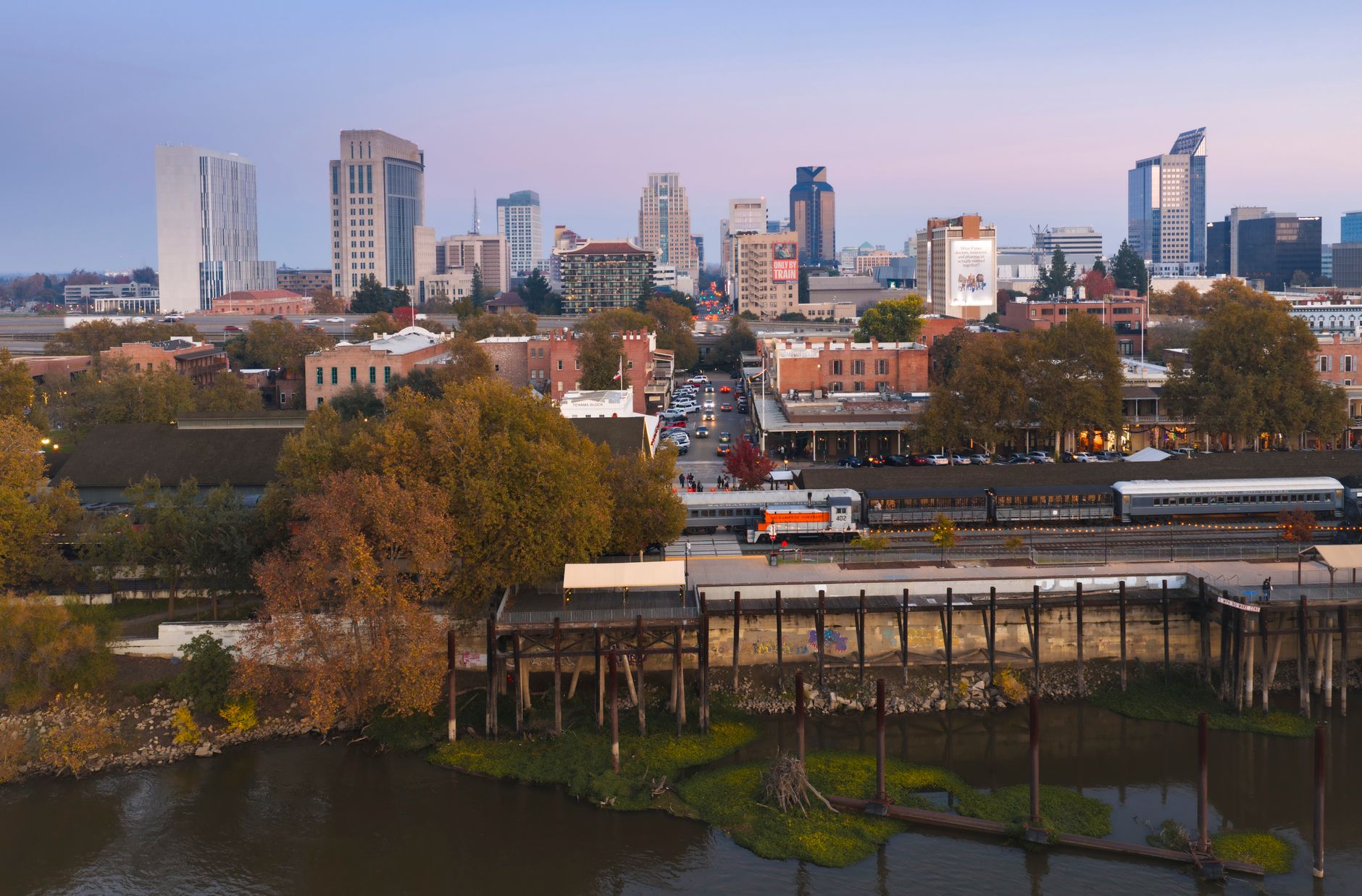
Three Days in Tallahassee: Practical 72-Hour Guide & Itinerary
A pragmatic 3-day Tallahassee plan with transit tips, neighborhood timing, meal prices, and realistic routing to see the capital without wasting time.
A no-nonsense 72-hour plan that balances statehouse sights, college-town culture, and nearby nature so time is spent seeing places that matter.
Expect a place shaped by state government offices, a large public university, and leafy suburban neighborhoods. The first impression is a mix of low-rise government buildings, college banners, and stretches of live oaks shading wide streets. Noise and traffic spike around legislative sessions and football Saturdays; other weekdays feel quieter and more local.
Travelers often mistake Tallahassee for a southern beach town. The reality is inland green space, short drives to coastal marshes, and a calendar that revolves around FSU and state business. This suits travelers who want museums, gardens, short hikes, and an authentic college-town food scene.
Is 3 days in Tallahassee enough?
Three days is enough to see the Capitol, major museums, Gaines Street/FSU areas, and to make a day trip to St. Marks or Alfred B. Maclay Gardens. Expect to skip Panhandle beaches and long coastal drives; those require extra days.
Who This Guide Is For
Best for travelers who like museums, state politics, short hikes, and college-town dining; not ideal for visitors whose primary goal is beach time or an active nightlife scene.
Local Tips for Tallahassee
Practical details that most travel sites skip — specific to Tallahassee.
- Railroad Square Art District First Friday (first Friday monthly, 6–9pm) — studios open and food trucks line Railroad Avenue; arrive by 5:30pm to find street parking.
- Cascades Park has free events on the amphitheater stage March–October; weekday parking is often available on Monument Street while paid lots fill quickly on Park Avenue.
- Frenchtown Farmers Market runs Saturday mornings by City Hall Plaza; many vendors prefer cash for small purchases so bring bills for $3–$15 buys.
- Alfred B. Maclay Gardens State Park charges a vehicle entrance fee (about $6 per car) and enforces a 9am–5pm gate schedule for the formal gardens during peak season.
- Expect FSU game-day road closures around Doak Campbell Stadium; avoid parking downtown and use Park & Ride lots or plan 90+ minutes for post-game traffic.
How This Guide Was Prepared
This guide treats Tallahassee as a working state capital and college town with surprisingly accessible parks and cultural pockets, not as a generic Florida beach stop. Many guides skip practical timing around legislative sessions, FSU events, and the sparse evening transit; this one is organized around real routes, parking realities, and exact neighborhood rhythms. This guide was prepared through a structured research that combines destination research, geographic context, itinerary planning logic, and content review.
Plan Your Stay in Tallahassee
Use this itinerary as your starting point, then compare areas to stay, transport options, seasonal timing, and realistic daily costs before booking.
Why Visit
The state capitol and its museums offer concrete insight into Florida politics without the formality of larger capitals; the Florida Historic Capitol Museum and the Capitol viewing gallery are both walkable in the same district. The university brings accessible cultural venues: museum exhibits at Strozier/FSU Museum of Fine Arts and regular public lectures that are often free or low-cost. Railroad Square and Gaines Street deliver independent galleries, monthly arts nights, and craft breweries in converted warehouse spaces, offering a small-city creative scene that rewards short walks and evening food-truck hunts. Finally, the surrounding parks—Cascades Park, Alfred B. Maclay Gardens, and nearby St. Marks National Wildlife Refuge—make a nature half-day easy to add without long drives.

Quick Planning Tips
Arrive by car or fly into Tallahassee Regional Airport (TLH); the airport is about a 10–15 minute drive to downtown depending on traffic. Rideshare and taxis are readily available at the curb; a taxi or Uber from TLH to downtown typically costs around $25–$40. For payment, most places accept cards, but smaller farmers market vendors and some food trucks prefer cash; keep $20–40 in small bills.
Avoid booking the weekend of an FSU home football game unless parking is already included — accommodations sell out and traffic adds 60–90 minutes to short trips. Check event schedules at Doak Campbell Stadium and the Florida Historic Capitol Museum calendar before arrival.

Day 1
Morning: Start at the Florida State Capitol complex. Tour the 22-floor Capitol observation level and then visit the Florida Historic Capitol Museum a block away; allow 1.5–2 hours total. Parking is available in the underground Capitol garage (metered, around $2/hour) and street meters fill quickly.
Midday: Walk or drive two blocks to Cascades Park. Spend 45–60 minutes on the Ridge area and check the splash pad and trailheads. From Cascades Park it’s a 5–10 minute drive to downtown restaurants for lunch.
Afternoon: Head to the Museum of Florida History on Bronough Street; allow 1–1.5 hours. Then walk to Railroad Square Art District (about 10–15 minutes driving) to browse studios and craft shops; First Friday evening brings more activity if timing aligns.
Dinner: Eat at Kool Beanz Café (known locally for creative Southern dishes) or try Proof Brewing Company in Railroad Square for a casual brew and small plates. Expect dinner for two including drinks around $40–70. Evening: End with a short bar or beer garden visit on Gaines Street near FSU, which has multiple late-night spots and a college crowd.

Day 2
Morning: Start in the Frenchtown neighborhood with breakfast and a walk on Lake Ella Drive; the Lake Ella area often has food trucks and a relaxed Saturday market vibe. From there, drive about 10 minutes to the Tallahassee Museum on Old Bainbridge Road for living-history exhibits, boardwalks, and animal habitats; plan 2–3 hours and admission is roughly $18–$22 for adults.
Midday: Drive 20 minutes to Alfred B. Maclay Gardens State Park for the formal gardens and walking trails; parking fee is about $6 per vehicle. The gardens are particularly valuable in March–May for azaleas. Bring water and sun protection; trails can be exposed.
Afternoon: Return toward campus and stop at the FSU Museum of Fine Arts or the LeMoyne Center for the Visual Arts depending on current exhibits; both are short drives of 10–15 minutes from Maclay Gardens areas. Visit Doak Campbell Stadium exterior and the nearby campus green for photographs. Dinner: Try Madison Social in the College Town/Gaines Street area for burgers or salads with a college-age atmosphere.
Evening: If there’s a performance at Ruby Diamond Concert Hall or a game at Doak Campbell Stadium, make it the night activity. Otherwise, an outdoor beer at Proof Brewing in Railroad Square is a low-effort option.
Day 3
Morning: Make an early drive (about 30–40 minutes) to St. Marks National Wildlife Refuge and the St. Marks Lighthouse. Walk the jetty, watch shorebirds, and check refuge gate hours and vehicle fee (around $4 per vehicle); arrival by 8–9am is ideal for bird activity. Pack snacks; services at the refuge are limited.
Midday: Return via Piney Z Road or Crawfordville and stop at local seafood spots in the Wakulla or Newport areas if open, or head back into town for lunch in the Gaines Street/College Town area. Allow 1.5–2 hours for the round trip and meal.
Afternoon (for departures): If catching an afternoon flight, plan to be at Tallahassee Regional Airport at least 90 minutes before departure. If staying longer, visit the LeMoyne Center or the Mission San Luis site for a late-afternoon cultural stop; Mission San Luis closes earlier, so check hours in advance.
Evening: For those staying, an easy last-night option is a casual dinner on Monroe Street or a craft beer at a local brewery. If leaving, allow extra time for traffic during peak commute hours and any university events.

Best Local Experiences
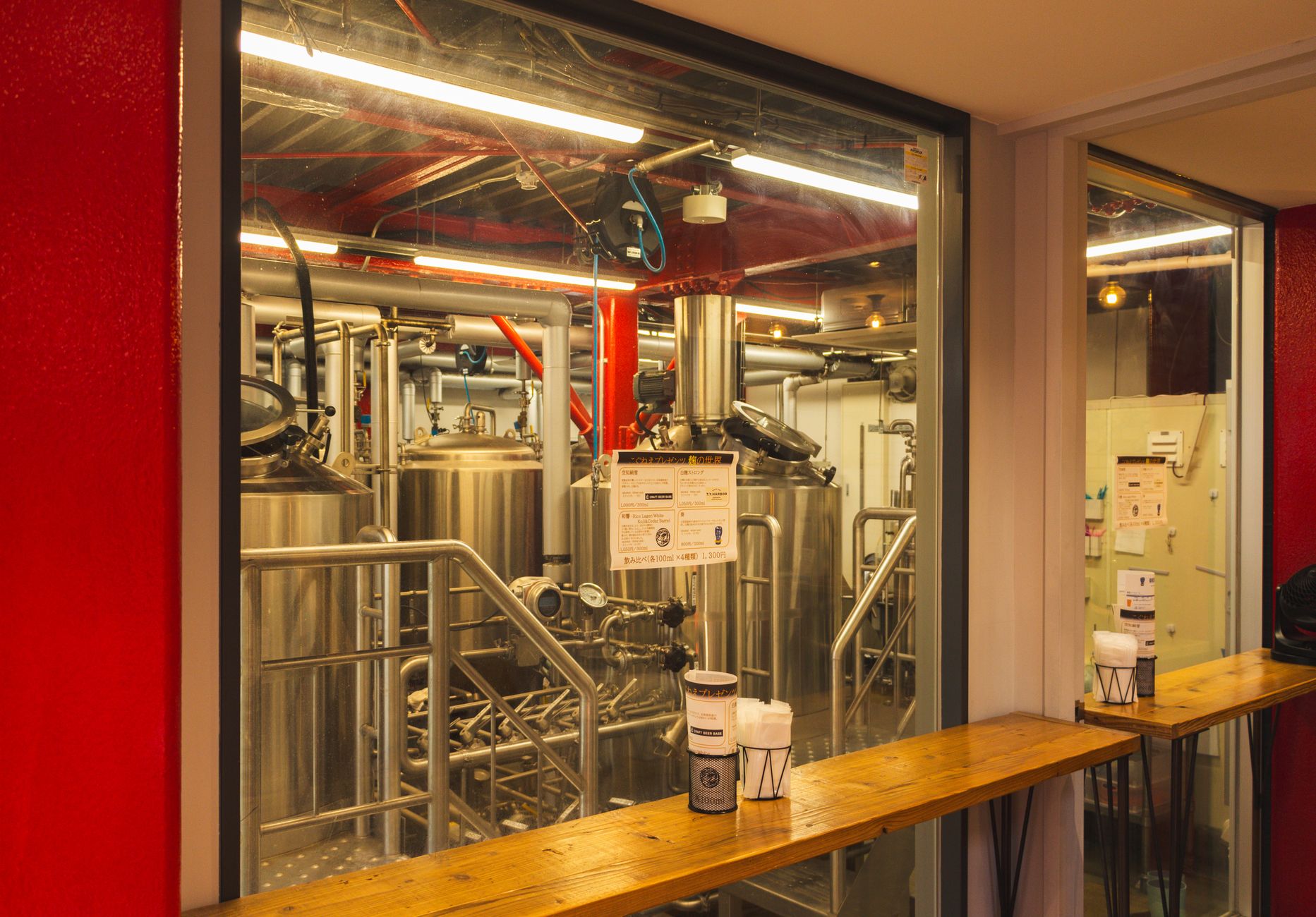
Railroad Square First Friday — monthly evening art walk with open studios, food trucks, and craft stalls. Cascades Park Sunday or weekday walks — the park has an interactive fountain, amphitheater events, and a short urban trail network. Frenchtown Farmers Market — Saturday mornings at City Hall Plaza for local produce and prepared foods. St. Marks National Wildlife Refuge — birding, lighthouse views, and short marsh walks; ideal for sunrise. Alfred B. Maclay Gardens State Park — formal gardens and quiet lakeside trails, best during the azalea bloom in spring. Proof Brewing Company and other Railroad Square breweries — tour converted warehouses and try local small-batch beers on tap. Mission San Luis — a reconstructed 17th-century Apalachee-Spanish mission site with living-history demonstrations and scheduled program times.
Where to Stay
Downtown / Capitol area: Suits travelers prioritizing walkable access to the Florida State Capitol, Cascades Park, and downtown dining. Rooms range from about $110–$180 per night (USD), depending on season and events. Gaines Street / College Town: Suits visitors who want nightlife, restaurants, and the FSU atmosphere; expect boutique hotels and short-term rentals around $120–$220 per night. Midtown / Railroad Square: Suits travelers who prefer arts, breweries, and local studios; short drives to downtown and proof-breweries, with nightly rates roughly $90–$160 depending on property. Choose a rental with parking if planning to drive frequently; event weekends and FSU home games can double rates so book early.
Food and Drink
Breakfast — Southern-style brunch at Kool Beanz Café: creative takes on eggs and grits or biscuit dishes, typically $10–$16. Street food — food trucks at Railroad Square or Lake Ella: tacos, barbecue, and seasonal seafood for $4–$12 per item. Lunch — shrimp and grits or fried catfish at Madison Social or nearby College Town diners: expect $12–$20. Dinner — elevated Southern/Southern-fusion at establishments like The Edison or similar independent spots: entrees $18–$35. Local drinks — craft beer at Proof Brewing Company (pints $5–$7) and seasonal local cocktails at Gaines Street bars. For a regional specialty, look for Gulf oysters on the half shell at seafood restaurants near Wakulla or Newport; market price varies seasonally but budget $12–$20 for a half-dozen at a sit-down place.
Getting Around
Public transit is provided by StarMetro buses serving downtown corridors, the FSU campus, and commercial arteries; routes run more frequently during daytime and less often at night. Use the StarMetro website or a general transit app (Transit or Google Maps) for route numbers and real-time updates. Rideshare services (Uber, Lyft) and local taxis fill gaps when buses are sparse.
Driving is convenient for visiting parks and St. Marks; average midday downtown parking runs $1.50–$3.00/hour in public garages. Expect an airport taxi or rideshare from Tallahassee Regional Airport to downtown to cost about $25–$40 depending on traffic. If using transit a lot, check for day-pass options on the StarMetro site; single fares are low but a day pass can be worth it if planning multiple bus trips.
Best Time to Visit
Spring (March–May) is the most agreeable: temperatures between about 60–80°F (15–27°C), azaleas at Maclay Gardens, and comfortable park weather; these months are the busiest for day trips and events. Fall (September–November) brings warm days (65–85°F / 18–29°C) and fewer tourists, though early fall can be humid and unsettled by tropical systems. Winter (December–February) is mild (40–60°F / 4–15°C) and quieter; some outdoor programs reduce hours but museum access remains steady. Summer (June–August) is hot and humid (75–95°F / 24–35°C) with afternoon storms; good for indoor museum days or early-morning park visits, but expect higher humidity and more insects at coastal marshes.
Budget and Practical Tips
Typical daily budget (per person): Accommodation $90–$160 (USD) / €80–€145 / $95–$170 USD equivalent depending on neighborhood; Food $25–$60 for three meals; Transport $5–$20 (local buses, short rideshares); Entry fees $0–$25 depending on museums or parks. A realistic three-day total per person (midrange) is about $350–$650 USD including hotel, meals, local transport, and a paid park entry.
Tipping: Standard U.S. norms apply — servers 15–20% at sit-down restaurants, $1–$2 per drink at bars, and $1–$2 per bag for bell staff. For taxis and rideshares, tip around 10–15% unless service was exceptional. Carry small bills for market vendors and food trucks; most accept cards but small purchases sometimes go cash-only.
FAQ
Is Tallahassee safe for tourists?
Yes; most central neighborhoods and campus areas are reasonably safe in daylight. Standard precautions apply after dark, especially in less-trafficked areas; avoid isolated trails at night and lock valuables in vehicles.
Is public transit good enough to avoid renting a car?
StarMetro covers downtown, Gaines Street, and parts of the university, but service is limited evenings and weekends; rideshares or a car are recommended for trips to St. Marks or Maclay Gardens. Check route schedules before relying solely on buses.
Are there guided tours of the Florida Capitol?
Yes; the Capitol offers visitor information, interpretive exhibits, and occasional guided tours; entry to the viewing gallery is typically free but check the Capitol visitor center for hours and special closures during legislative sessions.
Is a Tallahassee city pass or card worth buying?
There is no widely used city pass; individual museum admissions and park fees are modest, so buying tickets à la carte is usually more cost-effective than a pass. Survey museum websites for any combined discounts before arrival.
How far is the nearest beach from downtown?
Gulf beaches like St. George Island or Panacea are about 45–75 minutes’ drive depending on destination; plan a full day if combining with other stops. St. Marks area is marsh and refuge shoreline rather than wide sandy beaches.
Are there good day trips from Tallahassee?
Yes — St. Marks National Wildlife Refuge, Wakulla Springs (for boat tours and possible manatee sightings), and the Civil War sites near the Tallahassee outskirts are all manageable half-day or full-day drives from downtown.
What should be checked about visiting during FSU football season?
Check the FSU athletics schedule and local parking restrictions; home games create heavy downtown and campus congestion, and hotels raise rates significantly on game weekends.
Conclusion
A 72-hour visit delivers a solid sense of the place: the mechanics of state government, the cultural output of a large public university, and easy access to green spaces and coastal marshes. The memory that tends to stick is the contrast between leafy campus streets and industrial-turned-arts blocks like Railroad Square. If time runs short, prioritize the Capitol complex and a single nature outing—either Cascades Park for an urban green fix or St. Marks for coastal marsh and lighthouse views.
How this guide was prepared
This guide was prepared through a structured research that combines destination research, geographic context, itinerary planning logic, and content review.