
Columbus in 3 Days: Practical Weekend Itinerary and Map
Practical 3-day Columbus itinerary: Short North, German Village, Scioto Mile, Franklin Park, North Market, transit tips, realistic costs and timing.
A clear, no-nonsense 72-hour plan for Columbus covering neighborhoods, museums, markets, transit and realistic budgets so time is spent seeing things, not searching for them.
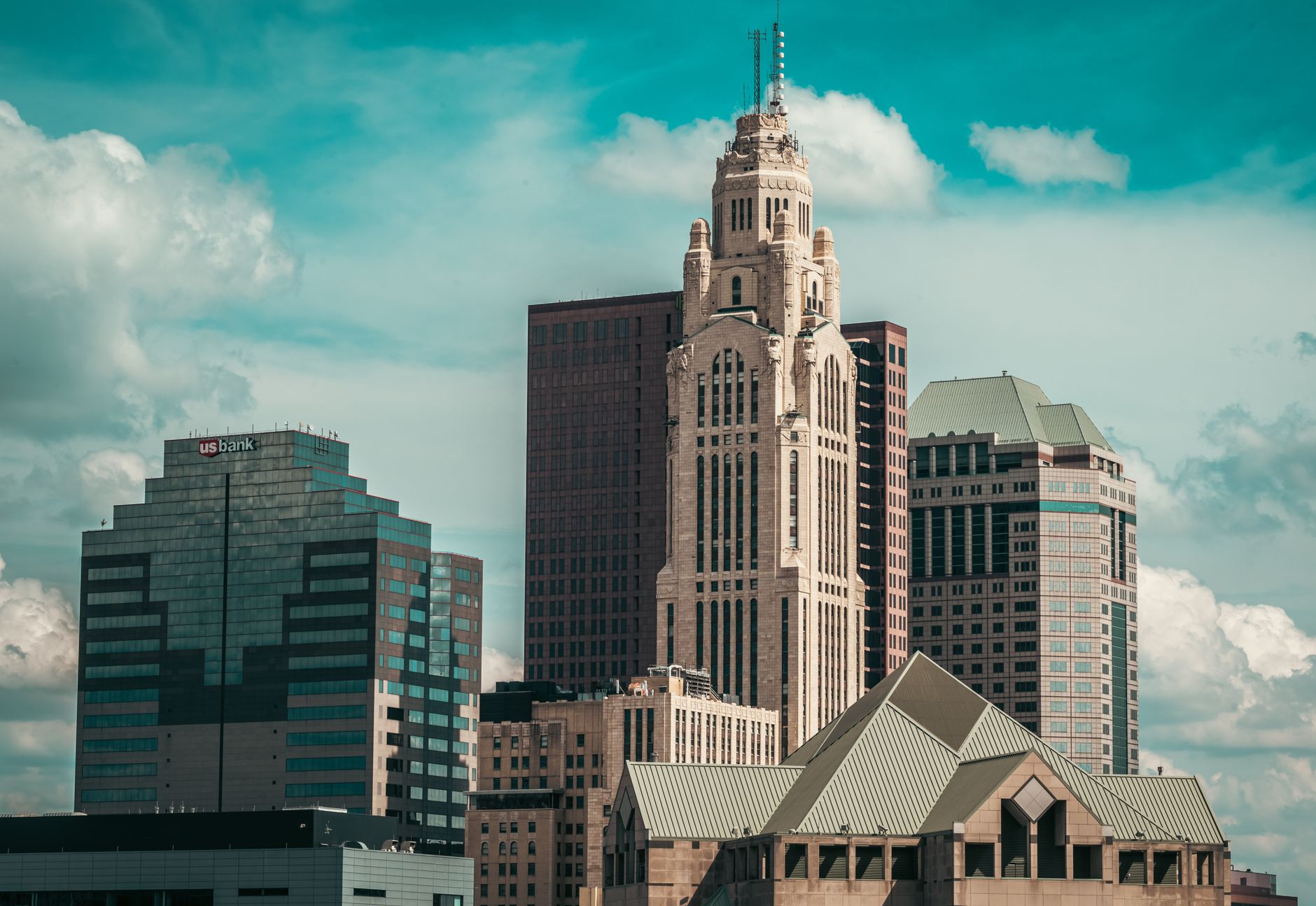
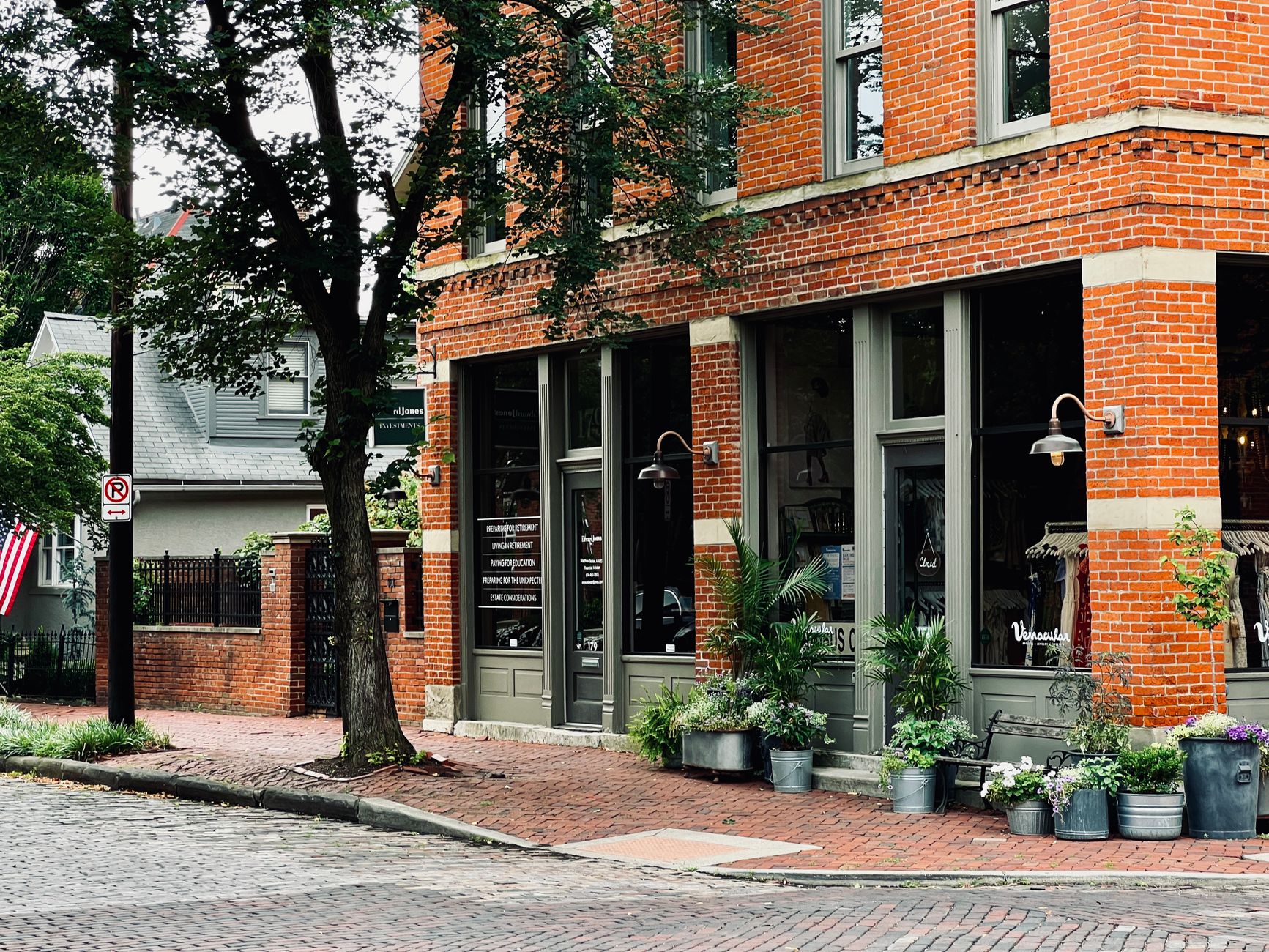
First impressions are often a mix of broad streets, brick storefronts and clearly different neighbourhood personalities. Downtown feels civic and compact around the Ohio Statehouse and Scioto River; Short North on High Street is focused on galleries and restaurants; German Village trades big-city density for narrow brick streets and brick rowhouses.
Noise and crowds concentrate around gamedays and festival weekends; midweek mornings are quiet and often the best time to see museums without lines. This place suits people who want short walks between concentrated cultural spots, a lively craft-beer scene, and accessible public parks rather than nonstop sightseeing.
Is 3 days in Columbus enough?
Three days is enough to get a proper feel for downtown, Short North and German Village, plus one major attraction like Franklin Park Conservatory or COSI. Expect to skip either the Columbus Zoo or a long day trip to Hocking Hills to keep the pace manageable.
Who This Guide Is For
Best for travelers who like college-town culture, craft beer, museum visits and walkable neighborhood mixes. Not ideal for those who want long hikes, full zoo visits and multiple day trips in one short stay.
Local Tips for Columbus
Practical details that most travel sites skip — specific to Columbus.
- Short North Gallery Hop runs the first Saturday of every month (April–October) — High Street fills with pedestrians and galleries stay open late.
- Gamedays at Ohio Stadium (’The Shoe’) pack parking and close some streets; use ParkMobile or COTA shuttle options and add at least 60–90 minutes for arrival in the area.
- North Market on High Street is a permanent public market; vendor hours vary (some close Sundays or Monday mornings) so check northmarketcolumbus.org before planning a vendor-specific meal.
- Franklin Park Conservatory uses timed-entry tickets for peak weekends; adult admission is roughly $18–$22 depending on exhibits, and buying online avoids long lines.
- Use CoGo bikeshare stations and scooter companies (Lime, Bird) for short hops downtown; download the CoGo and Transit apps for unlocking and live arrivals.
How This Guide Was Prepared
A short visit to Columbus is best treated as three neighborhood-focused days rather than a checklist of every attraction. Many guides lump together distant sites and underestimate transit time; this guide separates downtown, German Village/OSU edges, and north-side highlights with realistic timing and costs. This guide was prepared through a structured research that combines destination research, geographic context, itinerary planning logic, and content review.
Plan Your Stay in Columbus
Use this itinerary as your starting point, then compare areas to stay, transport options, seasonal timing, and realistic daily costs before booking.
Why Visit
There are concentrated, different experiences within a short distance: gallery-lined High Street in Short North offers a clear arts circuit plus independent boutiques. German Village provides one of the most intact 19th-century brick residential areas in the Midwest with places like The Book Loft and Schmidt's Sausage Haus.
The riverfront is intentionally rebuilt — Scioto Mile connects parks, pedestrian bridges and the Columbus Museum of Art along the water. Franklin Park Conservatory brings a notable glasshouse and seasonal plant exhibits for those who want something green without leaving the city. A strong local brewery scene and food markets like North Market make it easy to eat well without chasing Michelin-style meals.
Quick Planning Tips
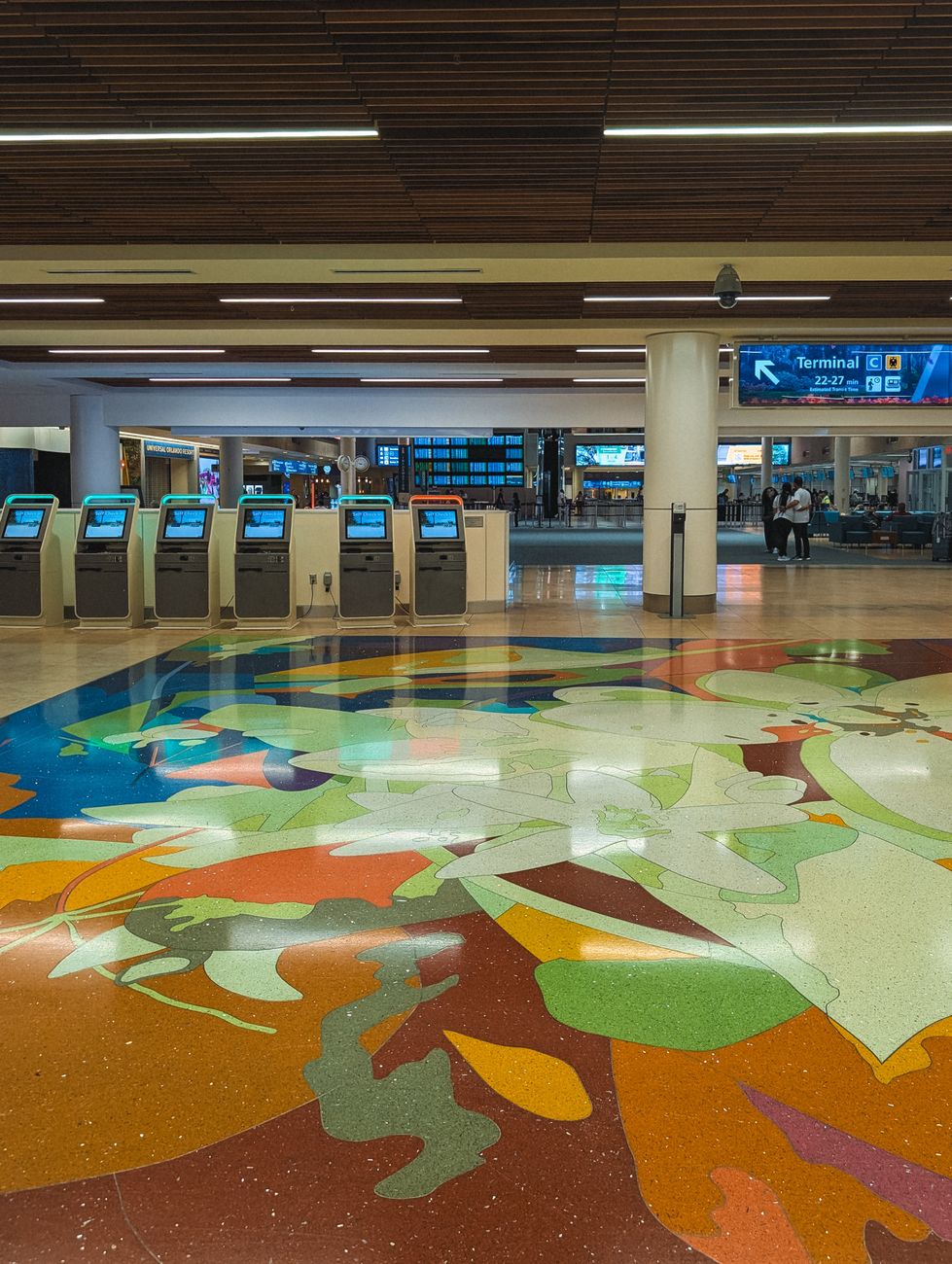
Fly into John Glenn Columbus International Airport (CMH). Most travelers use rideshare or a taxi to downtown (allow 20–35 minutes), while COTA buses serve the airport on scheduled routes; check COTA schedules before assuming an hourly service.
Carry US dollars and a contactless credit card; most restaurants accept cards but some North Market vendors are cash-only or add a small card minimum. Download the Transit app and the CoGo bikeshare app for live arrivals and short trips.
Avoid scheduling a gameday at Ohio Stadium for the morning of departure — traffic and parking add significant delays and can complicate airport transfers.
Day 1
Morning: Start in Short North on High Street. Walk gallery-lined blocks between Goodale Avenue and Poplar Street; plan 60–90 minutes to visit two or three galleries and browse boutiques. Grab coffee or a pastry at Fox in the Snow Cafe for a sturdy start.
Late morning: Walk 8–12 minutes south from Short North to North Market on the east side of High Street. Plan 45–60 minutes to sample a few vendors — Jeni's Splendid Ice Creams, Katzinger’s Deli or a farm-to-table sandwich. North Market is compact, making it a good first-day orientation stop.
Afternoon: Cross to the Columbus Museum of Art (5–7 minute walk from North Market). Allocate 1.5–2 hours for the permanent collection and any special exhibitions; admission varies but budget $10–15 for general entry if charged. From the museum, walk 10–12 minutes west to the Scioto Mile and Bicentennial Park for riverfront views and the fountain.
Late afternoon: Walk up to the Ohio Statehouse (5–8 minutes from the river) for a quick exterior tour and lawn views; guided tours are free on weekdays. Dinner: Book a table at Wolf's Ridge Brewing for seasonal plates and local beers (short taxi or 10–15 minute walk from Scioto Mile). Evening: If there’s a game or concert at Nationwide Arena, the Arena District offers bars and late-night options; otherwise, return to High Street for relaxed drinks.

Day 2
Morning: Head to German Village for brick streets, window boxes and The Book Loft (allow 60–90 minutes for wandering and browsing). Nearby is Schiller Park, a small green space for a short walk or photo stop.
Late morning: Have a hearty lunch at Schmidt's Sausage Haus for classic German-American plates and a cream puff dessert; expect busy weekends and consider a reservation for groups. From German Village, take a short Uber or a 15–20 minute bus trip north to Franklin Park Conservatory.
Afternoon: Spend two hours at Franklin Park Conservatory visiting the glasshouse, orchid displays and outdoor gardens; check timed-entry for weekend exhibits. If interested in biking, return toward the Olentangy River and ride a section of the Olentangy Trail for riverside views.
Evening: Head toward the Brewery District or the Short North for dinner; consider catching live music or a brewery tasting at Seventh Son or Land-Grant. Transit between German Village and Franklin Park takes roughly 20–30 minutes by bus or 10–20 minutes by rideshare.

Day 3
Morning: Option A — Visit COSI (Center of Science and Industry) on the riverfront for interactive exhibits; allow 2–3 hours and budget roughly $20–$25 for admission. Option B — If preferring a quieter morning, walk the Topiary Garden near downtown and grab coffee at Stauf's on High Street.
Late morning to midday: If checking out later, choose an activity near your hotel or downtown to avoid long transfers. The Ohio History Connection museum exhibits or a short visit to the Wexner Center for the Arts on the Ohio State University campus are compact options.
Afternoon (for those catching flights): Allow at least 45–75 minutes to reach the airport by rideshare depending on traffic, more during rush hour or after a gameday. If time permits, stop at the Short North for one last coffee or a grab-and-go North Market sandwich before heading out.
Best Local Experiences
Short North Gallery Hop (first Saturday, Apr–Oct) is how locals see new exhibitions and meet gallery owners. North Market provides a quick cross-section of local food vendors — plan multiple small bites there rather than one big meal.
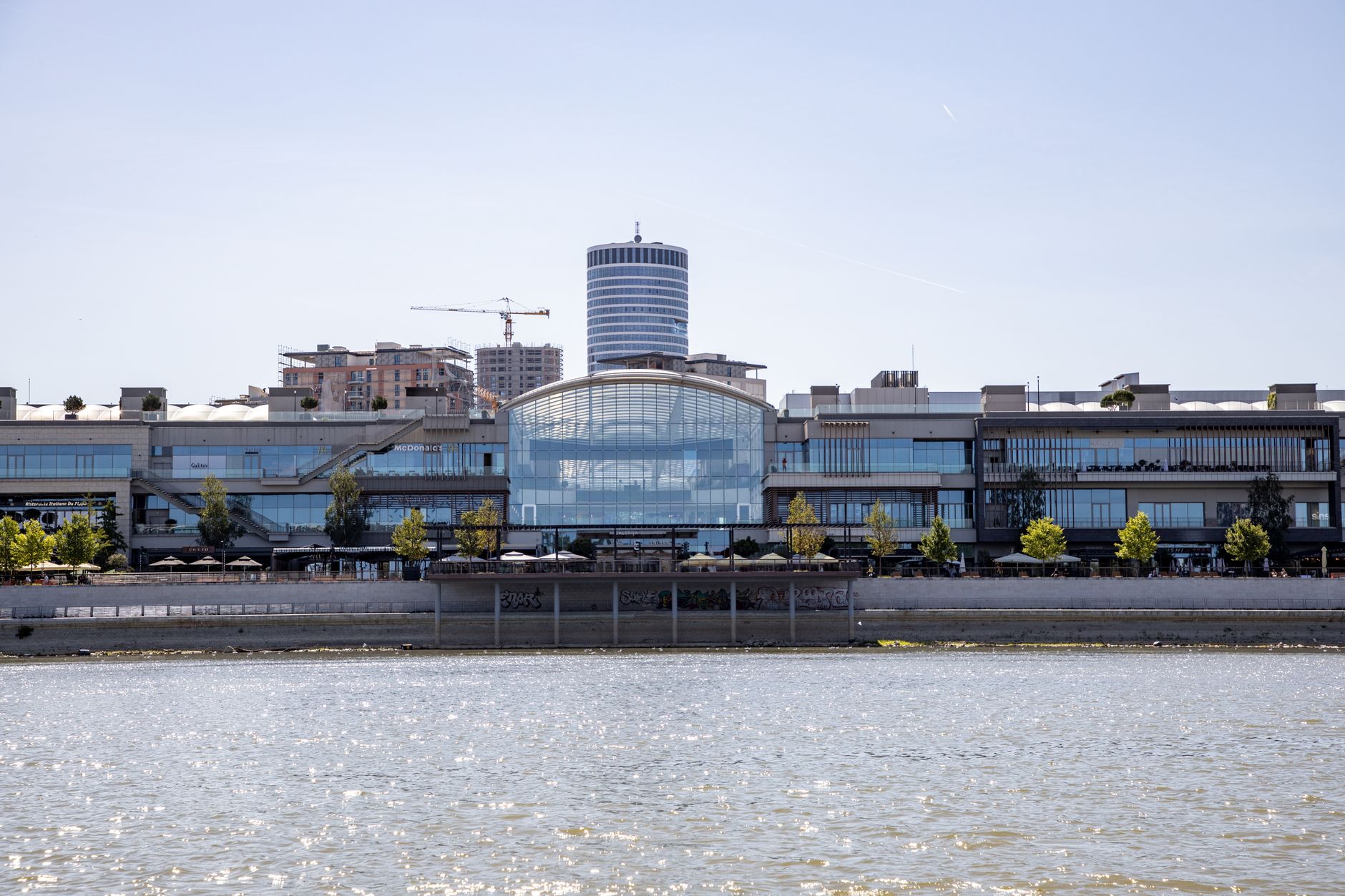
Catch a Clippers baseball game at Huntington Park in the Arena District for lively, affordable sports nights. The Scioto Mile riverwalk and Bicentennial Park are the easiest green spaces to combine with museums and restaurants. For brewery-focused visitors, follow the Columbus Ale Trail passport program to try multiple breweries such as Wolf's Ridge, Seventh Son and Land-Grant.
Other authentic experiences: an OSU gameday tailgate for college-football culture, a quiet morning browsing The Book Loft in German Village, and seasonal displays at Franklin Park Conservatory.

Where to Stay
Short North: Best for first-time visitors who want galleries, restaurants and nightlife within walking distance. Near High Street and Goodale Park. Mid-range hotels and boutique inns run roughly $120–$220 per night (≈€110–€200).
Downtown / Arena District: Good for travelers attending events at Nationwide Arena or wanting riverfront access. Walking distance to Scioto Mile and Columbus Museum of Art. Expect $100–$200 per night (≈€90–€180), higher on game or concert nights.
German Village / Brewery District: Suits visitors who prefer quieter streets, historic houses and German-themed restaurants. Close to Schiller Park and within a 10–15 minute ride to downtown. Nightly rates typically range $130–$230 (≈€120–€210).
Food and Drink
Jeni's Splendid Ice Creams: premium, creative ice creams with local flavor rotations; small cup around $4–$6, available at North Market and standalone shops. Hot Chicken Takeover: Columbus-born spicy chicken sandwiches sold at counters and pop-ups; plan $8–$12 for a sandwich.
Schmidt's Sausage Haus: German-American sausages and cream puffs — plate meals $12–$20, cream puffs $5–$8. Buckeye candies: chocolate-covered peanut-butter confections often sold in market stalls and candy shops; small box $6–$12.
Breakfast: Fox in the Snow Cafe for laminated pastries and espresso; expect $4–$10 for coffee and a pastry. Dinner recommendation: Wolf's Ridge Brewing or Lindey's (German Village) for craft beer-forward or classic seasonal menus; main plates $18–$35. Local beers and taprooms are a major part of the dining scene — tasting flights typically $8–$14.
Getting Around
Public buses run across the metro through COTA; download the COTA or Transit app for live arrivals. CoGo bikeshare stations cover central neighborhoods and scooters (Lime, Bird) operate in downtown for short hops.
Single-ride bus fares are roughly $2.00–$2.25 and a day pass generally falls around $5–$7 depending on exact options — buy through the app or at vending kiosks. Taxis and rideshares are widely available; expect airport rideshares around $25–$45 depending on traffic and surge pricing.
Walking connects many downtown and Short North sights but expect 10–25 minute walks between major neighbourhoods; plan transit for longer hops or if weather is poor.
Best Time to Visit
Spring (April–June) offers mild temperatures (10–24°C) and many outdoor events; hotel rates moderate. Summer (July–August) gets hot and humid (22–32°C) and festival or convention weekends push up prices; riverfront activities and outdoor patios are busiest.
Fall (September–October) is the most reliable window for pleasant weather and college-football culture; leaf color and lower humidity make walking comfortable. Winter (November–March) is colder (−5–8°C) with possible snow; hotel rates drop and indoor attractions are easier to schedule but some outdoor features are closed.
Budget and Practical Tips
Sample daily budget for a moderate traveler: Accommodation $120–$180 per night (≈€110–€165); food $35–$70 (meals and snacks; ≈€30–€65); local transport $5–$15 (bus, bikeshare trips); entry fees $10–$25 for one paid museum or attraction. Total daily range roughly $170–$290 (≈€155–€265).
Tipping: standard US practice applies — 15–20% at sit-down restaurants, $1–$2 per drink at bar tabs, and rounding up or $2–$5 for rideshare or taxi drivers. Sales tax is added at checkout — check receipts for the itemized amount. Carry a backup payment method for market stalls and smaller venues that prefer cash.
FAQ
Is Columbus safe for tourists?
Most neighbourhoods visited by tourists are generally safe in daytime; standard precautions apply after dark, avoid poorly lit streets, and keep valuables secure.
How to get from John Glenn Columbus International Airport to downtown?
Rideshare or taxi is fastest (20–35 minutes depending on traffic). COTA buses serve the airport on scheduled routes — check the COTA website or app for current line and timetable.
Is a city pass worth buying?
There is no single widely used city card that covers most attractions; buying tickets separately is usually better unless a specific attraction package appears for the dates.
Are the museums walkable from each other?
Columbus Museum of Art and Scioto Mile are within a 10–12 minute walk; other museums may require short bus or rideshare trips.
Is public transport easy to use for tourists?
Yes — COTA buses are straightforward with apps for live tracking; CoGo bikes and scooters cover short downtown hops.
Can day trips to Hocking Hills be done from here?
Possible but tight in one day — expect 1.5–2 hours each way by car; an overnight stay near the park is recommended.
Any safety concerns on bikeshare or scooters?
Use bike lanes where available, wear a helmet if possible, and check local rules; some downtown streets are compact with heavier car traffic during rush hours.
Is tipping expected at food trucks and markets?
Yes, tipping is appreciated; small bills or a rounded-up card tip is common at vendor stalls that accept cards.
Conclusion
A well-paced three-day visit will leave a clear impression of the neighbourhood contrasts: Short North's gallery and restaurant circuit, German Village's brick streets and Schmidt's sausages, plus one major attraction such as Franklin Park Conservatory or COSI. Most travelers will remember riverfront walks along the Scioto Mile and the craft brewery scene more than any single museum.
If time becomes tight, prioritize one neighbourhood walk (Short North or German Village), a market visit at North Market, and a riverfront stroll — that combination delivers a representative experience in limited time.
How this guide was prepared
This guide was prepared through a structured research that combines destination research, geographic context, itinerary planning logic, and content review.