
3 Days in Medellin: A Practical Itinerary
Plan 3 days in Medellin with this practical itinerary covering major sights, neighborhoods, food, and transport.
A frank, actionable 72-hour plan that puts transit, safety and food first so time is spent seeing neighbourhoods like El Poblado, Comuna 13 and Laureles, not hunting logistics.
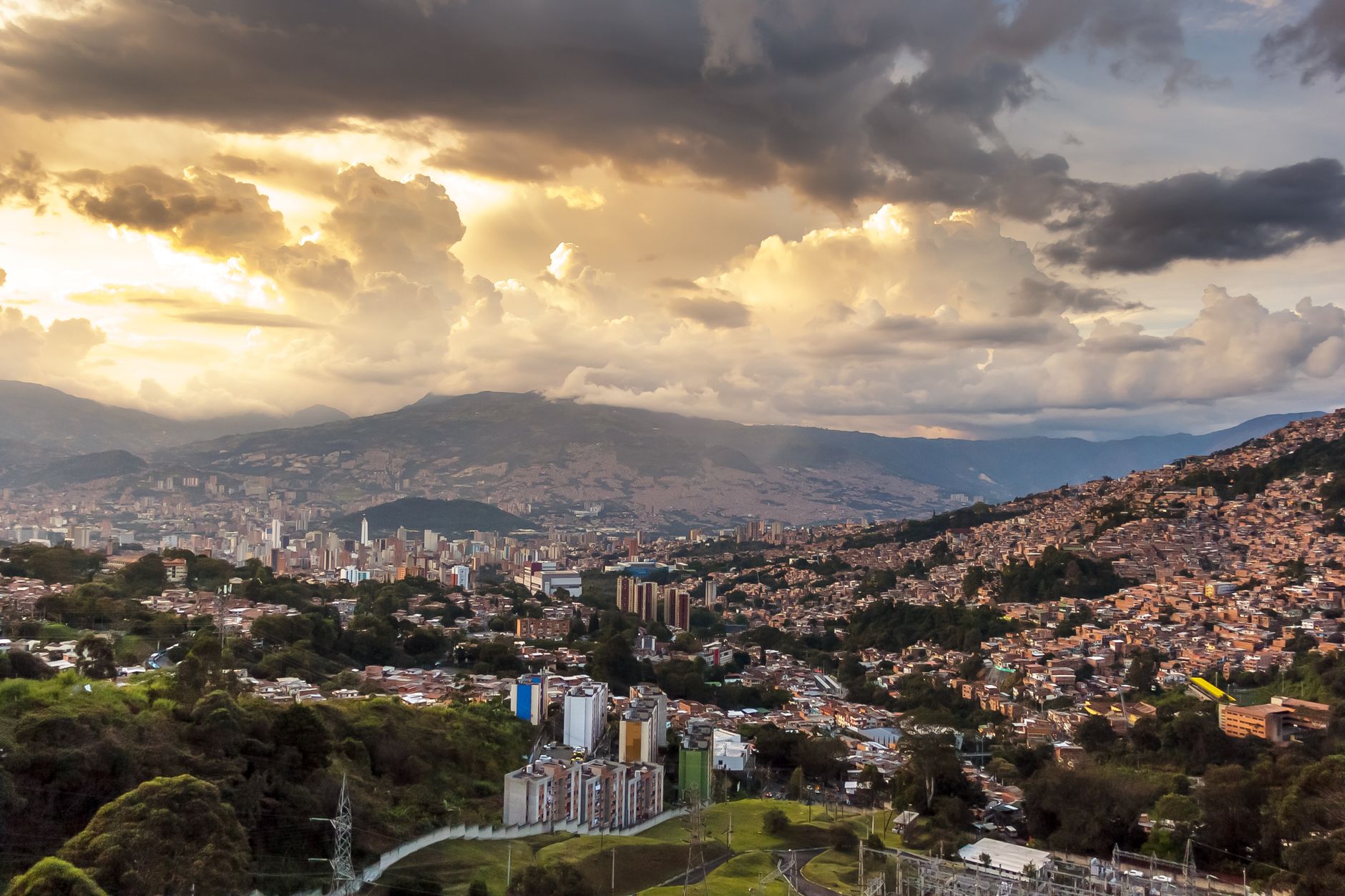
A first impression is of a city shaped by slopes and transport: metro lines run in the valley, and cable cars climb into neighbourhoods that were once hard to reach. Expect a mix of modern glass-and-concrete along Avenida El Poblado and street-level activity in older sectors like La Candelaria and Belen.
Crowds concentrate in a handful of areas: Parque Lleras for nightlife, Plaza Botero for daytime museum traffic, and the Metrocable stations for weekend visitors to Parque Arví. Noise, motorcycles and market calls create an urban soundtrack that may feel intense at first.
This place suits travellers who like public transit, photogenic public art, and strong neighbourhood contrasts; it is less good for those who want leisurely walking without hills or quiet streets from morning to night. Practical planning around transit and neighbourhood noise makes three days productive instead of rushed.
Is 3 days in Medellin enough?
Three days are enough for a confident first visit to see central museums, a Metrocable ride to Parque Arví, and a neighbourhood tour of Comuna 13. Expect to skip longer day trips to coffee zones or the coast unless a flight or extra day is added.
Who This Guide Is For
Best for travellers who want a concentrated urban experience: cultural sites, public transit exploration and nightlife. Not a great fit for those seeking countryside hikes or a relaxed beach holiday.
Local Tips for Medellin
Practical details that most travel sites skip — specific to Medellin.
- Buy a Cívica card at any Metro station kiosk (small refundable card fee around COP 3,000) and load rides; single metro/Metrocable trips cost roughly COP 3,000 each.
- Take Metrocable Line L from Santo Domingo to Parque Arví on weekends; the cable ride itself is 30–40 minutes end-to-end including transfers and park programs sometimes charge COP 10,000–25,000.
- Plaza Minorista José María Villa (near Estación Prado) is the wholesale produce market; arrive between 6:00–09:00 to see fruit, yuca and local snacks at wholesale prices.
- Parque de los Deseos, beside Universidad de Antioquia, often stages free outdoor film screenings and concerts—check the university events calendar for specific dates.
- Avenida 70 (La 70) and Calle 33 / Carrera 43A host late-night salsa and vallenato spots; use Beat or a licensed radio taxi after midnight rather than hailing on the street.
How This Guide Was Prepared
Medellín rewards travelers who plan by neighbourhood and transit rather than trying to cram every attraction. Most guides list attractions but skip the friction points: how long Metrocable rides take, where the evening noise really is, and when walking downtown is sensible. This guide focuses on realistic distances, transit times, prices and one sensible neighbourhood order so three days feel like a sequence, not a scramble. This guide was prepared through a structured research that combines destination research, geographic context, itinerary planning logic, and content review.
Plan Your Stay in Medellin
Use this itinerary as your starting point, then compare areas to stay, transport options, seasonal timing, and realistic daily costs before booking.
Why Visit
There is a unique public-transport story here: the Metro plus Metrocable changed accessibility and community economies, making rides themselves an essential part of the visit. A Metrocable climb to Parque Arví offers both city-to-nature contrast and local food stalls in the park.
Public art and murals provide concentrated cultural context. Plaza Botero and Museo de Antioquia display Fernando Botero sculptures and local modern art in the same plaza, useful for people short on time who still want major works close together.
Neighbourhood variety is immediate. El Poblado has restaurants and bars, Laureles feels more residential and café-friendly, and Comuna 13 offers street art and escalators that document social change—each area is walkable once reached by metro or taxi.

Quick Planning Tips
Arrive at José María Córdova airport (MDE) and plan a 35–60 minute transfer to El Poblado by taxi or airport shuttle; expect a fare near COP 80,000–120,000 depending on traffic and vehicle choice. From Olaya Herrera airport downtown, taxis are cheaper but flights are less common.
Buy and load a Cívica card at any Metro station before your first ride; this avoids lining up for single tickets during rush hour. Carry small bills (COP 10,000 and COP 20,000) for street food and taxis that don’t take cards.
Avoid trying to walk long stretches of the city center at night; instead use the metro (Line A or B) or licensed app taxis like Beat or DiDi. Plan meals and reservations for Friday/Saturday evenings in El Poblado and Provenza—tables fill quickly and some places take reservations only.

Day 1
Morning: Start at Plaza Botero to see Botero sculptures and queue at Museo de Antioquia (allow 1.5–2 hours; entry approx. COP 20,000). The plaza is a short walk from Parque Berrío metro station (Line A), so take the metro into Estación Parque Berrío and exit to the square.
Midday: Walk 7–12 minutes to Parque Berrío’s cafés or cross to the Palacio Nacional food vendors for empanadas. For lunch, try Restaurante Mondongos (Carrera 52) for a traditional menudo-style soup; a full lunch runs COP 18,000–35,000.
Afternoon: Ride Line A two stops to Exposiciones and transfer to Metrocable Line K at Acevedo to climb toward Santo Domingo; the combined transit time to the lower Metrocable sections is about 30–40 minutes. Explore the top platforms and take photos of the valley views.
Evening: Return to El Poblado for dinner in Provenza—La Pampa Parrilla Argentina or Alambique are solid options depending on budget. Finish with a casual bar around Parque Lleras, but expect loud crowds late on weekends.
Day 2
Morning: Allocate a morning to Comuna 13. Take Line A to San Javier station then walk or take the Escalators route; a guided tour (COP 35,000–60,000) takes 2–3 hours and explains the murals and the outdoor escalators. The visit is better with a guide for safety and context.
Midday: From San Javier, take a taxi or bus to Laureles for a relaxed lunch on Avenida Nutibara or Circular 4; a typical meal costs COP 15,000–30,000. Laureles is flatter and easier to walk than El Poblado.
Afternoon: Visit Jardín Botánico (near Universidad Station on Line A) — allow 1–1.5 hours for the orchid house and park paths. From there, walk 10 minutes to Parque de los Deseos and check University of Antioquia event listings for any free screenings or performances.
Evening: Head to La 70 for live music and local bars. Expect taxi or Beat app rides from Laureles to La 70 to take 10–20 minutes depending on traffic. Late-night food stalls and arepas are common along the avenue.

Day 3
Morning: Reserve this time for Parque Arví. Take Line A to Acevedo and transfer to Metrocable Line L; the total transit time from El Poblado is about 45–60 minutes. Arrive early to join a short trail or market stall visits before crowds swell.
Midday: Eat at one of the park’s vendors or book a picnic from a local supplier; expect simple lunches for COP 10,000–25,000. If returning early, stop at Pueblito Paisa on Cerro Nutibara for 360-degree city views (about 20 minutes from downtown by taxi).
Afternoon (for departures): If catching an afternoon flight, head back to your hotel by 12:00–13:00 to collect bags and allow at least 90–120 minutes for airport transfer to José María Córdova; arrange the taxi 1–2 hours in advance to avoid delays. If not leaving, use this time for a last museum or shopping stop at Mercado del Río alternatives.
Evening: For the final night, choose a quieter meal in Laureles or Provenza depending on where the hotel is; split-group early nights make sense for morning flights.

Best Local Experiences
Ride the Metrocable Lines K and L to see how transit changed neighbourhood access; the views are integral to understanding the city’s urban geography. Spend an evening at Parque de los Deseos when there is an outdoor screening or event organized by Universidad de Antioquia.
Book a guided Comuna 13 street-art and escalator tour to learn about social projects and community enterprises that followed the infrastructure changes. Shop early at Plaza Minorista José María Villa for tropical fruit and local snacks; arrive between 6:00 and 9:00.
Visit the Jardín Botánico and the Orquideorama to see local flora and often small concerts. Eat at Mercado del Río for a consolidated food-court experience with local and international options in one converted warehouse space.

Where to Stay
El Poblado (Parque Lleras / Provenza): Suits nightlife-oriented travellers and those wanting many restaurants within walking distance. Near El Poblado metro station and multiple bus lines. Expect nightly rates roughly COP 120,000–300,000 (≈ EUR 25–70 / USD 25–75) for mid-range hotels.
Laureles (Second zone, Circular 4): Suits people who want quieter evenings, local cafés and tree-lined streets. Close to Atanasio Girardot area and La 70 nightlife. Typical nights run COP 80,000–180,000 (≈ EUR 18–40 / USD 18–45).
Centro / La Candelaria (downtown): Suits budget travellers and those focusing on museums and municipal buildings; close to Plaza Botero and Museo de Antioquia. Expect lower rates, COP 40,000–120,000 (≈ EUR 10–27 / USD 10–30) but exercise caution at night and confirm hotel security.
Food and Drink
Breakfast option — Calentado with coffee: A typical local breakfast of rice, beans, shredded beef and an egg served with strong Colombian coffee. Find it at neighborhood cafés and bakeries for COP 6,000–12,000.
Street food — Arepa and empanada: Arepas with cheese and fried empanadas are available at streetside vendors and markets like Plaza Minorista for COP 2,000–6,000 per item. These are common late-night snacks after bars close.
Dinner recommendation — Bandeja Paisa: A large platter with beans, rice, chicharrón, ground meat, fried egg, avocado and plantain. Try it at Hacienda restaurants or Mondongos; expect COP 25,000–45,000.
Snack / drink — Tinto and fresh fruit juices: Tinto (small black coffee) is sold everywhere for COP 1,000–3,000. Fresh fruit juices (milks or agua) at minoristas cost COP 4,000–8,000.
Dessert / specialty — Postre de natas or obleas: Found in local pastry shops and markets; obleas with arequipe are common and cost COP 3,000–8,000.
Getting Around
Use the Medellín Metro (Line A and Line B) and the Metrocable network (Lines K and L for tourist routes). Single-trip fares on metro and Metrocable are around COP 3,000; load trips onto a Cívica card at station kiosks.
Key stations: Alpujarra / Parque Berrío for downtown museums, Acevedo for Metrocable transfers to Santo Domingo and Parque Arví, and El Poblado for the nightlife district. Bus routes fill in neighbourhood coverage; look for buses to Laureles and La 70 from San Diego or San Antonio hubs.
Taxi apps Beat and DiDi work well; official yellow taxis can be flagged but confirm the meter or agree a fare. Airport taxi from José María Córdova to El Poblado typically costs COP 80,000–120,000 depending on traffic.
Best Time to Visit
December–March (dry season): Warmer days and more outdoor events but higher hotel rates and more visitors during Christmas and Feria de las Flores in August. Temperatures range from 18–30°C and humidity is moderate.
April–May and September–November (shoulder months): Greater chance of rain but lower prices and fewer crowds. Temperatures remain mild, around 16–28°C, and showers are often short-lived.
June–August (school holidays and Feria de las Flores in August): Busy and pricier, especially accommodation in El Poblado and Laureles. For best value with decent weather, consider late September or early October.
Budget and Practical Tips
Daily budget estimate (mid-range): Accommodation COP 120,000–200,000 (≈ EUR 25–45 / USD 25–50), food COP 30,000–60,000 (≈ EUR 7–13 / USD 8–15), transport COP 6,000–18,000 (≈ EUR 1–4 / USD 1–5), entries and tours COP 20,000–60,000 (≈ EUR 4–13 / USD 5–15). Expect a comfortable daily spend around COP 180,000–350,000 (≈ EUR 40–80 / USD 45–90).
Tipping norms: Restaurants commonly add 10% service charge (propina) that is sometimes distributed to staff; leaving small change for good service (5–10%) is appreciated but not mandatory. Round taxi fares up; no need for large tips at street stalls.
Practical: Carry a photocopy of passport and a small amount of cash for markets. Use Beat or DiDi for late-night rides and avoid accepting a taxi without a meter if traveling alone late.
FAQ
Is Medellín safe for tourists?
Most daytime tourist areas are generally safe with normal precautions; avoid isolated streets at night, keep valuables discreet, and use licensed taxis or apps after dark.
Are Metrocable rides safe and worth it?
Yes—Metrocable Lines K and L are regular public transit and offer essential views and access to Parque Arví; they are safe and widely used by residents.
Is a city card or pass worth buying?
There is no single 'city card' that covers all attractions; use a Cívica card for transit and buy museum tickets individually—passes are not commonly required.
How long does a Comuna 13 tour take and is it necessary?
Tours last 2–3 hours and are strongly recommended for context and safer routing through mural areas; self-guided visits are possible but less informative.
What’s the easiest way to get to Parque Arví?
Take Line A to Acevedo and transfer to Metrocable Line L; total transit from central El Poblado is about 45–60 minutes including transfers.
Can tourists use cash or cards easily?
Cards are accepted at most restaurants and hotels, but small vendors and markets expect cash—carry COP 10,000 and COP 20,000 notes for convenience.
Are there day trips worth doing from Medellín?
Coffee-region towns like Manizales and Pereira are doable as longer day-trips by private transfer but are better as overnight trips; day trips rush travel time.
What about safety when taking taxis late at night?
Use app taxis (Beat, DiDi) or radio-dispatched taxis; if hailing, confirm the meter and avoid sharing rides with strangers in isolated areas.
Conclusion
Three days here give a compact but revealing experience: city museums, at least one Metrocable climb and contrasting neighbourhood evenings. Most visitors remember the cable-car views, the scale of Botero’s sculptures and the intensity of a crowded market morning.
If time is tight, prioritize a Metrocable ride to Parque Arví and a guided Comuna 13 visit—those two experiences together convey the transport-driven transformation and the community stories that define the place.
How this guide was prepared
This guide was prepared through a structured research that combines destination research, geographic context, itinerary planning logic, and content review.