
Edmonton in 3 Days: Practical Weekend Itinerary and Tips
A practical 3-day Edmonton guide covering transit, neighbourhoods, costs, key attractions like West Edmonton Mall and Fort Edmonton Park, and seasonal advice.
A concise, realistic 72-hour plan highlighting downtown museums, Whyte Ave and River Valley trails, West Edmonton Mall or a half-day to Elk Island, with transit and cost notes.
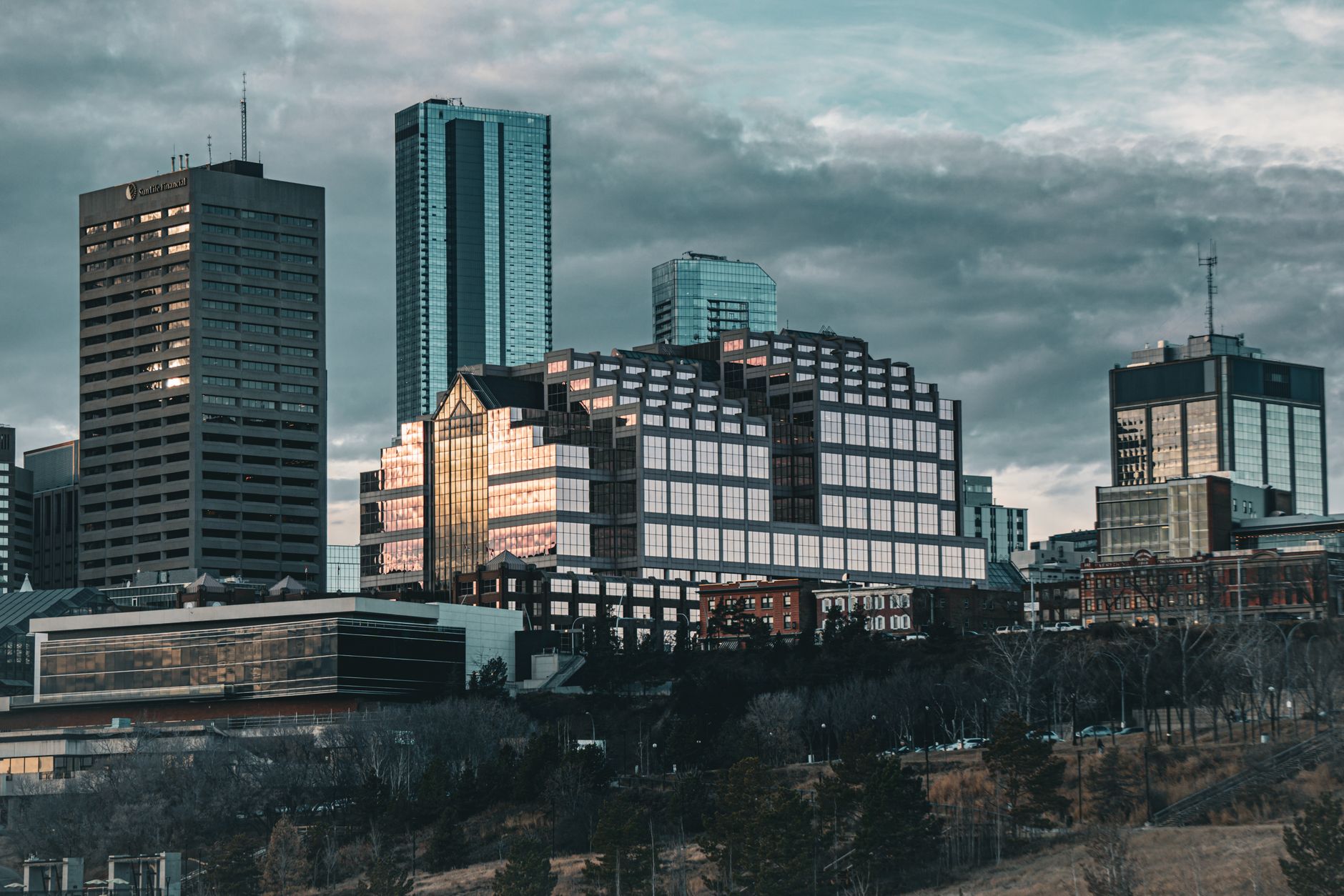
First impressions are a mix of open green space and low-rise commercial strips. The River Valley cuts through the urban grid and feels more central to daily life than any single downtown street, while Whyte Avenue near Old Strathcona gives the clearest sense of local nightlife, independent shops and festivals.
Expect weather swings: strong winds funnel down the river valley in colder months and summer festival crowds concentrate around two or three blocks on Whyte Avenue rather than across a compact historic core. Many visitors arrive thinking the mall equals the city; that creates frustration when transit times and park options start to matter.
This place suits travellers who value museums, patios and accessible green space over dense pedestrian cores. Families often prioritize one big indoor day at West Edmonton Mall; couples or solo travellers will get more from mixing a museum morning with an afternoon on the river trails.
Is 3 days in Edmonton enough?
Three days is enough to see the main cultural sites: Legislature Grounds, Royal Alberta Museum, Old Strathcona/Whyte Ave and either West Edmonton Mall or a nature half-day. One honest caveat: squeezing both a full West Edmonton Mall visit and a relaxed River Valley experience often requires skipping some indoor attractions.
Who This Guide Is For
Best for travellers who like museums, public parks and local food scenes; families can swap an afternoon for West Edmonton Mall. Not ideal for visitors who expect dense, walkable historic cores—distances and weather matter.
Local Tips for Edmonton
Practical details that most travel sites skip — specific to Edmonton.
- Buy an ETS day pass at Churchill LRT vending machines or via the 'ETS' app—about CAD 11; vending machines accept tap debit and credit.
- Old Strathcona Farmers' Market runs Saturdays year-round at 103 Street and 83 Avenue (inside in winter); arrive by 9:00 for the best produce and prepared food stalls.
- Royal Alberta Museum downtown admission is typically around CAD 18–20 for adults; the busiest hours are late morning on weekends, buy timed tickets if possible.
- Muttart Conservatory charges roughly CAD 17 for adults and is easiest to reach by bus from Churchill Station; note the pyramids close earlier than other attractions in winter.
- Rogers Place and the Ice District host Oilers games and large concerts—check event schedules before booking hotels because rates rise sharply on game nights.
How This Guide Was Prepared
Three days here exposes contrasts: a strong festival and university culture along Whyte Avenue and a surprisingly large urban River Valley that shapes daily life. Many guides treat this place as either 'mall city' or 'festival town'; this guide shows how to mix museums, parks, and neighbourhood food scenes without overplanning. This guide was prepared through a structured research that combines destination research, geographic context, itinerary planning logic, and content review.
Plan Your Stay in Edmonton
Use this itinerary as your starting point, then compare areas to stay, transport options, seasonal timing, and realistic daily costs before booking.
Why Visit
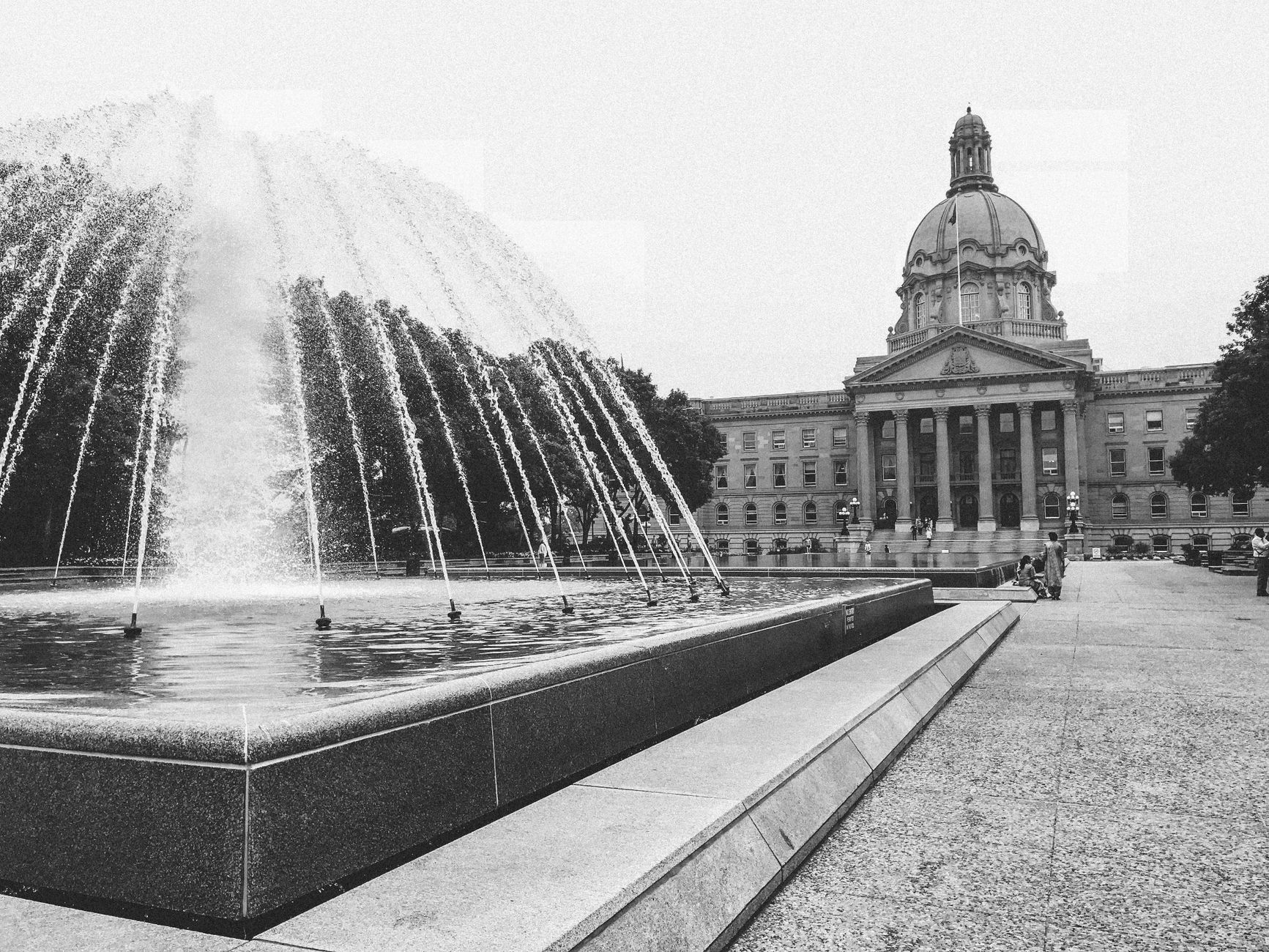
Museum access is unusually concentrated: the Royal Alberta Museum and Art Gallery of Alberta sit within easy reach of Churchill LRT station and offer changing exhibits and Indigenous collections. The River Valley provides the largest expanse of urban parkland in North America within city limits—many visitors find the trails and lookout points more memorable than indoor attractions.
Old Strathcona and Whyte Avenue host the Fringe Festival in August and a long-running live-music scene year-round; street-level culture there is local and unapologetic. Fort Edmonton Park reconstructs prairie-era streets and offers tram rides and costumed interpreters—valuable for anyone wanting a hands-on look at regional development.
The food and craft-beer scene is regional rather than hyper-trendy: breweries like Alley Kat and small neighbourhood bistros are where locals eat. Practical advantages include a compact downtown for museums and the convenience of two LRT lines for moving between university, downtown and NAIT.
Quick Planning Tips
Getting from Edmonton International Airport (YEG) to downtown requires a shuttle or taxi; taxis average CAD 60–80 and airport coaches run to multiple downtown hotels. From the main rail hub (Edmonton VIA Rail operations are limited), take a short taxi or the ETS network to Churchill LRT station as the LRT spine covers the museum and downtown corridor.
Carry Canadian dollars for small market purchases; contactless card payments are widely accepted at transit vending machines and most retailers. Avoid assuming the LRT serves the airport and avoid planning back-to-back museum visits without accounting for transit and walking times between Churchill Station, Government Centre and Jasper Avenue.
Day 1
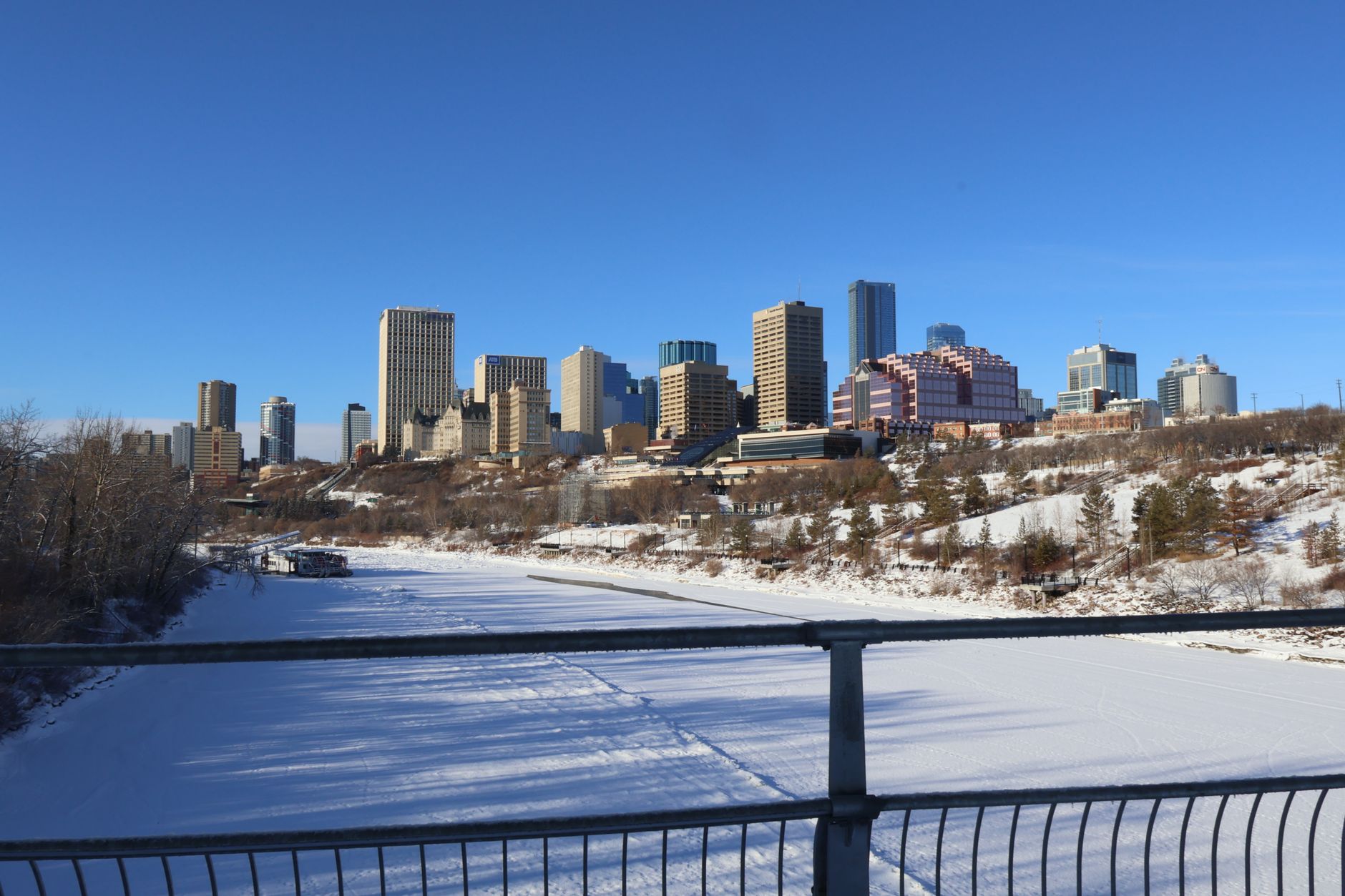
Morning: Start at the Alberta Legislature Grounds for a free exterior visit and quick photos; Government Centre LRT station is a two-block walk from the lawns. Walk 10–15 minutes from there to the Royal Alberta Museum on 107 Street; allow 1.5–2 hours for the permanent galleries and Indigenous exhibits (ticket ~CAD 18–20).
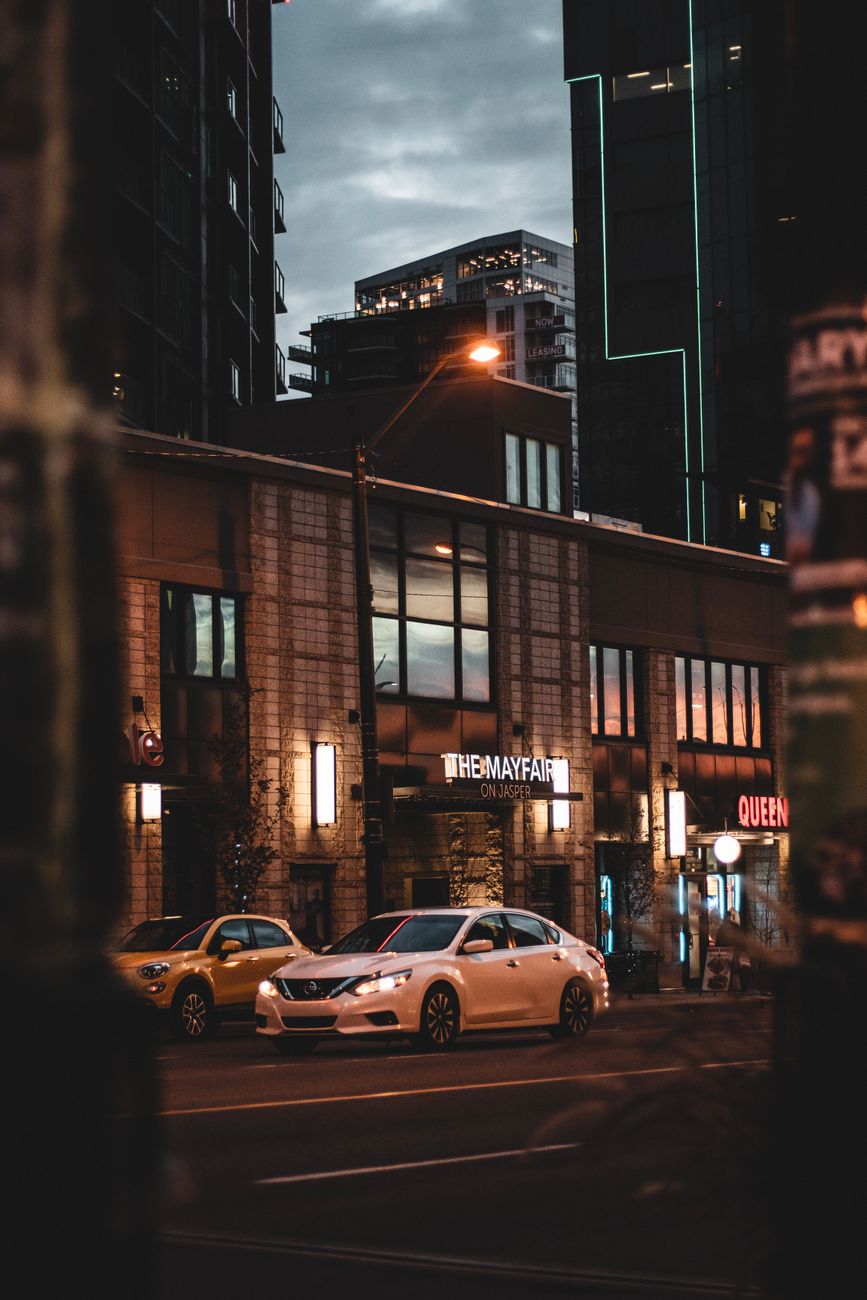
Late morning: Cross to the Art Gallery of Alberta on 102 Street; smaller building, rotating exhibits, plan 45–60 minutes. From the gallery, walk south along 102 Street to Jasper Avenue (10 minutes) to take in the downtown streetscape and stop for a casual lunch at The Next Act Pub near Rogers Place or a sandwich shop on Jasper Avenue.
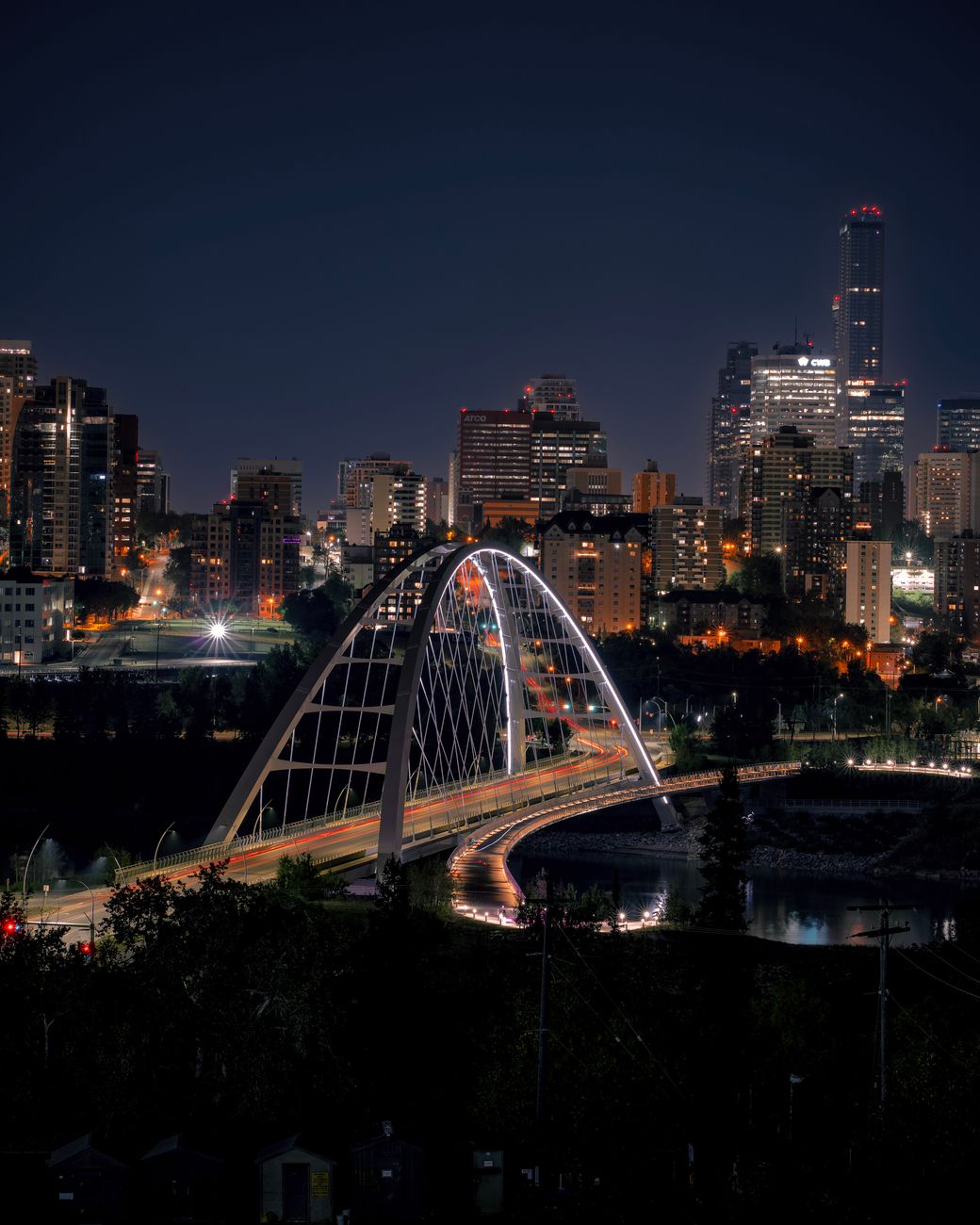
Afternoon: Visit ICE District and Rogers Place for the public plaza and arena tours if available; Churchill LRT station sits at the edge of this area and the walk is 5–10 minutes from Jasper Avenue. If museum fatigue starts, take the River Valley stairs or the Walterdale Bridge walk (15–20 minutes) to reach downtown viewpoints and Coffee shops in the River Valley.
Evening: Dinner on 104 Street (also called Restaurant Row) or head to Whyte Avenue by taking the Capital Line north to a transfer or a short taxi (about 10–15 minutes); end the night at a small live-music venue or a quieter bar near 82 Avenue.
Day 2
Morning: Take the LRT to Bay/NAIT or University depending on schedule and start at the University of Alberta walkable campus and the University of Alberta Museums area. From University Station, catch a bus or walk (20–25 minutes) to the Muttart Conservatory in the River Valley; plan 60–90 minutes among the pyramid biomes (admission ~CAD 17).
Late morning: Return uphill to Old Strathcona and Whyte Avenue via the 1 or 9 bus routes or a short taxi (15–25 minutes). Browse independent shops along 82 Avenue between 104 and 109 Streets and pay a visit to local record stores and galleries.
Afternoon: Lunch on Whyte Avenue—Padmanadi is a long-standing vegetarian spot on 109 Street, or try one of the local cafés for a heartier plate. After lunch, walk to the Old Strathcona Farmers' Market at 103 Street and 83 Avenue if it's Saturday; the market is indoors in colder months and open-air in summer.
Evening: Stay in Old Strathcona for a show at the Varscona Theatre or live music at a small club. Transit back to downtown runs frequently on the 1 and 4 bus routes; a short taxi will save time late at night.
Day 3
Morning: Choose either a large indoor option or a nature half-day. Option A — West Edmonton Mall: budget 3–4 hours for West Edmonton Mall's Sea Life, World Waterpark (admission ~CAD 35–50 depending on package) or Galaxyland; allow taxi or bus time (~25–35 minutes from downtown by car). Option B — Elk Island National Park: rent a car or book a guided shuttle for a half-day trip east of the airport to see bison and lakes (drive ~40–50 minutes from downtown).
Late morning: If staying in the city, visit Fort Edmonton Park on the southwest side to walk reconstructed streets, take a tram and view the park's interpreters; admission is about CAD 20–25 and the site closes earlier in shoulder seasons. Transit is possible but a taxi of 20–30 minutes is faster from downtown.
Afternoon: Schedule checkout and storage with the hotel; leave valuables in a secure locker and plan airport travel. If an afternoon flight is planned, allow 90–120 minutes travel time to YEG by taxi or shuttle, plus recommended 2 hours for domestic check-in and more for international.
Evening: For later departures, return to the River Valley for an hour at dusk or a last meal near Jasper Avenue; restaurants around 104 Street offer reliable service close to LRT stops.
Best Local Experiences
Old Strathcona Farmers' Market (Saturday) is a regional institution with baked goods, peameal sandwiches and prepared foods from local vendors. The River Valley trails from Laurier Park to Terwillegar offer cycling and lookout points used daily by locals; the Terwillegar Park to Emily Murphy area has steep stair access and great river views.
Muttart Conservatory's pyramid biomes are compact and good for a brief, weather-proof botanical experience. Attend a show or an Oilers game at Rogers Place in the ICE District to experience a major civic event and the surrounding food stalls.
August festivals: Edmonton Fringe (Old Strathcona) and K-Days (northgrounds) concentrate crowds; plan accommodation and transit well ahead during those weeks. Fort Edmonton Park's period streets provide living-history programming that suits families and history-focused visitors.
Where to Stay
Downtown / ICE District: Suits visitors who want museum access, arena events and LRT connections. This area places Churchill Station and Rogers Place within walking distance. Expect nightly rates around CAD 140–220 (≈ EUR 90–145 / USD 100–165) depending on event schedules.
Old Strathcona / Whyte Avenue: Best for nightlife, live music and the farmers' market; walking access to theatres and cafés. Nightly rates typically range CAD 110–160 (≈ EUR 70–105 / USD 80–120) with smaller boutique hotels and guesthouses.
West Edmonton Mall area / Westend: Practical for families or shoppers; the mall has multiple hotels connected by pedestrian links. Rates generally CAD 120–180 (≈ EUR 75–115 / USD 90–135), often seasonal and higher on holiday weekends.
Food and Drink
Alberta beef steak: locally sourced cuts served at neighbourhood steakhouses and bistros—expect CAD 25–40 for a main; try a neighbourhood bistro on 104 Street for a reliably good steak.
Bannock: Indigenous frybread available at select cafes and market stalls; a serving runs CAD 4–8 and is often sold at events or market vendors. Look for it at the Old Strathcona Farmers' Market or community festivals.
Perogies and Ukrainian comfort foods: common in many diners and market stalls across the city; a plate is usually CAD 8–15. Try small delis in the east end or market vendors on weekends.
Craft beer: Alley Kat and Blind Enthusiasm are local breweries with taprooms; expect a pint CAD 6–9. Brewery taprooms near downtown and 124 Street provide easy tasting options.
Breakfast option: A full breakfast plate at an independent café (eggs, hashbrowns, toast) typically CAD 12–18; popular neighbourhood cafés on Whyte Avenue and 124 Street serve early morning crowds.
Getting Around
Edmonton Transit Service (ETS) runs buses and two LRT lines: the Capital Line (south–north between Century Park and Clareview) and the Metro Line (Churchill to NAIT). Single adult fares are about CAD 3.50; an ETS day pass is around CAD 11 and covers buses and LRT for 24 hours.
Buy fares at LRT station vending machines (Churchill, Government Centre, Century Park) or use the ETS app for mobile ticketing. Key bus routes to know: route 1 along Whyte Avenue, route 4 across downtown, and multiple routes linking to West Edmonton Mall.
Taxis and ride-hailing operate citywide; expect CAD 60–80 from downtown to Edmonton International Airport. For route planning, use the ETS app or Google Maps' transit layer; both list LRT times and bus connections.
Best Time to Visit
Summer (June–August) offers the mildest weather with daytime highs around 18–25°C and the most festivals; expect crowds during Fringe (August) and K-Days. Spring (April–May) sees variable weather and fewer tourists—good value but still chilly at night (0–10°C).
Fall (September–October) is cooler (5–15°C) with good shoulder-season hotel rates and leaf colour in the River Valley. Winter (November–March) is cold (often −10 to −25°C); winter sports and festivals run, but outdoor walking requires heavy clothing and shorter daylight hours.
For best value and fewer crowds, aim for May or September when most attractions are open, hotels are cheaper than high-summer festival weeks, and the River Valley remains accessible.
Budget and Practical Tips
Sample daily budget per person (moderate): Accommodation CAD 140 (≈ USD 100 / EUR 90), food CAD 50 (≈ USD 36 / EUR 32), transport CAD 11 (day pass), attractions CAD 20–40 depending on museum or park choices. Total daily: roughly CAD 220–240 (≈ USD 160–175 / EUR 145–155).
Cheaper option: budget hotels CAD 80–110 per night and stick to market food and free River Valley hikes to keep daily costs near CAD 120–150. Family or premium options (West Edmonton Mall activities, multiple paid attractions) push daily costs above CAD 300.
Tipping: standard practice is 15–20% in restaurants; add a small tip for taxi drivers (round up or 10%). Carry a small amount of cash for market vendors and park admissions that may not accept cards.
FAQ
How safe is downtown and the River Valley?
Downtown and the River Valley are generally safe in daylight; exercise usual urban caution at night, avoid poorly lit paths after midnight, and watch for increased pedestrian traffic near event venues.
Does the LRT go to the airport?
No—the LRT network does not serve Edmonton International Airport; use a taxi, airport shuttle service, or prearranged transfer (taxi ~CAD 60–80 to downtown).
Is a day pass or Arc card worth buying?
Buy an ETS day pass (about CAD 11) if planning multiple trips in one day; single fares are roughly CAD 3.50. Monthly or longer passes suit extended stays or heavy transit users.
Can West Edmonton Mall be done in half a day?
Yes for basic shopping and a single attraction (e.g., waterpark or Sea Life), but allow a full day for multiple attractions and rides.
Best neighborhood for evening food and live music?
Old Strathcona / Whyte Avenue concentrates live music venues, late-night cafés and casual restaurants; plan to arrive early on festival nights.
Are museums closed on Mondays?
Some museums close Mondays or have limited hours—check the Royal Alberta Museum and Art Gallery of Alberta schedules before planning a Monday visit.
Any day-trip recommendations?
Elk Island National Park is the closest national park for bison viewing and lakes (about 40–50 minutes by car). Fort Saskatchewan and the Ukrainian Cultural Heritage sites farther out offer niche historical options.
Is cruise or boat sightseeing available on the river?
Large commercial river cruises are limited; kayaking, stand-up paddleboarding and outfitters operate in summer from River Valley launch sites.
Conclusion
A realistic three-day plan balances museums, a neighbourhood day on Whyte Avenue and at least one outdoor stretch in the River Valley. Most travellers will remember the scale of the parks and the festival culture more than any single museum or mall.
If time runs short, prioritize a River Valley viewpoint and one museum (Royal Alberta Museum or Muttart Conservatory) over trying to do both West Edmonton Mall and a long nature trip. That choice preserves travel time and shows the city as locals experience it.
How this guide was prepared
This guide was prepared through a structured research that combines destination research, geographic context, itinerary planning logic, and content review.