

Melbourne in 3 Days: Practical Itinerary and Local Tips
A clear 3-day plan for Melbourne: practical transit, neighbourhood-by-neighbourhood itineraries, food picks, budgets and what to skip to save time.
A no-nonsense, neighbourhood-driven 72-hour plan with transit, meal picks, realistic budgets and crowd warnings for a weekend in Melbourne.
Expect a city of short blocks, lots of laneways and an unusually strong coffee-and-food culture that sets the pace. Streets can feel relaxed one moment and noisy the next when trams and shoppers converge; the urban core rewards walking between pockets rather than a single continuous boulevard. Weather changes fast — a morning can be cool and windy and the afternoon sunny — so pack a light waterproof and layers.
Crowds concentrate on weekend market mornings, AFL match days and major exhibitions; outside those times, move quickly through galleries and laneways with fewer queues. This place suits travellers who like cafés, live music, street art and flexible schedules more than those who want museum-heavy itineraries or a quiet small-town pace.
Is 3 days in Melbourne enough?
Yes—three days is enough to sample the core neighbourhoods: central laneways, Southbank and the gardens, plus one bay-side area such as St Kilda or Brighton. It won't allow deep museum marathons or a day trip to the Yarra Valley, so skip anything that requires a full day outside the metro area.
Who This Guide Is For
Best for first-time visitors who enjoy coffee, markets, street art and short walks; less suitable for travellers wanting a slow museum-only trip or extensive day trips on the same visit.
Local Tips for Melbourne
Practical details that most travel sites skip — specific to Melbourne.
- Buy and top up a myki card at Southern Cross Station machines, Metro stations or at 7-Eleven stores; expect to pay about AUD 6 for a new card before adding travel credit.
- Trams within the Free Tram Zone (CBD, Docklands and parts of Southbank) do not require a myki; outside that area, always touch on and off on Yarra Trams vehicles.
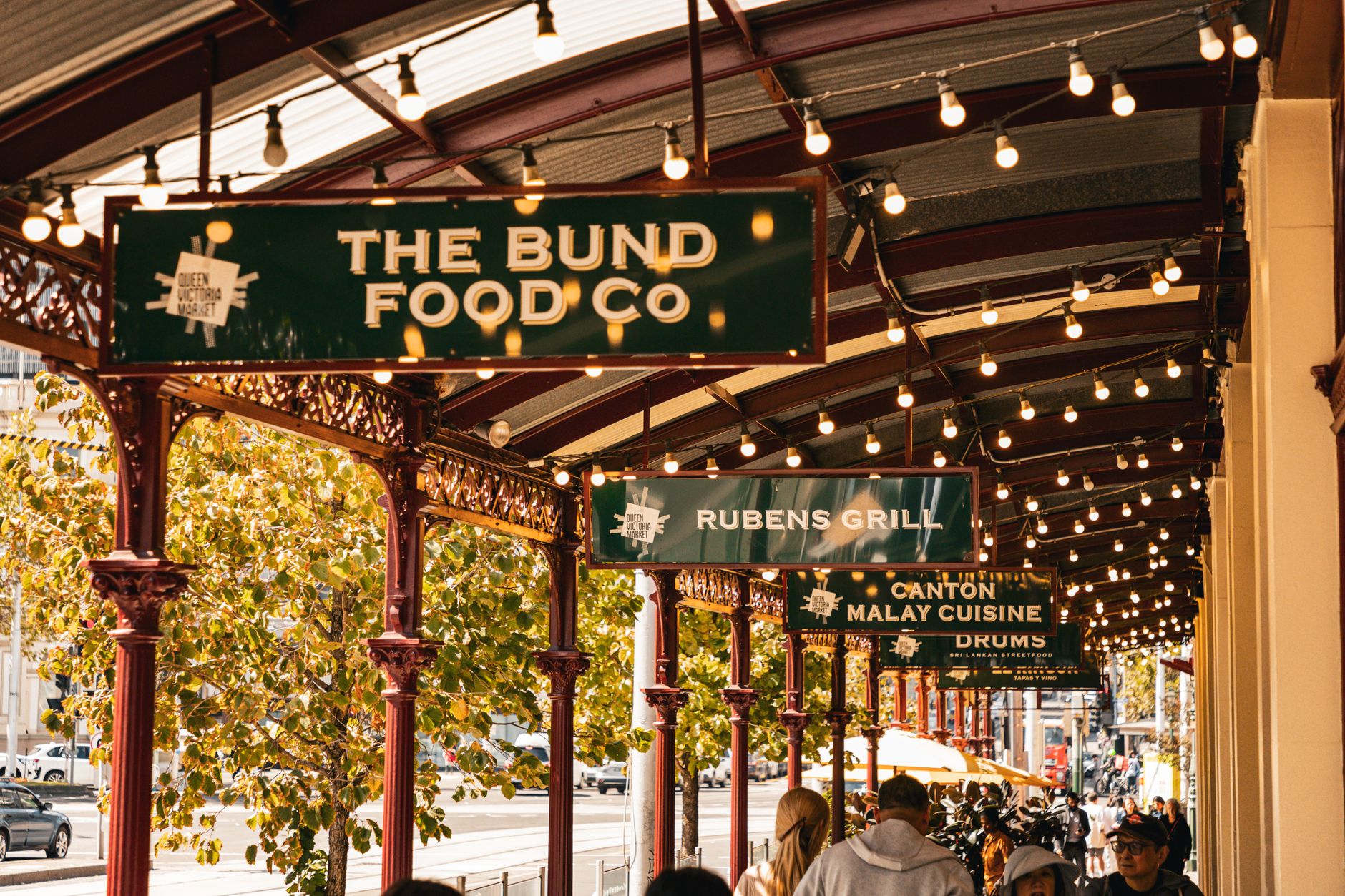
- Queen Victoria Market is closed Mondays and Wednesdays for trader rest and set-up; Saturday mornings are the busiest for produce and specialty stalls.
- On AFL match days at the MCG, use Jolimont or Richmond stations and allow at least 45–90 minutes for crowds after the game — trains fill quickly.
- Brighton Beach bathing boxes lie about a 10-minute walk from Brighton Beach station on the Sandringham line, not from nearby Hampton station.
How This Guide Was Prepared
Three days here rewards neighbourhood variety more than landmark ticking. Many guides cram too many attractions into a single day and miss how distinct lanes, cafés and markets actually shape the experience; this guide prioritises sensible walking routes, transit times and which places to reserve versus which to skip when time is tight. This guide was prepared through a structured research that combines destination research, geographic context, itinerary planning logic, and content review.
Plan Your Stay in Melbourne
Use this itinerary as your starting point, then compare areas to stay, transport options, seasonal timing, and realistic daily costs before booking.
Why Visit
There is a strong, local coffee and independent-café scene anchored in lanes such as Degraves Street and Centre Place; these short walks reveal how important cafés are to daily life. The Queen Victoria Market remains one of the few large, multi-hall markets in a capital city where fresh produce, deli counters and weekend stalls coexist; visit for breakfast and grocery-level atmosphere.
For outdoor contrast, the Royal Botanic Gardens offer expansive lawns and lakes within walking distance of the central business grid. Sports and event culture are another draw: the MCG hosts AFL, cricket and stadium tours that reveal a different side of local identity. Finally, beachside St Kilda or Brighton give an easy coastal taste within a short tram or train ride, making a compact three-day trip feel varied.

Quick Planning Tips
From Tullamarine (Melbourne Airport) the fastest public option is SkyBus to Southern Cross Station; one-way adult fares are typically around AUD 19–24 and buses run every 10–20 minutes. Taxis and ride-hailing services from Tullamarine to the CBD usually cost about AUD 55–75 depending on traffic and time of day.
Buy a myki card on arrival at a station or 7-Eleven and top it up; remember the Free Tram Zone inside the CBD and Docklands where a myki is unnecessary. Avoid booking a hotel in Docklands assuming lively nightlife — that area is quieter after dark and farther from many cafés and bars in laneway districts.
Day 1
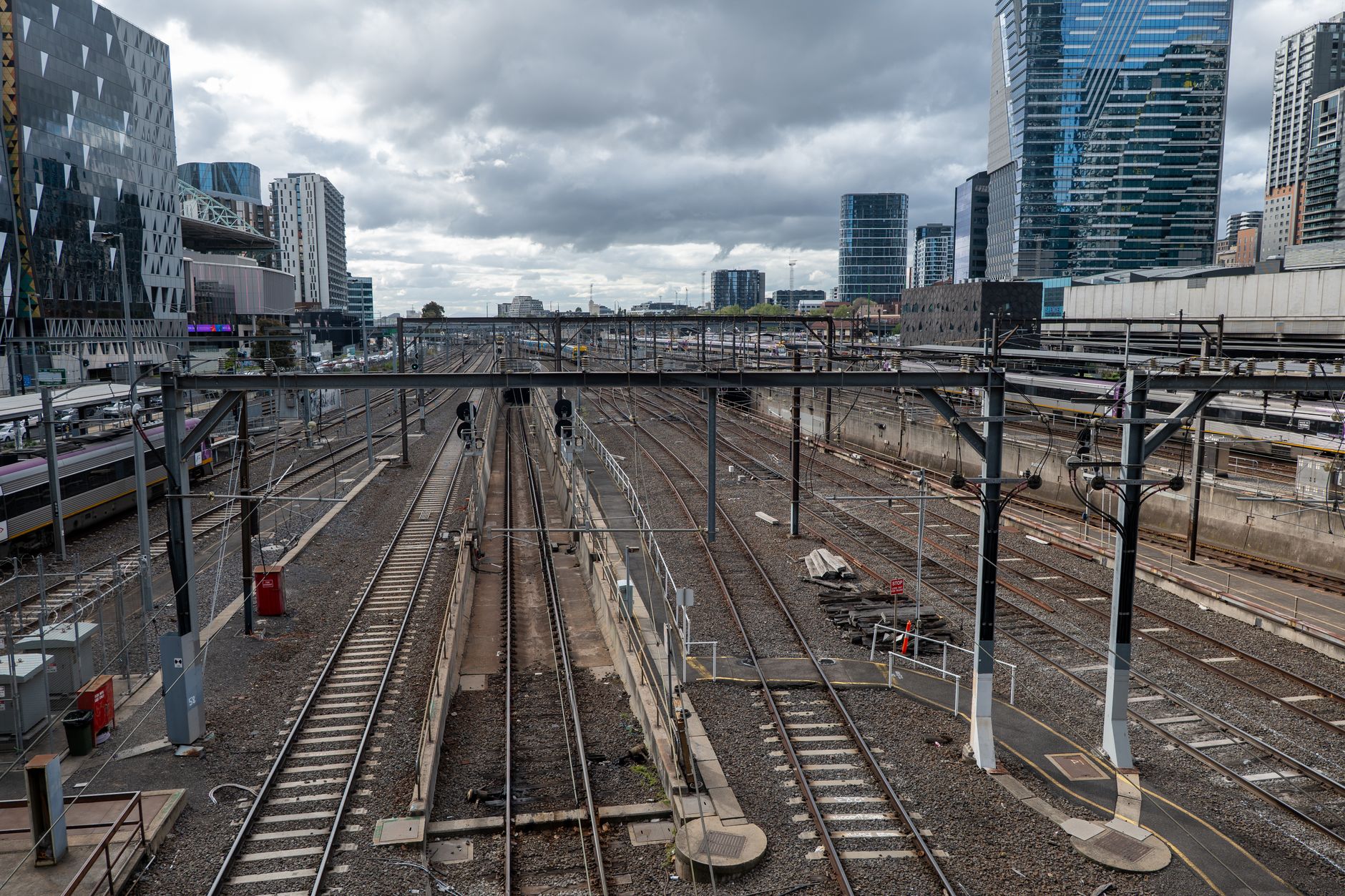
Morning: Start at Flinders Street Station and Federation Square for an orientation stroll; both sit on Swanston and Flinders Street. From Federation Square, walk 2–3 minutes to Hosier Lane to see street art and photograph the alleys.
Late morning: Cross Princes Bridge and walk 7–10 minutes to the National Gallery of Victoria (NGV International) on St Kilda Road; allow 1–2 hours for the permanent collection (free) and factor in 20–40 minutes if a paid exhibition is of interest. From NGV, the Royal Botanic Gardens are about a 12–15 minute walk south along Birdwood Avenue.
Lunch: Eat in the gardens’ vicinity or walk back toward Southbank where riverside options such as Arbory Bar & Eatery offer casual meals; expect a 10–15 minute walk from the Botanic Gardens. After lunch, walk along the Yarra River toward Eureka Skydeck (15–20 minutes) and consider the observation deck around sunset for wide views; tickets usually cost in the AUD 20–40 range.
Evening: Southbank and South Wharf have restaurants and bars. If nightlife or live music is of interest, head to nearby venues on hardware-lane-adjacent streets or check schedules at the Corner Hotel in Richmond (a short 10–15 minute tram ride from the CBD).

Day 2
Morning: Take tram route 96 (or tram 16 depending on boarding point) to St Kilda — the ride from Bourke Street Mall is roughly 25–30 minutes. Start at Acland Street for cake shops and cafés, then walk the foreshore to St Kilda Pier; allow 20–30 minutes if stopping for photos and penguin viewing at the pier breakwater near sunset hours.
Late morning/afternoon: From St Kilda, take the Sandringham train line from Balaclava or a short tram to Brighton Beach station (about 20–30 minutes total travel). Walk 10 minutes from the station to see the Brighton Bathing Boxes along the shore.
Lunch: Try a seaside café on Acland Street or a fish-and-chips shop near Brighton; cafe meal prices sit around AUD 15–25. After lunch, return toward the city and head to Fitzroy for late afternoon street‑art browsing on Brunswick Street and Smith Street; tram and train combinations take about 25–35 minutes from Brighton.
Evening: Fitzroy has casual dining, independent bars and live music venues — book ahead for busy nights. For a quieter option, head to a licensed wine bar on Gertrude Street and book a table to avoid long waits.

Day 3
Morning: Start at Queen Victoria Market for breakfast and shopping; arrive early (Saturday morning is busiest) and allow 1–2 hours for stalls. From the market, walk 8–12 minutes to the Melbourne Museum and Carlton Gardens; the museum usually requires 1–2 hours depending on exhibits and has a separate entry fee for special exhibitions.
Late morning/early afternoon: Walk or tram to Lygon Street in Carlton for a quick Italian lunch and espresso. If catching an afternoon flight, plan luggage storage or check-out logistics: many hotels will hold bags, and luggage facilities are available at Southern Cross and Flinders Street stations.
Departure logistics: Allow at least 90 minutes from Southern Cross to Tullamarine on SkyBus (traffic can add time to taxis), and book SkyBus or a taxi with buffer. If using public trains, factor in myki tap-on time and a further 20–30 minutes to reach Southern Cross from central locations.
Evening: If time allows before departure, a short riverside walk at Southbank is a reliable final stop for a coffee or an early dinner close to transport hubs.
Best Local Experiences
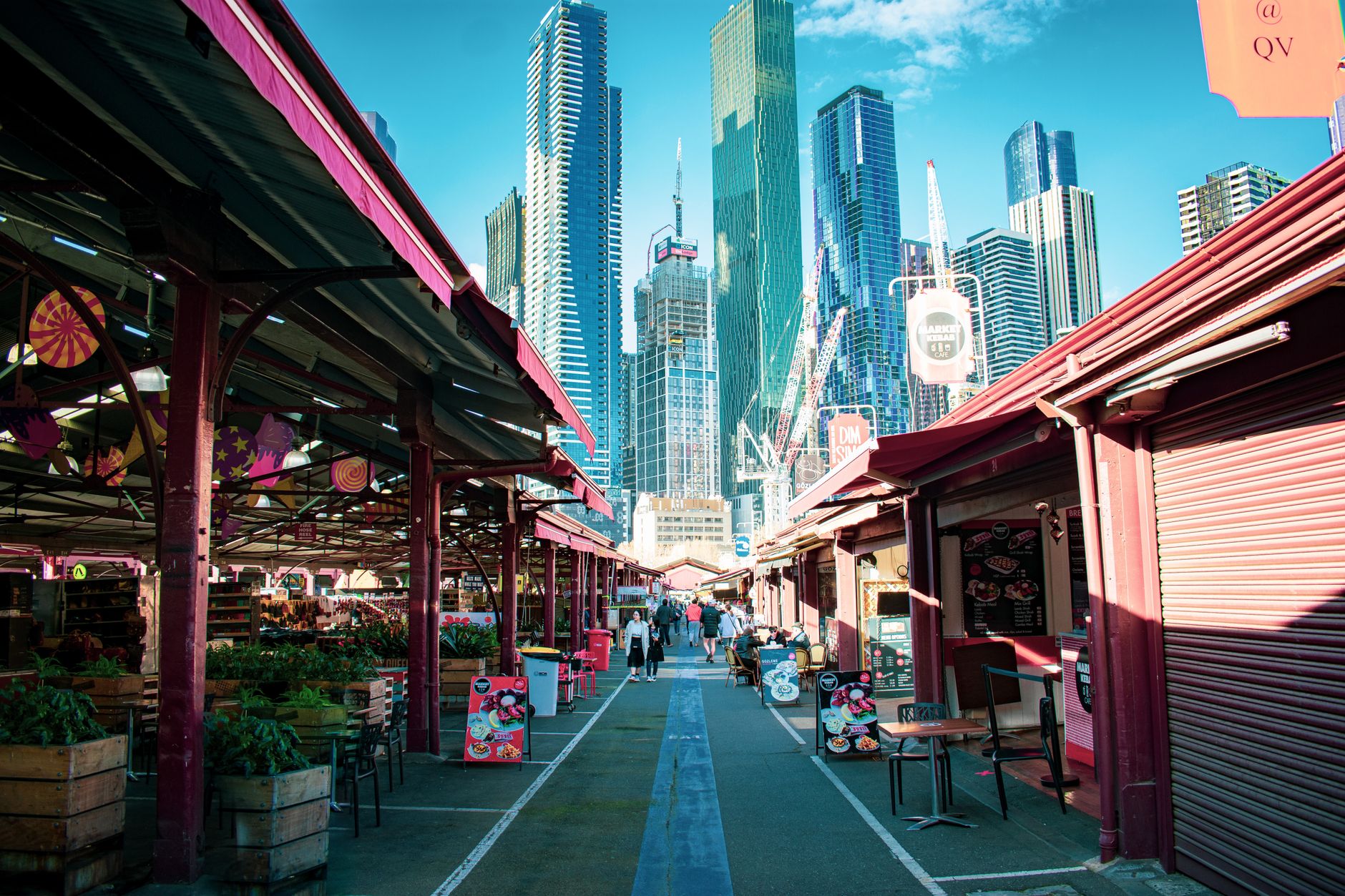
Queen Victoria Market — arrive early for the general and deli halls, buy fruit from the produce traders and try the hot food lanes. Laneway coffee crawl — Degraves Street, Centre Place and Hardware Lane are the best concentrated stretch for espresso and cake during weekday mornings. Fitzroy and Brunswick Street — explore independent bookshops, vinyl stores and street art; Brunswick Street has a strong second-hand and music scene.
St Kilda foreshore and Acland Street cake shops — a distinct seaside experience with a compact precinct of cafés and the pier walk. Catching an AFL game at the MCG or a guided MCG tour provides local sporting context; match-day travel and crowd movement is a core local ritual. Seasonal events: the Night Noodle Markets (seasonal at Alexandra Gardens) and Moomba Festival in March draw crowds and local food vendors.
Where to Stay
Central Business District (CBD) and Southbank: Suits first-timers who want short walks to laneways, trams and riverside dining. Close to Flinders Street Station and tram corridors. Expect hotel rates around AUD 130–260 per night (roughly USD 85–170 / EUR 78–156) depending on season.
Fitzroy and Collingwood: Suits travellers after independent cafés, bars and street art with easy tram access to the city. Expect apartment-style stays and boutique hotels in the AUD 110–190 range per night (about USD 72–124 / EUR 66–117).
South Yarra and Prahran: Suits shoppers and nightlife near Chapel Street and nearby parks; good for families wanting quieter evenings but quick train/tram access to the CBD. Nightly rates typically AUD 130–230 (USD 85–150 / EUR 78–140).
Prices rise during major events (AFL finals, Grand Prix, White Night). Budget travellers can find hostel beds from AUD 30–50 per night, while higher-end boutique hotels start at AUD 300+.
Food and Drink
Flat white (coffee): A local standard — creamy espresso-based coffee. Find excellent versions at St Ali (South Melbourne) or Proud Mary (Collingwood); expect AUD 4–5. Breakfast option: big breakfasts at Hardware Société in the CBD cost around AUD 18–28.
Meat pie: Classic Australian bakeries sell flaky pastry pies with fillings like beef and gravy; good bakery versions cost about AUD 4–8. Chicken parmigiana (parma): A pub staple found at many local pubs such as The Duke of Wellington; mains AUD 18–30.
Lygon Street pizza and pasta: Traditional Italian restaurants on Lygon Street in Carlton offer classic pasta and pizza with mains AUD 15–30. Chinatown dumplings and yum cha: Little Bourke Street hosts many dumpling houses and yum cha options; expect AUD 12–25 per meal.
Evening recommendation: book a modern Asian or contemporary Australian restaurant in advance (popular names require reservations) and budget AUD 40–70 per person for a mid-range dinner with drinks.
Getting Around
Public transport is a mix of trains (Metro Trains Melbourne), trams (Yarra Trams) and buses. Major CBD tram routes include the free City Circle and routes that run along Swanston and Collins streets; tram route 96 connects the city with Brunswick and St Kilda. Key train lines include the Sandringham line (to Brighton) and the Frankston and Sandringham lines for bay suburbs.
Myki is the prepaid card for all public transport — buy at stations or 7-Eleven and top up at machines or online. Expect single-trip fares outside the Free Tram Zone to range roughly AUD 4–9 depending on zones; daily and weekly caps limit costs for heavier use. Apps: PTV (Public Transport Victoria) app for timetables and the Yarra Trams tracker are useful. Airport transfer: SkyBus from Tullamarine to Southern Cross is the usual public option (about AUD 19–24); taxi and rideshare fares are typically AUD 55–75 to the CBD.
Best Time to Visit
Summer (December–February): Temperatures usually 20–35°C; busy with domestic tourists, festivals and higher prices. Expect crowded beaches and peak restaurant demand in January.
Autumn (March–May): Temperatures 10–25°C with mild days and fewer crowds; often the best value for hotel rates and open-air dining. Spring (September–November): Temperatures 10–22°C and street festivals return; cherry blossoms in some parks make for good walks but expect variable weather.
Winter (June–August): Cooler 5–15°C with rainy days; museums and indoor events dominate and hotels can be cheaper between major events. Best balance of price and weather is typically March–May and September–November.
Budget and Practical Tips
Daily budget examples: Budget traveller: accommodation AUD 60–120, food AUD 30–60, transport AUD 6–12, entry fees AUD 0–20 (total about AUD 100–212; roughly USD 65–138 / EUR 60–127). Mid-range traveller: accommodation AUD 130–230, food AUD 50–90, transport AUD 8–16, entry fees AUD 20–50 (total about AUD 208–386; USD 135–250 / EUR 122–230). Luxury: hotels AUD 300+, dining and activities add substantially.
Tipping: Not compulsory; rounding up or leaving 5–10% for table service is appreciated but not expected. Cash is less common — most places accept cards and many cafés are cashless. Carry a small myki top-up to avoid delays when boarding trams outside the Free Tram Zone.
FAQ
How safe is the city at night?
Central areas and laneways are generally safe with police and CCTV presence, but standard precautions apply after dark; keep valuables secure and avoid poorly lit side streets late at night.
Is the SkyBus the only way to get from Tullamarine Airport?
No — SkyBus is the main public-service shuttle to Southern Cross; taxis and rideshares operate from the airport and are quicker but cost more (AUD 55–75 to the CBD).
Do I need a myki card for trams in the CBD?
No — the Free Tram Zone covers the central business district, Docklands and parts of Southbank; outside that zone, a myki is required and must be touched on and off.
Is a multi-attraction city pass worth buying?
Only if visiting several paid attractions (Eureka Skydeck, MCG tour, paid NGV exhibitions); for casual visits most travellers save money by buying single tickets or skipping a paid exhibition.
Can public transport get me to Brighton bathing boxes and St Kilda?
Yes — Brighton Beach is on the Sandringham train line and St Kilda is served by several trams (routes 3, 16, 96 depending on boarding point); expect 20–40 minutes from the CBD.
Are restaurants cash-only or card-friendly?
Most cafes and restaurants accept cards and contactless payments; some small stalls at markets may prefer cash so carry a little change for markets.
Conclusion
A three-day visit will most likely be remembered for the contrast between tight city laneways, the riverside walk at Southbank and a short coastal detour to St Kilda or Brighton. Prioritise one area each day rather than trying to see everything; that approach gives breathing room to sample cafés, markets and a single larger attraction well. If time runs short, put coffee lane walks, Queen Victoria Market and one waterside viewpoint (Eureka Skydeck or St Kilda Pier) at the top of the list.
How this guide was prepared
This guide was prepared through a structured research that combines destination research, geographic context, itinerary planning logic, and content review.