
Three-Day Christchurch Itinerary: Practical 72-Hour Guide
Practical 3-day Christchurch plan with timed routes, airport transfer advice, Metrocard tips, neighbourhood priorities, realistic costs and evening options.
A focused, honest 72-hour plan for Christchurch that balances central sights, Port Hills viewpoints, and a coastal or harbour side outing, with transport and cost details.
First impressions are of a city that has been reshaped over the last decade: parts of the central grid still show construction and hoardings while new hospitality strips occupy repurposed buildings. The river running through the centre, Avon/Ōtākaro, gives a calm contrast to the work-in-progress feel of streets like Colombo and Cashel. Public spaces such as Cathedral Square remain focal points but the functional mix of repair, new development and busy local life is the real mood.
The place suits people who want accessible green space, short drives to coastline or harbour, and a compact city centre that can be covered on foot with short bus rides. Expect some noise, occasional detours and clear signage rather than a polished historic centre. Plan days around light and transport rather than assuming every attraction is side-by-side.
Is 3 days in Christchurch enough?
Yes — three days gives a realistic view of the central city, a Port Hills viewpoint or gondola visit, and a harbour or beach visit if planned tightly. Caveat: there won't be time for a full TranzAlpine day return to Arthur's Pass without sacrificing an afternoon in town.
Who This Guide Is For
Best for travellers who want a compact mix of urban regeneration, parkland and coastal access; not ideal for those seeking extensive alpine hikes or long rail journeys. Budget travellers who prefer public transport and midrange hotels will get the most value.
Local Tips for Christchurch
Practical details that most travel sites skip — specific to Christchurch.
- Buy a Metrocard from Metroinfo or participating retailers — loading value is cheaper per trip than cash fares and the card works on all Metro buses across Greater Christchurch.
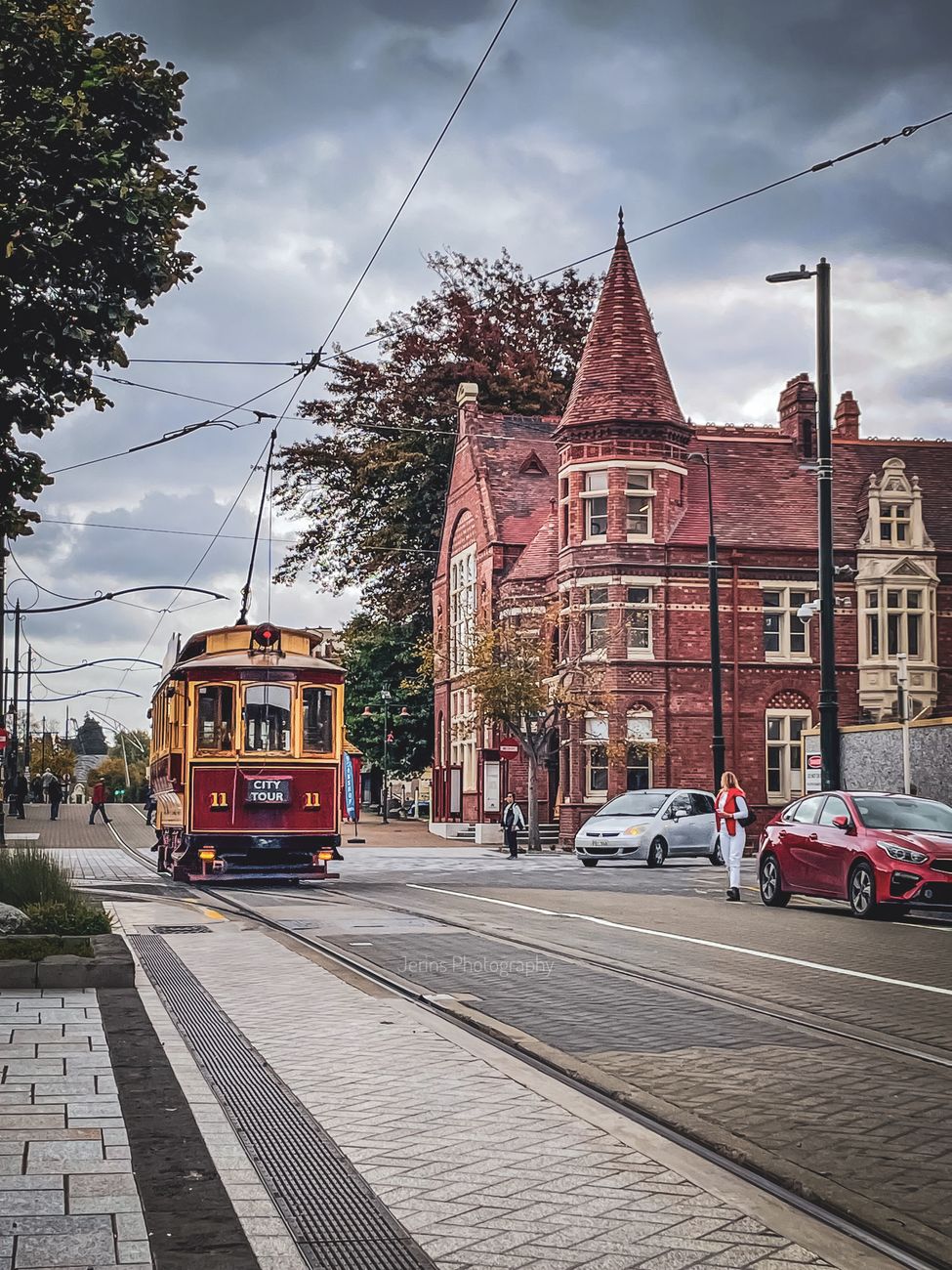
- The Christchurch Tram hop-on hop-off loop (Cathedral Square–New Regent Street–Canterbury Museum) runs regular services; adult single fares are roughly NZD 25–35 depending on package.
- Catch bus route 28 from the central bus interchange to Lyttelton for an easy harbour visit; allow 25–35 minutes each way and check timetables for weekend frequency.
- Christchurch Gondola (10 Bridle Path Road) has a chairlift and walking tracks; a return gondola ticket is typically around NZD 35–45 for adults and provides fast access to Port Hills viewpoints.
- Book the TranzAlpine from Christchurch Railway Station well in advance for peak seasons; seats sell out on weekend summer services and special event weekends.
How This Guide Was Prepared
This guide treats Christchurch as a working city rebuilt after major earthquakes, not a polished brochure; the urban centre still mixes construction, repair work and lively new precincts. Many guides skip the practical side—how to move between central attractions, the reliable short day trips to Lyttelton or Sumner, and where costs really add up for meals and transport. This guide was prepared through a structured research that combines destination research, geographic context, itinerary planning logic, and content review.
Plan Your Stay in Christchurch
Use this itinerary as your starting point, then compare areas to stay, transport options, seasonal timing, and realistic daily costs before booking.
Why Visit
There is easy access from an urban core to coastal and harbour landscapes within 30–40 minutes, so a short stay can include both a city afternoon and a beach walk. The Port Hills and Gondola area give immediate ridge viewpoints over the city and Lyttelton Harbour without a long drive.
Museums and quake-focused exhibits make the recent history readable and physically present. Quake City and the Canterbury Museum explain the sequence of events and the engineering and community responses.
Parks are unusually central: Christchurch Botanic Gardens and Hagley Park sit adjacent to the central grid and offer wide lawns, conservatory collections and river walks that are free to enter. The compact tram loop and pedestrian-friendly streets such as New Regent Street make central navigation straightforward.
Quick Planning Tips
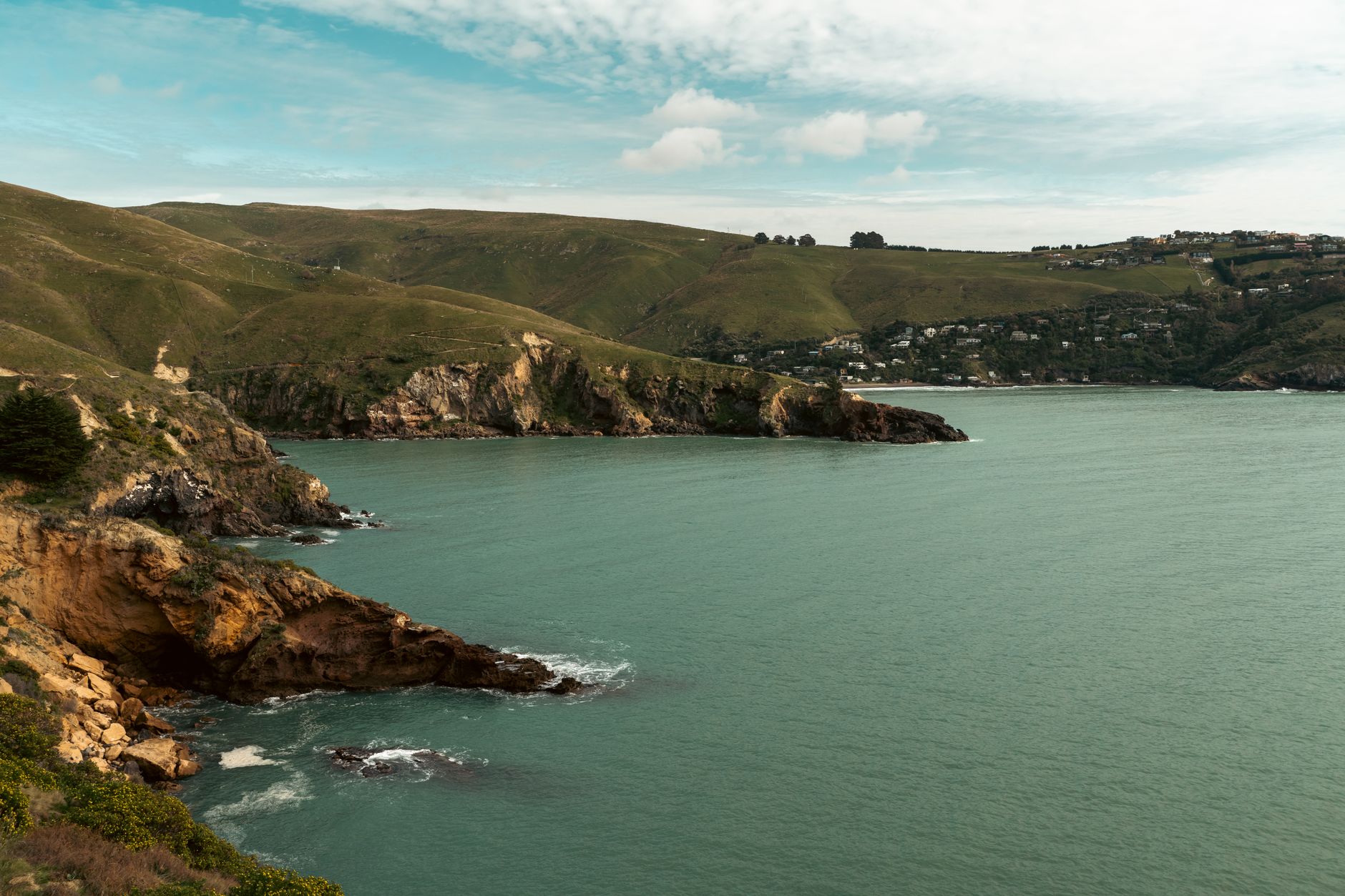
Fly into Christchurch Airport (CHC) and use the SkyBus or Super Shuttle for a 20–30 minute transfer to central hotels; rideshares cost slightly more but are door-to-door. From the railway station the CBD is a 10–15 minute walk or a single short bus ride.
Buy or top up a Metrocard before boarding buses; exact cash on buses is inconvenient. Day passes can work well for three-day visitors who plan multiple trips.
Avoid planning a TranzAlpine round trip on the same weekend as other day trips; the rail journey uses most of a day and popular summer services sell out. Check opening hours for attractions like the Gondola, Antarctic Centre and Quake City before locking an afternoon itinerary.
Day 1
Morning: Start at Cathedral Square to see the Cardboard Cathedral on Oxford Terrace and walk the short loop to New Regent Street (5–10 minutes). New Regent Street offers colour-lit Spanish Mission facades and cafes for a coffee stop.
Midday: Walk 10–15 minutes to the Christchurch Botanic Gardens. Stroll the conservatory, the rose garden and the river edge. Allow 60–90 minutes here and cross to the adjacent Canterbury Museum, which is free but asks for donations and often has special exhibitions with entry fees.
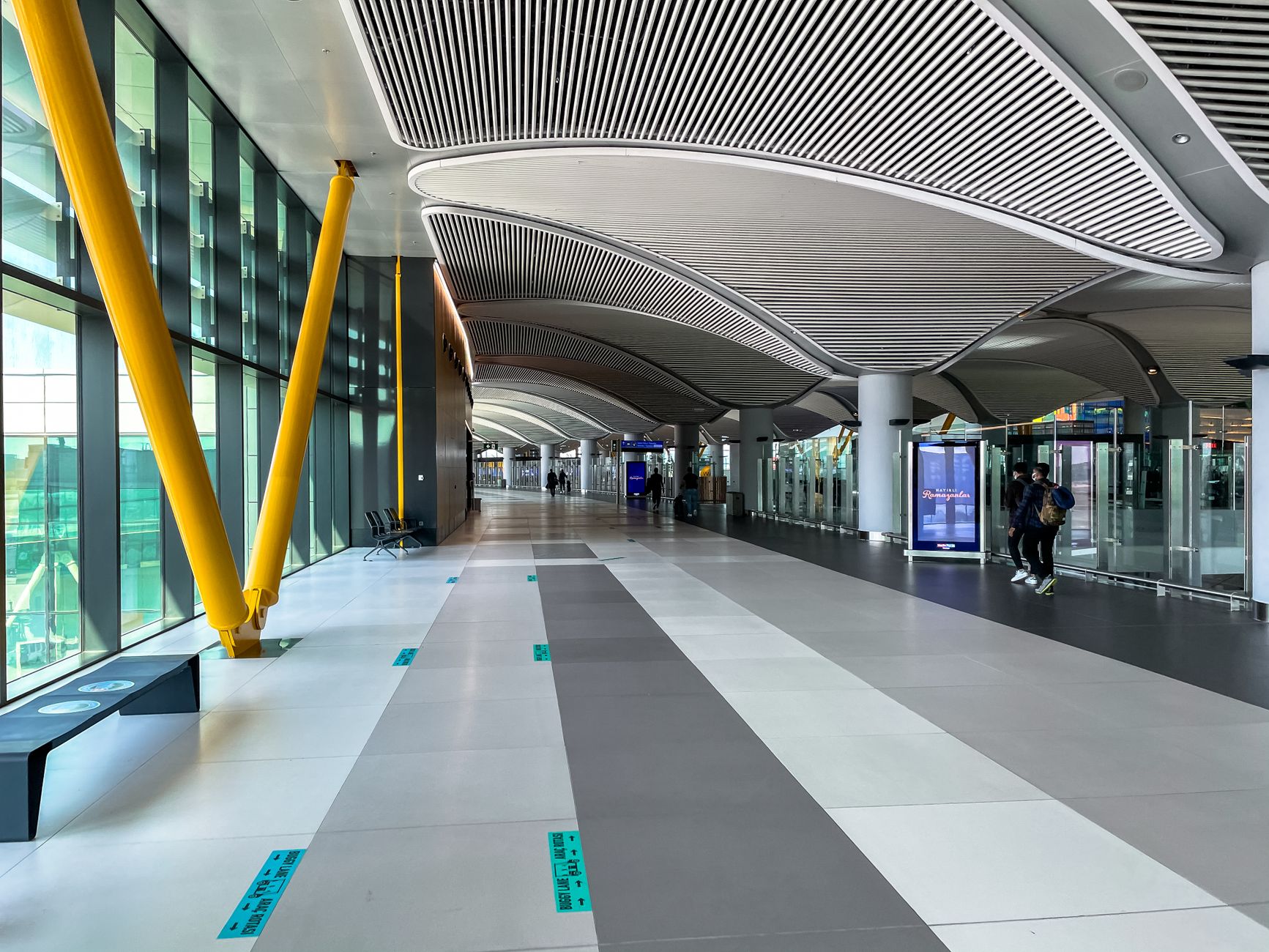
Afternoon: Take the tram hop-on hop-off from near the museum to the Arts Centre and nearby Antigua Boat Sheds area; the tram loop between Cathedral Square and these stops takes about 40–60 minutes total. The Arts Centre has craft shops and a restored university precinct worth exploring (allow 45 minutes).
Lunch or dinner: Eat at Dux Dine on New Regent Street for modern NZ dishes or at the food outlets in the Riverside Market for quicker options; expect mains NZD 18–35. Evening: Finish with a riverside walk on the Avon or a relaxed drink on Victoria Street; bars here stay open later and the riverside lighting makes an easy evening circuit.
Day 2
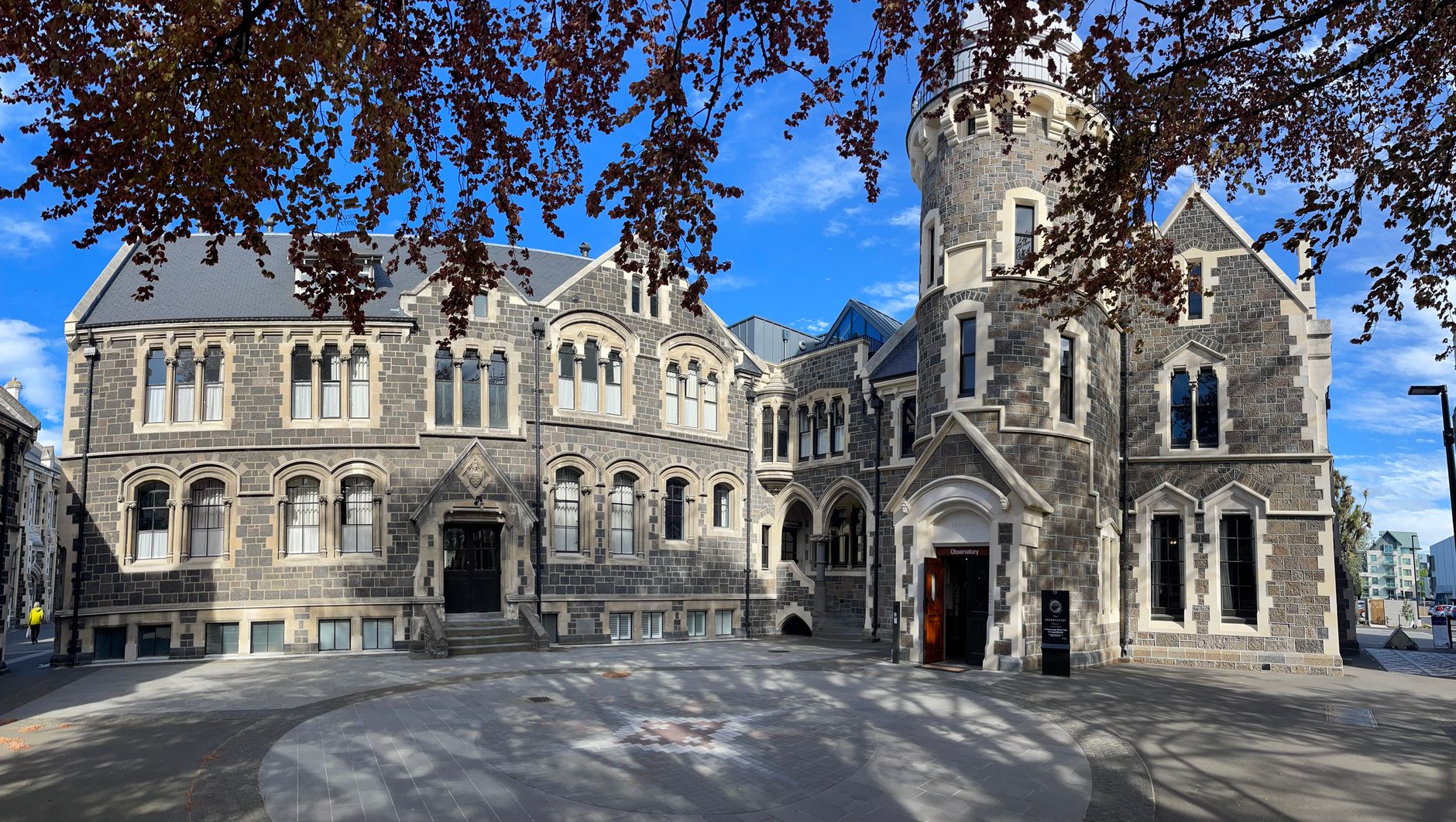
Morning: Head to the Christchurch Gondola on Bridle Path Road for ridge views over the city and Lyttelton Harbour. Allow 20–30 minutes travel from the CBD by car or taxi and one to two hours on the hill for short walks and photos.
Midday: Descend and drive or catch bus 28 into Lyttelton Harbour. The harbour village has a working port, a café culture and a small Saturday market in the Lyttelton Recreation Ground; allow 2–3 hours to explore including a harbour-side lunch.
Afternoon: Return via the tunnel and visit Sumner Beach for a coastal walk and afternoon coffee. The Sumner Esplanade and coast take 40–50 minutes of relaxed walking and good light in late afternoon.
Evening: Dine at a seafood-focused restaurant in Sumner or try Meat & Three in the return St Albans area if heading back early. Transport: buses between city, Lyttelton and Sumner run less frequently on Sundays so check timetables; taxis are a fallback but add cost.

Day 3
Morning: Reserve this morning for any missed central attractions or a longer visit to Quake City to understand the earthquakes and recovery; Quake City is near the central city tram loop and takes 60–90 minutes. Alternatively, use the morning for a short bike ride along the Avon River or through Hagley Park.
Midday: Check out of accommodation and store luggage if needed. Have lunch at Riverside Market for varied stalls and local produce; allow 45–60 minutes.
Afternoon: If catching an afternoon flight, keep the afternoon light: shop on Oxford Terrace, visit Riccarton Bush for a 30–45 minute walk, or take a short tram loop to pick up souvenirs. Allow 30–40 minutes to reach Christchurch Airport from central hotels by SkyBus or 20–30 minutes by taxi depending on traffic.
End of day: If time allows before departure, drive to the Port Hills scenic overlooks near Sign of the Takahe for a last view over the city; this is quick by car but not feasible if using public transport with a tight flight schedule.
Best Local Experiences
Punting on the Avon River from Antigua Boatsheds gives a quiet riverside view through the central gardens and lasts around 30 minutes. The Christchurch Tram loop is a short urban heritage experience linking Cathedral Square, New Regent Street and Canterbury Museum.
The Sunday Lyttelton Farmers’ Market is a real local scene for seafood and preserves; check Saturday/Sunday schedules as markets vary by season. Sumner Beach walks and the coastal cliff track offer easy seaside access with cafes on the esplanade.
Hagley Park concerts or community events happen seasonally on the large greens and are worth checking for dates. The Tannery in Woolston is a restored shopping and dining precinct that shows a different side of local retail and craft businesses. Finally, the Port Hills walking tracks from the Gondola or Sign of the Kiwi provide short ridge walks with panoramic views.
Where to Stay
Central City (Cathedral Square / Oxford Terrace): Suited for first-time visitors who want short walks to the tram loop, Botanic Gardens and restaurants. Midrange hotel rooms typically NZD 150–240 per night (≈ EUR 85–140 / USD 90–150). Expect urban noise at night but quick access to sights.
Riccarton / Hagley Park side: Good for quieter stays, families and park access; short bus or tram rides to the CBD. Nightly rates around NZD 120–200 (≈ EUR 70–115 / USD 75–125). This area is near Hagley Park and Riccarton Mall for groceries.
Sumner / New Brighton (coastal): Suits those who prefer beachfront mornings and relaxed evenings; allow 20–35 minutes to the CBD by bus or car. Expect holiday-home rates in peak summer from NZD 140–260 (≈ EUR 80–150 / USD 90–170) per night.
Booking note: Prices rise during school holidays and major events; checking bus links and parking availability matters for stays outside the central grid.
Food and Drink
Full breakfast option: Classic bacon-and-eggs breakfasts are widely served but try a proper Kiwi brunch at a café on Oxford Terrace or New Regent Street; expect NZD 15–25. Street food: Riverside Market offers local pies, fish and chips and dumplings with portions for NZD 8–15.
Dinner recommendation: Fresh seafood at a Sumner or Lyttelton bistro—try grilled green-lipped mussels or snapper; mains NZD 25–45. Local dish: whitebait fritter in season (spring) appears on some menus and is a small-plate specialty.
Local drinks: Try a Canterbury craft beer at a brewpub like The Bog near the Arts Centre or Cassels & Sons; pints around NZD 8–12. Coffee culture is strong—flat white is the standard and costs about NZD 3.50–5. Avoid peak evening tourist areas for better value; move a block away from main streets for lower prices.
Getting Around
Public transport is based on Metro buses running across Greater Christchurch. Key routes include the orbital and radial services that link the CBD to suburbs; bus timetables are on the Metro website and displayed at major stops. The Metrocard is the stored-value card to use across buses and can be topped up at Metroinfo, selected retailers and online.
The Christchurch Tram runs a central circuit between Cathedral Square, New Regent Street and the Canterbury Museum; tickets are sold per ride or as day options. Taxi and rideshare services operate widely; a taxi from the airport to the CBD is roughly NZD 50–70 depending on traffic. Apps to use: Metro (for timetables), Uber and local taxi apps for on-demand travel. Single bus fares vary by zone but expect around NZD 2.50–5 for short urban trips; day passes and Metrocard top-ups reduce per-trip cost.
Best Time to Visit
Summer (December–February) brings warm days of 20–25°C and the busiest crowds; good for beach visits but higher prices and full bookings. Spring (September–November) has cool mornings and warming afternoons, fewer crowds and early flower displays in the Botanic Gardens.
Autumn (March–May) offers stable weather, clearer light for photography and fewer tourists; temperatures typically 10–20°C. Winter (June–August) is cool and wet with temperatures around 5–12°C; museums and indoor attractions become the priority. Best value months are shoulder seasons (March–May, September–November) when accommodation prices fall and outdoor conditions are still pleasant.
Budget and Practical Tips
Daily budget (midrange traveller): Accommodation NZD 140–200 (≈ EUR 80–115 / USD 90–125), food NZD 60–100 (≈ EUR 35–55 / USD 40–60), transport NZD 8–20 (Metrocard top-ups) and entries NZD 0–40 depending on activities. A realistic midrange day runs NZD 250–350 (≈ EUR 140–200 / USD 160–230).
Budget options: Hostel dorms from NZD 30–45 per night; cheap meals at markets or food courts NZD 8–15. Tipping: not customary in the same way as North America; round up or leave 5–10% for table service for good service, and tip taxi drivers only for exceptional help.
Practical tip: Most shops accept contactless cards; carry a small amount of cash for market stalls. Water is safe to drink from taps and public drinking fountains exist in parks.
FAQ
Is Christchurch safe for solo travellers?
Yes, central areas are generally safe in daytime; standard precautions at night apply and keep valuables secure. Public transport and well-lit streets are commonly used by locals.
How do I get from the airport to the city centre?
SkyBus runs regular services to the CBD in about 20–30 minutes; taxis and rideshares are faster door-to-door for a higher fare.
Is a Metrocard or day pass worth it?
Yes for visitors planning multiple bus trips; topping up a Metrocard reduces per-ride costs and avoids the need for exact change on buses.
Can the TranzAlpine be done as a day trip?
The TranzAlpine is a full-day commitment; it is doable but will consume most of a day and leave less time for city sights. Overnighting on the West Coast gives more flexibility.
Are attractions open on Sundays and public holidays?
Many are but hours vary; museums and markets often have reduced hours on public holidays, so check websites in advance.
What's the best way to visit Lyttelton and Sumner without a car?
Use Metro bus routes (check route numbers and weekend frequency) and the occasional shuttle services; buses take 25–40 minutes depending on route and time of day.
Conclusion
A 72-hour stay delivers the clearest impression of the city's recent evolution: green spaces, a compact central grid and quick access to coastal and harbour scenery. The most lasting memories tend to be a Port Hills viewpoint at sunset, a riverside punt, and a walk along New Regent Street followed by an evening at Riverside Market.
If time is tight, prioritise the Botanic Gardens plus either the Gondola or a harbour visit to Lyttelton; those two choices show both the city's urban rebuilding and its immediate access to sea and hills.
How this guide was prepared
This guide was prepared through a structured research that combines destination research, geographic context, itinerary planning logic, and content review.