

Montpellier in 3 Days: Practical Weekend Itinerary
A practical 3-day plan for Montpellier: explore the Écusson, Musée Fabre, Antigone, day-trip options and clear transit, budget and food tips.
A realistic, no-nonsense 72-hour plan for Montpellier that balances central history, modern neighbourhoods and a seaside option with transit and budget details.
Expect a municipal centre that changes character quickly between narrow medieval lanes and broad neoclassical avenues. The Écusson around Place de la Comédie is compact, noisy at midday and best experienced on foot; Antigone and Odysseum feel planned and more car-friendly with wide promenades.
Crowds concentrate at the main square and Musée Fabre in high season; evening life spills from cafés into the squares, but restaurants can be quiet midday between services. This city suits people who like short walks, museums, neighbourhood cafés and a short stretch of Mediterranean coast within easy reach.
Is 3 days in Montpellier enough?
Three days are enough to see central highlights: the Écusson, Musée Fabre, Promenade du Peyrou, Antigone and a seaside half-day to Palavas or La Grande-Motte. The honest caveat: multiple longer day trips (Avignon, Arles or Marseille) are possible but will force rushed returns and long travel days.
Who This Guide Is For
Best for travellers who prefer walking, museums and short beach excursions; not ideal for road-trippers who want to add multiple long day trips. Budget travellers can manage on modest funds, while those expecting luxury hotel service should plan higher.
Local Tips for Montpellier
Practical details that most travel sites skip — specific to Montpellier.
- TaM runs four tram lines (1–4) that hit most tourist sites; single tram/bus ticket is about €1.70 and valid for one hour across transfers when validated.
- Marché des Arceaux (near Place des Arceaux, Saturday mornings) is a proper farmers market with local cheeses, charcuterie and oysters — arrive 08:00–10:30 for best selection.
- Musée Fabre usually closes Monday; book timed tickets for special exhibitions online—standard entry for the permanent collection is around €9–€12.
- Odysseum tram terminus (line 1) links to the modern shopping/entertainment zone and has bus connections toward Palavas-les-Flots and the coastal shuttle in summer.
- Vélomagg' is the city's bike-share; stations at Place de la Comédie, Gare Saint-Roch and Antigone make short rides practical and many cobbled streets are off-limits for car parking.
How This Guide Was Prepared
This guide treats Montpellier as a compact regional capital with two distinct faces: the medieval Écusson around Place de la Comédie and the newer riverside Antigone/Odysseum axis. Most guides over-sell an unrealistically full schedule or skip practical limits like museum hours, tram timing and market days; this guide gives a sane pace and exact local details. This guide was prepared through a structured research that combines destination research, geographic context, itinerary planning logic, and content review.
Plan Your Stay in Montpellier
Use this itinerary as your starting point, then compare areas to stay, transport options, seasonal timing, and realistic daily costs before booking.
Why Visit
The medieval Écusson offers tightly packed streets, the 14th-century Peyrou promontory with its Arc de Triomphe and the wide Place de la Comédie where daily life is visible from café terraces. Musée Fabre presents a strong 19th-century and European painting collection plus rotating exhibitions that reward art-focused visits.
Antigone and the Lez riverfront show a modern face with wide promenades and architecture by Ricardo Bofill, while Odysseum provides contemporary shopping, cinema and easy transit to coastal shuttles. The city's botanical Jardin des Plantes, one of France's oldest, gives a botanical contrast to the urban centre and is free to wander.

Quick Planning Tips
Most international arrivals use Montpellier–Méditerranée airport (short shuttle or taxi) or SNCF at Gare Saint-Roch. The tram network (TaM) links Gare Saint-Roch with Place de la Comédie and Odysseum; validate a paper ticket or use the TaM app for contactless tickets.
Carry a credit card with contactless for ticket machines; many small market vendors prefer cash. Do not assume late-night dining like Paris — many restaurants close between lunch and dinner, and some close one weekday afternoon.
Day 1
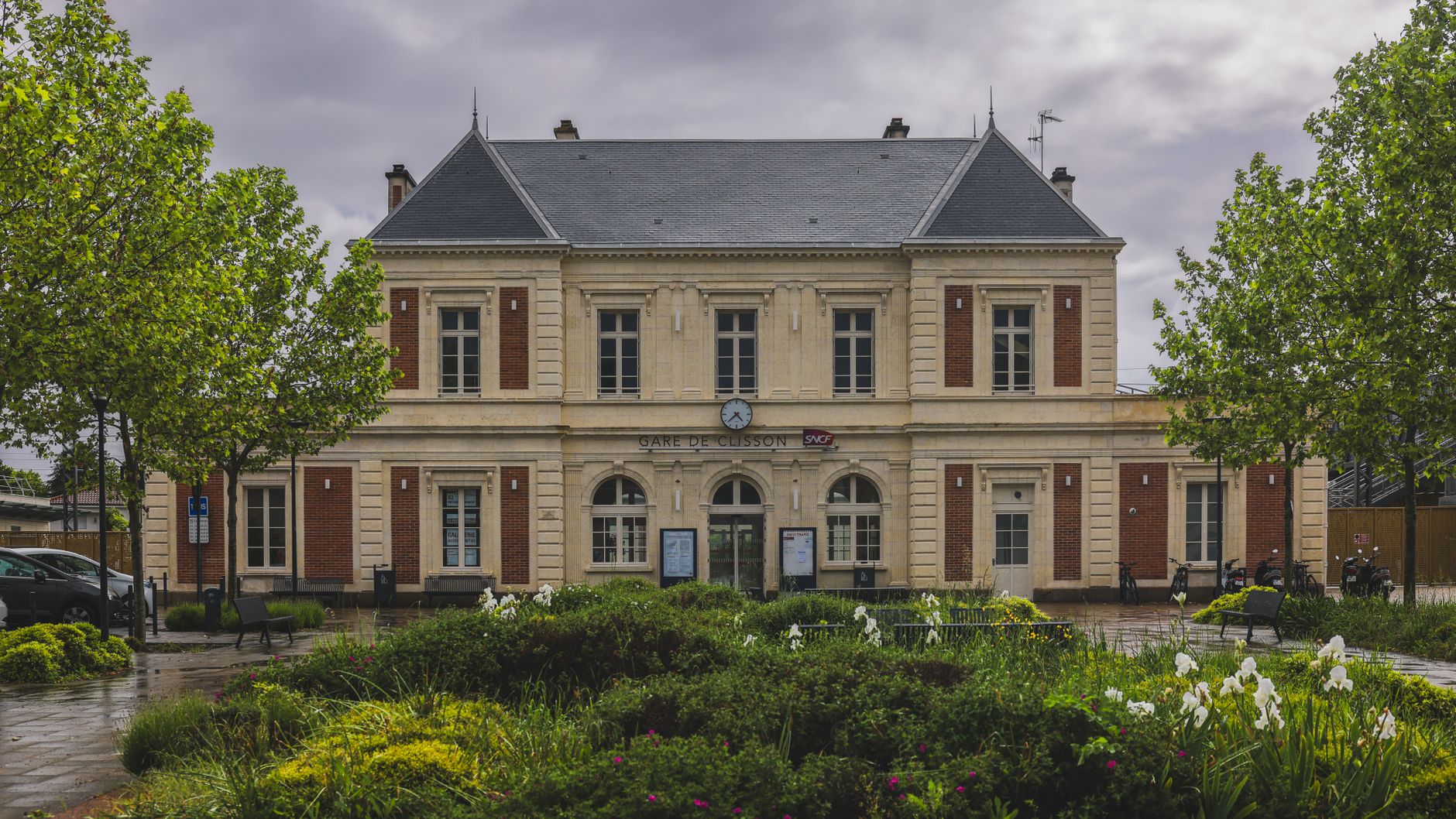
Start at Place de la Comédie to get a feel for the city's centre; the square is served by several tram stops and is the nodal point for walking the Écusson. From there walk 5–10 minutes to Musée Fabre on Boulevard des Arceaux; plan 1.5–2 hours for the permanent collection and any temporary show. After the museum, head 8–12 minutes on foot to the Jardin des Plantes for a relaxed hour among the historic plantings.
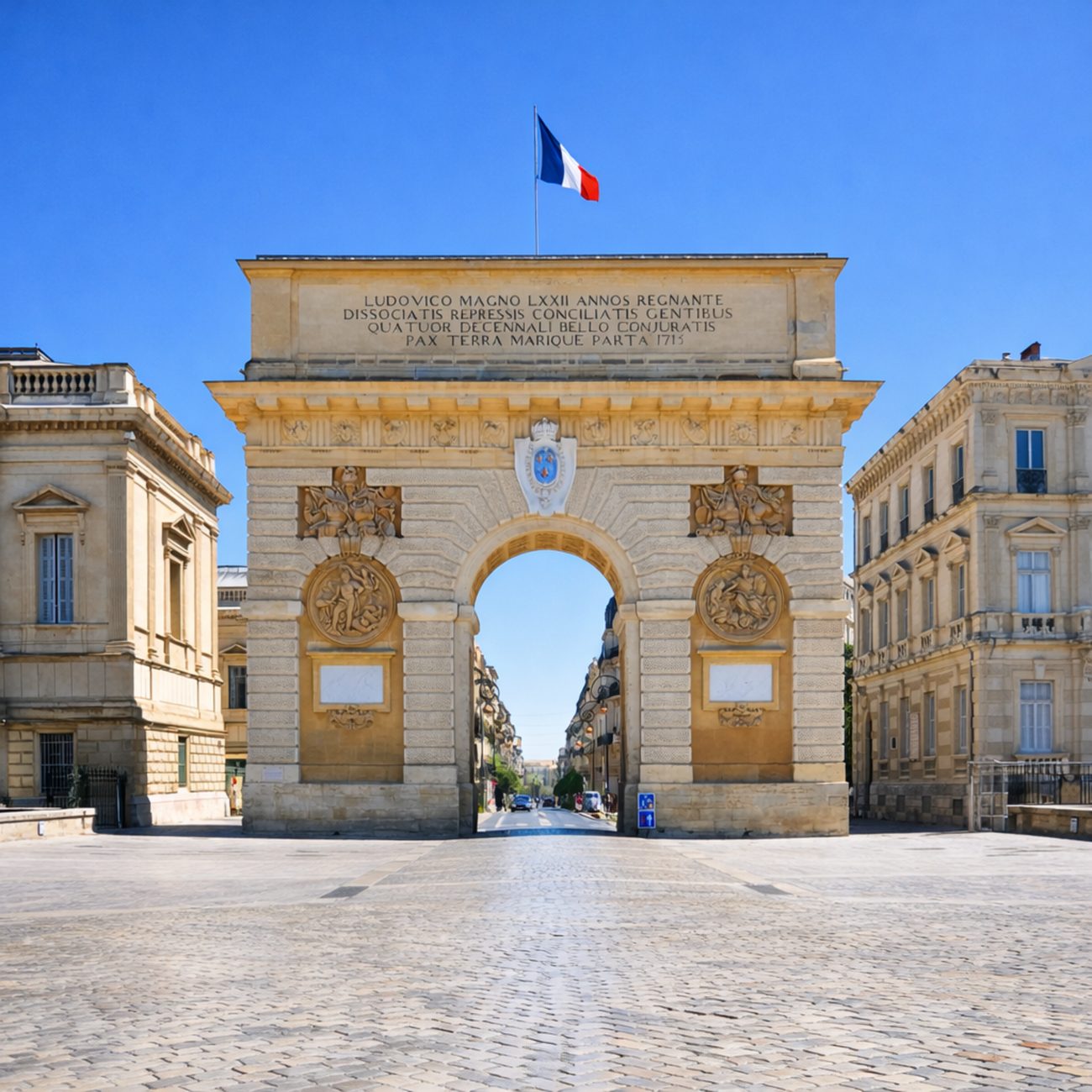
Lunch at L'Entrecôte (or a similar bistro on Rue de l'Aiguillerie) gives a straightforward French midday meal; expect €15–€25 per person for a sandwich or set menu. In the afternoon walk 10 minutes to Promenade du Peyrou and the Arc; the elevated view looks over the city and is a good photo stop. Cross to the Les Arceaux aqueduct zone and, if time allows, check the Saturday Marché des Arceaux (08:00–10:30). For evening, pick a small restaurant near Place Jean Jaurès and finish at a terrace bar on Place de la Comédie where tables fill after 20:00.
Day 2
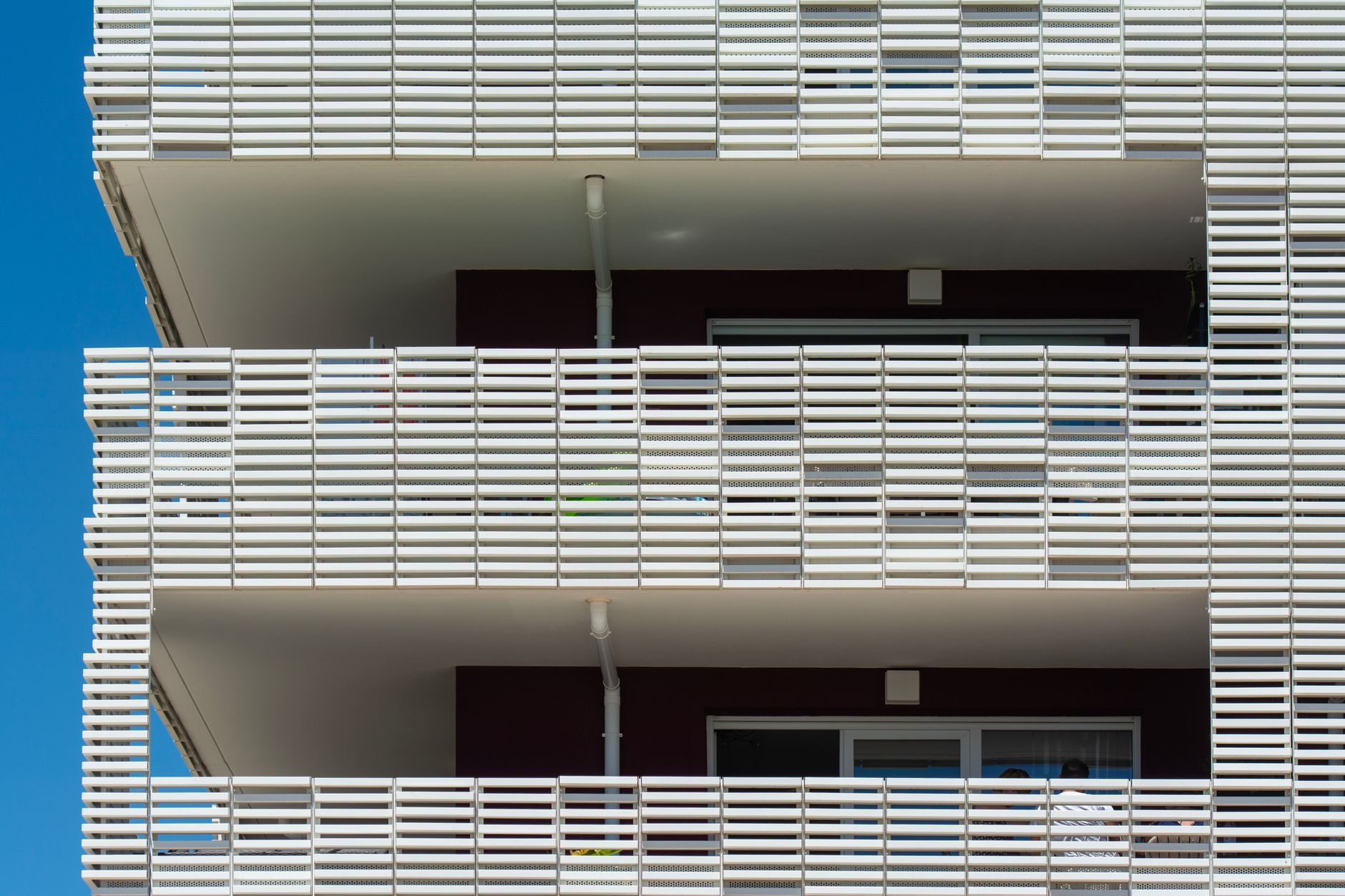
Spend the morning in Antigone, reached by tram (line 1) in 10–15 minutes from Place de la Comédie; stroll the wide neoclassical promenades and cross the Lez river. Visit the contemporary public library (Médiathèque Emile Zola) or a modern gallery if exhibitions align, then walk to the Corum concert hall area for a city-planning contrast.
Lunch at the Odysseum area is convenient; take tram line 1 another 5–10 minutes to Odysseum for shopping and a more modern food scene. In the afternoon take a short bus or seasonal shuttle from Odysseum to Palavas-les-Flots for an hour or two on the sand; buses and summer shuttles run more frequently in July–August. Return to the centre by tram for dinner in the Flanelles or the rue de la Loge area where small, focused restaurants serve Mediterranean-influenced dishes. End the night with a walk along the Lez riverbanks near the Antigone bridges for night reflections.
Day 3
Dedicate the morning to Sainte-Anne or Saint-Pierre Cathedral and the surrounding lanes of the Écusson; both are within 5–10 minutes' walk from Place de la Comédie. Stop at a local boulangerie for a light breakfast: a croissant or fougasse with coffee before museum openings or markets. Midday catch a regional train from Gare Saint-Roch for a half-day to Nîmes (about 35 minutes) or a coastal transfer to La Grande-Motte if the weather suits.
If remaining in town, use the afternoon for Musée Atger or the Musée Fabre's temporary rooms missed earlier, or rent a Vélomagg' bike for a short ride along the river. For those checking out or catching an afternoon flight, allow 60–90 minutes from the central district to Montpellier–Méditerranée airport by taxi and 30–40 minutes to Gare Saint-Roch by tram; leave extra time for peak-hour tram crowding. Finish with a final dinner near the Corum or on rue du Plan d'Agde to avoid a rushed meal before departure.

Best Local Experiences
Marché des Arceaux (Saturday mornings) for local produce, cheeses and oysters within a stone's throw of the aqueduct. Le Marché du Lez and the creative quarter at Lez offer street food, craft stalls and weekend events, especially on Sundays; it feels more local and modern than central markets.
A night walk along the Lez river and across the Antigone bridges shows the planned side of the city when lights reflect off the water. The Jardin des Plantes is one of the oldest botanical collections in France and offers an unusually quiet hour near Rue de l'Université. Take a coastal half-day to Palavas-les-Flots or La Grande-Motte for straightforward beach time without a long transfer.

Where to Stay
Écusson / Centre Historique: Suits first-time visitors who want walking access to Place de la Comédie, Musée Fabre and narrow streets. Expect small hotels or guesthouses from about €80–€150/night (≈$88–$165). Antigone / Comédie riverfront: Better for those who prefer wider streets, modern restaurants and easy tram links to Odysseum; mid-range hotels and aparthotels run €90–€170/night (≈$99–$187). Gare Saint-Roch / Beaux-Arts: Practical for train arrivals and budget travellers, with simpler hotels and easy tram access; prices often €60–€110/night (≈$66–$121).
Food and Drink
Breakfast: Café and croissant at a local boulangerie (e.g., Boulangerie Patisserie near Place de la Comédie) — expect €3–€6. Street food: Socca and pan-bagnat are more common on the coast but small stalls at Le Marché du Lez sell savory crepes and crêpe complète for about €6–€9.
Dinner dishes: Tielle sétoise (spicy octopus pie) is a Languedoc specialty best found in seafood stalls or near the docks for €6–€12 a portion. Languedoc wines by the glass can be good value; expect €3.50–€6 per glass at modest restaurants. For a focused dinner, try local restaurants on rue du Plan d'Agde or rue de l'Aiguillerie with mains €15–€28. Finish with a pastis if desired; a small measure costs around €3–€6 in bars.
Getting Around
Tram network: TaM operates lines 1, 2, 3 and 4 covering Place de la Comédie, Gare Saint-Roch, Antigone and Odysseum. Single ticket is around €1.70 (validate on boarding) and a 24-hour pass is about €4.50; buy via TaM app, ticket machines at tram stops or from some tobacco shops.
Bike-share Vélomagg' has stations across the centre and is useful for short trips; download the Vélomagg' app for passes. Taxis run from Gare Saint-Roch and the airport; airport to centre fares typically fall between €25–€35 depending on traffic. Regional trains to Nîmes, Avignon and Marseille depart from Gare Saint-Roch; use SNCF or regional TER reservation sites for schedules.
Best Time to Visit
High season is July–August when temperatures average 25–30°C and beaches are busy; expect higher prices and crowded trams. Shoulder seasons April–June and September–October offer milder weather (15–24°C), fewer crowds and better value on hotels.
Winter months (November–February) are cooler (5–12°C) and quieter; many coastal shuttles reduce frequency and some small summer-oriented restaurants close for seasonal breaks. For the best balance of weather, events and prices, target May or September.
Budget and Practical Tips
Daily budget (moderate traveller): Accommodation €80–€130, food €30–€50, local transport €5–€6, museum/entries €10–€25; total ≈€125–€210 per day (≈$137–$230). Budget options can push nightly accommodation under €70 with hostels or guesthouses; eating at markets or bakeries cuts meal costs to €10–€20 per day.
Tipping: Service is included on restaurant bills (service compris) but small table tips €1–€3 or rounding up are appreciated for good service. Carry small change for markets and tram ticket machines that accept coins; machines and the TaM app accept contactless cards for convenience.
FAQ
How safe is Montpellier for solo travellers?
Central areas and main tram lines are generally safe by daytime standards; use normal precautions at night and avoid poorly lit back streets after 23:00.
Is the Montpellier City Pass worth buying?
The Montpellier City Pass can save money if planning to use public transport heavily and visit multiple paid sites like Musée Fabre; calculate based on planned entries and tram usage.
How to get from the airport to the city centre?
A shuttle or Line 620 bus connects the airport with the Antigone/Odysseum area in summer; otherwise a taxi to the centre costs roughly €25–€35 and a tram plus transfer from Odysseum takes longer.
Can a day trip to Nîmes or Arles be done from here?
Yes—trains to Nîmes take about 30–40 minutes and are frequent; Arles is longer and best done by early train to maximise site time.
Are trams frequent on weekends and evenings?
Tram frequency drops slightly late evening and on some Sundays; check the TaM timetable or app for exact times during off-peak hours.
Are museums open every day?
No—Musée Fabre is commonly closed on Mondays, and smaller museums have variable hours; verify online before heading out.
Conclusion
A three-day stay leaves room to see the core contrasts: the medieval Écusson and the planned Antigone/Lez axis plus a short seaside stop if time allows. What is most likely to stick in memory is the sharp change from narrow streets and cafés to broad promenades and modern architecture within short walking or tram rides.
If time becomes tight, prioritise Place de la Comédie, Musée Fabre and a walk to Promenade du Peyrou — those three give the clearest, quickest view of what the city offers.
How this guide was prepared
This guide was prepared through a structured research that combines destination research, geographic context, itinerary planning logic, and content review.