
Nantes in 3 Days: Practical Itinerary and Local Tips
A realistic 3-day Nantes itinerary with transit tips, costs, neighbourhood plans, and must-see attractions to maximize a short city break.
A no-nonsense, three-day plan for Nantes that balances Les Machines, markets, museums and neighbourhood walks while giving exact transit and budget details.
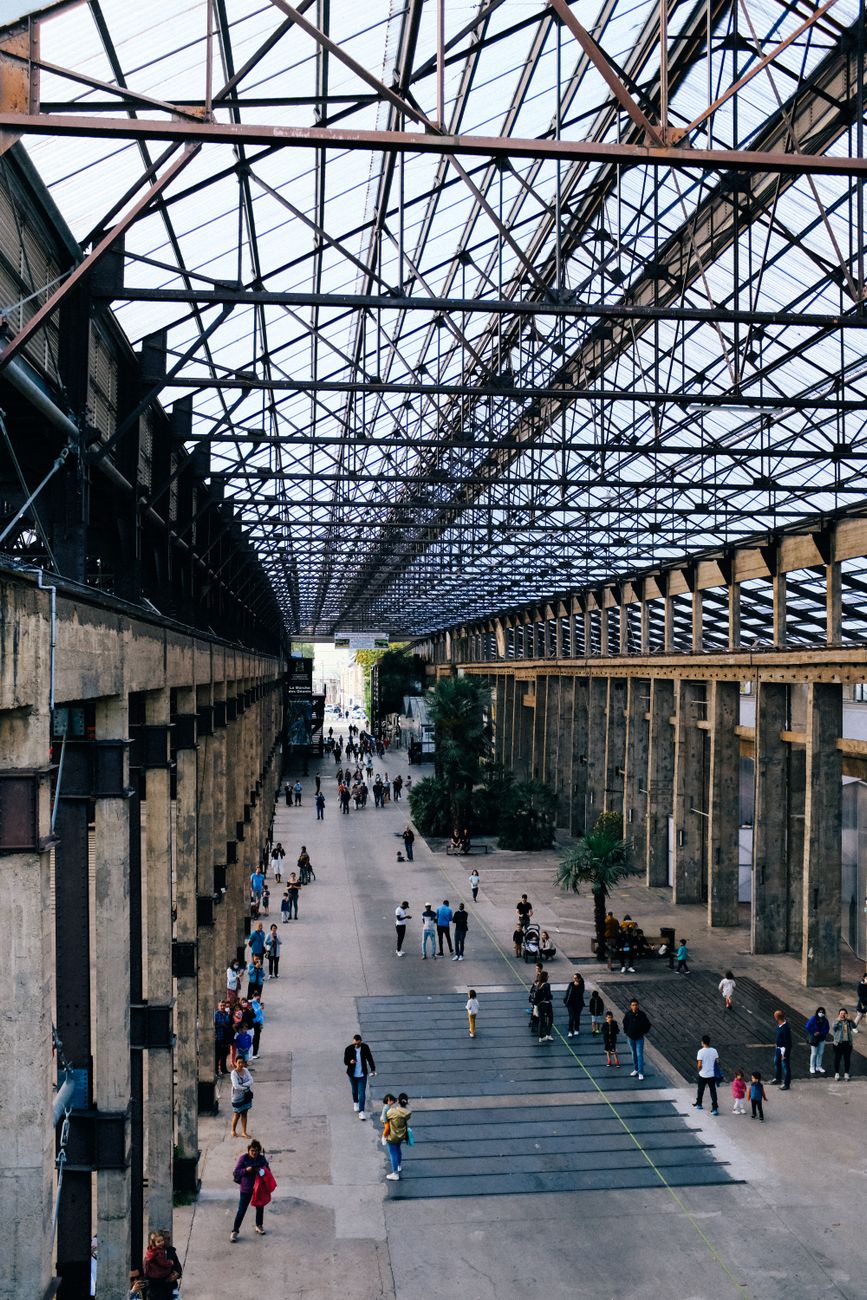
First impressions are often a mix of river cranes, converted warehouses and heavy wooden structures from the shipyards beside creative installations. The public spaces near the Loire feel industrial rather than purely touristic: cranes, freight quays and concrete docks are part of the visual vocabulary, and that influences what a visitor experiences. Streets near Place Graslin and Bouffay shift into more traditional city-centre retail and cafés, creating quick juxtapositions between working port areas and late-night eating spots. Expect dependable local cafés, a surprisingly strong market culture, clear tram lines and a museum scene that rewards time rather than tick-box visits. Shops and museums close earlier than in big capitals; plan for a late-morning start on Sundays and book major timed attractions. This place suits people who like design mixed with food markets, who can walk a few kilometres a day and accept short tram rides between clusters of sights.
Is 3 days in Nantes enough?
Three days are enough to cover the main attractions: Les Machines de l'île, Château des Ducs, Passage Pommeraye, Jardin des Plantes and a market visit, plus a night out in Île de Nantes. A caveat: exploring the Loire vineyards or fully sampling regional wine bars requires extra time beyond a weekend.
Who This Guide Is For
Best for travellers who like a mix of industrial design, museums and food markets and who can walk and use trams. Less suitable for travellers who want extensive day trips into the Loire valley or a packed museum-only schedule.
Local Tips for Nantes
Practical details that most travel sites skip — specific to Nantes.
- Buy a 24-hour TAN pass at any ticket machine or via the 'TAN' app (around €4.50) — it covers trams, buses and the Navibus for 24 hours and is cheaper than multiple single tickets.
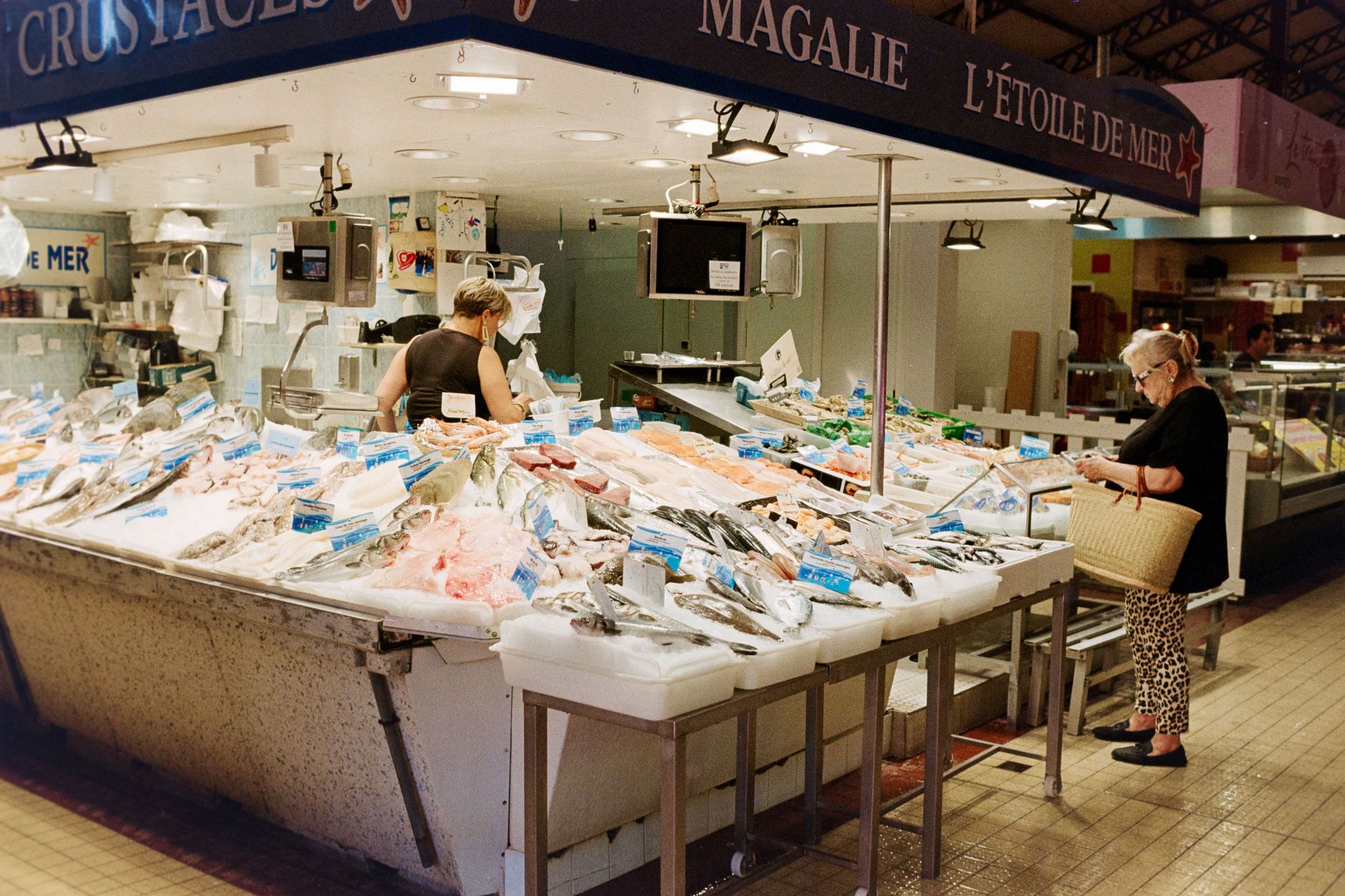
- Talensac market on Rue des Halles is busiest Saturday morning and opens as early as 7:00; arrive before 10:30 for the best seafood and avoid weekday afternoons when stalls start packing up.
- Book a time slot for the Grand Éléphant ride at Les Machines de l'île on weekends and school holidays; on-site solo tickets for the Carrousel des Mondes Marins are often limited and sell out mid-morning.
- Use Tramway line 1 (direction François Mitterrand or Porte de Vertou depending on stop) to reach Commerce for Place Graslin and to get to Île de Nantes (stop: Gare Maritime) for Les Machines and La Cantine du Voyage.
- Ask for 'Muscadet Sèvre et Maine sur lie' by name in bistros around Graslin and Bouffay; a 50cl bottle usually costs €10–€20 and pairs best with local shellfish.
How This Guide Was Prepared
This guide focuses on the working city behind the machines and riverfront spectacle: port infrastructure, market rhythms and neighbourhood life. Many guides overplay the novelty of the Grand Éléphant and skip how local transit, market opening hours and mealtime habits shape a practical short visit. This guide was prepared through a structured research that combines destination research, geographic context, itinerary planning logic, and content review.
Plan Your Stay in Nantes
Use this itinerary as your starting point, then compare areas to stay, transport options, seasonal timing, and realistic daily costs before booking.
Why Visit
Three concrete reasons to come: first, Les Machines de l'île and the Grand Éléphant offer a mechanical, interactive experience unique to the region and not just another statue or viewpoint. Second, the food culture—Talensac market and the local Muscadet wine scene—makes eating here a practical pleasure rather than a tourist checklist. Third, the mixture of 19th-century passages like Passage Pommeraye and modern riverfront redevelopment on Île de Nantes gives a combined architectural reading of industrial and bourgeois urban fabric. Complementary reasons include a compact museum quarter with Musée d'Arts and Château des Ducs de Bretagne that provide variety in less time than large museum cities, and a manageable tram network that makes moving between neighbourhoods fast. Nearby day trips to Angers or Saint-Malo are possible by train, but the city itself keeps enough to fill a tight three-day plan.
Quick Planning Tips
Arrive through Nantes Atlantique airport or by train to Nantes station (Gare de Nantes). From the airport, the TAN shuttle bus (line 38 or the shuttle bus service) or a taxi are realistic choices; expect a taxi fare to central stops of roughly €25–€35 depending on traffic. From the train station, most central trams depart from the Gare SNCF stops on Tramway lines 1 and 2. Currency is euro; many small cafés and markets prefer card contactless but keep a few coins for market purchases and some boulangeries. Buy transit tickets at yellow TAN machines or via the TAN app to avoid queuing, and validate every time on board. Avoid the mistake of scheduling Les Machines and Musée d'Arts for the same tight morning slot; each attraction requires time, and queueing can cut into the day. Finally, check opening days: many museums are closed Monday or Tuesday, and some market stalls change hours on public holidays.

Day 1
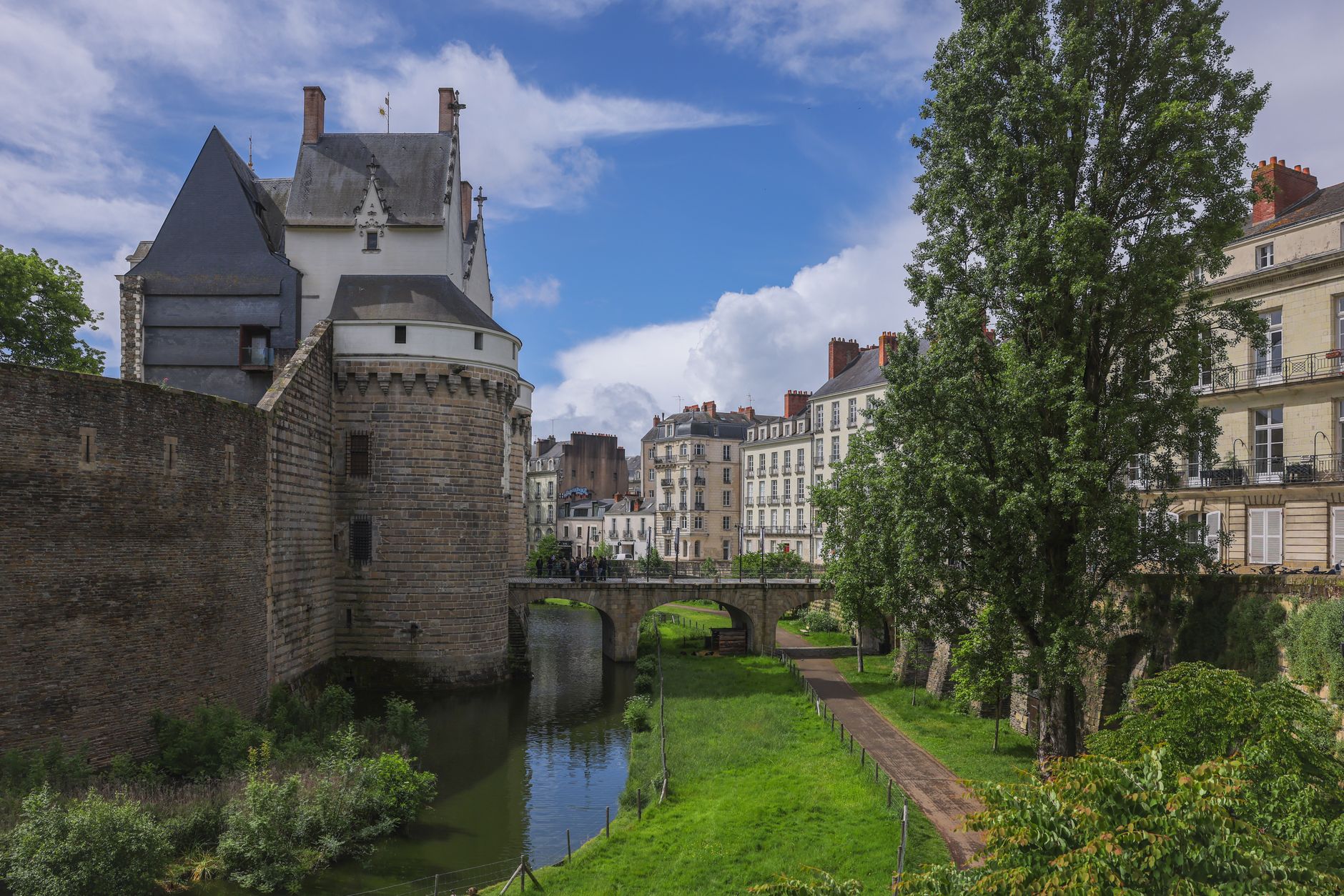
Start at Château des Ducs de Bretagne on Place Marc Elder to get historical orientation and practical maps; allow 1.5–2 hours for the castle, ramparts and the connected urban history displays. The Château has timed entries for the permanent exhibition and temporary shows—plan around opening times and expect an entry fee in the low single digits to low double digits for temporary exhibitions. From the Château, walk 6–10 minutes to Passage Pommeraye via Rue Crébillon to experience the covered 19th-century shopping arcade—allow 30–45 minutes for photos and window-shopping. Walking from Passage Pommeraye to Place Graslin takes about 6 minutes; eat lunch near Place Graslin at La Cigale if seeking a classic brasserie setting, or choose a smaller bistro off Rue Boileau for faster service. After lunch, head to Jardin des Plantes (20 minutes on foot or 10 minutes by tram) for a relaxed afternoon among botanical displays and small sculptures; gardens are a good slow-down after museum time. Late afternoon, cross to Bouffay quarter for narrow streets, local bakeries and light tapas bars. For evening, walk or tram to the Loire riverfront and book a table at La Cantine du Voyage on Île de Nantes if available, or watch the Grand Éléphant at sunset near Hangar à Bananes; night lighting gives the riverfront a different character and the café terraces stay active until late on weekends.

Day 2
Dedicate this day to Île de Nantes and the creative redevelopment along the Loire. Start at Les Machines de l'île; book the Grand Éléphant time slot and the Carrousel des Mondes Marins ticket in advance where possible and expect at least two hours exploring workshops, test models and interactive pieces. From Les Machines, walk 10–15 minutes along the Loire to Hangar à Bananes and La Cantine du Voyage for lunch, which offers predictable bistro plates with river views. After lunch, cycle the island on a rental Vélo+ or walk across the Île to see the variety of contemporary architecture and converted shipyard buildings; allow an hour for a paced circuit. Take Tramway line 1 back toward Commerce for a quick coffee around Place Graslin, then cross to the Musée d'Arts de Nantes for late afternoon viewing; allocate two hours to cover key collections. For the evening, explore Bouffay for narrow-street bars or seek live music in small venues near Place du Bouffay. This day purposefully moves away from the older centre into industrial-conversion neighbourhoods and creative public art.

Day 3
Reserve the final day for markets, a neighbourhood walk and any leftovers. Begin at Talensac Market on Rue des Halles to sample fruits, oysters and charcuterie; arrive early (by 8:00–9:00) to avoid sold-out stalls and to see fishmongers unloading. After the market, stroll through the nearby Quartier du Bouffay and then make a short tram ride to Trentemoult, a colourful former fishing village on the southern bank of the Loire accessible by the Navibus or a short ferry—spend 1.5–2 hours for alleys and painted facades. Return to the centre in time for a museum or shopping stop you missed earlier; the Musée Jules Verne at the Château de Nantes is an option if interested in literary history, or a relaxed lunch along Rue de l'Arche Sèche. For travellers with an afternoon flight, schedule a taxi or the airport shuttle no later than three hours before departure and confirm traffic; leave the final few hours for quick souvenir shopping around Passage Pommeraye or a last coffee at Place Graslin. End the day with an early dinner near the station if catching a late train.
Best Local Experiences
Markets and neighbourhoods that feel particular to the place include Talensac Market for seafood and local produce; Marché de la Petite Hollande for an offbeat morning; the Île de Nantes riverwalk and Les Machines de l'île for mechanised installations; Trentemoult for a village-on-the-river atmosphere and painted façades; and the Passage Pommeraye for 19th-century retail architecture. Additional experiences: a Navibus crossing from Gare Maritime to Trentemoult for a short commuter ferry trip; an evening at La Cigale brasserie to see its Art Nouveau interior; tasting Muscadet Sèvre et Maine sorties at a small wine bar near Rue des Halles; and a slow afternoon in Jardin des Plantes to observe local families and horticultural displays. These places are best experienced with time—markets in the morning, machines mid-day, and the village of Trentemoult late afternoon. Avoid trying to fit all five into a single day; they are best spread across three days to match natural rhythms and opening hours.

Where to Stay
Centre-ville (Graslin / Commerce) suits visitors who want to walk to Passage Pommeraye, Place Graslin and cafés; it is near tram interchanges and taxi ranks. Expect mid-range hotels and guesthouses from about €90–€160 per night (approx. €100–€170 USD), with pricier Art Nouveau options closer to Place Graslin. Bouffay and Île Feydeau fit those who want nightlife and narrow-street dining; this area is noisy on weekend evenings and suits those who prioritise bars and restaurants. Prices here are similar to the centre, often €80–€150 per night. Île de Nantes and Nantes Sud (near Hangar à Bananes) are better for travellers who prioritise Les Machines and the riverfront; this area has a few design hotels and apartment rentals and typically costs €70–€140 per night and gives quicker access to creative venues and riverside walks. For budget travellers, look for B&Bs and small hotels near Gare de Nantes to use early trains; expect €55–€90 per night. Always check tram stops and whether the hotel includes a morning reception—many smaller places close reception early.
Food and Drink
Gâteau nantais: a rum-and-almond cake originally from Nantes; seek it at pâtisseries like Maison Colas or local boulangeries for €2.50–€4 per slice. Muscadet Sèvre et Maine: the local white wine; order 'sur lie' in bistros around Talensac or Graslin, with a 50cl bottle at a bistro typically €10–€20. Galette-saucisse: a buckwheat pancake wrapped around a grilled sausage, sold on the street and at stadium stalls; expect €3–€5 and find good versions at local stands or near markets. Beurre blanc: the classic Nantes butter-and-wine sauce for fish—try it with local shellfish at a seafood bistro near the docks for €12–€22 for a main dish. Breakfast option: a coffee and viennoiserie from a local boulangerie such as Maison P. or similar, usually €3.50–€6. Street food and snacks can be found around Place du Bouffay and the markets; dinner recommendations include La Cantine du Voyage on Île de Nantes for a riverfront meal or brasseries near Place Graslin for classic plates. Expect dinner mains to range €12–€28 at mid-range restaurants.
Getting Around
Public transit is run by TAN: Tramway lines 1, 2 and 3 plus an extensive bus network and the Navibus river ferry. Single paper ticket price is around €1.70 valid for one hour and transfers; a 24-hour TAN pass costs about €4.50 and is sold at machines and in the TAN app. Key tram stops: Gare SNCF (for trains), Commerce (central interchange), and Gare Maritime (for Île de Nantes and Les Machines). Chronobus (C-lines) operate high-frequency bus routes on main arteries. Vélo+ bike-share stations are widespread for short hops. Taxi rides from Nantes Atlantique airport to the centre generally run €25–€35 depending on traffic; book an airport taxi from the official rank or use one of the city apps. The TAN app and Google Maps provide reliable schedules; validate paper tickets on board to avoid fines. Night services are limited—check specific bus lines or pre-book a late taxi.
Best Time to Visit
Summer (June–August) offers the warmest weather with daytime highs around 22–26°C and long daylight, but expect the highest visitor numbers, festival crowds and higher prices. Late spring (May) and early autumn (September) keep pleasant temperatures around 15–20°C with fewer crowds and lower hotel rates; these months balance weather and value for a three-day visit. Winter months are cool, wet and quieter with daytime highs around 6–10°C; many attractions remain open but some outdoor offerings are limited and market hours shorten. For value and reasonable weather, aim for May or September when hotel prices are lower than July–August but the city still hosts outdoor events. Public holidays like Ascension or early May bank holidays can affect museum opening hours and market schedules.
Budget and Practical Tips
A realistic daily budget for a mid-range traveller: accommodation €80–€140 per night (approx. €90–€150 USD), food €30–€50 (breakfast €3–€8, lunch €10–€18, dinner €15–€30), transport €4–€8 (24-hour TAN pass or two single tickets), and entry fees €8–€18 depending on attractions visited. Château des Ducs entry and Musée d'Arts special exhibitions might add €6–€12 each; Les Machines events and rides can add €6–€12 per ride or exhibit. Tipping: service is usually included in restaurant bills, but leaving small change or rounding up for good service is common practice. Cash: keep small notes and coins for markets and smaller cafés, but cards are widely accepted. Practical tip: check museum closed days (many close Monday or Tuesday) and book timed entries for Les Machines and any special exhibitions to avoid wasted travel time.
FAQ
Is Nantes safe to walk around at night?
Yes; central areas like Graslin, Bouffay and Île de Nantes are generally safe, but ordinary city precautions apply—avoid poorly lit side streets and keep an eye on belongings in crowded spots.
How long does it take from Nantes Atlantique airport to the centre?
Allow 25–40 minutes by taxi depending on traffic, or use the TAN shuttle and tram connections which take roughly 35–50 minutes door to door.
Is a TAN day pass worth it?
For three days with multiple tram and bus trips, a 24-hour TAN pass for individual days is usually worth it; calculate based on planned trips, but two or three short tram rides make the pass economical.
Can Les Machines de l'île be visited without advance booking?
Some parts can be visited on arrival, but the Grand Éléphant ride and Carrousel have timed slots and often sell out on weekends and holidays—book in advance when possible.
Are museums open on Mondays?
Several museums close Monday (check Musée d'Arts and Château schedules); plan museum visits for other days and use market or walking activities for Monday mornings.
Is it easy to take day trips to Angers or Saint-Malo?
Yes; trains from Gare de Nantes to Angers or Rennes are frequent, making day trips possible but beware that a full day is needed for Saint-Malo by train with several hours of travel time.
Where to change money or withdraw cash?
ATMs (distribute euros) are common around Gare SNCF and Place Graslin; avoid currency exchange kiosks with poor rates near tourist hubs.
Are bikes a good way to get around?
Vélo+ bike-share is practical for short hops on flat terrain and for touring Île de Nantes; use caution on mixed-use paths near the river.
Conclusion
A three-day visit gives a balanced picture: mechanical invention on the Loire, lively markets, solid museum time and neighbourhood walks. Visitors will most likely remember the scale and movement of Les Machines, the market atmosphere at Talensac and quick tram links between riverfront and historic streets. If time runs short, prioritise Les Machines and Talensac market—those two experiences best capture the city's character and will leave a clearer impression than trying to squeeze in every museum or a long day trip.
How this guide was prepared
This guide was prepared through a structured research that combines destination research, geographic context, itinerary planning logic, and content review.