

Three-Day Practical Guide to Negombo, Sri Lanka
A frank, practical 3-day itinerary for Negombo covering beaches, lagoon tours, fish market timings, transport and realistic costs.
A no-nonsense 72-hour plan for Negombo that prioritises the harbour, lagoon and nearby wetlands while avoiding tourist-time traps and late-night overpriced taxis.
A coastal town shaped by fishing, the lagoon and a nearby international airport, Negombo feels more industrial and community-focused than resort-strip. First impressions are of nets, fish boxes and a busy harbour; tourism infrastructure exists but local life runs on early mornings and the tidal schedule. Many visitors arrive expecting a quiet resort; reality includes early-morning auction noise, scooters and tuk-tuks all day, plus occasional diesel smells near the harbour. This place suits travellers who like active street markets, short boat trips through mangroves and easy access to Colombo or the airport.
Is 3 days in Negombo enough?
Yes — 3 days provides a solid sample: a morning at the fish market, a lagoon or marsh boat tour, some beach time and one inland excursion. The honest caveat: deep exploration of cultural sites in Colombo or long inland trips (Kandy, hill country) must be skipped.
Who This Guide Is For
Best for short-stop travellers, food-focused visitors and those who prefer coastal, maritime and wetlands experiences; poor fit for travellers wanting museums or nightlife-focused city breaks.
Local Tips for Negombo
Practical details that most travel sites skip — specific to Negombo.
- Bandaranaike International Airport (BIA) is in Katunayake; expect a metred taxi from arrivals to Negombo town for about LKR 1,200–2,000 (≈ €3–5 / US$3–6) depending on luggage and time.
- Negombo Fish Market runs before sunrise (auctions start around 4:00–6:00); arrive by 5:00 to see the main activity and best photo light, and wear rubber-soled shoes.
- Muthurajawela Marsh boat safaris leave from the marsh jetty near Pamunugama; private 1–2 hour tours cost roughly LKR 2,000–4,000 (≈ €5–10 / US$6–11).
- The Puttalam Line (train to Colombo Fort) stops at Negombo station; reserved second-class tickets are cheap but trains can be crowded and slow — buy at the station or use the Sri Lanka Railways e-ticket portal where available.
- PickMe is the common ride-hailing app for metered taxis and tuk-tuks in town; negotiate tuk-tuk fares for short trips if the app is not available.
How This Guide Was Prepared
Negombo is a working port town where fishing, the lagoon and an airport corridor shape daily life; many guides treat it as just a beach stop or airport transfer. This guide focuses on actual rhythms — early-morning fish auctions, Hamilton Canal boats and the Muthurajawela marsh — and warns about common timing and transport mistakes that spoil short visits. This guide was prepared through a structured research that combines destination research, geographic context, itinerary planning logic, and content review.
Plan Your Stay in Negombo
Use this itinerary as your starting point, then compare areas to stay, transport options, seasonal timing, and realistic daily costs before booking.
Why Visit
The fishing scene is central: the main Negombo Fish Market and harbour auctions are unusually direct — visitors can watch catch landings, watch local buyers and photograph the action without staged displays. The lagoon and Hamilton Canal offer short boat trips that show varied birdlife and mangrove waterways not far from town; these are a quick nature fix without long travel. Muthurajawela Marsh is a uniquely large wetland on the western side; guided boat safaris reveal marsh ecology and provide good birdwatching. Proximity to Bandaranaike International Airport makes this a practical stopover for long international itineraries that need a short coastal break before or after a flight.

Quick Planning Tips
Fly into Bandaranaike International Airport (Katunayake) and allow 20–30 minutes by taxi to central Negombo in normal traffic; surge periods near festivals can add time. There is no citywide transit card; buy bus tickets on board with cash or purchase train tickets at Negombo station for the Puttalam Line. Carry LKR cash for markets and small tuk-tuks — small denominations are appreciated; major cards work at hotels and restaurants but not at stalls. Avoid booking early-morning airport transfers as the fish-market and harbour traffic peak then; if the itinerary includes the market, schedule the transfer before 04:00 only with a prearranged taxi.

Day 1
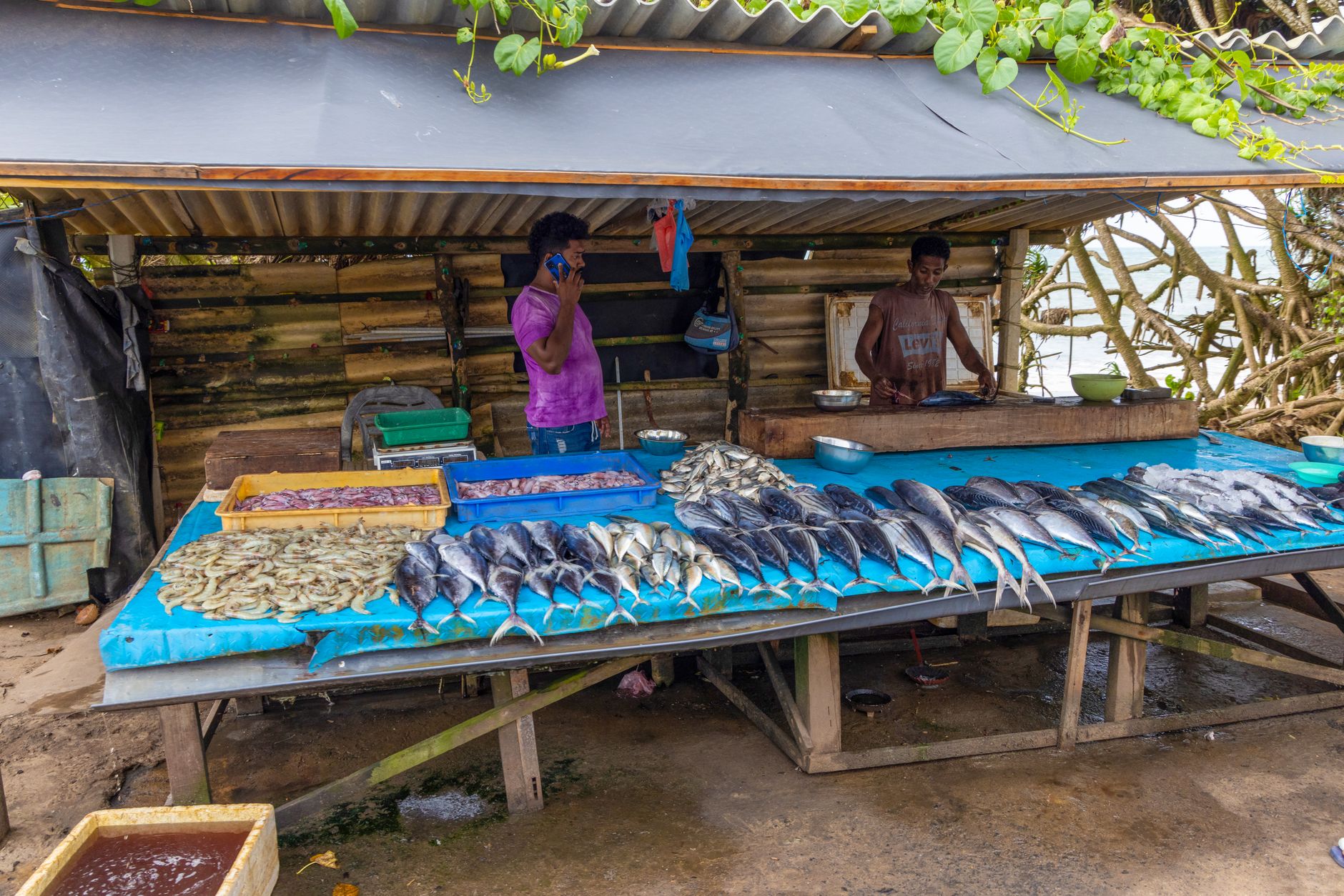
Start before dawn at Negombo Fish Market near the harbour to watch the auctions and note the different kinds of tunas, needlefish and prawns; expect to stay 1–2 hours and bring waterproof shoes. Walk 5–10 minutes along the harbour to the Hamilton Canal jetty for a short boat ride into the lagoon; standard tours run 45–90 minutes and show fish traps and stilted houses. From the canal, head to St. Mary's Church (a short tuk-tuk or 15-minute walk) to see its painted interior and Portuguese-Dutch-era iconography. Lunch at Lords Restaurant Complex on Lewis Place — known locally for seafood curries; expect LKR 1,200–2,000 per person (≈ €3–5 / US$4–6). After lunch, walk the beachfront road (Galle Road frontage) for 20–30 minutes to get a sense of the shoreline resorts and local life. Evening recommendation: visit a beachside seafood stall around Galle Face approach for grilled prawns and king coconut; expect a relaxed pace and simple seating.
Day 2
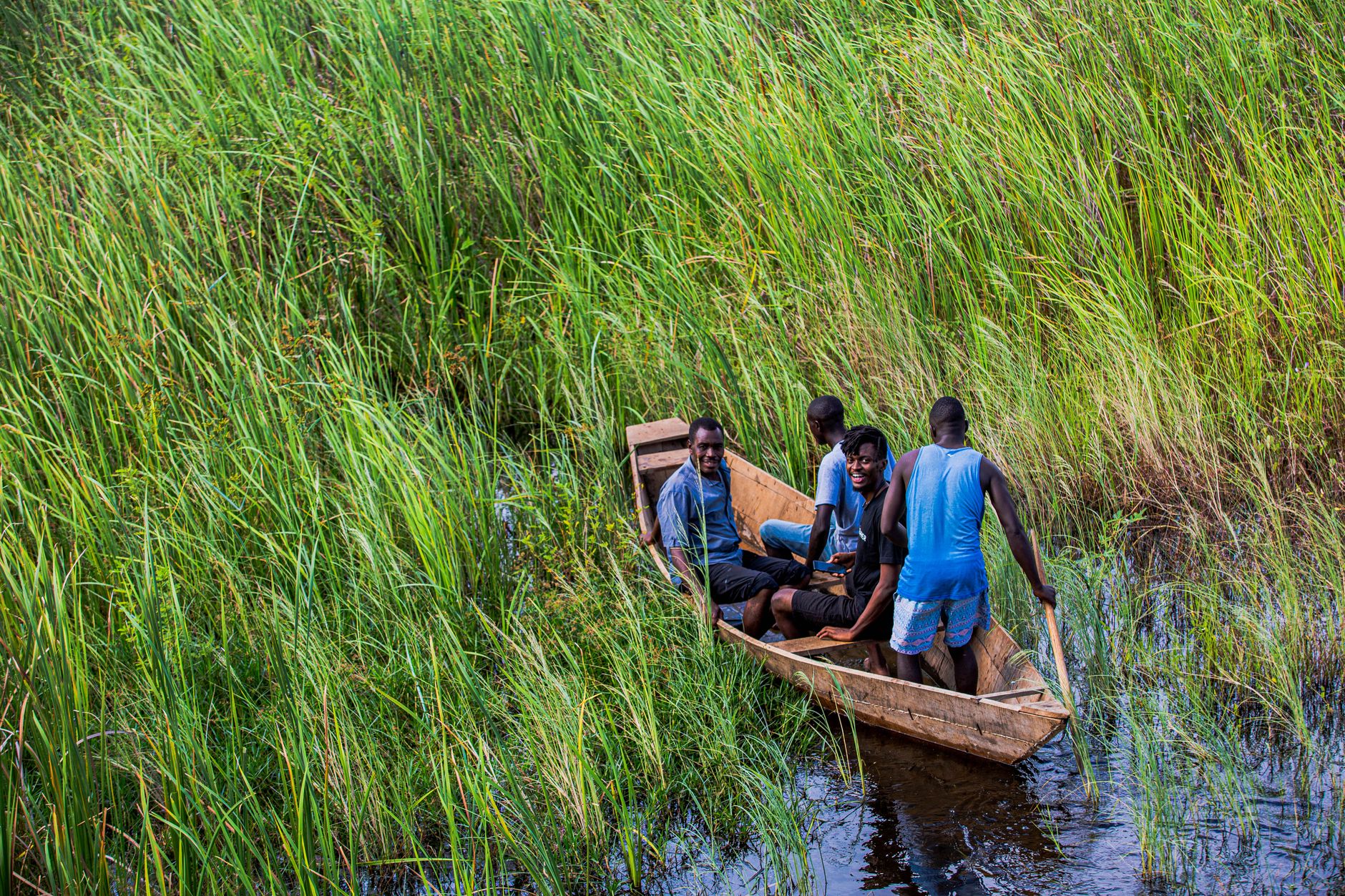
Dedicate this day to wetlands and birdlife. Take a morning transfer (30–40 minutes) to the Muthurajawela Marsh jetty near Pamunugama for a guided boat safari through mangroves; tours usually last 90 minutes and cost LKR 2,000–4,000 for a small group. After the marsh, stop at the mangrove-edge village stalls for king coconut and short eats. Return mid-afternoon and visit Angurukaramulla Temple to see the large seated Buddha and painted panels; a tuk-tuk from central Negombo runs about LKR 200–400 for short hops. Evening in Kochchikade for a practical seafood dinner at a local eatery where prices are lower than beachfront hotels; try devilled prawns or fish ambul thiyal for a full local flavour. Transport note: use PickMe for reliable metered trips between wetland jetties and town if public buses do not fit the schedule.
Day 3
Spend the morning at the lagoon on a Hamilton Canal boat trip that goes toward Chilaw or along the old Dutch-era waterway; choose a shorter 60–90 minute private ride if an afternoon flight is planned. If checking out, store luggage at the hotel and plan the transfer to match flight check-in times — allow 60–90 minutes to Bandaranaike Airport in case of traffic. After the boat, explore Lewis Place and Bazaar Road for street-food snacks: hoppers and kottu sections are plentiful. Late afternoon option: short train ride on the Puttalam Line to Katunayake South for a local market run, then return by tuk-tuk. Practical departure note: taxis from central Negombo to the airport should be booked 1–2 hours before check-in; expect LKR 1,200–2,000, and verify the price beforehand.

Best Local Experiences
Early-morning Negombo Fish Market and harbour auctions — a working market with direct access to buyers and fish boxes. Muthurajawela Marsh boat safari from the Pamunugama jetty — a good half-day eco-trip for birdwatching. Hamilton Canal boat trips that follow the Dutch Canal waterways toward Katunayake and Chilaw — short, photogenic rides with local boatmen. Beachfront seafood stalls along Galle Road and the Lewis Place food strip — practical spots for late-afternoon snacks and grilled prawns. St. Mary's Church processions and the fish-market rhythms during Ramadan and Holy Week — local calendar events that alter market and service hours and are worth checking before arrival.

Where to Stay
Beachfront (Galle Road / Negombo Beach): suits travellers wanting immediate sand and sunset walks; nearest to beachfront restaurants and a 10–20 minute walk to the fish market. Expect mid-range rooms from LKR 10,000–18,000 per night (≈ €25–45 / US$28–50) and higher for full-board hotels. Katunayake / Airport fringe: suits early-flight travellers and those using the town as a stopover; 10–20 minutes to the airport and 15–25 minutes to central harbour. Budget and business hotels here run LKR 6,000–12,000 (≈ €15–30 / US$17–33). Kochchikade / Bazaar Road: suits food-focused travellers who want cheap seafood and street-life; close to the harbour and fish market. Guesthouses and small hotels are available for LKR 4,000–9,000 (≈ €10–23 / US$11–25).
Food and Drink
Fish ambul thiyal — a sour fish curry made with goraka; best at harbour-side restaurants or family-run eateries, price LKR 300–600 per plate (≈ €1–2 / US$1–2). Hoppers (appa) — fermented rice crepe, plain or with egg; common at small breakfast shops and beachside cafes; expect LKR 120–250 (≈ €0.3–0.6 / US$0.4–0.7). Kottu roti — chopped roti stir-fried with vegetables, egg or meat; cheap late-night staple on Lewis Place, LKR 200–500 (≈ €0.5–1.3 / US$0.6–1.4). Devilled prawns — spicy-sweet fried prawns served in many seafood stalls around the harbour, LKR 600–1,200 (≈ €1.5–3 / US$1.7–3.3). King coconut and fresh coconut water — sold in markets and beach stalls for LKR 80–200 (≈ €0.2–0.5 / US$0.2–0.6). For breakfast seek a local bakery for brews and short eats or a hotel serving hoppers; for dinner try a waterfront seafood place near the fish market for very fresh catch.
Getting Around
Modes: local buses on the A3 (Colombo–Negombo route), the Puttalam Line trains (Negombo station), tuk-tuks and metered taxis. Single local bus fares usually range LKR 30–100 depending on distance; short tuk-tuk rides within town LKR 150–400. Train second-class fares to Colombo Fort combine LKR 80–200 depending on class; trains on the Puttalam Line can be crowded and are often slower than road. Use PickMe for metered taxis and tuk-tuk bookings; there is no universal transit card in Negombo — buy bus tickets on board and train tickets at stations or via the Sri Lanka Railways e-ticketing portal when available. Airport taxi to central Negombo typically LKR 1,200–2,000 (≈ €3–5 / US$3–6) and PickMe quotes often are comparable.
Best Time to Visit
Dry season and lower humidity run roughly December to March with daytime temperatures around 28–32°C and cooler nights; this period is busiest with holidaymakers and higher prices. April to June can be hot with intermittent rains and rising prices for some services during local school holidays; crowds thin after March. South-west monsoon months (May to September) bring heavier rain to the western coast intermittently — expect short heavy downpours and fewer visitors; this can be the best value time for lower hotel rates. October and November see variable weather with occasional storms; plan flexible outdoor activities around predicted local weather.
Budget and Practical Tips
Realistic daily budget (mid-range traveller): accommodation LKR 8,000–16,000 (€20–40 / US$22–44), food LKR 1,500–3,000 (€4–8 / US$4–9), transport LKR 800–1,800 (€2–5 / US$2–5), activities/entries LKR 1,000–3,000 (€2–8 / US$3–8). Budget travellers can aim for LKR 4,000–7,000 per day total; luxury options will be much higher. Typical entry or boat costs: Muthurajawela Marsh boat LKR 2,000–4,000, lagoon private boat trips LKR 1,500–3,000; many churches and temples ask only for small donations. Tipping: round up bills in taxis and leave 5–10% in restaurants if service is good; small tips to boat guides and hotel porters are normal. Practical advice: carry photocopies of passports for hotel check-in and some guesthouses accept only cash, so plan ATM withdrawals (ATMs widely available but can run out during holidays).
FAQ
Is Negombo safe for solo travellers?
Yes in general; daytime areas like the fish market and beachfront are busy and safe but standard urban caution applies after dark — avoid isolated stretches of beach late at night.
How do I get from Bandaranaike Airport to town?
Airport taxis from the arrivals area and PickMe app rides both serve the route; expect LKR 1,200–2,000 and allow 20–40 minutes depending on traffic.
Is a city card or pass worth buying?
No universal local city pass exists; pay-as-you-go works better — book specific tours (Muthurajawela or lagoon boat) directly.
Are trains reliable for day trips to Colombo?
Trains on the Puttalam Line run regularly but can be delayed and crowded; use them for experience but not for tight schedules.
Can visitors swim at Negombo beach?
Many stretches are swimmable but currents and beach cleanliness vary; use popular sections near hotels and follow local lifeguard advice where present.
When is the fish market busiest?
Auctions and landings peak between 4:00 and 7:00; by 9:00 activity drops significantly.
Are tours in the lagoon and marsh suitable for children?
Yes, short boat trips are family-friendly but choose covered boats and check motion-sickness sensitivity.
What cash and cards are accepted?
LKR cash is essential for markets and tuk-tuks; larger hotels and restaurants accept major cards but always confirm before ordering.
Conclusion
Three days here offers a compact but authentic coastal experience: early-morning fish auctions, short mangrove and lagoon boat trips and practical beach time without long travel. The most lasting memories will be the harbour activity and the quiet birdcalls on a marsh boat, rather than hotel pools or nightlife. If time is tight, prioritise a morning at the fish market plus a Muthurajawela or Hamilton Canal boat ride; these two experiences give the clearest sense of local life and landscape.
How this guide was prepared
This guide was prepared through a structured research that combines destination research, geographic context, itinerary planning logic, and content review.