
Practical 3-Day Colombo Itinerary: Streets, Food, Transit
A no-nonsense 3-day guide to Colombo with transit tips, realistic budgets, daily routes for sightseeing and food stops.
A direct, planner-friendly 72-hour route through Colombo that balances museums and markets with coastal time, realistic transit choices and food that locals actually eat.
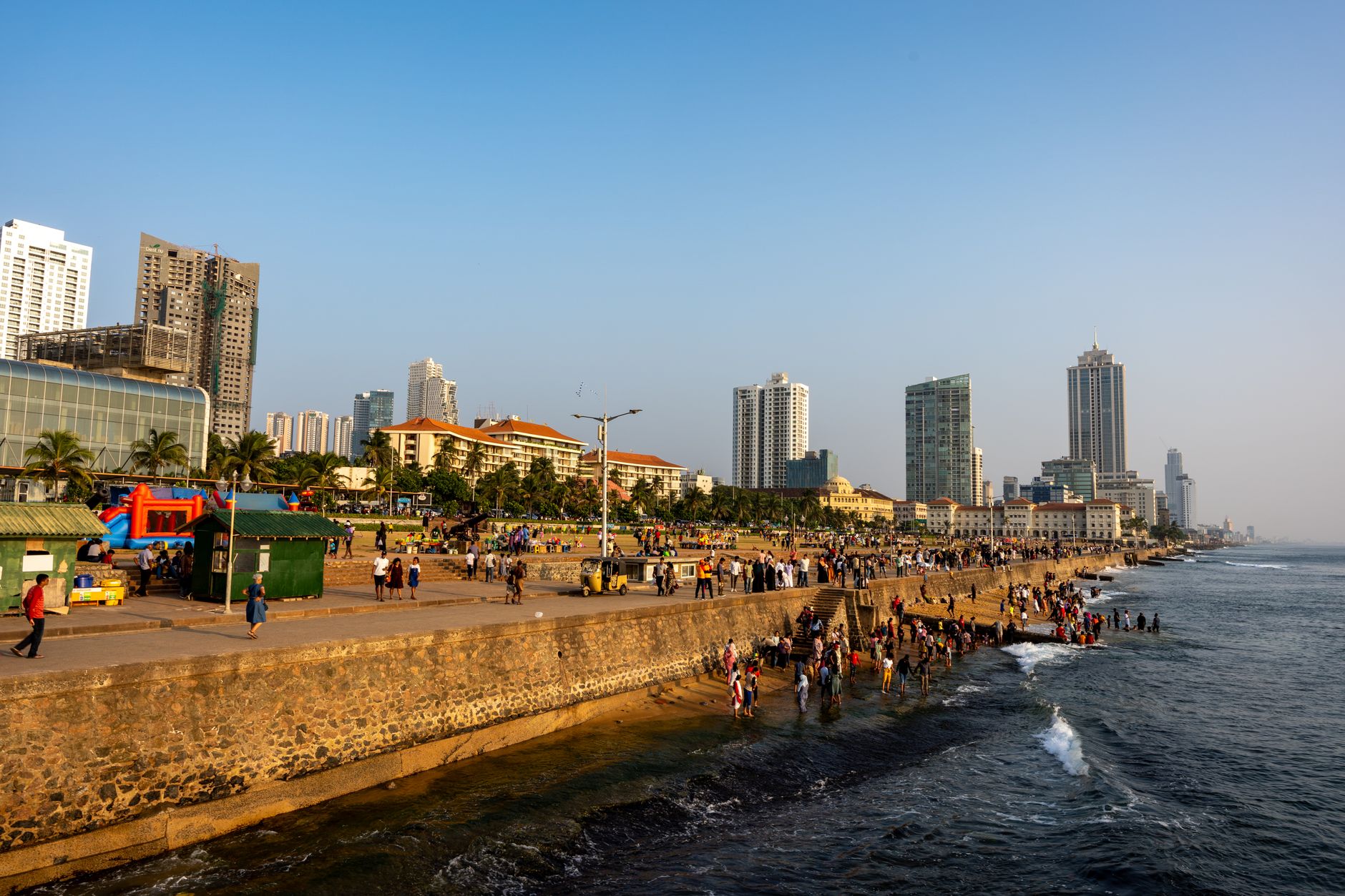
Arrival gives an immediate impression of movement: container cranes near the harbour, a tight grid of streets in Fort and Pettah, and a long ocean belt at Galle Face. Traffic and heat shape how much can be seen in a day; transit and walking distances feel longer than map mileage suggests. Architecture ranges from British colonial façades around Fort to tight, noisy bazaars in Pettah and mid-century apartment blocks along Marine Drive. The city suits travellers who are comfortable with noise, quick food stalls, and negotiating schedules around traffic. Expect crowds around market streets, a lot of horn usage, and frequent microclimates where a sudden shower can appear at the coast.
Is 3 days in Colombo enough?
Yes—three days are enough to see central highlights, sample key foods and get a feel for the harbour and a beach neighbourhood. The trade-off: long, relaxed excursions inland (Kandy or the hill country) must be skipped.
Who This Guide Is For
Best for first-time visitors who want a mix of history, street food and a short beach stop; less suitable for travellers seeking tranquil nature or a slow-paced retreat.
Local Tips for Colombo
Practical details that most travel sites skip — specific to Colombo.
- Buy a prepaid SIM from Dialog or Mobitel at Bandaranaike Airport arrivals; a 10 GB data bundle costs about LKR 2,000–2,500 and lasts a month.
- Use the PickMe app for metered tuk-tuks and taxis; it shows an estimated fare and accepts card payments, which helps avoid price disputes.
- National Museum of Colombo charges roughly LKR 500–1,000 for foreign adults; bring cash as tourist counters sometimes have card outages.
- Pettah Market opens around 6:00–7:00 and is busiest before 10:30—go early for spice, textiles and transport of large items by hand carts.
- Catch sunset and street snacks at Galle Face Green; vendors sell isso wade (prawn fritters) and roasted corn for about LKR 50–200 each.
How This Guide Was Prepared
Three days here give a concentrated look at a busy port city where commerce, colonial architecture and coastal life meet. Many guides overemphasize monuments and ignore how traffic, markets and neighbourhood rhythms shape every outing. This guide was prepared through a structured research that combines destination research, geographic context, itinerary planning logic, and content review.
Plan Your Stay in Colombo
Use this itinerary as your starting point, then compare areas to stay, transport options, seasonal timing, and realistic daily costs before booking.
Why Visit
Three main reasons stand out. First, a concentrated mix of colonial architecture and post-independence civic spaces—walk the area around Colombo Fort, the Old Parliament, and the Dutch Hospital precinct to see how layers of history connect. Second, the food scene is direct and varied: coastal seafood at Galle Face vendors, lamprais and hoppers in local eateries, and Pettah’s short eats. Third, the city serves as a compact introduction to Sri Lankan urban life where markets like Pettah and civic parks such as Viharamahadevi offer quick cultural immersion without long travel times. Practical advantages include short transfers from Bandaranaike Airport by train or airport express bus and a large choice of accommodation ranges in Kollupitiya, Bambalapitiya and Fort.

Quick Planning Tips
Arrive via Bandaranaike International Airport (CMB): the Airport Express bus or a prepaid taxi to Fort takes 45–90 minutes depending on traffic. Trains from Katunayake run to Colombo Fort and Maradana stations; the train is cheapest but can be crowded with luggage. Currency is Sri Lankan rupee (LKR); use ATMs in Fort and Kollupitiya but carry small notes for markets and tuk-tuks. Avoid the planning mistake of assuming taxis move at the same speed as in small towns; midday traffic on Galle Road and around Crescat Boulevard often doubles travel time. Pack a light rain jacket for sudden coastal showers and comfortable walking shoes for uneven pavements.

Day 1
Start at Colombo Fort Railway Station and walk the colonial streets toward the Old Parliament complex; allow 10–15 minutes between Fort station and the Old Parliament House. From there head to the Dutch Hospital Shopping Precinct for coffee and a first look at adaptive reuse; this cluster is a 5–8 minute walk from the Old Parliament. Next, walk across to Beira Lake and Gangaramaya Temple—expect 10–15 minutes on foot. Spend 60–90 minutes inside Gangaramaya to see the museum objects and shrine room; there is often a small donation or entry fee of LKR 200–500 for foreigners. After the temple, walk 12–15 minutes to Viharamahadevi Park to cool off under shade. Lunch option: Upali’s by Nawaloka near Galle Road for hoppers and a reliable local menu (mains LKR 500–1,200). In the afternoon, head north to the National Museum of Colombo; allow 15–20 minutes by tuk-tuk or 25–30 minutes by foot from the park depending on traffic. Museum time: 60–90 minutes; entry for foreigners about LKR 500–1,000. Finish the afternoon with a stroll along Galle Face Green for sunset and street snacks. Dinner option: Dutch Hospital has several seafood and crab restaurants if an upscale meal is wanted; expect LKR 1,500–4,000 per person. Evening recommendation: watch sunset at Galle Face Green and try isso wade from a vendor while sitting on the seawall.

Day 2
Shift focus to markets and neighbourhood life. Begin at Pettah Market early, arriving around 7:00–8:00 to see spice stalls, electrical goods alleys and wholesale vegetable corridors; allow 2–3 hours for slow walking and bargaining. From Pettah, walk or take a short tuk-tuk to Pettah Floating Market lane and then to St. Lucia’s Cathedral for a quick look (5–10 minute transit). Midday move to Good Market at Independence Square if it’s a Saturday; otherwise head to Borella or Bambalapitiya for quieter cafés. Lunch option: a local kottu stall in Pettah or a sit-down meal at Upali’s in Kollupitiya (kottu LKR 250–600). In the afternoon, take a 20–30 minute tuk-tuk to Cinnamon Gardens to visit the Independence Memorial Hall and the nearby Colombo National Museum grounds if not visited on Day 1. Alternatively, choose a museum crawl: the Colombo Dutch Museum and the Barefoot Gallery (textiles) are in this area. Late afternoon transit to Mount Lavinia takes 30–45 minutes by car or 30 minutes by express bus depending on traffic. Spend golden hour on Mount Lavinia Beach; the promenade is ideal for a swim or beachside tea. Dinner option: beachside seafood at Mount Lavinia restaurants, where a seafood platter runs LKR 1,200–3,000. Return to central accommodation in 30–60 minutes by taxi or public bus.

Day 3
Reserve the last day for quieter sites and logistics for departures. Start at Barefoot or the Dutch Hospital gallery for shopping of handloom textiles and art; these are accessible within 10–20 minutes from most central hotels. Next, walk to Beira Lake and take a short boat ride near Seema Malaka (on the lake) for a calm 30–40 minute break; Seema Malaka sits on the lake and is a 10–15 minute tuk-tuk from Dutch Hospital. After that, visit Cinnamon Gardens for a coffee at Independence Square and, time permitting, Viharamahadevi Park for a last walk. Lunch option: sample lamprais at a small family-run restaurant in Cinnamon Gardens or a reliable hotel buffet if short on time (lamprais LKR 400–900). Practical note for departures: if catching an afternoon flight from Bandaranaike, leave for the airport at least 3 hours before departure time due to unpredictable traffic. If train travel to Negombo or the airport is planned, check the Fort or Maradana station timetable in the morning and buffer extra time for getting a taxi to the station. Evening recommendation if flight is late: a final walk on Galle Road near Crescent to watch container and ferry activity at night.

Best Local Experiences
Five must-do urban experiences for meaningful contact with local life: Pettah Market early morning for spices, textiles and the wholesale atmosphere. Galle Face Green at sunset for cheap street food stalls selling isso wade, roasted corn and king coconut water. A hopper breakfast at a local string-hopper or hopper shop such as those around Kollupitiya and Bambalapitiya. Mount Lavinia Beach for a late afternoon swim and seafood dinner while watching the fishing boats. A visit to the National Museum of Colombo to see the island’s archaeological collections and royal regalia—valuable for context after market visits. Other worth-trying activities include a short boat session at Beira Lake, a textile browse at Barefoot, and an evening of live music or late dining in the Dutch Hospital precinct. Each experience is concrete, locally frequented, and practical to fit into a 72-hour schedule.

Where to Stay
Colombo Fort: suits business travellers and those wanting walkable access to the Dutch Hospital, Fort Railway Station and Galle Face. Rooms range from LKR 8,000–25,000/night (EUR 25–80 / USD 25–90) depending on hotel class. Kollupitiya (Colpetty): good for food-focused travellers who want proximity to Galle Road restaurants and boutique cafes; expect LKR 6,000–18,000/night (EUR 20–55 / USD 20–60). Bambalapitiya and Wellawatte: better for mid-budget long-stay or local-feel lodging, near buses to Mount Lavinia and short rides to Pettah; nightly costs LKR 4,000–12,000 (EUR 13–36 / USD 13–40). Choose Fort for central sightseeing, Kollupitiya for food and nightlife, and Bambalapitiya/Wellawatte for lower rates and easy coastal access. Book rooms with air conditioning and secure parking if renting a car; confirm check-in times and transfer arrangements to the airport.
Food and Drink
Hoppers (appa): bowl-shaped fermented rice-and-coconut pancakes; serve plain or with an egg (egg hopper). Upali’s near Galle Road and small hopper shops in Kollupitiya offer good versions; expect LKR 120–400. Kottu roti: chopped roti fried with vegetables, eggs and meat; cheap street stalls in Pettah and Kollupitiya sell portions for LKR 200–600. Lamprais: a Dutch Burgher-influenced rice parcel baked in banana leaf with meat curry and sambol; find it at small eateries in Cinnamon Gardens and certain hotels for LKR 400–1,000. Isso wade: prawn fritters sold at Galle Face Green stalls for LKR 50–200 each. Seafood: try yellowfin tuna or reef fish at Mount Lavinia restaurants or Dutch Hospital; a mid-range seafood meal is LKR 1,200–3,000. Breakfast option: Barefoot Garden Café or café-style places near Independence Square for sandwiches and Sri Lankan tea (LKR 300–800). Drink: king coconut water from street vendors for LKR 50–150 and locally distilled coconut arrack for stronger spirits; arrack tasting at reputable bars costs LKR 300–800 per small pour. Street short eats (isso wade, samosas, Chinese rolls) are widely available and cheap, but buy from busy stalls with a steady turnover.
Getting Around
Modes: tuk-tuks, metered taxis/bookable via PickMe, CTB public buses, and suburban trains stopping at Fort, Maradana and Slave Island. PickMe is the primary ride-hailing app; using it helps with fare transparency and card payment. Single CTB bus fares within the city typically run LKR 30–80 depending on distance. Short suburban train trips cost LKR 20–100. Tuk-tuk short rides in central areas commonly cost LKR 300–800 when booked through PickMe; negotiate fares of LKR 200–400 for very short hops if booking on street. Airport transfer by prepaid taxi: LKR 5,000–7,000 one-way; Airport Express bus costs around LKR 150–300 and takes 45–90 minutes depending on traffic. Use Google Maps for transit planning and PickMe for real-time taxi/tuk-tuk booking. Carry small notes for drivers and vendors; some buses and small services do not issue change for large bills.
Best Time to Visit
Colombo’s climate is tropical with two monsoon-influenced wet periods. December to March is drier and cooler on the west and south coasts (average 26–30°C) and is the most popular tourism window—expect higher prices and larger weekend crowds. April to September brings higher temperatures (28–32°C) and intermittent showers; June–July sees southwest monsoon activity, meaning heavier rains but fewer tourists and lower rates. October–November can be unsettled with the northeast monsoon approaching; short beach swims are still possible but plan for more rain interruptions. For best value and lower crowds without constant rain, aim for April or September shoulder months.
Budget and Practical Tips
Sample daily budget per person: budget traveller—LKR 6,000–9,000/day (EUR 20–35 / USD 20–38): guesthouse LKR 3,000–5,000, food LKR 1,000–2,000, local transport LKR 200–500, small entry fees. Midrange—LKR 12,000–25,000/day (EUR 40–80 / USD 40–90): 3-star hotel LKR 6,000–12,000, meals LKR 2,000–5,000, taxis/tuk-tuks LKR 1,000–2,000, museum entries. High-end—LKR 30,000+/day (EUR 100+ / USD 100+). Entry fees: National Museum LKR 500–1,000 for foreigners, Gangaramaya modest donation. Tipping: leave 5–10% in restaurants if no service charge is included; small change for hotel porters (LKR 200–500) and rounding up for tuk-tuk drivers is normal. Practical advice: carry a photocopy of passport and have cards plus cash; confirm airport pickup prices in advance and allow extra time for traffic when catching flights.
FAQ
Is Colombo safe for solo travellers?
Central areas like Fort, Kollupitiya and Galle Face are generally safe in daytime; standard urban caution applies at night—avoid quiet alleys and keep belongings secure.
How do I get from Bandaranaike Airport to the city cheaply?
Use the Airport Express bus or the commuter train to Colombo Fort for a low fare (bus around LKR 150–300; train slightly more if reserved), but expect 45–90 minutes depending on traffic.
Is a city card worth buying?
There is no single Colombo city card with broad discounts; individual attraction tickets and apps like PickMe for transport are more practical than a multi-entry pass.
Can credit cards be used everywhere?
Cards work at hotels, mid to high-end restaurants and malls; small eateries, street stalls and many tuk-tuks require cash.
Are tuk-tuks safe and how should fares be handled?
Tuk-tuks are safe when booked via PickMe or when a fare is agreed in advance; request the meter or confirm a price before boarding.
How much time should be allowed to travel across the city?
For most cross-city trips allow 30–60 minutes because Galle Road and city centre junctions can become congested, especially during morning and evening peak hours.
Are museums English-friendly?
Major museums have English signage and staff who can explain exhibits; guided tours may be limited and often need advance request.
Is it possible to do a day trip to Kandy from here?
A direct day trip to Kandy is possible but tight—expect 3–4 hours each way by road in good traffic; consider an overnight stay for a less rushed visit.
Conclusion
A three-day plan yields a clear cross-section of urban Sri Lankan life: markets, coastal promenades, colonial streets and a strong food focus. Expect noise, heat and traffic to shape daily rhythms more than map distances. If time becomes tight, prioritise Pettah market for market atmosphere and Galle Face Green at sunset with a hopper or isso wade; those two give a quick but representative taste of what most travellers remember from a short visit.
How this guide was prepared
This guide was prepared through a structured research that combines destination research, geographic context, itinerary planning logic, and content review.