

3-Day Newquay Itinerary: Beaches, Surf & Practical Tips
A practical 3-day guide to Newquay covering beaches, surf schools, transport from NQY airport, food, maps and realistic costs for a weekend trip.
A frank, usable 3-day plan for Newquay that balances surfing, coast walks and family attractions with realistic timings, costs and transit advice so a weekend goes well.
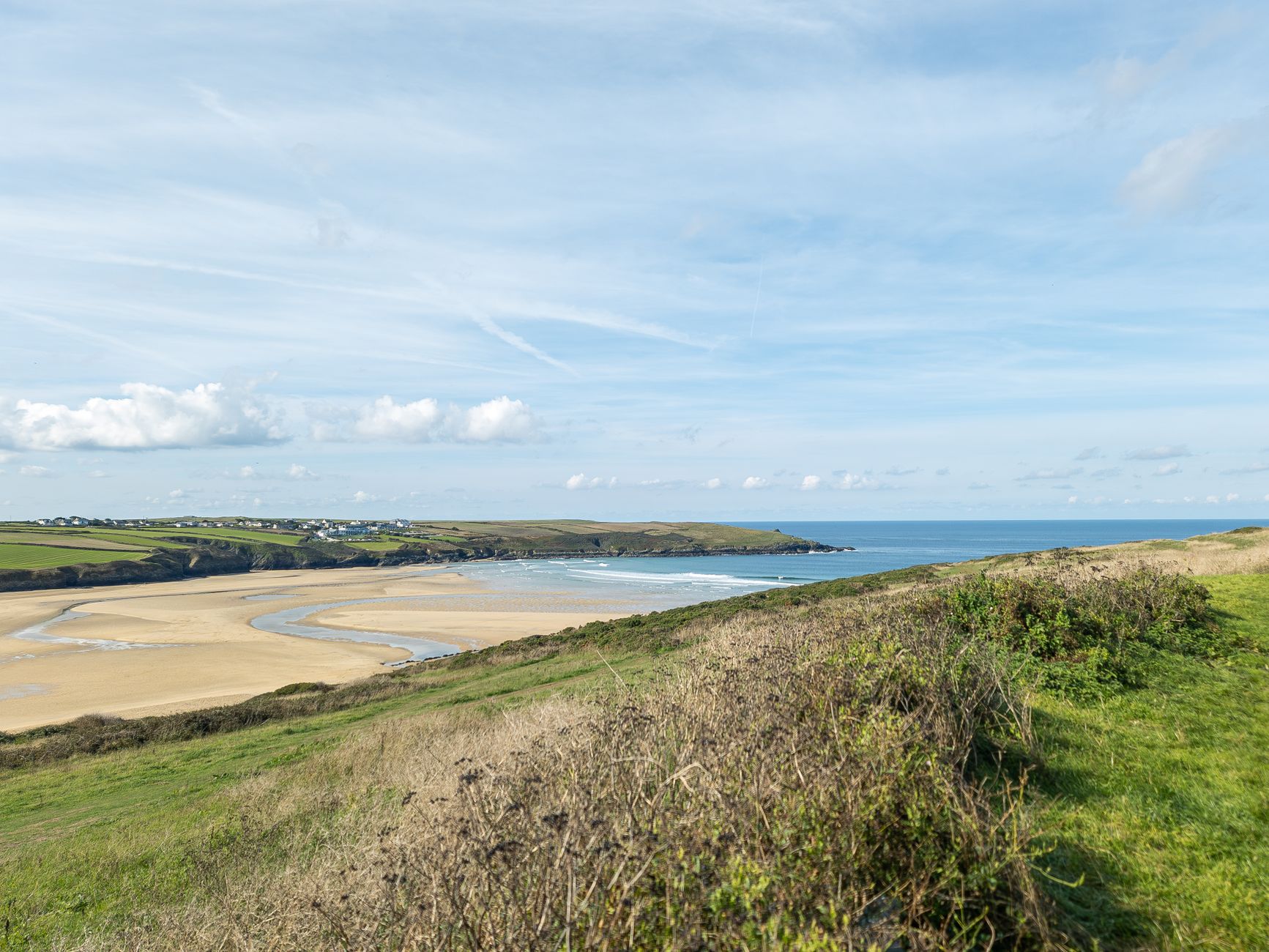
Sea-swept cliffs, a working harbour and a coastline that revolves around surf culture shape the first impression on arrival. The town centre is compact — Fore Street and Bank Street hold the bulk of cafés, pubs and independent shops — but the public spaces spill outward: Pentire Headland, the Gannel Estuary and a string of beaches each have different characters.
Crowds concentrate on Fistral and Towan in summer; quieter pockets exist if time is spent by the estuary or at Porth. Noise, summer parking pressure and seasonal timetable reductions are part of the experience and affect planning more than distance does.
This guide suits travellers who want practical timing, transit and cost information: how long a walk along the South West Coast Path will take, which bus goes to Watergate Bay and realistic entry fees at attractions. It avoids glossy-only recommendations and focuses on what will actually fit into a three-day visit.
Is 3 days in Newquay enough?
Yes: three days is enough to sample the main beaches, take a surf lesson, walk a coastal stretch and visit a couple of paid attractions. The trade-off is depth—there won’t be time for long day trips to far-flung Cornish sites or to linger in every café on Fore Street.
Who This Guide Is For
Best for surf-focused travellers, active weekenders and small families who want a compact coastal break. Less suitable for travellers wanting a slow museum-heavy city break or extensive day trips across Cornwall.
Local Tips for Newquay
Practical details that most travel sites skip — specific to Newquay.
- Great Western Railway runs to Newquay station on the Atlantic Coast Line from Par and via Exeter; advance singles can be found from around £12 one-way — use the GWR app to check timed services.
- First Kernow operates the bulk of local buses; a Cornwall Day Rover ticket typically costs about £8–£10 and covers unlimited travel on most First Kernow routes for a day.
- Newquay Airport (NQY) sits roughly 6 miles from the town centre; a metered taxi to town is usually £12–£20 depending on luggage and time of day.
- Fistral Beach surf lessons from local schools run 2-hour beginner sessions for about £35–£45 including wetsuit and board; booking morning slots often means smaller groups and better waves.
- Newquay Zoo adult tickets are roughly £16–£18; booking online in high season secures entry slots and sometimes a small discount.
How This Guide Was Prepared
This guide treats Newquay as a working surf town with a busy harbour and compact centre rather than a polished resort. Many guides over-focus on the main beach and forget the quieter estuaries, the weekday timetable limitations on buses and the real cost of peak-season parking. Practical choices—when to book a lesson, which bus to catch, where to park—matter more here than glossy photography. This guide was prepared through a structured research that combines destination research, geographic context, itinerary planning logic, and content review.
Plan Your Stay in Newquay
Use this itinerary as your starting point, then compare areas to stay, transport options, seasonal timing, and realistic daily costs before booking.
Why Visit
Coastal surf culture with easy access: world-class surfing conditions at Fistral mean beginners, intermediates and surf schools are all part of the same beach scene. The town is one of the few places where a morning lesson can be followed by a cliff walk the same afternoon.
Compact family attractions: Newquay Zoo and Blue Reef Aquarium are both inside a 20-minute walk of the centre, so a family can combine a tide-safe beach playtime with indoor options without long transfers.
Coastal walking and estuary variety: a section of the South West Coast Path on Pentire Headland and the Gannel Estuary offers short, secure cliff walks with different birdlife and rock formations to the main beaches. This is useful for a day's change of pace.
Quick Planning Tips
Flight and train hub details: Newquay Airport (NQY) is the nearest air hub and is about 6 miles from town; Great Western Railway serves Newquay station on the Atlantic Coast Line from Par and further afield. Taxis from NQY normally take 15–25 minutes into town.
Payment and cards: contactless and card payments are widely accepted in shops and cafés, but independent pasty shops and weekend market stalls sometimes prefer cash; keep some small notes and coins for parking machines and micro-businesses.
A common planning mistake is underestimating peak-season travel times: summer parking and bus capacity fill early, and some buses reduce service outside school holidays. Reserve surf lessons and zoo or aquarium slots if travelling on a summer weekend.

Day 1
Morning: Start at Fistral Beach for a surf lesson or beach walk. Most beginner lessons meet at the north end of the beach; allow 2.5 hours for a lesson, changing and a quick coffee afterward. Walk time from Fistral car park to the Headland viewpoint is about 10–15 minutes.
Midday: Walk or take a short 10-minute drive (or 20–25 minutes on the cliff path) to Lewinnick Lodge for lunch with sea views — spot-check opening hours as they change seasonally. Expect 20–30 minutes for a relaxed lunch.
Afternoon: Head to Towan Beach and Newquay Harbour (roughly a 20–30 minute walk from the Headland along the cliff route; 5–10 minutes by car). Explore the harbourfront stalls for takeaway fish and chips or a seafood counter. If visiting Blue Reef Aquarium, allocate 60–90 minutes — it’s by Towan and close to the town slipways.
Evening: Walk up to the Headland Hotel terrace or the coastal path at Towan for sunset; Fore Street or Bank Street provide pub options and ice cream. If energy remains, a short post-dinner stroll through Trenance Gardens is a calm contrast to the busier central streets.

Day 2
Morning: Take a short bus or drive to Watergate Bay (First Kernow services run regularly in summer; journey time around 15–20 minutes). Walk the wide beach and, if not surfing, try the short cliff path north toward Treyarnon for open views. A relaxed beach walk takes 45–90 minutes depending on tides.
Lunch: Book a table at Fifteen Cornwall in Watergate Bay for a sit-down local-seafood option or choose casual beach cafés for faster service. Allow 60–90 minutes including travel time back to town.
Afternoon: Visit Newquay Zoo (roughly 10 minutes by car from town centre or a 20–30 minute walk from Trenance). Plan for 1.5–2 hours; the layout suits families. From the zoo, walk down to Trenance Gardens and the boating lake to unwind.
Evening: Return to the town centre for dinner around the harbour. For a different flavour, head to Porth Beach on the south side for a quieter sunset and a coastal café meal. Bus links from town to Porth run every 20–40 minutes in summer; check timetables for return journeys.

Day 3
Morning: Start at the Gannel Estuary on the north-west side of town for a quieter coastal walk and birdwatching; parking near Crantock makes this a short transfer (10–15 minutes by car). The estuary walk can be tailored to 45 minutes to two hours.
Midday: Return for an easy lunch in the town centre — aim for a light meal if an afternoon flight is planned. If checking out of accommodation, confirm luggage storage with the hotel or B&B ahead of time.
Afternoon options depending on travel plans: If catching a late flight or train, visit Newquay Museum or do a short shopping circuit on Fore Street before heading to Newquay Airport or station. Allow 45–60 minutes transit to the airport by taxi and aim to arrive at NQY at least 90 minutes before a domestic flight to allow for parking, check-in and security. Trains require an allowance for infrequent services on the Atlantic Coast Line — check GWR times and plan spare time for missed connections.
Evening: If staying for one more night, a quieter early-evening walk on Great Western Beach rewards with easier parking and fewer people than the main beaches.
Best Local Experiences
Surf lessons at Fistral or Watergate Bay: morning beginner classes with wetsuit and board provide the town’s most defining activity. Reserve slots in summer.
Boardmasters festival (held in August): a major music and surf event — expect large crowds, higher accommodation prices and altered traffic patterns if visiting that week.
Gannel Estuary paddle or short SUP trip from Crantock: calm water and tidal channels contrast with Fistral’s surf; local hire outfits run hourly sessions.
Newquay Fish Market on the harbour: early-morning deliveries and small seller stands sell crab, lobsters and fresh line-caught fish; check the slipside times for availability.
Trenance Gardens and boating lake: a family-friendly green space within walking distance of the centre with a small café and seasonal ice cream stall.
Coastal cliff sections of the South West Coast Path: short, maintained sections north and south of town offer dramatic views and can be cut to 30–90 minute walks depending on fitness.

Where to Stay
Town centre (Fore Street / Bank Street): Suits those who want nightlife, quick access to shops and short walks to the harbour and Towan Beach. Expect B&Bs and small hotels from about £70–£140 per night (~€83–€165 / $90–$180), though prices rise sharply in peak weeks.
Fistral / Headland area: Suits surfers and those wanting close sea views and a quieter evening atmosphere. Mid-range hotels and larger guesthouses near the Headland typically run £100–£200 per night (~€120–€235 / $130–$260) depending on view and season.
Porth / Crantock side: Suits families and walkers who prefer calmer beaches and easier access to the Gannel Estuary. Expect self-catering cottages and guesthouses from about £70–£150 per night (~€83–€175 / $90–$195) outside festival weeks.
Booking note: summer weekends and Boardmasters dates push prices up by 30–100%. For best value, lock in accommodation at least two months ahead for July–August weekends.
Food and Drink
Cornish pasty: a handheld beef-and-veg pastry available from many bakeries and market stalls; expect £3–£4 for a standard pasty. Look for bakeries on Bank Street or harbour-side stalls for a classic take.
Cornish cream tea: scones with jam and clotted cream — the Cornish order places cream on top of jam. Good versions appear in local tea rooms around the harbour and in Trenance; expect £5–£8.
Fresh crab and lobster: sold at harbour stalls and served in restaurants; lunchtime crab sandwiches or plates are about £8–£18 depending on size.
Street-food and takeaway fish and chips: harbour-front counters serve classic fish and chips and smaller seafood plates for about £7–£12. Towan Pier and the harbour area are reliable choices.
Ales and cider: St Austell Brewery ales (Tribute, Proper Job) and Thatcher’s cider appear widely; a pint in a pub is roughly £4–£5.
Breakfast option: a bacon bap (bacon sandwich) from a local café is a cheap, filling start for about £3.50–£5. Dinner recommendation: a seafood platter or a locally sourced mains at a harbour restaurant will run £15–£30 per person before drinks.
Getting Around
Rail: Newquay station sits on the Atlantic Coast Line with Great Western Railway services to Par and onward connections to Exeter and Plymouth. Services are limited to several trains a day; check the GWR app for exact times and book advance tickets if available.
Bus: First Kernow is the main operator inside town and to nearby beaches. Typical single fares within town are about £2–£3; a Cornwall Day Rover for First Kernow is around £8–£10. Timetables vary by season; use the First Bus app or Traveline Southwest to plan.
Taxi: Metered taxis from NQY to town cost roughly £12–£20; local town journeys start around £3.50–£4 and rise by distance and time of day. Ride-hailing services are limited and unreliable for late-night pickups.
Bike and on-foot: The town is compact and many beaches are walkable from the centre with typical walks of 10–30 minutes. Bike hire is common in high season for short coastal rides.
Apps and cards: use the GWR app for trains, the First Bus app for local buses, and Traveline Southwest for multi-operator planning. Carry contactless payment for buses where accepted, and have some cash for seasonal market stalls.
Best Time to Visit
Summer (June–August): warmest weather with daytime highs around 18–22°C, busiest beaches and full public transport; Boardmasters in August greatly increases demand and prices.
Shoulder seasons (May and September): often the best value and balance — milder weather, smaller crowds and most businesses open. Daytime temperatures commonly sit between 14–18°C, and water temperatures are more tolerable for wetsuited surfers.
Autumn and winter (October–February): rougher seas, fewer services and some businesses closed; daytime highs often 7–12°C. Good for serious surf sessions when storms bring larger swells, but plan for shorter daylight and possible travel disruptions.
For a weekend that combines reliable services and lower prices, aim for May or September. For guaranteed warmest weather and full service, plan July or early August but allow for large crowds and higher costs.
Budget and Practical Tips
Daily budget (per person, mid-range estimates): accommodation £70–£140 (~€83–€165 / $90–$180), food £25–£45 (~€30–€53 / $32–$58), local transport £5–£12 (~€6–€14 / $6–$15), attractions £10–£25 (~€12–€30 / $13–$28). A reasonable daily total is about £110–£220 (~€130–€260 / $140–$300) depending on choices.
Entry fees: Newquay Zoo adults about £16–£18; Blue Reef Aquarium roughly £10–£12. Surf lessons commonly cost £35–£45 for two hours with equipment hire included.
Tipping and service: cafés and takeaway counters do not expect a tip; pubs rarely require it. In sit-down restaurants, check the bill for a service charge; otherwise a discretionary 10% for good service is appreciated but not mandatory.
Small practical tips: carry a compact waterproof layer for sudden coastal showers, confirm bus times the evening before any planned transfers, and download the GWR and First Bus apps to keep tickets and timetables to hand.
FAQ
Is Newquay safe for solo travellers?
Generally yes for daytime activities; standard coastal precautions apply after dark in busy nightlife areas—keep valuables secure and avoid empty cliff edges at night.
How do I get from Newquay Airport to the town centre?
Taxis take about 15–25 minutes and cost roughly £12–£20. Some hotels run shuttle services in peak season; pre-book a taxi for busy arrival times.
Are there good surf schools for beginners?
Yes. Several surf schools operate at Fistral and Watergate Bay offering 2-hour beginner lessons for approximately £35–£45 including wetsuit and board.
Are buses reliable for getting to Watergate Bay and Porth?
Yes in summer there are regular First Kernow services; outside peak season frequencies fall, so check the First Bus app or Traveline before travelling.
Is a Newquay city card or pass worth buying?
There is no single city-wide pass; day rover bus tickets from First Kernow are useful if planning multiple bus trips. For rail travelers, booking advance GWR tickets is the main money-saver.
Can Boardmasters be avoided when planning a trip?
Yes — avoid booking during the August festival week if crowds, higher prices and traffic are concerns. Accommodation sells out early for that event.
Is it easy to visit nearby towns like Plymouth or Torquay as a day trip?
Travel to Plymouth is possible by train with a change at Par and takes around 2–2.5 hours; it’s feasible but will use most of a day. Torquay and the English Riviera require longer transfers and are better as separate overnight trips.
Conclusion
A three-day plan yields a useful cross-section of surf, coastal walking and compact town life rather than a deep dive into Cornish hinterland. The most memorable elements tend to be an early-morning surf or cliff walk and a harbour-side seafood meal, both of which fit into short schedules.
If time is tight, prioritise a morning at Fistral (lesson or shoreline), one coastal walk on Pentire or the Gannel Estuary, and a late-afternoon harbour meal. Those three experiences capture what most visitors remember and require the least transit time while still showing different sides of the town.
How this guide was prepared
This guide was prepared through a structured research that combines destination research, geographic context, itinerary planning logic, and content review.