
Three-Day Practical Guide to Chongqing: 72 Hours Plan
A compact 3-day plan for Chongqing covering Jiefangbei, Ciqikou, Dazu Rock Carvings and hotpot spots, with transit tips, costs, and realistic pacing.
A realistic 72-hour itinerary for Chongqing that balances riverfront views, hilltop parks, historic alleys and the food scene, with clear transit and cost notes.
Arrival gives a clear impression: a dense city of high-rise clusters, steep blocks and visible river crossings. Traffic, frequent rain in summer and the constant rise-and-fall of streets shape how people move — many trips mix metro, escalators and short taxis.
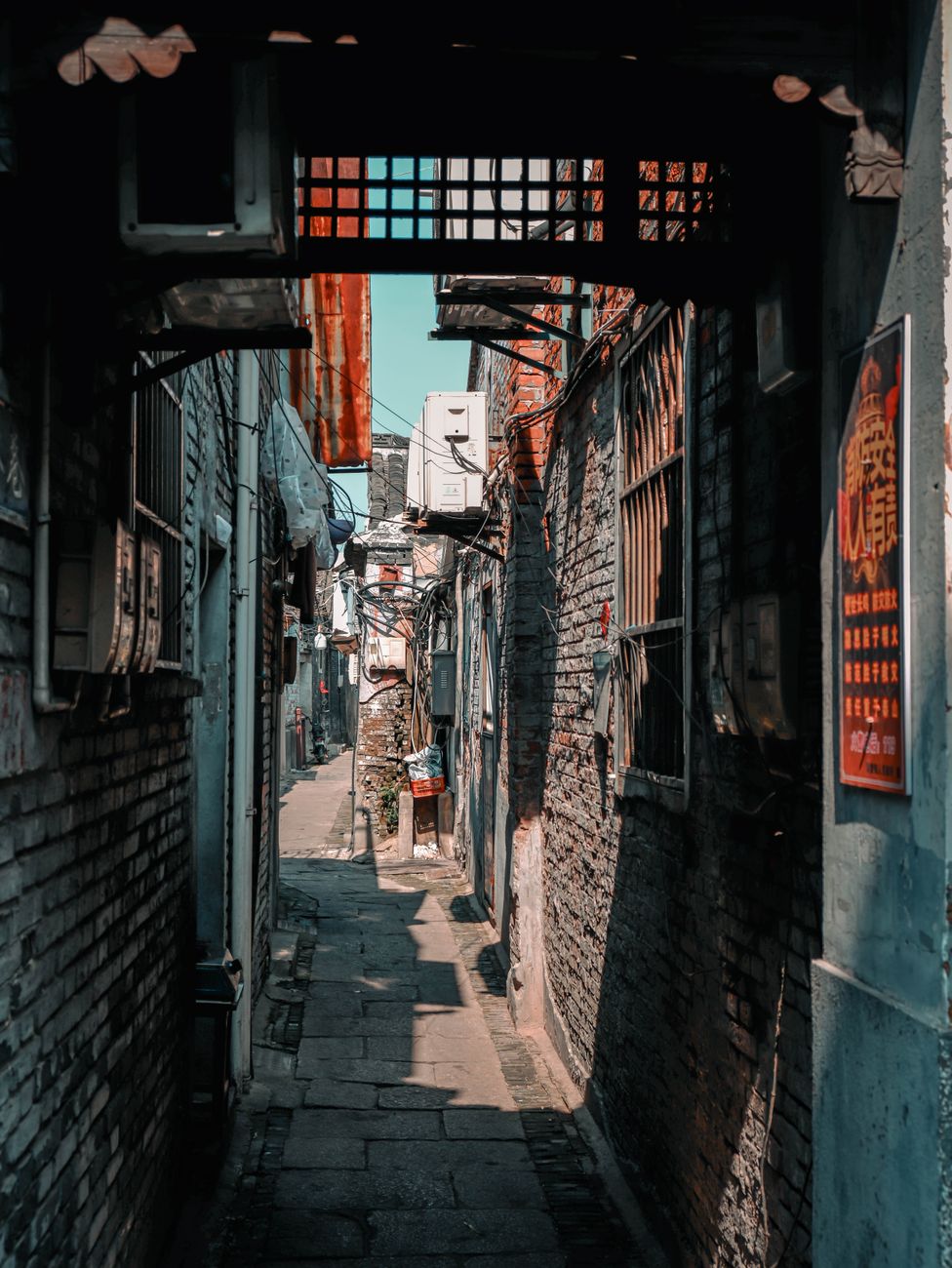
The skyline is defined by river confluences and monorail tracks threading through buildings. Visitors often expect flat streets or a single historic core; instead the central business district coexists with older stilted riverside timber structures and winding lanes in Ciqikou.
Crowds concentrate around evening riverfronts and popular hotpot venues; daytime feels more local in neighbourhood markets. This city suits travelers who like active walking on slopes, sampling street food and using transit to link viewpoints rather than long leisurely strolls.
Is 3 days in Chongqing enough?
Yes — 3 days lets a traveler see central highlights: Jiefangbei, Ciqikou, Hongya Cave, a Yangtze view and a day trip to Dazu Rock Carvings. Caveat: an overnight Wulong trip or a Yangtze cruise requires extra days and must be skipped.
Who This Guide Is For
Best for travelers who like hilltop viewpoints, street food and transit exploration; less suitable for those wanting a relaxed beach-style holiday or a multi-day nature trek.
Local Tips for Chongqing
Practical details that most travel sites skip — specific to Chongqing.
- Buy a Chongqing Yikatong (一卡通) card at any CRT station ticket window; it saves on fares and works on metro, light rail and many buses.
- Line 3 is the monorail over long spans and has some of the best city views — sit on the left side toward the river for the view from most uphill directions.
- Three Gorges Museum at Eling Park / People’s Square is free entry but ID registration is required and peak weekend queues form after 10:00.
- Take the Yangtze River Cableway from Liziba to Nanshan for a short river crossing; single fares are around ¥7–10 depending on route and time of day.
- Most hotpot restaurants add a service charge or require a deposit for raw ingredients during peak evening hours; bring cash for small vendors in Ciqikou where mobile payments are not always accepted.
How This Guide Was Prepared
This guide treats Chongqing as a city of slopes, rivers and transit quirks rather than a generic inland Chinese metropolis. Many guides over-focus on hotpot and night photos; this plan balances skyline viewpoints, neighbourhood walks, and how to move efficiently on the monorail and ferries. This guide was prepared through a structured research that combines destination research, geographic context, itinerary planning logic, and content review.
Plan Your Stay in Chongqing
Use this itinerary as your starting point, then compare areas to stay, transport options, seasonal timing, and realistic daily costs before booking.
Why Visit
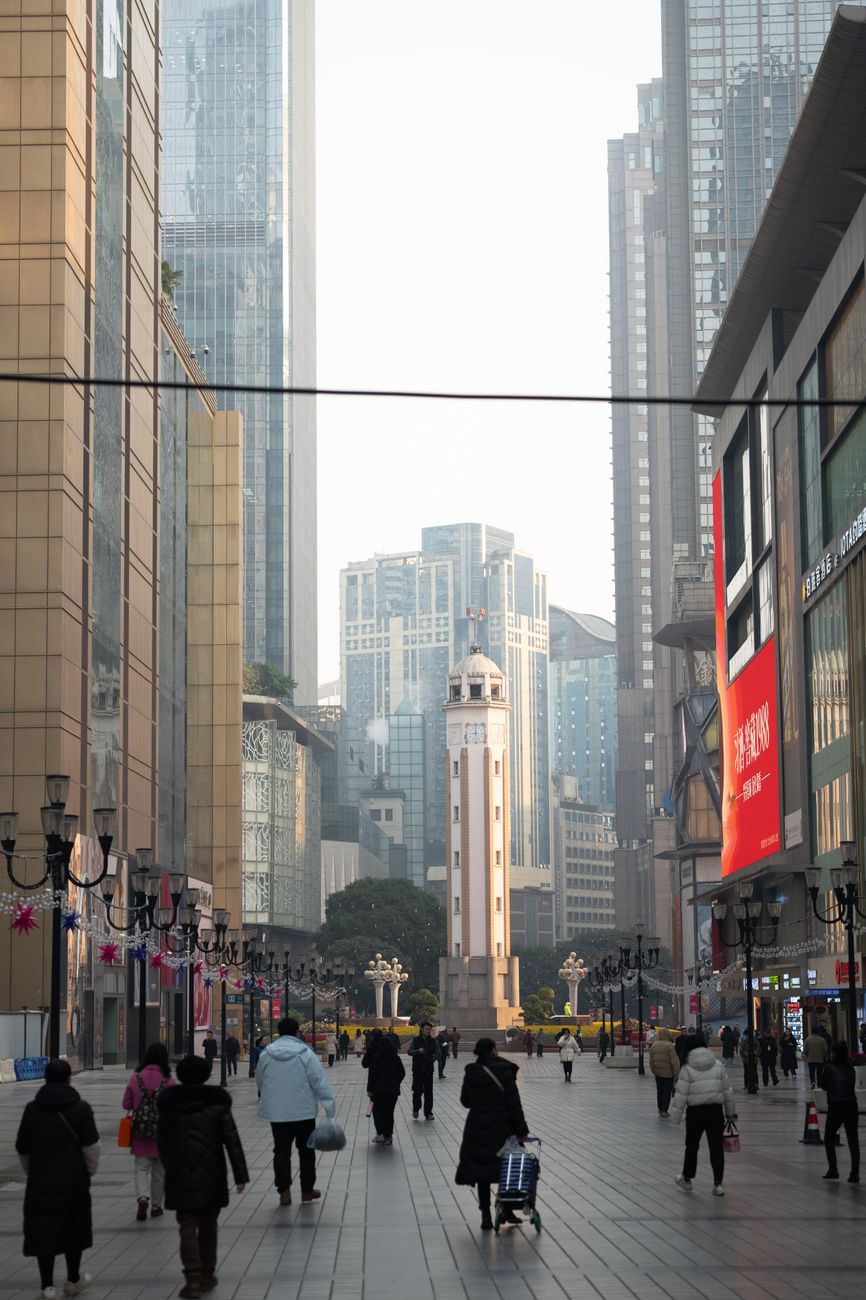
The confluence of the Yangtze and Jialing rivers creates dramatic viewpoints not common in inland China; spots such as Chaotianmen and the Yangtze River Cableway show this clearly. The rail transit network includes several elevated and monorail lines that provide cityscape views while moving between neighbourhoods.
Cultural sites are practical to reach: Three Gorges Museum documents river engineering and local wartime history with free entry, while Dazu Rock Carvings are reachable as a full-day outing for distinctive cliff-side Buddhist sculpture. The food scene is intense and varied — Chongqing hotpot, xiaomian and street snacks in Ciqikou are concrete reasons to visit.
Quick Planning Tips
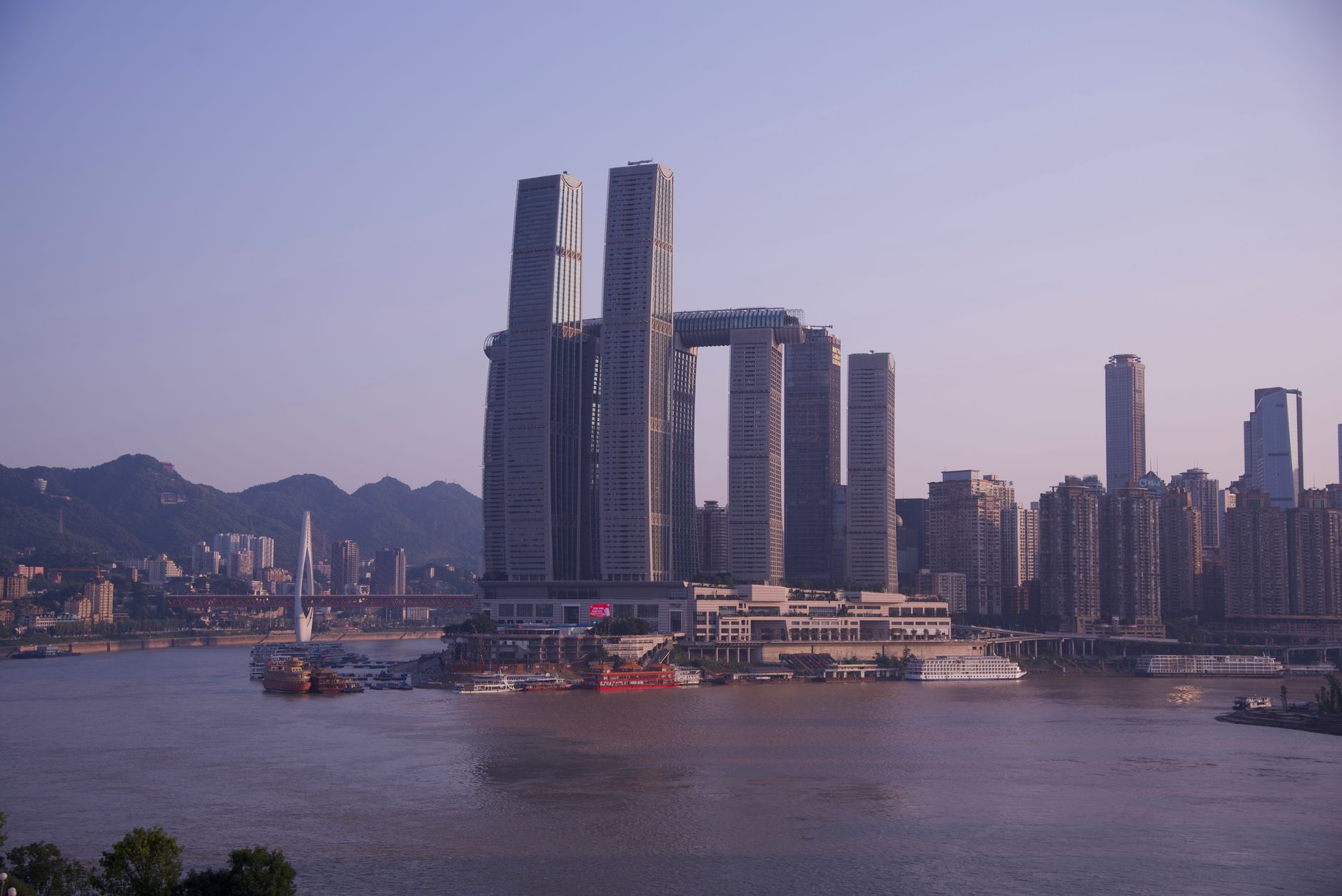
Fly into Jiangbei International Airport and take the Airport Express (Line 3 connection) or an airport taxi; the express section links to central Line 3 or Line 10 depending on terminal. If arriving by train, Chongqing North and Chongqing West stations connect to the CRT network and taxis are readily available outside platforms.
Bring a Yikatong card or register a map/payment app to buy single fares; many small vendors prefer WeChat Pay or Alipay but some stalls in older alleys still take cash. Avoid scheduling a Yangtze cruise or a Wulong karst day trip on the final day — both require morning departures and can be delayed by traffic.
Day 1
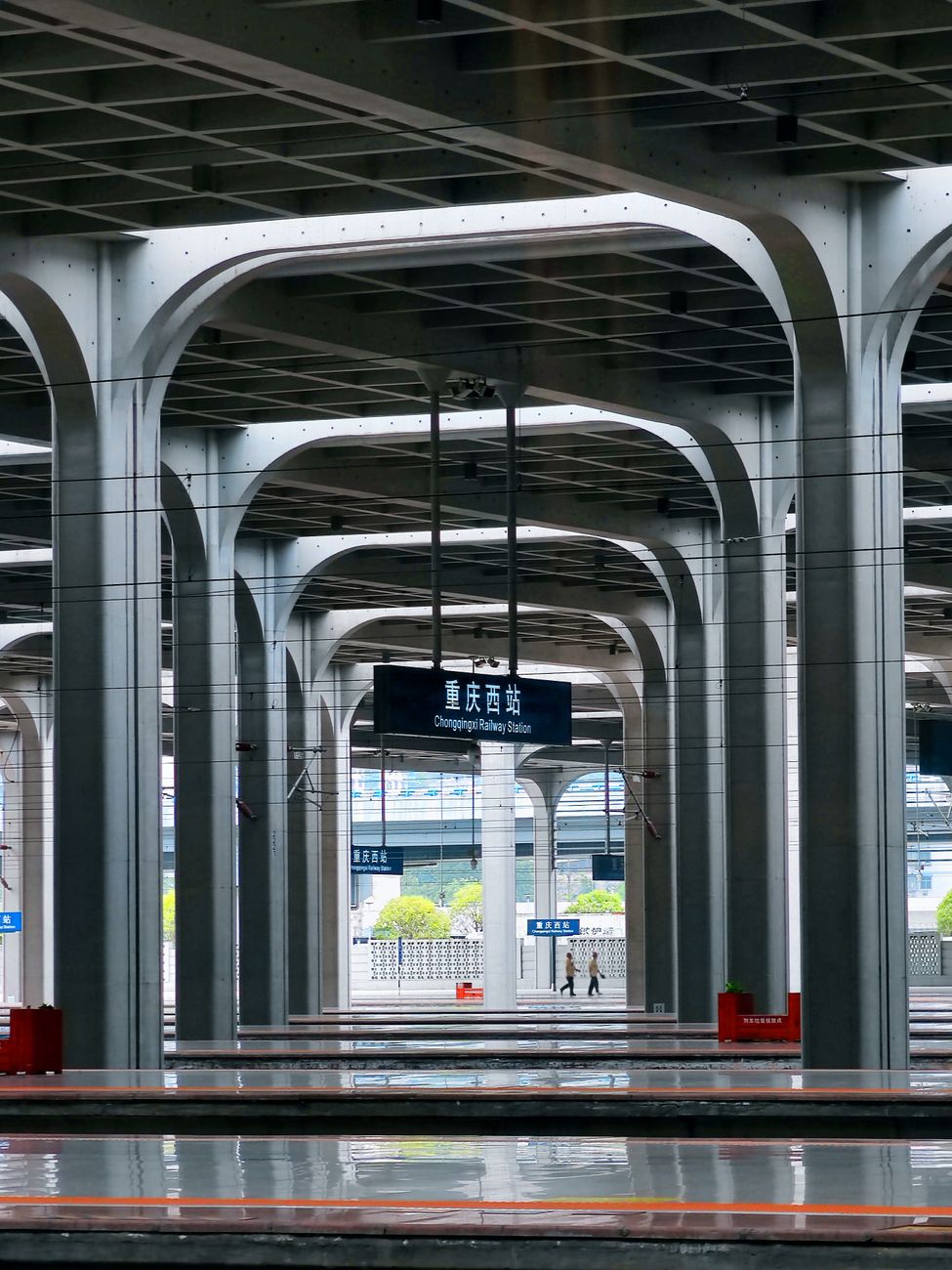
Morning: Start at Jiefangbei (People’s Liberation Monument) for an orientation walk among shopping streets and local bakeries. From Jiefangbei, walk 10–15 minutes to the mouth of the pedestrian zone and take a short taxi (5–10 minutes) or Line 1/Line 2 to Chaotianmen for riverside views.
Midday: At Chaotianmen, check the Yangtze River Cableway and the riverfront ferry piers; the cableway ride is short and gives an immediate sense of the river junction. For lunch, try a classic local noodle shop near Jiefangbei such as Jiajiang Xiaomian where a bowl costs around ¥8–¥15.
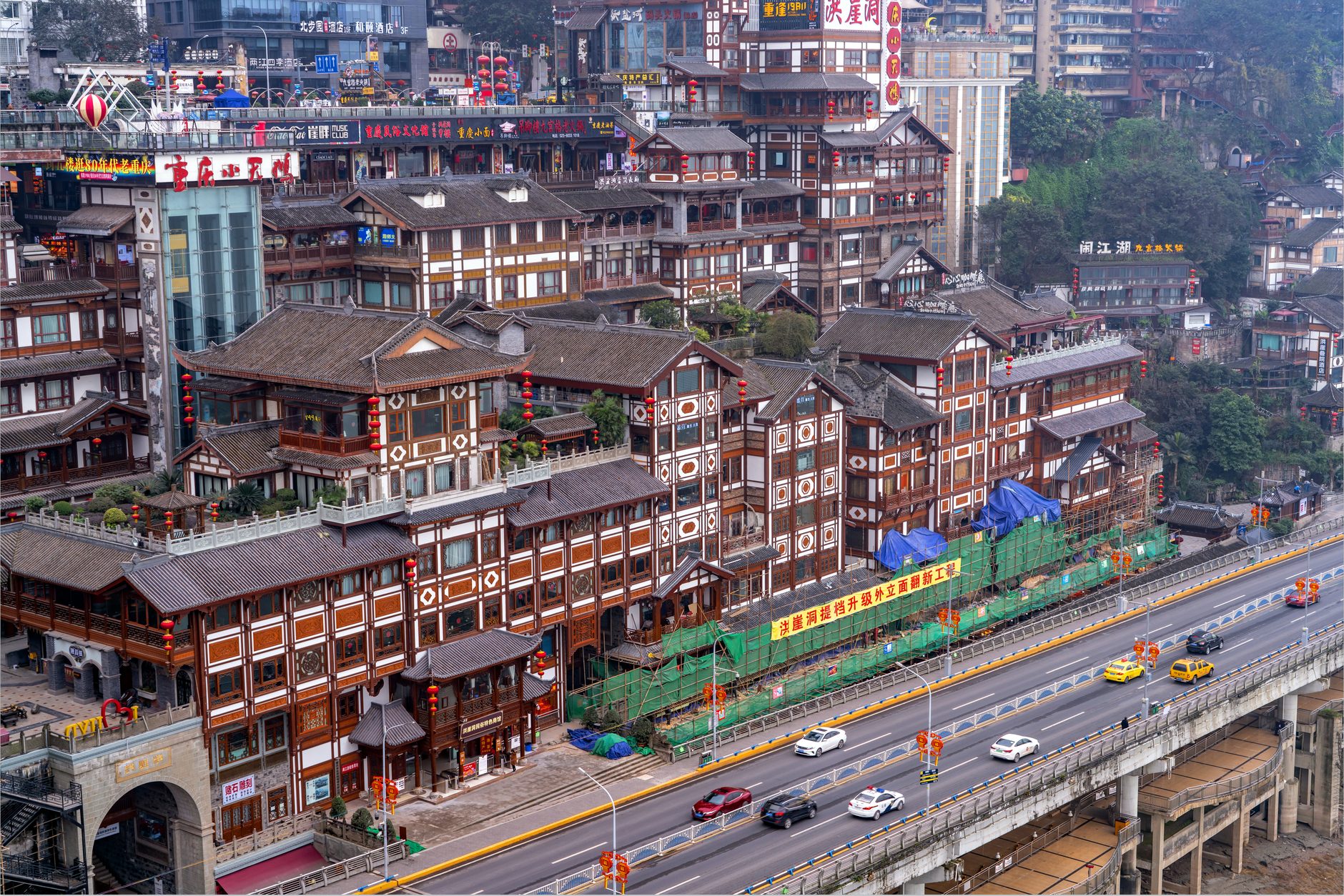
Afternoon: Walk or take Line 2 one stop to Hongya Cave (Hongyadong) and explore the multi-level stilted buildings facing the river; allow 45–90 minutes for photos and snack stops. From Hongya Cave it is a 10–15 minute uphill walk or a short taxi to Eling Park for sunset views across the river — the park has a clear city panorama and benches for resting.
Evening: Return to the Jiefangbei area for dinner at a hotpot restaurant; book a table for evenings and expect ¥80–¥150 per person for a mid-range meal. Finish by walking some of the neon-lit riverside promenades or taking a short night ferry for different viewpoints.
Day 2
Morning: Take Line 1 or Line 3 to Shapingba and then a short taxi to Ciqikou Old Town for alleyway exploration, tea shops and snacks. Allow 2–3 hours to move through porcelain shops, try guoba (crispy rice) and buy handmade snacks; several tea houses offer inexpensive tastings.
Midday: From Ciqikou, take a taxi (20–30 minutes depending on traffic) or backtrack to Line 1/Line 2 to the Three Gorges Museum near People’s Square for a free, well-organized introduction to river engineering and local 20th-century history; plan 1.5–2 hours. Pack ID for museum registration if required.
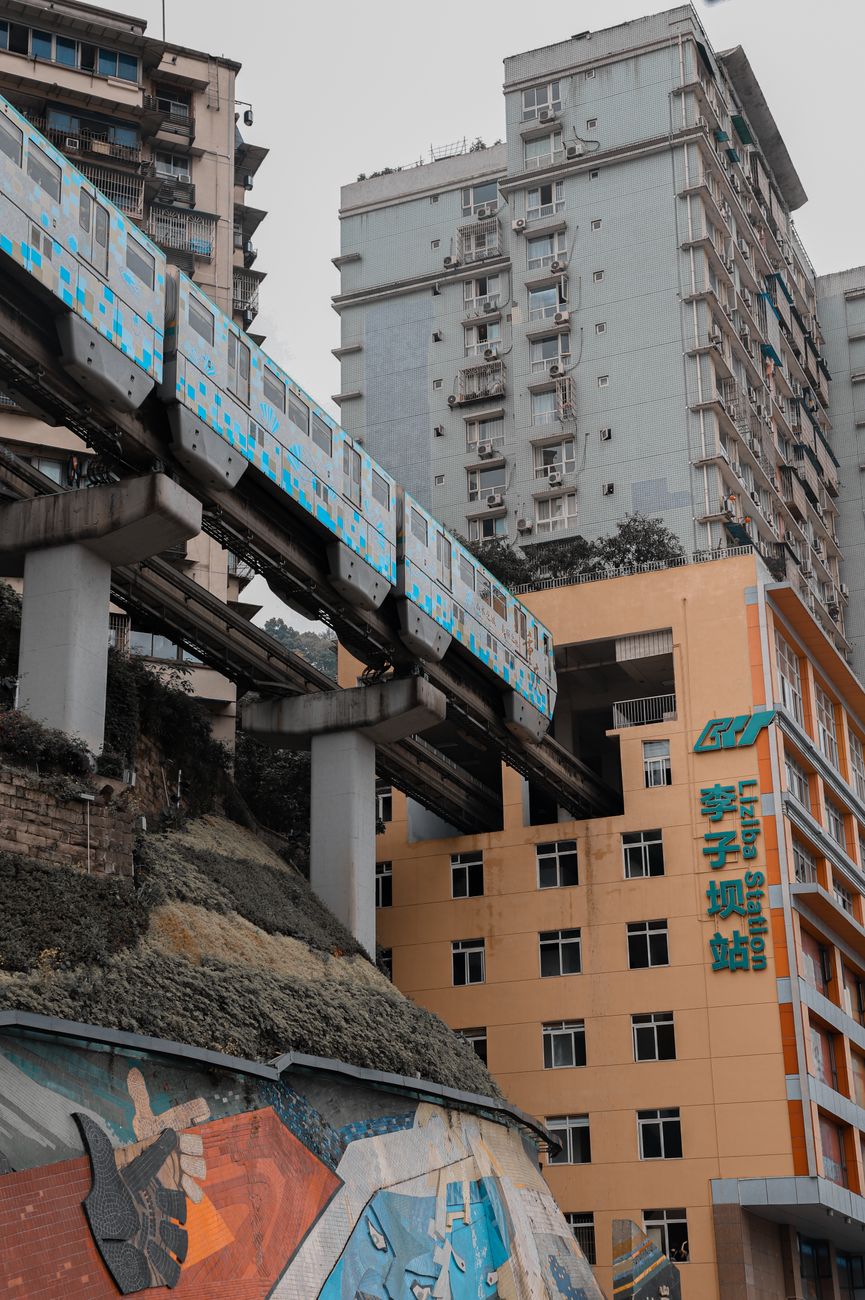
Afternoon: Head across the river via the Yangtze River Cableway or take Line 2 to Liziba Station to see the train route passing through a building. Proceed to Nanbin Road for riverfront promenades and modern high-rise views; stop at a riverside café for tea or a late snack.
Evening: Choose an alternative dinner neighbourhood such as Nanbin Road or Shapingba’s food streets where hotpot varieties and grilled skewers coexist. Consider a short night cruise departing from Chaotianmen if schedules fit; buy tickets in advance on busy weekends.
Day 3
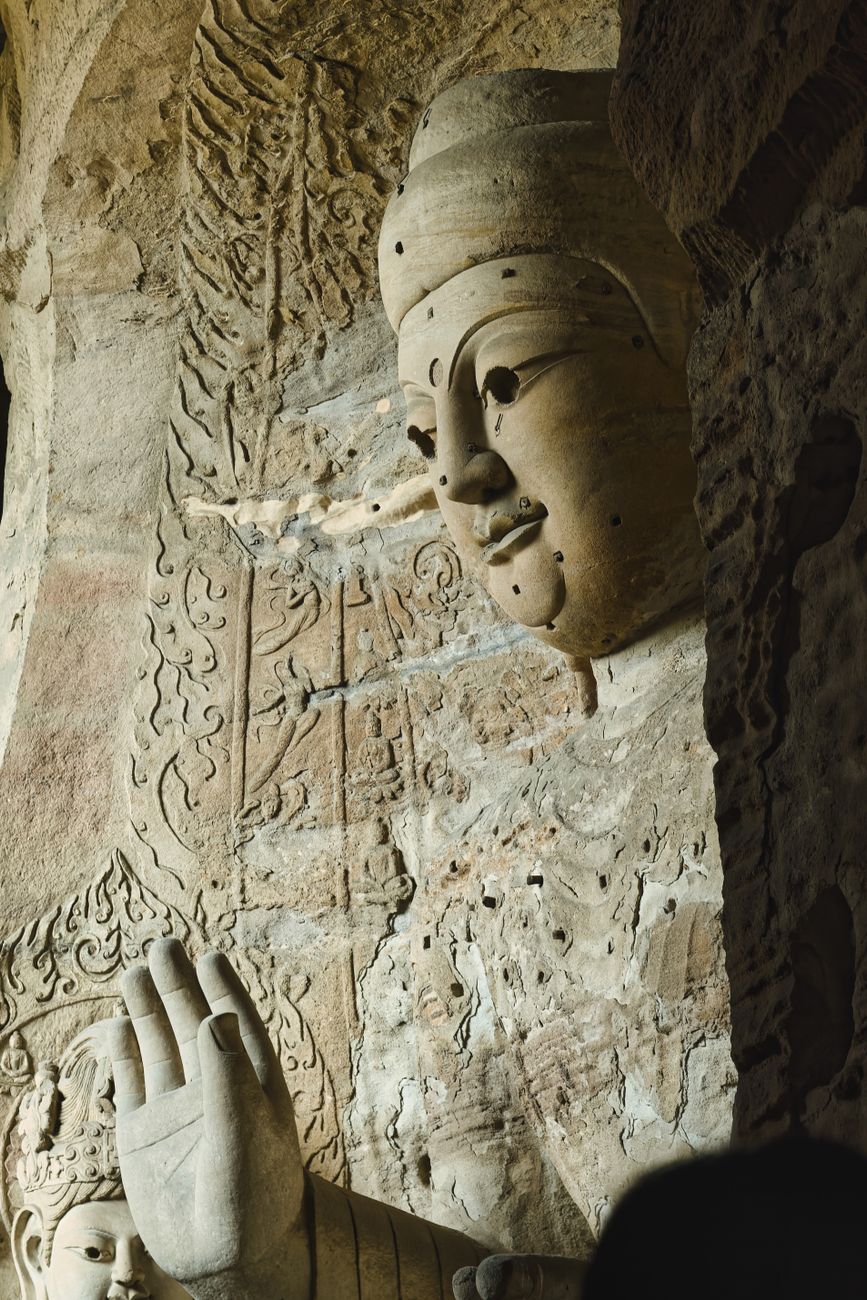
Morning: Take a day trip to Dazu Rock Carvings; catch an early bus from Chongqing North coach station or a direct tourist bus from central hotels. Travel time is roughly 2–2.5 hours each way; plan at least 5–6 hours on site to see both Beishan and Baodingshan groups — entry is approximately ¥90–¥120 depending on section.
Midday: Have lunch near the Dazu site at a simple village restaurant serving local sour-spicy dishes and braised pork; prices are modest, around ¥25–60 per person. Keep cash for smaller eateries outside the main tourist complex.
Afternoon: Return to the city by mid- to late afternoon. If the flight or train is in the early evening, head straight to Jiangbei Airport via the Airport Express or allow 60–90 minutes for airport taxis. For those checking out of hotels, store luggage at the front desk and squeeze in a short stop at a nearby tea shop or snack stall.
Evening: If time allows before departure, a final casual meal of xiao mian or a small hotpot near the station keeps the last taste local; otherwise use the airport dining options which are more expensive. Always leave extra time for uphill taxis and traffic during peak hours.
Best Local Experiences
Ride the monorail Line 3 and sit for left-side views as the train crosses river valleys and passes through buildings at Liziba Station. Walk the Nanbin Road riverside at dusk to see the high-rises lit and to catch local vendors selling skewers and cold drinks.
Spend an evening in Hongya Cave to study the multi-level riverside architecture and eat street snacks on the terraces. Visit Ciqikou Old Town early in the day for less crowding and to sample soy milk and guo kui at small stalls. Take a day trip to Dazu Rock Carvings to see cliff-side Buddhist sculptures that are not replicated in major coastal cities.
Where to Stay
Jiefangbei / Yuzhong District: Suits first-time visitors who want walking access to the monument, shopping and many restaurants. Close to metro Lines 1 and 2. Typical nightly cost: mid-range ¥300–700 (≈€38–90 / $40–95).
Shapingba: Suits budget travelers and those visiting universities or Ciqikou; quieter at night and cheaper taxis to westside sites. Near Line 1. Typical nightly cost: budget to mid-range ¥150–400 (≈€19–51 / $20–55).
Nan’an / Nanbin Road: Suits those who prefer river views and newer apartment hotels; quieter nightlife and good promenade access. Close to Line 6 crossing and ferry points. Typical nightly cost: mid-range ¥280–600 (≈€36–77 / $35–85).
Choose accommodation on a lower floor if mobility is an issue; many buildings have steep approaches and elevators are crowded at check-in times.
Food and Drink
Chongqing Hotpot (重庆火锅): A spicy, numbing broth with mala peppercorns and many dipping ingredients; try mid-range restaurants like Xiao Tian E or a local branch of a known hotpot brand. Expect ¥80–150 per person for a shared meal.
Xiaomian (小面): A simple spicy noodle bowl topped with pickled greens, minced pork and scallions; best in small shops around Jiefangbei and Shapingba. Price: ¥6–¥15.
Suanla Fen (酸辣粉): Hot and sour sweet potato noodles often sold by street stalls in Ciqikou for ¥8–¥15. Great for a cheap midday snack.
Chongqing Grilled Skewers (串串/烧烤): Meat and vegetable skewers, many sold from roadside stands on Nanbin Road and food streets; expect ¥2–6 per skewer. Pay attention to stall hygiene and check for busy vendors.
Breakfast option — Youpo Tea and Soy Milk: Local breakfast shops serve doujiang (soy milk) and youpo pancakes near metro exits; expect ¥5–15. For a sit-down breakfast with tea culture, small tea houses in Ciqikou offer tastings for around ¥20–50.
Getting Around
Main modes: Chongqing Rail Transit (CRT) metro lines including Line 1, Line 2, Line 3 (monorail), Line 6, Line 9 and Line 10. Several lines are elevated or monorail, offering views during transit. Local buses cover shorter routes and ferries cross the Yangtze and Jialing rivers.
Tickets and fares: Single metro fares start at about ¥2 for short rides and rise by distance; typical central rides cost ¥2–¥6. A Yikatong card (一卡通) buys and stores value; it reduces queuing and sometimes gives small fare discounts. Day passes are not widely used — most travelers rely on Yikatong or pay per ride.
Taxis and apps: Ride-hailing via DiDi is widely used; cash taxis are common but allow extra time in rush hours. Airport taxi to central Yuzhong or Jiefangbei normally costs ¥70–¥120 depending on distance and traffic. Useful apps: Chongqing Metro app for route maps and Baidu Maps for navigation.
Best Time to Visit
Spring (March–May): Temperatures 12–22°C and moderate crowds; good for walking and river views, but occasional rain. This offers a balance of milder weather and lower hotel rates than summer.
Summer (June–August): Hot, humid and rainy with temperatures 25–35°C; expect heavy afternoon rain and dense evening crowds at riverfronts. Hotpot still flourishes but outdoor comfort is lower and flight/taxi delays can occur.
Autumn (September–November): Temperatures 15–25°C with clearer skies and pleasant evenings; a strong choice for photography and day trips. Winter (December–February): Cooler and damp, 5–12°C, less crowded and often the cheapest time for hotels though visibility on foggy days can reduce skyline views.
Budget and Practical Tips
Daily budget estimates per person: Accommodation mid-range ¥300–600 (≈€38–77 / $40–85). Food (mix of street food and meals) ¥80–200 (≈€10–25 / $10–28). Transport (metro and occasional taxi) ¥20–80 (≈€2.5–10 / $3–11). Entry fees and tours (museum free, Dazu ¥90–120) ¥0–120 (≈€0–15 / $0–13).
Tipping: Not customary in most restaurants and taxis; small rounding up is fine but not expected. Carry a mix of cash and a working mobile payment app; many small vendors accept WeChat Pay or Alipay and some older stalls accept only cash. Bring an external battery for phones — navigation and QR payments drain battery quickly on long walking days.
FAQ
Is Chongqing safe for solo travelers?
Yes. Daytime areas and major tourist sites are generally safe; standard precautions apply in crowded areas and late-night taxis should use a registered taxi or DiDi.
Is English widely spoken at stations and restaurants?
Limited. Major metro stations have English signage, but smaller shops and local restaurants often have no English; bring address names in Chinese characters.
Should a tourist buy a city card or pass?
A Yikatong stored-value card is recommended for convenience and small savings; a full-day metro pass is not essential for most 3-day itineraries.
How to get from Jiangbei Airport to central Jiefangbei?
Take the Airport Express (connects to Line 3/Line 10) or a taxi which costs roughly ¥70–¥120 depending on traffic; allow 45–90 minutes in rush hour.
Are the Three Gorges Museum and Dazu Rock Carvings worth the time?
Three Gorges Museum is free and useful for context on river engineering; Dazu is a long day trip but valuable if interested in Buddhist cave art and ancient stone carvings.
Can a visitor rely on cashless payments?
Many places accept WeChat Pay or Alipay, but bring some cash for small vendors in older alleys and remote bus services.
Is the monorail Line 3 scenic and should it be used for sightseeing?
Yes. Some elevated sections and the Liziba Station stretch through a building offer memorable cityscape views while serving as efficient transit.
Are there any safety concerns on the river crossings?
River ferries and the cableway are regulated; check weather on rainy or foggy days and avoid short cruises if wind is strong.
Conclusion
A well-paced 72-hour trip will leave strong impressions: river junction views, steep streets and a lively food scene. The most memorable elements are the monorail rides through built-up areas and an evening by the river when lights and reflections change quickly.
If time becomes tight, prioritize Jiefangbei/Hongya Cave for compact city views and one major food experience (a hotpot dinner or xiaomian crawl); other activities can be swapped for longer day trips on a return visit.
How this guide was prepared
This guide was prepared through a structured research that combines destination research, geographic context, itinerary planning logic, and content review.