
3-Day Practical Guide to Odessa: Itinerary, Transit & Food
A practical 3-day guide to Odessa with itineraries, transit tips, budget estimates and food recommendations for efficient trip planning.
A no-nonsense 72-hour plan for Odessa that balances classic sights, markets and a beach afternoon.
Arrival gives an immediate mix: a working port, a wide seafront and streets that still hum with local commerce. First impressions are often louder and smellier than guidebook photos — fish smoke, diesel and roasted chestnuts appear alongside carved façades and classical plazas. Traffic and crowds peak around lunchtime and late afternoon on the main walking streets, while mornings feel calmer for market visits. This place suits people who like walking, sampling food from stalls and negotiating public transport rather than polished hotel zones.
Is 3 days in Odessa enough?
Yes — three days gives time for a clear overview: central sights, a major market, and one beach neighbourhood or neighbourhood walk. The caveat: a relaxed beach day plus a museum-heavy schedule will feel rushed; pick either leisure by the sea or slow museum visits, not both.
Who This Guide Is For
Best for travellers who want a compact mix of architecture, markets and a seaside afternoon; less suitable for travellers wanting a long beach holiday or deep museum study.
Local Tips for Odessa
Practical details that most travel sites skip — specific to Odessa.
- Pryvoz Market on Pryvozna Street is cash-heavy; bring small UAH notes and expect to haggle on price for fruit and fish stalls.
- Potemkin Stairs count 192 steps from top to quay — the funicular next to Primorsky Boulevard saves time when carrying luggage.
- Marshrutkas (shared minibuses) run frequent routes to Arcadia Beach and usually accept cash only; a city tram or trolleybus will be cheaper but slower.
- Odesa-Holovna railway station sits behind Prymorsky Boulevard; allow 15–25 minutes on foot to Deribasivska or a 7–12 minute taxi depending on traffic.
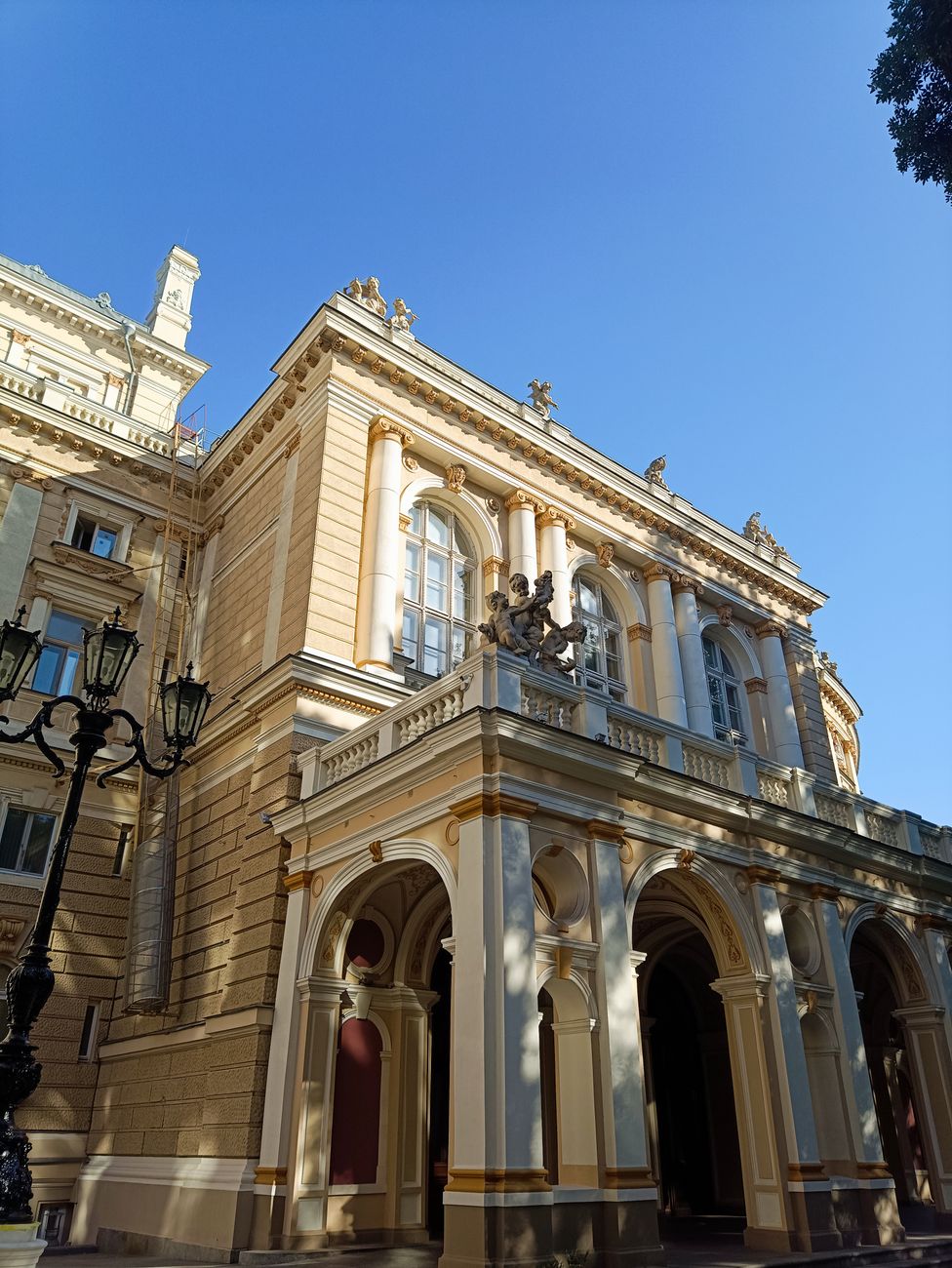
- Odessa Opera and Ballet Theatre ticket prices start around 80–100 UAH for upper gallery and can reach 500–600 UAH for stalls on popular performances.
How This Guide Was Prepared
This guide treats Odessa as a working port city with a strong street culture rather than a sanitized postcard. Many guides overemphasize the opera and stair photos and skip the markets, marshrutkas and seaside rhythms that define daily life here. This guide was prepared through a structured research that combines destination research, geographic context, itinerary planning logic, and content review.
Plan Your Stay in Odessa
Use this itinerary as your starting point, then compare areas to stay, transport options, seasonal timing, and realistic daily costs before booking.
Why Visit
Historic architecture and a coastal setting combine with an unusually blunt street culture: the city keeps living on its quays, in its markets and at the small cafés along the seafront. The opera house is a genuine architectural highlight, but the real social life happens in places such as Deribasivska Street, Pryvoz Market and Primorsky Boulevard where vendors and locals meet. There are strong multicultural traces from Jewish, Greek and Balkan communities visible in food and neighbourhood names, so eating and walking reveal more about local history than museum labels often do. Finally, a short beach or promenade afternoon at Lanzheron or Arcadia gives contrast to the older centre and shows how residents use the coastline.
Quick Planning Tips
Fly into Odesa International Airport (ODS) or arrive by train at Odesa-Holovna; taxis from the airport to the centre usually take 30–40 minutes depending on traffic. Carry UAH; ATMs are common but small market vendors at Pryvoz and beach kiosks often take cash only. Use Bolt or Uklon apps for safer taxi pricing, and expect local buses, trams and numerous marshrutkas for short hops — always ask the driver for the destination before boarding. Avoid planning to visit the opera, spend hours in Pryvoz and relax on the beach all in one afternoon; distances and queues make that an optimistic schedule.
Day 1
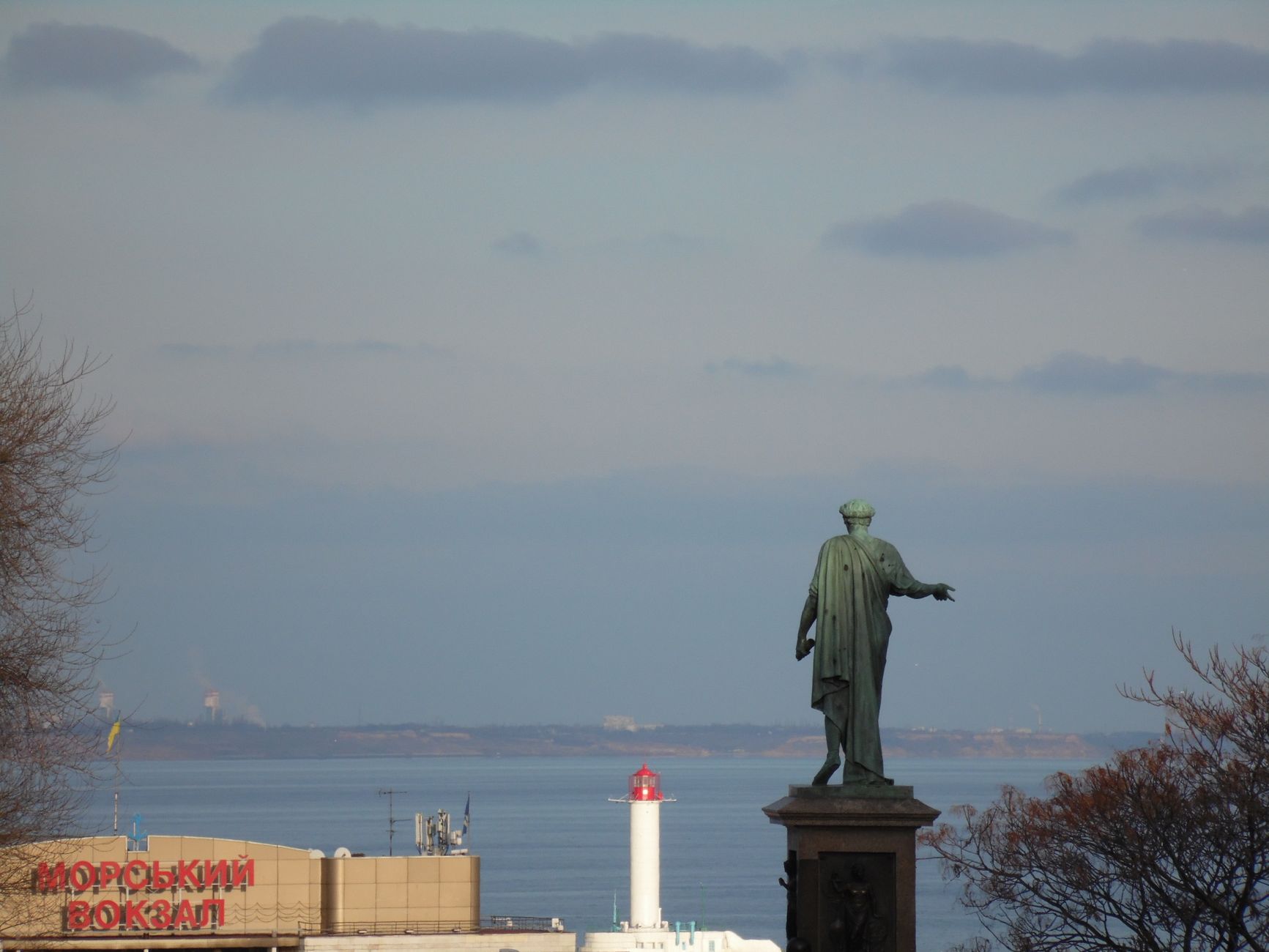
Start at Deribasivska Street for morning coffee and a walk along the pedestrian section; allow 60–90 minutes to take in outdoor cafés, small shops and the end point near Pushkinska Street. From there head to Primorsky Boulevard and the Duke de Richelieu monument; a 5–10 minute walk connects the two and offers photo stops of the harbour. Walk down the Potemkin Stairs; descending takes 5–10 minutes and the stone steps lead to the quay and the small funicular if a return by cable is preferable. From the quayside, cross to the Odesa Archaeological Museum and allocate 45–60 minutes to see the key exhibits, then walk 10–15 minutes up to the Opera and Ballet Theatre for a guided tour or to check performance times — tours usually take 45–60 minutes.
Day 2
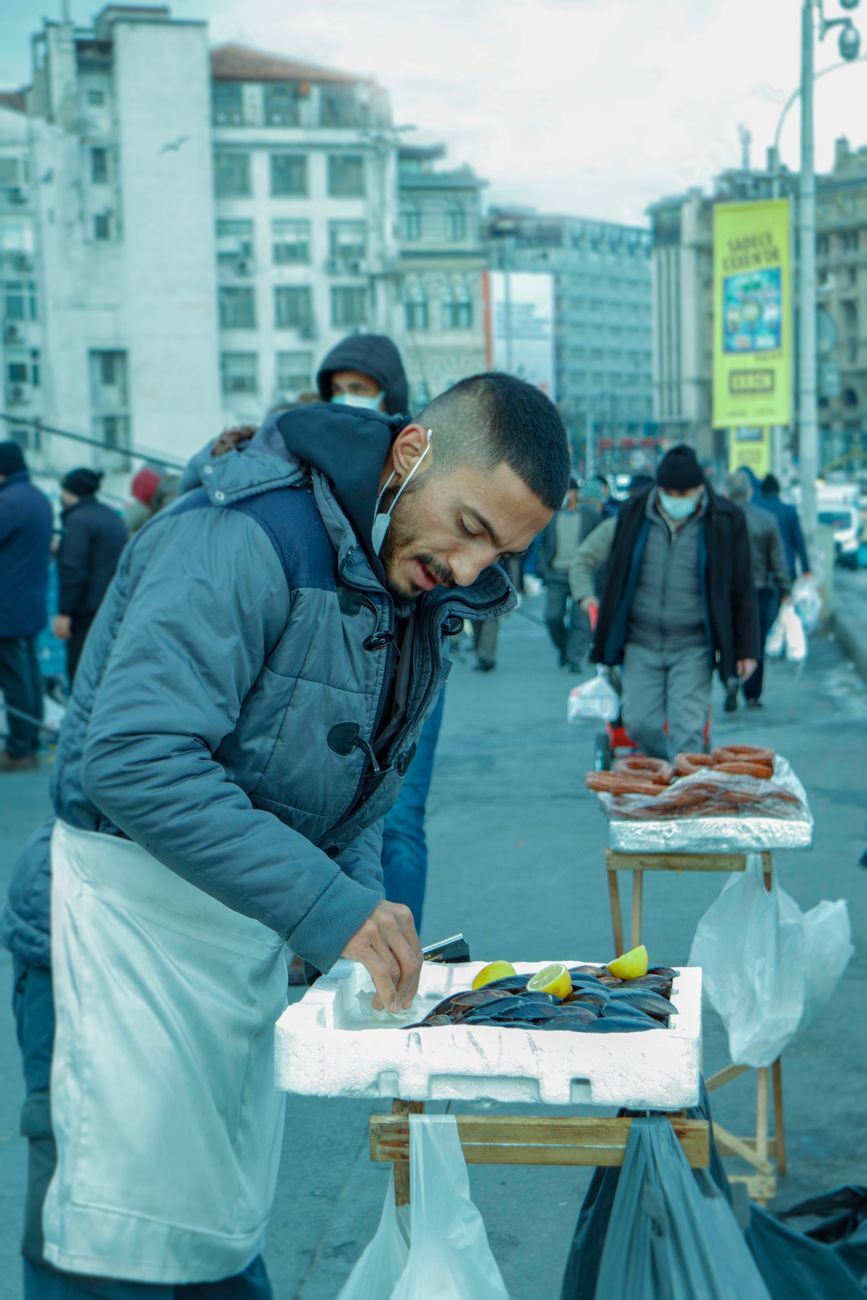
Begin at Pryvoz Market on Pryvozna Street to experience fish stalls, spices and small eateries; plan 60–90 minutes and bring cash. From Pryvoz, walk 10 minutes to the Museum of Western and Oriental Art and allow 60–75 minutes for highlights such as 19th-century collections. Take a tram or marshrutka to Lanzheron Beach for a late afternoon swim or seaside snack; tram lines and short marshrutkas take 15–25 minutes depending on route. End the day in Moldavanka neighbourhood for an evening of local bars and inexpensive shashlik; transit from the beach is typically 20–30 minutes by public transport or a 10–15 minute taxi ride. For dinner try a local canteen or a Puzata Hata on Deribasivska if looking for inexpensive local dishes.
Day 3
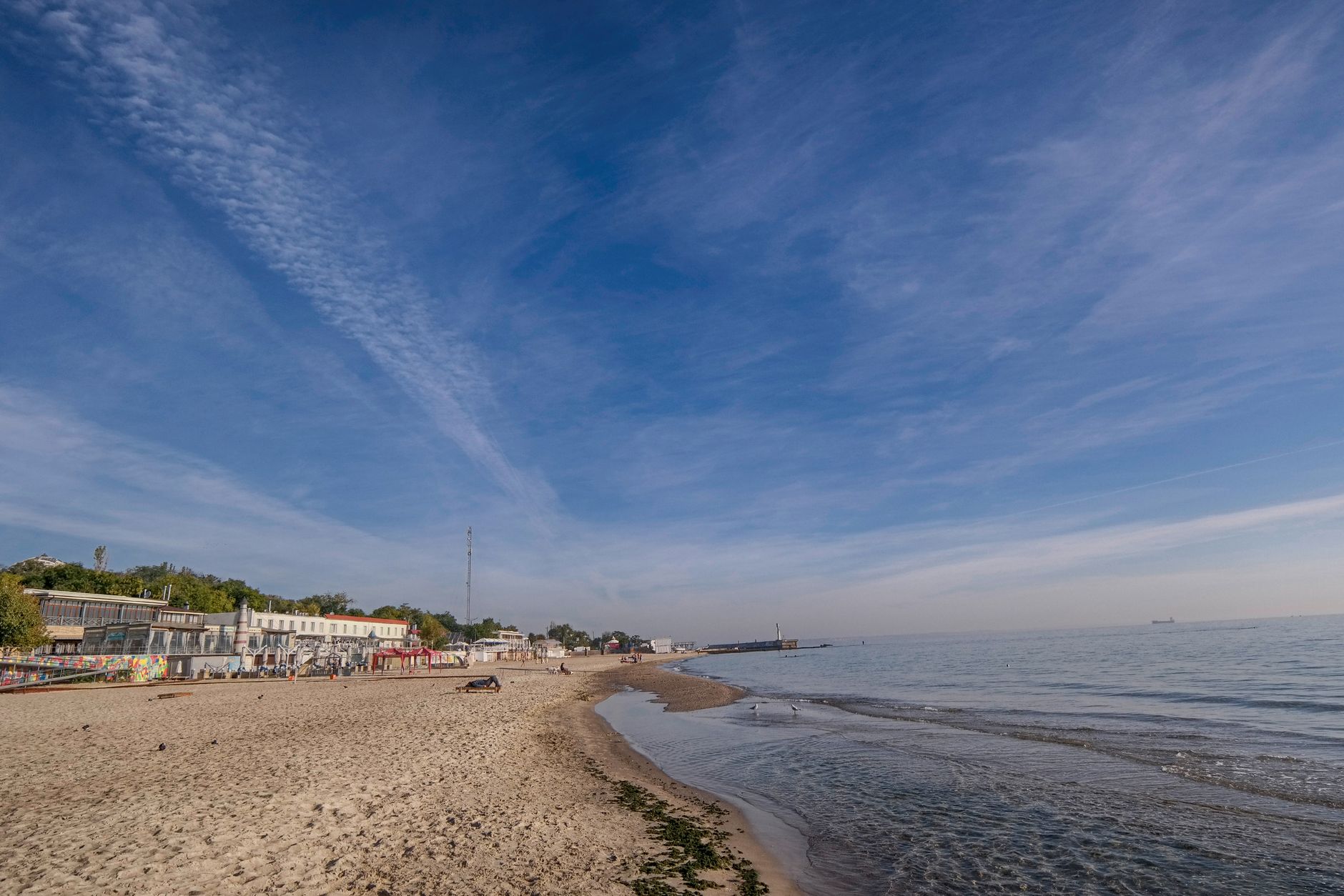
Allocate the morning to the Museum of Western and Oriental Art or Vorontsov Palace depending on interest; both require 45–90 minutes. After the museum, catch a bus or marshrutka to Arcadia Beach — travel time is 25–35 minutes from the city centre and routes run more often in summer. Spend midday at Arcadia for lunch at a seafront café and a walk along the promenade; beach clubs can be noisy but beaches have lifeguards in high season. If an afternoon flight or train is planned, leave Arcadia at least two hours ahead for airport travel by taxi (45–60 minutes) or 60–90 minutes to the station by taxi or public transport; allow extra time during rush hour.
Best Local Experiences
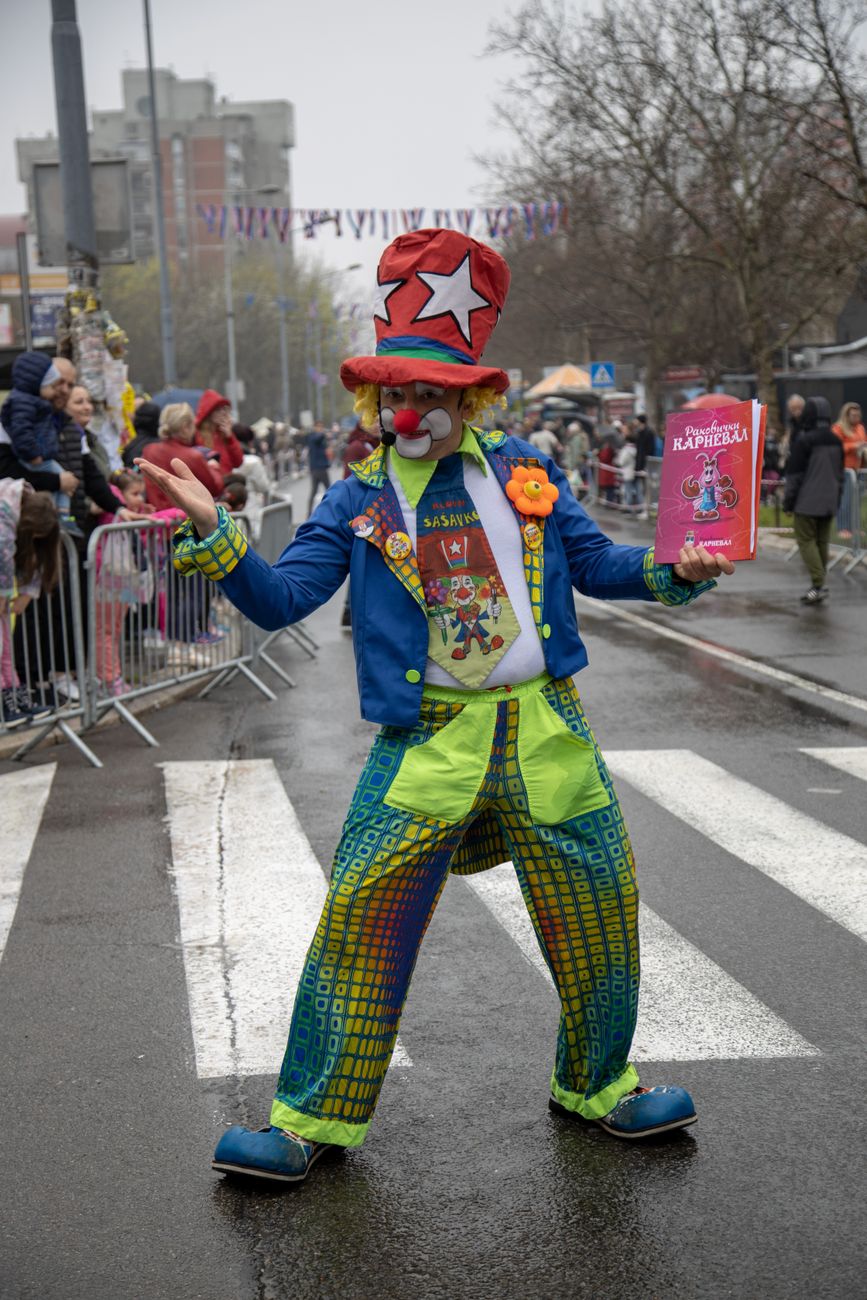
Spend time buying produce and sampling small plates at Pryvoz Market rather than a single restaurant visit; the fish and cheese stalls are worth a morning. Attend Humorina if visiting in early April for the street parade and satirical events around Deribasivska and Primorsky Boulevard. Try an evening at the Opera for architecture and performance or a daytime guided tour of the auditorium for a quicker option. Walk the historical Moldavanka quarter to see working-class architecture and local murals; the area is best during daylight. Experience the evening promenade along Primorsky Boulevard at sunset, when vendors set up and the harbour shifts from industrial to social use.
Where to Stay
City centre / Primorsky (near Deribasivska): suits first-time visitors who want walking access to main sights and restaurants; near Primorsky Boulevard and the Opera; expect midrange hotels from about 1200–3000 UAH per night (≈30–80 EUR / 35–85 USD). Arcadia and Lanzheron beachfront: suits travellers prioritising beach time and nightlife; close to Arcadia clubs and Lanzheron; budget 1500–4000 UAH per night (≈40–100 EUR / 45–110 USD) in summer when demand peaks. Moldavanka / Uspenska area: suits budget travellers and those wanting a more local neighbourhood atmosphere; near Pryvoz and short ride to the centre; simple guesthouses and apartments often cost 700–1600 UAH per night (≈18–45 EUR / 20–50 USD).
Food and Drink
Syrniki: fried cottage cheese pancakes served with jam or sour cream; find them at breakfast cafés and local canteens for about 40–120 UAH. Vareniki: filled dumplings with potato, cheese or cherries; available at Puzata Hata and family restaurants for roughly 50–120 UAH per plate. Shashlik: skewered grilled meat common at outdoor stands and Moldavanka eateries; expect 120–250 UAH depending on portion size. Marinated sprats and Black Sea fish: small fried or pickled fish appear at Pryvoz stalls and seaside restaurants; sample for 60–200 UAH depending on preparation. Street shaurma (shawarma): an inexpensive and widely available street wrap sold near transport hubs and beaches for 50–120 UAH and useful for quick meals between visits.
Getting Around
Public options include trams, trolleybuses, buses and marshrutkas (shared minibuses); there is also a short funicular between Primorsky Boulevard and the quay. Single-ride fares for municipal trams and trolleybuses are typically around 10–15 UAH; marshrutkas charge similar or slightly higher fares depending on distance. Use Bolt or Uklon apps for metered taxi rides and compare with local drivers; expect airport taxi fares in the range of 300–600 UAH (≈8–16 EUR / 9–18 USD) depending on traffic and vehicle. Local transit information is available through municipal timetables and Bolt/Uklon for ride options; carry small cash for marshrutkas and some tram vendors.
Best Time to Visit
Late spring (May–June) and early autumn (September) offer warm weather without peak summer crowds; daytime temperatures typically range 18–26°C and prices are lower than July–August. July and August are hottest (24–30°C) and busiest at Arcadia; expect packed beaches and higher hotel rates. Winter months bring colder temperatures around 0–6°C, fewer tourists and reduced beach services; museums and cafés remain open but some seasonal venues close. For festivals, early April brings Humorina street events and the calendar of cultural events peaks in late spring and late summer.
Budget and Practical Tips
Low-budget daily estimate: 1200–1700 UAH (≈30–45 EUR / 35–50 USD) covering hostel or budget guesthouse (700–900 UAH), cheap meals (200–300 UAH), public transport and small fees. Mid-range daily estimate: 2500–4500 UAH (≈60–110 EUR / 70–120 USD) for a midrange hotel (1500–3000 UAH), meals at casual restaurants, a museum or two and occasional taxi rides. Higher budget: 5000+ UAH (≈120+ EUR / 140+ USD) for private apartments or boutique hotels and restaurant dinners. Tipping is appreciated but not obligatory; 5–10% in sit-down restaurants is common practice. Carry some cash; small vendors, marshrutkas and beach kiosks are often cash-only.
FAQ
Is Odessa safe for tourists?
Everyday safety is comparable to other European port cities; avoid poorly lit backstreets at night, keep an eye on belongings in crowded trams and markets, and use registered taxis or Bolt/Uklon after dark.
What is the best way to get from Odesa International Airport to the centre?
A Bolt or Uklon taxi takes about 30–40 minutes and costs roughly 300–600 UAH; airport minibuses and local buses run at lower cost but require navigation of stops.
Are cards widely accepted, or should I carry cash?
Cards work in most hotels, restaurants and larger shops, but bring UAH cash for Pryvoz Market stalls, small beach kiosks and many marshrutkas.
Is a city card or tourist pass worth buying?
There is no single widely used city sightseeing pass that covers all transport and major attractions; buying individual tickets and using Bolt/Uklon tends to be simpler for a three-day stay.
Can day trips be done to nearby destinations?
Short trips to Bilhorod-Dnistrovskyi or to the Danube estuary area are possible but require an early start; regional bus or organized tours are practical options.
How much walking is involved?
Expect significant walking on stone pavements around Deribasivska and Primorsky Boulevard; comfortable shoes are advisable and short taxi rides can save time between distant sights.
Are beaches swimmable and when are they busiest?
Beaches are swimmable from late May to September, with July–August the busiest; lifeguards and beach services increase in high season.
Do locals speak English?
Ukrainian and Russian are the main languages, and restaurant staff and drivers in tourist areas often speak some English, but learning basic phrases helps in markets and local neighbourhoods.
Conclusion
Three days provide a compact but realistic experience: a concentrated set of architectural highlights, market discoveries and at least one seaside afternoon. Most visitors will remember the mix of grand 19th-century façades and the blunt, noisy market culture more than any single museum. If time becomes tight, prioritise a morning on Deribasivska and Primorsky Boulevard plus an hour at Pryvoz Market; that combination delivers the clearest sense of local life in a short stay.
How this guide was prepared
This guide was prepared through a structured research that combines destination research, geographic context, itinerary planning logic, and content review.