
3 Days in Tulsa: Practical Itinerary for a Long Weekend
A clear, practical 3-day guide for Tulsa that lists transit options, exact museum picks, neighbourhood routes, dining spots, and realistic daily budgets.
A no-nonsense 72-hour plan focused on arts, parks, Route 66 history and local plates, with transit tips and realistic timing to avoid wasted hours.
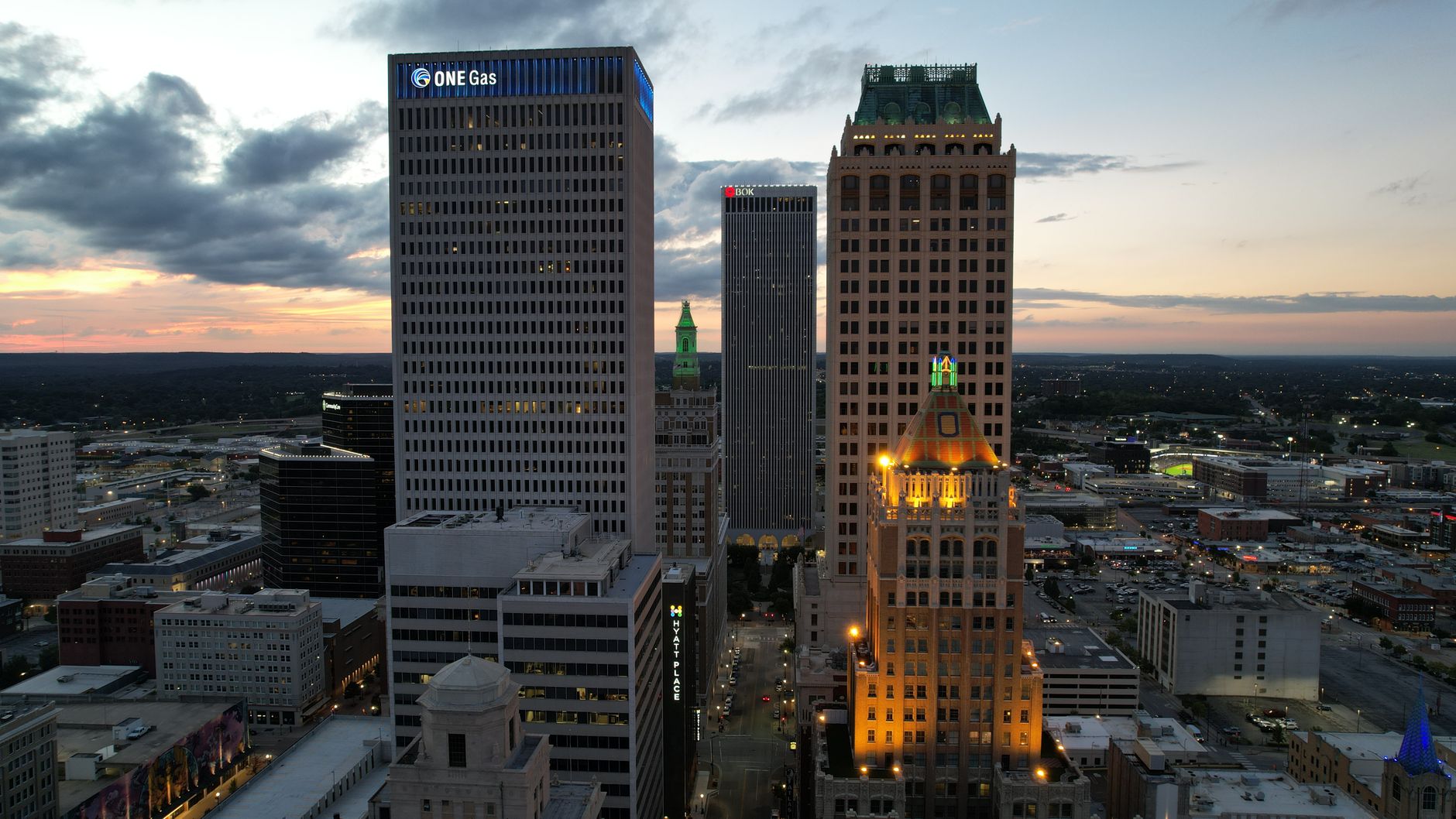
First impressions are often a mix of mid-century art deco downtown buildings, big green space along the Arkansas River, and pockets of lively bars and restaurants in distinct neighbourhood strips. The pace is relaxed; travel between clusters (for example Philbrook or Gilcrease to downtown) is easier by car or rideshare than by walking. Expect uneven public transit coverage and a strong car culture — parking is common and many key sites have dedicated lots.
Visitors sometimes arrive expecting a compact historic centre; instead plan on blocks of activity separated by short drives. The city suits travellers who want museums and a large urban park experience, neighbourhood dining rather than continuous pedestrian shopping, and venues with scheduled shows or limited opening days. Mornings can be quiet; late afternoons and event nights get noisy around Cain's Ballroom and the Blue Dome District.
Practical habits that help: group museum stops on the same day, reserve concert or museum tickets ahead, and allow extra time for weekend parking at popular sites.
Is 3 days in Tulsa enough?
Yes — three days lets a traveller see Gathering Place, Philbrook, Gilcrease, the Brady Arts/Blue Dome corridors and a real neighborhood meal scene. Expect to skip detailed side trips (like El Reno onion-burger runs or extended day trips to Oklahoma City) unless extra travel time is available.
Who This Guide Is For
Best for culture-minded travellers who like museums, parks and relaxed neighbourhood dining; less suitable for people expecting dense, walkable sightseeing or extensive public-transit-only routing.
Local Tips for Tulsa
Practical details that most travel sites skip — specific to Tulsa.
- Gathering Place is free to enter; weekend parking at the main lots can fill by mid-morning — use the south lot off 21st Street & Riverside or arrive before 9am.
- Tulsa Transit uses the Token Transit e-fare app for mobile tickets; a single cash fare is $1.75 and the app supports day passes and transfers.
- Philbrook Museum of Art adult admission is typically around $15–$18; check philbrook.org for ticketed special exhibitions which carry extra fees.
- Cain's Ballroom frequently has standing-room shows; buy tickets on Ticketmaster or cainsballroom.com and expect general-admission floor policies on many gigs.
- The Golden Driller at Expo Square is free to visit and sits just north of the I-44/21st Street corridor — easy roadside stop when driving to the Tulsa State Fairgrounds.
How This Guide Was Prepared
This guide treats Tulsa as a mid-sized, car-forward arts city with a distinctive park and museum cluster rather than a compact walking downtown. Many guides over-emphasize architecture tours or one-hit Route 66 stops; this guide prioritizes how to move between major attractions, where locals actually eat, and what typically closes on Mondays or Sundays. This guide was prepared through a structured research that combines destination research, geographic context, itinerary planning logic, and content review.
Plan Your Stay in Tulsa
Use this itinerary as your starting point, then compare areas to stay, transport options, seasonal timing, and realistic daily costs before booking.
Why Visit
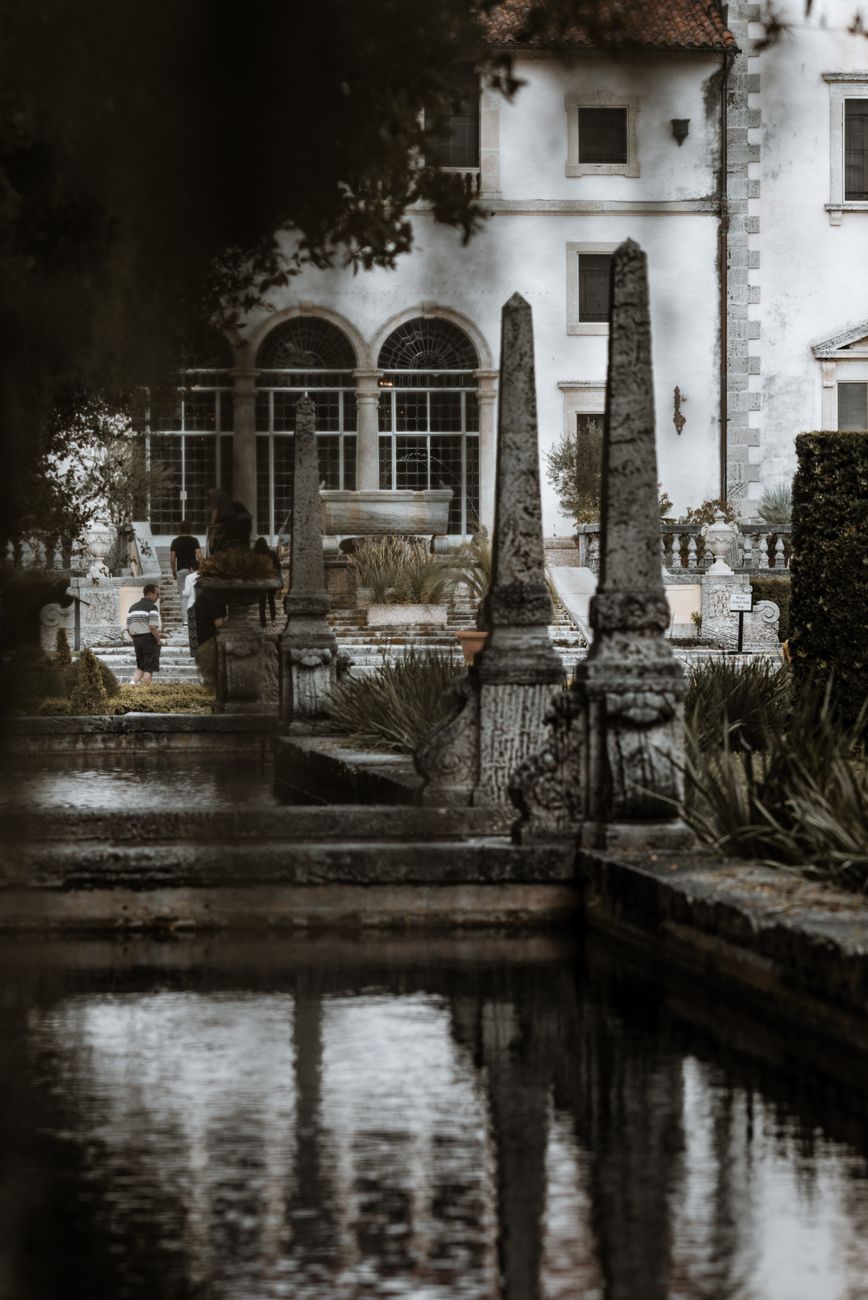
This area concentrates several strong cultural institutions in short driving distance: Philbrook Museum of Art (villa, gardens and modern wings) and Gilcrease Museum (western and Native American collections) make a compact museum route that many visitors miss. A large, well-maintained urban park — Gathering Place — offers riverfront paths, playgrounds, boathouse activity and rotating programming without admission fees.
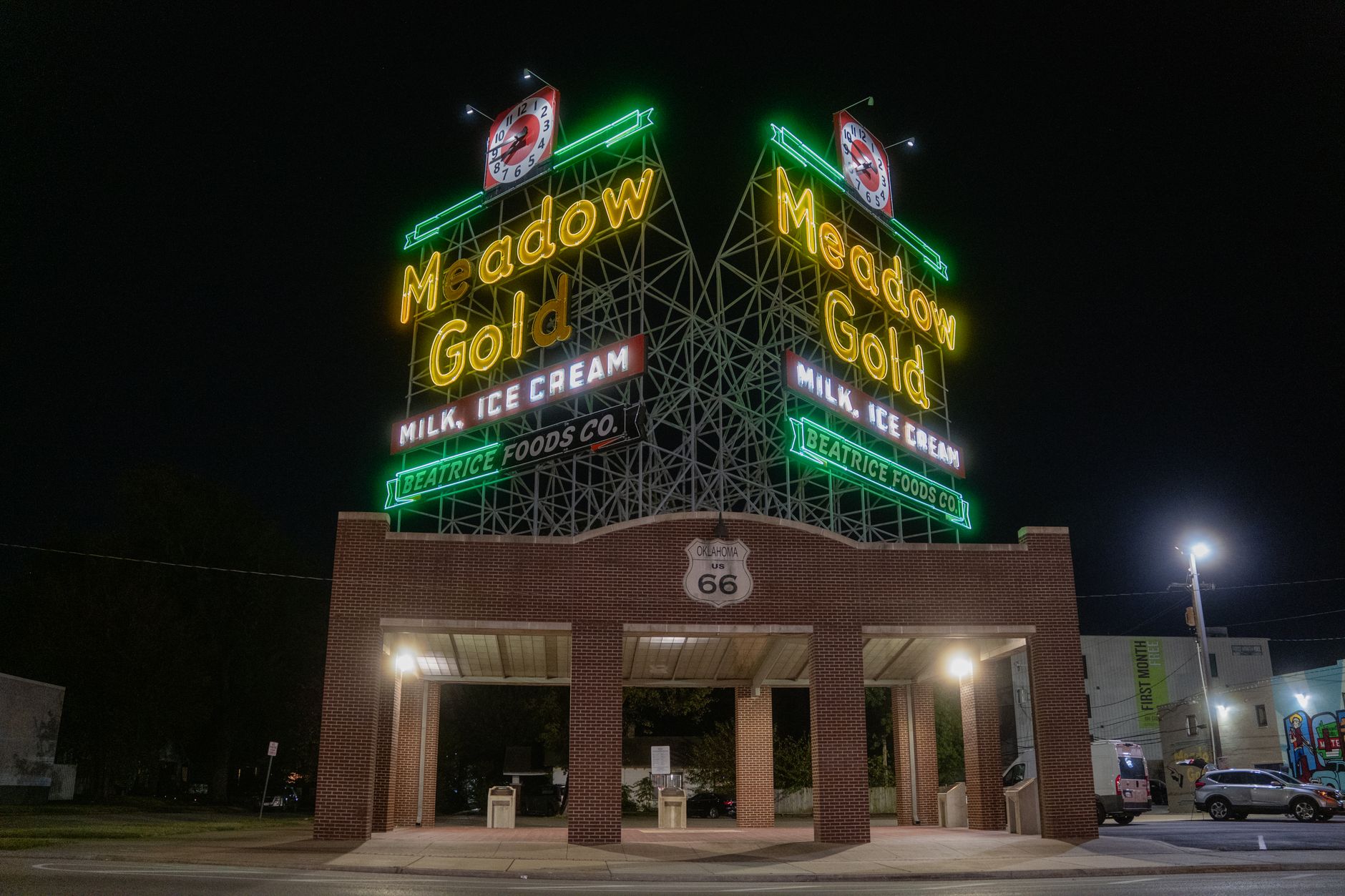
The music scene has specific pulls: Cain's Ballroom and the Brady Arts District host touring acts and local shows with character not found in many same-size cities. Route 66 heritage surfaces here in several preserved signs and the Blue Dome District’s neon, offering an accessible slice of mid-century Americana.
Finally, neighbourhood strips like Cherry Street and Brookside give a short list of cafes, independent shops and low-key evening spots where most dining is informal, predictable and good-value. For travellers who prefer museums, park time and music over a nonstop entertainment schedule, these concentrated offerings make a three-day visit productive and calm.
Quick Planning Tips
Fly into Tulsa International Airport (TUL); allow 15–25 minutes to downtown in normal traffic. Rideshare, taxis and rental cars are the fastest options; public buses exist but are slower between dispersed attractions.
Pay with US dollars; most places accept cards but smaller cafes or farmers market vendors may prefer cash. Use Token Transit or the Transit app for bus tickets and real-time route info; Google Maps reliably shows bus options too. Expect limited Sunday hours at some museums and restaurants — plan museum days for Tuesday–Saturday when possible.
Avoid the mistake of assuming all attractions are in easy walking distance of each other. If attending a concert at BOK Center or Cain's Ballroom, reserve parking or allow extra time for lines. Check event calendars and museum websites for temporary closures or ticketed exhibits before finalizing the schedule.

Day 1
Morning: Start downtown near the BOK Center and walk a short loop to the Woody Guthrie Center (allow 1–1.5 hours). The Woody Guthrie Center sits on East Reconciliation Way; most visitors spend around an hour exploring exhibits, listening stations and archival displays. Walk time between the Woody Guthrie Center and Guthrie Green is about 6–8 minutes.
Late morning: Move to Guthrie Green for a coffee and a quick look at the park schedule. Guthrie Green often hosts pop-up markets and live music; if there’s a midday performance, plan 45–60 minutes here. Lunch: Walk or ride two blocks to a nearby café in the Arts District — select a place with patio seating in the Blue Dome/Brady area. Expect 10–15 minutes walking between Guthrie Green and Blue Dome District venues.
Afternoon: Head to the Philbrook Museum of Art (about a 12–18 minute drive from downtown, depending on traffic). Allow 2–3 hours to tour the house, sculpture garden and the modern galleries. The museum cafe is convenient if staying mid-afternoon.
Evening: Return toward Brady Arts District for dinner in the Blue Dome or on Cherry Street (drive time from Philbrook typically 15–25 minutes). Finish with a live-music show at Cain's Ballroom or a relaxed drink at a local gastropub in the Brady area. Expect higher noise levels and busier streets after 8pm.
Day 2
Morning: Dedicate this day to Gathering Place and the Arkansas River corridor. Start by parking at one of the park lots (south lot is often less crowded on weekdays) and take the riverfront trails toward the playgrounds and boathouse. Allow 2–3 hours for a relaxed loop that includes the chapter house areas and the river lookout.
Late morning: From Gathering Place, drive 10–15 minutes north to the Gilcrease Museum. Gilcrease’s collections and grounds require 1.5–2 hours for a meaningful visit; check for temporary exhibitions that may add time or an extra fee.
Lunch: Eat at the Gilcrease café or stop on the return toward Utica Square/Cherry Street for a neighbourhood sandwich spot. Drive time between Gilcrease and Cherry Street averages 12–20 minutes depending on route.
Afternoon: Explore Cherry Street and Brookside: independent shops, antique stores and cafes line Utica Avenue and Peoria. This neighbourhood offers an easy walking loop of 45–90 minutes with optional stops at independent bookstores or bakeries.
Evening: Book a reservation on Cherry Street or return to the Blue Dome District for a different restaurant. If the BOK Center has an event, consider attending; parking near the arena is ample but arrives early to avoid lines. This day emphasizes green space and two major museums rather than downtown nightlife.
Day 3
Morning: Start with a Route 66 walking stretch in the Blue Dome District, photographing neon signs and the old service-station façades. Allow 30–60 minutes depending on interest. From there, drive west to the Golden Driller at Expo Square for a quick photo stop; this adds roughly 10–15 minutes of driving.
Late morning: Visit Utica Square for a relaxed shopping and coffee break, then head to a small historic site or neighborhood park. Utica Square sits about 5–10 minutes from midtown dining strips and is easy to pair with a mid-morning errand.
Lunch: Pick a classic American diner or barbecue spot for a final Tulsa meal; choose a place near the airport road if catching an afternoon flight. Travel time to Tulsa International Airport is commonly 15–25 minutes from midtown, so plan accordingly.
Afternoon/Departure: If a flight is scheduled in the late afternoon, leave downtown at least 90 minutes before domestic departure to allow for traffic, rental car return and airport checks. If not catching a plane, use the afternoon for a last museum stop such as the Oklahoma Jazz Hall of Fame or a neighbourhood walk on Brookside. End the trip with a final coffee or pastry near the hotel before checkout.
Best Local Experiences
Gathering Place — large free riverfront park with playscapes, trails and boat rentals that reward an extended visit. Philbrook Museum of Art — villa, formal gardens and modern galleries; best art stop for architecture and European/Native American collections. Gilcrease Museum — strong collection of western and Native American art and artifacts; quieter than Philbrook and often has different temporary shows.
Cain's Ballroom and the Brady Arts District — attend a live show in a historic venue or browse nearby galleries. Cherry Street and Brookside — local cafés, bakeries, and small shops that show how Tulsans spend casual weekends. Route 66 photo run — neon and old service-station façades concentrated around the Blue Dome corridor make a short, rewarding walking route.
Additional picks: Utica Square for low-key shopping, the Golden Driller and Expo Square for quick photo stops, Woody Guthrie Center for music history, occasional farmers markets (Cherry Street farmers market on Saturdays) and Guthrie Green programming in the Arts District.

Where to Stay
Downtown/Arts District (Brady/Blue Dome): Suited to visitors who want nightlife, theatre and short walks to Guthrie Green and Cain's Ballroom. Close to BOK Center and many restaurants. Expect roughly $120–$220 per night (USD), about €110–€202 / $120–$220 USD depending on season.
Cherry Street/Brookside: Suited to those who prefer neighbourhood cafes, boutique shops and quieter evenings. Within easy driving distance of Philbrook and midtown dining. Nightly rates typically $90–$160 (USD), roughly €83–€147 / $90–$160 USD.
Midtown/Utica Square: Suited to shoppers and families wanting a calm base near independent stores and parks. Good for those with a rental car. Nightly rates often $100–$175 (USD), about €92–€161 / $100–$175 USD.
Notes: Many hotels add event or parking surcharges during conventions or fair dates. Choose a place with on-site parking if renting a car. Prices above are averages; premium weekends (concerts, state fair) push rates higher.
Food and Drink
Breakfast option — kolaches or a diner-style breakfast with coffee at an independent bakery on Cherry Street; expect $6–$12 for a pastry and coffee. Street food — a classic Oklahoma onion burger or hot plate style burger found at local diners and drive-ins; price typically $6–$10.
Dinner recommendation — smoked brisket or ribs at a reputable regional barbecue spot; expect $12–$20 for an entrée at a mid-range barbecue joint. Local specialties and where to find them: chicken-fried steak (heavy breaded cutlet with gravy) at longstanding diners; price $10–$16. Fried pies and pie slices at local bakeries as an afternoon treat for $3–$6.
Drinks: Local craft breweries and taprooms in the Brady/Blue Dome area and Brookside serve IPAs, stouts and small-batch beers around $6–$8 per pint. Look for local roasters at cafes on Cherry Street for quality espresso and pour-over options for $3–$5.
Plan meals around museum times and event schedules; many casual restaurants fill quickly on concert nights and some neighbourhood spots close between lunch and dinner service.
Getting Around
Primary modes: rental car or rideshare are the most practical choices for efficient movement between attractions. Tulsa Transit operates fixed-route buses serving downtown and neighbourhood corridors; the Token Transit app sells mobile tickets. Google Maps and the Transit app show schedules and live bus tracking.
Fare notes: single cash bus fare is $1.75; Token Transit provides e-fare purchase and options for day passes. Taxis and rideshares (Uber, Lyft) are widely available; expect an airport taxi or rideshare fare to downtown around $25–$40 depending on traffic and surge pricing.
Key transit hubs: downtown stops cluster near 3rd Street and Cincinnati Avenue; major arterial roads for driving are 11th Street, 21st Street and Riverside Drive. Parking: metered downtown spots and paid lots near major venues; event nights require arriving earlier for convenient lots.
If avoiding driving, plan travel time generously — bus routes often take longer than driving for museum-to-museum transfers.
Best Time to Visit
Spring (April–June): Temperatures 60–85°F (15–29°C). Pleasant weather for Gathering Place and outdoor museum gardens; late April and May offer good value before peak summer hotel rates. Expect higher crowds on weekends and during college graduation dates.
Summer (July–August): Hot, humid days 80–95°F (27–35°C). Parks are usable early morning and late afternoon, but midday museum visits are a common strategy. Hotel rates peak during major events; humidity can make long daytime walks uncomfortable.
Fall (September–October): Temperatures 55–80°F (13–27°C). Often the best balance of cooler weather and lower hotel prices after summer. Many festivals and outdoor events run in September.
Winter (November–March): Temperatures 30–55°F (-1–13°C). Mild days are possible, but occasional cold snaps occur. Museums and indoor attractions remain steady options; shoulder-season hotel deals are common. For best overall value and comfortable park weather, aim for late April–May or September–October.
Budget and Practical Tips
Typical daily budget (mid-range traveller) in USD with approximate EUR equivalents: Accommodation $100–$160 (≈ €92–€147) per night; Food $35–$60 (≈ €32–€55) per day including one restaurant meal and snacks; Transport $10–$25 (≈ €9–€23) including occasional rideshare and bus fare; Entry fees and activities $10–$30 (≈ €9–€28) depending on museums and events. Total daily: roughly $155–$275 (≈ €143–€253).
Cheaper options: budget travellers can cut accommodation costs by staying outside core districts and rely on buses, pushing total daily budget toward $90–$130 (≈ €83–€120). Families should budget more for admissions and parking during peak times.
Tipping norms: standard US rules apply — 15–20% at sit-down restaurants, $1–$2 per drink at bars, 15–20% for taxi or rideshare if service was good. Museum coat checks and smaller services may accept $1–$3.
Practical tips: carry small cash for farmers markets or food stalls, confirm museum hours before arrival, and reserve concert or special-exhibition tickets in advance to avoid sold-out disappointment.
FAQ
Is Tulsa safe for tourists?
Most neighbourhoods are fine for daytime sightseeing and staffed attractions; normal urban precautions apply — avoid poorly lit streets at night and keep valuables out of sight.
How do I get from Tulsa International Airport to downtown?
Rideshare and taxis take 15–25 minutes depending on traffic and cost $25–$40; some hotels offer shuttle services—confirm when booking.
Is a city pass or multi-attraction card worth buying?
No widely promoted city pass exists; buy tickets for Philbrook, Gilcrease or performances individually and look for temporary combo offers on museum websites.
Can public transit get me between the main attractions?
Tulsa Transit covers major corridors but is slower than driving; Token Transit e-fare is convenient, but rideshare or rental car is faster for a 3-day trip.
Are museums open on Mondays?
Several museums close or reduce hours on Mondays; plan museum visits from Tuesday through Saturday when possible and verify hours online before arrival.
Where is best for live music?
Check Cain's Ballroom and the Brady Arts District for ticketed concerts, and Guthrie Green for scheduled free or low-cost daytime performances.
Is there good barbecue and local cuisine?
Yes; local barbecue shops, diners serving chicken-fried steak and onion-burger style options are common. Seek out neighbourhood barbecue joints for the best local experience.
What if arriving by train or bus instead of flying?
Tulsa is less rail-centric; Amtrak service is not available directly and most intercity travel is by bus or car. If arriving by long-distance bus, expect local transit or rideshare to reach hotels.
Conclusion
A well-paced 72 hours highlights the combination of a major new park, two strong museums and easy neighbourhood dining. Most travellers will remember easy riverfront walks at Gathering Place and the contrast between house-and-garden museum visits at Philbrook and the western collections at Gilcrease. If time runs short, prioritize Gathering Place for a morning and one museum (Philbrook or Gilcrease) for an afternoon — that pairing conveys the most distinctive cultural balance.
How this guide was prepared
This guide was prepared through a structured research that combines destination research, geographic context, itinerary planning logic, and content review.