

3 Days in Padova: A Compact Art and Food Itinerary
Three days in Padova: a compact, art-filled Italian city with Giotto frescoes, grand squares, a historic botanic garden and easy day trips to Venice or…
A focused 3-day itinerary for exploring Padova’s art, markets, and nearby escapes, with practical tips, neighborhood picks and transit advice.
Padova is a compact, lively university city in northern Italy known for its frescoes, broad Renaissance squares, and one of Europe's oldest botanical gardens. It suits culture lovers, foodies, and travelers who appreciate art, medieval streets, and relaxed cafés; families and day-trippers can enjoy museums, parks, and nearby hot springs. Three days gives a comfortable pace: day one for the historic center and basilica, day two for the Scrovegni Chapel, museums and markets, and day three for a leisurely trip to the Euganean Hills or Venice/Mestre. You'll have time to eat well, wander neighborhoods like Prato della Valle and the Jewish Ghetto, and visit a world-class botanic garden. This guide lays out a walkable itinerary, transport tips, and local picks.
Why Visit
A few reasons to choose this city for a long weekend: world-class Giotto frescoes in the Scrovegni Chapel, lively student energy from the ancient university, and generous public squares like Prato della Valle. The botanical garden is a UNESCO highlight and the markets around Piazza delle Erbe and Piazza della Frutta provide authentic local flavor. The compact center is easy to explore on foot, yet the city is also a smart base for day trips to Venice, Abano Terme and the Euganean Hills. You get art, history, good food and accessible nature without the crowds of larger regional hubs.

Quick Planning Tips
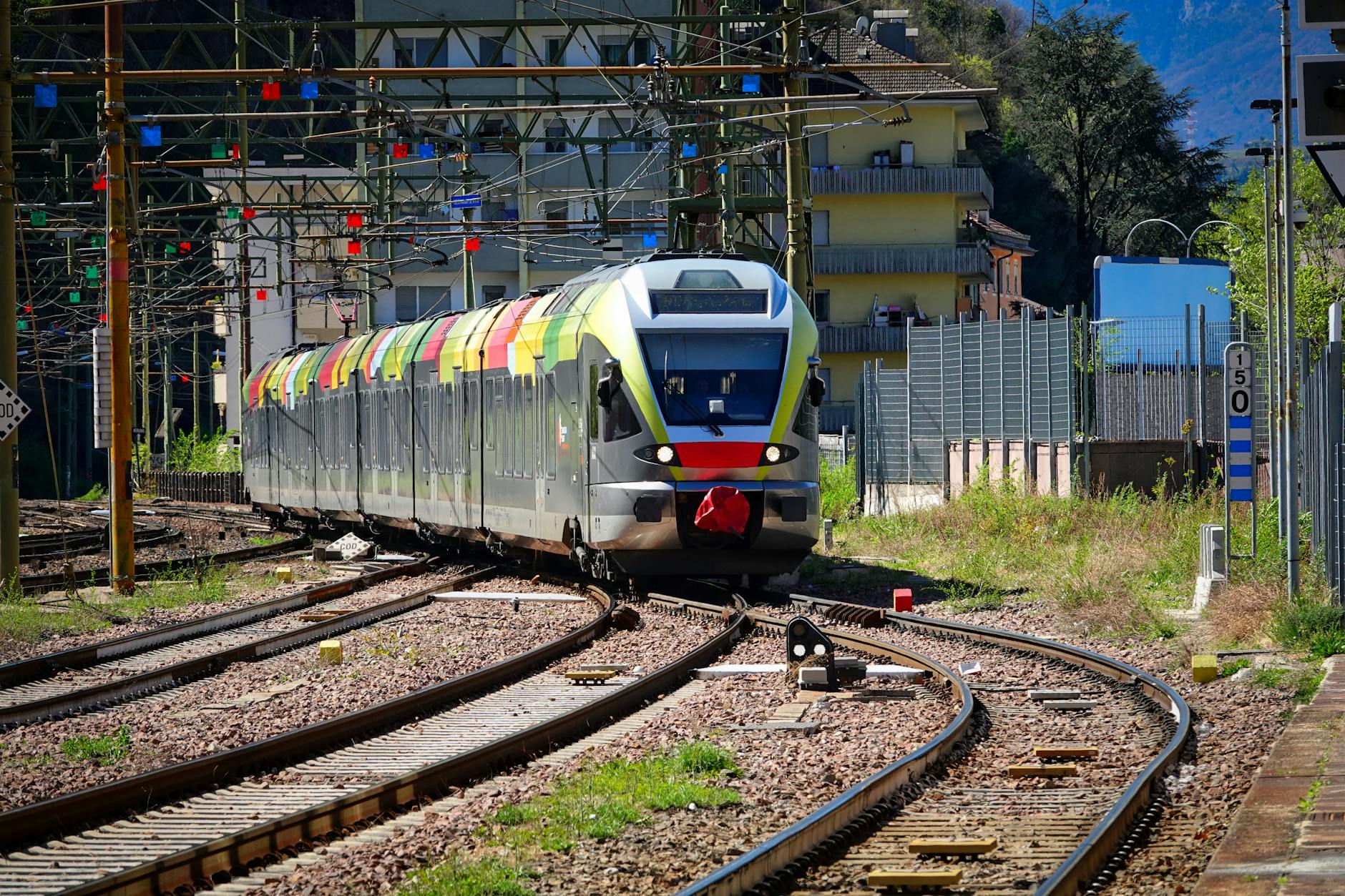
Book Scrovegni Chapel timed-entry tickets in advance—slots fill quickly. Arrive by train: the main station links frequently to Venice (Mestre and Santa Lucia), Vicenza and Bologna. The historic center is largely pedestrian; wear comfortable shoes for cobbled streets. Many museums close one afternoon a week—check hours before you go. Carry a transport card or buy single tickets for local buses; bike rentals are widely available near the station. If you plan a day trip to the spas at Abano Terme or wine tasting in the Euganean Hills, reserve in advance during weekends.
Day 1
Morning: Start at the Basilica di Sant'Antonio to admire its chapels and mosaics, then stroll to Piazza delle Erbe and Piazza della Frutta for a market-lunch of panini or cicchetti. Afternoon: Visit Palazzo della Ragione and its covered market; climb the nearby Torre or explore small artisan shops along Via Altinate. Late afternoon: Relax at Caffè Pedrocchi for a coffee or aperitivo. Evening: Walk through Prato della Valle at sunset—its green ellipse and statues are beautiful when lights come on. Everything here is walkable within 15 minutes between sights.

Day 2
Morning: Reserve the Scrovegni Chapel first thing to see Giotto's frescoes without crowds; guided tours add valuable context. Next, head to the Musei Civici agli Eremitani for archaeology and modern art. Lunch near the university district offers student-priced trattorie. Afternoon: Spend time at the Orto Botanico, exploring historic greenhouses and medicinal plant beds. Late afternoon: Walk the Jewish Ghetto and the narrow streets around Piazza dei Signori for gelato and window-shopping. Consider a short visit to Palazzo Zabarella for contemporary exhibits if time permits.

Day 3
Option A — Spa and hills: Take a short trip to Abano Terme for thermal baths or drive into the Euganean Hills for vineyard visits and short hikes. Option B — Venice day trip: Trains reach Mestre in 20 minutes and Santa Lucia in about 30–40 minutes for a full day in Venice. Option C — Slow Padova: Return to favorite spots, browse antique shops, and enjoy a longer meal at a classic osteria. Whichever you choose, leave time for an evening aperitivo back in the center and a final walk around Prato della Valle.

Best Local Experiences
Attend a guided tour of the Scrovegni Chapel to appreciate the fresco cycle. Try local Veneto dishes—bigoli pasta, polenta and seasonal risotto—at family-run osterie near Piazza della Frutta. Enjoy an aperitivo along the canals or at Caffè Pedrocchi, which has historic charm. Visit on a market day to see fresh produce, cheeses and flowers; the antique market in Prato della Valle is a weekend highlight. If you have time, catch a concert or lecture at the university for a lively local scene.

Where to Stay
Centro storico is best for first-time visitors—most landmarks are steps away and the evening scene is lively. Near the train station is practical for day trips and cheaper hotels. For a quieter, romantic stay consider a small B&B around Prato della Valle with canal views. Look for accommodations in restored palazzi for character; family-friendly hotels often offer larger rooms near the university quarter. Book early during festival weekends and summer.
Food and Drink
Start mornings with a coffee and pastry at Caffè Pedrocchi. For lunch, sample market stalls or a cicchetto bar near Piazza delle Erbe. Dine at trattorie on Via Altinate and in the Jewish Ghetto for regional Veneto cooking—order bigoli, seasonal risotto or a shared antipasto platter. For evening, find an aperitivo hour around Prato della Valle or Piazza dei Signori; try a spritz with local prosecco. Finish with gelato from artisanal shops near the university.
Getting Around
The historic center is compact and best explored on foot. Rent a bike for faster short trips—many rental shops near the station. Local buses connect neighborhoods and nearby spa towns; purchase tickets at tabaccherie or via apps and validate on board. Trains are frequent to Venice, Mestre, Abano Terme and Ferrara; regional services are reliable for day trips. Taxis are available but can be costly—use them for late arrivals or bulky luggage.
Best Time to Visit
Spring (April–June) and early autumn (September–October) offer pleasant weather, fewer tourists and lively outdoor dining. Late July and August can be hot and many locals take holidays, so some shops close. Winter is quieter and cheaper, with occasional foggy charm and festive markets. Festivals and university calendars affect crowds—check local event listings if you prefer a quieter or more cultural visit.
Budget and Practical Tips
Many highlights are low-cost: wandering squares, the botanical garden and markets. Scrovegni Chapel requires a paid timed ticket—reserve online to avoid disappointment. Consider the PadovaCard if planning multiple museums. Typical midrange meals run moderate compared with larger Italian cities; split dishes for value. Credit cards are widely accepted but carry small change for market stalls and bus tickets. Opening hours vary—shops often close midday and many museums close one weekday afternoon.
FAQ
Is 3 days enough to see the highlights?
Yes. Three days covers the basilica, Scrovegni Chapel, main museums, the botanic garden and leaves time for a nearby day trip. Prioritize timed-entry attractions early.
Do I need to book Scrovegni tickets in advance?
Strongly recommended. Entry is timed and slots sell out, especially on weekends and in high season.
Can I do a day trip to Venice from here?
Absolutely. Trains run frequently; allow 30–40 minutes to Santa Lucia and factor in walking time in Venice.
Is the city walkable with luggage?
Yes—most sights are compact, but narrow cobbled streets can be uneven. If you have heavy luggage, stay near the station or request a hotel pick-up.
Are there good options for families?
Yes. The botanical garden, Prato della Valle and interactive museum exhibits suit children, plus family-friendly trattorie are common.
How safe is the center at night?
The center is generally safe, with a strong student presence; usual urban precautions apply.
Conclusion
Three days here offer a balanced mix of art, markets, and easy escapes—book the Scrovegni Chapel, take relaxed walks through Prato della Valle and the Jewish Ghetto, and leave room for a spa or Venice day trip. With compact neighborhoods, great food and direct train links, this itinerary is adaptable whether you want an art-focused weekend or a slower Italian city break.
How this guide was prepared
This guide was prepared through a structured research that combines destination research, geographic context, itinerary planning logic, and content review.