
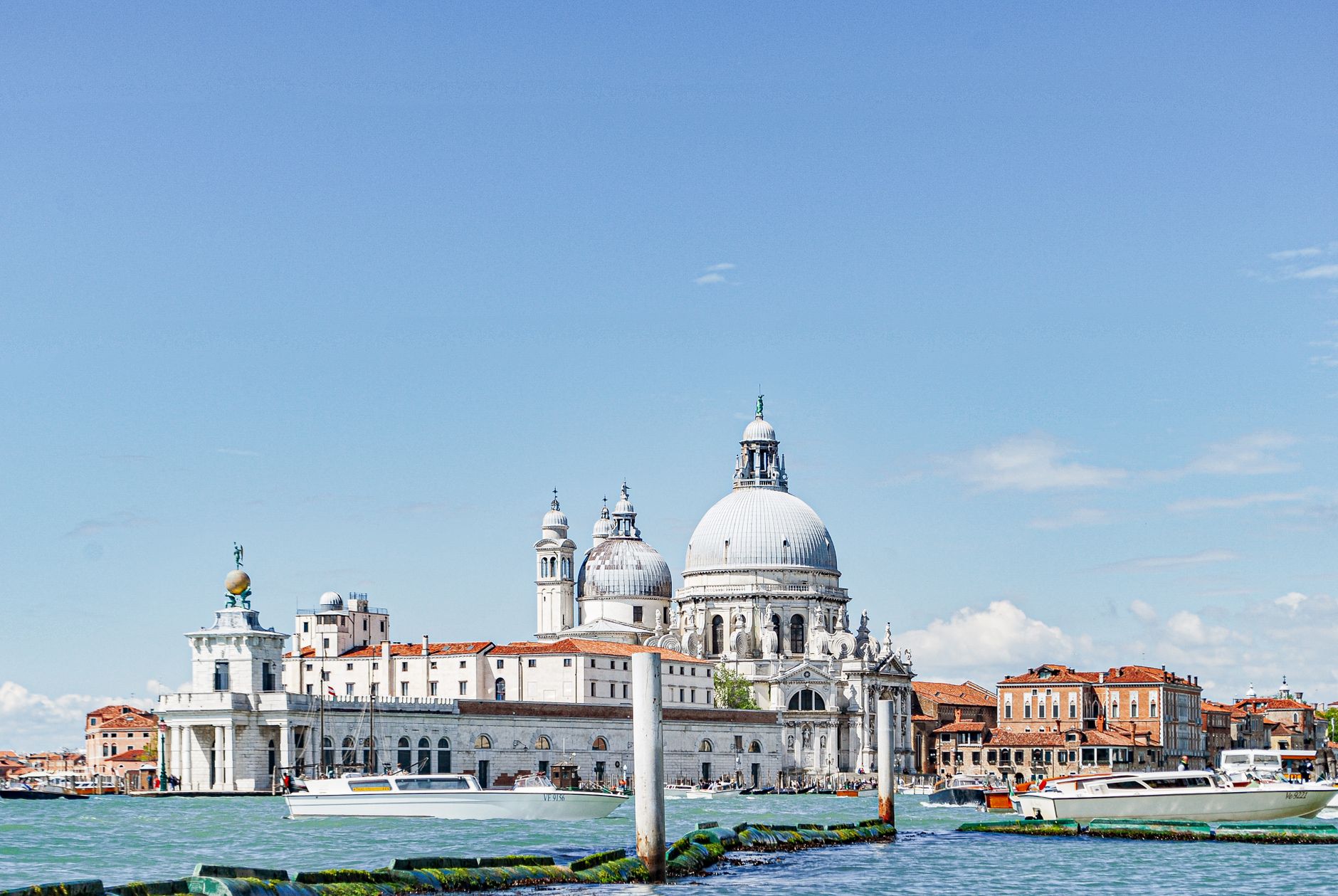
Three Days in Venezia: Practical 3-Day Itinerary and Tips
A practical three-day plan for Venezia covering transit, neighbourhoods, entry costs, and food so travelers can see major sites without wasting time.
A clear, no-nonsense three-day plan for Venezia that balances St. Mark’s area, island trips, and local food without overscheduling or tourist traps.
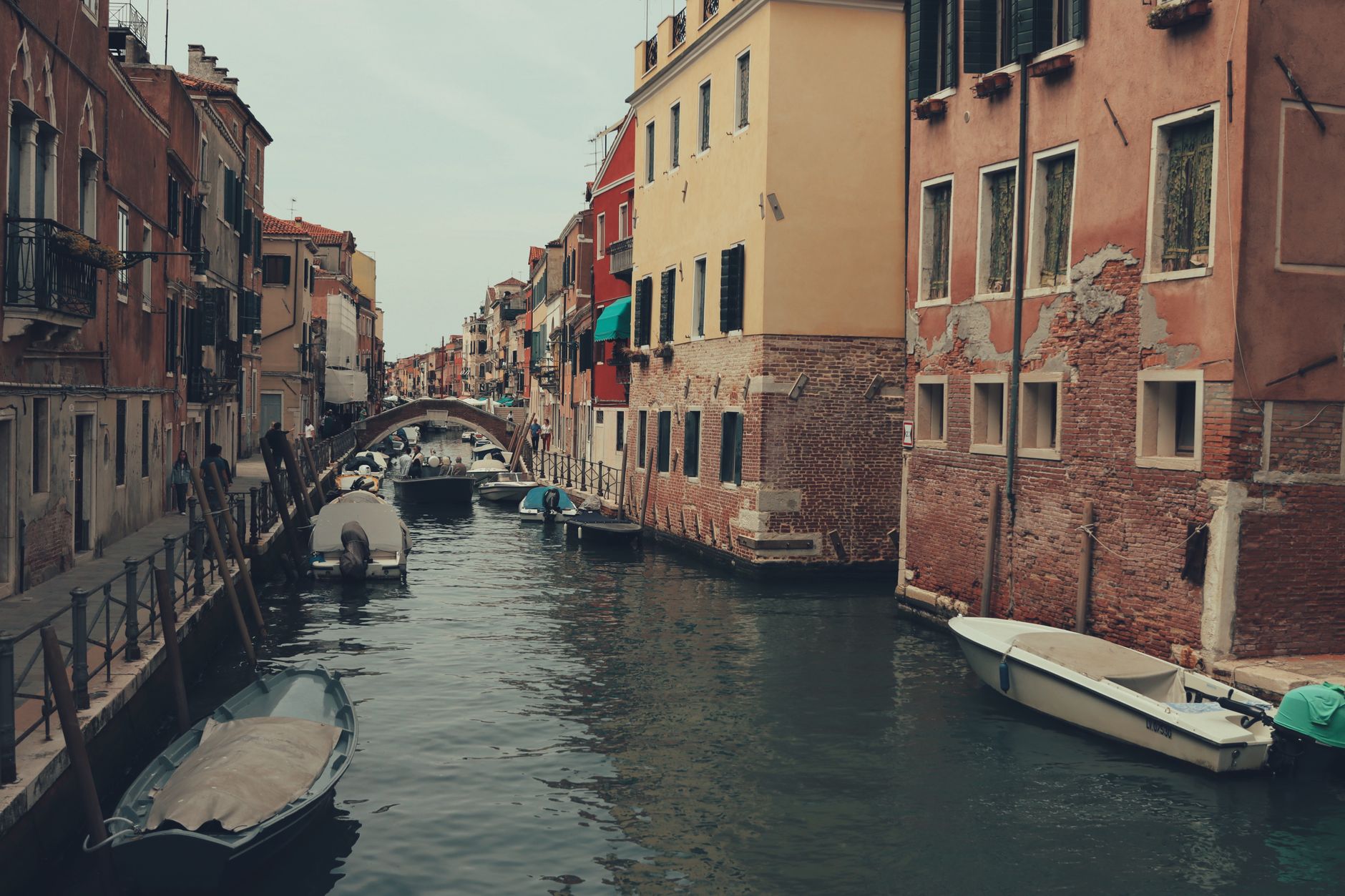
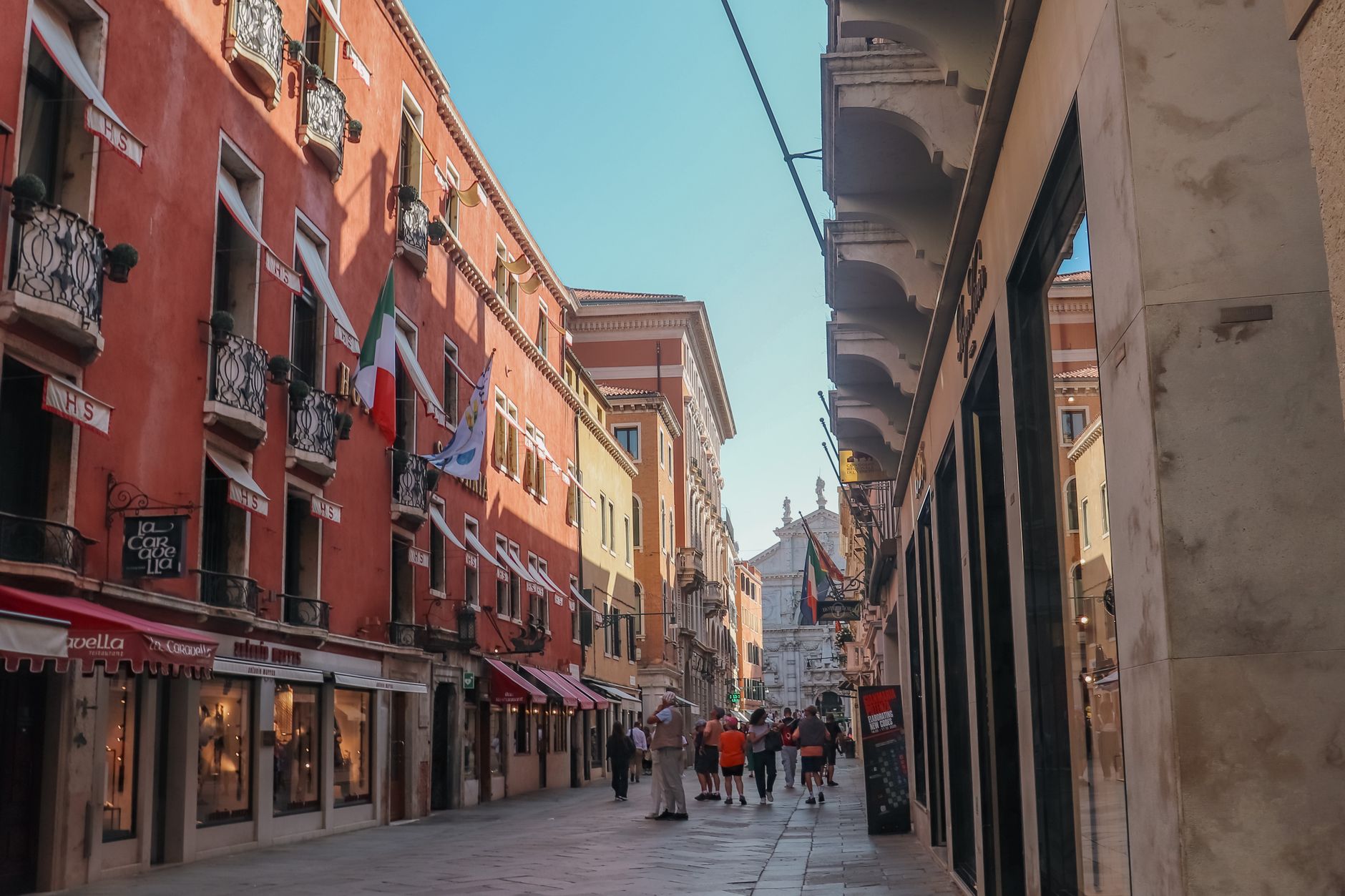
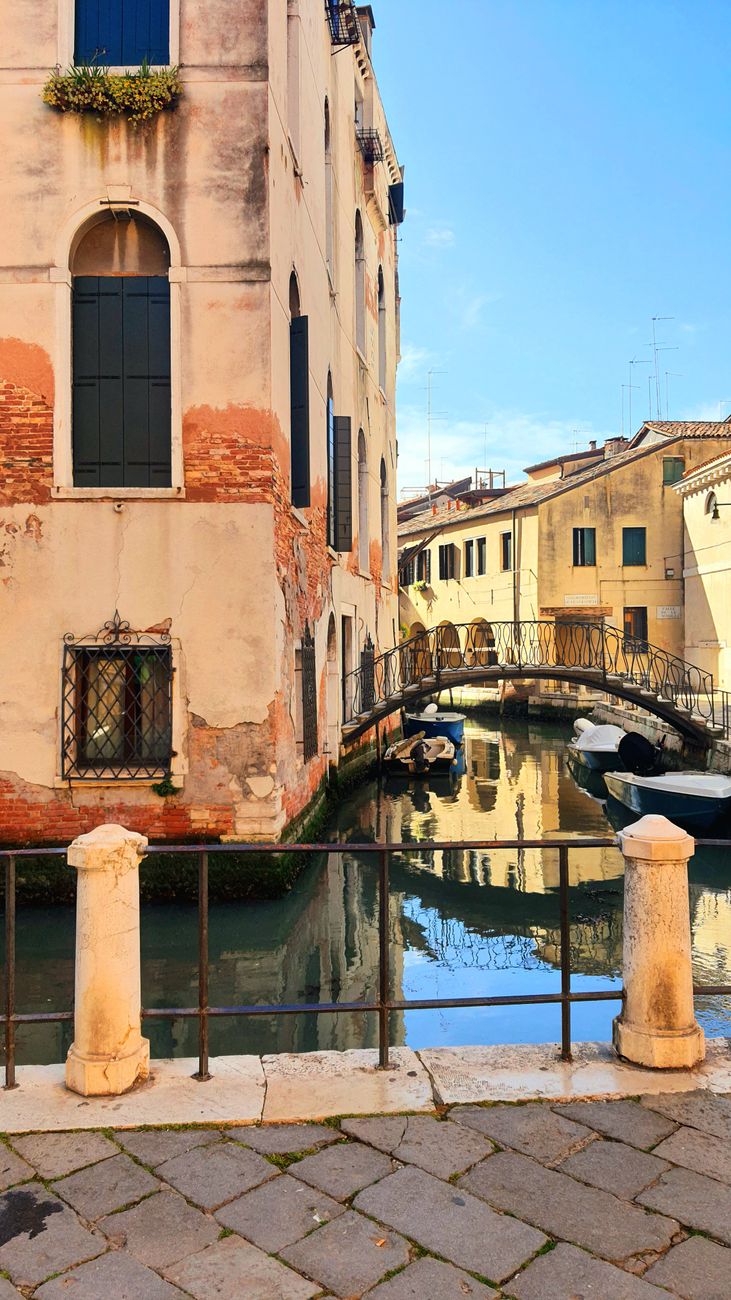
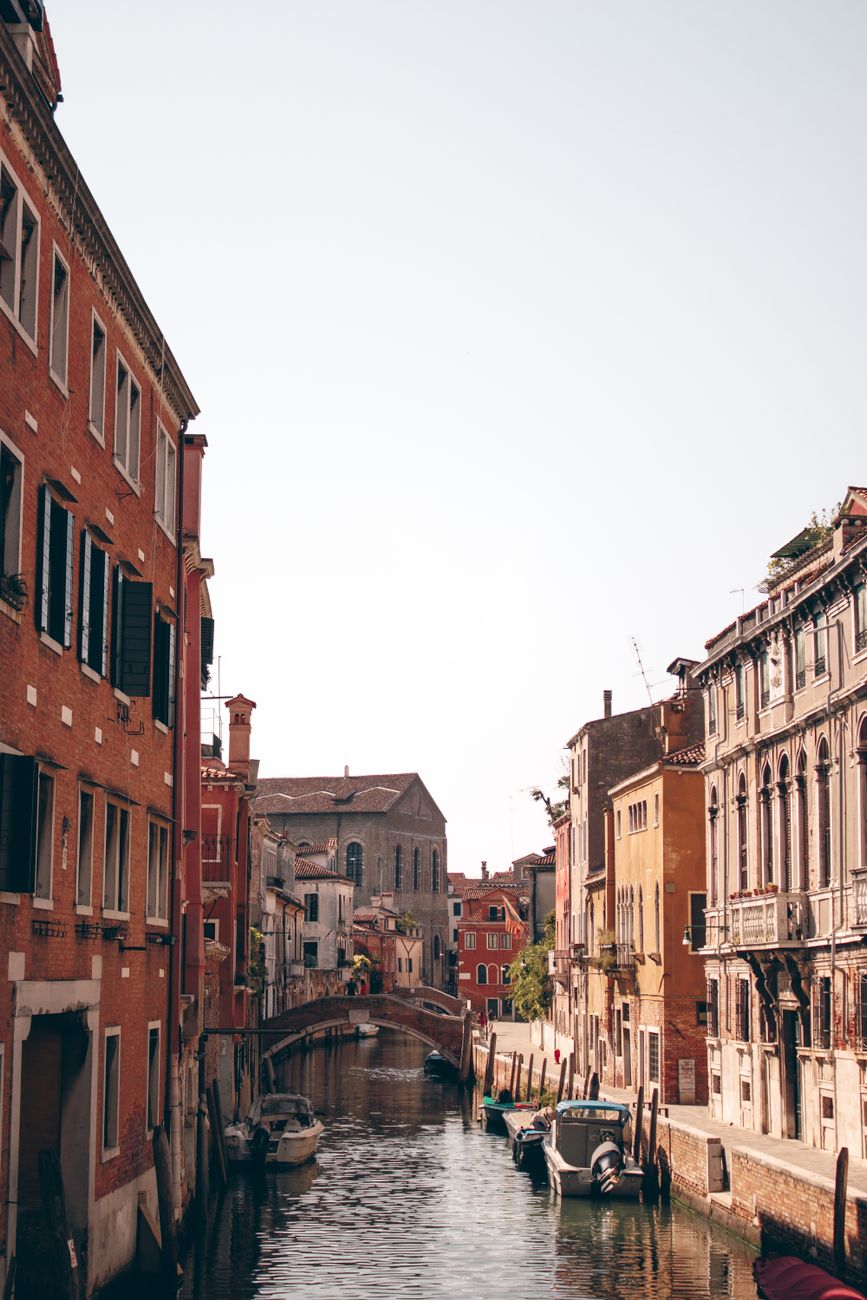
First impressions are often a mix of stone alleys, constant water noise, and more foot traffic than expected. Movement is slow: people, goods and sightseeing depend on boats, so travel between areas takes longer than map distances imply. Expect frequent bridge steps and narrow lanes; luggage that seems small on paper can be awkward through this environment.
Many visitors think all of the city can be tackled on foot in a day and underestimate queue times for St. Mark’s and the Doge’s Palace. This guide treats travel times and museum bookings as real constraints and recommends a mix of landmark time and neighbourhood discovery. The layout suits people who like concentrated city walks balanced with single-day boat trips.
Is 3 days in Venezia enough?
Three days in Venezia are enough to see St. Mark’s square and the Doge’s Palace, walk the Rialto area, and take a half-day trip to Murano and Burano. Expect to skip several smaller museums and many late-night restaurant options if strict time is kept.
Who This Guide Is For
Best for travelers who want a compact mix of landmarks, island visits, and food-focused wandering; not ideal for people who want a relaxed two-week exploration or for intrepid drivers since cars stop at Piazzale Roma.
Local Tips for Venezia
Practical details that most travel sites skip — specific to Venezia.
- Buy vaporetto tickets via the ACTV app or Venezia Unica; Linea 1 runs along the Grand Canal from Piazzale Roma/Ferrovia to San Marco and is slower but scenic.
- Alilaguna waterbus connects Marco Polo Airport with San Marco and the Arsenale in about 1 hour; keep a printed or digital ticket—lines are colour-coded (Blu, Arancio, Rossa).
- Use a traghetto to cross the Grand Canal (near Rialto, Santa Sofia, or Accademia) for about €2 for a quick, local crossing rather than a full gondola ride.
- Rialto Market is busiest 07:00–10:00 Monday through Saturday and mostly quiet Sunday; go early for better stalls and bring small change for fish vendors.
- Venezia Unica is the official portal for museum time slots and city services — prebook Doge’s Palace and St Mark’s Basilica times there to avoid long queues.
How This Guide Was Prepared
This guide treats Venezia as a working city of canals and neighbourhoods rather than a theme-park of photo spots. Many guides cram every monument into one day; this plan allocates realistic time for slow boat travel, museum queues, and the early-morning market rhythm that most visitors miss. This guide was prepared through a structured research that combines destination research, geographic context, itinerary planning logic, and content review.
Plan Your Stay in Venezia
Use this itinerary as your starting point, then compare areas to stay, transport options, seasonal timing, and realistic daily costs before booking.
Why Visit
This place offers a unique transport network: canals as main streets and vaporetto lines that function like buses, making a half-day island trip (Murano, Burano) simple to arrange. Architectural contrasts are immediate — St. Mark’s Basilica and Palazzo Ducale sit next to narrow sestieri alleyways where daily life continues.
Art is accessible in compact doses: the Peggy Guggenheim Collection and Gallerie dell'Accademia let museum visits feel manageable rather than marathon. Food culture centers on bacari serving cicchetti and regional seafood such as sarde in saor, giving many chances to eat well without sit-down formalities. Finally, markets such as the Rialto market show the city’s working side, with fishermen and greengrocers selling produce each morning.
Quick Planning Tips
From Marco Polo Airport, the Alilaguna waterbus goes directly to San Marco and takes roughly 60 minutes; buy tickets in advance for peak days. From Venezia Mestre or the train station (Santa Lucia) arrive on foot at Piazzale Roma and either walk or catch Linea 1 vaporetto along the Grand Canal.
Carry euros for small bacari and market stalls; many tiny shops are cash-preferred. Use the Venezia Unica portal or ACTV app to buy vaporetto tickets and reserve museum time slots. Avoid the planning mistake of assuming short distances: allow 20–30 minutes for transfers between major nodes and add buffer for crowded bridges or vaporetto queues.
Day 1
Morning: Start at Santa Lucia station and walk (15–20 minutes) or take vaporetto Linea 1 one stop to Rialto. Visit the Rialto Market (open 07:00–10:00) and cross the Ponte di Rialto for views down the Grand Canal. Allow an hour at the market and photo time on the bridge.
Late morning: From Rialto, take Linea 1 or walk 10–15 minutes to Gallerie dell'Accademia for Venetian painting. Plan 1.5–2 hours for the museum. From Accademia, walk across Ponte dell'Accademia to the Basilica di Santa Maria della Salute and spend 30–45 minutes inside and on the exterior terrace for canal views.
Lunch: Eat at Osteria Bancogiro (near the Rialto market) for cicchetti, plates, and a canal view; budget ~€15–€25 per person. Afternoon: Head toward Piazza San Marco (15–20 minutes on foot or one or two vaporetto stops by Linea 1); visit Basilica di San Marco—book a time slot via Venezia Unica and budget extra time for security checks.
Evening: Reserve a short rooftop visit at Fondaco dei Tedeschi for sunset over the Grand Canal (free reservation required) or take an aperitivo at a bacaro in the San Polo area. Finish with a walk along Riva degli Schiavoni at dusk; the lights and reflections are the most photogenic and quieter after 21:00.
Day 2
Morning: Spend the morning in Cannaregio and the Jewish Ghetto. From Santa Lucia, walk 10–15 minutes along the Fondamenta Nove and explore shops, synagogue exteriors, and canal-front cafés. Allow two hours to move at a relaxed pace and try cicchetti at Cantina Do Mori or All'Arco.
Midday: From Fondamenta Nove, catch a vaporetto to Murano (about 10–15 minutes by ACTV or Alilaguna lines depending on connection). Visit a glassblowing demonstration at a studio such as Museo del Vetro or a working furnace; demonstrations are often 20–30 minutes. Lunch can be a light meal on Murano or save a full meal for Burano.
Afternoon: Continue by vaporetto to Burano (roughly 30 minutes from Murano). Walk the island, see lace shops, and lunch at Trattoria al Gatto Nero for risotto or fish (expect €18–€30 per person). Return late afternoon to Venice proper; the combined island trip will take most of the day.
Evening: Back in Cannaregio or near Campo Santa Margherita, eat at a neighbourhood osteria and sample local desserts. The area near the university is livelier at night and offers more affordable options than San Marco.
Day 3
Morning: Explore Dorsoduro. Start at the Peggy Guggenheim Collection (plan 1–1.5 hours) and then visit nearby Ca' Rezzonico or smaller galleries. Walk the Zattere promenade for morning light over the Giudecca Canal; this stretch is flat with benches and cafés for breakfast.
Late morning: Cross to Giudecca by vaporetto (Linee 4.1/4.2 or other lines stopping at Zitelle) for a quieter neighbourhood view and the Church of the Zitelle. Giudecca offers a different scale, with shipyards and patios; allow 1–1.5 hours for a stroll and a coffee.
Afternoon: Return to central Venice and, if checking out, use luggage storage at Santa Lucia station or left-luggage at Piazzale Roma; both are practical for late departures. If catching an afternoon flight, leave at least 3 hours before scheduled departure to allow for vaporetto or Alilaguna time and airport procedures.
Evening: For the final night, choose a relaxed dinner near your accommodation or a recommended trattoria such as Trattoria alla Madonna by Rialto for seafood. Finish with a late stroll through a less touristy sestieri to enjoy quieter canals before leaving.
Best Local Experiences
Rialto Market in the early morning for fish stalls and produce sellers who close by late morning. A traghetto crossing near Rialto for a two-minute local ferry experience across the Grand Canal. Cicchetti hopping at traditional bacari such as Cantina Do Mori, All'Arco, and Osteria Al Squero for small plates and a spritz.
Glassblowing demonstration on Murano at a working furnace (book in advance for a specific session). A visit to Burano to see lacemaking and brightly painted houses, combined with risotto al nero di seppia on nearby islands. Attend a performance at Teatro La Fenice when schedules match the visit for an authentic local cultural evening.
Where to Stay
San Marco: Best for first-time visitors who want immediate access to St. Mark’s Basilica and Palazzo Ducale. Expect hotel prices roughly €150–€350 per night (about USD 165–385). Properties are convenient for short walks to main sights but are noisier and more expensive.
Dorsoduro: Suits museum-goers and those who prefer a calmer evening scene near the Peggy Guggenheim and Accademia. Nightly rates typically run €90–€180 (about USD 100–200). Good options near the Zattere have canal views and easier access to vaporetto lines.
Cannaregio: Good for budget-conscious travellers and people seeking local bars and quieter residential streets near the Jewish Ghetto. Expect €60–€140 per night (about USD 66–155). This area provides more affordable restaurants and a short vaporetto ride to main sights.
Food and Drink
Cicchetti: Small bar snacks served at bacari such as Cantina Do Mori or All'Arco; expect €1.50–€4 per piece. Try baccalà mantecato on polenta or crostini with seafood.
Sarde in saor: Marinated sardines with onions and pine nuts; find good versions at mid-range osterie and bacari for €8–€14 as a starter.
Risotto al nero di seppia: Squid-ink risotto found at trattorie near the Rialto and in island restaurants; expect €15–€25 for a plate.
Fegato alla veneziana: Calf’s liver with onions, a classic dish served in traditional trattorie such as Trattoria alla Madonna; main-course price around €16–€24.
Breakfast option: Cappuccino and cornetto at a standing bar like without a table costs roughly €1.20–€2.50. Street food: Tramezzino sandwiches or fried seafood stands near markets provide quick bites for €3–€8.
Drink: Spritz (Aperol or Campari) is the regional aperitivo; order at a bacaro for about €3.50–€7 depending on location. For dessert, try cicchetti-style pastries or gelato near Campo San Polo.
Getting Around
Public boats are run by ACTV; Linea 1 runs along the Grand Canal and Linea 2 is a faster express route with fewer stops. Alilaguna waterbuses provide airport connections and stop at San Marco, Fondamente Nove, and island docks. Local traghetti cross the Grand Canal at several points for roughly €2.
A single ACTV vaporetto ticket is about €7.50 (valid approximately 75 minutes) and a 24-hour pass is around €25; prices change, so confirm in the ACTV app. Private water taxi from Marco Polo to central docks costs roughly €100–€140 one way; shared water shuttles and ATVO buses offer cheaper land options (about €8–€10). Use the ACTV or Venezia Unica apps to buy tickets and check schedules.
Best Time to Visit
Spring (March–May) and early autumn (September–October) offer the best balance of mild weather and fewer crowds; daytime temperatures typically range from 10–20°C in spring and 15–23°C in early autumn. Expect pleasant walking conditions and open outdoor dining.
Summer (June–August) is hot and crowded; temperatures 20–30°C and peak visitor numbers make vaporetto lines and museums busier. Late autumn/winter (November–February) brings cooler temperatures around 3–12°C and a higher chance of acqua alta (high tides), especially in November; this impacts walking routes and may require short-term raised walkways.
Budget and Practical Tips
Daily budget example per person for moderate travel: accommodation €80–€150 (USD 88–165), food €30–€50 (USD 33–55), transport €7.50–€25 (USD 8–27 depending on tickets), entry fees €10–€25 (USD 11–27) for a museum or two. A tight-budget day with hostel dorms and street food can be under €80 total; a comfortable midrange day runs €150–€250.
Pay card is widely accepted, but small bacari and market stalls prefer cash; keep coins for small purchases. Hotels charge a local tourist tax per night (often €3–€5 per person); check before booking. Tipping is modest: service charges are commonly included, so round up or leave small change; add 5–10% only for exceptional table service.
FAQ
Is Venezia safe for solo travelers?
Yes; daytime areas are generally safe, but watch for pickpockets in crowded vaporetto stops and around major sights and keep bags zipped.
Are vaporetti the only way to get around?
No; many places are walkable, but vaporetti and traghetti are essential for crossings and island trips; taxis and Alilaguna connect to the airport.
Is the Venezia Unica city card worth buying?
Venezia Unica is useful to prebook museum time slots like the Doge’s Palace and St. Mark’s Basilica; a full city pass can save time but evaluate costs against planned entries.
How much does a gondola cost?
Typical shared gondola fares are about €80 for 30 minutes during daytime and about €100+ in the evening; private tours and agreement on duration and route are necessary before boarding.
Can luggage be stored if checking out but leaving later?
Yes; luggage storage is available at Santa Lucia station and at Piazzale Roma; hotels sometimes hold bags for departing guests—confirm the fee.
What transit option is best to reach Marco Polo Airport?
Alilaguna waterbus goes directly to central docks in about 60 minutes; ATVO express buses serve Piazzale Roma in roughly 20–30 minutes from Mestre and are cheaper for land access.
Is it expensive to eat out?
Prices vary widely; cicchetti and bacari are affordable, while sit-down restaurants near main sights charge tourist prices. Budget accordingly and avoid the immediate San Marco waterfront for regular meals.
Are there accessibility concerns for wheelchair users?
Many bridges have steps and only limited ramps; some vaporetto stops are raised for level access, but advance planning and contacting operators is advised.
Conclusion
A three-day visit will most likely be remembered for canal movement, concentrated art stops, and the contrast between the big sights and slow neighbourhood life. Prioritise one major museum (for example the Doge’s Palace) and at least one island trip to get the full range of experiences. If time runs short, prioritise a morning at the Rialto Market and an evening walk along the Grand Canal—those two elements capture the practical rhythm and flavour of the city better than trying to see every museum.
How this guide was prepared
This guide was prepared through a structured research that combines destination research, geographic context, itinerary planning logic, and content review.