
3 Days in Playa del Ingles: A Practical Itinerary
Plan 3 days in Playa del Ingles with this practical itinerary covering major sights, neighborhoods, food, and transport.
A clear, no-nonsense 72-hour plan for Playa del Inglés that balances dunes and beaches with local markets, nightlife at Yumbo Centrum and realistic transit and budget advice.
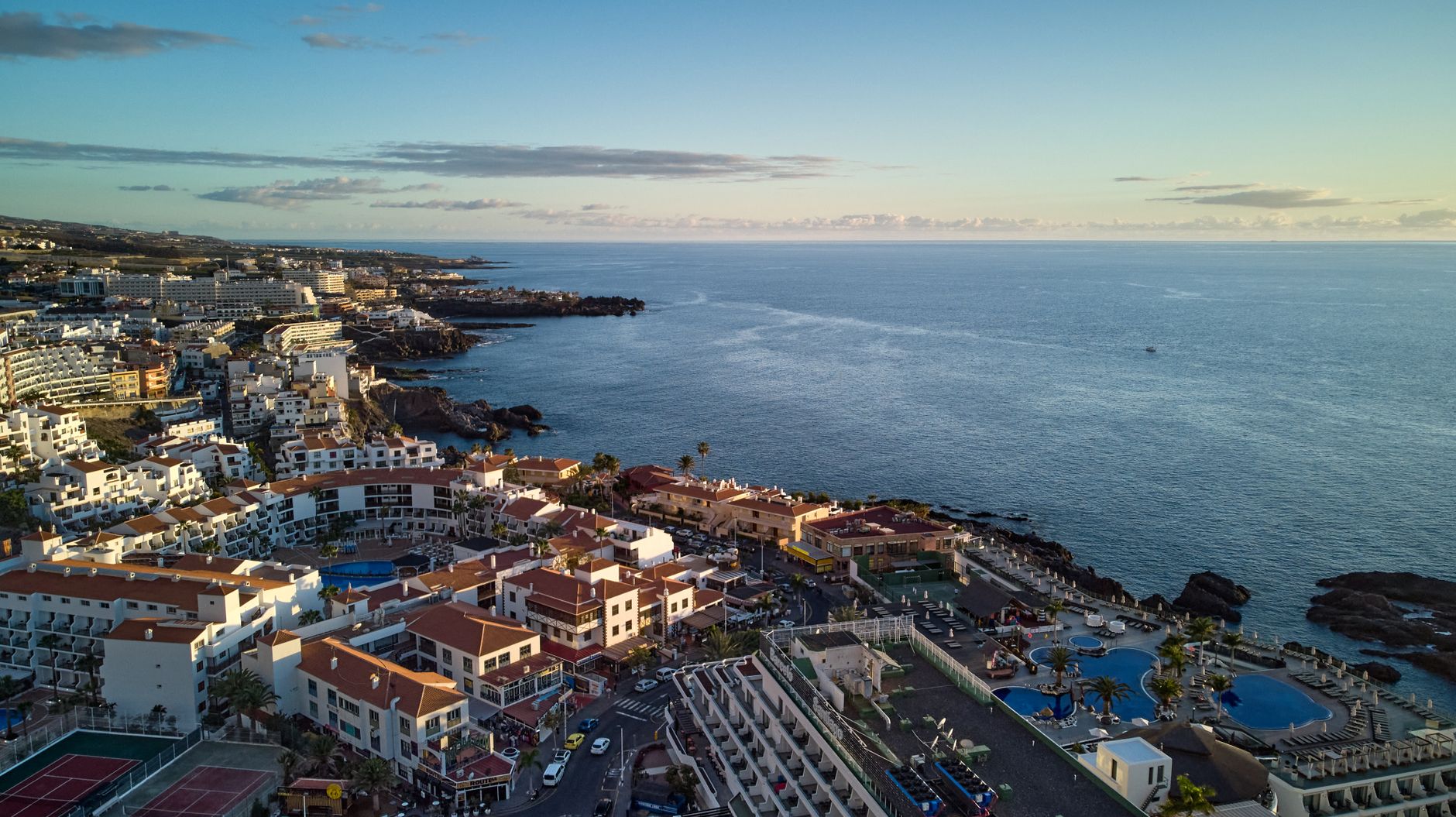
First impressions are often split between bright, hotel-lined avenues and a large natural sand reserve. Expect a resort layout: blocks of hotels, long promenades, and clusters of restaurants and bars around Yumbo Centrum and Avenida de Gran Canaria. Crowds concentrate along the beach and in nightlife areas; outside those pockets the streets can be quiet, especially in San Agustín and parts of Maspalomas.
The town suits travelers who want easy access to sand and sea paired with straightforward nightlife options and a compact base for one or two day trips. It does not suit those requiring a dense museum scene or a tranquil village feel for every part of the day.
Is 3 days in Playa del Ingles enough?
Yes — three days gives enough time to see the Maspalomas Dunes and lighthouse, stroll Playa del Inglés promenade, explore Yumbo Centrum nightlife, and visit one larger attraction like Palmitos Park or Aqualand. The honest caveat: there is not enough time to combine deep island exploration (Las Palmas or remote northern villages) without adding at least one extra day.
Who This Guide Is For
Best for travelers who want a mixed beach-and-nightlife stay with short day trips and light walking. Poor fit for those seeking quiet rural hiking or a fast-paced museum crawl across Gran Canaria.
Local Tips for Playa del Ingles
Practical details that most travel sites skip — specific to Playa del Ingles.
- Yumbo Centrum stays busiest after 22:00; many bars and shows run until 03:00, so plan late dinners and expect noise until early morning near Avenida de Tirajana.
- Taxis from Gran Canaria Airport to Playa del Inglés typically cost about €30–35; there are official airport taxis at the rank outside arrivals and drivers use the meter.
- The Maspalomas Dunes lie within Reserva Natural de las Dunas de Maspalomas and are free to enter, but the boardwalk at Playa de San Agustín marks the easiest, sand-free access point.
- Aqualand Maspalomas day tickets are usually around €25–€30 and Palmitos Park tickets around €30–€35; booking online often saves a few euros and avoids long queues.
- Buy bus tickets on the Global app (search 'Global' or 'Global Guaguas') or pay cash on board; the south resort area is covered by Global interurban services linking Maspalomas, San Bartolomé and Las Palmas.
How This Guide Was Prepared
This guide treats Playa del Inglés as a functional seaside resort with strong nightlife and a surprising variety of day activities rather than a generic beach stop. Most guides either over-sell the nightlife or ignore logistics; this one emphasizes what can be done reliably in three days, realistic costs, and where crowds and noise are actually a problem. This guide was prepared through a structured research that combines destination research, geographic context, itinerary planning logic, and content review.
Plan Your Stay in Playa del Ingles
Use these planning pages to compare areas to stay, expected costs, seasonal timing, and local transport before booking.
Why Visit
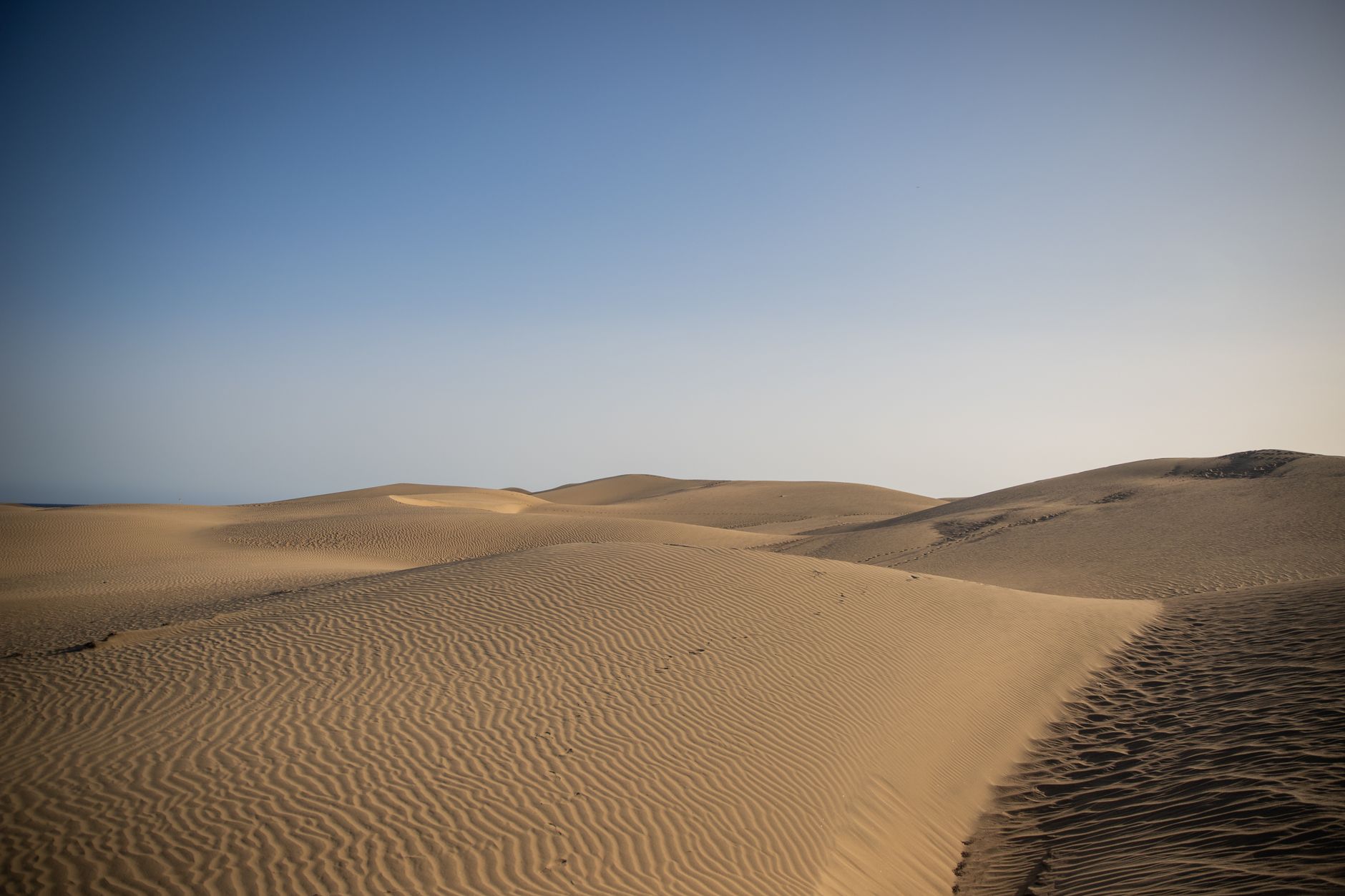
Access to the Maspalomas Dunes and the Faro de Maspalomas is the main reason most visitors come; the reserve offers unusual desert-like sand right next to beaches. The nightlife cluster at Yumbo Centrum provides late-night shows, themed bars and open-air terraces focused on live performers and DJs.
Practical reasons include compactness: beaches, shopping centers like Kasbah, and many hotels are in walking distance, so transit time is low. Family-friendly attractions such as Palmitos Park and Aqualand are within a short bus or taxi ride, making day planning simple.
Quick Planning Tips
The easiest airport transfer is by taxi from Gran Canaria Airport; expect roughly €30–35 to central Playa del Inglés and a 20–30 minute drive depending on traffic. Global interurban buses connect the airport, Maspalomas and Las Palmas; use the Global app or check timetables at the airport bus stop for exact departures.
Currency is the euro; most restaurants and shops accept cards but carry small notes for market stalls and beach vendors. Avoid the mistake of planning an early dune walk without sunscreen, water and a hat: sand reflects sun and there is limited shade inside the reserve.
Day 1
Morning: Start with a walk along the Paseo Costa Canaria and the main Playa del Inglés beach to get bearings. The promenade stretches several kilometres; a comfortable morning stroll from Kasbah Shopping Center to Playa de las Meloneras can take 40–60 minutes depending on stops.
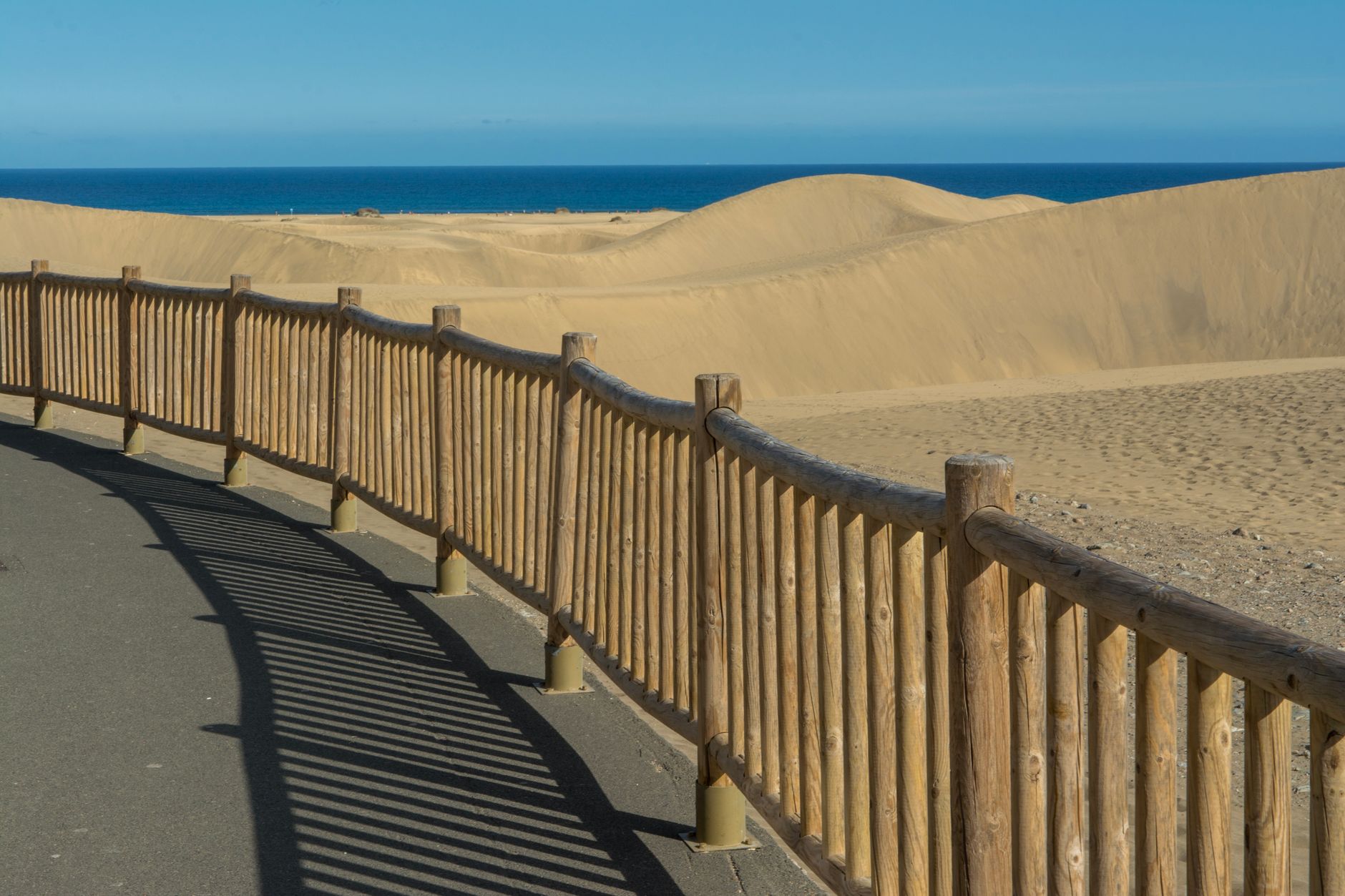
Late morning: Walk or catch a short bus (Global) to the Maspalomas Dunes reserve. Allocate at least 90 minutes for the dunes and climbing to viewpoints near the Faro de Maspalomas. Boardwalk access from Playa de San Agustín reduces sand walking.
Lunch: Eat at a beachfront chiringuito near the dunes entrance; expect paella or grilled fish for around €12–€18 per person. After lunch, visit the Faro de Maspalomas and the small beachfront park by Avenida de Tirajana; the lighthouse area is good for photos and has cafés.
Afternoon: Return to the hotel area and browse Kasbah Shopping Center or the small craft stalls near the promenade. Allow 20–30 minutes walking or a 10-minute taxi ride between these spots.
Dinner and evening: Reserve dinner at a restaurant near Yumbo Centrum if planning to experience nightlife. Expect late opening hours; many venues fill after 22:00. End the night in Yumbo for shows and bars, remembering noise carries back into nearby hotels.
Day 2
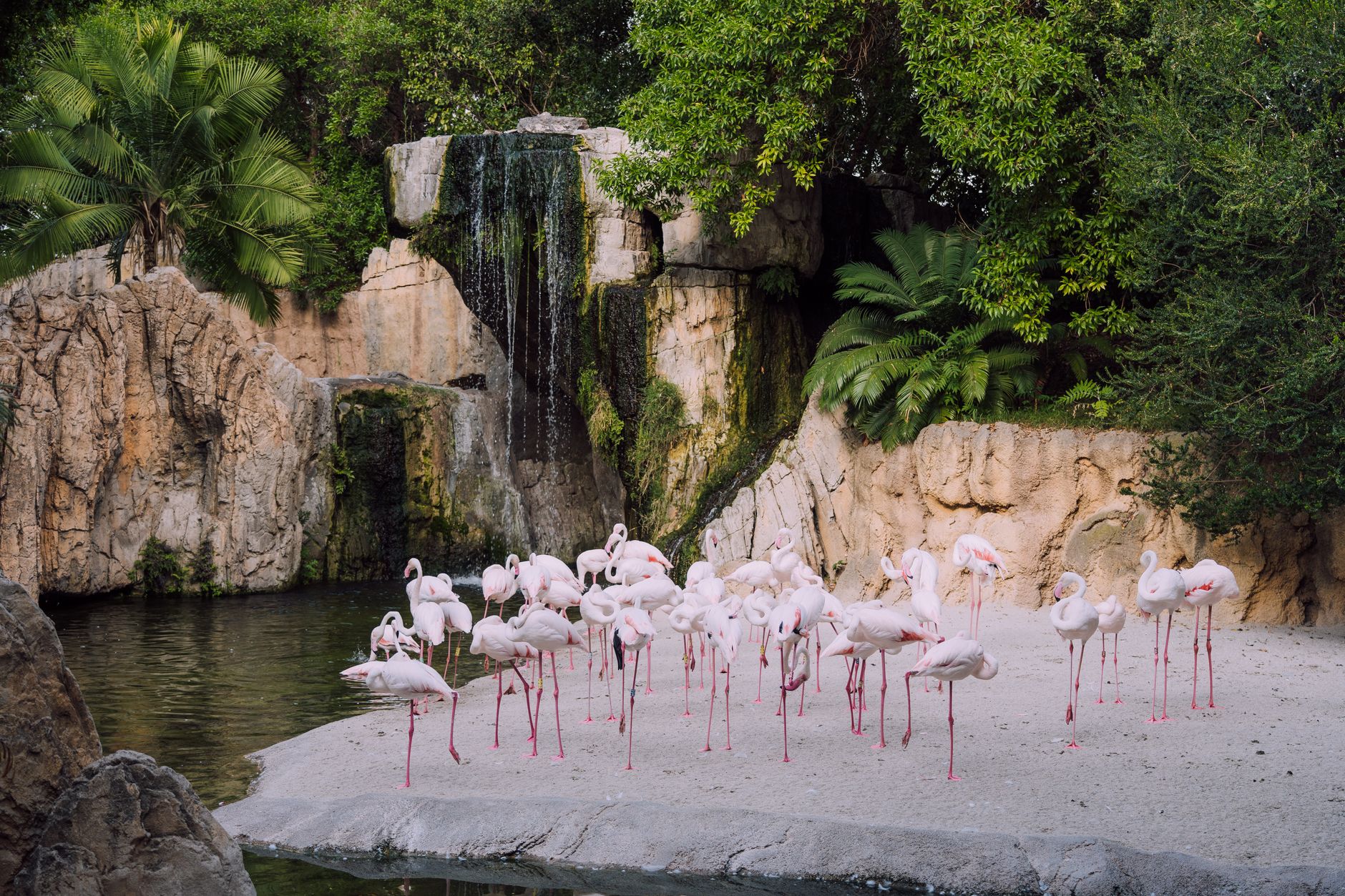
Morning: Head to Palmitos Park for a full-morning visit; allow at least three hours for bird shows, dolphin demonstrations and botanical sections. The park lies inland toward Maspalomas and is about a 15–20 minute taxi or 20–30 minute bus ride from central Playa del Inglés.
Lunch: Eat on-site at the park café or return via taxi to Meloneras where there are more formal restaurants along the promenade; expect main dishes from €12–€25.
Afternoon: Spend the afternoon in Meloneras for a contrast with the busier resort centre. Walk along Avenida de Gran Canaria and the Meloneras promenade past small boutiques and the Hotel Lopesan Costa Meloneras. If preferring water activities, book a late-afternoon catamaran or glass-bottom boat trip from the marina area (check schedules, usually 2–3 hour excursions).
Evening: Choose a quieter dinner in Meloneras or head back for tapas near Kasbah Shopping Center. If nightlife is the plan, the Yumbo area on Avenida de Gran Canaria offers themed bars and dance venues that run late.
Day 3
Morning: Visit the local market or a morning café for a relaxed start; small markets and bakery stalls near Avenida de Gran Canaria begin early. Alternatively, use this morning for a short excursion to San Bartolomé village for a quieter local atmosphere; the bus takes around 30–45 minutes depending on route.
Late morning: Reserve time for Aqualand Maspalomas if traveling with children or preferring water park fun; plan for 3–4 hours and check online for fast-track tickets. A taxi from the central resort area is typically 10–15 minutes.
Lunch: Choose a casual beachfront restaurant near Playa del Inglés; expect sandwiches and seafood dishes priced €8–€16. If catching a mid-afternoon flight, opt for an early lunch and allow at least 60–90 minutes travel time to Gran Canaria Airport by taxi.
Afternoon/Departure note: For departures, taxis are the fastest option to the airport (20–30 minutes). If using Global bus, check the timetable; interurban services may be less frequent on Sundays and public holidays so factor in extra time.
Best Local Experiences
Walk the Maspalomas Dunes at sunrise to see changing light and avoid heat; the path from Playa de San Agustín is the least sandy for immediate viewpoints. Spend an evening at Yumbo Centrum for themed drag shows, karaoke and late-night bars; shows often start after 22:00.
Visit Palmitos Park for botanical collections, parrots and dolphin shows; the park is a short drive inland and works well as a half-day trip. Try a boat trip from Puerto de Mogán or Meloneras marina for whale and dolphin watching; operators run 2–3 hour trips most mornings.
Shop or browse at Kasbah Shopping Center and the open-air craft stalls along Avenida de Tirajana for local crafts, surfwear and souvenirs. Attend a market in Maspalomas on selected days (check local listings) for fresh fruit, cheeses and Canary specialties.
Where to Stay
Playa del Inglés central (Avenida de Gran Canaria, Avenida de Tirajana): Suits nightlife and first-time visitors who want everything within walking distance. Expect a range from budget hostels and three-star hotels (€50–€90/night, roughly €55–€100 USD) to midrange options around €90–€150 (USD €100–€165).
Maspalomas and Meloneras: Best for quieter beachfront hotels, golf access and evening promenades. Meloneras leans more upscale with resort hotels and marina dining; expect €100–€220/night (USD €110–€240) depending on season. Maspalomas has midrange hotels near the dunes around €80–€150 (USD €90–€165).
San Agustín and Playa de San Agustín area: Quieter and more residential, good for families or those avoiding late-night noise. Small hotels and apartments typically range €60–€120/night (USD €65–€130). Booking a seafront apartment often adds convenience for small groups.
Food and Drink
Papas arrugadas con mojo: Small salted boiled potatoes with red or green mojo sauce; available at most local restaurants and tapas bars for around €3–€6 as a side. Look for classic versions near beachfront chiringuitos and family restaurants.
Sancocho canario: A simple fish or salted-fish stew served with batata and mojo; traditional restaurants in Maspalomas and Meloneras offer plates for €10–€16. Palmitos Park cafés and taverns sometimes serve local takes.
Pescado a la sal: Whole fish baked in salt; order at seafood restaurants on the Meloneras promenade for €18–€30 depending on fish size. Ask about the catch of the day for best value.
Street food and quick bites: Bocadillos (sandwiches) and bakery pastries from local panaderías cost €2.50–€6 and work well for a cheap breakfast. Barraquito coffee: A layered coffee with condensed milk and Licor 43 found in cafés across the island for about €2.50–€4.
Dinner recommendation: Try a mid-priced restaurant along Avenida de Tirajana or in Meloneras for grilled seafood or Canarian plates; expect mains €12–€25. For a late casual meal, many Yumbo bars serve tapas and pinchos until midnight or later.
Getting Around
Main public transport is the Global interurban bus network (often called 'Global' or 'Guaguas Global') linking Maspalomas, Playa del Inglés, Meloneras, San Bartolomé and Las Palmas. Local buses serving resort routes run frequently in high season; check the Global app or website for exact timetables.
Single fares vary by distance; short trips in the south usually cost around €1.50–€3.00, while longer runs to Las Palmas are €5–€8. A multi-journey card or ten-trip bono may offer savings for repeat bus users. Taxi fares from Gran Canaria Airport to Playa del Inglés average €30–€35; short town rides are typically €3–€10 depending on distance.
Useful apps: Global app for timetables and tickets, Moovit or Google Maps for route planning. Bicycle rentals and e-scooters are available near the promenade; walking between central points is often quicker than waiting for a bus.
Best Time to Visit
Winter (December–February): Mild temperatures around 18–22°C and busy holiday periods around Christmas, New Year and Carnival; expect higher accommodation prices during holidays. Spring (March–May): Temperatures 20–25°C, fewer crowds and good value on hotels; ideal for combining beach time and outdoor walks.
Summer (June–August): Warmer, often 25–30°C, with higher humidity and peak tourism; beaches are crowded and hotels can be more expensive. Autumn (September–November): Similar to spring for weather and crowds; September remains warm and is a good time for late-season sea temperatures and lower rates.
Budget and Practical Tips
Typical daily budget (per person, moderate traveler): Accommodation €60–€130 (USD €65–€140), food €25–€45 (USD €28–€50), transport €5–€12 (USD €6–€13), attractions €10–€30 (USD €11–€33). A realistic midrange daily total is €100–€200 (USD €110–€220) including a modest hotel, two meals out and a local attraction.
Cash and cards: Cards are widely accepted but carry cash for market stalls, small cafés and beach vendors. ATMs are plentiful in Yumbo and Kasbah but expect a small fee from non-EU cards.
Tipping: Service charges are not automatic; leaving loose change or rounding up is common. For table service give 5%–10% if service was good; small tips for taxi drivers and hotel porters are appreciated but not required.
FAQ
Is Playa del Inglés safe at night?
Yes for the most part; the resort sees petty theft and pickpocketing in busy nightlife areas so keep valuables secure and avoid leaving bags unattended on beaches.
What is the best way to get from Gran Canaria Airport to Playa del Inglés?
A taxi is fastest (about 20–30 minutes, €30–€35). Global buses also run and are cheaper but require checking timetables for direct services.
Is a public transport card or city pass worth it?
There is no single Playa del Inglés city card; a multi-ride bus bono or Global tickets are useful for regular bus users, but day-trippers may prefer single tickets or taxis depending on schedules.
Are beaches patrolled and safe for swimming?
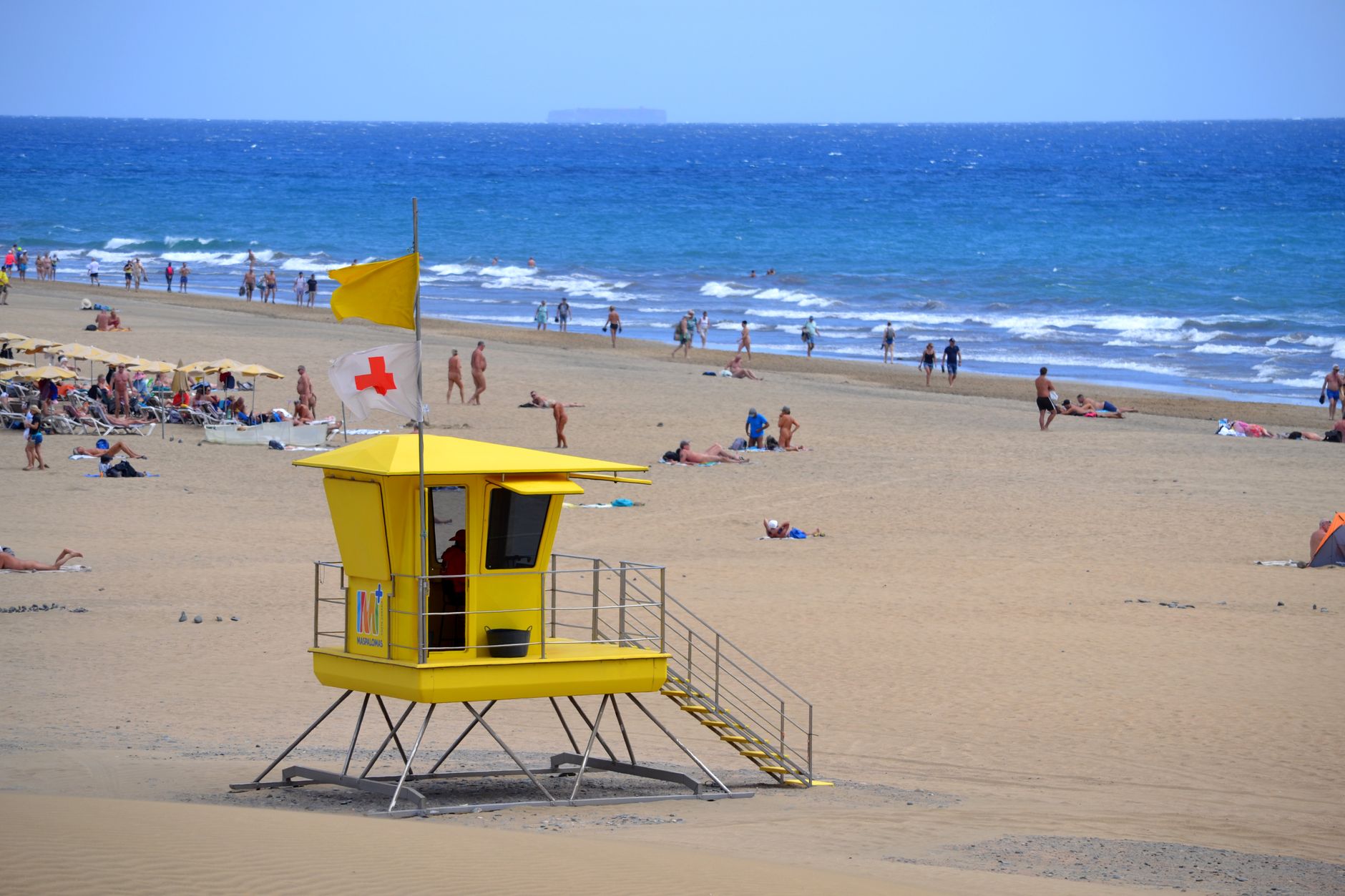
Main beaches are monitored by lifeguards in high season, but currents can appear near the dune edges; follow red flag warnings and local signage.
Can day trips to Las Palmas or Puerto de Mogán be done from here?
Yes; Global interurban buses link to Las Palmas (allow 45–60 minutes) and Puerto de Mogán (about 30–40 minutes with transfers possible); plan early departures to maximize time.
Are there family-friendly activities?
Yes: Palmitos Park and Aqualand Maspalomas are the main family attractions with predictable opening hours and facilities for children.
Is it easy to find late-night food after Yumbo closes?
Many cafés and some beachfront chiringuitos serve late, but hours vary; keep cash for small late-night purchases.
Are English and Spanish widely spoken?
Spanish is the local language and English is commonly spoken in shops, hotels and restaurants serving tourists.
Conclusion
Three days produces a clear impression: sand-and-sea daytime options paired with a late-night entertainment scene centered on Yumbo. Travelers will likely remember the contrast between the large natural dune reserve and the compact resort amenities more than any single landmark.
If time becomes tight, prioritise an early visit to the Maspalomas Dunes and a single major attraction (Palmitos Park or Aqualand) plus one evening in Yumbo; that combination yields the broadest view of what the area offers.
How this guide was prepared
This guide was prepared through a structured research that combines destination research, geographic context, itinerary planning logic, and content review.