
Porto Alegre in 3 Days: Practical Itinerary and Tips
A clear 3-day Porto Alegre plan with transit, markets, museums, local dishes, and realistic costs so busy travelers can prioritize time and budget.
A tactical three-day plan that focuses on real neighbourhoods, transit, food, and timing so visitors can see the city's main museums, parks and markets without wasting time.
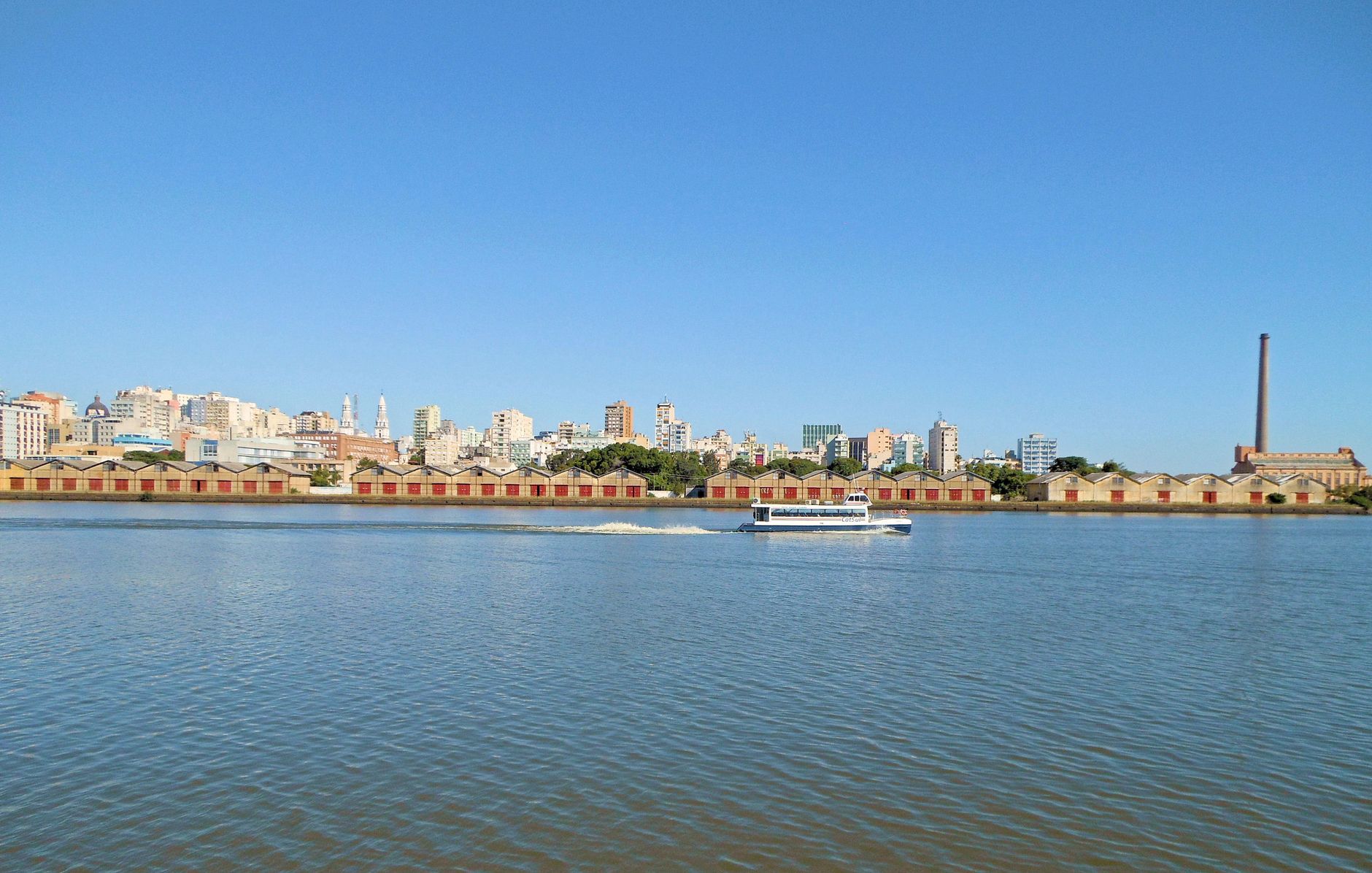
A first impression is likely to be civic and down-to-earth: a working harbour on the Guaíba, a compact downtown with public squares, and neighbourhoods that each have a clear mood. Traffic and noise are real during weekday hours; mornings in parks and riverside promenades are calm and useful for pacing a tight itinerary. The principal centre around Rua dos Andradas and Praça da Alfândega contains the museums and main municipal buildings, while Moinhos de Vento and Cidade Baixa offer restaurants, cafés and nightlife with distinct local patterns.
Expect practical urban culture rather than resort-style hospitality. Popular attractions can be busy at midday but empty in the late afternoon, and many cultural venues change opening hours midweek. This setup suits travellers who can pivot between indoor museums, covered markets and outdoor riverfront spots depending on weather, and who prefer clear travel logistics over wandering without a plan.
Is 3 days in Porto Alegre enough?
Three days is enough to sample downtown museums, the Parque da Redenção market, the Guaíba riverfront at sunset and two distinct neighbourhoods for food and nightlife. Missing out will likely be longer day trips to the Serra Gaúcha or nearby beaches, which require extra time.
Who This Guide Is For
Best for travellers who prefer urban culture, museums, markets and substantial restaurant scenes rather than sunbathing or long nature treks. Not ideal for visitors who want extensive beach time or multi-city regional travel on a single weekend.
Local Tips for Porto Alegre
Practical details that most travel sites skip — specific to Porto Alegre.
- Brique da Redenção flea market runs every Sunday along Parque Farroupilha (Avenida João Pessoa) roughly 8:30–16:00 and is the easiest place to see local crafts and street food.
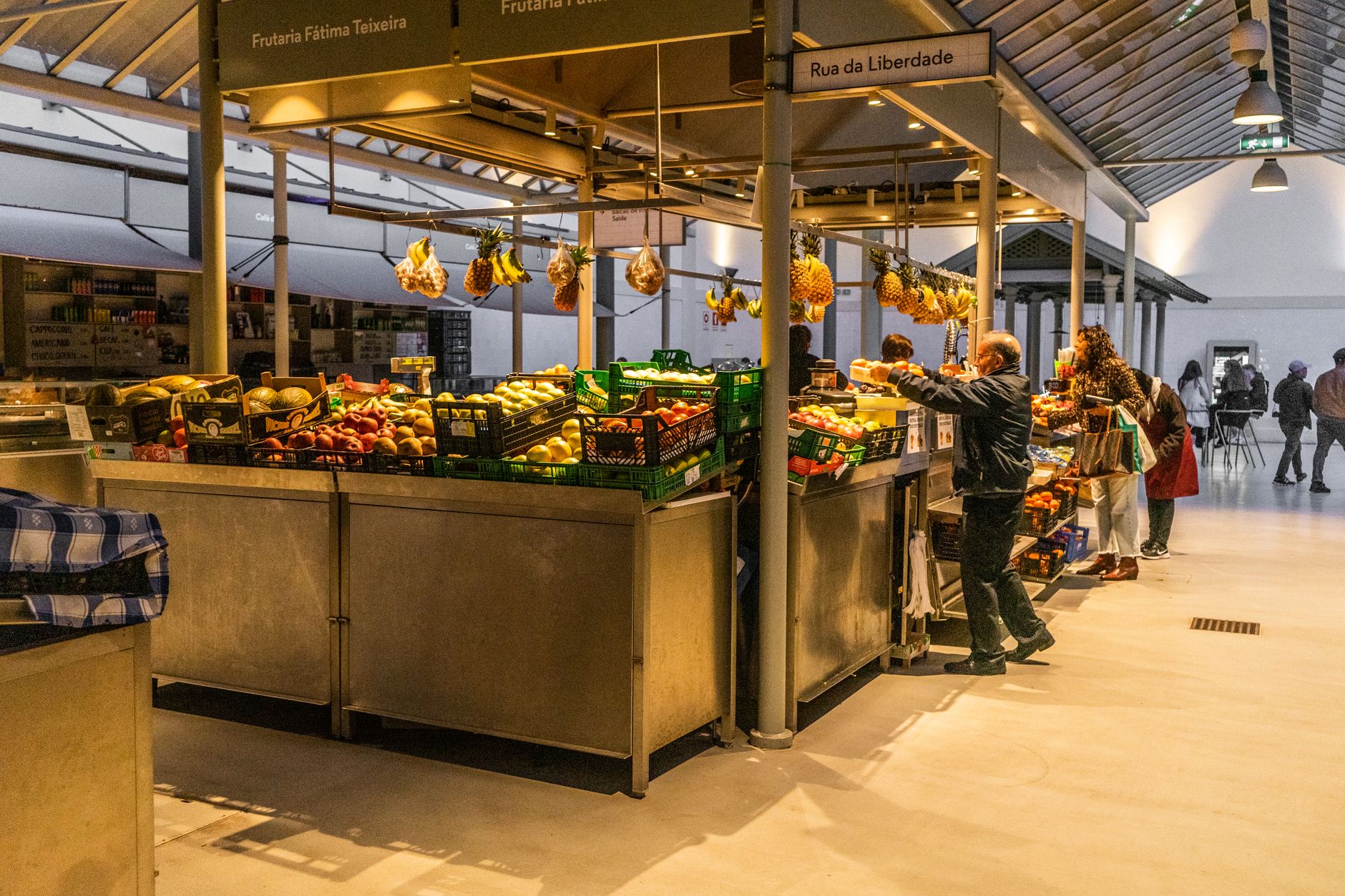
- Mercado Público Central on Rua dos Andradas is mostly quiet on Sunday; go Saturday morning for the full mix of meat counters, peixarias and 'botecos'.
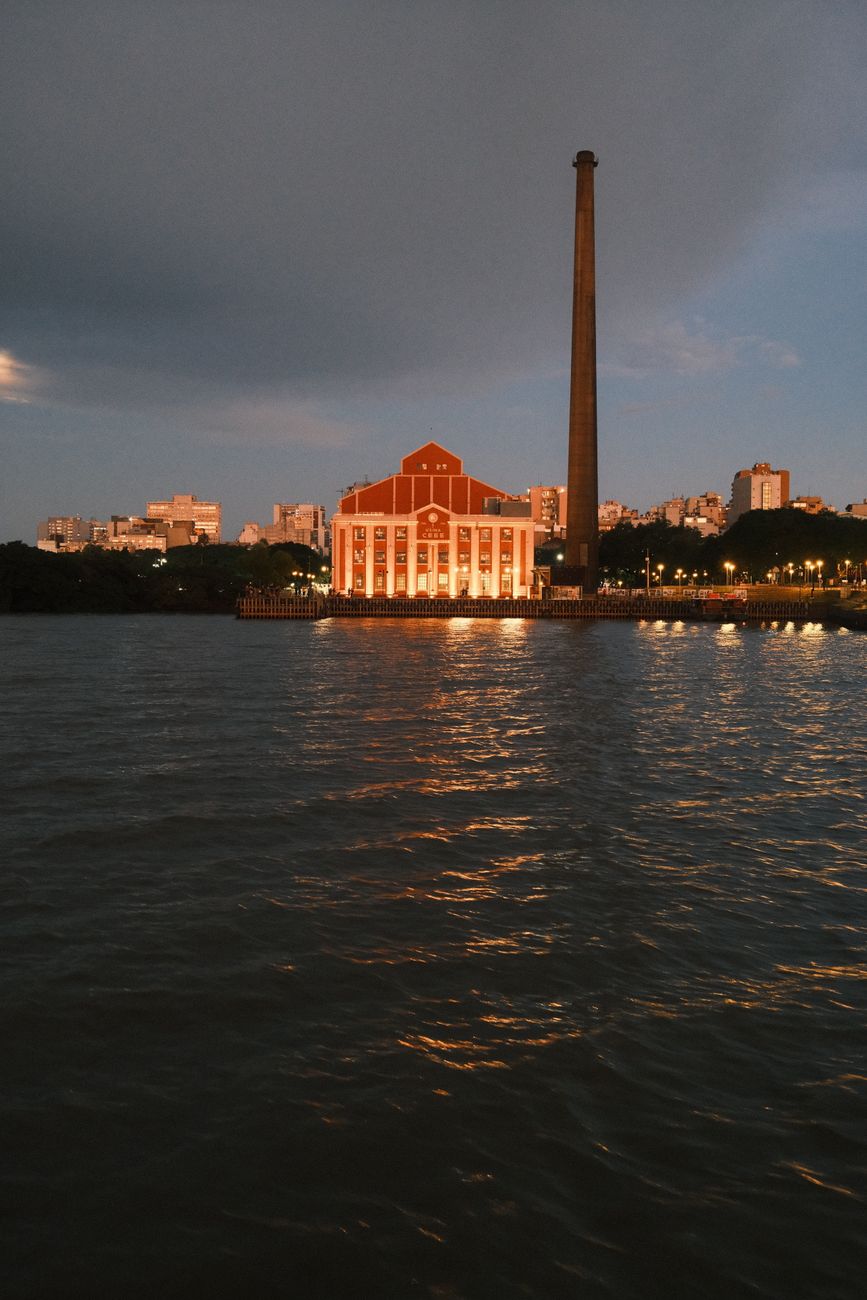
- Usina do Gasômetro on the Guaíba is the standard local sunset spot; arrive 30–45 minutes before sunset on weekdays to avoid crowded weekends.
- Buy a Cartão TRI (reloadable transport card) at major kiosks or some metro/tram offices and load fares to use on buses and Trensurb; single bus fare is about R$5 and the card saves time at busy stops.
- Casa de Cultura Mario Quintana on Rua dos Andradas hosts low-cost exhibitions and a rooftop café; check the cultural calendar online for poetry readings and small exhibitions.
How This Guide Was Prepared
This guide treats Porto Alegre as a working city with a strong civic life, riverfront routines and neighbourhood-specific scenes rather than a purely tourist destination. Many guides either flatten the city into a single historic core or oversell beach expectations; this plan separates downtown civic sites, the riverfront culture, and the nightlife/food districts so a short trip feels coherent. This guide was prepared through a structured research that combines destination research, geographic context, itinerary planning logic, and content review.
Plan Your Stay in Porto Alegre
Use this itinerary as your starting point, then compare areas to stay, transport options, seasonal timing, and realistic daily costs before booking.
Why Visit
Start with museums concentrated in the central area: Museu Júlio de Castilhos offers regional history exhibits and MARGS focuses on local modern art. These institutions give context that explains the city’s civic landmarks and political traditions.
The riverfront at Usina do Gasômetro provides a local ritual—sunset crowds and viewlines across the water—useful for pacing late afternoons and for photography. Parque Farroupilha (Redenção) and its Sunday Brique combine a green space with a long-standing weekly informal market, which is one of the most dependable ways to sample local crafts and street snacks.
Neighbourhood contrasts are unusually clear here: Moinhos de Vento has tree-lined Rua Padre Chagas with café culture and boutique shopping, while Cidade Baixa turns into a concentrated nightlife strip at night with bars on Barros Cassal and General Câmara streets. The mix of urban museums, a lively riverfront ritual, and compact neighbourhood dining makes a short trip feel complete without long transfers.

Quick Planning Tips
Best arrival route for most travellers is Salgado Filho International Airport; a taxi or ride-hail to the central area takes 20–35 minutes depending on traffic and costs roughly R$60–R$90. Long-distance buses arrive at Rodoviária (Bus Station) near the city centre; from there many sights are a 10–20 minute walk.
Public transit runs on a city-wide bus network plus Trensurb commuter rail toward Canoas and Novo Hamburgo; buy and top up a Cartão TRI to avoid fumbling with cash. Cash is still useful in small businesses and markets; many cafés and restaurants accept cards but keep small notes for quick purchases at market stalls.
One common planning mistake is scheduling a full open-air market visit on a Sunday then trying to visit Mercado Público the same day — the two have different rhythms and many Mercado stalls are quiet on Sunday. Check museum opening hours in advance; some close one weekday a week.

Day 1
Morning: Start at Mercado Público Central on Rua dos Andradas. Arrive by 09:00 to see the fish counters, meat stalls and the traditional botecos before they close mid-afternoon. Expect a 20–30 minute visit to sample a misto quente, a coffee and watch vendors; many stalls accept card but smaller counters prefer cash.
Late morning: Walk 8–12 minutes to Praça da Alfândega and MARGS (Museu de Arte do Rio Grande do Sul). MARGS often has rotating exhibitions; plan 60–90 minutes. From the square it’s a 5–10 minute walk to Museu Júlio de Castilhos (allow 45–60 minutes for regional history displays).
Lunch: Eat at Galpão Crioulo inside or near Mercado Público for straightforward regional plates; an average plate runs R$40–60. After lunch, walk 15–20 minutes or take a short bus to Usina do Gasômetro on the Guaíba for a riverside stroll.
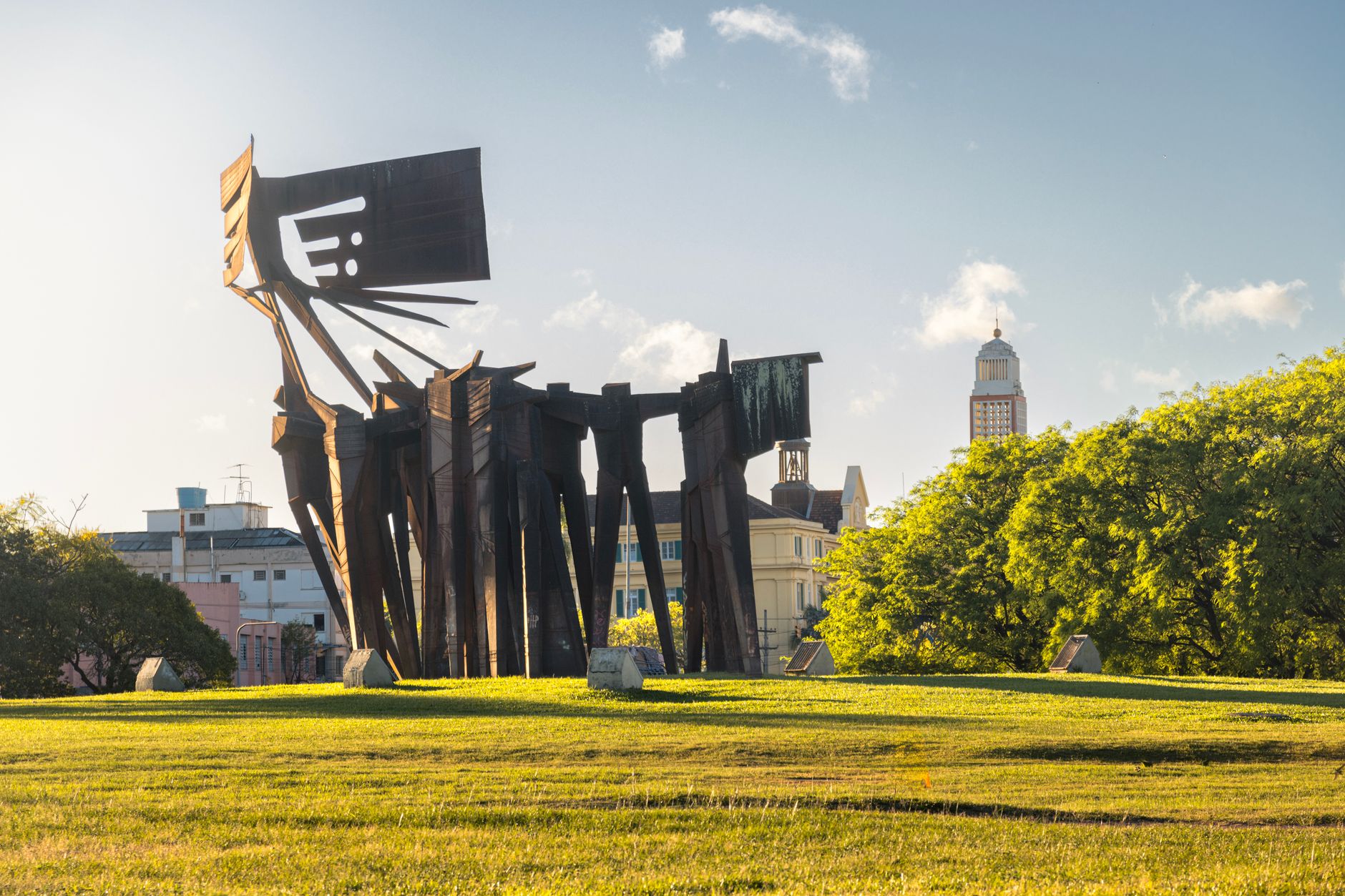
Afternoon: Spend late afternoon at Usina do Gasômetro and the riverfront boardwalk; photo light picks up an hour before sunset. If time remains, visit Fundação Iberê Camargo across the riverfront road for modern art and the building’s dramatic curve; check current entry fee (approx R$10–20).
Evening: Head to Cidade Baixa for dinner and bars—Rua João Telles and nearby streets host casual dining and a lively bar scene. Expect restaurant mains R$30–70 and bar covers on event nights.

Day 2
Morning: Focus on Moinhos de Vento and surrounding residential streets. Start at Parque Moinhos de Vento (Parcão) and stroll Rua Padre Chagas for cafés and pastries. Walking between Parcão and the city centre takes 25–35 minutes; a short bus or 10–15 minute taxi bridges the distance.
Midday: Visit Casa de Cultura Mario Quintana on Rua dos Andradas; the building includes small galleries, a rooftop café and spaces for bookshops. Allow 60–90 minutes. From there walk 10 minutes to Avenida Gonçalo de Carvalho (the tree-lined avenue known locally for its English-style plane trees and a seasonal blossom display) for photos.
Lunch: Have lunch at a bistrô on Rua Padre Chagas—prices here tend to be slightly higher (R$45–80) but portions and service match the neighbourhood’s café culture.
Afternoon: Cross to the waterfront again or return to the Centro Histórico to visit the Catedral Metropolitana and Praça da Matriz. If interested in football culture, a 20–30 minute taxi can reach Estádio Beira-Rio for an external tour or match-day atmosphere; check match schedules and ticketing.
Evening: Dinner in Moinhos de Vento or head back to Cidade Baixa for late-night live music. Nightlife here is informal; expect bars to fill after 22:00 on weekends and quieter midweek.
Day 3
Morning: Reserve Sunday morning for Parque Farroupilha and the Brique da Redenção market (if it’s Sunday). The market runs along Avenida João Pessoa; plan 2–3 hours to browse stalls, try street foods (pastéis, chimarrão sellers) and watch local craftspeople.
Late morning: Walk 10–20 minutes from the park to the Júlio de Castilhos Museum if not already visited, or take a tram/bus for a short ride. Allow time to see permanent exhibits and temporary shows.
Lunch: Try traditional gaúcho fare in a simple restaurant near the park or return to Mercado Público for a late lunch if it’s open; expect R$30–60 for a full plate. After lunch, return to accommodation to check out if needed and consolidate luggage.
Afternoon (departure options): For an afternoon flight or bus, take a 20–35 minute taxi from the central area to Salgado Filho Airport. If time allows before departure, stop at the Porto Alegre Botanical Garden or take a short Trensurb ride to a nearby station for a quick neighbourhood coffee. Leave extra time for airport security and city traffic on weekday late afternoons.
Evening: If departing later, finish with an early evening riverfront stroll near Usina do Gasômetro or a relaxed dinner in Cidade Baixa. For last-minute shopping, small shops around Rua dos Andradas are convenient.
Best Local Experiences
Brique da Redenção (Parque Farroupilha) on Sundays is the primary weekend event for locals and visitors seeking food and crafts. Mercado Público Central on Rua dos Andradas is essential for sampling fish, meat counters and old-style botecos on weekdays.
Usina do Gasômetro and the Guaíba riverfront are where locals gather for sunset walks and informal photo sessions; bring a light jacket for river breezes. Casa de Cultura Mario Quintana hosts readings, small concerts and rotating art shows—check the house schedule for free or low-cost events.
Attend a local churrasco or churrascaria to understand the gaúcho meat culture; many places around Bairro Menino Deus and near the stadium cater to fans. The Avenida Gonçalo de Carvalho blossom season draws photographers and locals for short walks. For nightlife, Cidade Baixa concentrates bars with live music and student crowds, while Moinhos de Vento provides a calmer restaurant scene.
Where to Stay
Centro Histórico / Praça da Alfândega — Suits travellers who want walkable access to MARGS, Museu Júlio de Castilhos and Mercado Público. This area has mid-range hotels and guesthouses. Expect nightly rates around R$180–300 (≈EUR 32–55 / USD 35–60), depending on season.
Moinhos de Vento (Parcão) — Best for café culture, quiet streets and boutique shopping. This neighbourhood suits couples and those who prefer safer, tree-lined avenues. Nightly costs are higher here: R$250–450 (≈EUR 45–80 / USD 50–90).
Cidade Baixa — Suits younger travellers and people who plan to spend evenings out; many budget guesthouses and small hotels cluster here. Expect value options from R$120–240 per night (≈EUR 22–43 / USD 25–48).
Food and Drink
Churrasco / Churrascaria — Traditional gaúcho barbecue featuring various cuts of beef served rodízio style. Good versions near Menino Deus or close to Estádio Beira-Rio; expect R$80–140 for a dinner rodízio.
Churrasco de rua / Espetinho — Skewered meats sold at street stalls and markets; ideal for quick snacks during market visits. Price: R$6–12 per skewer.
Chimarrão — A bitter yerba-mate tea drunk from a gourd with a metal straw (bomba). Widely available in cafes and at markets; inexpensive (R$5–10) and commonly offered in cultural settings.
Pastel and caldo de cana — Fried pastry pockets with savory fillings, often sold at market stalls and park vendors; pair with sugarcane juice. Pastel R$6–12, caldo de cana R$4–8.
Café da manhã — Coffee and pão de queijo at neighborhood padarias (bakeries) such as those on Rua Padre Chagas or near Parcão. A solid breakfast will cost R$12–25.
Dinner recommendation: try a contemporary restaurant on Rua Padre Chagas or a traditional boteco near Mercado Público for a full meal. Expect mains R$35–80 depending on style.
Getting Around
Public transport is mainly city buses and Trensurb commuter rail to Canoas and Novo Hamburgo. Buses cover almost all neighbourhoods; Trensurb handles the metropolitan north-south corridor. Expect a single bus fare around R$5, paid by Cartão TRI or exact cash.
Cartão TRI is the reloadable card used on buses and some rail services; buy or top up at kiosks and some convenience stores. Popular apps for navigation include Google Maps and Moovit for schedules, and ride-hail apps Uber and 99 operate widely for short trips.
Taxis from Salgado Filho Airport to the central area cost roughly R$60–R$90 depending on traffic. For short hops inside the city centre, taxi fares are typically R$10–25. Watch rush hour (07:00–09:00 and 17:00–19:30), which can double travel times on key avenues.
Best Time to Visit
Spring (September–November) brings mild temperatures 15–25°C and fewer tourists; it’s a good balance of comfortable weather and local events. Summer (December–February) is hot and humid—temperatures often 25–35°C—and sees local domestic travel; expect more crowded restaurants on holiday weekends.
Autumn (March–May) has pleasant days and cooler nights around 12–22°C; this is high value for museum visits and riverside walks. Winter (June–August) can be cool and damp with temperatures 8–16°C and fewer tourists; this is the most affordable period for hotels and indoor cultural activities.
For best value combined with comfortable weather, aim for autumn or spring. Avoid major national holidays if hotel rates or match-day crowds at stadiums would disrupt plans.
Budget and Practical Tips
Daily budget (mid-range traveller): Accommodation R$180–320 (≈EUR 32–57 / USD 35–63), food R$80–150 (≈EUR 14–27 / USD 16–30), transport R$10–25 (≈EUR 2–5 / USD 2–5), entry fees and extras R$20–70 (≈EUR 4–13 / USD 4–14). A reasonable single-day total is R$300–560 (≈EUR 53–100 / USD 60–112).
Cheaper options exist: hostels and budget guesthouses in Cidade Baixa reduce accommodation to R$120–180 per night. Take advantage of market eating and padarias to keep food costs low.
Tipping: Restaurants usually add a 10% service charge on the bill; if not included, a 10% tip is customary for full-service meals. Leaving small change at cafés and taxis is common but not obligatory.
Carry a small amount of cash for market stalls and bus conductors. Keep travel documents and phones secure in busier areas, especially at busy market entrances and transit hubs.
FAQ
Is Porto Alegre safe for tourists?
Central neighbourhoods and main tourist spots are generally safe in daytime; practice usual precautions at night, avoid poorly lit streets and keep valuables secure on buses and markets.
What is the best way to get from Salgado Filho Airport to the centre?
Taxi or ride-hail (Uber, 99) takes 20–35 minutes and costs roughly R$60–R$90. Public buses run but are slower with transfers.
Is a city card worth buying?
There is no single must-have tourist city card; buy a Cartão TRI for transport convenience but purchase museum tickets individually based on planned visits.
Can visitors use Trensurb for sightseeing?
Trensurb is a commuter rail useful for reaching suburban corridors and some neighbourhoods; it’s practical for a quick neighbourhood change but not a sightseeing tram.
Are English speakers common in shops and museums?
Portuguese is dominant; museum staff at major institutions often have basic English, but learning a few Portuguese phrases helps and speeds transactions at markets.
What should be avoided on Sundays?
Don’t plan a full Mercado Público shopping trip on Sunday—many stalls close. Instead, use Sunday for Parque Farroupilha and the Brique market.
How much time is needed for the main museums?
Allocate 45–90 minutes per museum depending on interest; MARGS and Júlio de Castilhos typically take about an hour each.
Conclusion
A three-day visit will leave a clear memory of the riverfront sunsets, a weekday museum circuit and the contrast between a café-lined neighbourhood and a lively nightlife strip. Prioritise a morning at Mercado Público, an afternoon at Usina do Gasômetro and one neighbourhood meal in Moinhos de Vento or Cidade Baixa if time becomes tight. Those three experiences capture much of what makes the city distinct: its civic rhythms, food culture and the way people use public space.
How this guide was prepared
This guide was prepared through a structured research that combines destination research, geographic context, itinerary planning logic, and content review.