
Curitiba in 3 Days: Honest Itinerary, Costs & Practical Tips
Three-day plan for Curitiba with realistic costs, transit tips, neighbourhood choices and must-see sites like Jardim Botânico and MON. Practical.
A pragmatic 72-hour plan for Curitiba that balances parks, museums and neighbourhood dining while flagging slow transit links, seasonal weather and realistic costs.
Quick impressions are of lots of green space, a bus system that shapes the city and neighbourhoods with clear personalities. Street noise and morning traffic are common; parks offer quiet pockets but do not give the whole picture. Public areas can feel orderly but not flashy: municipal investment shows in parks like Jardim Botânico and Parque Tanguá rather than in high-rise promenades.
Expect people to move between points by bus rather than on foot for most museum-to-museum routes. This suits travellers who prefer steady days with long museum visits, bowls of chimarrão in the afternoon and full dinners in restaurant districts such as Santa Felicidade.
Is 3 days in Curitiba enough?
Three days are enough to see the Jardim Botânico, Museu Oscar Niemeyer (MON), Ópera de Arame, Largo da Ordem and a couple of parks with relaxed museum visits. Expect to skip a deep exploration of all gastronomic neighbourhoods—Santa Felicidade alone could use a full extra day.
Who This Guide Is For
Best for travellers who prefer parks, museums and neighbourhood dining over nightlife; not ideal for visitors wanting a fast-paced club scene or seaside beaches on the same trip.
Local Tips for Curitiba
Practical details that most travel sites skip — specific to Curitiba.
- Buy a reloadable URBS transport card (Cartão Transporte) at larger bus terminals or the Paço da Liberdade kiosk; it speeds boarding at the estação-tubo and is accepted across the Rede Integrada de Transporte.
- The Linha Turismo hop-on hop-off bus sells single-day tickets at Praça Tiradentes and stops at Jardim Botânico, MON, Ópera de Arame and Parque Tanguá — buy first thing to avoid afternoon queues.
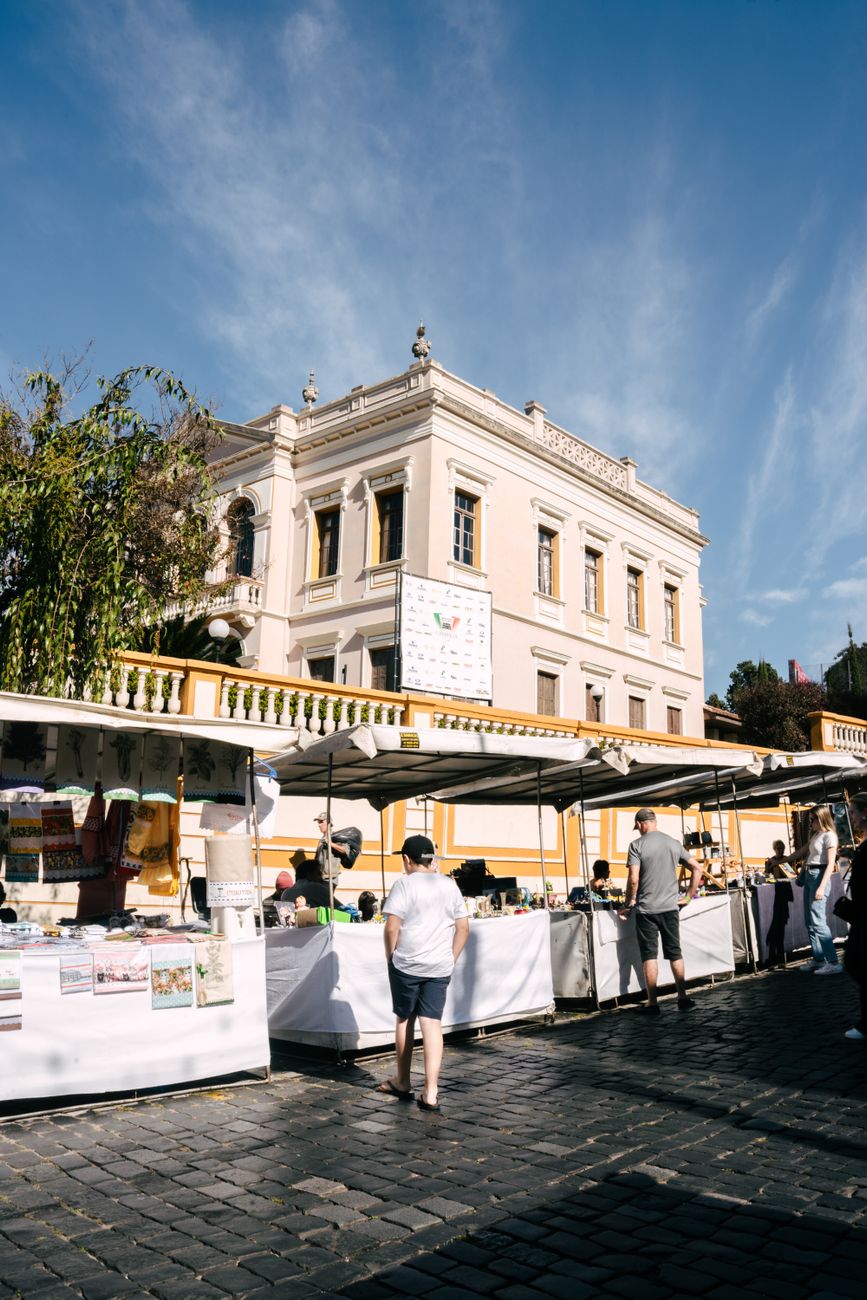
- Sunday morning Largo da Ordem market runs 8:00–14:00 and the Rua do Lazer closes for cars; arrive before 10:30 to avoid crowds at the craft stalls and food trucks.
- Afonso Pena International Airport (CWB) lies in São José dos Pinhais; expect 30–50 minutes to central hotels by taxi/Uber and fares around R$80–120 depending on traffic.
- Santa Felicidade is the city’s Italian restaurant district along Rua Marechal Deodoro and Rua Vicente Machado; restaurants often add couvert (small bread/side) and list it on the menu with a small charge.
How This Guide Was Prepared
Three full days here expose a city that prioritizes parks, organised bus rapid transit and neighbourhood restaurants rather than flashy attractions. Many guides overstate walkability and understate how much time bus transfers take; this guide measures time, costs and where to expect queues and noise. This guide was prepared through a structured research that combines destination research, geographic context, itinerary planning logic, and content review.
Plan Your Stay in Curitiba
Use this itinerary as your starting point, then compare areas to stay, transport options, seasonal timing, and realistic daily costs before booking.
Why Visit
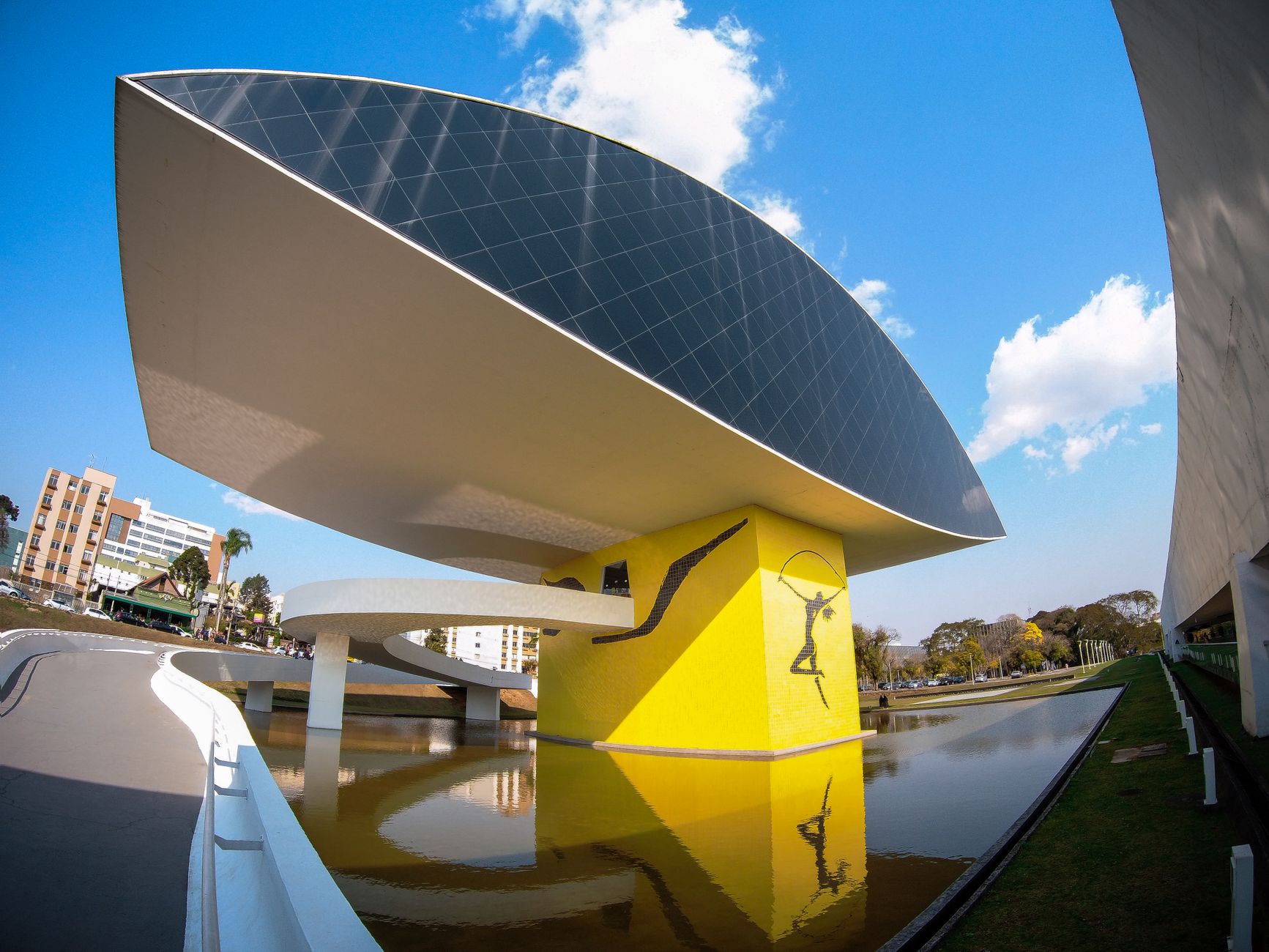
Three main strengths stand out: public green spaces, modernist architecture and neighbourhood restaurants. Jardim Botânico provides a clear, easy-to-reach park with a glasshouse and geometric paths that work well as a first stop. Museu Oscar Niemeyer (MON) and the Ópera de Arame show the city’s investment in modern Brazilian architecture and rotating contemporary exhibitions.
Neighbourhoods such as Santa Felicidade and Batel offer distinct dining scenes: Santa Felicidade focuses on family-style Italian restaurants while Batel concentrates on upscale bars and contemporary Brazilian menus. Parks like Parque Tanguá and Parque Barigui provide lakeside walks and sunset views without leaving the city limits.
Quick Planning Tips
Fly into Afonso Pena International Airport (CWB) and take a licensed taxi or Uber to the centre—expect 30–50 minutes in normal traffic. A direct airport shuttle can be cheaper but takes longer and runs less frequently on Sundays.
Carry small cash for market stalls and small cafés; most larger restaurants and museums accept cards. Buy the URBS reloadable transport card at major terminals or kiosks to save time boarding the estação-tubo. Avoid trying to visit Jardim Botânico, MON and Ópera de Arame in one afternoon; each venue needs time for photos and short walks between them.
Day 1
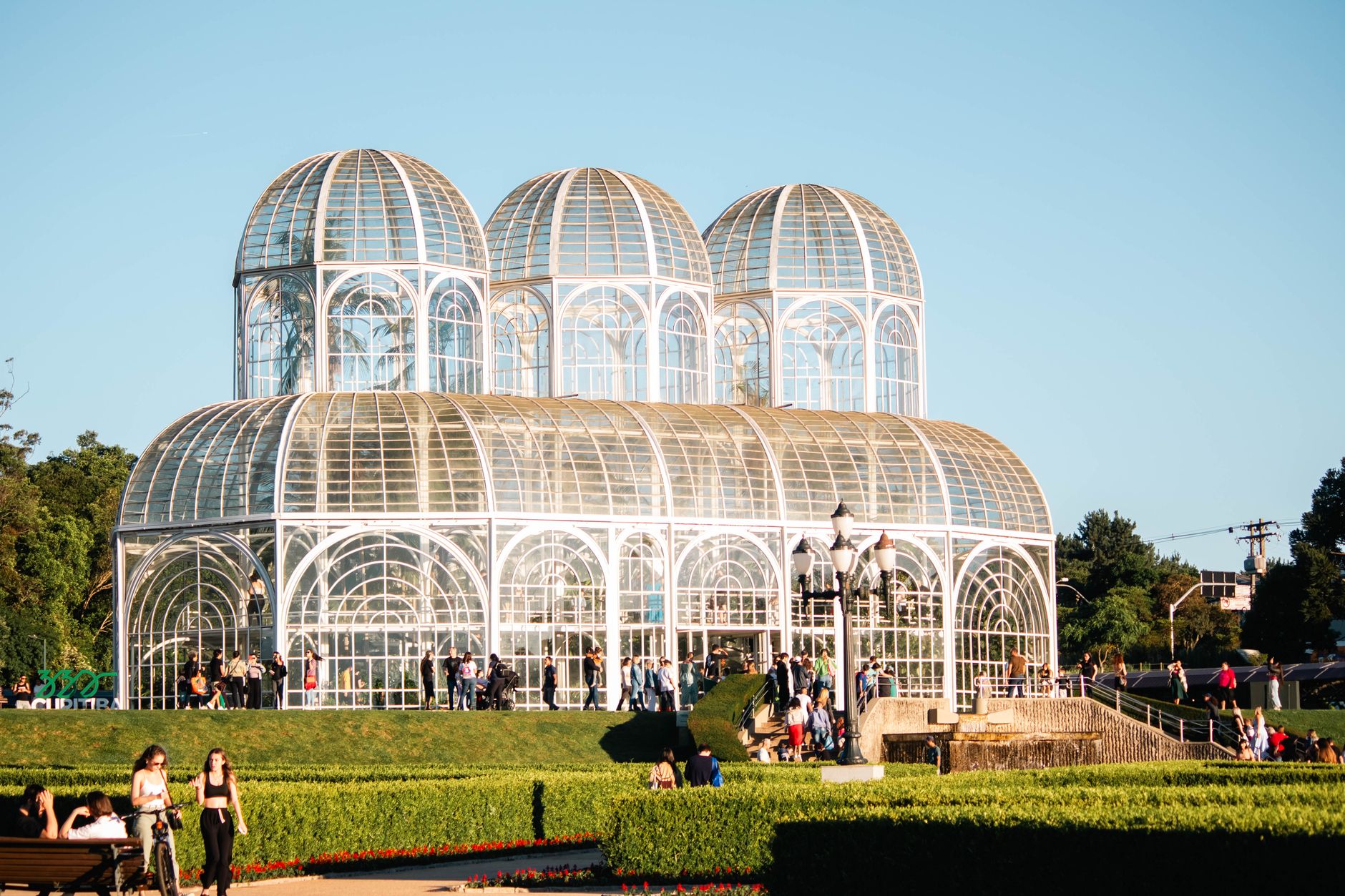
Morning: Start at Jardim Botânico de Curitiba (Botanical Garden). Allow 60–90 minutes for the greenhouse, the French-style gardens and photos along Avenida Josefina. From here take a 20–30 minute bus or 15–20 minute taxi to the Museu Oscar Niemeyer.
Late morning/early afternoon: Spend 90–120 minutes at MON exploring the permanent collection and the temporary shows; check the museum’s ticket desk (entrance roughly R$15–30, prices vary). Walkable distance from MON to Parque das Pedreiras and Ópera de Arame is about 10–15 minutes downhill across the park.
Lunch: Eat at a nearby café such as Café do Museu (or the museum café) for sandwiches and practical options for R$25–45. Afternoon: Explore Ópera de Arame and the small lakeside paths; the setting is good for late-afternoon light and photos.
Evening: Head to Batel for dinner—try an updated Brazilian menu on Rua 24 de Maio. Expect transit of 20–30 minutes by bus or 10–15 minutes by taxi from Ópera de Arame. Finish the night with a relaxed bar in Batel or a short walk along Avenida Vicente Machado.
Day 2
Morning: Largo da Ordem and the historic centre make a good start. Arrive before 10:30 on a Sunday to catch the Feira do Largo da Ordem market and Rua do Lazer; weekday hours are quieter. Spend 60–90 minutes visiting the craft stalls, small galleries and São Francisco de Paula Church.
Late morning: Walk two blocks to Rua XV de Novembro for coffee and window-shopping; a 10–15 minute stroll connects the historic core to Paço da Liberdade. Lunch: Try Mercado Municipal de Curitiba for a mix of local snacks, pastries and fresh fruit at stall prices (R$8–25 per item).
Afternoon: Transfer to Parque Tanguá (about 25–35 minutes by bus or 20 minutes by taxi). Allow 60–90 minutes for the viewpoints, the tunnel and the higher terraces. Evening: Return toward Santa Felicidade for a sit-down Italian dinner on Rua Marechal Deodoro. Dinner menus in Santa Felicidade range widely; plan R$70–140 per person for a full meal with wine.
Day 3
Morning: Start at Bosque do Alemão for a short trail and the Hansel and Gretel path; this neighbourhood visit highlights German-Brazilian heritage and is about 20–30 minutes by bus from the centre. Spend 45–60 minutes walking the paths and visiting the chapel and lookout.
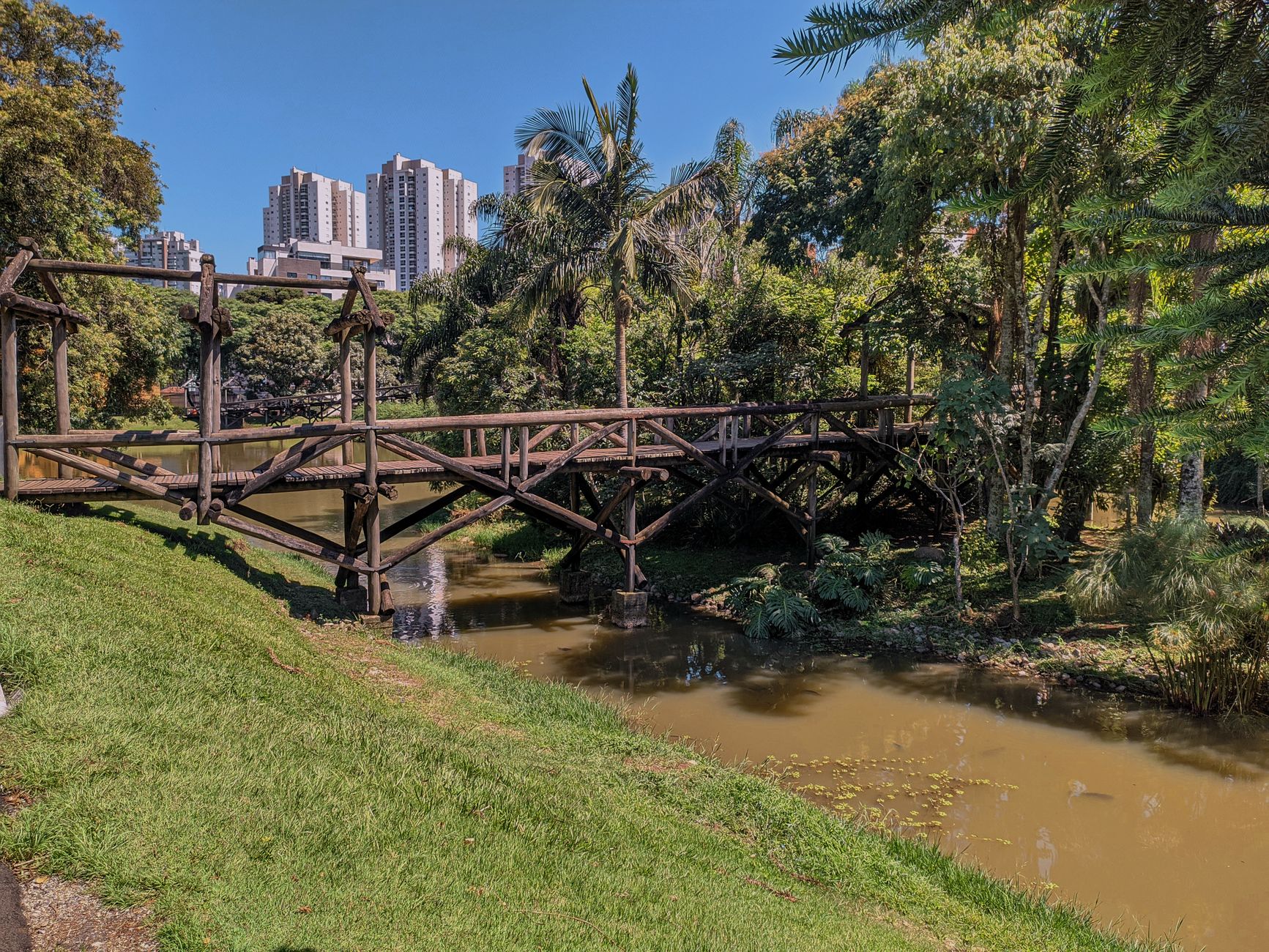
Late morning: Head to Parque Barigui for a lakeside walk and possible capybara sightings; it’s about 15–25 minutes between Bosque do Alemão and Barigui by taxi. Lunch: Try a casual churrasco or bar snack near Barigui; expect R$25–50 for a filling plate.
Afternoon: If checking out or catching an afternoon flight, plan travel time to Afonso Pena Airport at 30–50 minutes from central hotels; leave earlier during weekday rush hours. If time allows, make a short last stop at a café in the Centro or pick up souvenirs from Paço da Liberdade before heading to the airport.
Best Local Experiences
Feira do Largo da Ordem (Sunday market) is a must for craftwork, street food and local performers. The Linha Turismo hop-on hop-off bus covers Jardim Botânico, MON, Ópera de Arame and Parque Tanguá and is useful for first-time visitors who want a loop with commentary.
Dinner in Santa Felicidade focuses on family-style Italian service and generous portions; many restaurants have live music on weekends. A chimarrão break in a café or park signals local routine—look for mates shared in the afternoon. Visit Mercado Municipal de Curitiba for regional produce, smoked meats and quick snack stalls.
Where to Stay
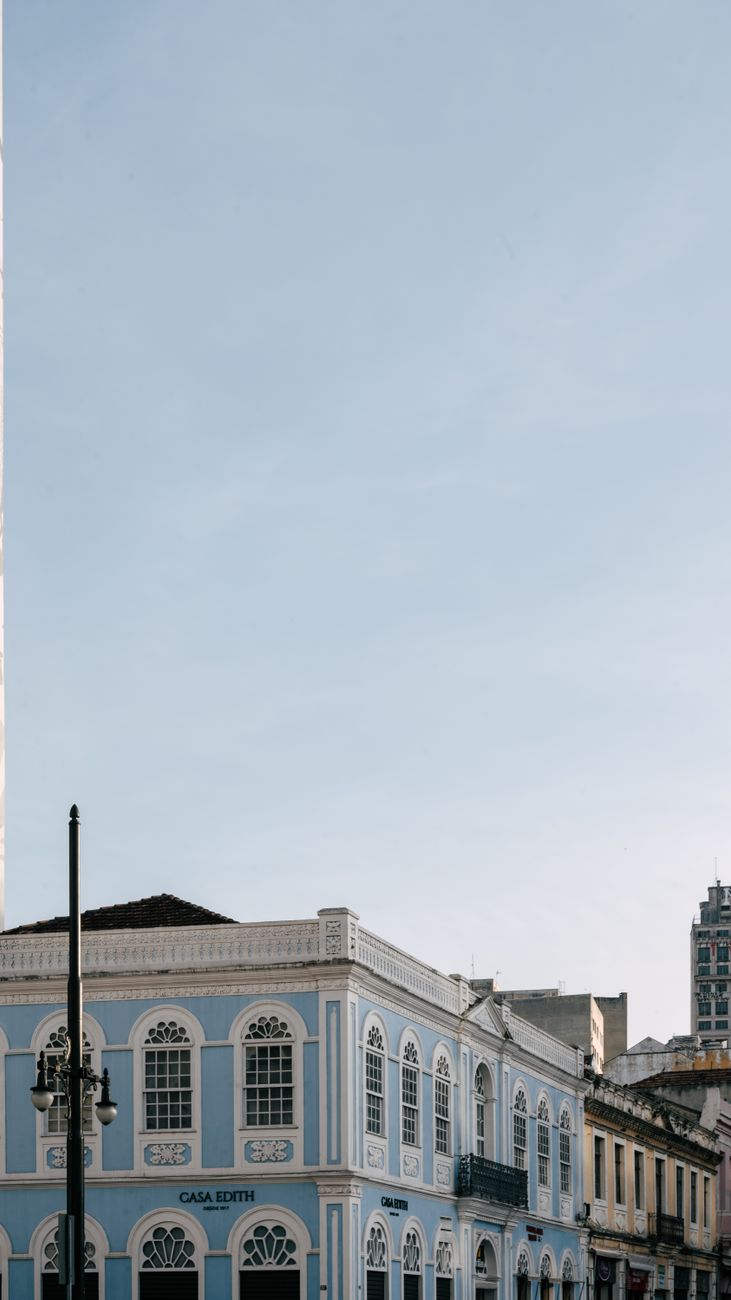
Centro (Downtown): Best for first-timers who want walking access to Largo da Ordem, Rua XV de Novembro and Paço da Liberdade. Budget hotels and business hotels predominate. Expect R$120–250 per night (€22–45 / $24–50) depending on season.
Batel: The city’s more upscale neighbourhood with bistros, bars and late dining; suits couples and travellers wanting nightlife and higher-end restaurants. Hotels and aparthotels range R$250–450 per night (€45–80 / $55–95).
Santa Felicidade: Suits those focused on food and family-style restaurant nights; quieter after dinner hours and good for rental apartments or pousadas. Nightly rates typically R$180–320 (€32–57 / $40–68).
Food and Drink
Chimarrão: A hot mate infusion served in a cuia and sipped with a bomba; common in parks and cafés — free or R$5–10 if bought in specialty shops. Carne de onça: Raw seasoned beef often served as a bar snack; find it in traditional bars around Largo da Ordem and Batel for R$15–30.
Barreado: A slow-cooked meat stew from Paraná served with banana and manioc in some restaurant menus; expect R$40–90 in traditional places and family restaurants in Santa Felicidade. Pierogi and polenta: Reflecting Polish and Italian influence; good versions appear in family restaurants in Santa Felicidade for R$30–70.
Breakfast option: Pão na chapa with café — buttered toasted pão francês at a bakery with coffee for R$8–15. Street food: Try pastel or coxinha at markets and food trucks for R$6–15 per item. Dinner recommendation: a full Italian meal in Santa Felicidade with antipasto, main and wine for R$80–160 per person.
Getting Around
Buses form the backbone of local transit through the Rede Integrada de Transporte (RIT) using articulated buses and distinctive estação-tubo boarding points. Single bus fares are around R$4–5 (approx €0.80–1.00 / $0.85–1.05) depending on municipal updates; buy a reloadable URBS Cartão Transporte at terminals or kiosks for quicker boarding.
Taxis and ride-hailing services (Uber/app-based) are widely available; expect airport-to-centre trips around R$80–120 (€15–24 / $16–24). Use Moovit or Google Maps for route planning—both list bus lines and approximate times. There is no commonly used city 24-hour bus pass for tourists, so calculate based on individual journeys or use the tourist Linha Turismo bus for a one-day sightseeing loop.
Best Time to Visit
Spring (September–November) brings mild temperatures between 15–23°C and fewer crowds than summer; it’s a good balance of comfortable weather and lower prices. Summer (December–February) sees warmer days 20–30°C, higher humidity and the most tourists; book ahead for weekend dining.
Autumn (March–May) has cooler afternoons 14–22°C and crisp mornings; park colors are pleasant but short rain spells occur. Winter (June–August) can drop to 8–15°C with chilly mornings; it’s the low season for visitors and offers better hotel rates but shorter daylight for outdoor visits.
Budget and Practical Tips
Daily budget (mid-range traveller): Accommodation R$150–350 (€28–63 / $30–70), food R$70–150 (€13–27 / $14–30), local transport R$15–35 (€3–6 / $3–7), entry fees R$20–50 (€4–9 / $4–10). Expect a reasonable three-day total (excluding flights) of R$700–1,400 (€130–250 / $140–280) depending on hotel choice and dinners.
Carry some cash for market stalls, small cafés and couvert charges in Santa Felicidade; cards are accepted at most restaurants and museums. Tipping in Brazil: leave small change for café/market service, add 10% service in restaurants if not already included; taxis are usually rounded up. Watch pickpocketing in crowded markets and on busy buses; keep valuables secure and use hotel safes for passports and extra cards.
FAQ
Is Curitiba safe for tourists?
Central areas and tourist sites are generally safe during the day; standard precautions apply after dark and on crowded buses—avoid showing valuables and keep pockets zipped.
How do I get from Afonso Pena Airport to the city centre?
Licensed taxis and ride-hail apps take 30–50 minutes; airport shuttles or private transfers cost less but take longer depending on stops.
Is a city pass worth buying?
The municipal system lacks a single all-in-one tourist pass; the Linha Turismo hop-on hop-off bus is useful for a sightseeing loop but separate museum tickets are usually needed.
Are buses easy to use for tourists?
Yes, but expect transfers and some waits; use the URBS Cartão Transporte and route planners like Moovit to speed boarding.
Can three days include Santa Felicidade and Batel dining?
Yes, but each neighbourhood deserves an unhurried evening; plan one full night per neighbourhood to enjoy menus without rushing.
Are museums wheelchair accessible?
Major museums such as MON provide ramps and elevators, but check specific exhibition access and bring identification for ticket discounts.
Conclusion
A well-paced 72 hours highlights what sets this city apart: expansive parks, decisive modernist architecture and neighbourhood dining that rewards relaxed evenings. Visitors will most likely remember the greenhouse at Jardim Botânico, the low-slung concrete forms at MON and a long meal in Santa Felicidade. If time gets tight, prioritise Jardim Botânico for a morning visit and MON for an afternoon—those two capture the city’s public-space priorities and architectural character.
How this guide was prepared
This guide was prepared through a structured research that combines destination research, geographic context, itinerary planning logic, and content review.