
3-Day Practical Guide to Puno and Lake Titicaca Itinerary
A practical 3-day plan for Puno with day-by-day routes, transit from Juliaca airport, estimated costs, altitude tips and Lake Titicaca tour advice.
A no-nonsense 72-hour plan for Puno focused on Lake Titicaca islands, Sillustani tombs, markets, and realistic transport and cost advice.
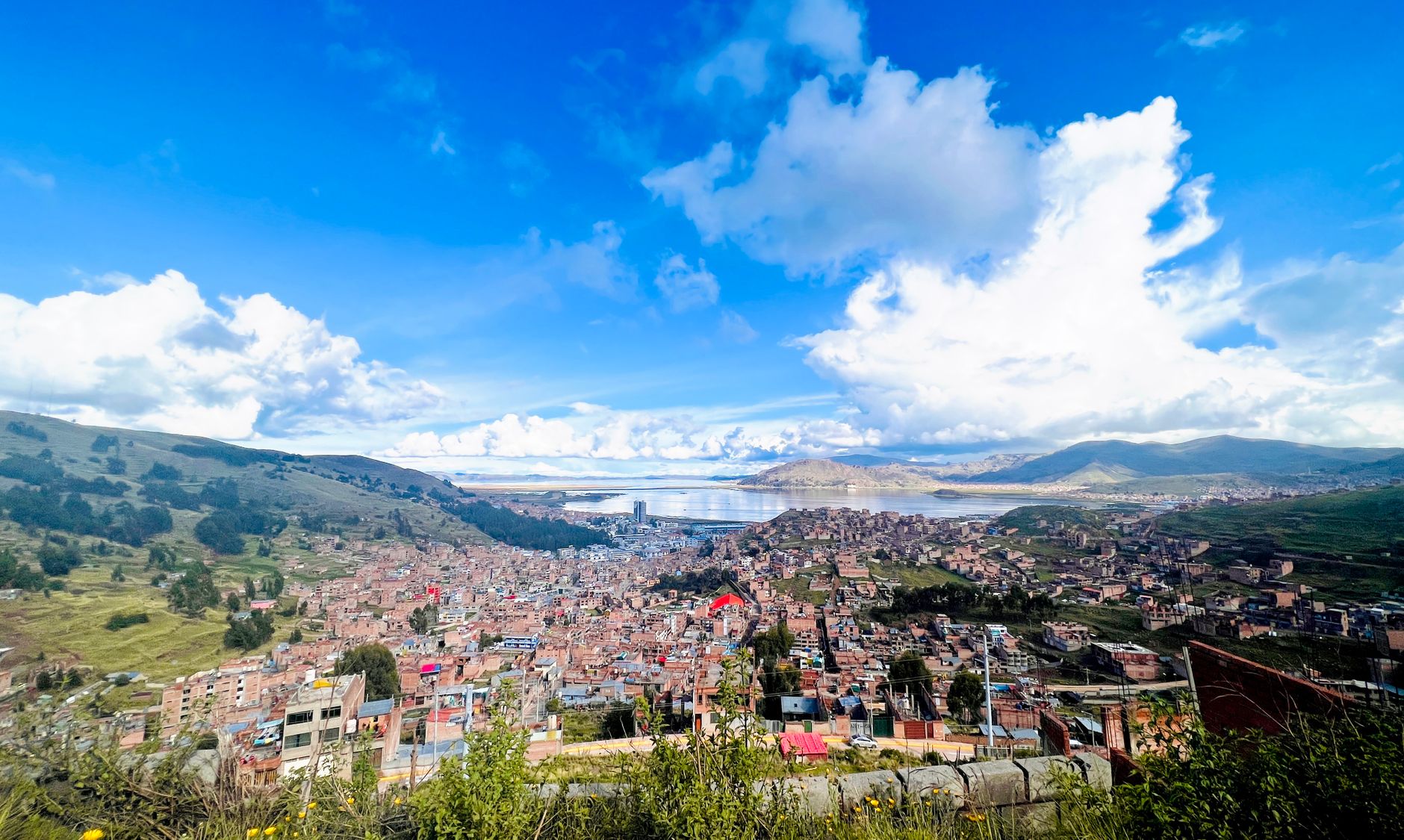
Puno sits at roughly 3,830 metres on the shore of Lake Titicaca and feels like a working lake town more than a polished tourist resort. Expect thin air, strong sun, noisy minibuses (combis) and a city centre that mixes government offices, market activity and tourist services along Calle Lima and Avenida El Sol.
Arrival impressions are often twofold: beautiful lake views in the morning, and a practical, sometimes rough-around-the-edges urban core where services are functional but not luxurious. Markets, peña restaurants, boat crews and community guides are part of daily life rather than stage-managed attractions.
Many visitors assume island tours are fixed, comfortable packages; in reality, tours depend on weather, community schedules and boat availability, and negotiating what is included saves time and money. This guide suits travelers who accept basic infrastructure, value direct encounters with Uros or Taquile communities, and can manage high-altitude pacing.
Is 3 days in Puno enough?
Three days in Puno is enough to visit the Uros and Taquile islands (or Amantani with an early start), walk the city center, and do a morning trip to Sillustani. Time will be tight; an overnight on Amantani or extra time for slow acclimatization will need a longer stay.
Who This Guide Is For
Best for travelers who can handle 3,800–4,000 m altitude, want cultural encounters and short boat trips, and prefer compact itineraries. Poor fit for travelers craving easy low-altitude comfort, slow island stays, or multi-day treks.
Local Tips for Puno
Practical details that most travel sites skip — specific to Puno.
- Juliaca airport is officially Aeropuerto Internacional Inca Manco Cápac; local shuttle buses and colectivos to Puno take 45–60 minutes and cost about S/6–10 (≈USD 1.50–2.50).
- Mercado Central (on Calle Lima and Pasaje Peñarol) opens before 7:00; breakfast trout or api morado breakfasts are cheapest there and many stalls close by 14:00.
- Uros community visits commonly include a community fee of S/10–30 per person; confirm whether a boat tour price (S/60–120) includes both Uros and Taquile and whether food is provided.
- PeruRail runs the Titicaca/Economic and higher-class services between Puno and Cusco; scenic train seats sell out—book at PeruRail or authorized agents well in advance (tickets often from ≈USD 80).
- Sillustani archaeological site is about 35–45 minutes by taxi from the city center; entrance is typically S/10–20 and the wind and sun reflect strongly at that elevation, so layers are essential.
How This Guide Was Prepared
Puno is less a polished tourist hub than a working highland port where indigenous Aymara and Quechua life meets lake transport. Many guides treat it as only a jumping-off point for islands; this guide shows how to use limited time to see the islands well while also understanding market life, local food, and the logistical friction of altitude and schedules. This guide was prepared through a structured research that combines destination research, geographic context, itinerary planning logic, and content review.
Plan Your Stay in Puno
Use this itinerary as your starting point, then compare areas to stay, transport options, seasonal timing, and realistic daily costs before booking.
Why Visit
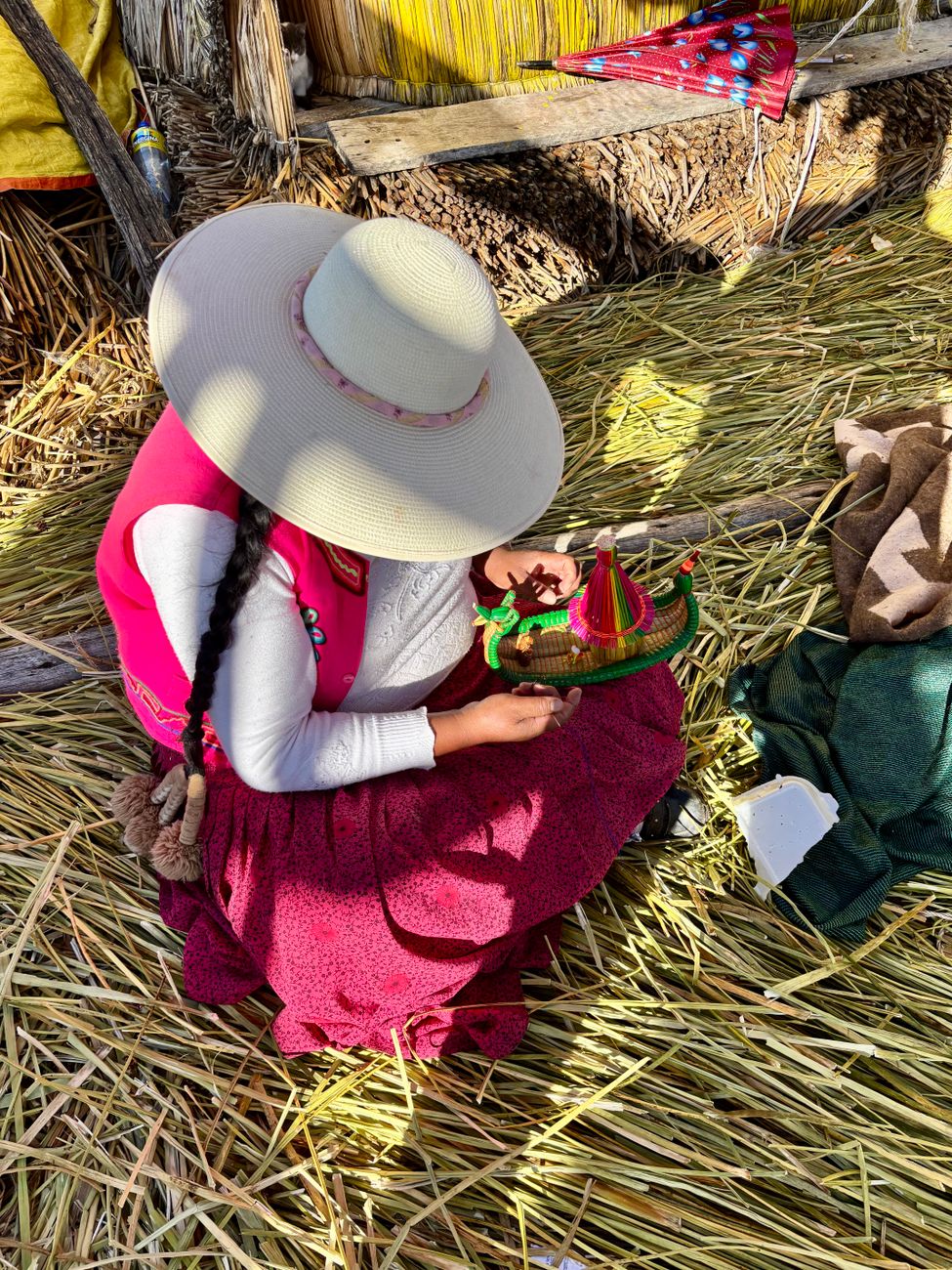
A short stay delivers several specific experiences not found nearby. First, Lake Titicaca's living reed islands at Uros offer a direct look at a unique man-made environment and everyday life on floating platforms, rather than a staged exhibit.
Second, Taquile and Amantani islands provide community-run homestays and textile traditions with clear, traceable local production—Taquile’s handwoven belts and Amantani’s communal guesthouse networks show how island communities manage tourism income.
Third, Sillustani’s chullpas (funerary towers) are a compact archaeological site close to the city that contrasts with lake scenery and reveals pre-Inca mortuary architecture.
Finally, the central market and Calle Lima present practical local food and small-scale commerce. These city-centred experiences pair easily with day boat trips, making a 72-hour plan efficient without constant long transfers.

Quick Planning Tips
Fly into Aeropuerto Internacional Inca Manco Cápac (Juliaca) when possible; public buses and colectivos link the airport to the city in about 45–60 minutes for S/6–10. Long-distance buses arrive at Terminal Terrestre de Puno; Cruz del Sur and local lines serve routes to Arequipa, Cusco and Lima.
Peruvian soles (PEN) are needed for many small purchases and community fees; ATMs in the central area are common but withdraw larger amounts in Juliaca or in bigger Peruvian cities to avoid running out. Credit cards work at mid-range restaurants and hotels, but markets and island communities expect cash.
Avoid booking the first full-day island program immediately after arrival. Allow at least a half-day to acclimatize, drink mate de coca (coca tea), and confirm boat departure times with your hotel or the port office.

Day 1
Morning: Start at Plaza de Armas to get bearings and visit the Cathedral of Puno. Plaza de Armas is compact; walking the square and adjacent Avenida El Sol takes 20–30 minutes. Use this time to exchange cash if needed and buy any last-minute cold-weather layers.
Late morning: Walk two blocks to Mercado Central for a trout (trucha) breakfast or api morado and to observe the local produce and artisanal stalls. Expect 10–20 minutes walking from the plaza. A hearty breakfast at a market stall costs roughly S/5–12.
Afternoon: Book a 3–4 hour Uros islands shared boat from the Port of Puno (Puerto de Puno). The boat ride to Uros takes about 30–40 minutes depending on the craft; visits usually include a short island tour and demonstration. Shared boat prices run S/60–120; confirm community fee and return time. Bring sun protection and a wind layer.
Late afternoon: Return to the city and walk along the lakeshore promenade (malecon) toward Calle Lima, 15–25 minutes from the port. This is a good time for photos as the light softens. Dinner: Eat at Mojsa (near Plaza de Armas) for a mid-range introduction to regional plates; expect mains S/30–60. Evening: Finish with a short musical show at a peña on Calle Lima or a low-key lakeside bar; confirm event schedules in advance.

Day 2
Morning: Take an early full-day boat to Taquile (or an extended combined Uros+Taquile trip if not done on Day 1). Boats depart from Puerto de Puno between 7:30 and 9:00; the ride to Taquile is about 2 hours depending on conditions. The island has steep paths; allow 1–2 hours for the main village and textile workshops.
Lunch: Have a community-prepared lunch on Taquile (often included in organized tours) or carry snacks. Confirm whether lunch is included when booking; community lunches typically run S/10–25 when paid locally.
Afternoon: On the return, stop at small harbors or viewpoints for photos; expect to be back in Puno by mid-to-late afternoon if weather is good. Use this afternoon to visit Museo Manuel del Pino (or the Regional Museum) to see pre-Columbian ceramics and local textile displays—museum entry often under S/10.
Transit note: Boats are subject to weather delays; plan the rest of the day flexibly. Dinner: Try a local peña that offers folkloric music and regional dishes; check whether there is a cover charge (S/10–25). Evening: Short walk along Calle Lima for souvenir shopping; many stalls close by 21:00.
Day 3
Morning: Take a short excursion to Sillustani archaeological site. Arrange a taxi or colectivo from the central area—travel time is about 35–45 minutes. Explore the funerary towers (chullpas) along the ridge; plan for 1–2 hours at the site and bring water and sun protection. Entrance fee is commonly S/10–20.
Late morning: Return to the city and visit the small crafts shops on Calle Lima or the mercado for last-minute purchases of alpaca textiles and handicrafts. If checking out of accommodation, leave luggage at the hotel or a secure locker while touring; confirm luggage storage in advance.
Lunch: Eat at a simple local restaurant near the port or Mercado Central—trucha a la plancha runs S/12–25. Early afternoon: If travel plans require catching a flight from Juliaca, leave Puno for the airport at least 2.5–3 hours before departure to allow for transport and security (bus/colectivo 45–60 minutes plus recommended buffer time). For afternoon buses to Cusco or Arequipa, allow at least 45 minutes to reach Terminal Terrestre de Puno.
Evening: If time remains, enjoy a final short walk on the malecon at sunset and a light dinner near the plaza before departure.

Best Local Experiences
Uros Floating Islands: Visit the reed islands to see reed boat construction and everyday life on floating platforms; community fees are common. Taquile Island: Experience island weaving and climb village paths for panoramic lake views; the textile co-operative system is structured and transparent. Amantani Island homestay: Stay one night in a community guesthouse for a slow cultural exchange and sunset views; organized trips arrange hosts and meals.
Sillustani archaeological site: Early morning light and fewer visitors make this the best time to visit the chullpas. Mercado Central and Calle Lima: Morning market hours show local produce, trout stalls and street food vendors; useful for cheap meals and observation of daily commerce. Fiesta de la Candelaria (early February): A major local festival of music and dance; crowds and prices spike but it is one of the largest Andean folk events in Peru.
Other activities include a short bike ride along the malecon, peña nights for folkloric music on Calle Lima, and short day trips to nearby towns by colectivo.

Where to Stay
Plaza de Armas / Centro Histórico: Best for first-time visitors who want immediate access to the cathedral, banks, restaurants and the port. This area suits those preferring walkable access; expect guesthouses and mid-range hotels from S/60–180 per night (≈USD 16–47, EUR 15–45).
Avenida El Sol / Calle Lima area: Good for night-life, markets and peñas. Slightly busier after dark; suits travelers seeking convenience to restaurants and shops. Prices similar to the center: S/50–160 (≈USD 13–42, EUR 12–40).
Chucuito and lakeside outskirts: Better for quieter rooms and proximity to routes toward Sillustani. Suits travelers with a taxi or those joining organized tours early in the morning. Expect simpler lodgings and guesthouses around S/40–100 (≈USD 10–26, EUR 10–25).
Book a night on Amantani or Taquile separately if wanting an island homestay; community rates for lodging and meals vary but budget roughly S/40–80 for a homestay night with dinner and breakfast included.
Food and Drink
Chairo: A hearty Andean meat and vegetable soup with chuño and barley; find good versions at Mercado Central and local eateries for S/6–12. Trucha a la plancha (lake trout): Fresh trout from Lake Titicaca, often grilled; excellent at market stalls and mid-range restaurants like Mojsa—expect S/12–35.
Cuy chactado: Fried guinea pig served whole; considered a special meal and priced accordingly in tourist-oriented peñas and table-service restaurants, typically S/40–80. Chicha de jora: Fermented corn drink available in some peñas and markets; sample in small quantities for S/3–8.
Api morado: Hot purple corn drink served at breakfast stalls in the market, often with tamales; a budget breakfast option at S/3–6. Mate de coca (coca tea): Widely offered at hotels and markets for altitude relief; free at many lodgings or S/1–3 at cafés. For street food, choose busy stalls in Mercado Central where turnover is high and prices are lower.
Getting Around
Local transport modes include combis (shared minibuses), colectivos (shared taxis), mototaxis in some neighborhoods, ordinary taxis and organized boats for island transport. Expect combi fares around S/1–2 within the urban area and taxi fares S/3–8 for short trips; agree the fare upfront.
Terminal Terrestre de Puno handles intercity buses; Cruz del Sur runs major routes. PeruRail operates the Titicaca train to Cusco. Boats to Uros, Taquile and Amantani depart from Puerto de Puno; shared boat tours typically cost S/60–120 and private charters more.
There is no unified city transit card; use Moovit or Google Maps for route planning and ask hotel staff for up-to-the-minute boat departure info. Taxi apps are not reliably available in the central area, so use agreed fares or hotel-arranged taxis for airport runs. Airport taxi to Juliaca airport costs around S/60–100 (≈USD 15–26).
Best Time to Visit
Dry season (May–September) offers the most reliable weather for boat trips and clearer skies. Day temperatures typically range from 10–18°C while nights can drop below freezing, especially June–August.
Shoulder months (April and October) often provide a balance of fewer crowds and still-good weather; expect occasional afternoon showers in April. Rainy season (November–March) brings warmer days (12–20°C) but more frequent afternoon storms that can disrupt boats and muddy unpaved tracks.
Festival travel: Fiesta de la Candelaria in early February is culturally spectacular but brings extreme crowds, higher prices and full bookings. For best value and reliable boat schedules, aim for May or September.
Budget and Practical Tips
Budget daily ranges: Tight budget: S/80–120/day (≈USD 21–32, EUR 20–30) covering basic lodging S/40–60, market meals S/15–25, local transport S/5–10 and one paid activity. Mid-range: S/180–320/day (≈USD 47–84, EUR 45–80) for a decent hotel S/120–200, restaurant meals, boat shared tours and museum entries. Comfortable: S/350+/day (≈USD 92+, EUR 90+) for private guides, private boat charters and higher-end hotels.
Entry fees: Sillustani ≈S/10–20, small local museums S/5–10, community fees on islands S/10–30. PeruRail and private boats are the largest single-ticket expenses (PeruRail tickets often ≈USD 80+; private boat charters vary widely).
Tipping: A 10% tip in restaurants is customary but not mandatory; some restaurants add a service charge—check the bill. Tip boat crews and local guides modestly (S/5–20 depending on group size and service). Carry small bills for community fees and market purchases.
FAQ
How bad is altitude sickness in Puno?
Altitude sickness risk is real at ~3,830 m; symptoms include headache, fatigue and shortness of breath. Rest the first half-day, drink mate de coca, avoid heavy meals and limit alcohol. Seek oxygen or a clinic if severe symptoms develop.
What is the best way to get from Juliaca airport to the city?
Take an official shuttle or colectivo from the airport terminal; travel time is 45–60 minutes and costs roughly S/6–10. Taxis are faster but cost S/60–100; confirm the fare first.
Is a Lake Titicaca island tour worth it in one day?
A one-day shared tour can cover Uros and Taquile; it is worthwhile for a snapshot but feels rushed. For Amantani, an overnight homestay is recommended.
Should a Puno city card or pass be purchased?
There is no widely recognized city card that covers island tours and community fees. Buying tickets and tours à la carte is more common and often cheaper; book PeruRail separately if needed.
Are Puno and Juliaca safe for tourists?
Central Puno is generally safe during daytime; keep valuables discreet, avoid walking alone late at night in poorly lit streets, and use hotel-arranged taxis after dark. Juliaca has higher petty-crime risk—remain cautious and use official transport.
Can PeruRail/Cruz del Sur tickets be bought on arrival?
Cruz del Sur often sells seats at the terminal but popular routes may sell out; PeruRail trains are best booked online or through agents in advance, especially in high season.
Can I use credit cards everywhere?
Credit cards work at hotels and mid-range restaurants but rarely at markets, island communities or small stalls—carry cash for those purchases.
Conclusion
A carefully paced 3-day visit will leave a clear impression of lake life, island textile traditions and highland archaeology. Most travelers will remember the contrast between open lake horizons and the crowded, practical energy of the central market and Calle Lima. If time runs short, prioritize a Uros or Taquile visit and a short trip to Sillustani—these deliver the quickest cultural and scenic payoff. Plan for altitude, carry cash for community fees, and keep boat schedules flexible.
How this guide was prepared
This guide was prepared through a structured research that combines destination research, geographic context, itinerary planning logic, and content review.