

Ronda in 3 Days: Practical Itinerary and Honest Travel Tips
A practical 3-day Ronda itinerary with timings, transport from Málaga, budget ranges, top sights and what to skip if time is tight.
Three days are enough to see Ronda's gorge, bullring, old town and a winery, but expect steep walking, narrow streets and some repeated viewpoints.
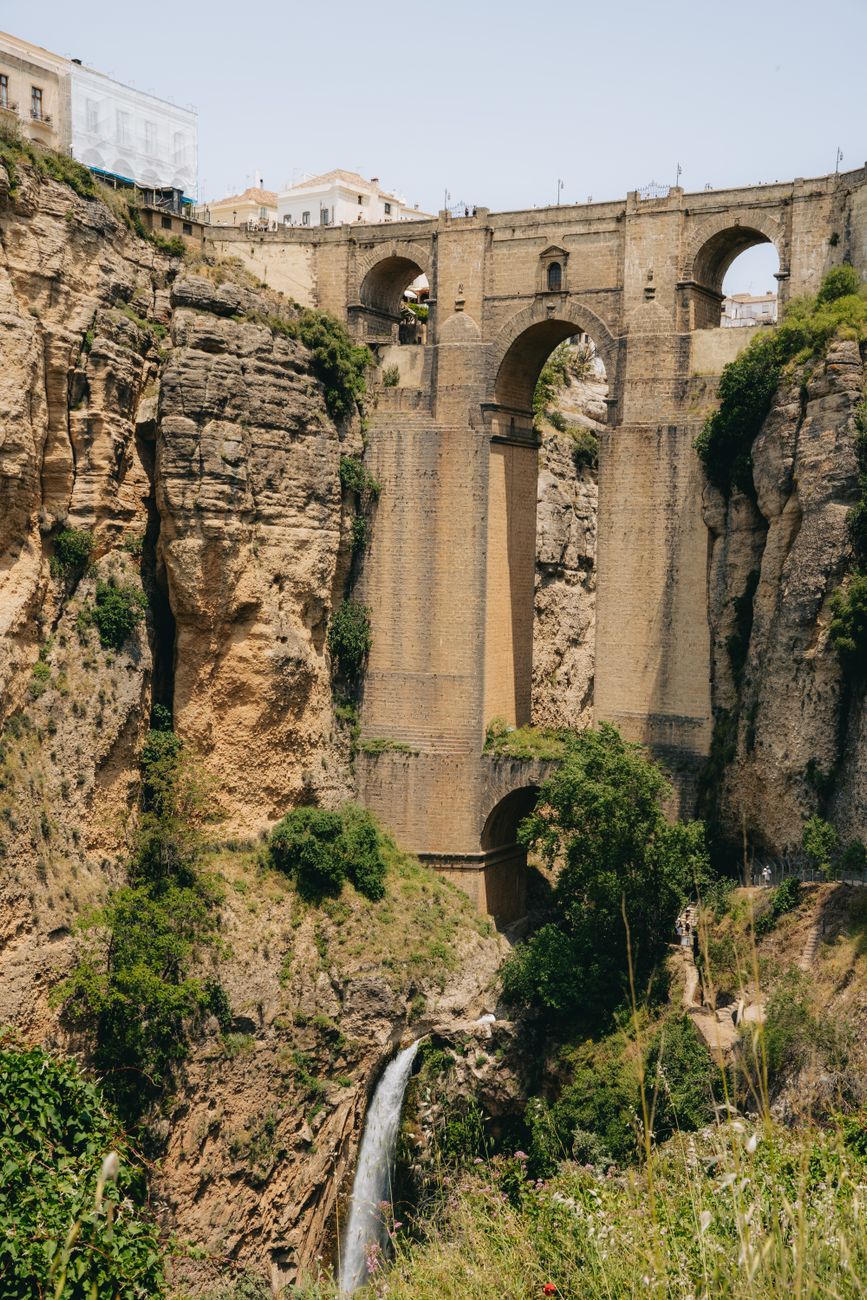
A first impression is that the town sits split by a high limestone gorge with streets and viewpoints on both rims. Expect short, steep streets, old stone bridges and a small-town pace that slows after 9pm outside high season. Arrival from Málaga or Seville changes the mood: trains and buses funnel day trippers here, but two nights let the crowds thin in the early morning and late evening when the light on the cliffs is best. The place suits people who enjoy concentrated historic centres, regional wine, and walking sections that reward with different vistas rather than long museum circuits.
Is 3 days in Ronda enough?
Yes: three full days let a traveler cover the Puente Nuevo, Plaza de Toros and the old town museums, walk the Tajo rim trails, and visit one local bodega. Caveat: there will be no time for multiple day trips to Marbella or the coast without adding travel time.
Who This Guide Is For
Best for walkers, history buffs, wine fans and people who enjoy steep streets and quiet nights. Poor fit for travelers who expect beaches, fast nightlife, or minimal walking.
Local Tips for Ronda
Practical details that most travel sites skip — specific to Ronda.
- Buy RENFE Media Distancia tickets at Málaga María Zambrano or on the Renfe app; Málaga–Ronda runs about €8–€16 one way and takes roughly 2 hours depending on the service.
- The main bus operator to Ronda is Avanza (station at Calle Armiñán); buses can be faster than trains in early mornings and cost €8–€12 one way.
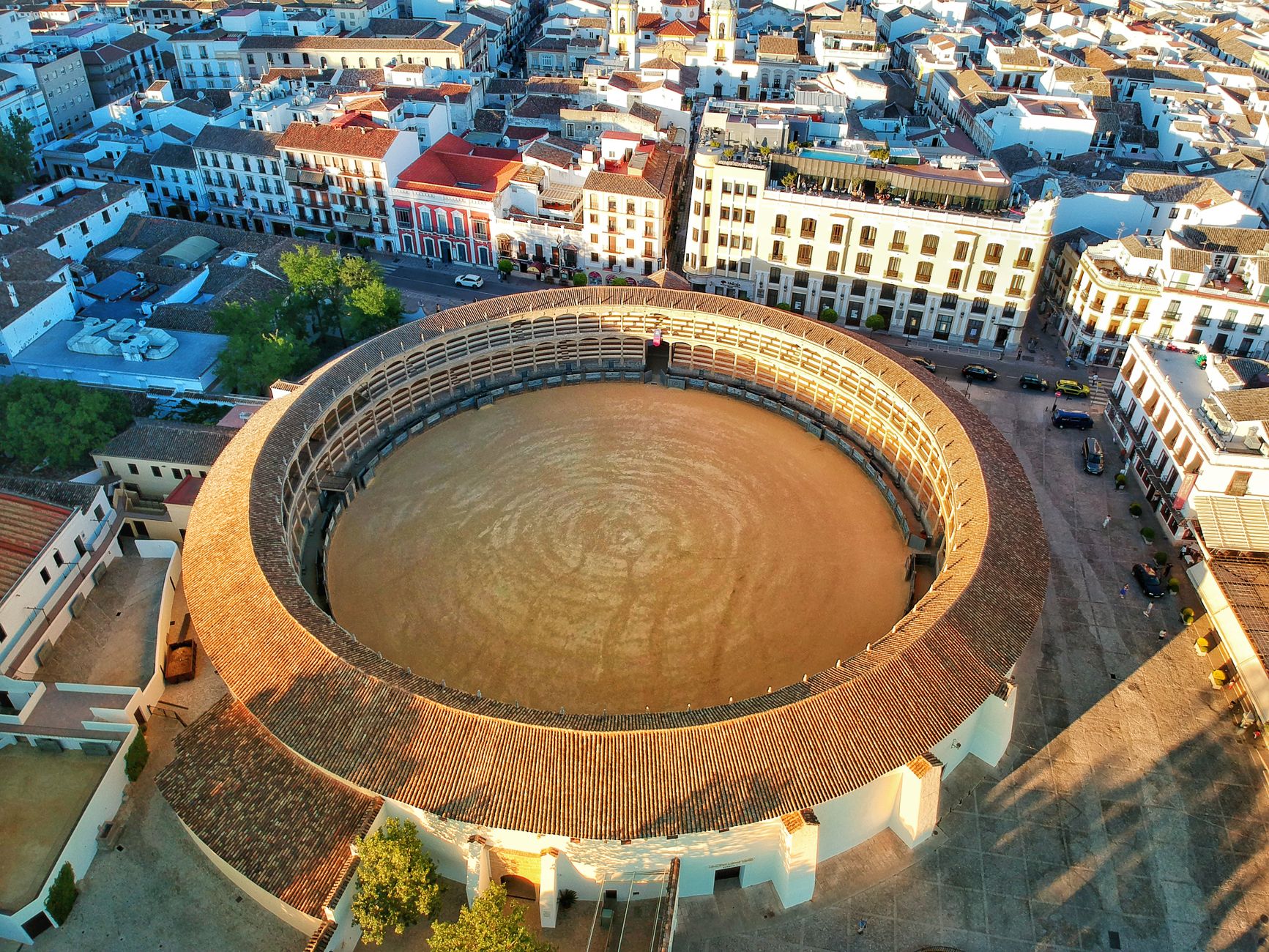
- Plaza de Toros (Bullring museum) usually charges around €8–€10; open hours shrink in winter—check posted times before arriving.
- Payoya goat cheese (Queso Payoyo) is sold at Mercado Municipal on Calle Virgen de la Paz and at Bodegas shops; expect €6–€12 for a small wheel or pre-cut portion.
- Casa del Rey Moro escalera and Jardines (the water mine access) have a small admission—about €2–€4—and involve steep, uneven steps; wear sturdy shoes.
How This Guide Was Prepared
Ronda is best understood as a dramatic white town built around a deep gorge and an old bullring, not a seaside resort. Most guides treat it like a half-day stop from the coast; this guide treats it as a legitimate short break with time for museums, a winery visit and slow evenings in specific neighbourhoods. This guide was prepared through a structured research that combines destination research, geographic context, itinerary planning logic, and content review.
Plan Your Stay in Ronda
Use this itinerary as your starting point, then compare areas to stay, transport options, seasonal timing, and realistic daily costs before booking.
Why Visit
First, the geography is unusual: a deep gorge cuts the town in two and creates viewpoints within a short walk of each other, making photography and short hikes productive. Second, the bullring at Plaza de Toros is one of Spain's early modern arenas and includes a museum that explains Andalusian bullfighting history and local customs. Third, the Serranía de Ronda wine area has several boutique bodegas within easy reach for tastings and cellar tours. Fourth, small but focused museums—Palacio Mondragón and the Museo del Bandolero—explain local civil and social history in minutes rather than full-day commitments. These reasons make a three-day stay satisfy both slow sightseeing and a relaxed tasting or two.
Quick Planning Tips
Best routes from Málaga are direct RENFE Media Distancia trains from Málaga María Zambrano (about 2 hours) or Avanza buses from Málaga bus station (about 2 hours). Buy train tickets on the Renfe app or at the station ticket machine the day before to avoid queues; bus tickets are sold online at Avanzabus or at the bus station. Cash is accepted widely but many small bars prefer card contactless; carry some euros for small museums, bus kiosks and market purchases. Avoid arriving late to Sunday markets and attractions: several municipal museums and shops close early on Sundays and Monday mornings, so plan museum visits for day one or two rather than the morning after arrival.
Day 1
Start at Puente Nuevo and the Mirador de Aldehuela for the classic gorge view and a short orientation walk along Calle Armiñán. From Puente Nuevo walk 5–10 minutes to Plaza de María Auxiliadora then descend to Plaza de Toros; visiting the bullring museum typically takes 45–75 minutes. Walk across to Calle La Bola and head to Palacio Mondragón (5–8 minutes), where the gardens and city history displays give context; expect 45 minutes there. Lunch at Mercado Municipal de Abastos or a nearby taberna by Plaza del Socorro offers cold cuts, Payoya cheese and simple hot dishes; budget €10–18. After lunch, descend to the Arab Baths (Baños Árabes) on Calle Real and then climb the lower terraces of Casa del Rey Moro to reach the old water mine if stairs are manageable; allow 1–1.5 hours for both. On foot, the segments above link in 5–20 minute walks; wear shoes for uneven paving. Evening suggestion: dinner at a restaurant around Plaza Duquesa de Parcent and an after-dinner walk to the Mirador de Ronda for night views of the gorge.

Day 2
Spend the morning crossing to the west rim and follow the Paseo de los Molinos towards the Molino del Puente Nuevo viewpoint for different light on the rock faces; this walk is 20–40 minutes depending on stops. Return to the old town and visit the Museo del Bandolero and the Iglesia de Santa María la Mayor; the two are within a 5–10 minute walk of each other and together take 1–1.5 hours. Take an early afternoon taxi or local bus to a nearby bodega—options include Descalzos Viejos or smaller cooperatives—for a tasting and short vineyard tour; expect 45–90 minutes and a cost of €12–€30 per person. After the winery, visit the Alameda del Tajo gardens for a late afternoon stroll and views over the Guadalevín River; this is a 10–15 minute walk back toward the old quarter. Dinner in La Ciudad (the old quarter) with local dishes and a slow pace finishes the day; seek a restaurant serving rabo de toro or migas for a fuller regional experience.

Day 3
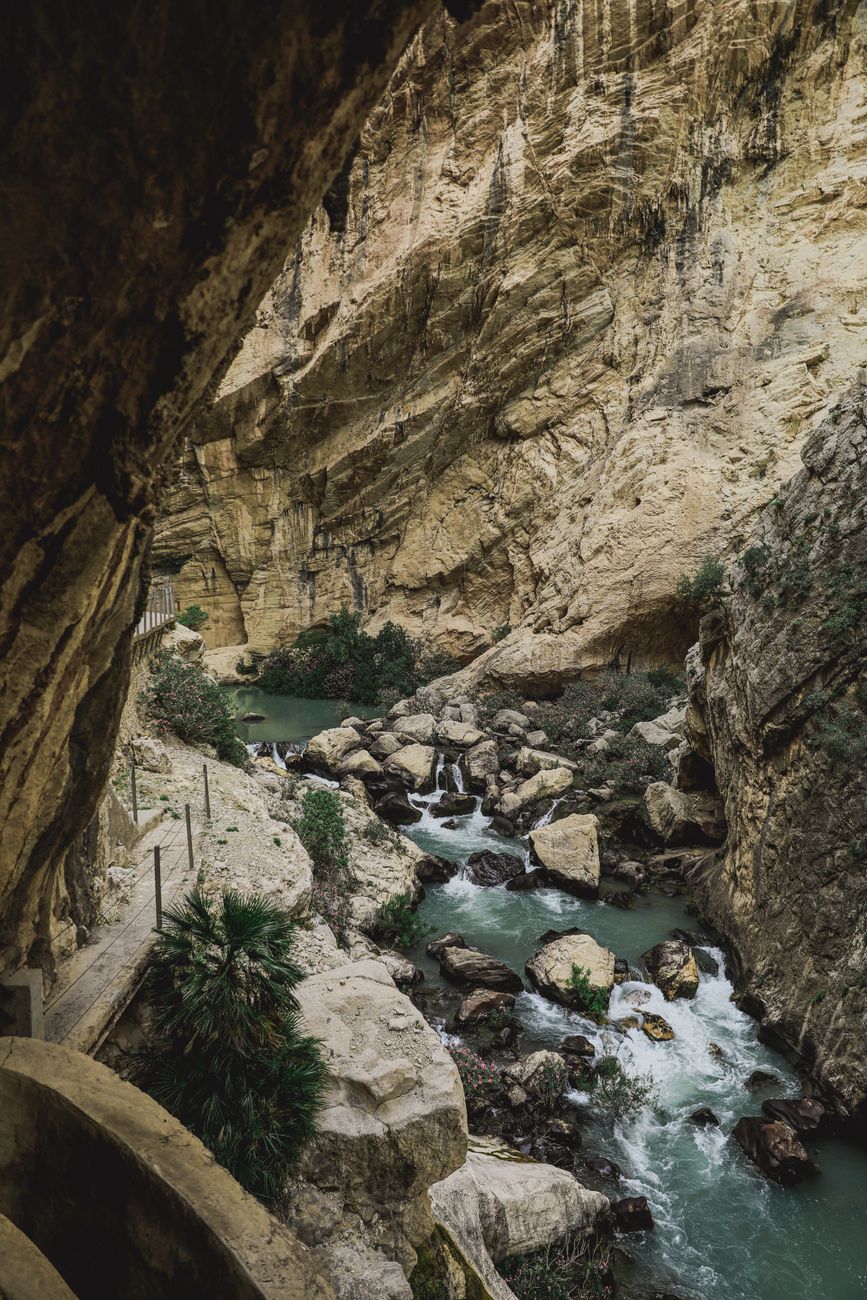
Use the final morning for anything missed or for a longer hike: the Sendero de los Molinos loop or the trail down from Casa del Rey Moro offers different perspectives and takes 1–2 hours. Visit small shops around Calle Comercio and the Mercado Municipal if souvenirs or local cheeses are desired; pick up Payoya cheese and a bottle of local red wine. If checking out midday for an afternoon train or bus, pack luggage in advance and expect a 10–20 minute taxi to the bus or train station depending on location; allow extra time for narrow streets that slow vehicles. For an afternoon departure, eat a final lunch near the station—simple bocadillos or tapas are available at cafes by Calle Armiñán—and aim to arrive 30 minutes before departure for regional buses and 20–30 minutes for trains. Evening alternatives for late departures include a final view from Mirador de la Virgen de la Paz, which overlooks the gorge at sunset.
Best Local Experiences
1) Morning at the Mercado Municipal (Calle Virgen de la Paz) for cured ham, Payoya cheese and local fruit; vendors sell small portions for immediate tasting. 2) A guided visit to Plaza de Toros with the Museo Taurino to understand why this arena mattered to Andalusian social life. 3) Wine tasting at a Serranía de Ronda bodega such as Descalzos Viejos or a local cooperative for Garnacha and Syrah made at altitude. 4) Walking the Paseo de los Molinos and the Mirador de Ronda at sunrise or sunset for different light on El Tajo. 5) A visit to Casa del Rey Moro including the water mine descent for people comfortable with steep steps. 6) An evening of tapas around Plaza del Socorro to sample berenjenas con miel and small plates in family-run bars. 7) Short hikes along the Guadalevín River that are less trafficked than the central viewpoints.

Where to Stay
La Ciudad (Old Town): Suited to sightseers who want morning and evening views at Puente Nuevo and the bullring within walking distance. Expect small guesthouses and boutique hotels from about €80–€160 per night (EUR), roughly $85–$170 USD. Mercadillo / Calle Armiñán area: Closer to the bus and train station and better for budget travelers or those with luggage; expect hostels and budget hotels around €45–€80 per night, $48–$85 USD. San Francisco / Barrio San Francisco: A quieter residential area a short walk from the west rim and the Alameda, good for families and longer stays; mid-range hotels and apartments cost €70–€130 per night, $75–$140 USD. Each area is walkable to main sights but the Old Town has the steepest steps and smallest streets for vehicles, so taxis are harder at night there.
Food and Drink
Rabo de toro: Slow-braised oxtail stew, hearty and served with potatoes or bread; find it in traditional taverns around Plaza Duquesa de Parcent for €10–€16. Migas: Fried day-old bread with garlic, chorizo or pancetta and sometimes grapes; common at lunchtime in neighborhood bars, about €6–€10. Payoya cheese (Queso Payoyo): Hard goat or mixed goat-sheep cheese from the Serranía de Ronda region; buy portions at the municipal market or specialty shops for €6–€12. Berenjenas con miel: Fried eggplant drizzled with local honey, a typical tapa available in tapas bars near Plaza del Socorro for €3–€6. Breakfast option: a café con leche with a tostada con tomate at a bar on Calle La Bola or Plaza del Socorro for €3–€6. Dinner recommendation: a mid-range restaurant in La Ciudad serving local dishes and a glass of Ronda DO wine; expect €18–€35 per person for three courses and a bottle to share.
Getting Around
Primary intercity modes are RENFE Media Distancia trains and Avanza buses linking Málaga, Seville and Cádiz. Typical Málaga–Ronda train fares are €8–€16 one way and take about 2 hours; bus fares are €8–€12 and take roughly 2 hours depending on traffic. Inside town, most walking suffices; short taxi rides run from €4–€8 within the urban core and a Málaga airport taxi is typically €120–€160. No unified local transit card is required—use the Renfe app for trains and Avanzabus or the Avanza app for buses; Google Maps or Moovit works for local bus timetables. Single short urban bus fares (where available) are low—around €1.20–€1.50—but services are infrequent, so check posted timetables.
Best Time to Visit
Spring (March–May) offers mild temperatures (15–25°C) and wildflowers in the Serranía; crowds increase in Easter week. Summer (June–August) can be hot on exposed streets (30–38°C) with the busiest tourist numbers in July and August; morning and evening sighting windows are most comfortable. Autumn (September–November) brings cooler days (15–25°C early autumn, 10–18°C late) and good value in October–November when hotels lower rates. Winter (December–February) is quiet, daytime highs around 10–15°C and nights near 3–6°C; some small museums reduce hours but there are far fewer tourists and hotel prices fall.
Budget and Practical Tips
Daily budget estimate per person: Accommodation €60–€140 (EUR) / $65–$150 USD depending on midrange or budget choice. Food and drink €25–€45 / $28–$48 for coffee, tapas, one sit-down dinner and local wine. Transport and local trips €10–€25 / $11–$27 including local taxis and single train/bus segments; add €8–€16 for a Málaga–Ronda return trip by train if split across days. Entry fees: Plaza de Toros €8–€10, Palacio Mondragón €3–€6, Casa del Rey Moro stairs €2–€4; plan €15–€25 total for main paid attractions. Tipping: small change for bar staff, 5–10% for sit-down meals if service was good; tipping is appreciated but not mandatory.
FAQ
Is Ronda safe for solo travelers?
Yes; daytime streets are safe and busy, but standard precautions apply after dark—stick to main streets and avoid poorly lit stairways.
How to get from Málaga airport to Ronda?
Take the Cercanías or shuttle to Málaga María Zambrano, then RENFE Media Distancia train to Ronda (about 2 hours) or go to the Málaga bus station for Avanza buses (about 2 hours); taxis are expensive (€120–€160).
Is a city card or pass worth buying?
There is no widely used Ronda city card; pay-as-you-go for the bullring, palaces and a single winery visit is more cost-effective for a three-day stay.
Are guided walking tours useful?
Yes—an afternoon guided walk that covers the gorge, bullring and Casa del Rey Moro adds local history in 2–3 hours and helps navigate steep streets efficiently.
Can Ronda be done as a day trip from Málaga?
It can, but a day trip feels rushed; staying overnight gives better light for photos and time for a winery or museum visit.
How accessible is Ronda for people with reduced mobility?
The old town has many steep streets, steps and uneven paving; some viewpoints and museums are reachable but access to the lower water mine and certain terraces is limited.
Conclusion
Three days provide a real chance to understand why the town's geography shaped its architecture and local culture. Expect memorable cliff-edge views, a compact set of museums that explain local life, and one relaxed wine experience rather than a packed schedule. If time runs short, prioritize Puente Nuevo at sunrise or sunset and the Plaza de Toros visit—those two experiences convey more about the place than hopping between lookouts. Travellers who leave with a bottle of local wine and a chunk of Payoya cheese will have taken home a useful taste memory.
How this guide was prepared
This guide was prepared through a structured research that combines destination research, geographic context, itinerary planning logic, and content review.