

Torremolinos in 3 Days: Practical Itinerary and Tips
A clear 3-day plan for Torremolinos covering beaches, La Carihuela, Cercanías C-1 travel, local food, costs and real logistics for a short trip.
A compact, realistic 72-hour plan that balances beaches, neighbourhood walking, and short trips on the Cercanías C-1, with honest costs and pitfalls for first-time visitors.
Torremolinos is a functional seaside town with long promenades, distinct neighbourhoods and a heavy focus on sun-and-sea tourism. The first impression is lots of beachfront commerce: chiringuitos, beach gear shops, and apartment blocks from several development eras. Noise at high season and a mix of package-hotel guests and family groups shape most days.
Expect practical infrastructure: a Renfe Cercanías rail stop, frequent local buses, and short taxi runs to Málaga airport. Many visitors treat the place as a cheap base for the Costa del Sol; the alternative is to treat it as a short-term seaside neighbourhood with local bars, bakeries and a fishing-quarter identity concentrated in La Carihuela.
Is 3 days in Torremolinos enough?
Three days are enough to get a proper feel for the beachfront neighbourhoods, La Carihuela's seafood scene, and a short trip on the Cercanías C-1 to Málaga or Fuengirola. Do not expect to cover Marbella or inland Andalusian towns without extra travel time; those require separate days.
Who This Guide Is For
Best for short-stay beach-oriented travellers who like easy public transit, casual seafood dining, and walking promenades; less suitable for travellers wanting deep cultural museum crawls or a luxury-resort experience.
Local Tips for Torremolinos
Practical details that most travel sites skip — specific to Torremolinos.
- The Cercanías line C-1 stops at Torremolinos station; a single Málaga–Torremolinos ride is about €1.80–2.30 if bought on station machines, and the Renfe Cercanías app accepts contactless payments.
- La Carihuela is the old fishing quarter along Calle del Pintor Gastón and Paseo Marítimo; restaurants there add a service charge sometimes called 'cubierto' of about €0.50–1 per person.
- Casa de los Navajas (Avenida Carlota Alessandri 26) charges around €3–€5 for entry to admire the exterior and terraces; nights with illumination are noticeably busier in July–August.
- Molino de Inca Botanical Gardens are reached via Avenida Palma de Mallorca and have an entry fee around €3–€4; allow 60–90 minutes to explore the gardens and the small on-site pond area.
- Taxis use meters; an airport taxi from Málaga Airport (AGP) to central Torremolinos costs roughly €12–€20 depending on luggage and time of day — expect the higher end at night and on Sundays.
How This Guide Was Prepared
This guide treats Torremolinos as a working seaside town rather than an overhyped resort. Most guides either sell only beach time or tack on Malaga day trips; this plan shows how to mix local neighbourhood life, specific beach sections, and realistic transit so a short visit feels coherent. Practical notes cover ticket machines, timings, and the exact places locals use for seafood and pastries. This guide was prepared through a structured research that combines destination research, geographic context, itinerary planning logic, and content review.
Plan Your Stay in Torremolinos
Use this itinerary as your starting point, then compare areas to stay, transport options, seasonal timing, and realistic daily costs before booking.
Why Visit
The town offers immediate beach access without the price premium of Marbella; Playa del Bajondillo and Playamar are broad, serviced beaches with lifeguards in summer. La Carihuela keeps a fishing-quarter character along Calle de la Carihuela and Pintor Gastón with family-run chiringuitos serving espetos and fried pescaíto.
Short rail connections on Cercanías C-1 make day trips to Málaga or Fuengirola quick and inexpensive, so Torremolinos doubles as a practical base. Local attractions like Casa de los Navajas and Molino de Inca Botanical Gardens provide short cultural stops that do not require a full museum day. The town suits travellers who prioritize easy logistics, beach time, and seafood rather than formal museum itineraries.

Quick Planning Tips
Arrive via Málaga Airport (AGP) and take a short taxi or the Cercanías C-1 train; the rail journey to Torremolinos station is about 10 minutes and is the simplest option if luggage is manageable. Buy Cercanías tickets at station machines, via the Renfe app, or use contactless cards at barriers; ticket offices can queue at peak times.
Carry coins or a small amount of cash for small chiringuito purchases and market stalls, but most bars and mid-range restaurants accept cards. Avoid booking beachfront accommodation that advertises "all inclusive" near Paseo Marítimo if the goal is local dining; those properties concentrate on package-tour crowds and higher summer noise.
Day 1
Morning: Start at Torremolinos station and walk 10–15 minutes to Calle San Miguel for coffee and pastries at a local panadería. Calle San Miguel is a compact shopping street with bakeries and small shops; plan 30–45 minutes here.
Midday: Stroll down to La Carihuela (5–10 minute walk from Calle San Miguel) and have a seafood lunch at El Tintero-style chiringuito or Restaurante La Carihuela for fried pescaíto and a house wine. Expect lunch for two around €25–€40 depending on dishes. After lunch, walk the Paseo Marítimo towards Casa de los Navajas (20–25 minutes along the promenade) to photograph the ornate façade.
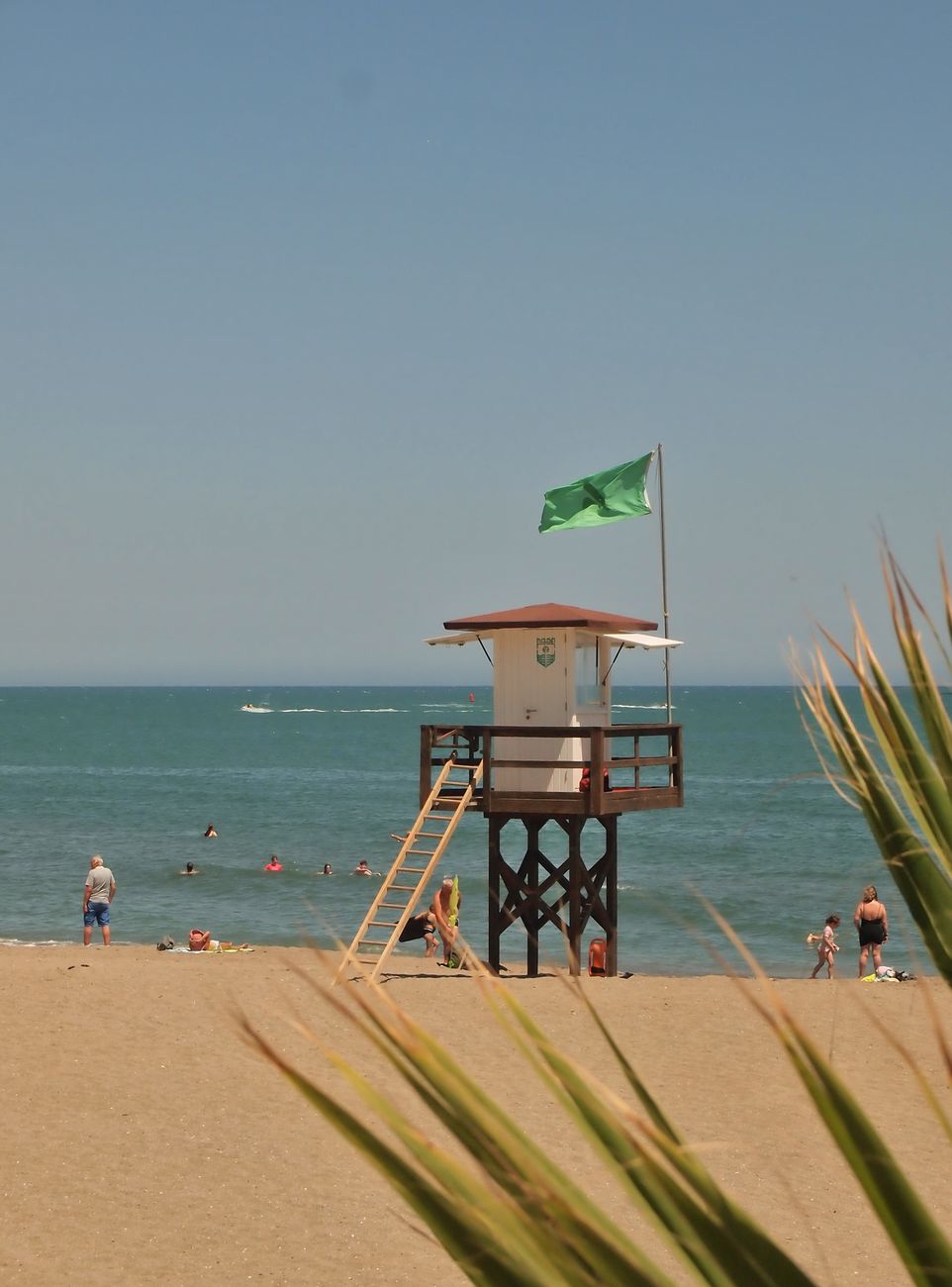
Afternoon: Head to Playa del Bajondillo, a five-minute walk from Casa de los Navajas, for sun and a swim; lifeguards operate in summer. Allow 90–120 minutes at the beach. If seeking shade and a short garden visit, take a 15-minute walk to Jardín Botánico Molino de Inca and plan 60–90 minutes there.
Evening: Return to La Carihuela for espetos at a beachside chiringuito; the evening atmosphere is busy in summer and calmer in shoulder months. Finish on the promenada with an after-dinner walk or a drink at one of the terraces near Avenida Palma de Mallorca.

Day 2
Morning: Take the Cercanías C-1 from Torremolinos station to Málaga Centro-Alameda (about 20–25 minutes) to visit the Alcazaba and Picasso Museum if museum time is desired. Allow at least two hours for the Alcazaba and another 60–90 minutes for the Picasso Museum; return trains run frequently.
Lunch: Back in Torremolinos around midday, eat at a tavern on Avenida Palma de Mallorca or try Casa Juan Los Mellizos in La Carihuela for a paella. Transit time from Málaga Centro-Alameda is around 20–25 minutes by train.
Afternoon: Spend the afternoon exploring Playamar and the quieter east side beaches, or catch Bus (local lines) to Parque La Batería in nearby Los Álamos for its lake and viewpoints; the bus ride is roughly 10–15 minutes. The park offers walking paths and a large playground, useful for families.
Evening: Visit Calle San Miguel for tapas crawling; bars there stay open late. For live music options, check weekly listings at local bars along the promenade — summer brings outdoor sets and DJs, while shoulder months have quieter evenings.

Day 3
Morning: Walk the promenade toward Playamar to get early sun; a morning swim at Playamar is calmer than mid-afternoon. After the beach, visit Molino de Inca Botanical Gardens (allow 60–90 minutes) to see palms, ponds and shaded paths — the garden is a 15–20 minute walk or short taxi from Playamar.
Late morning: Return to the central area and check out Calle San Miguel’s late-morning markets on selected days, or visit small souvenir shops near Avenida Palma de Mallorca for local ceramics and t-shirts. Plan 60–90 minutes for shopping and a light lunch.
Afternoon (for departures): If catching an afternoon flight, allocate 90 minutes to reach Málaga Airport by taxi from central Torremolinos and 30–45 minutes for check-in for domestic flights; trains run slightly slower with luggage. If the schedule allows, a last short visit to a chiringuito for take-away espetos is possible before leaving.
Evening (if staying): For those not leaving, choose a quieter neighbourhood tapas bar on Calle Notario Luis Oliver to end the trip with local wines and smaller plates.

Best Local Experiences
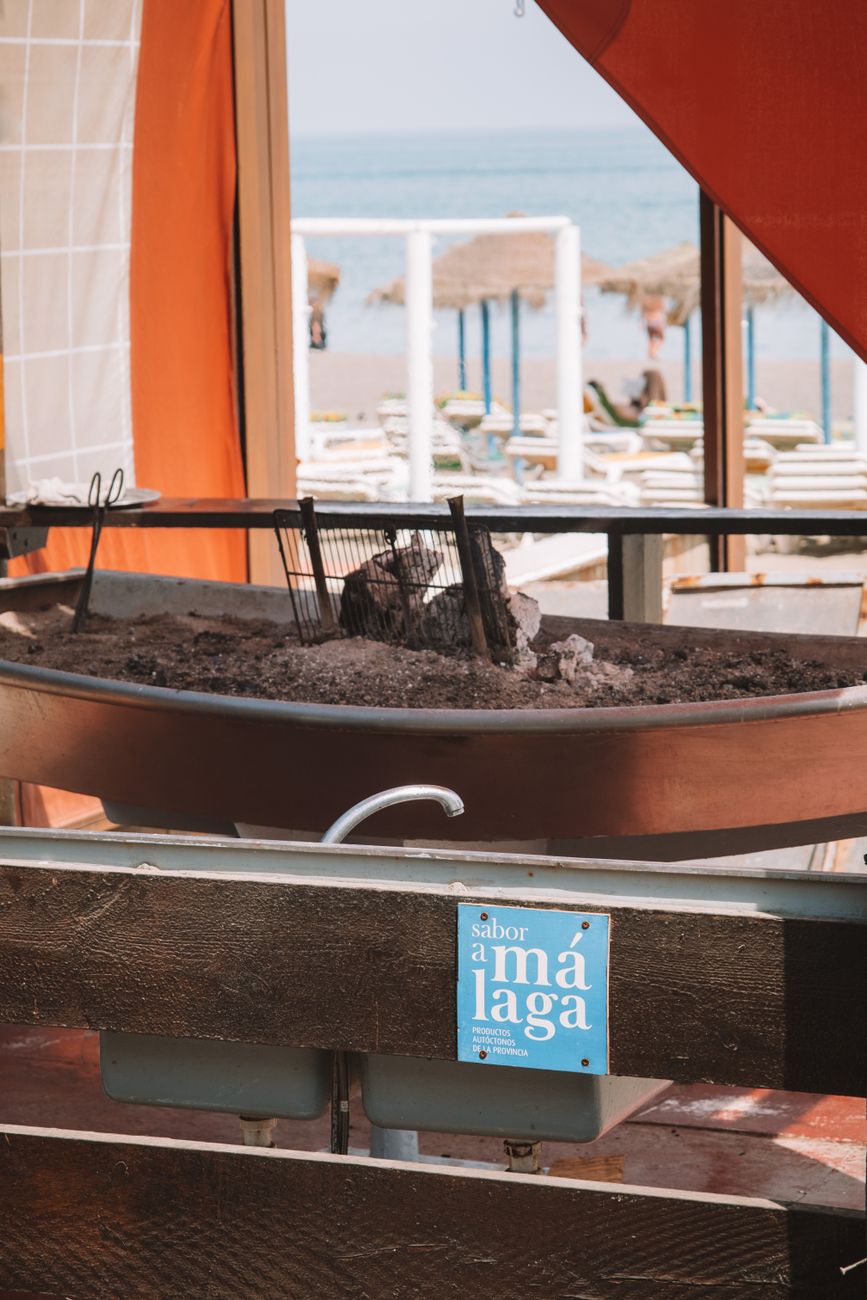
Eat espetos at small chiringuitos along La Carihuela — look for wood-fired skewers of sardines grilled on the sand. Time visits for late afternoon or early evening in summer.
Buy pastries at any panadería on Calle San Miguel; try an ensaimada or napolitana for an inexpensive breakfast on the go. Visit Molino de Inca Botanical Gardens for a shaded walk and local palm varieties.
Spend time at Parque La Batería for the lake, wooden bridge and viewpoints that give a broader coastal perspective; combine with a short bus ride to Los Álamos beach. Go to Casa de los Navajas for an architectural photo stop and check opening times for the illuminated façade nights.
Hop a short Cercanías C-1 ride to Málaga for the Alcazaba or to Fuengirola for a longer beach stretch; using the train for single hops is quicker and cheaper than a car. Visit the Crocodile Park for a 60–90 minute family visit and hands-on reptile shows.
Where to Stay
La Carihuela: Suits travellers who want immediate beach access and seafood restaurants; near Calle del Pintor Gastón and the Paseo Marítimo. Expect nightly costs roughly €60–€150 (≈$65–$165) in summer for mid-range hotels and apartments.
Central Torremolinos (near Calle San Miguel / Plaza Costa del Sol): Suits shoppers and those wanting short walks to transport links and dining; close to the Cercanías station. Nightly rates average €50–€120 (≈$55–$130) for small hotels or renovated apartments.
Playamar / East Torremolinos: Suits quieter mornings and families looking for broader beaches; a short walk to Molino de Inca. Nightly costs tend to be €55–€140 (≈$60–$150) depending on proximity to the sand and time of year.
Food and Drink
Espetos: Sardines skewered and grilled over open coals on the beach; best at La Carihuela chiringuitos, prices €6–€12 per person for a few skewers.
Pescaito frito: Small mixed fried fish plates (calamares, boquerones, chipirones); order at Restaurante La Carihuela or Bajondillo bars for €8–€14 a plate.
Tinto de verano: A simple wine-and-soda glass served widely at beach bars; €2.50–€4 depending on venue.
Breakfast: Napolitana or croissant with café con leche from a panadería on Calle San Miguel; expect €2.50–€4 for coffee and pastry.
Dinner recommendation: Paella marinera at a trusted La Carihuela restaurant such as Los Mellizos or similar family-run places; shared paella for two runs €18–€30 per person depending on ingredients.
Getting Around
Rail: Renfe Cercanías line C-1 connects Málaga Airport, Málaga Centro-Alameda, Torremolinos, Benalmádena and Fuengirola. Trains run every 20–30 minutes off-peak and more frequently in summer; the Renfe Cercanías app is useful for timetables and mobile tickets.
Buses and local shuttles: Local buses operated by Avanza/EMT run routes through Avenida Palma de Mallorca and link to neighbouring towns; look for stops labeled 'Torremolinos' and check bus timetables at the main bus stop. Taxis: Metered taxis operate from ranks near the station and promenade; airport taxi fares to central Torremolinos are typically €12–€20.
Tickets and fares: Single Cercanías tickets to Málaga cost about €1.80–€2.30; day passes for broader Andalusian networks are not necessary for short visits. Use contactless payment or the Renfe app to avoid queues at machines.
Best Time to Visit
Summer (June–August): Hot temperatures 25–33°C and crowded beaches; expect the highest accommodation prices and busiest promenades. Shoulder months (May and September): Temperatures 18–26°C with fewer crowds — these months offer the best value for beach time and open restaurants.
Winter (December–February): Cooler, around 10–17°C with quieter streets and lower prices; many seasonal chiringuitos close, but several year-round restaurants remain open. Spring (March–April): Increasing temperatures and early blooms in Molino de Inca; not as busy as summer but some beach facilities still wind down.
Budget and Practical Tips
Daily budget (mid-range traveller): Accommodation €60–€120 / $65–$130; food €25–€45 / $27–$50 (mix of tapas, one sit-down dinner); transport €4–€10 / $4.50–$11 (local trains and short buses); entry fees €3–€10 / $3.50–$11 for gardens or small attractions. Total daily mid-range ≈ €95–€185 / $105–$205.
Budget options: Shared dorms or cheap pensions can drop accommodation to €25–€45 / $28–$50 per night. Expect lower prices outside July–August. Tipping: Small service charges may appear as 'cubierto' of €0.50–1; leaving 5–10% for good table service is appreciated but not obligatory. Carry small change for beach vendors and tips.
FAQ
Is Torremolinos safe for solo travellers?
Yes; daytime areas along the promenade and La Carihuela are generally safe. Typical petty-theft precautions apply in crowded areas and on beaches after sunset.
What is the best way to get from Málaga Airport to Torremolinos?
Take the Renfe Cercanías C-1 train for a 10–12 minute journey to Torremolinos station or a taxi for about €12–€20 depending on luggage and time of day.
Are beaches free and are there beach services?
Most beaches are public and free; sunbeds and umbrella rentals are available at many stretches in summer (expect €6–€15 per set).
Is a city card or tourist pass worth buying?
There is no single Torremolinos city card with broad savings; for repeated trips to Málaga and other towns, look for region passes, but for a three-day stay pay-as-you-go on Cercanías and individual attraction tickets is usually cheaper.
Can public transport handle luggage for day trips?
Yes; trains and buses accept luggage but trains can be crowded during commuter peaks. Buy tickets ahead or use the Renfe app to save time.
Are there reliable supermarket and pharmacy opening hours?
Supermarkets near Avenida Palma de Mallorca and Calle San Miguel are open daily with reduced hours on Sundays; pharmacies rotate night duty — check local listings for the 'farmacia de guardia' on the day needed.
Is English widely spoken in restaurants and hotels?
Staff in tourist-facing businesses usually speak basic English, but using Spanish phrases helps and some smaller eateries operate only in Spanish.
Conclusion
A three-day stay will be remembered for La Carihuela’s seafood, the easy Cercanías hops to Málaga or Fuengirola, and the long promenade walks between beaches and family-run restaurants. Prioritise one beach stretch, one long promenade meal (espetos or paella), and a short rail hop to Málaga to balance leisure and a bit of culture. If time runs short, choose the La Carihuela lunch or dinner and a promenade walk — those moments capture the town’s practical seaside character best.
How this guide was prepared
This guide was prepared through a structured research that combines destination research, geographic context, itinerary planning logic, and content review.