
3-Day Rostock Itinerary: Practical Weekend and Travel Guide
A practical 3-day Rostock guide with transit tips, realistic schedules, dining notes and what to skip so a weekend covers the old town.
A plain, usable 72-hour plan for Rostock that balances the Hanseatic centre, the Baltic shore at Warnemünde and local neighbourhood life without pretending everything is flawless.
Arrival gives a mixed impression: broad post-war streets, red-brick Hanseatic facades around the old market, and a working port with cranes and ferries. The pace is neither the constant rush of Hamburg nor the strictly touristic polish of Lübeck; this is a city where students, port workers and market stall owners share space.
Expect trams, concrete housing blocks and an old-town core that opens onto a busy harbour rather than a closed museum district. Many first-time visitors imagine purely cobbled streets and beaches; the reality includes industrial docks, frequent ferry traffic and small pockets of lively nightlife in the KTV quarter.
This layout suits people who like mixing short museum visits with market meals and a coastal afternoon. It suits travellers who accept some noise and activity around the port in exchange for straightforward transit connections and compact distances between highlights.
Is 3 days in Rostock enough?
Yes: three days is enough to see the historic centre, spend half a day at Warnemünde beach and visit one or two museums or neighbourhoods. The honest caveat is that exploring the wider Mecklenburg coast or taking several day trips (Lübeck, Hamburg) requires more time.
Who This Guide Is For
This itinerary suits travellers who want a compact mix of maritime culture, markets and neighbourhood life; it is less good for those seeking a long beach holiday or a packed museum marathon. Budget travellers using hostels and regional trains will get the best value.
Local Tips for Rostock
Practical details that most travel sites skip — specific to Rostock.
- S-Bahn S1 links Rostock Hauptbahnhof and Warnemünde in roughly 30–40 minutes; trains run frequently and the trip is covered by the regional tariff (buy at DB machines or use DB Navigator).
- RSAG runs trams and buses in the city; single tram/bus tickets are about €2.40 from machines or the RSAG mobil app and a 24-hour RSAG day ticket is roughly €6.80.
- Neuer Markt hosts a Wochenmarkt several days a week (check schedules) with local smoked fish and bread; vendors usually accept Girocard and cash and prices for a decent market lunch are €4–8.
- Hanse Sail (early August) floods Warnemünde and Rostock with visitors; DB runs extra trains but expect long waits at Warnemünde station and room rates to double if not booked months ahead.
- Warnemünde’s Alter Strom has fish stalls selling Fischbrötchen for about €3.50–5 and vendor names like ‘Fischkutter’ or ‘Fischhütte’ are common; eat standing by the pier for the best salt-air experience.
How This Guide Was Prepared
This guide treats Rostock as a working harbour and university town rather than a postcard. Many guides over-focus on Hanse Sail and the beach and skip the slower, everyday side — trams, market rhythms, KTV nightlife and how the port shapes the city. Practical timings, realistic costs and exact transit lines are prioritized so a 72-hour trip can be planned without surprises. This guide was prepared through a structured research that combines destination research, geographic context, itinerary planning logic, and content review.
Plan Your Stay in Rostock
Use this itinerary as your starting point, then compare areas to stay, transport options, seasonal timing, and realistic daily costs before booking.
Why Visit
There is a clear maritime identity: the port and fishing culture shape food, markets and festivals, with Warnemünde’s Alter Strom and lighthouse a quick train ride from the train station. The mix of Hanseatic architecture around Neuer Markt and the city gate Kröpeliner Tor gives a concentrated old-town feel without the crowds of bigger northern ports.
KTV (Kröpeliner-Tor-Vorstadt) brings a local nightlife and café culture distinct from the tourist strip; evenings here show local life better than any brochure. The university adds a steady stream of cultural events and small museums — Kulturhistorisches Museum and Kunsthalle stage approachable exhibitions rather than intimidating collections.
Practical advantages include a compact centre where most sights are within walking distance, frequent regional trains to Warnemünde, and lower prices than Hamburg for comparable meals and accommodation.

Quick Planning Tips
Most international travellers arrive by train at Rostock Hauptbahnhof or via Rostock–Laage Airport. From Laage, the airport shuttle or FlixBus connections to Rostock Hbf take about 30–40 minutes; a taxi costs roughly €35–€45 depending on traffic.
Bring a Girocard (German EC card) and a credit card for larger hotels and restaurants; small kiosks and market stalls still prefer cash. Buy RSAG tickets from machines, the RSAG mobil app or DB Navigator for S-Bahn trips.
Avoid planning multiple museum visits on a Monday because smaller museums often close; instead schedule an outdoor day or Warnemünde excursion on a Monday to keep options open.

Day 1
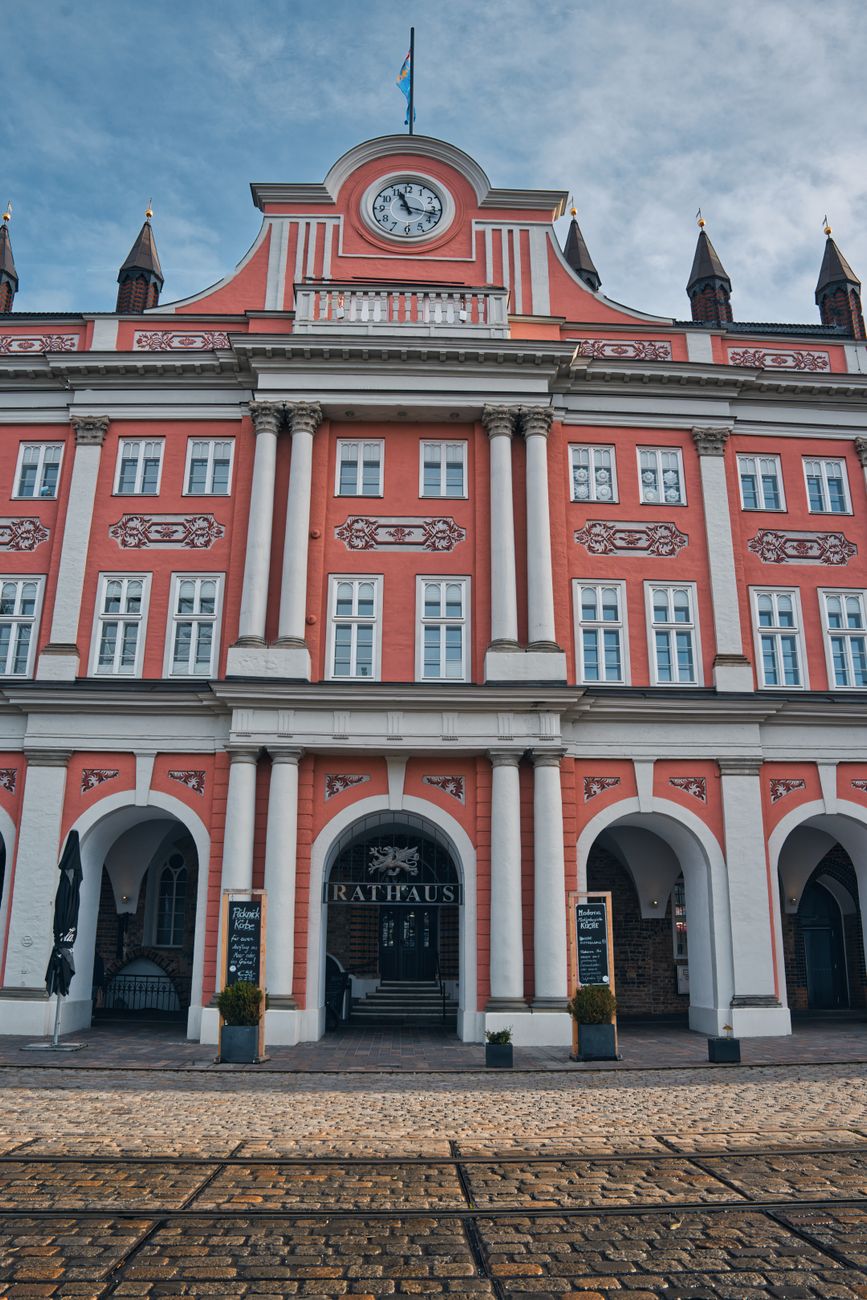
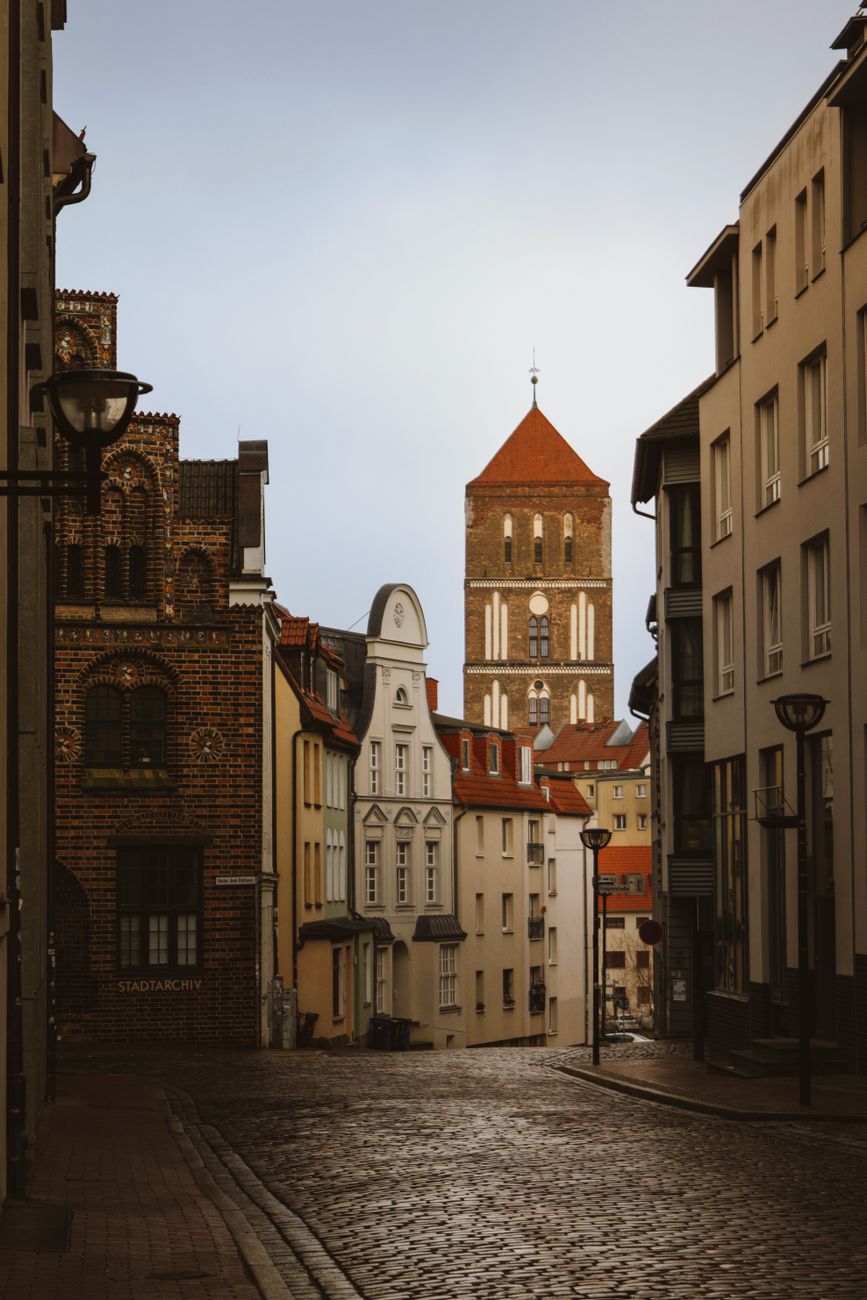
Start at Rostock Hauptbahnhof and walk (~10 minutes) to Kröpeliner Straße, the main pedestrian spine lined with shops and cafés. Kröpeliner Straße leads directly to Neuer Markt where the Rathaus (Town Hall) and surrounding gabled houses provide classic Hanseatic facades.
From Neuer Markt, spend time inside St. Marienkirche (Marienkirche) to see the astronomical clock and, if open, climb the tower for views — the church is a short 3–5 minute walk. Allow 60–90 minutes total for the market, church and Rathaus area.
Walk (8–12 minutes) to Kröpeliner Tor, the old city gate, and then head to the Kulturhistorisches Museum Rostock (10 minutes on foot) for regional exhibits; plan 60–90 minutes here. Lunch at the Wochenmarkt stalls on Neuer Markt (if open) gives access to smoked fish, pretzels and sausages for about €4–8.
In the afternoon visit Kunsthalle Rostock or the University quarter for a quieter museum experience; both are 10–20 minutes on foot from Neuer Markt. For dinner try the Ratskeller near the Rathaus for regional dishes and beer — expect mains around €12–18. Finish the evening with a short walk through KTV if nightlife is wanted, where bars and late cafés stay open and are a 10–15 minute walk from the Rathaus.
Day 2
Dedicate this day to the coast: take S-Bahn S1 from Rostock Hbf to Warnemünde (30–40 minutes). Exit at Warnemünde station and walk 10–15 minutes to Alter Strom and the Teepott; the riverside and harbour are where fish stalls and small craft are concentrated.
Lunch at a Fischbrötchen stand on Alter Strom (about €3.50–5) and walk to the Warnemünde Lighthouse and the beach promenade. Allow 2–3 hours for the shoreline, the pier and the lighthouse; the Teepott building is worth a quick look for its Soviet-era concrete curve.
In the afternoon return by S-Bahn to the city and head to Zoo Rostock, reachable by tram or bus in about 20–30 minutes depending on location. The zoo takes 2–3 hours for most visitors and is especially good for families. Alternatively, spend the afternoon at IGA Park (former horticultural show area) for relaxed gardens and wide paths.
For dinner pick a seafood restaurant near the harbour or back in the old town; expect seafood mains €14–22. Evening options include a riverside walk along the Warnow or a quieter bar in KTV for a local beer.

Day 3
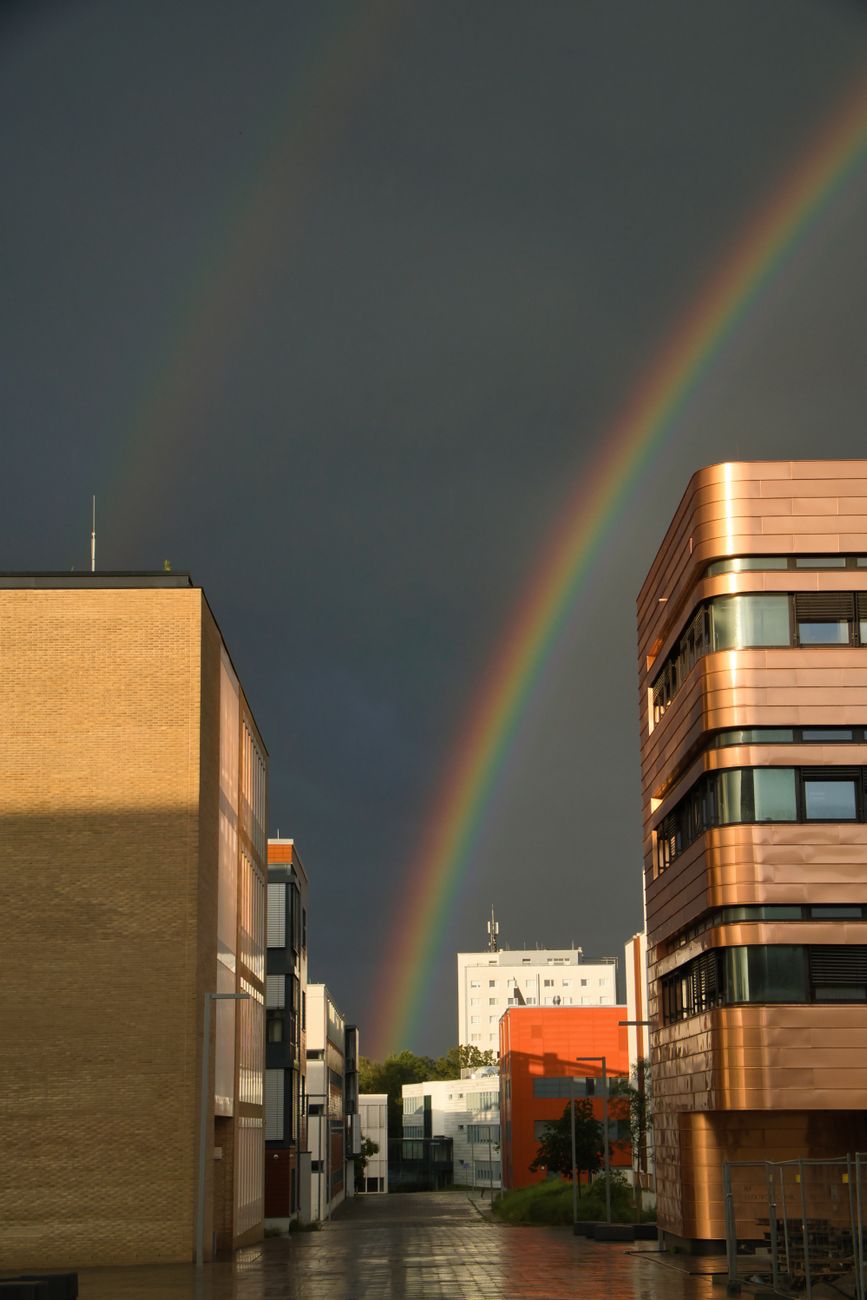
Use the final day to fill gaps and plan logistics if catching an afternoon flight. Morning options include the Universität Rostock campus and the University Botanical Garden for 60–90 minutes of quiet green space close to the centre.
Next, visit the Schifffahrtsmuseum or Kulturhistorisches Museum if not completed earlier; both are near the old town and allow flexible timing before checkout. Factor in 20–30 minutes travel time from most central hotels to the museums on foot or by tram.
If time allows, take a 60–90 minute harbour or Warnow river boat trip from the harbour to see quay operations and city views from the water; shorter harbour cruises are frequent and depart from the city harbour area. For travellers catching a flight from Rostock–Laage in the afternoon, allot at least 90 minutes for the transfer from central Rostock by taxi and two hours before flight for security and check-in.
Finish with a relaxed late lunch at a café on Kröpeliner Straße or a final market snack and buy any last souvenirs at shops near Neuer Markt.
Best Local Experiences
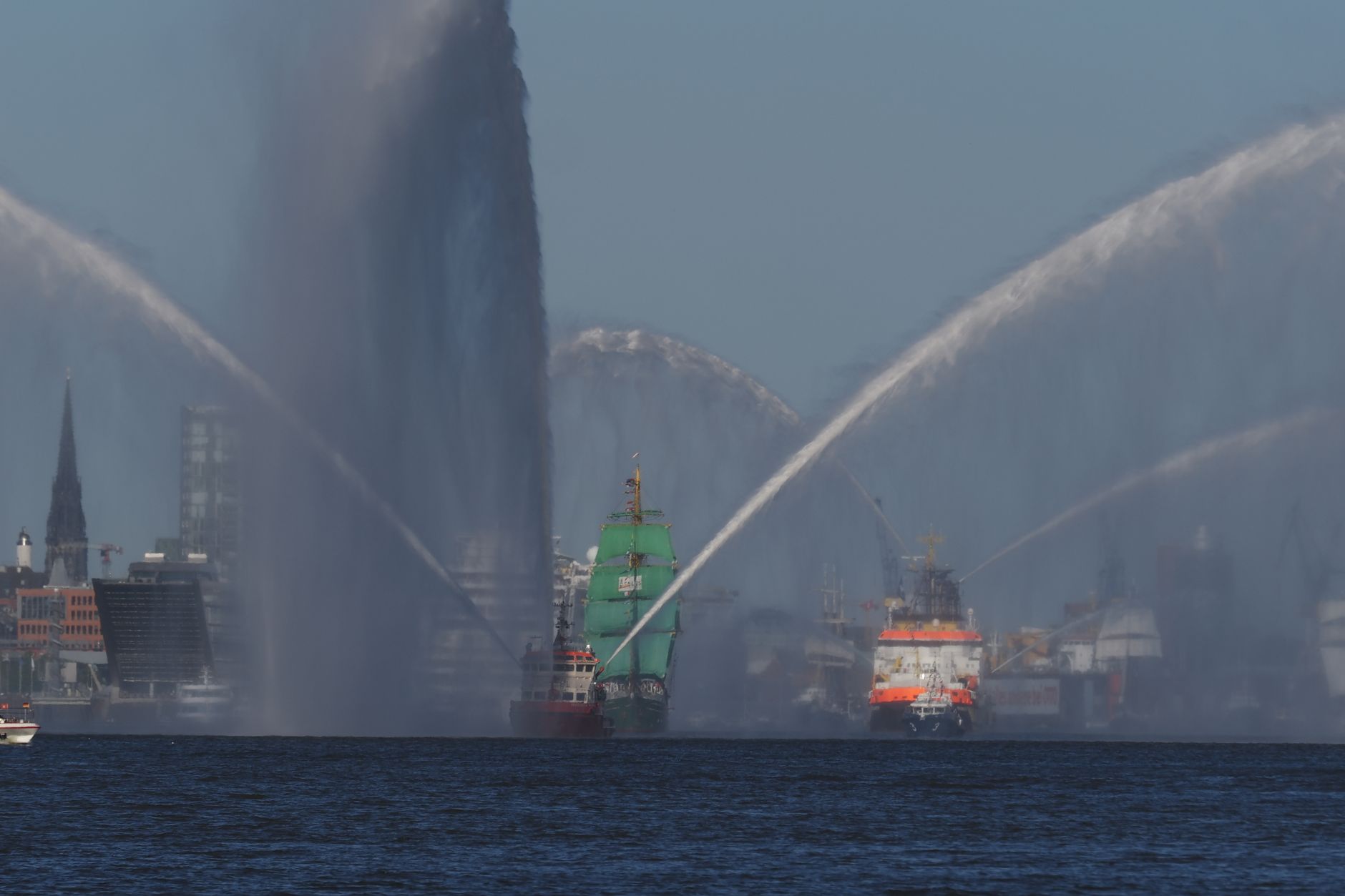
Hanse Sail (early August) is the region’s biggest sailing festival and fills the harbour and Warnemünde with tall ships and vendors; it is spectacular but very crowded. Alter Strom in Warnemünde is the seafood and small-boat alley where Fischbrötchen and smoked fish are sold from wooden stalls along the quay.
KTV (Kröpeliner-Tor-Vorstadt) is the neighbourhood for nightlife, student bars and independent cafés; evenings here show local life after working hours. Wochenmarkt at Neuer Markt offers weekday and weekend market stalls with smoked fish, regional bread and seasonal produce — ideal for a market lunch.
Zoo Rostock is a large, well-maintained zoo often overlooked by short guides and works well for families. IGA Park and the former horticultural exhibition space provide wide lawns and gardens, useful when weather is decent and museum hours are limited.
Where to Stay
Innenstadt / Altstadt: Best for first-time visitors who want walking access to Neuer Markt, St. Marienkirche and tram stops. Expect mid-range hotel rooms €70–€120 per night (approx. $75–$130). This area saves transit time but can be noisy on weekend nights.
Warnemünde: Suited to travellers prioritising the beach and coastal atmosphere. Accommodation ranges €80–€150 per night ($85–$160) depending on season; summer rates climb, especially during Hanse Sail. Trains to the city take about 30–40 minutes so budget extra travel time.
KTV (Kröpeliner-Tor-Vorstadt): Good for budget or nightlife-focused travellers who want cafés, bars and smaller guesthouses near the university. Nightly rates are typically €50–€100 ($55–$110). The quarter is lively in the evenings but quieter during weekday afternoons.
Food and Drink
Fischbrötchen: A fish roll commonly sold on Alter Strom in Warnemünde and at harbour stalls; typical fillings are Matjes, Bismarck herring or smoked salmon. Price €3.50–5.
Labskaus: A northern dish of mashed beetroot-potato-beef or corned beef with pickles and egg; find it at traditional restaurants near Neuer Markt for €9–14 as a substantial lunch or dinner.
Räucherfisch / smoked fish: Available at market stalls on Neuer Markt and Warnemünde piers; small portions €4–8 and good as a market snack.
Sanddorn products: Sea buckthorn appears as juice, jam and liqueur — a sharp, fruity local flavour. A small bottle of Sanddorn liqueur in a restaurant shot is €3–5; juices and jams at markets €2–6.
Local beer: Rostocker Pils or other regional labels are common in taverns and beer halls; expect €3–4 for a 0.3–0.4L draught. For dinner near the Rathaus, budget €12–22 for mains, higher at seafood-focused restaurants in Warnemünde.
Getting Around
Trams and buses are run by RSAG (Rostocker Straßenbahn AG); the tram network includes several numbered lines serving the centre and suburbs. The S-Bahn S1 connects Rostock Hbf and Warnemünde and is operated by DB Regio.
Single tram/bus tickets are about €2.40; a 24-hour RSAG day ticket is roughly €6.80. Buy tickets from machines at stops, on board (€), via the RSAG mobil app or DB Navigator for S-Bahn trips. A taxi from Rostock–Laage airport to the centre usually costs €35–€45.
Recommended apps: RSAG mobil for local tram/bus times and DB Navigator for regional trains. For multi-day visitors, check the Tourist-Information for any RostockCard or combined public-transport + museum discount; these appear seasonally and can save money if visiting multiple paid attractions.
Best Time to Visit
Summer (June–August): Warmest months with average highs around 18–24°C; sea temperatures are at their warmest in late July and August. This is peak season, especially during Hanse Sail in early August, when prices and crowds spike.
Late spring and early autumn (May and September): Best balance of milder crowds and decent weather. Day temperatures often range 12–20°C and accommodation prices are lower than peak summer. Expect some rainy days but fewer tourists.
Winter (November–February): Cold (0–5°C average) and quiet. Museums and cafés are open but some coastal services scale back. Visit in winter for much lower prices and an authentic local pace, but pack for wind and damp.
Budget and Practical Tips
Daily budget example for a mid-range traveller: Accommodation €70–120 per night ($75–$130), food €25–45 ($27–$50), transport €6–10 ($6.50–$11), entry fees €8–20 ($9–$22) depending on museums and zoo. A reasonable daily total is €110–195 ($120–$210).
Budget travellers using hostels and market meals can aim for €60–90 per day, while higher-end travellers should budget €200+ per day. ATMs are common and most places accept Girocard and credit cards, but small cafés and market stalls sometimes prefer cash.
Tipping practice follows German norms: round up small bills for cafés and add 5–10% in restaurants if service is good. Bring a jacket for coastal winds even in summer, and keep a paper train timetable or screenshot the DB Navigator journeys in case of limited mobile signal.
FAQ
Is Rostock safe for solo travellers?
Yes, central areas, streets around Neuer Markt and Warnemünde are generally safe by German city standards; take normal precautions against pickpocketing in crowded places and during events like Hanse Sail.
How do I get to Warnemünde from the main station?
Take the S-Bahn S1 from Rostock Hauptbahnhof to Warnemünde; journey time is about 30–40 minutes and timetables are on DB Navigator.
Is a Rostock city card or pass worth buying?
Seasonal RostockCards exist at the Tourist-Information offering public transport and museum discounts; they are worth it if planning three or more paid museum entries or multiple tram rides in one day.
Are museums open on Mondays?
Many smaller museums close on Monday; check specific museum hours before planning a Monday museum day and use that day for Warnemünde, a market or a boat trip.
How cold is the Baltic Sea in summer?
Typical sea temperatures in July–August are 17–20°C; inexperienced swimmers may find it bracing but comfortable on warm days.
Can most places be paid for with card?
Larger restaurants and museums accept credit cards and Girocard; smaller market stalls and kiosks often prefer cash or Girocard only.
Is English widely spoken?
Basic English is common in hospitality and at major museums, but using a phrasebook or translation app helps in smaller cafés and market stalls.
How far ahead should accommodation be booked for Hanse Sail?
Book at least three to six months in advance for Hanse Sail weekend dates, as rooms sell out and prices rise sharply.
Conclusion
This plan gives a genuine feel for a port-city rhythm: a compact Hanseatic centre, an accessible Baltic beach and neighbourhood life in KTV. The most memorable parts for many visitors are a fish sandwich on Alter Strom, the view from the Marienkirche tower and a tram ride through working quarters.
If time runs short, prioritise Neuer Markt and a single afternoon at Warnemünde — those two capture both the built heritage and the maritime character in one visit. Keep expectations modest about seeing the wider Mecklenburg region in seventy-two hours and use the efficient S-Bahn and RSAG network to minimise wasted time.
How this guide was prepared
This guide was prepared through a structured research that combines destination research, geographic context, itinerary planning logic, and content review.