
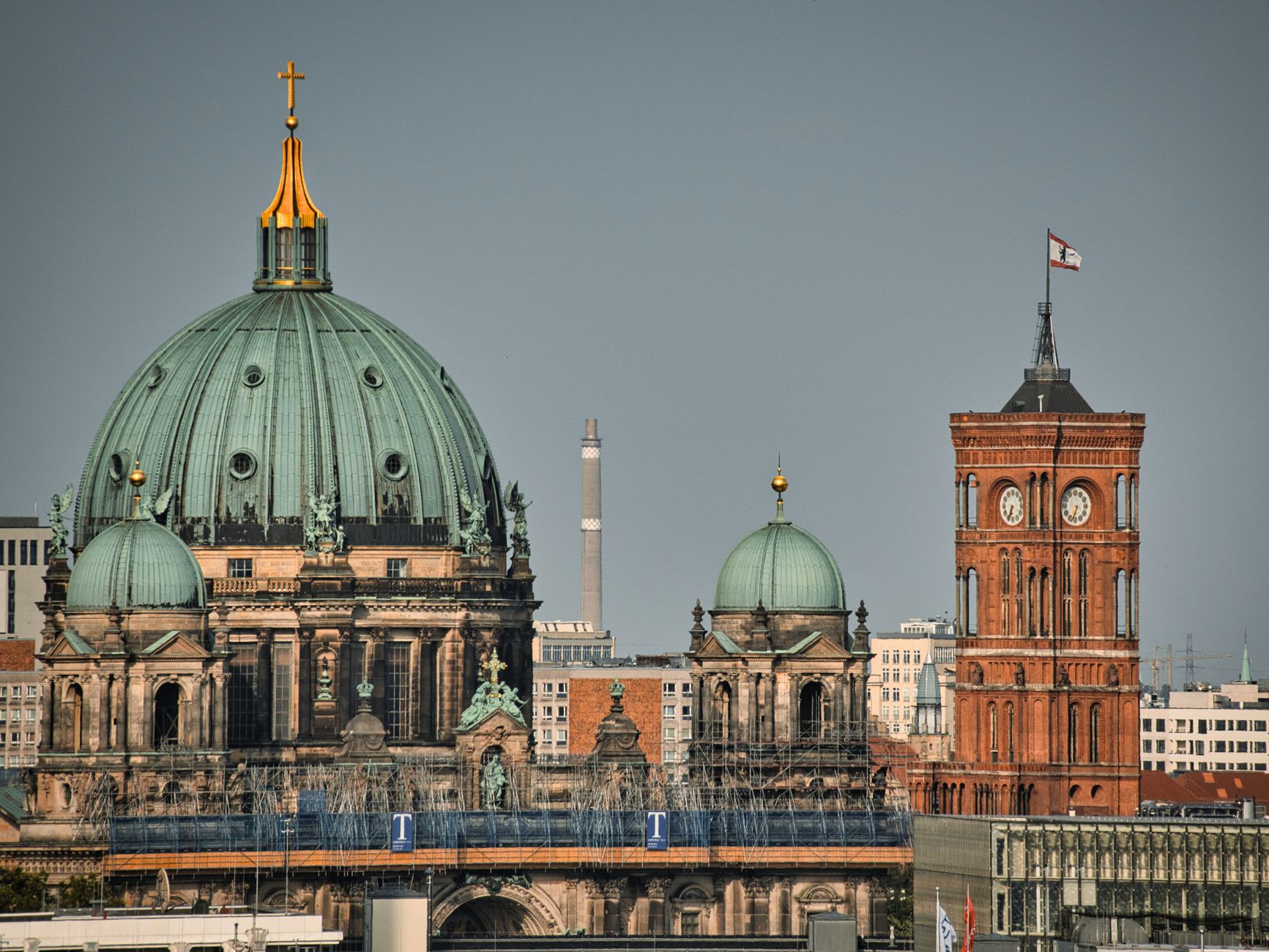
3-Day Practical Itinerary for Berlin: Museums, Markets, Parks
A practical three-day plan for Berlin covering transport, neighbourhoods, museums, markets.
A clear, no-nonsense 72-hour plan for Berlin that balances Museum Island, Kreuzberg markets, green spaces and food stalls with transit tips and realistic costs.
First impressions are often loud: long tram lines, large public squares and a mix of concrete post‑war buildings and grand 19th‑century façades. The pace varies by neighbourhood — Mitte runs on government and museum schedules, while Kreuzberg and Neukölln change after dark with bars and street markets. Expect practical annoyances: construction on many U‑ and S‑bahn lines, frequent timed museum entries, and noon crowds at landmark sites. This place suits people who accept imperfect transit, want political and street-level history, and enjoy walking between neighbourhoods rather than staying inside one museum all day.
Is 3 days in Berlin enough?
Yes — three full days are enough to see central sights (Museum Island, Brandenburg Gate, East Side Gallery), sample local food and feel neighbourhood differences. The honest caveat: there is not time for a deep museum binge or a full day trip to Potsdam without cutting into neighbourhood exploration.
Who This Guide Is For
Best for first-time visitors who want a balanced mix of museums, history and nightlife within a midrange budget. Poor fit for travellers wanting slow museum study, a luxury shopping spree, or a deep countryside escape.
Local Tips for Berlin
Practical details that most travel sites skip — specific to Berlin.
- Buy a 72‑hour Berlin WelcomeCard (zones AB) for around €36–€40 at BVG ticket machines or online; it covers S‑/U‑Bahn and buses inside the zones and gives discounts at many museums.
- Use the Ringbahn (S41 clockwise, S42 counterclockwise) to estimate travel times — a full S41/S42 loop around the central districts takes roughly 60 minutes.
- Book timed-entry for the Pergamonmuseum and Neues Museum via the Staatliche Museen zu Berlin website; Pergamon regularly sells out on weekend afternoons.
- Markthalle Neun in Kreuzberg runs Street Food Thursday from about 17:00–22:00 and the Hallenmarkt on Saturdays; many stalls prefer cash under €10.
- Expect long queues at Mustafa’s Gemüse Kebap (Mehringdamm 32) — if the wait exceeds 30–45 minutes try Imren Grill or Kotti Doner nearby for similar kebab styles.
How This Guide Was Prepared
This guide treats Berlin as a working city with layers: state institutions, post‑war memorials, immigrant-run markets and experimental neighbourhood culture. Many guides either romanticise nightlife or reduce the place to a few monuments; this one maps realistic travel times, crowd pitfalls and where everyday life happens so a traveller can leave with a clearer, less curated sense of the place. This guide was prepared through a structured research that combines destination research, geographic context, itinerary planning logic, and content review.
Plan Your Stay in Berlin
Use these planning pages to compare areas to stay, expected costs, seasonal timing, and local transport before booking.
Why Visit
Concrete reasons: the museum cluster on Museum Island allows close comparison of archaeological and classical collections within short walking distance of the Spree. The urban wall history is visible on the East Side Gallery and at Bernauer Straße where the Mauerweg and documentation centre show the Cold War boundary in physical form. Food culture is an immigrant story — the Turkish market at Maybachufer and doner stalls such as Mustafa’s offer affordable, everyday eating that reveals modern social change. The city is also unusually green for a capital: Tiergarten and Tempelhofer Feld provide large open spaces inside dense urban areas.

Quick Planning Tips
Main airport is BER — take the FEX/RE7/RE8 regional trains or the S9 into the central stations; journey time is roughly 30–40 minutes to Hauptbahnhof or Neukölln, allow extra for luggage and security. Download the BVG app (Fahrinfo plus ticketing) and set up a contactless card if intending single‑trip tickets; many kiosks still prefer cash for small purchases. Avoid the planning mistake of stacking three museums on the same afternoon without booking timed entries; check Staatliche Museen tickets and reserve Reichstag dome slots online for a precise visit window.

Day 1
Afternoon options: walk 15 minutes to Alexanderplatz to see the TV Tower exterior and shop at Alexa mall, or take the S5/S7 a short ride to Hackescher Markt for courtyards and galleries (S‑bahn 2–4 minutes). From Hackescher Markt, stroll 10–15 minutes to Museum Island if not done yet, or take U2 to Potsdamer Platz for contemporary architecture and the Philharmonie. Dinner in Mitte at Zur letzten Instanz for traditional fare or nearby modern spots on Auguststraße; typical mains €15–€28. Evening recommendation: a night walk along Unter den Linden and the illuminated Reichstag, or a concert at the Konzerthaus if timings match.

Day 2
In the afternoon, take bus or U‑bahn 20–30 minutes to Tempelhofer Feld to see the former airport runways — bring a bike or rollerblades and budget 60–90 minutes. Alternatively, head to Neukölln for the Turkish market along Maybachufer on Tuesdays/Fridays; market browsing can take 45–90 minutes. Dinner at a local kebab shop or one of the many Turkish restaurants on Sonnenallee; expect €6–€18. Evening recommendation: join a craft beer bar crawl around Kreuzberg/Neukölln or look for a live music venue on Skalitzer Straße.
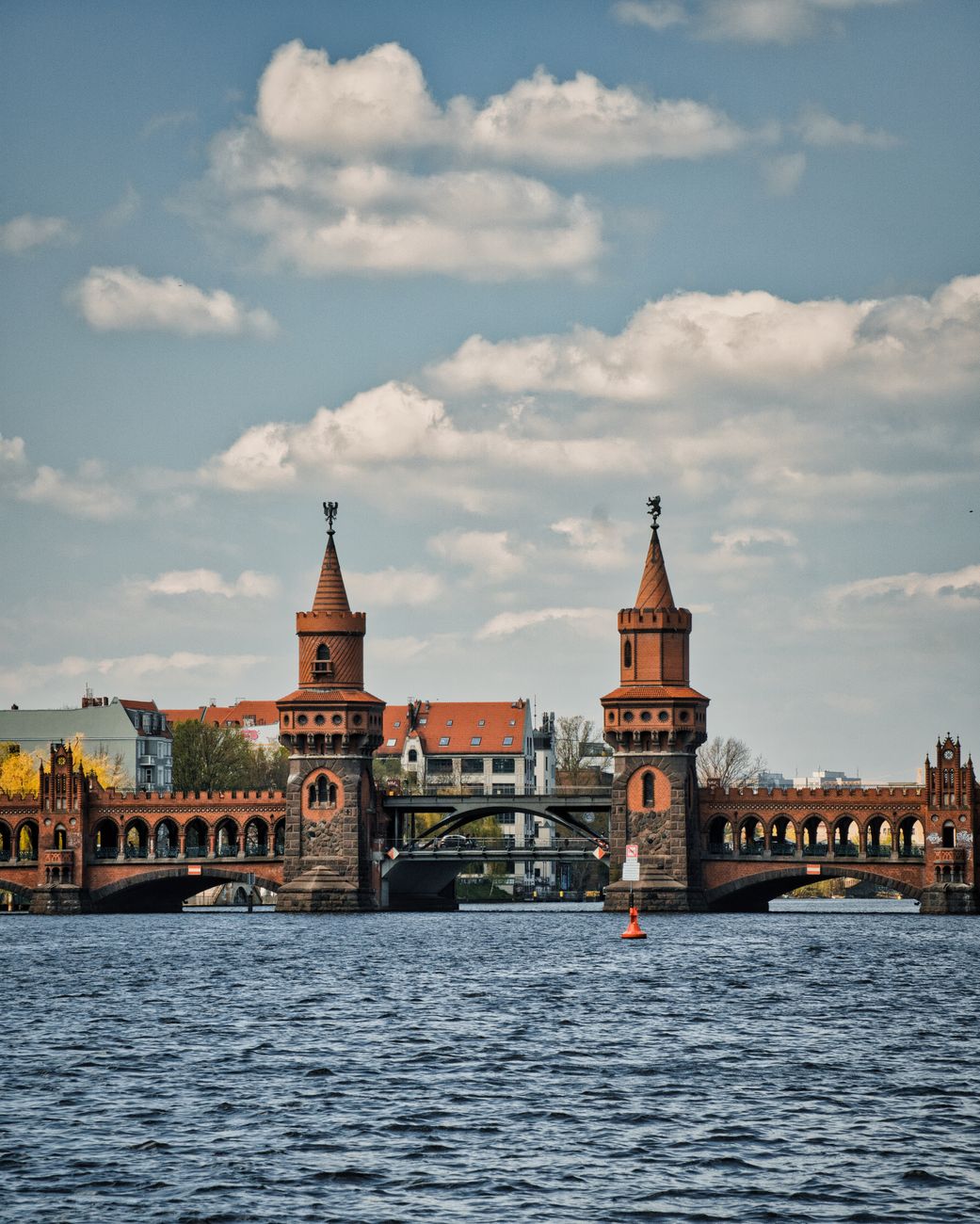
Day 3
If choosing Potsdam, take an S7 train to Potsdam Hauptbahnhof (about 30–40 minutes) and plan at least 4–6 hours for Sanssouci Palace grounds and the Dutch Quarter. Practical note for departure: from central Mitte allow 40–50 minutes to BER by regional train and plan to be at the airport 2–3 hours before an international flight. Evening option for a last night: a relaxed riverside meal along the Spree near Friedrichshain or a calm beer garden if the weather allows.

Best Local Experiences
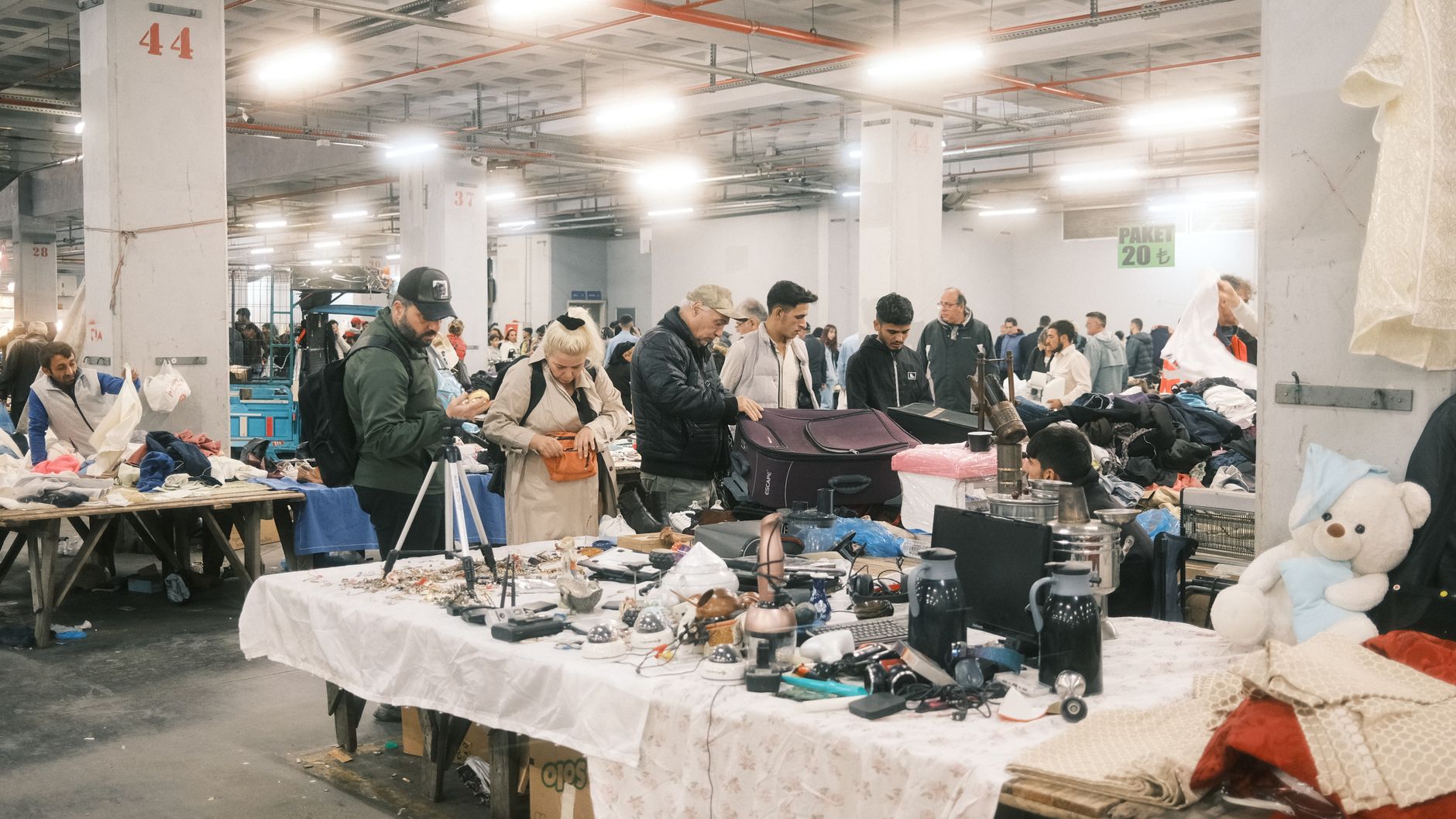
Mauerpark Sunday flea market and open‑mic karaoke in the amphitheatre — expect crowds from 11:00 and heavy foot traffic until late afternoon. Turkish market at Maybachufer (Neukölln) operates Tuesdays and Fridays and is the best place for fresh produce, baklava and midpriced street meals. Markthalle Neun Street Food Thursday (Kreuzberg) for an efficient sample of immigrant and contemporary cooking between 17:00–22:00. Tempelhofer Feld for cycling or watching kite flyers on abandoned runways; bring water and sun protection in summer. A Spree boat ride from Friedrichstraße or Hackescher Markt reveals industrial riverfront history and offers a calmer view of the city’s river architecture.
Where to Stay
Mitte: suits first‑time visitors and museum goers because it puts Museum Island, Unter den Linden and many government sites within walking distance. Expect midrange hotels from about €120–€220 per night (roughly $130–$240), higher for boutique rooms near Gendarmenmarkt. Kreuzberg/Neukölln: suits food and nightlife travellers who want a younger, more informal scene and quicker access to Markthalle Neun and Maybachufer; budget to midrange stays are typically €70–€140 per night ($75–$155). Prenzlauer Berg: suits those who want calmer streets, cafés and boutique shops near Kollwitzplatz and Mauerpark; expect €90–€170 per night ($95–$185).
Food and Drink
Berliner Weisse: a low‑alcohol sour wheat beer often served with raspberry or woodruff syrup; try it at local beer bars for €3–€5 a glass. Breakfast option: a bakery breakfast with Brötchen and coffee at a local Bäckerei such as Zeit für Brot or BackWerk — expect €4–€8. Dinner recommendation: a midrange sit‑down meal at a restaurant like Katz Orange or NENI (Zoologischer Garten) where mains range €15–€30. Street food snacks, pastries and market meals provide the best variety for modest budgets and reveal daily eating patterns across neighbourhoods.
Getting Around
Main transit modes: S‑Bahn (S1, S2, S3, S5, S7, S9 and Ringbahn S41/S42), U‑Bahn (U1, U2, U5, U8 among others), trams (M10, M4, M2) and regional trains (RE, RB, FEX). Single AB tickets are typically around €3.50 (buy from machines or the BVG app), and a 24‑hour ticket is often near €9–€10; 72‑hour and WelcomeCard options can be more cost‑effective for heavy transit use. Taxis start at roughly €4–€5 plus €2/km; a taxi from BER to central Mitte commonly costs €45–€60 depending on traffic.
Best Time to Visit
Spring (April–June) offers mild days (8–22°C) and fewer crowds than summer; late April and May give blooming parks and reasonable flight prices. High season (July–August) has warm weather (18–28°C) and the largest crowds — expect longer queues at outdoor sites and higher hotel rates. September–October cooler (8–18°C) with comfortable walking weather and lower prices; this period often offers the best balance of weather and value. Winter (November–February) is cold (−1–6°C) and dark; museum visits increase but outdoor markets and walking tours are less pleasant unless prepared for cold.
Budget and Practical Tips
Tipping: restaurants generally expect rounding up and 5–10% for table service; small café or takeaway counters do not require a tip but rounding up is appreciated. Carry some cash for markets and small shops. Practical tip: bring a small umbrella and layers; even warm days can shift quickly to rain and cool evenings.
FAQ
Is this city safe for solo travellers?
Most central areas are safe during the day; watch for pickpockets at crowded sites and on busy trams. Avoid poorly lit parks late at night and take normal urban precautions.
How do I get from BER to the city center?
Regional trains FEX/RE7/RE8 and S9 connect BER with Hauptbahnhof and Alexanderplatz in about 30–45 minutes; a taxi costs roughly €45–€60 depending on traffic.
Is a WelcomeCard worth buying?
Yes if using public transport frequently and planning museum discounts — the 72‑hour card pays off after multiple trips and offers 25–50% off many attractions; otherwise buy single or day tickets in the BVG app.
Can major museums be visited without advance booking?
Smaller museums and state collections often allow walk‑ins, but Pergamon and some temporary exhibitions require timed tickets that can sell out on weekends.
Are English and other languages commonly spoken?
English is widely spoken in tourism businesses, cafés and museums, but staff at small market stalls may only speak German or Turkish.
Are there restrictions on public drinking?
Drinking beer in public is generally tolerated in most areas, though specific parks or events may have local bans enforced by police.
What transport app is best?
Use the BVG Fahrinfo app for planning and ticket purchase; Deutsche Bahn’s DB Navigator is useful for regional and Potsdam trains.
Do museums close on Mondays?
Several large museums close on Mondays, but many others remain open; always check the museum’s official website for specific opening days.
Conclusion
Three days will provide a clear sense of how monumental state history sits beside immigrant markets and experimental neighbourhood culture. Time is best spent moving between one or two major museums with timed tickets, a memorial or two, and a full neighbourhood visit to feel local rhythms. If time runs short, prioritise Museum Island or the East Side Gallery plus one market — those give the strongest contrast between institutional history and everyday life here.
How this guide was prepared
This guide was prepared through a structured research that combines destination research, geographic context, itinerary planning logic, and content review.