

Sacramento in 3 Days — Practical Itinerary and Local Tips
Three-day Sacramento itinerary focused on museums, riverfront routes, farm-to-fork meals and transit tips, with realistic budgets and neighbourhood plans.
A clear, no-nonsense 72-hour plan for museums, river trails, farm-to-fork meals and neighbourhood hopping with honest timing and costs.
Approach Sacramento expecting a low-rise capital with wide streets, many government buildings and a clear agricultural influence on menus and markets. First impressions often focus on the State Capitol and the riverfront, but the city is spread out; downtown blocks give way quickly to residential neighbourhoods and urban parks.
Crowds are concentrated on weekend market days and during Kings basketball games at Golden 1 Center; weekdays feel quieter and more practical for museum visits. Visitors who like cycling, farmers' markets and pragmatic neighbourhood walking will find a lot to do in a compact set of places.
Is 3 days in Sacramento enough?
Yes — three days is enough to cover the State Capitol, Crocker Art Museum, Old Sacramento riverfront, Midtown food and an American River bike ride. It does not leave time for a full-day trip to Napa Valley or Lake Tahoe without cutting museum or neighbourhood time short.
Who This Guide Is For
Best for travellers who like museums, easy bike routes and food-focused walking neighbourhoods and who prefer staying centrally. Less suitable for visitors who want heavy nightlife or who expect to day-trip to both Napa and Tahoe in a single long weekend.
Local Tips for Sacramento
Practical details that most travel sites skip — specific to Sacramento.
- SacRT light rail runs Gold, Blue and Green lines; Gold goes to Folsom, Blue to Watt/I-80 and Green serves the Expo corridor — useful for reaching East Sacramento and Folsom without a car.
- Buy SacRT day passes through the SacRT EZFare app; a one-way ride is about $2.75 and a day pass runs roughly $6–7, which often beats multiple single fares.
- Crocker Art Museum is closed Mondays; adult admission is usually around $12–$15 outside special exhibits, so plan that visit on a non-closed day.
- The Jedediah Smith Memorial Trail (often called the American River Bike Trail) runs from Discovery Park east toward Folsom Lake — bike rentals by the day on Front Street in Old Sacramento cost about $25–35.
- Amtrak’s Sacramento Valley Station (Capitol Corridor and San Joaquin services) is a 10–15 minute walk to Old Sacramento and the State Capitol, making rail arrivals convenient for a car-free trip.
How This Guide Was Prepared
This guide treats Sacramento as a working capital with a strong farm-to-table identity and wide, transportable public spaces rather than a condensed tourist zone. Many guides overemphasize quick day trips to Napa or Tahoe and underplay how much time is eaten by transit and parking here; this plan accepts that reality and sequences neighbourhoods to reduce wasted travel time. This guide was prepared through a structured research that combines destination research, geographic context, itinerary planning logic, and content review.
Plan Your Stay in Sacramento
Use this itinerary as your starting point, then compare areas to stay, transport options, seasonal timing, and realistic daily costs before booking.
Why Visit
There are clear, concrete reasons to spend time here. The California State Capitol offers a working government building with free self-guided tours and a garden-lined park that doubles as a short city walk.
Crocker Art Museum concentrates California art and rotating contemporary shows in a manageable visit; its collection is large enough to reward an hour or two. Old Sacramento’s riverfront and wooden boardwalks show 19th-century brick warehouses repurposed as museums and restaurants.
Outdoor options are unusually close: the American River Parkway and the Jedediah Smith Memorial Trail provide flat, well-maintained routes for cyclists and runners that feel very different from urban sidewalks.

Quick Planning Tips
Fly into Sacramento International Airport (SMF), which is about 10–15 miles from downtown; expect a taxi or rideshare fare of roughly $35–60 depending on time and traffic. Amtrak arrives at Sacramento Valley Station near Old Sacramento, which is a 10–15 minute walk to the Capitol area and often quicker than driving in rush hour.
Carry a credit card for most restaurants and museums but bring small cash for farmers' markets and a few food trucks. Avoid scheduling museum visits on Mondays; Crocker and some smaller sites close that day and others have reduced hours on Sundays.

Day 1
Start at the California State Capitol Museum on L Street and walk through Capitol Park; allow 60–90 minutes for the building, the exhibits and the rose garden. From the Capitol a 10–12 minute walk south brings you to the Crocker Art Museum on O Street; plan another 1.5–2 hours there to see California works and rotating exhibitions.
Lunch near the riverfront at Rio City Café on the Old Sacramento waterfront offers straightforward American fare with views; it’s a 15–20 minute walk from Crocker or a short ride on a local bus. After lunch, explore Old Sacramento’s boardwalk, the California State Railroad Museum and the shops along Front Street — the Railroad Museum alone can take 60–90 minutes.
Late afternoon can be a bike ride along the Jedediah Smith Memorial Trail starting at Discovery Park; rent a bike on Front Street if needed and expect a 20–30 minute warm-up ride east along the river. For dinner, head to a Midtown spot like Kru Contemporary Japanese or Ella Dining Room for farm-driven menu options. Finish the evening with a short walk across Tower Bridge for a river view or a low-key Midtown bar depending on energy levels.

Day 2
Spend the morning in Midtown and the R Street Arts District where coffee shops, murals and independent boutiques cluster; start at Coffee Garden or Temple Coffee on 20th Street and then walk to the local shops on Broadway. Visit the R Street corridor galleries and Project Space Sacramento; allow 2–3 hours for browsing and a casual brunch at Tower Café on Broadway.
In the afternoon cross into Land Park to visit the Sacramento Zoo and Fairytale Town if travelling with family; from Midtown it’s a 15–25 minute drive or a 25–30 minute bus ride. Alternatively, take SacRT light rail to the historic Gold Line stops if using public transit to reach east-side destinations.
Evening options change the pace: check what’s on at Golden 1 Center or pick a tasting menu at The Kitchen in nearby West Sacramento (reservation required). For a relaxed night, sample local breweries around Midtown or the West Sacramento waterfront and plan short rides back to downtown hotels.

Day 3
Use the final day to combine a market, a museum and an outdoor run or cycle. Start at the Midtown Farmers’ Market (weekend mornings) for seasonal produce and prepared foods; expect local vendors and prices that reflect peak-season produce. From the market, walk to Sutter's Fort State Historic Park to get a quick impression of early Sacramento life; it’s a 15–20 minute walk or a short ride depending on where the market is that day.
After Sutter’s Fort, head to the California Automobile Museum on K Street if interested in vintage cars; allow 60–90 minutes. For travellers checking out mid-afternoon for a flight, keep the afternoon flexible: store luggage at the hotel, pick up a light lunch at a Midtown café, then take a ride-share to SMF allowing 60–90 minutes for transit and airport security.
If time permits before heading to the airport, squeeze in a final short bike ride on the American River Trail near Discovery Park or an easy riverside walk in Old Sacramento to close the trip with a low-effort outdoor stretch.
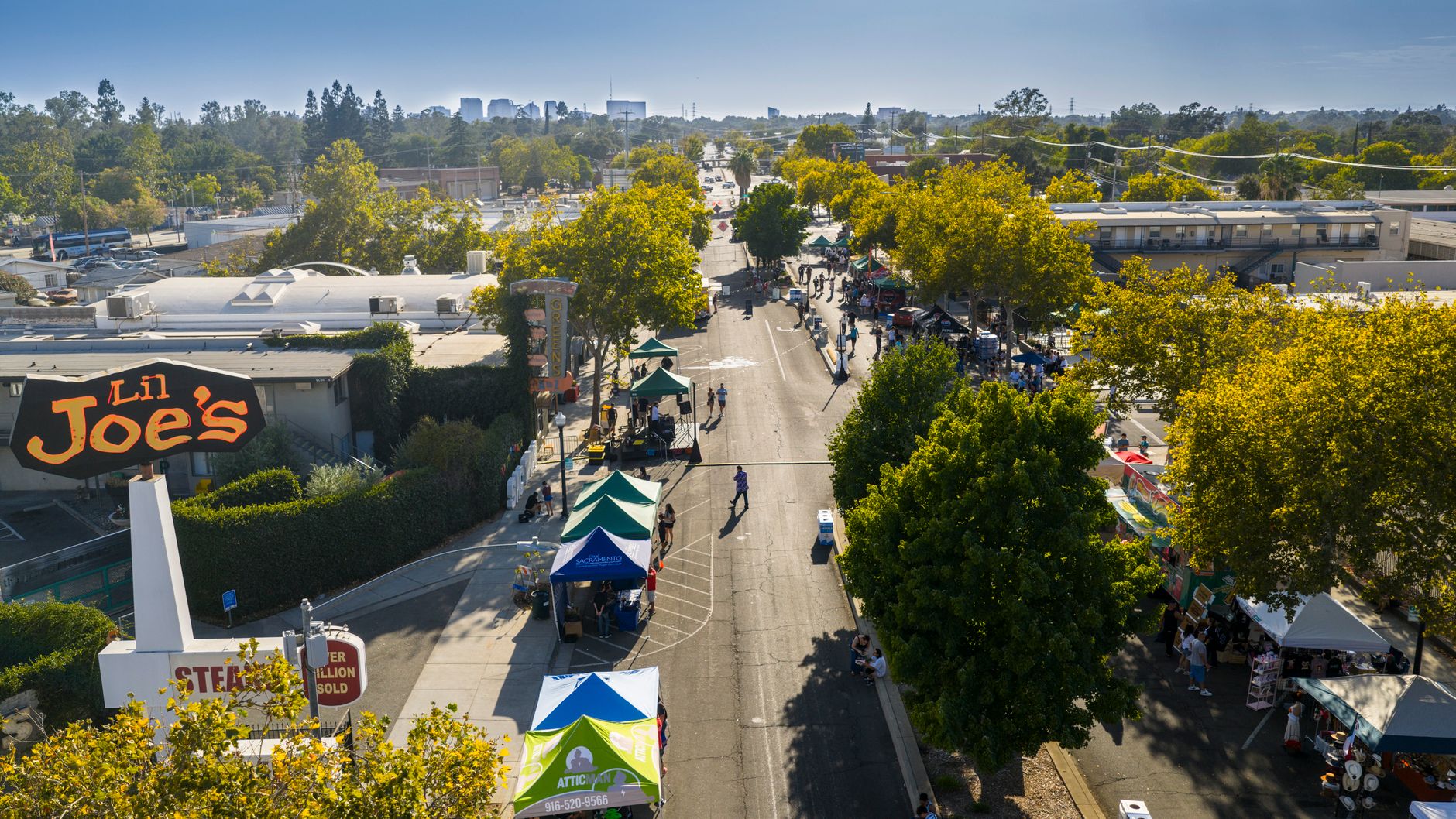
Best Local Experiences
Farm-to-Fork dining: sample menus that change with produce at restaurants like Ella Dining Room & Bar and Tower Café’s seasonal dishes. A full stretch or bike ride on the Jedediah Smith Memorial Trail is how many locals spend weekend mornings; start at Discovery Park and ride east.
Old Sacramento’s wooden boardwalk and the California State Railroad Museum are practical history stops rather than long, interpretive sites; pairing them with a riverfront meal makes them efficient. The Midtown Farmers’ Market (20th Street on weekends) and the UC Davis Farmers’ Markets that rotate into Sacramento have standout produce and prepared foods.
Other local activities include a Kings game or concert at Golden 1 Center, a craft brewery crawl in Midtown and a visit to Sutter’s Fort during open hours to see reconstructed 1840s buildings. These experiences reflect local priorities: food, outdoor access and working museums.

Where to Stay
Downtown / Old Sacramento: Suited for first-time visitors who want walkable access to the Capitol, Crocker and the riverfront. Expect hotel rates roughly $130–230 per night (USD) which is about €120–210 depending on season.
Midtown: Best for diners and nightlife within walking distance of cafés and galleries. Nightly costs typically run $110–180 (USD), roughly €100–165, and many boutique options put restaurants and bars a short walk away.
East Sacramento / Land Park: More residential and quieter, good for families or those who prefer tree-lined streets and the Sacramento Zoo nearby. Expect $90–160 per night (USD) or around €82–150; parking is easier here than downtown during events.
Food and Drink
Breakfast: Tower Café on Broadway is a reliable spot with international breakfast dishes and pancakes; expect $10–15 for a main (USD). Street food: Sacramento has taco trucks and market stalls; a good street taco runs $2.50–4 and taquerias in South Sacramento offer large, inexpensive portions.
Dinner recommendation: The Kitchen (reservation and prix fixe tasting menu) is a high-end, reservation-only experience with menus commonly $150–225 per person. Farm-to-fork staples: roasted seasonal vegetables and market-driven salads appear at many mid-range restaurants; expect main dishes in the $16–30 range.
Drinks: California wines by the glass are widely available; craft beers from local breweries in Midtown run $6–8 a pint. For a local specialty, try a house-made seasonal cocktail at a Midtown bar using Central Valley fruit when in season.
Getting Around
Transit modes: SacRT light rail (Gold, Blue, Green lines) and local buses cover the main corridors; Amtrak Capitol Corridor and San Joaquins serve Sacramento Valley Station. Use the SacRT EZFare app to buy light rail and bus tickets and the Transit or Google Maps apps for real-time planning.
Fares: a single SacRT ride is approximately $2.75 and a day pass about $6–7; Amtrak fares vary by route and advance purchase. Taxi or rideshare from SMF to downtown costs roughly $35–60 depending on demand; budget more during peak hours.
Biking: the American River Trail and many flat streets make cycling practical; bike-share options and local rental shops on Front Street cover one-day and multi-day hires. Driving is useful for day trips, but expect event-day congestion around Golden 1 Center and limited inexpensive parking in Old Sacramento.
Best Time to Visit
Spring (March–May): daytime highs typically 60–75°F (15–24°C) with low rainfall; this is a reliable window for farmers' markets and outdoor cycling. Summer (June–August): often hot, with highs 90–100°F (32–38°C); museums and river activities are popular but expect higher hotel rates and afternoon heat.
Fall (September–October): daytime highs in the 70s–80s°F (21–30°C) and many farm-to-fork events and harvest markets; this often offers the best combination of weather and value. Winter (November–February): cooler and wetter, lows in the 40s–50s°F (5–12°C); hotel prices dip but plan for rainy days and fewer outdoor market hours.
Budget and Practical Tips
Typical mid-range daily budget per person: Accommodation $120–180 (USD) / €110–165, food $35–60 (USD) / €32–55, transport $6–15 (USD) / €5–14, entry fees $10–25 (USD) / €9–23. That yields a reasonable single-traveller daily range of roughly $170–280 (USD) / €155–255 depending on hotel choice and dining.
Tipping norms follow U.S. standards: 15–20% at sit-down restaurants, $1–2 per drink at bars, and rounding up for taxi fares or baggage assistance. Carry a small amount of cash for farmers’ market purchases and street vendors; credit and debit cards are accepted at most restaurants and museums.
FAQ
Is Sacramento safe for tourists?
Most central neighbourhoods such as Midtown, Old Sacramento and the Capitol area are generally safe during daytime; standard city precautions apply at night and avoid poorly lit park areas after dark.
How do I get from SMF to downtown without a car?
Rideshare and taxis are the easiest option; some shuttle services and limited public buses operate but allow 45–75 minutes for public options and connections.
Is a city pass worth it?
There isn’t a widely used single city pass; buying individual museum admissions and using a SacRT day pass is usually more economical unless planning multiple paid tours.
Can Sacramento be done by bike?
Yes — flat terrain and the American River Trail make cycling practical for a large portion of the itinerary; rent a bike for the day to cover river routes and Midtown loops.
Are there easy day trips from here?
Yes — Napa and the Delta are reachable but each takes most of a day by car; Amtrak and organized tours offer options but expect travel times that cut into sightseeing.
Where to park in Old Sacramento reliably?
Use the public lots off Front Street and near the Railroad Museum; prices rise on game or event nights so factor that into plans.
What transit apps should I use?
SacRT EZFare for tickets and Transit or Google Maps for schedules work well for most local trips.
Conclusion
Three days framed around the Capitol, the riverfront and Midtown gives a clear sense of what makes this place distinct: accessible museums, market-driven restaurants and easy outdoor routes along the river. Travellers will most likely remember the contrast between government buildings and the agricultural products on restaurant plates, plus a bike ride on the American River Trail.
If time runs short, prioritize the State Capitol visit and a stretch on the river trail or a single museum like Crocker rather than trying to squeeze in a long wine-country or mountain day trip.
How this guide was prepared
This guide was prepared through a structured research that combines destination research, geographic context, itinerary planning logic, and content review.