
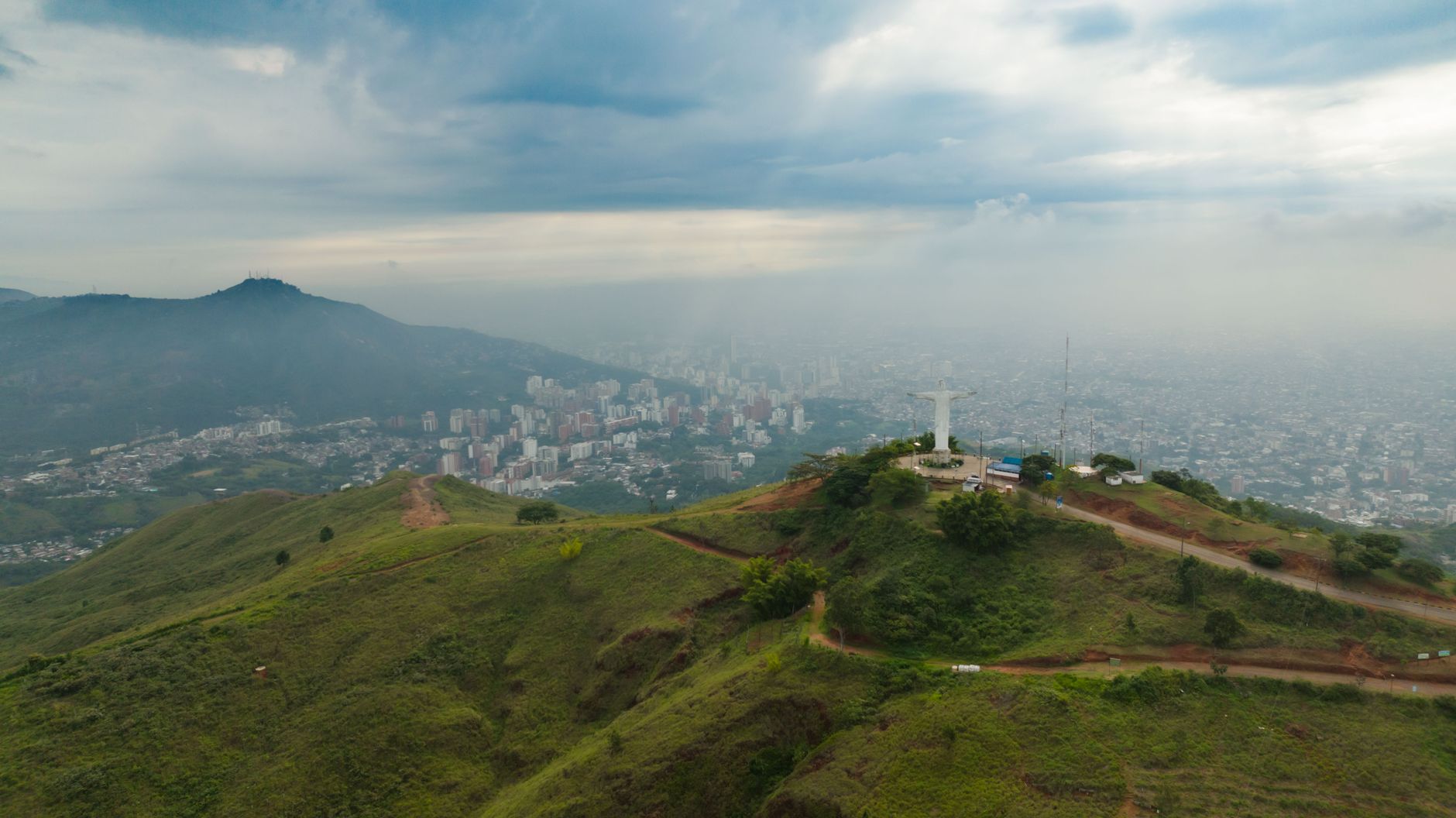
3-Day Cali Itinerary: Practical Guide to Colombia's Salsa Capital
Practical 3-day Cali itinerary with transit tips, neighbourhood walks, salsa-night advice, realistic budgets and safety cautions for travelers.
A no-nonsense, timed 72-hour plan for exploring Cali’s key sights, neighbourhoods, food and salsa scenes without wasting time or money.
Warm, loud and inclined to late nights, the city feels like an urban place that celebrates music and food as public life. Streets near Plaza Caicedo deliver constant motion: buses, motorcycle taxis, fruit sellers and groups practicing salsa steps on sidewalks.
Expect sudden rain in the afternoons some months, heavy traffic in the morning and evening, and friendly but direct street interactions. Many visitors arrive expecting polished tourist infrastructure and instead find a city where neighbourhoods have real daily life and inconsistent services.
This suits travelers who prefer authentic music scenes, busy markets and practical itineraries rather than boutique luxury. Short stays will focus on central barrios, riverfront promenades and one or two evening salsa venues rather than slow countryside trips.
Is 3 days in Cali enough?
Yes — three days is enough to see central landmarks, sample neighbourhood food, and spend at least one salsa night out. It won’t allow deep excursions to the Pacific coast or a relaxed multi-night salsa marathon, so skip long day trips if time is tight.
Who This Guide Is For
Best for travelers who want a compact mix of culture, food and nightlife with moderate walking; less suitable for beach-focused travelers or those wanting a slow, luxury holiday.
Local Tips for Cali
Practical details that most travel sites skip — specific to Cali.
- Buy a rechargeable Tarjeta MÍO at any Estación MÍO terminal or authorized kiosk; a single trip costs about COP 2,700 and transfers within the system can save money.
- Mercado de Alameda opens by 7:00 and is busiest at 8:00–10:00 for fresh Pacific seafood and chontaduro vendors; many stalls close by mid-afternoon.
- During Feria de Cali (Dec 25–30) hotel rates often double; book at least two months ahead and expect parade-related road closures around Avenida Roosevelt and Parque del Perro.
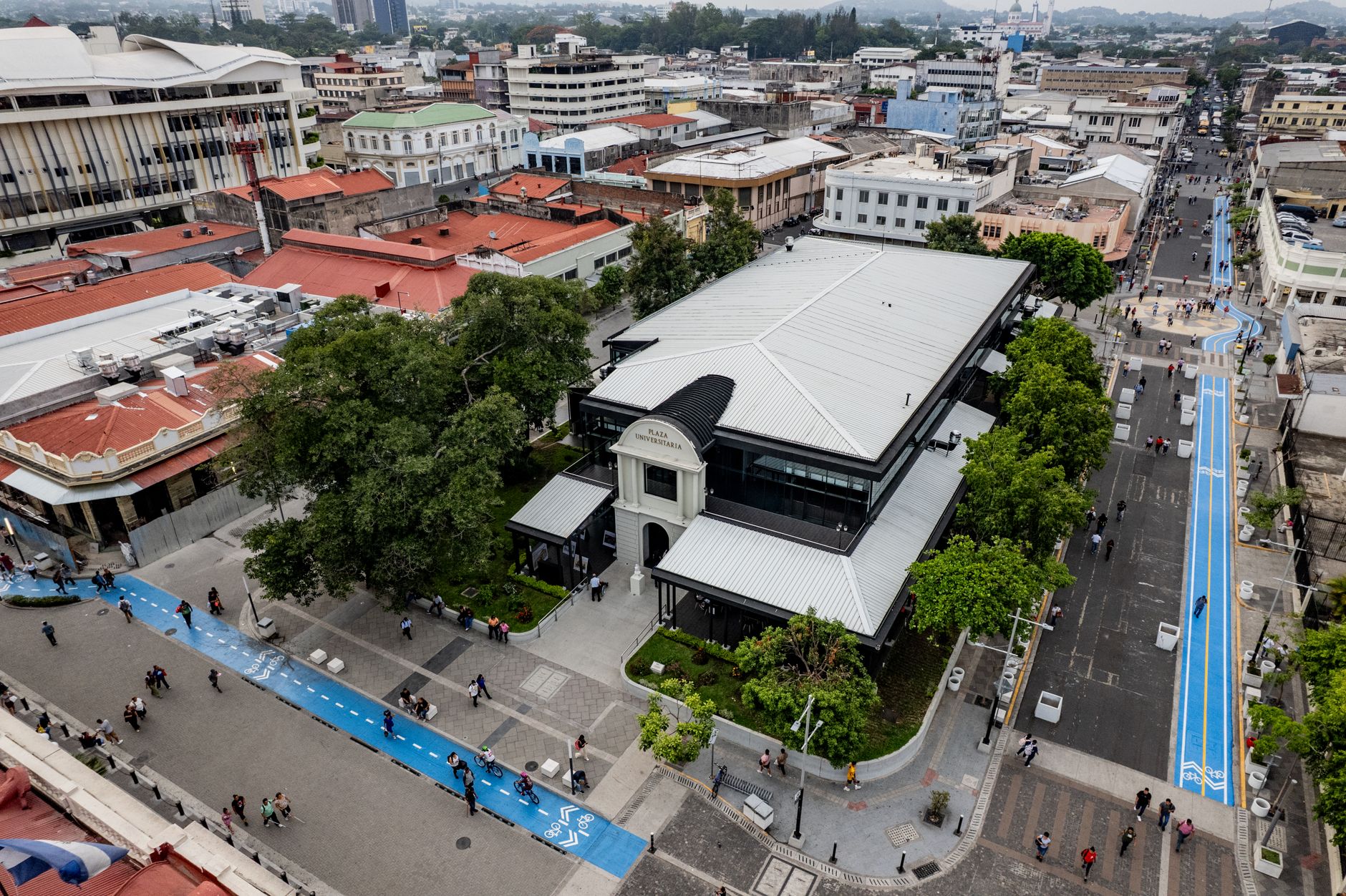
- Bulevar del Río is a reliable daytime walking route from Estación Universidades to the Calle 5 area; street police patrol in daylight but avoid showing valuables at night.
- Taxi apps Beat and DiDi work reliably in most central neighbourhoods; airport transfers from Alfonso Bonilla Aragón typically cost COP 60,000–80,000 with an app rather than a street cab.
How This Guide Was Prepared
This guide treats Cali as a working city with a fierce nightlife and a strong Afro-Pacific cultural identity, not a polished tourist product. Many guides overplay salsa shows and underplay transit, timing, and where locals actually eat; this planner balances evening salsa with daytime markets, real transit times, and realistic costs. This guide was prepared through a structured research that combines destination research, geographic context, itinerary planning logic, and content review.
Plan Your Stay in Cali
Use this itinerary as your starting point, then compare areas to stay, transport options, seasonal timing, and realistic daily costs before booking.
Why Visit
Strong Afro-Pacific and coastal culinary influences make local food immediate and different from Andean menus in Bogotá or Medellín. Eating at Mercado de Alameda or a roadside chontaduro stall shows a distinct flavour profile.
Local music culture is another reason: salsa schools, live bands and open-air dance events appear nightly in Granada and San Antonio, and festivals such as Feria de Cali and Petronio Álvarez (Afro-Pacific music, late August) highlight that scene. These are reasons to come specifically for music and dance.
Accessibility from other Colombian cities is practical: Alfonso Bonilla Aragón airport handles frequent flights, and the integrated MÍO system connects major hubs for a low price. For travelers who want food markets, dance and short, walkable neighbourhoods, this city is efficient for a three-day plan.

Quick Planning Tips
From Alfonso Bonilla Aragón airport the most reliable option is a pre-booked app taxi (Beat/DiDi) or the yellow official airport taxi counter; allow 40–70 minutes to central areas depending on traffic. Buses from the airport to Terminal de Transporte exist but check schedules and luggage handling.
Carry small bills in COP for street food and markets; many vendors do not accept cards and ATMs inside markets can run out. Avoid exchanging cash on the street; use banks near Plaza Caicedo or the airport exchange.
Do not assume the MÍO runs late into the night—last trunk routes can end before midnight on weekdays. Plan a taxi or ride-hail for late departures and book hotels with flexible arrival after dark.

Day 1
Morning: Start at Plaza Caicedo to orient—walk the pedestrian streets toward Iglesia La Ermita (5–10 minutes). La Ermita is photogenic and often open for short visits; a small donation is normal. From the plaza, stroll to Gato del Río along the riverfront (15–20 minutes) and take the Bulevar del Río toward Avenida Colombia.
Lunch: Eat at a Mercado de Alameda stall or try a local restaurant in Granada (Alameda stalls offer sancocho and seafood from COP 8,000–15,000). After lunch, visit Museo La Tertulia (about 15 minutes’ walk from Bulevar del Río); expect a small entrance fee around COP 10,000–15,000.
Afternoon: Walk or take a short MÍO ride to San Antonio neighbourhood for coffee, pastry and views from the park (10–20 minutes). Explore nearby Calle 5 for small artisan shops. Dinner: Choose Granada for a sit-down meal—many restaurants stay open late.
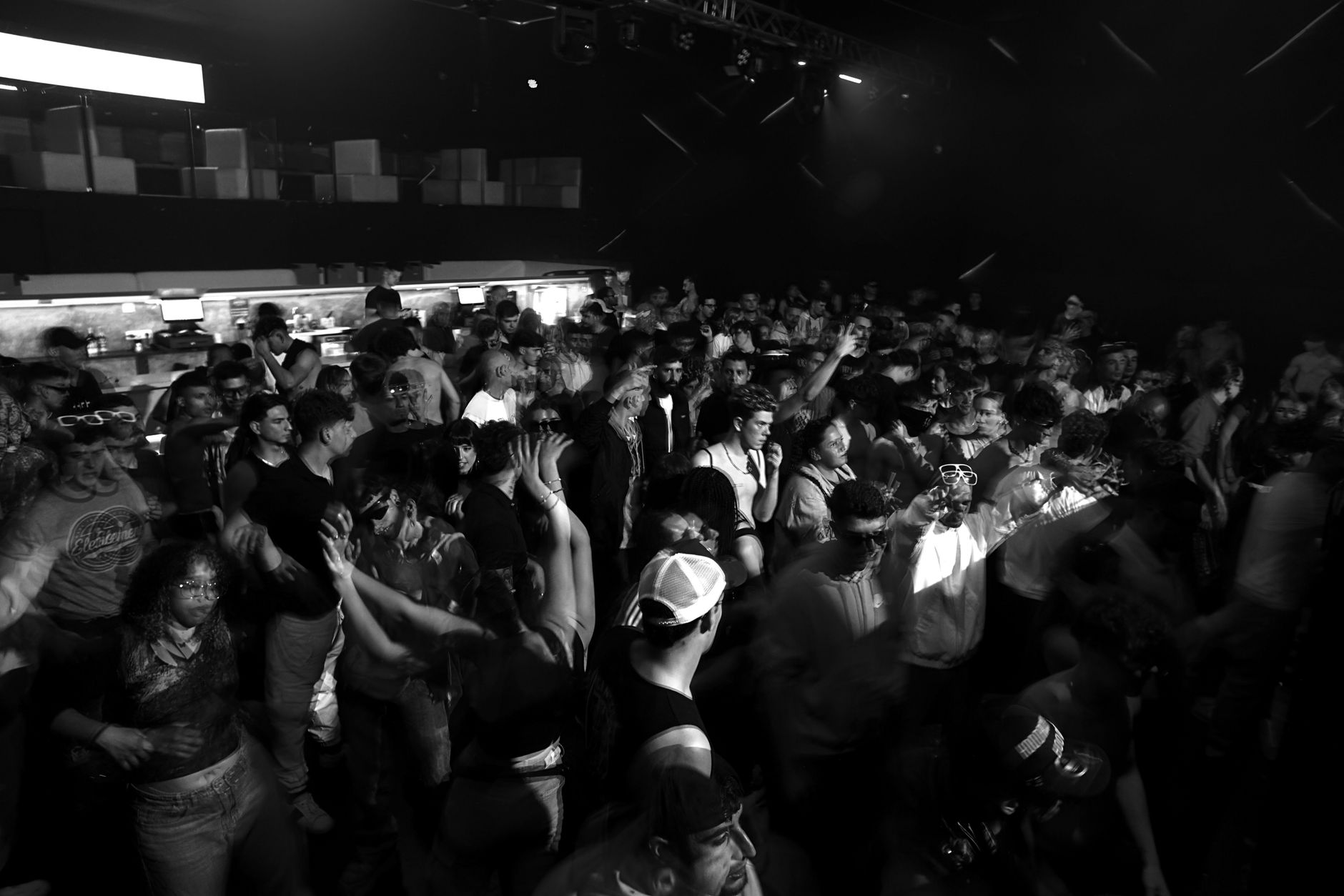
Evening: Attend a beginner-friendly salsa class or a live-music bar in San Antonio or Granada. Many venues impose a cover after 22:00; carry cash for small entry fees and drinks.
Day 2
Morning: Take the MÍO or a taxi to the top of Cerro de las Tres Cruces for a short hike with city views (allow 45–60 minutes transit plus the climb). Wear closed shoes and bring water; local buses drop near the trailhead but schedules vary.
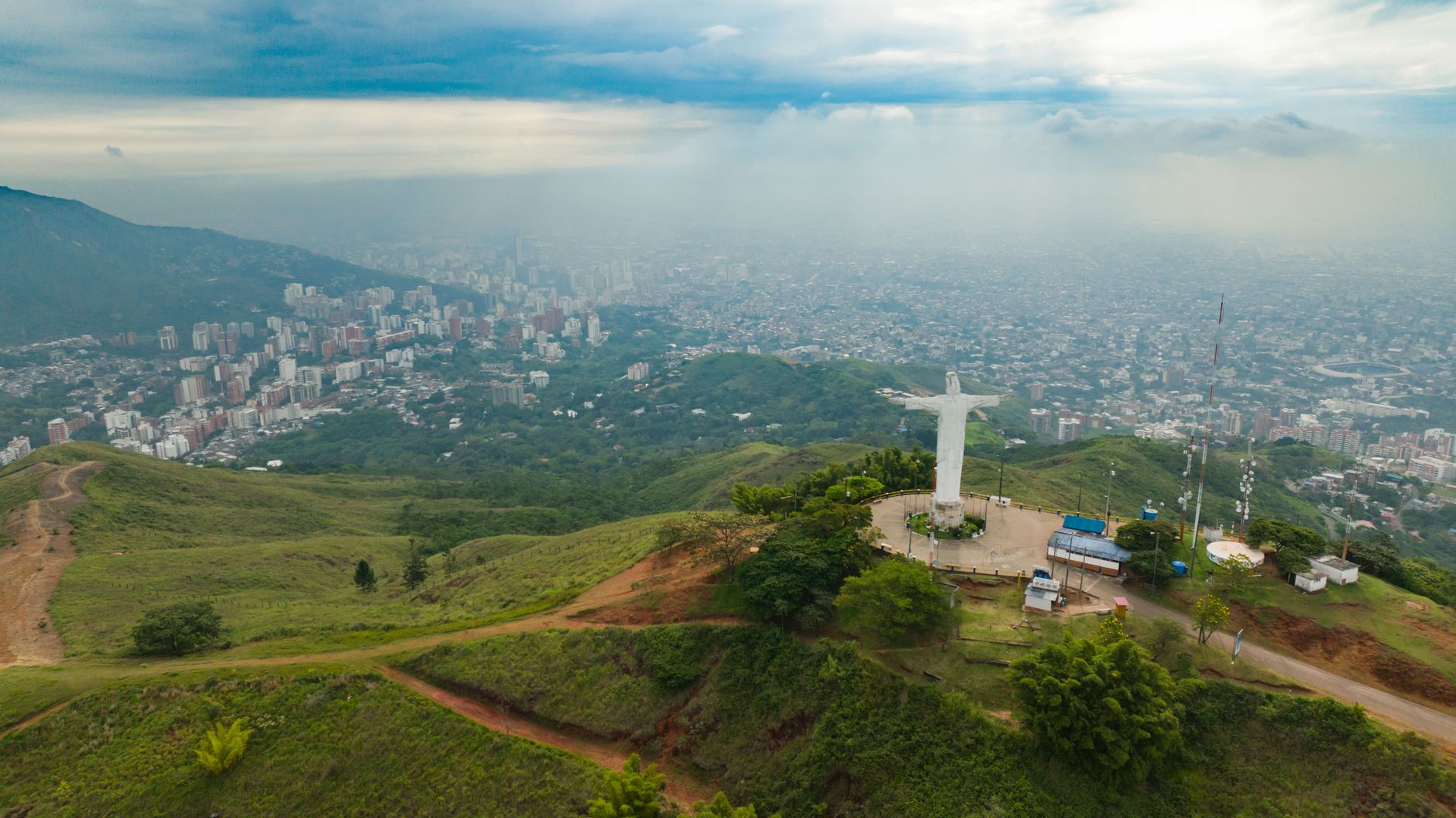
Lunch: Descend toward Parque del Perro or Granada for grilled meats or fried fish in the 12:00–14:00 window. After lunch, visit Cristo Rey statue in the west for panoramic views; getting there by taxi avoids a long feeder-bus transfer.
Afternoon: Spend time at Zoológico de Cali if interested in wildlife conservation exhibits (entry approximately COP 25,000–35,000). Alternatively, explore shopping and craft stalls along Avenida 9 in the north of Granada.
Evening: Experience a local salsa club with live bands. For a more local crowd consider a venue in Juanchito on a night that many locals go out—expect a bus or taxi ride and a security-aware approach to personal items.
Day 3
Morning: Visit Mercado de Alameda early for fruit, chontaduro and lulada; street vendors sell snacks best sampled before 10:30. If staying in San Antonio, a short walk will get to the market area in 10–20 minutes.
Late morning: Head to Museo del Oro Calima or a local art space for another cultural lens; many small exhibits charge modest fees (around COP 5,000–12,000). Allocate travel time if returning to a hotel to check out.
Afternoon: If catching an afternoon flight, plan airport transfer two to three hours before departure to allow for traffic and airport queues. Otherwise, walk through Bulevar del Río and have a late lunch in Granada or near Parque del Perro; keep hotel checkout in mind.
Evening: For departures later than 20:00, a final salsa set or a calm riverside walk is a low-stress way to end. Confirm ride-hail availability for airport trips and keep printed or screenshot directions to the airport handy.

Best Local Experiences
Attend a live salsa show or a community class in San Antonio or Granada instead of only tourist-focused venues. Local dance schools offer drop-in lessons and are often attended by residents.
Visit Mercado de Alameda for chontaduro, fresh seafood and breakfast stands; try a lulada or champús at a vendor who prepares them by hand. Head to Juanchito on a weekend to see large salsa venues where locals dance until dawn, but go with an app taxi and awareness of safety.
See the Gato del Río sculptures along the river and combine that walk with stops at Bulevar del Río for people-watching and street food. For culture, Museo La Tertulia and Museo del Oro Calima offer different perspectives on art and pre-Columbian heritage.
If visiting in late December attend Feria de Cali parades and cabalgatas for a full local festival experience. For Afro-Pacific music, the Petronio Álvarez festival in August showcases styles and artists not found elsewhere in the country.
Where to Stay
San Antonio: Suits couples and nightlife-focused visitors. Close to cafés, small guesthouses and salsa venues; easy walk to Plaza San Antonio. Nightly rates range from COP 80,000 (budget guesthouse) to COP 250,000+ (boutique stays) — roughly €18–60.
Granada and Parque del Perro: Best for foodies and evening walks. Trendier restaurants and bars line Calle 5 and Carrera 5; short taxi rides to central attractions. Mid-range hotels typically cost COP 140,000–280,000 per night (€35–70).
Centro Histórico and near Plaza Caicedo: Good for first-time visitors who want to be in the middle of transport links and museums. Options run from economical hostels (COP 40,000–80,000) to mid-range hotels (COP 120,000–220,000). Choose a secure building on a well-lit street if arriving late.
Food and Drink
Lulada: A cold drink made from lulo fruit, lime and sugar; find it at Mercado de Alameda or street stalls for COP 3,000–6,000. It’s refreshing and commonly sold in plastic cups.
Chontaduro: Boiled palm fruit sold with salt and often with panela or honey; street vendors sell a portion for about COP 2,000–4,000. Try it near busy markets and parks.
Arroz atollado: A Valle del Cauca rice dish with meat and plantain; good versions appear at family-run restaurants in Granada and San Antonio for COP 12,000–25,000 per plate.
Sancocho de gallina: Hearty chicken soup found at Mercado de Alameda or small eateries for COP 8,000–15,000. It’s a common lunchtime option.
Pandebono and arepa de choclo: Breakfast breads available at bakeries around Plaza Caicedo and San Antonio for COP 1,500–3,500. For dinner, look for parrilla or seafood in Granada; expect COP 25,000–60,000 per person at a mid-range restaurant.
Getting Around
MÍO (Sistema MÍO) is the main bus rapid transit system with trunk lines and feeder routes; buy a Tarjeta MÍO at stations. A single ride costs about COP 2,700; no official 24-hour pass exists but monthly and multi-ride options are available.
Key stations include Estación Universidades, Terminal MÍO and Estación Cañaveralejo. Use the official MÍO app for schedules and Moovit for route planning; both show real-time arrivals better than static timetables.
Taxis and app services Beat and DiDi serve the city; fares inside central areas can start around COP 6,000–8,000 with short trips, and airport app transfers tend to be COP 60,000–80,000. Avoid unofficial motorcycle taxis for long distances and only use them where locals indicate safety.
Best Time to Visit
Temperatures usually sit between 22–30°C most months with slight variation by altitude; expect heat in midday and cooler evenings in the hills. The main dry window includes December through February, which is ideal for walking and outdoor events.
Late August hosts Petronio Álvarez (Afro-Pacific music), a strong draw if music is the priority. Feria de Cali in late December delivers the biggest crowds and highest prices; book early if attending.
April–May and September–November bring more regular afternoon rains and higher humidity. For the best balance of price, accessibility and weather consider March or November, but note local festival dates that may increase demand.
Budget and Practical Tips
Daily budget low-cost: accommodation COP 50,000, food COP 25,000, transport COP 5,500, entries COP 10,000 — total ~COP 90,500 (~€20 / USD 22). Mid-range: accommodation COP 180,000, food COP 50,000, transport COP 10,000, entries COP 25,000 — total ~COP 265,000 (~€62 / USD 68).
Expect breakfast breads or market options for COP 2,000–4,000, street lunches COP 8,000–15,000, and sit-down dinners COP 25,000–60,000. Museum entries commonly run COP 5,000–15,000; the zoo is pricier around COP 25,000–35,000.
Tipping in Colombia is modest: restaurants may add 10% service but leaving small change for good service is appreciated. Carry both small bills and a few coins for buses and market purchases.
FAQ
Is Cali safe for tourists?
Central areas like Granada, San Antonio and Bulevar del Río are generally safe in daytime; use caution after dark in less-trafficked streets, keep valuables secure, and use app taxis for late trips.
How do I get from Alfonso Bonilla Aragón airport to the city?
Use a registered airport taxi or app service (Beat/DiDi) and allow 40–70 minutes depending on traffic; expect COP 60,000–80,000 for an app ride to central areas.
Is the MÍO easy to use for visitors?
Yes — buy a Tarjeta MÍO at stations, load credit and use trunk routes for main corridors; single fare ~COP 2,700 and apps like Moovit help with connections.
Are cash and cards accepted widely?
Cards work at hotels and many restaurants, but markets, small cafes and some salsa clubs are cash-only; carry small COP bills.
Is a city card worth buying?
There is no widely promoted universal tourist card; individual museum or attraction discounts are rare, so pay-as-you-go is usually fine.
What are the best months for festivals?
Late December for Feria de Cali and late August for Petronio Álvarez; both bring crowds and higher prices but strong cultural payoff.
Can a traveler find vegetarian food easily?
Vegetarian options exist in Granada and San Antonio restaurants and some market stalls, though menus often focus on meat and seafood; ask for vegetable versions of arroz or soups.
How late does nightlife run?
Salsa venues and bars commonly stay open past midnight; bigger clubs and live-music venues can run until dawn, so plan transport for late returns.
Conclusion
A three-day plan will highlight markets, museums, two contrasting neighbourhoods and at least one salsa night without rushing too many long-distance trips. The most memorable elements for many visitors will be the food markets and live music rather than single sightseeing monuments.
If time becomes tight, prioritise an evening of live salsa in San Antonio or a festival night during local events and a morning at Mercado de Alameda for food and street culture. Those two experiences capture the character fastest and require the least travel.
How this guide was prepared
This guide was prepared through a structured research that combines destination research, geographic context, itinerary planning logic, and content review.