

3 Days in Sakai: A Weekend Itinerary for History, Craft and Local Eats
Explore Sakai in 3 days: UNESCO kofun, traditional knives, tea history, markets and parks. Practical itinerary, transit tips and local food picks for a…
Compact, culture-rich and easy to reach from Osaka, Sakai rewards a 3-day visit with ancient kofun tombs, living craft workshops, leafy parks and lively markets. This itinerary balances must-see monuments with…
Sakai is a compact, low-rise Japanese city where ancient burial mounds sit beside working craft workshops and neighborhood markets. It suits travelers who like history without crowds, hands-on craft visits, and reliable local food rather than flashy tourism. Three days is ideal: one morning for the Mozu kofun cluster and its museum, an afternoon exploring artisanal knife workshops and markets, plus a day to linger in parks, tea-history sites and a seaside stroll. You’ll have time for transit-light sightseeing, a few relaxed meals, and a short day trip to nearby Osaka or Kyoto if you want to expand your base.
Why Visit
Sakai is special for its UNESCO-recognized kofun tombs, a living tradition of hand-forged cutlery, and the legacy of Sen no Rikyu, the tea master. The city offers a quieter Kansai experience: fewer tourists than nearby Osaka, easy walking between highlights, and pockets of local life—markets, small museums and parkland. History here feels immediate: massive keyhole-shaped tombs in Daisen Park, interpretive displays at the city museum, and smithies still shaping blades the old way.

Quick Planning Tips
Base yourself near Sakai Station for the most dining and transit options. Use a rechargeable IC card (ICOCA, Suica) for trains and buses. Expect short walks between sites; bring comfortable shoes and a light rain jacket in spring or autumn. The Hankai Tramway and Nankai lines are the main public-transport links; many attractions are easily combined by foot or a short tram ride. Reserve any knife-making or tea-ceremony demos in advance if you want a hands-on slot.

Day 1
Morning: Start at Daisen Park to visit the Daisen Kofun (Emperor Nintoku’s Tomb) and walk the spacious grounds. Stop by Sakai City Museum nearby to understand kofun archaeology and local history. Afternoon: Head to the Sakai Plaza of Rikyu and Akiko to learn about Sen no Rikyu and local tea culture; try a short tea demonstration if available. Evening: Return toward Sakai Station for dinner—look for seafood izakaya near the port or neighborhood kushikatsu and takoyaki stands.

Day 2
Morning: Explore the cutlery and smithing tradition. Visit artisan shops and small factories in the Hamono district to watch blade forging and browse finished knives. Many shops sell kitchen knives with local craftsmanship certificates. Afternoon: Wander local markets and side streets around Sakai Station—sample street food and pick up packaged snacks. Late afternoon: stroll the riverside or discover smaller shrines and local bakeries. Evening: Try a family-run sushi or seafood restaurant near Sakai Fishing Port.

Day 3
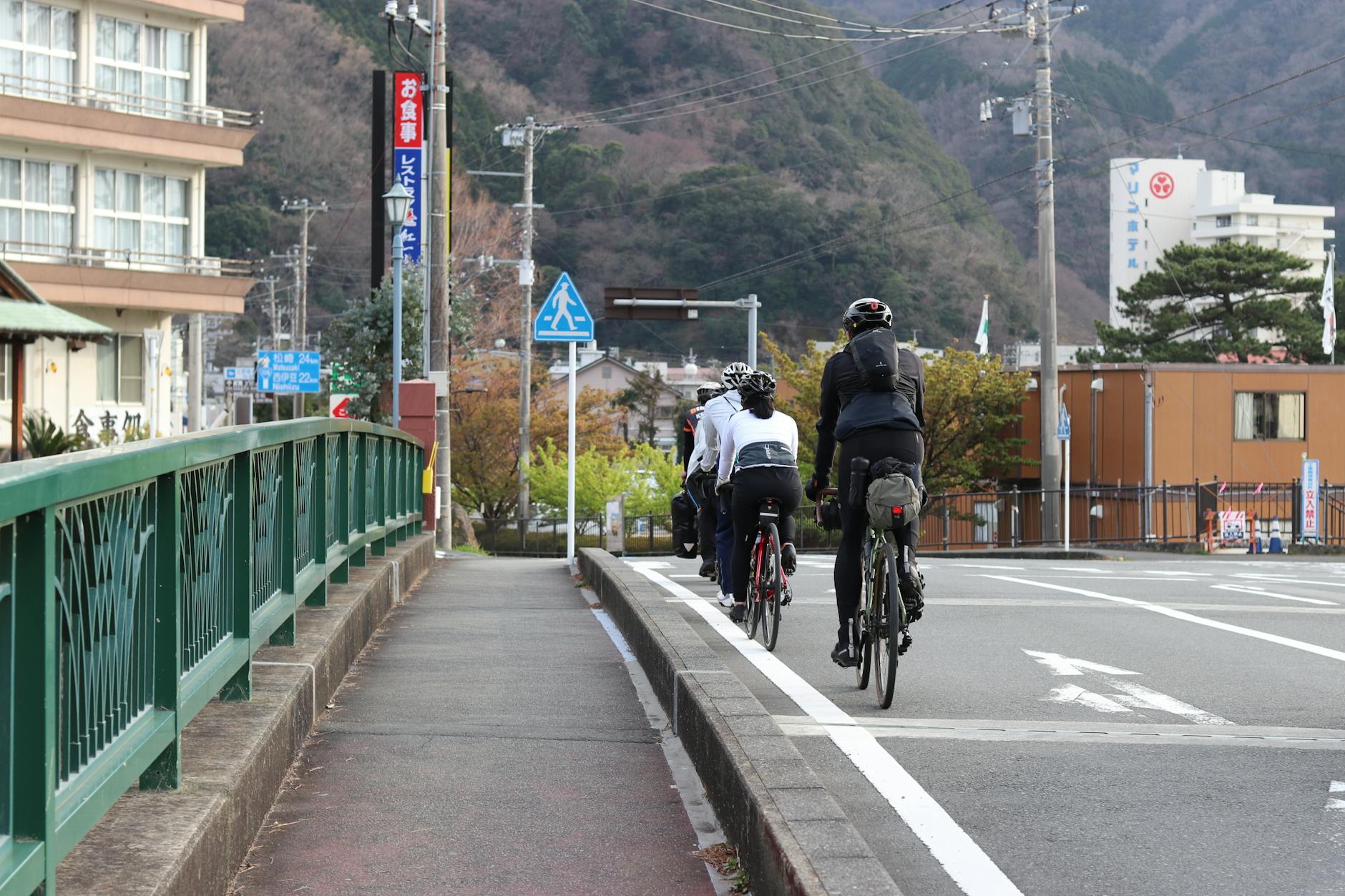
Morning: Rent a bicycle or walk to smaller kofun sites in the Mozu cluster you may have missed and enjoy neighborhood parks. Midday: Take a hands-on workshop—knife sharpening, tatami weaving, or a short tea-ceremony class if you reserved one. Afternoon: If you have extra time, catch a quick train to nearby Osaka for shopping or to Himeji for the castle (both under 1–1.5 hours). Evening: Wrap up with a relaxed meal close to your lodging and a final stroll through a lit shrine or park.
Best Local Experiences
Watch a blade forged and learn about tempered steel at a Hamono workshop. Attend a tea demonstration that traces Sen no Rikyu’s influence. Walk or picnic in Daisen Park amid the monumental kofun shapes. Browse neighborhood markets for fresh fish from the port and regional snacks. If available, join a short knife-sharpening class or buy a locally made kitchen knife as a lasting souvenir.

Where to Stay
Stay near Sakai Station or along the main Nankai lines for easy arrivals and evening options. Options range from business hotels with compact rooms to small guesthouses and a few ryokan-style lodgings for a more traditional stay. If you prefer quiet mornings by the park, choose a property near Daisen Park for early walks. Booking a central base saves time and simplifies day trips to Osaka, Kyoto or Nara.
Food and Drink
Expect fresh seafood from the fishing port, Kansai street-food staples like takoyaki and kushikatsu, and cozy izakaya serving grilled fish and seasonal dishes. Look for neighborhood markets for sashimi bowls and fried snacks. Tea culture is strong—sample matcha and sweets at tea houses tied to Sen no Rikyu’s legacy. Pick up a packaged knife-safe carry bag if you buy cutlery to travel home with sharp blades.
Getting Around
Nankai Railway connects Sakai to central Osaka quickly; the Hankai Tramway serves inner-city routes. Local buses fill gaps but schedules are less frequent than trains. Walking and cycling are efficient—many attractions lie within short distances. Use an IC transit card to tap on trains and buses. Taxis are available but more costly for short hops. For day trips, trains from Sakai Station make Osaka, Kyoto and Himeji convenient one-way options.
Best Time to Visit
Late March to April for cherry blossoms and mild weather; October to November for autumn colors and comfortable days. Summers can be hot and humid; winters are cool and quiet. Spring and autumn combine pleasant temperatures with the best park and kofun viewing conditions, making them ideal for a three-day cultural weekend.
Budget and Practical Tips
Sakai is generally affordable compared with central Osaka. Museums and attractions have modest entrance fees; many kofun viewing areas are free. Bring cash for small shops and workshops—some artisanal stalls prefer it. Reserve hands-on workshops and popular demonstrations ahead of time. If buying knives to bring home, pack them securely and check airline rules for transporting blades. Travel insurance and standard Japan etiquette (quiet public spaces, shoes off indoors) apply.
FAQ
Is three days enough to see Sakai?
Yes. Three days covers the major kofun sites, the city museum, a knife district visit, local markets and a relaxed park stroll with time for one hands-on experience.
How do I get to Sakai from Osaka?
Take the Nankai Main Line or local JR/Hankai routes from central Osaka; trip times are generally 15–30 minutes depending on your start point and train type.
Are the kofun open to walk on?
Most kofun are preserved and cannot be entered, but you can walk around and view them from paths in Daisen Park; the museum provides detailed exhibits.
Can I visit knife workshops without booking?
Some small shops welcome visitors; for demonstrations or hands-on sessions, booking in advance is recommended to guarantee time with artisans.
Is English widely spoken?
Basic English signage appears at main sites, but shopkeepers and smaller venues may speak little English. A translation app helps, and plain Japanese phrases go far.
Conclusion
Sakai makes a rewarding three-day destination for travelers who value history, craft and calm city rhythms. You’ll leave having seen monumental kofun, experienced authentic craftsmanship, sampled fresh local food, and enjoyed easy links to bigger Kansai hubs. It’s a quiet, authentic complement to the region’s busier tourist centers—ideal for a restorative cultural weekend.
How this guide was prepared
This guide was prepared through a structured research that combines destination research, geographic context, itinerary planning logic, and content review.