
3 Days in Osaka-shi: 3 Days in Osaka: A Practical Weekend Itinerary
Plan 3 days in Osaka-shi with this practical itinerary covering major sights, neighborhoods, food, and transport.
Osaka is a lively, down-to-earth metropolis known for bold street food, neon-lit canals and warm, friendly locals. It suits food lovers, first-time visitors to Kansai, families and anyone who enjoys walkable neighborhoods with quick public-transport hops. Three days gives you time to sample Dotonbori and Kuromon, visit Osaka Castle and a major museum, and still choose either the aquarium, Universal Studios Japan or a comfortable day trip to Kyoto, Nara or Kobe. This pace balances neighborhood discovery, one longer attraction and a short excursion without rushing.
Why Visit
The city blends energetic street life and deep history: castle grounds and riverside parks sit alongside bustling markets and izakaya alleys. The food scene is a major draw—takoyaki, okonomiyaki and kushikatsu are local specialties. Transit is efficient, making it easy to base yourself here while taking day trips to Kyoto, Nara, Kobe or Himeji. Expect friendly service, late-night dining, and neighborhoods that reward slow walking and random discoveries.
Quick Planning Tips
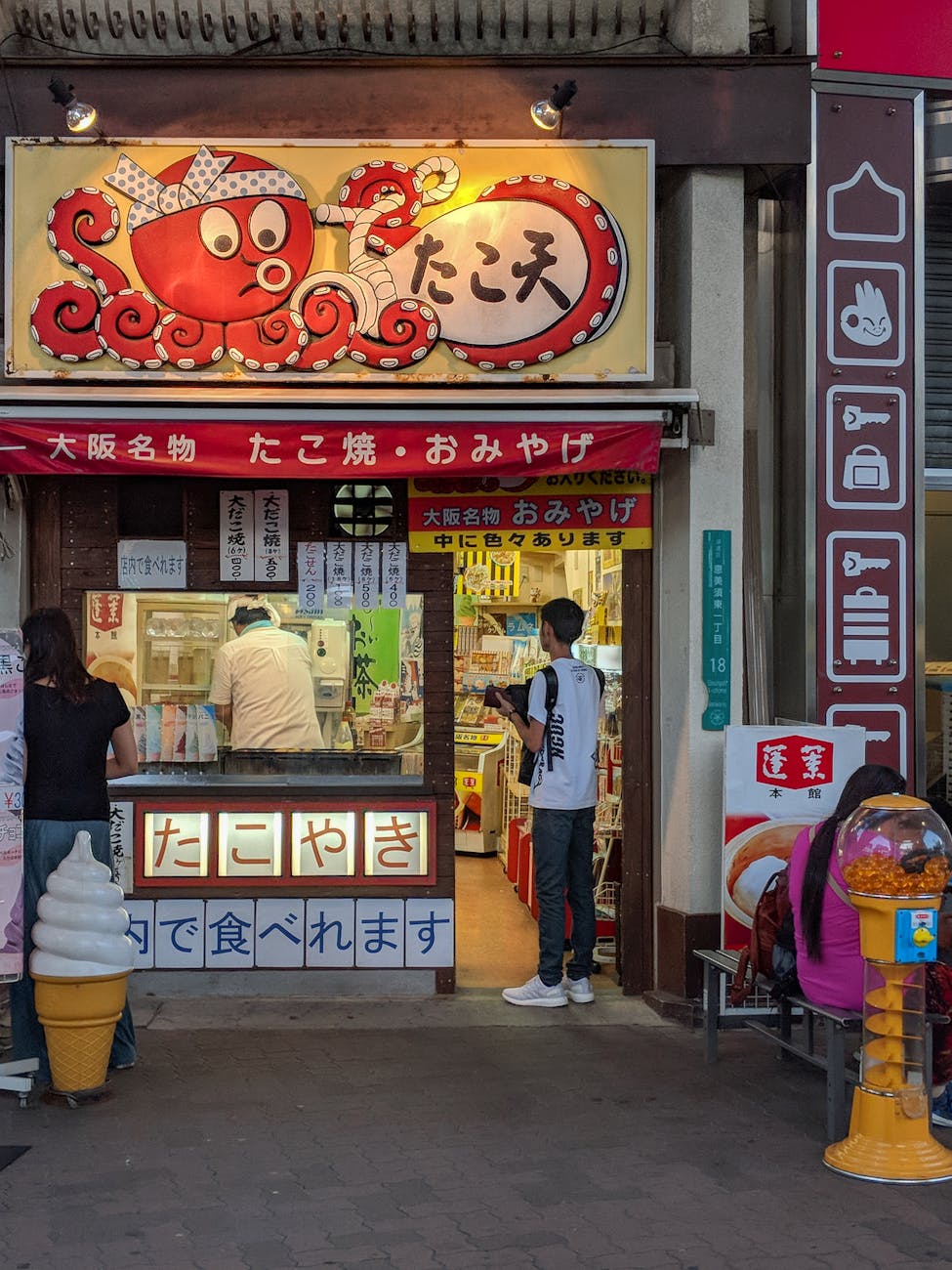
Carry an IC card (ICOCA) for seamless subway and private rail travel. Consider the Osaka Amazing Pass for unlimited city transport plus free entry to many attractions if you plan multiple paid sites. Book Umeda Sky Building and aquarium timed tickets ahead on weekends. If you plan a Kyoto or Nara day trip, take Kintetsu trains for direct routes. Pack a lightweight umbrella—spring and autumn can be changeable.
Day 1
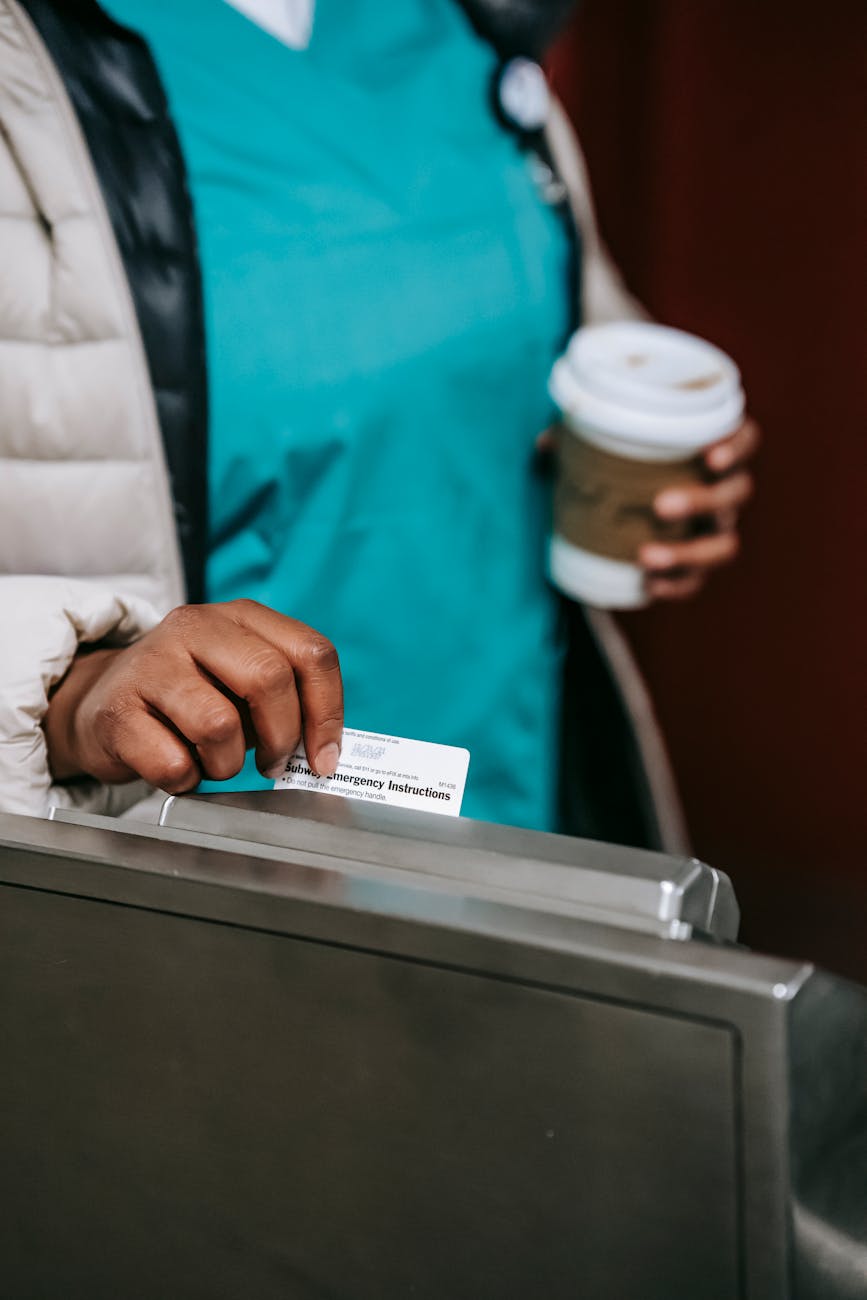
Morning: Start in Namba—wander Kuromon Ichiba Market to taste street snacks and fresh seafood. Midday: Walk Shinsaibashi arcade for shopping and lunch at a local okonomiyaki spot. Afternoon: Explore Dotonbori, take a short river cruise and snap photos of the Glico sign. Evening: Return to Dotonbori or Ura Namba for izakaya hopping; try kushikatsu in a Shinsekai-style joint. Transit notes: Namba is walkable, use Midosuji or Nankai lines for access.
Day 2
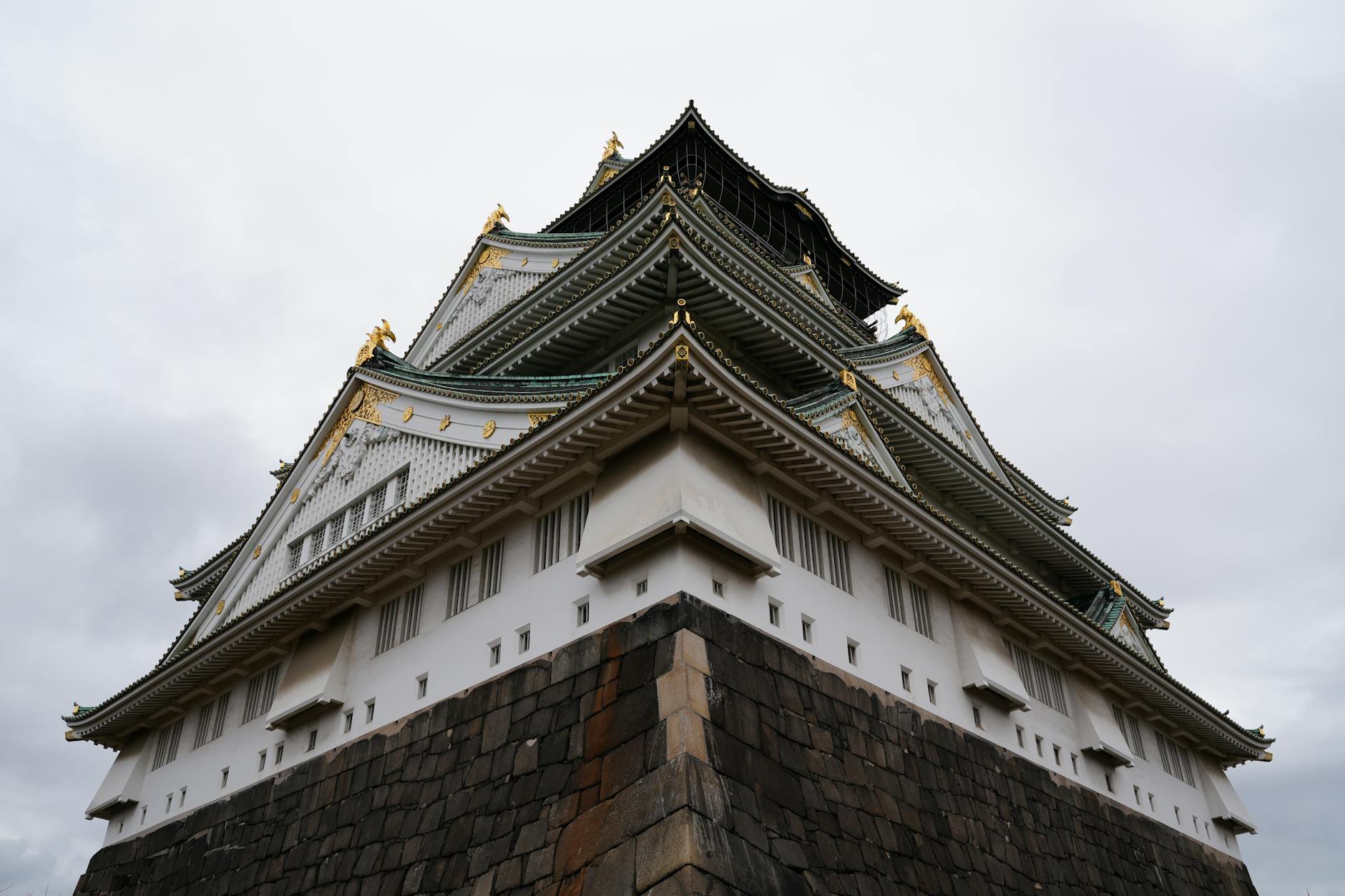
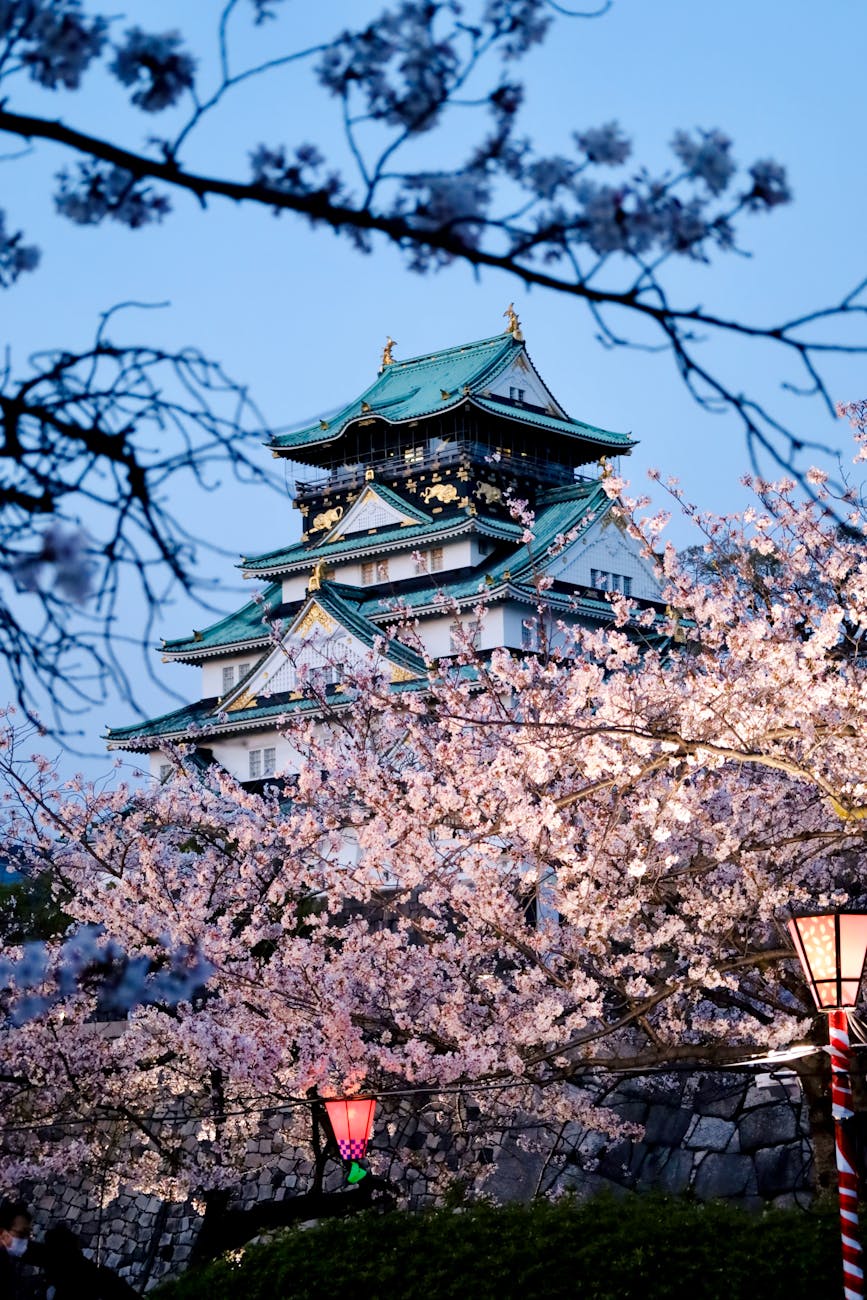
Morning: Head to Osaka Castle and its museum; stroll the park and moat. Midday: Walk to nearby Osaka Museum of History for panoramic castle views from higher floors. Lunch in the Tenmabashi area. Afternoon: Move to Umeda (Kita): visit Umeda Sky Building’s Floating Garden for a sunset view, then explore JR Osaka Station City and Grand Front for shopping. Evening: Try a rooftop bar or casual yakiniku in Umeda. Transit notes: JR and Osaka Metro interchange here; use multiple exits to save time.
Day 3
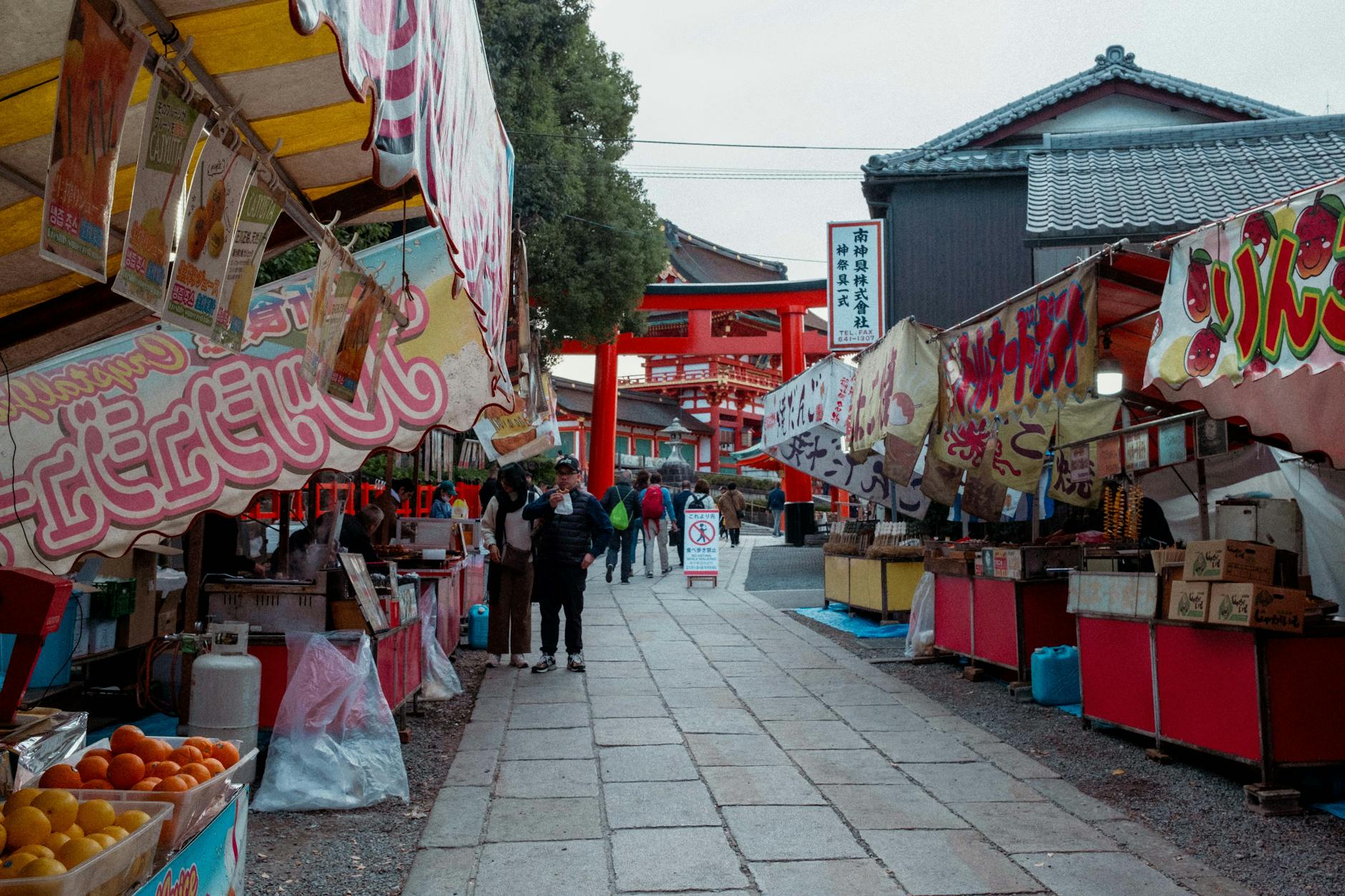
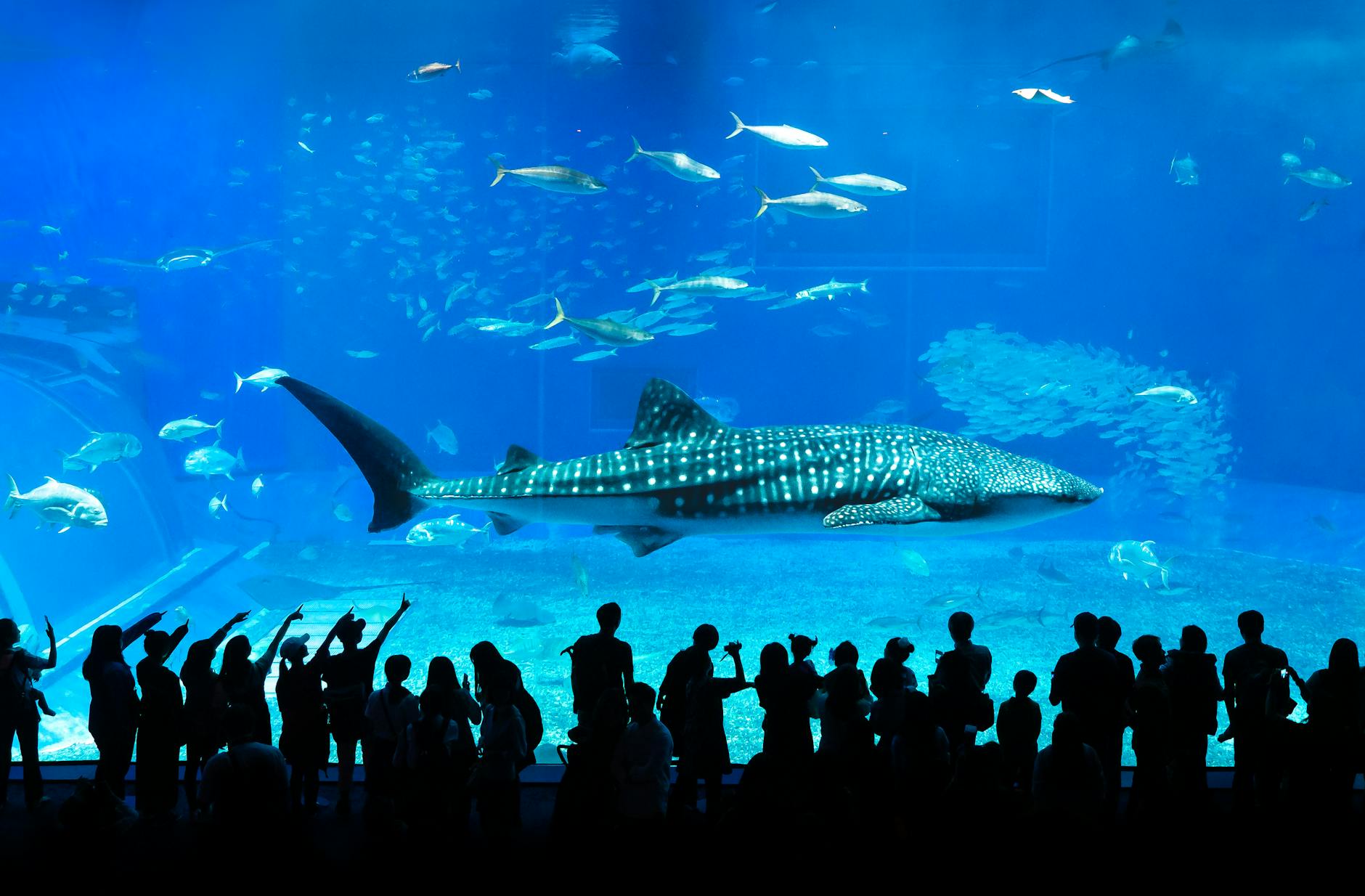
Choose an experience: Option A — Tempozan and Osaka Aquarium Kaiyukan, then Tempozan Marketplace and a harbor cruise. Option B — Full day at Universal Studios Japan (book Express Passes if possible). Option C — Day trip: take Kintetsu to Nara for temples and deer, or Hankyu/Hanshin to Kobe. Evening: Return to your favorite neighborhood for a final street-food crawl. Transit notes: Tempozan is best reached by subway to Osakako station; USJ by JR Yumesaki Line from Osaka Station.
Best Local Experiences
Eat standing sushi and sample takoyaki from a famous vendor. Take an evening river cruise under Dotonbori’s neon signs. Visit an onsen or sento—Spa World in Tennoji is a tourist-friendly option. Shop electronics and anime goods in Nipponbashi (Den Den Town). Join a local food tour for background on flavors and neighborhoods. Watch a performance at a smaller venue or try a craft-beer bar in Kita for local brews.
Where to Stay
Namba: best for nightlife, street food and direct access to Dotonbori. Umeda (Kita): convenient for JR lines, business hotels and high-rise views. Shinsaibashi: central for shopping and a slightly quieter night vibe. Tennoji: budget-friendly and close to Shinsekai and the zoo. Choose based on priorities—Namba for food, Umeda for transit hub, Tennoji for value.
Food and Drink
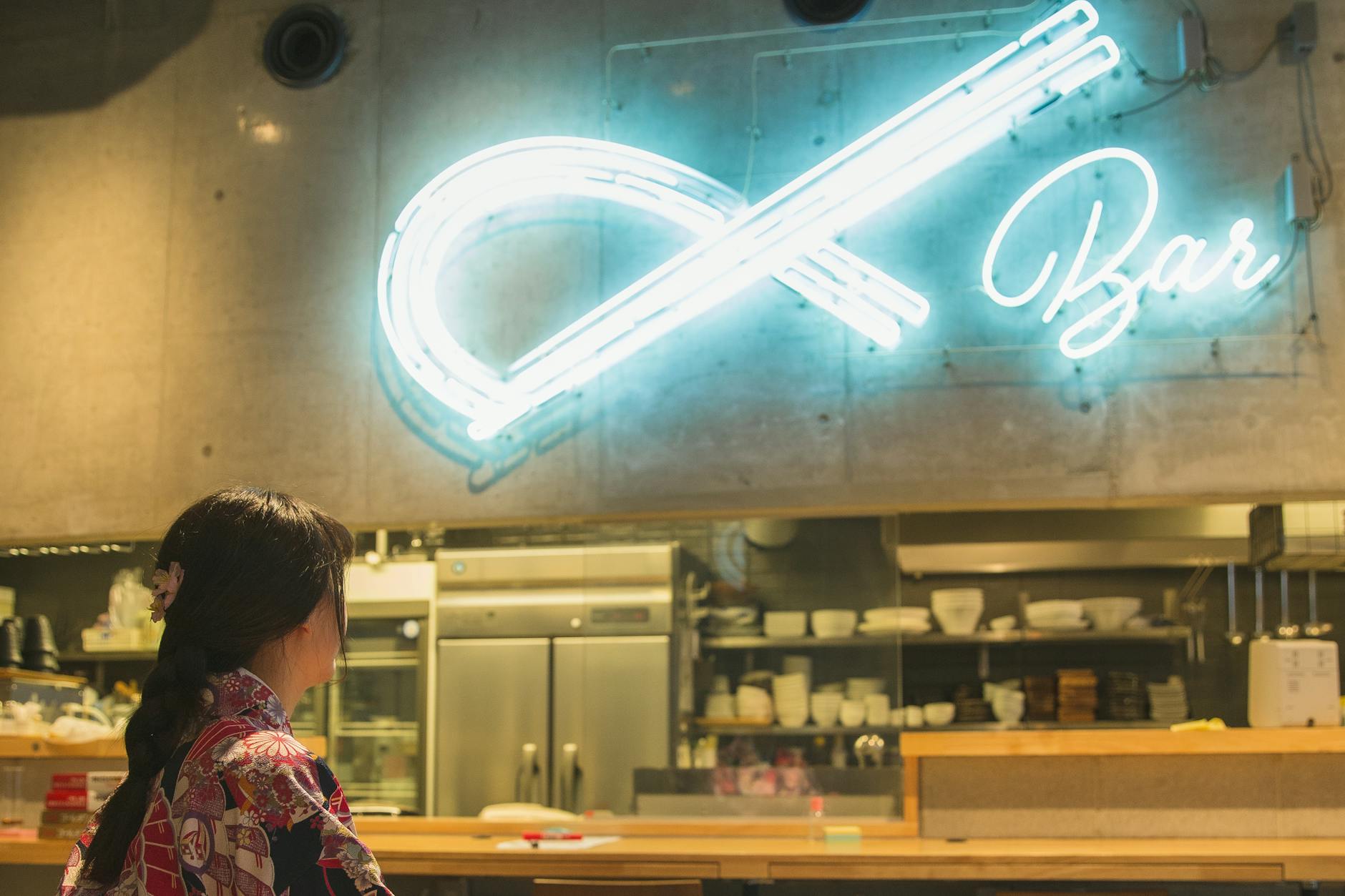
Must-eats: takoyaki (octopus balls), okonomiyaki (savory pancake, Kansai style), kushikatsu (deep-fried skewers), and conveyor-belt sushi. Markets: Kuromon Ichiba for fresh tastes; try morning stalls. Bars: izakaya alleys in Ura Namba for late-night plates; craft beer bars in Kita. Budget tip: many great meals are under ¥1,000 if you stick to market stalls and standing counters. Dietary notes: English menus are common in tourist spots, but carry a translation card for specifics.
Getting Around
Main options: Osaka Metro (Midosuji line for north-south), JR lines including the Osaka Loop, private lines (Hankyu, Hanshin, Kintetsu) for regional travel. Buy an ICOCA card for convenience. Taxis are clean and safe but pricier—use them late at night when trains stop. For day trips, Kintetsu is fastest to Nara; Hankyu/Hanshin serve Kobe and Himeji. Watch for multiple station names at large hubs—follow exit numbers and station maps.
Best Time to Visit
Spring (late March–April) offers cherry blossoms and mild weather; autumn (October–November) brings pleasant temperatures and fall color. Summers are hot and humid, with festival energy but occasional rain; Golden Week (late April–early May) is extremely busy. Winter is cool and clear—good for lower hotel rates and crisp city walks. For a relaxed 3-day trip, target shoulder seasons to avoid crowds at major attractions.
Budget and Practical Tips
Average daily budget: ¥8,000–¥15,000 for food and transport on a midrange plan; attractions add tickets (aquarium/USJ more expensive). Save with the Osaka Amazing Pass for key sights and unlimited subways over 1–2 days. Cash is still preferred for small vendors—ATMs at 7-Eleven and post offices accept international cards. No tipping culture. Pocket Wi-Fi or a roaming plan helps with navigation. Carry comfortable shoes: you’ll walk a lot.
FAQ
Is 3 days enough to see Osaka?
Yes—three days covers major neighborhoods, a top museum or castle and one large attraction or a day trip.
Should I buy the Osaka Amazing Pass?
Buy it if you plan multiple paid attractions and frequent subway rides; otherwise use an ICOCA for flexibility.
Can I do Kyoto and Nara from here?
Absolutely—both are easy day trips by Kintetsu and JR/Hanshin lines respectively.
Is cash necessary?
Some stalls and smaller restaurants are cash-first—use ATMs at convenience stores when needed.
How do I get to Universal Studios Japan?
Take the JR Yumesaki Line from Osaka or Nishikujo stations to Universal-City station.
Are English menus common?
Yes in tourist areas; downtown alleys may have limited English so use a translation app or point at menus.
Conclusion
Three days here is enough to fall in love with the city’s food, feel its neighborhoods and still take a memorable Kansai side trip. Base in Namba or Umeda, use an IC card to move fast, and prioritize a mix of street eats, a landmark museum or castle, and one larger attraction. Leave room for unplanned discoveries—some of the best moments come from wandering an arcade or stopping at a late-night izakaya.