

3 Days in Salamanca, Spain — Practical Itinerary, Food, Tips
A candid three-day Salamanca plan with transit tips, neighbourhood routes, museum costs and realistic food and budget advice to help prioritize time.
A compact, honest 72-hour plan for Salamanca: walking routes through the university quarter, realistic transport options, costs for key sites and where to eat well without wasting time.
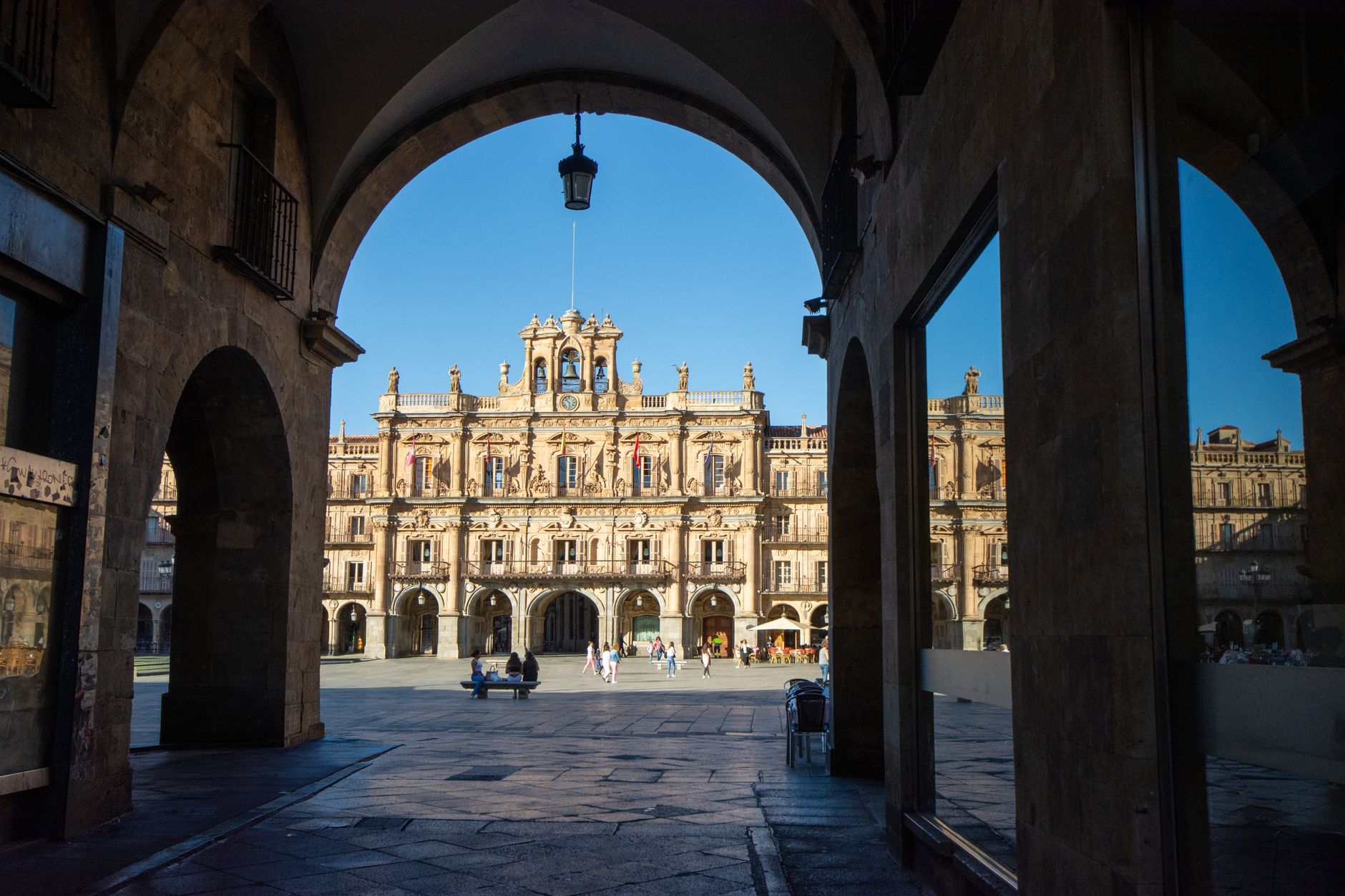
A compact medieval university city with broad baroque plazas and long stretches of golden sandstone, the place reads like an outdoor classroom. The streets are narrow in the old centre but open into an unusually grand main square that still functions as a city living room. First impressions are often split between tourists around Plaza Mayor and students spilling into cafés — that mix affects opening hours and the evening tempo.
Is 3 days in Salamanca enough?
Three days are enough to see the main monuments—the Plaza Mayor, the two cathedrals, University patios, Casa Lis—and to sample neighbourhood life in both the university quarter and the riverfront. The honest caveat: there is not enough time to take long day trips to the whole region; one nearby destination is realistic, more means rushed travel.
Who This Guide Is For
Best for travellers who like compact, walkable cities with strong architectural focus and food-first evenings; less suitable for travellers wanting a rural nature escape or a strict luxury spa weekend on a tight budget.
Local Tips for Salamanca
Practical details that most travel sites skip — specific to Salamanca.
- Plaza Mayor hosts free live music and municipal events in summer evenings; check the Ayuntamiento events board on Gran Vía to avoid noisy nights if sensitive to sound.
- Buy the University guided visit (Patio de las Escuelas Mayores) at the Oficina de Turismo next to Plaza Mayor — expect about €4–6 and a 30–40 minute slot, often sold out mid-morning.
- Casa Lis Art Nouveau museum often has a reduced-ticket afternoon (look for the 'tarifa reducida' on the door); regular entry is roughly €3–5, far cheaper than larger museum cities.
- The Matacán airport (Aeropuerto de Salamanca SLM) has very limited scheduled flights; plan to arrive through Madrid-Barajas and use the RENFE or ALSA connections if flights look expensive.
- Some bars in Calle Van Dyck and surrounding streets still serve a small tapa with a drink, especially in weekday evenings; expect this around Plaza Mayor and the streets towards the university.
How This Guide Was Prepared
Salamanca is a university city where stone facades, tight streets and a lively student scene coexist; many guides reduce it to Plaza Mayor and the university façade. This plan treats the city as a lived-in place: daytime monuments plus the particular rhythms of evening tapas, student bars, and quiet viewpoints along the Tormes. Practical information on entry fees, walking times and transit connections is prioritized over broad superlatives. This guide was prepared through a structured research that combines destination research, geographic context, itinerary planning logic, and content review.
Plan Your Stay in Salamanca
Use this itinerary as your starting point, then compare areas to stay, transport options, seasonal timing, and realistic daily costs before booking.
Why Visit
The university quarter is one reason: the Escuelas Mayores façade, the university patios and the carved details (look for the famous frog) are concentrated in a small area and accessible on foot. Architecture lovers will value the two cathedrals—Catedral Vieja and Catedral Nueva—where Romanesque, Gothic and Baroque elements sit next to a climbable tower with views. Casa Lis provides an unexpected change of pace: a compact Art Nouveau and Art Déco collection in a converted mansion, useful for a rainy-day alternative. Finally, the Tormes riverfront and the Roman bridge give a quieter contrast to the busy centre and make the city suitable for short walks without needing transport.

Quick Planning Tips
Best arrival routes are the RENFE trains from Madrid-Chamartín (check Alvia/Media Distancia services) or ALSA coaches arriving at Estación de Autobuses; travel times vary from 1.5 to 3 hours depending on connection. The nearest commercial airport with reliable options is Madrid-Barajas; Matacán airport near the city exists but has limited scheduled flights. Currency is the euro; cards are widely accepted in museums and restaurants but small tapas bars and market stalls may prefer cash — carry small notes and expect occasional card minimums.

Day 1
Morning: Start at Plaza Mayor to get bearings, then walk 2–6 minutes to the University of Salamanca (Escuelas Mayores) for the façade and the guided patio visit. The guided tour is about 30–40 minutes and the office sells limited slots; finish here by mid-morning before tourist buses arrive.
Late morning: Walk 5 minutes to Casa Lis on Calle Gibraltar for Art Nouveau glass and small exhibition rooms; allow 45–60 minutes. Casa Lis is compact and provides a clear change of pace after stone facades.
Lunch: Head to Café Novelty on Plaza Mayor or Restaurante Zazu Bistro (near Calle Toro) for a proper menu at mid-range prices; expect €12–20 per person for a main and drink.
Afternoon: Walk 8–12 minutes to the Catedral Vieja and Catedral Nueva complex and book the Ieronimus tower climb (allow 1–1.5 hours including the climb and interior). The climb offers the best city overview. Then cross to the Convento de San Esteban (about 10 minutes on foot) and see the church and cloister.
Evening: Return to Plaza Mayor area for tapas on Calle Van Dyck or Calle Toro; bars here stay lively late because of the university crowd and suit bar-to-bar tapas hopping.
Day 2
Morning: Start on the river bank at the Puente Romano and walk upstream toward the Huerto de Calixto y Melibea garden; this area is 10–15 minutes from Plaza Mayor and quieter early in the day. The Roman bridge offers simple photography angles back toward the cathedral skyline.
Late morning: Cross back into the city and make time for the Archaeological Museum (Museo de Salamanca) and its small but useful Roman and medieval displays; the museum is a 12–15 minute walk from the bridge and helps place the visible architecture in a longer timeline.
Lunch: Try a market-style meal at Mercado Central (Mercado de Abastos) or a nearby tapas bar in Barrio del Oeste; local cheeses, jamón and fried fish are common. Mercado stalls sell single portions and are practical for a quicker, lower-cost midday stop.
Afternoon: Explore Barrio del Oeste and Callejón de las Aguzaderas, which hold street art and quieter cafés; this neighbourhood contrasts with the packed university core. If energy remains, visit the Casa-Museo de Unamuno on Calle Libreros for a short literary stop.
Evening: Dine in the San Esteban area or head back toward Plaza Mayor for restaurants that open later; student-oriented bars in the old centre stay open until late, but expect noise if returning to central hotels.

Day 3
Morning: Use the last morning to visit anything missed—better to book the University patio or Casa Lis in advance for this slot. If checking out of accommodation mid-day, leave luggage at a station locker or a hotel storage to use the morning efficiently.
Late morning: Walk up to the Clerecía and climb the tower for a different vista; the Clerecía façade and tower are adjacent to the university area and take about 30–45 minutes including stairs. Combine this with a stroll down Calle Placentinos toward the retail streets for souvenirs and local sweets.
Lunch: Eat near the Estación de Autobuses if catching an early coach, or pick a riverside restaurant near Paseo de la Estación if the schedule allows—menus will list set-lunch options (menu del día) at reasonable prices on weekdays.
Afternoon/Departure note: For departures via Matacán airport, plan a 30–40 minute taxi ride and check flight times; for RENFE or ALSA departures, allow at least 45–60 minutes to reach the station and collect luggage. If flying out from Madrid the same day, leave early and book tickets in advance to avoid late connections.

Best Local Experiences
Tapas hopping in the streets around Plaza Mayor and Calle Van Dyck: many bars offer an inexpensive pintxos-style snack or a free tapa with a drink at times, a good way to eat on a budget. An evening climb of the Ieronimus tower in the Cathedral complex delivers city-wide roofs and is best at late-afternoon light. The Huerto de Calixto y Melibea garden is a short riverside spot tied to local literary tradition and works best late afternoon. Casa Lis offers one of the best small museum experiences for design and glass collections; visit when the sun hits the display windows. The Convento de San Esteban church and cloister are an example of Plateresque and Dominican architecture and often have quieter visiting hours than the main cathedral area.

Where to Stay
Centro/Plaza Mayor: Best for first-timers who want to be within minutes of the main sights and restaurants. Suits travellers willing to accept nightlife noise and cobbled streets; expect €70–140 per night (approx. €75–160 USD) in a mid-range hotel during high season.
University quarter / Calle Libreros: Suits those who want a student atmosphere and quick access to university buildings and cafés. Rooms tend to be slightly cheaper and crowded by students during term; expect €55–100 per night (approx. €60–115 USD).
Riverside / Paseo de la Estación: Suits travellers who prefer quieter nights and better walking access to the Puente Romano and Huerto de Calixto y Melibea. Slightly further from the main square but pleasant for morning walks; expect €50–110 per night (approx. €55–125 USD).
Food and Drink
Hornazo: A meat-stuffed savoury pie (pork, chorizo and egg) traditionally eaten after Lent; find it in local bakeries and delis for about €2.50–4 per slice. Jamón ibérico and salchichón: served in many tapas bars and traditional restaurants; expect a tapas portion for €3–6. Chanfaina or farinato: regional stews and sausages sometimes offered in local taverns—look for them in set-menu or winter specials for €8–12 as a main. Breakfast option: a simple coffee and a tostada or 'bolla' pastry at Café Novelty or La Tahona for €3–6. Dinner recommendation: try a menu del día at a respected local restaurant such as Restaurante Víctor Gutiérrez (book in advance) or mid-range Casa Paca; menus run €12–25 with wine.
Getting Around
The historic centre is compact and best explored on foot; many streets are pedestrianised and walking times between major sites are commonly 5–20 minutes. There is no metro; local transport is an urban bus network operated by the municipal company with frequent lines to outer districts and the bus station. Single urban bus tickets are typically around €1.20–1.60 and short multi-ride cards exist for regular users; taxis from Matacán airport into the centre run roughly €20–30 depending on luggage and exact drop-off. For intercity travel use RENFE trains to Madrid-Chamartín or ALSA coaches to Madrid and other regional cities. Use Moovit or Google Maps for live bus routing and the Renfe app for train tickets. Hotel concierges will advise the current local bus card name if planning repeated daily bus use.
Best Time to Visit
Spring (April–June) offers mild temperatures from about 12–24°C and strong value outside major Spanish holiday weeks; warm days and cooler nights make walking comfortable. High summer (July–August) sees daytime temperatures frequently above 30°C and higher hotel rates; evenings are busy with students and tourists and some attractions run longer hours. Autumn (September–October) has pleasant weather similar to spring and fewer crowds; this is the best balance of weather and crowd levels. Winter (November–February) is colder, often 0–10°C, with lower prices and quieter streets—some small museums reduce hours, so check schedules.
Budget and Practical Tips
Daily budget (moderate traveller): accommodation €60–120 (≈€65–135 USD), food €25–45 (≈€28–50 USD), local transport €3–6 (≈€3–7 USD), entry fees €6–15 (≈€7–17 USD). Expect lower totals in shoulder seasons and higher in July–August. Many museums and monuments have modest entry fees: Casa Lis around €3–5, University guided patio €4–6, Ieronimus/tower climbs €6–9—check official sites before visiting. Tipping norms: rounding up on small bills and 5–10% in restaurants if service was good; taxis typically don’t require a tip but rounding up is normal. Practical tip: carry a printed copy of any prebooked tickets and a small amount of cash for small bars and market stalls.
FAQ
Is Salamanca safe for solo travellers?
Salamanca is generally safe with low violent crime; standard precautions apply at night around busy bars and in crowded tourist areas where pickpocketing can occur.
How do I get from Madrid airport to the city?
Options are RENFE or ALSA coach/train from Madrid to Salamanca; travel time ranges from about 1.5 hours by fast train to around 3 hours by some bus services—book trains on the Renfe app and buses on ALSA.
Is a city pass or tourist card worth buying?
There is no single universal pass needed; buy tickets for the University patio, Casa Lis and Ieronimus individually — a small-city approach is usually cheaper than a bundled pass unless a multi-attraction pass appears seasonally.
Are attractions closed on certain weekdays?
Some museums and smaller sites close Mondays or have reduced hours in winter; always check opening times in advance and reserve timed tickets for the university patio and cathedral climbs.
Can tapas replace a full meal budget-wise?
Yes — tapas hopping can be inexpensive if choosing small plates and avoiding tourist menus in Plaza Mayor; budgeting €12–20 per person for a tapas evening is realistic.
Is public transport necessary within the centre?
No — the centre is compact and most visitors walk; use buses only for outer neighbourhoods or to reach the bus station if carrying heavy luggage.
Are there luggage storage options if checking out before departure?
Many hotels will hold luggage for a few hours; the bus station has luggage services and private lockers at times—confirm availability ahead of arrival.
Is Salamanca suitable for a day trip from Madrid?
A long day trip is possible by early train but feels rushed; an overnight stay or a full 48–72 hours produces a much more relaxed visit.
Conclusion
With three days, the most lasting memories will be the carved university façade details, the multi-layered cathedral complex and the evening tapas rhythm that changes after dusk. Prioritise one tower climb and a stroll along the Tormes for different perspectives of the same stone skyline. If time is tight, skip extra museums and focus on the university patio plus one hill or tower view; those two elements convey the clearest sense of the place.
How this guide was prepared
This guide was prepared through a structured research that combines destination research, geographic context, itinerary planning logic, and content review.