
Toledo in 3 Days: Honest Itinerary and Practical Tips
A practical, no-nonsense 3-day guide to Toledo with timed routes, real costs, food picks and transit advice to plan a reliable weekend visit.
A focused three-day plan for seeing Toledo's main monuments, neighbourhoods and food without wasting time. Practical transit, budgets and evening options included.
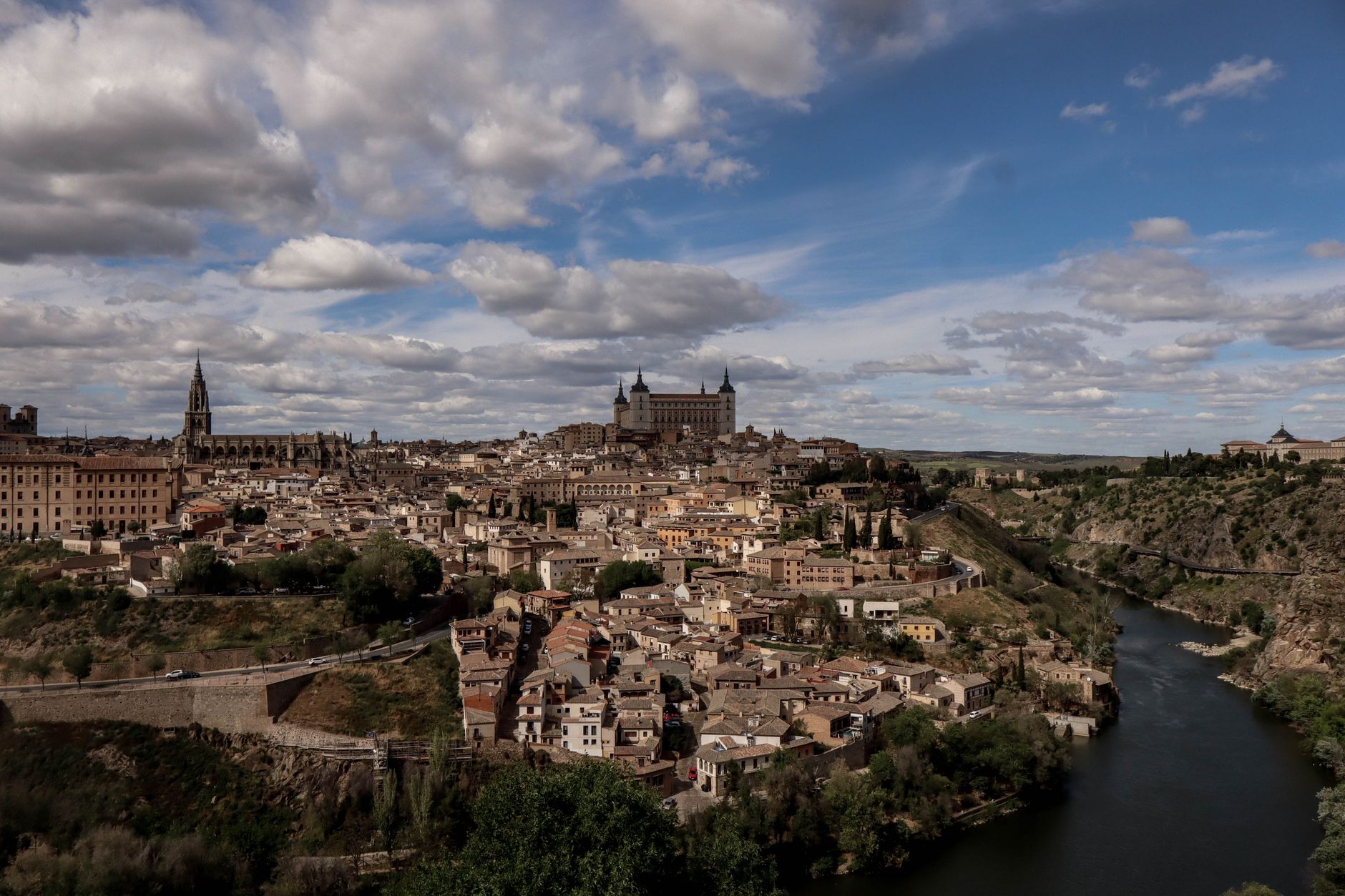
Toledo feels compact but physically demanding: narrow medieval lanes, frequent steps and steep slopes between viewpoints. The city arrives quickly—the first impression is stone, churches and occasional tourist buses—so planning routes matters more than picking 'must-see' lists.
Expect a mix of serious local life and tourism in the same streets; shopfronts, a working market and school traffic coexist with guided groups. Noise from deliveries and local bars can be noticeable in the evenings near Zocodover.
Many guides promise a relaxed stroll through an intact medieval town; the reality is tight streets, scheduled museum visits and crowds at peak hours. This guide lays out timed walking segments and transport connections to make three days feel manageable rather than rushed.
Is 3 days in Toledo enough?
Three days are enough to see the cathedral, the Alcázar/Army Museum, the main synagogues, and to walk both the Jewish Quarter and the riverside viewpoints. The honest caveat: there won't be time for long day trips to Consuegra windmills or a slow wine-tasting in La Mancha.
Who This Guide Is For
Best for first-time cultural travellers who want concentrated art, medieval architecture and local food on a compact schedule. Less suitable for travellers who need a relaxed pace, visitors with serious mobility limits, or those wanting multiple full-day excursions outside the region.
Local Tips for Toledo
Practical details that most travel sites skip — specific to Toledo.
- Buy Renfe tickets Madrid Atocha–Toledo online in advance for the Media Distancia/Avant trains; journey time is about 30–35 minutes and tickets fill on weekend mornings.
- Zocodover is the main meeting point but avoid it for tapas; head two streets north into Calle Comercio and Calle Alfileritos for better-priced tapas and fewer queues.
- The Mirador del Valle is best visited at sunset for the long view across the Tagus gorge; walk down via Paseo del Mirador rather than trying to drive into the old town at that hour.
- Museo del Greco closes one day a week (check the calendar) and offers a reduced ticket combo with the nearby Iglesia de Santo Tomé; buying them together saves time and a few euros.
- Buy mazapán from Santo Tomé bakery in Calle Comercio for an authentic local brand; a small box typically costs €4–8 depending on size.
How This Guide Was Prepared
This guide treats Toledo as a compact working city, not a stage set. Many guides over-emphasize photo spots and ignore how steep streets, museum schedules and narrow opening hours shape each day; this guide puts walking times, entry fees and where to rest at the centre of planning. This guide was prepared through a structured research that combines destination research, geographic context, itinerary planning logic, and content review.
Plan Your Stay in Toledo
Use this itinerary as your starting point, then compare areas to stay, transport options, seasonal timing, and realistic daily costs before booking.
Why Visit
Three clear reasons: concentrated monuments, religious architecture and a unique cross-cultural legacy. The cathedral holds a major Gothic interior with paintings and a treasury that justify the visit on its own; the Alcázar and the Army Museum add a different perspective on national history.
Second, the city preserves visible Jewish and Muslim landmarks—Santa María la Blanca and El Tránsito present medieval convivencia as physical places rather than abstract statements. El Greco Museum and Iglesia de Santo Tomé let visitors see artworks in a compact circuit.
Third, the Tagus river gorge and Mirador del Valle create dramatic viewpoints within 10–15 minutes outside the old town, offering one of the most concentrated medieval silhouettes in Spain. These factors make three days sufficient to form a clear impression without long internal transfers.

Quick Planning Tips
Arrive by Renfe from Madrid Atocha when possible; the train takes about 30–35 minutes and drops at Toledo station, which is a 20–25 minute uphill walk or a short local bus/taxi to the old town. Buses from Madrid Estación Sur (ALSA) take about 1h15 and stop near the bus station close to Puerta de Bisagra.
Carry small cash for cathedral or monastery tickets—some smaller museums accept card but kiosks and bakeries prefer cash. Watch opening hours: many museums close Monday or have a long midday closure; check Museo del Greco and the Alcázar before arrival.
Avoid trying to drive into the historic centre; use the parking at Santa Teresa or the blue-zone lots near the train station and walk or take an urban bus. Expect steep walking and bring solid shoes.

Day 1
Morning: Start at Plaza de Zocodover to orient; spend 15–20 minutes here. Walk 5 minutes to Toledo Cathedral (Catedral Primada) and plan 90–120 minutes for the nave, treasury and cloister. Cathedral entry typically runs around €10–12.
Midday: From the cathedral, walk 6–8 minutes to Iglesia de Santo Tomé to see El Greco’s Burial of the Count of Orgaz, then cross to the El Greco Museum (5-minute walk). Combined visiting time for both: 60–90 minutes; the museum ticket is modest, often €3–5.
Lunch: Eat in the Judería at La Orza (Calle Santa Úrsula area) for traditional castilian dishes and carcamusas; expect €12–20 per person for a mains-and-drink lunch. After lunch, explore the Synagogue of El Tránsito and the Sephardic Museum (5–8 minutes on foot).
Afternoon: Walk down to Puerta del Sol and continue to the Monastery of San Juan de los Reyes; allocate 45–60 minutes. From there, head toward the river and Puente de San Martín (15–20 minute walk), taking time for photos of the gorge.
Evening: Return uphill to the old town for tapas on Calle Alfileritos or Calle Comercio (10–15 minutes on foot from the bridge). Finish with a drink near Plaza del Ayuntamiento; expect higher prices in central squares but better value one street back.
Day 2
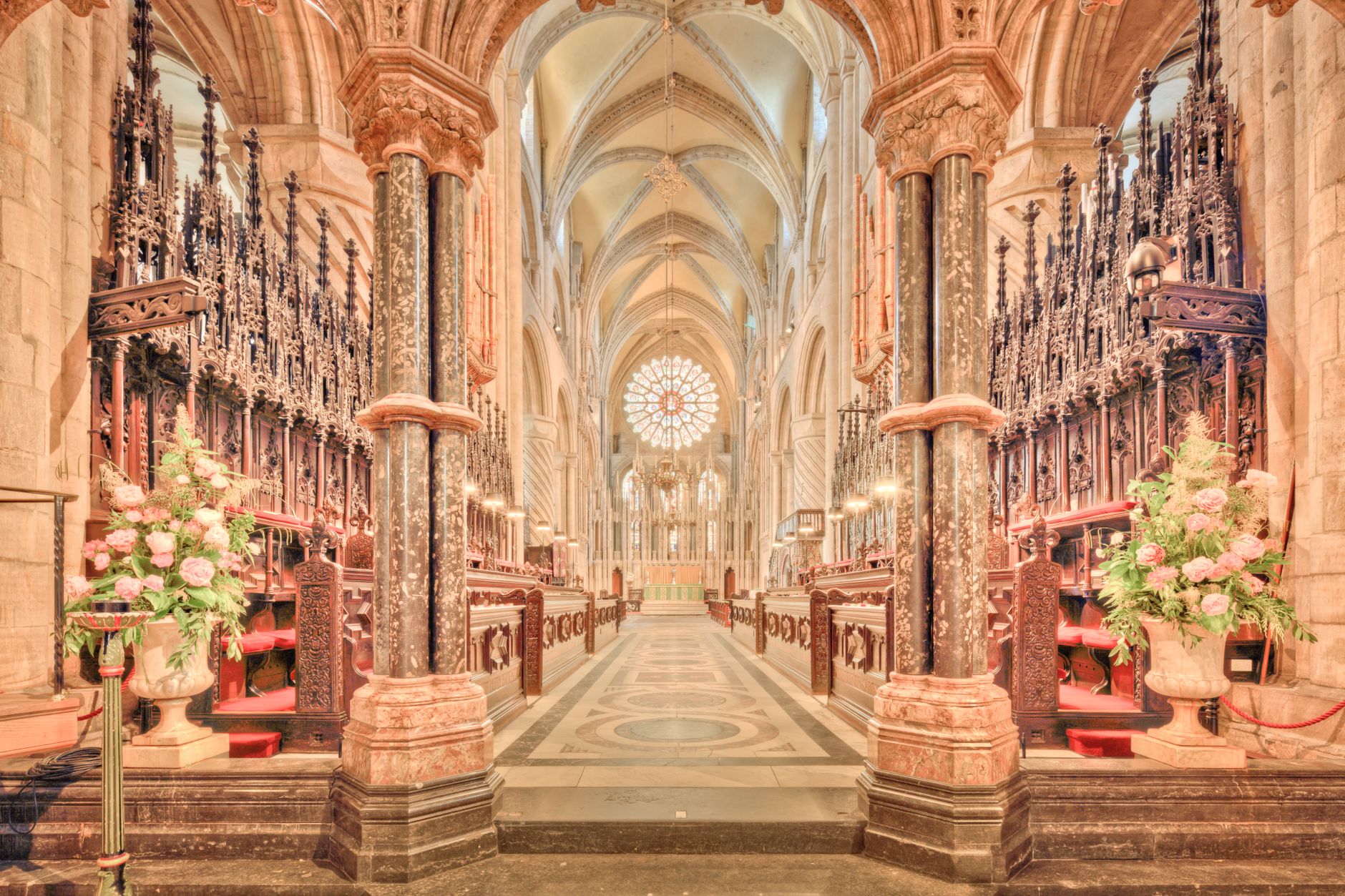
Morning: Start at the Alcázar of Toledo (Museo del Ejército) on Plaza de Zocodover; budget 90–120 minutes for the permanent displays and rooftop views. Entry is around €8–12 depending on special exhibitions.
Midday: Walk 8–10 minutes to the Jewish Quarter alleys to see Santa María la Blanca synagogue then continue to the small museums and craft shops on Calle del Ángel. Lunch in this area at a local tavern like Restaurante Adolfo (advance booking advised for dinner) or the more casual Taberna Alimentaria: expect €15–30 for a full meal.
Afternoon: Take a short taxi or a local bus down toward the Tagus river for a visit to the Mirador del Valle viewpoint; expect a 10–15 minute taxi or 20–30 minute walk depending on starting point. Spend 30–45 minutes at the overlook, then return via Paseo del Mirador into the eastern walls.
Evening: Explore the Santo Tome/Santo Domingo gate area for quieter evening streets and a low-key dinner. If museums have late openings, check schedules for occasional extended hours at the Alcázar or cathedral; otherwise reserve time for a relaxed bar tasting of local wines in the Judería.
Day 3
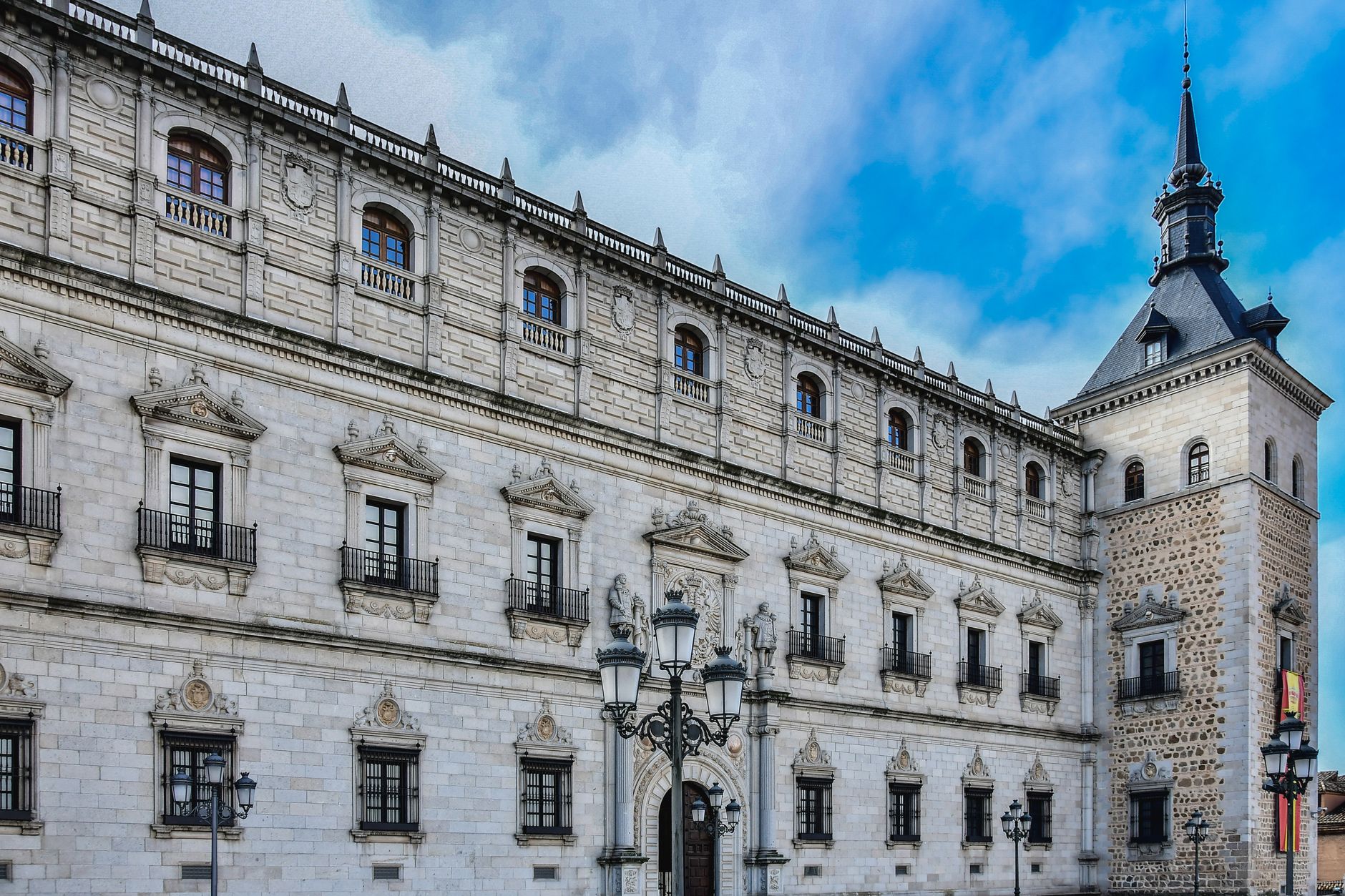
Morning: Use the morning for any missed museum or a relaxed visit to the Museum of Santa Cruz and the Hospital de Tavera (Hospital de Tavera has paintings and a courtyard). Both sit within 10–15 minutes of Zocodover and need 60–90 minutes each.
Midday: Walk to Mercado de Toledo (the municipal market area near Puerta del Sol) for a casual lunch of tapas and to pick up mazapán; market stalls and nearby bars serve quick portions for €3–8. If checking out of accommodation, leave luggage at reception or use the train-station lockers where available.
Afternoon option for departures: If catching an afternoon train or bus, head to Toledo station (20–25 minute downhill walk from Zocodover) or take a 10–15 minute taxi to the bus station. Allow at least 45–60 minutes to reach the station and clear lines; city center sidewalks can be crowded with steps.
Late option: If the schedule allows, finish with a calm riverside walk along Paseo de Recaredo or a final stop at a small wine bar near Plaza de Zocodover before heading to transport; keep timings conservative because of steep streets and tourist crowds.
Best Local Experiences
Shop for mazapán at Confitería Santo Tomé on Calle Comercio for a centuries-old recipe and a physical souvenir that lasts. Attend the evening light across the Tagus at Mirador del Valle for the best silhouette photo—arrive 20–30 minutes before sunset.
Eat carcamusas at a traditional tavern such as Casa Aurelio or similar family-run places in the Judería; this slow pork stew is a regional plate not found everywhere. Visit the Synagogue of El Tránsito and the Sephardic Museum to understand medieval Jewish life and artifacts in situ.
Take the short train or bus excursion to the monastery town of Consuegra or the windmills if an extra half-day is available. Walk the city walls between Puerta de Bisagra and Puerta del Cambrón for different river and skyline perspectives.

Where to Stay
Casco Histórico / Judería: Best for first-time visitors who want immediate access to the cathedral, El Greco Museum and most restaurants. Expect nightly rates around €80–€150 (80–165 EUR/USD) for midrange hotels and €40–80 for budget guesthouses.
Around Plaza Zocodover: Suits travellers prioritising transport connections and taxis; the square sits at the heart of walking routes and the Alcázar. Midrange hotels typically cost €90–€160 per night (90–175 EUR/USD).
Near Toledo Train Station / Santa Teresa parking: Practical for arrivals/departures and drivers; expect simple hotels and B&Bs from €50–€90 per night (55–100 EUR/USD). This area requires a 20–30 minute uphill walk or a short local bus/taxi into the historical core.
Food and Drink
Mazapán: Almond marzipan produced locally; find the classic varieties at Santo Tomé on Calle Comercio. Small boxes cost roughly €4–8.
Carcamusas: A pork-and-pea stew typical of Toledo; served at taverns in the Judería such as Casa Aurelio for about €6–10 a tapa. It’s a hearty, local lunchtime favourite.
Pisto manchego: A vegetable stew similar to ratatouille served across taverns and small restaurants; expect €6–12 for a portion in sit-down places.
Cazuela de perdiz: Stewed partridge, often on menus in midrange restaurants like Adolfo; a full plate may cost €18–30. Reserve in advance if visiting evening service.
Local wine and anís: Wines from Castilla-La Mancha appear by the glass from €2.50–4; a small anís or liqueur after dinner typically costs €2–4. Breakfast option: churros and chocolate at traditional cafés near Plaza de Zocodover for €3–6.
Getting Around
There is no metro or tram system in the city; primary modes are Renfe regional trains to Toledo station, long-distance ALSA buses, local urban buses and taxis. Urban buses are numbered lines that connect Zocodover, the train station and the bus station; services are frequent during the day but drop in evenings.
Single urban bus fares are about €1.30–€1.50; a short-term day ticket for frequent riders costs roughly €3.50–€5. Taxis are meter-based within the city; a taxi from the city centre to Toledo station is typically €6–10 depending on luggage and time of day.
From Madrid Barajas, a private taxi is expensive (roughly €100–€140); most travellers prefer the Renfe train from Atocha (about 30–35 minutes) or an ALSA coach from Estación Sur (about 1h15). Use the Renfe app for train tickets and the ALSA app for bus bookings; local route maps and timetables are available at the tourist office in Plaza de Zocodover.
Best Time to Visit
Spring (April–June): Temperatures 15–25°C and good value compared with summer; expect crowds over Easter week. This is the best balance of weather and manageable tourist levels.
Summer (July–August): Hot daytime temperatures often 30–38°C and large numbers of day-trippers from Madrid; mornings and evenings are lively but midday museum visits can be uncomfortable. If travelling in summer, plan early starts and long siestas.
Autumn (September–October): Temperatures 18–26°C with thinning crowds and reasonable rates; ideal for photography and walking. Winter (November–March): Cooler 5–12°C with fewer tourists and lower hotel prices, but some attractions have shorter hours; occasional frost in January.
Budget and Practical Tips
Estimated daily budget per person (midrange): accommodation €80–120 (80–130 EUR/USD), food €25–45, local transport €4–10, entry fees €10–20. On a tight budget expect €40–70 per day with shared dorms or cheap hotels and market food; a more comfortable daily spend is €130–200 including nicer dinners.
Entry fees: Cathedral €10–12, Alcázar/Army Museum €8–12, El Greco Museum €3–5. Many museums offer combined tickets or reduced rates for students and seniors—bring ID to claim discounts.
Tipping: Rounding up the bill in cafés is normal; for sit-down meals 5–10% is appreciated but not mandatory. Carry a small amount of cash for smaller shops and market stalls; most restaurants accept cards but small bars may prefer cash.
FAQ
How safe is Toledo for solo travellers?
Toledo is generally safe with low violent crime; watch for pickpockets in crowded areas like Plaza de Zocodover and on busy museum days, and keep bags zipped in narrow streets.
Is a day trip from Madrid enough?
A day trip allows seeing the cathedral and a short circuit of the historic centre but feels rushed; three days lets visitors absorb more museums, viewpoints and evening dining without hurrying.
Is there a city card or tourist pass worth buying?
There is no single must-have city pass; buying combined tickets for the cathedral and nearby museums can save a few euros, but many visitors prefer individual tickets based on schedule.
What is the best way to get from Madrid airport?
Take Renfe from Atocha to Toledo for the quickest option (about 30–35 minutes on regional trains), or an ALSA coach from Estación Sur for a cheaper alternative (about 1h15). A direct taxi is expensive (approximately €100–€140).
Are museums open on Mondays?
Several museums close or have reduced hours on Monday—check Museo del Greco and the Alcázar in advance and plan accordingly to avoid closed doors.
Can most of the old town be explored on foot?
Yes; the historic centre is compact and walkable but expect steep streets and many steps, so allow extra time for uphill sections.
Conclusion
Three days will leave a clear memory of the cathedral, El Greco works, the synagogues and the river-gorge silhouette. The strongest lasting impressions are the compactness of the monuments and the physical choreography of walking steep streets between viewpoints.
If time runs short, prioritise the cathedral plus El Greco’s Burial of the Count of Orgaz and a sunset at the Mirador del Valle—those three elements together communicate what makes the city visually and historically distinct.
How this guide was prepared
This guide was prepared through a structured research that combines destination research, geographic context, itinerary planning logic, and content review.