
San Cristobal de Las Casas — Honest 3-Day Travel Guide
A practical 3-day plan for San Cristobal de Las Casas covering markets, indigenous villages, transit from Tuxtla, budgets and evening options.
A no-nonsense, three-day itinerary focused on markets, nearby indigenous towns, and realistic logistics for a highland Mexican town with cool nights and cobbled streets.
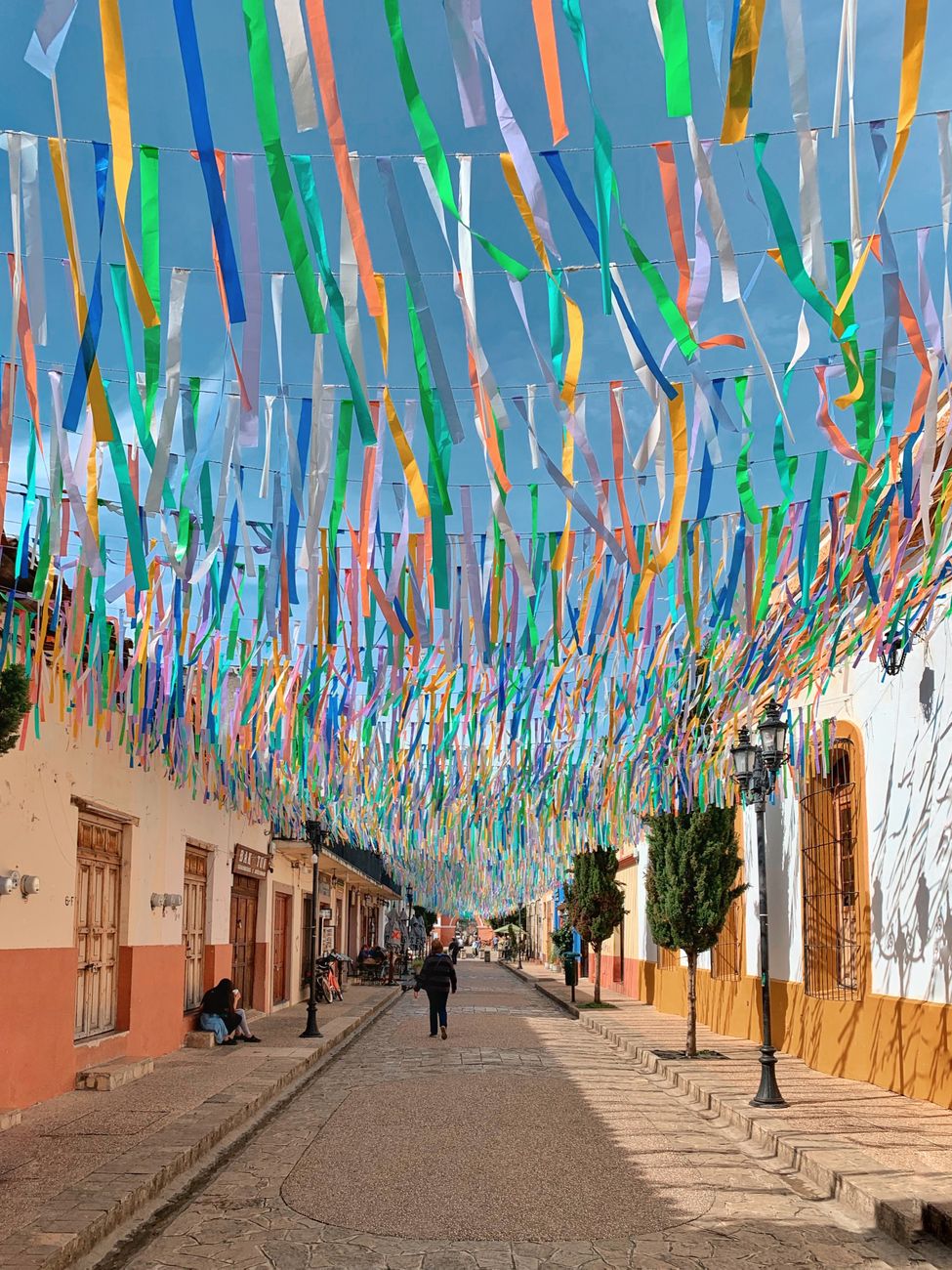
High-altitude air, cobbled streets and people in traditional dress mark first impressions. The pace is slower than coastal Mexican cities; mornings are busy with market traffic and afternoons quiet into cool evenings. Expect a strong indigenous presence — Tzotzil and Tzeltal languages are common alongside Spanish — and frequent calls to prayer or local rituals that may surprise first-time visitors.
Some travel materials overstate how much of the local economy is untouched by tourism. Textiles and souvenirs are sold both by family-run stalls and by businesses aimed at visitors; prices and quality vary widely. The town suits travelers who want market shopping, museum visits like Na Bolom and Museo del Ámbar, and short guided trips to nearby villages without long drives.
Is 3 days in San Cristobal de Las Casas enough?
Three days are enough to see the central cathedral and markets, visit Na Bolom and Museo del Ámbar, and make a day trip to San Juan Chamula or Zinacantán. A caveat: a single day trip means skipping longer excursions like Sumidero Canyon or Agua Azul.
Who This Guide Is For
Best for travelers focused on culture, markets, day trips to indigenous towns and photography; less suitable for those seeking beach time, luxury hotels, or an active wildlife itinerary.
Local Tips for San Cristobal de Las Casas
Practical details that most travel sites skip — specific to San Cristobal de Las Casas.
- Shuttle vans and ADO buses run between Ángel Albino Corzo airport (Tuxtla Gutiérrez) and the central ADO station; expect MXN 150–250 one way and book the morning or late-afternoon departures to avoid overnight waits.
- Colectivos to San Juan Chamula and Zinacantán leave from the area around Mercado de Santo Domingo and the Zócalo; fares are about MXN 40–80 per person and the ride is 20–40 minutes depending on traffic.
- Na Bolom (Casa Na Bolom) has a small entry donation (roughly MXN 50–100) and often hosts talks; check the blackboard outside for the day’s events before paying.
- Many stalls in Mercado de Santo Domingo and the Calle Real de Guadalupe still prefer cash; small two- to five-MXN coins are useful for stalls that sell tamales or candies.
- Photography inside the Iglesia de San Juan Chamula is forbidden and can spark confrontation; leave the camera in the bag and ask permission before photographing people in traditional dress.
How This Guide Was Prepared
This guide treats San Cristobal de Las Casas as a highland regional hub rather than a resort town: most visitors want textiles, indigenous village visits and sharp-weather packing. Many guides romanticize village visits or understate the cold nights and the hassle of transit; this guide gives concrete timings, local fares and where photography is forbidden. This guide was prepared through a structured research that combines destination research, geographic context, itinerary planning logic, and content review.
Plan Your Stay in San Cristobal de Las Casas
Use this itinerary as your starting point, then compare areas to stay, transport options, seasonal timing, and realistic daily costs before booking.
Why Visit
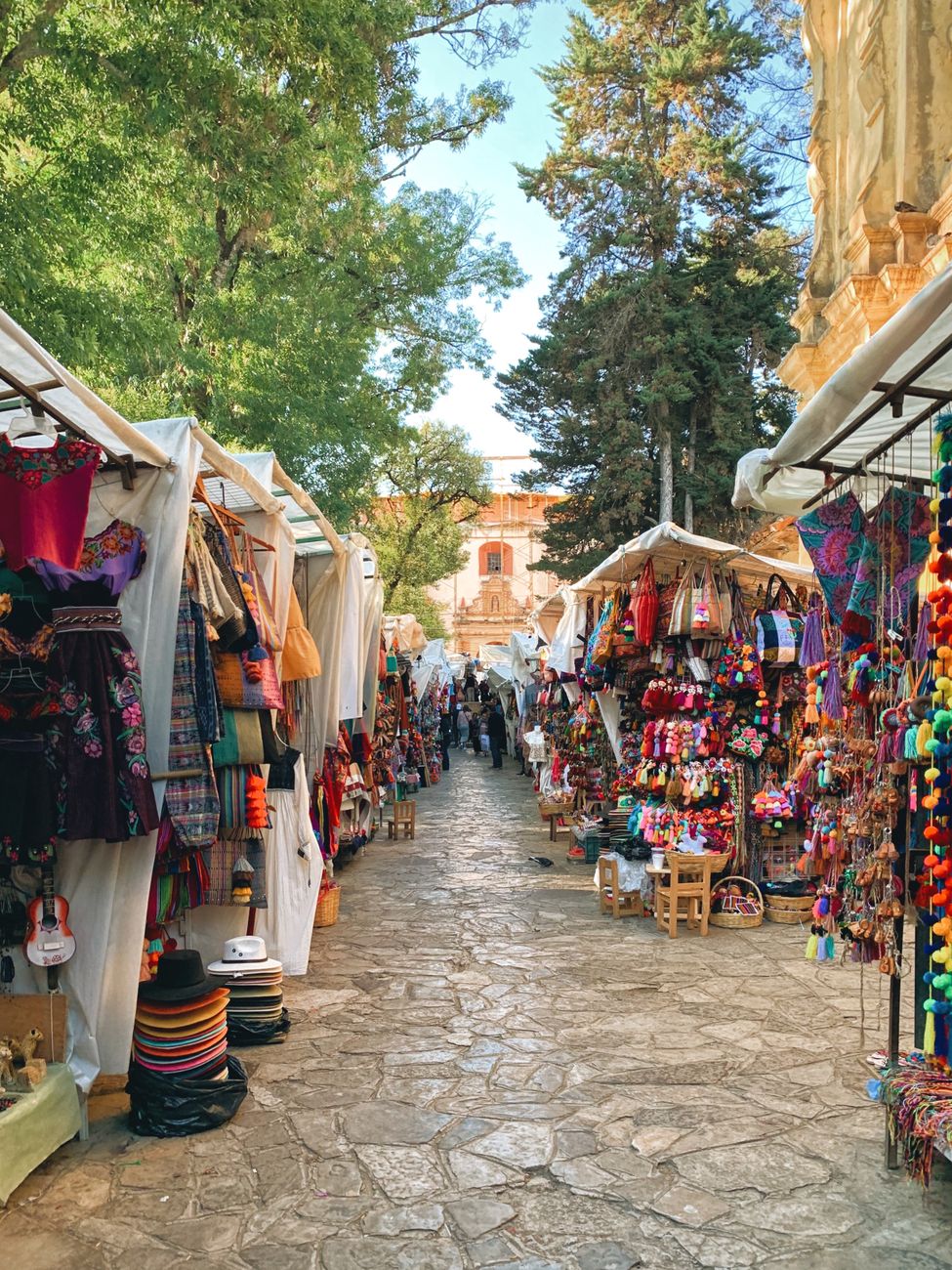
Textile traditions and living indigenous culture are accessible here in ways that do not require long trekking. Markets such as Mercado de Santo Domingo and Calle Real de Guadalupe allow close comparison of embroidered blouses, woven belts and huipiles from Zinacantán and nearby villages.
The city is a good base for short cultural day trips. San Juan Chamula and Zinacantán are within 30–40 minutes by colectivo, offering ceremonies, weaving and local agriculture without an all-day bus ride.
Small, focused museums make history and conservation practical to explore. Na Bolom documents Lacandon Maya research and has a functioning library and guesthouse; Museo del Ámbar contains a clear survey of amber and regional geology that matters to collectors and geology students.
Weather and highland light produce strong photography, and evening public music at Parque de la Marimba or bars around the Zócalo provide accessible night options without expensive transfers.
Quick Planning Tips
The closest airport is Ángel Albino Corzo (TGZ) near Tuxtla Gutiérrez; shared shuttles and ADO buses run to the city’s ADO terminal — book a morning or late-afternoon slot to avoid overnight waits. ADO fares to the town commonly range MXN 150–220; a private taxi can cost MXN 700–900.
Carry Mexican pesos for markets and colectivos; ATMs are available but withdraw once for several days to avoid repeat fees. Small change (MXN 2–10 coins) simplifies purchases at food stalls.
Avoid scheduling village visits on a holiday without confirming openings. Many local ceremonies, funerals or feast days affect access and colectivo schedules, so check with accommodation or a trusted guide before setting a day trip.

Day 1
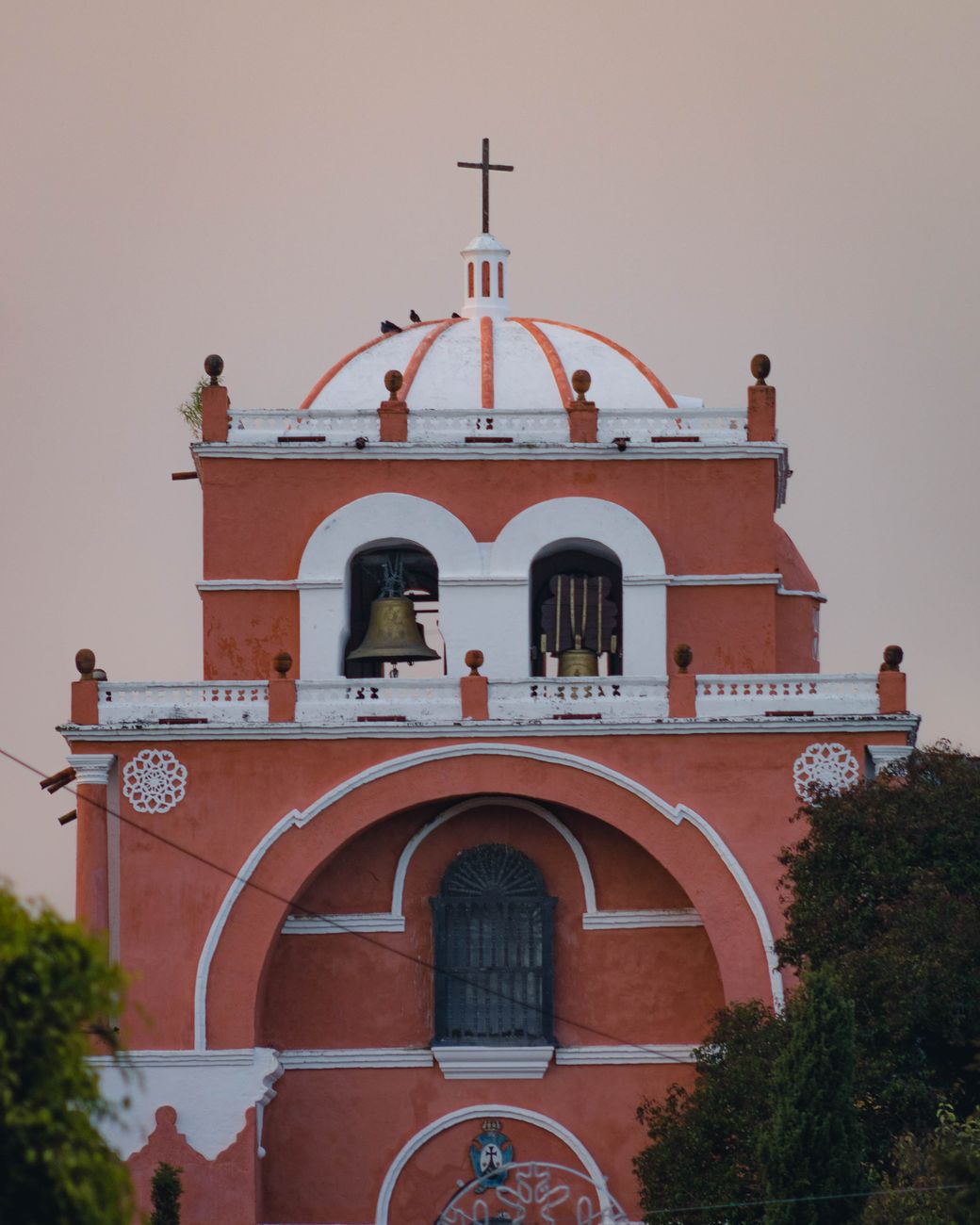
Begin at Plaza de la Paz (Zócalo) and Catedral de San Cristóbal in the morning to see daily life and street vendors; allow 45–75 minutes. A five-minute walk east brings you to Mercado de Santo Domingo for textiles, amber stalls and a ground-floor food area.
From Santo Domingo head to Iglesia de Santo Domingo and the adjacent municipal market; the church interior and the carved stonework reward 30–45 minutes. Walking between the Zócalo and Santo Domingo is 5–10 minutes on cobbles.
After a market lunch at one of the fondas inside Mercado de Santo Domingo (try a plate of caldo de res or a mole-based dish, MXN 50–120), walk 10–15 minutes to Museo del Ámbar to see geological displays and polished pieces (entry MXN 30–80). Allow one hour here.
Late afternoon visit Na Bolom (Casa Na Bolom), a museum and research house about 10–12 minutes from Santo Domingo on foot; check the noticeboard for talks. Dinner options around Calle Real de Guadalupe fit most budgets; eating at market stalls or a mid-range restaurant is practical. End the evening at Parque de la Marimba if there’s live music or with a drink on a terrace overlooking the Zócalo.

Day 2
Reserve this day for San Juan Chamula and Zinacantán to see ritual practices and weaving. Colectivos depart from near Mercado de Santo Domingo or the Zócalo; the ride to Chamula is roughly 20–30 minutes, with fares around MXN 40–60. First stop: Iglesia de San Juan Chamula — expect a unique interior ritual scene; photography is prohibited and visitors should follow local guidance.
From Chamula, a short colectivo or shared taxi (10–20 minutes) reaches Zinacantán, known for flower cultivation and embroidered textiles. Time in Zinacantán should include a market stall stroll and conversation about weaving methods; allow 1.5–2 hours.
Return to the center mid-afternoon (30–45 minutes depending on wait times) and visit Museo del Ámbar if skipped on Day 1, or use the time for a relaxed coffee at a well-rated cafe on Calle Real de Guadalupe. For dinner, try the food stalls along the markets or a mid-range restaurant near the Zócalo.
Evening suggestion: a quieter bar in the Barrio de Guadalupe or a cultural event at Na Bolom when scheduled.

Day 3
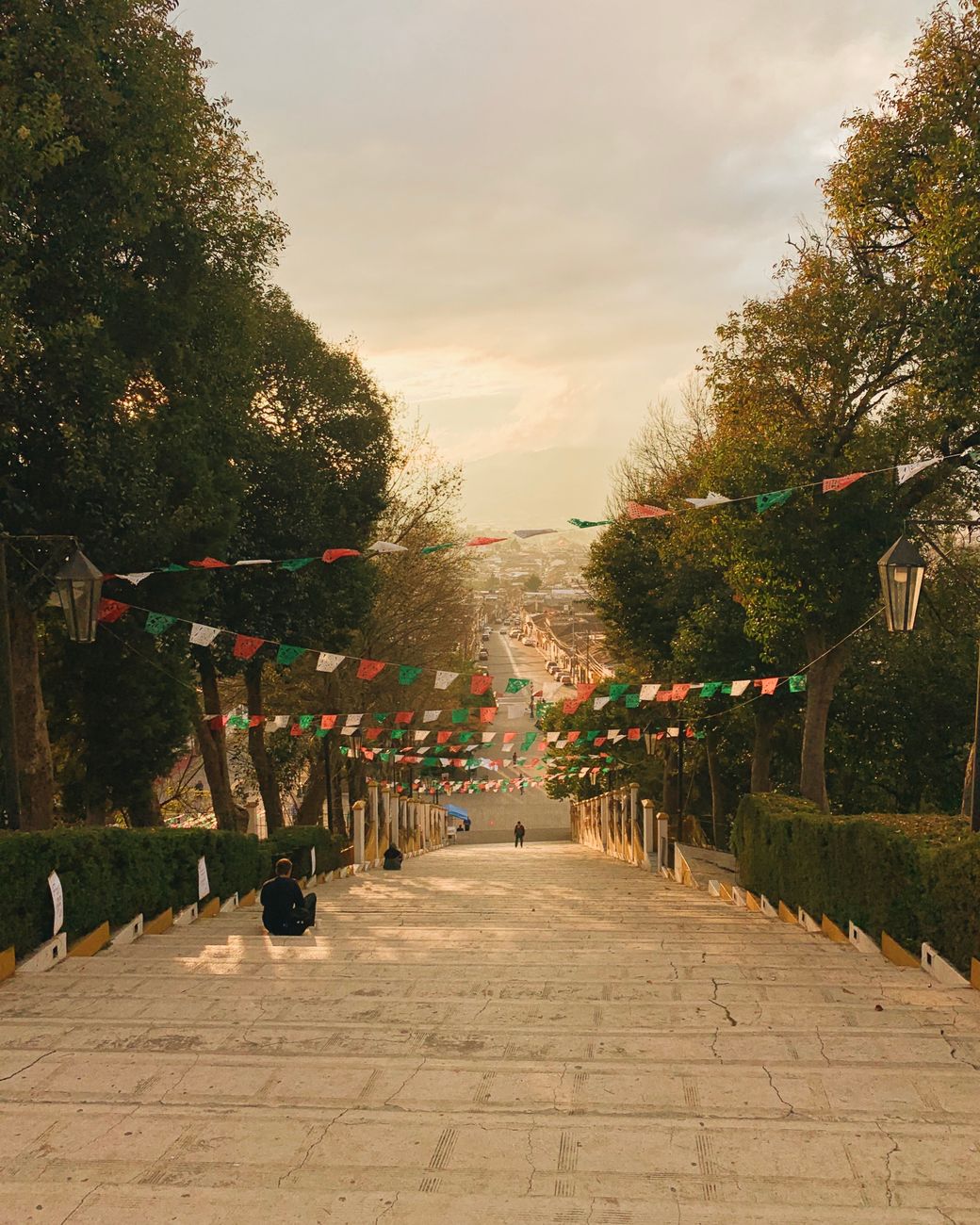
Keep this day for lighter, flexible activities and for those catching an afternoon or evening flight. Morning option: a short hike to the Mirador de la Cruz or Arco del Carmen for panoramic views; walking there is 20–35 minutes from the Zócalo depending on route.
Alternative morning: deep-dive into craft shops on Calle Real de Guadalupe and pick items at better prices before midday crowds; allow 90–120 minutes. Visit Museo de la Medicina Maya or small galleries if interest remains — both are within a 10–15 minute walk from the center.
If leaving by road, allow at least 90–120 minutes to Tuxtla by shuttle or ADO bus; factor in extra time for luggage, traffic and check-in. For an afternoon flight, plan to be on a shuttle that departs before noon.
End the day with a final market meal (try a tamal or local coffee and pan) and one last stroll through the Zócalo to take in street musicians and evening lights.
Best Local Experiences
Mercado de Santo Domingo: compare embroidery, amber and lacquerware; visit in the morning when stalls are freshest. Parque de la Marimba: evening marimba concerts (check schedule) are local social life rather than a tourist show.
Na Bolom: museum and research house with rotating talks and a small library on Lacandon research. Colectivo trips to San Juan Chamula: attend respectfully to ceremonies and do not photograph inside the church.
Zinacantán market: flowers, ritual textiles and weavers selling directly. Museo del Ámbar: focused collection useful for anyone interested in geology or jewellery; smaller than large national museums but dense in content.
Street food and fondas at the municipal market: eat where locals queue for the best caldo and quesadillas. Walks up to Arco del Carmen or the Mirador de la Cruz: short, steep climbs rewarded by city panoramas.
Where to Stay
Centro Histórico: suits first-time visitors who want the Zócalo, cathedral and markets within easy walking distance. Expect guesthouses and mid-range hotels from MXN 500–1,800 per night (≈EUR 25–90 / USD 27–95).
Barrio de Guadalupe (Real de Guadalupe): a bit higher and quieter; good for walkers who want a calmer evening and shorter routes to Mirador sites. Nightly rates are similar to Centro but with more family-run B&Bs, MXN 450–1,600 (≈EUR 22–80 / USD 24–85).
La Ceiba / Arco del Carmen area: suits those who prioritize viewpoints and local life slightly off the busiest streets. Options include small hotels and rentals priced MXN 400–1,400 (≈EUR 20–70 / USD 21–75).
Food and Drink
Tamales de chipilín: a spinach-like herb folded into masa and steamed; commonly MXN 15–35 at market stalls near the municipal market. Try them at Mercado de Santo Domingo for a cheap breakfast.
Caldo de res: a clear beef broth with vegetables and tortillas; a common midday meal in local fondas for MXN 50–90. Look for small family-run comedores off the Zócalo.
Tacos de tasajo or carne asada: regional meat tacos sold at evening stalls around the Zócalo; expect MXN 15–30 per taco. Quesadillas with local cheese are another cheap street option.
Cafe de olla or regional coffee: many cafés roast Chiapas beans; a good cup costs MXN 35–70. Seek cafes on Calle Real de Guadalupe or near Na Bolom for single-origin options.
Mole chiapaneco-style or platillos with local vegetables: for a sit-down dinner, mid-range restaurants charge MXN 150–350 per person. Market dining remains the best value and the most authentic day-to-day food experience.
Getting Around
Walking: most central points including Zócalo, Santo Domingo and Museo del Ámbar are walkable; expect cobblestones and short steep sections. Colectivos: shared vans to Chamula and Zinacantán leave near Mercado de Santo Domingo and the ADO station; fares MXN 40–80.
Microbuses and municipal taxis handle local trips; single microbus fares are typically MXN 8–12. ADO long-distance buses connect to Tuxtla Gutiérrez, Palenque and other cities; single ADO fares to Tuxtla are around MXN 150–220.
Download Moovit for route planning and ADO’s app or website for long-distance tickets. Uber and similar apps are unreliable inside town; taxis are usually radio-dispatched or hailed and expect cash. A taxi from Ángel Albino Corzo airport to town typically runs MXN 700–900; shared shuttles are cheaper at MXN 150–250 per person.
Best Time to Visit
Dry season (November to April) gives the most stable weather: daytime highs 18–22°C and nights drop to 5–8°C. Peak visitor months are December holidays and Semana Santa, which raises prices and crowds.
Rainy season (June to October) brings afternoon downpours and muddy conditions around rural sites; days remain mild but trails and cobbles get slippery. Shoulder months March–May offer the best balance of good weather and lower prices, though late spring heats can push daytime highs into the mid-20s°C.
For festival interest, check local calendars: patron saint days and market festivals change the feel of the city, but can complicate travel logistics and collective departures to villages.
Budget and Practical Tips
Daily budget (low): accommodation MXN 300–600 (≈EUR 15–30 / USD 16–32), food MXN 150–250 (≈EUR 7–12 / USD 8–14), transport MXN 30–100, entry fees MXN 30–100. Total low: MXN 510–1,050 (≈EUR 26–53 / USD 28–55).
Daily budget (mid-range): accommodation MXN 800–1,500 (≈EUR 40–75 / USD 42–80), food MXN 300–500, transport MXN 50–200, entry fees/tours MXN 100–400. Total mid: MXN 1,250–2,600 (≈EUR 62–125 / USD 67–130).
Tipping: restaurants generally expect 10–15% if service is not included; small change for bag handlers or restroom attendants is appreciated but not mandatory. Carry a mix of bills and small coins for market stalls and colectivo drivers.
Bring a small daypack, warm layers for evenings, and a waterproof layer in rainy months. Keep a printed or screenshot copy of shuttle or ADO bookings when traveling to and from the airport; phone signal is uneven in some neighbourhoods.
FAQ
Is San Cristobal de Las Casas safe for solo travelers?
Generally yes in the central areas during daytime; standard precautions apply at night (avoid empty side streets, watch belongings). Local theft is opportunistic, not violent.
How do I get from the airport to town?
Ángel Albino Corzo (Tuxtla) has shared shuttles and ADO buses to the ADO terminal; one-way fares MXN 150–250 and travel time about 60–90 minutes.
Is there a city card or pass worth buying?
No municipal city card exists for attractions; buy tickets individually to keep flexibility — tours to nearby villages usually include transport and guide fees.
Are ATM cards widely accepted?
ATMs are common in the center but small vendors and markets require cash; carry pesos for everyday purchases.
Can I use ride apps like Uber here?
Ride apps are unreliable in town; taxis and arranged shuttles are the dependable options.
Is visiting San Juan Chamula appropriate as a tourist?
It is appropriate if approached respectfully: follow bans on photography inside the church, accept that some rituals are private, and hire a local guide or ask permission when engaging vendors.
How long should a visit to Museo del Ámbar or Na Bolom take?
Each museum can be seen in 45–90 minutes depending on interest; Na Bolom often has additional talks or exhibitions that can extend the visit.
Conclusion
A three-day stay delivers a clear sense of regional craft, religious practice and market life, plus one meaningful visit to a nearby indigenous town. The element most likely to stay in memory is the contrast between the lively morning markets and the quiet, cool evenings around the Zócalo.
If time runs short, prioritize Mercado de Santo Domingo for textiles and Na Bolom for context; these two together give a concentrated view of what makes the area distinct and make later day trips easier to understand.
How this guide was prepared
This guide was prepared through a structured research that combines destination research, geographic context, itinerary planning logic, and content review.