

3 Days in Villahermosa: Practical Itinerary and Tips
A practical 3-day Villahermosa itinerary with logistics, realistic budgets, and must-see sites like Museo La Venta and Yumká — essential planning advice.
A frank, practical guide for a three-day visit that prioritizes Museo La Venta, Paseo Tabasco and local food, with transit tips and flood-season cautions.
Expect heat and high humidity most of the year with a strong river presence: the Grijalva and Carrizal rivers shape streets, parks and the riverwalk. First impressions are often of green public spaces and provincial government architecture rather than polished tourist infrastructure. Public life clusters around Paseo Tabasco, Parque Tomás Garrido Canabal and the Mercado Miguel Hidalgo, where food sellers and early-morning markets dominate activity.
Expect practical limits: many attractions are state-run with fixed hours and common Monday closures, and language can be a barrier in quieter neighborhoods. This place suits travelers who want archaeology (Olmec pieces at Museo La Venta), botanical and wildlife parks (Yumká) and local markets rather than high-end restaurants or boutique shopping. Pack rain gear between June and October and plan museum visits for mornings when humidity is lower.
Is 3 days in Villahermosa enough?
Three days are enough to see Museo La Venta, stroll Paseo Tabasco, visit Parque Ecológico Yumká and sample regional food, but skipping nearby San Cristóbal or Campeche is necessary. Expect some museums to be closed Mondays and adjust the plan if heavy rain appears during June–October.
Who This Guide Is For
Best for travelers who prefer cultural museums, riverfront strolls, and regional food rather than nightlife or boutique shopping; not ideal for visitors seeking fast-paced urban nightlife or a car-free experience.
Local Tips for Villahermosa
Practical details that most travel sites skip — specific to Villahermosa.
- Buy tickets for Museo La Venta at the park entrance (usually around MXN 80) and avoid Mondays when most state museums close.
- Mercado Miguel Hidalgo on Avenida 27 de Febrero sells pozol and tamales de chipilín early mornings; bring small change (MXN 20–200) because many stalls are cash-only.
- Parque Ecológico Yumká charges about MXN 90 for entry and has scheduled animal feedings; check opening hours because it closes earlier than downtown parks.
- Taxis from Aeropuerto Internacional Carlos Rovirosa Pérez to Centro cost around MXN 250–350; Uber and DiDi work in the city and often cost MXN 200–300 for the same trip.
- On rainy days (June–October) Paseo Tabasco can flood; use Avenida Adolfo Ruiz Cortines or Av. 27 de Febrero as inland alternatives for transit.
How This Guide Was Prepared
A short stay in Villahermosa rewards travelers who accept humidity, local market life and Olmec archaeology rather than expecting polished tourist infrastructure. Many guides over-gloss the city's seasonal flooding, limited public transport options, and the way museums and parks structure hours; this guide focuses on realistic timings, transit tricks, and where to find authentic Tabasco food. This guide was prepared through a structured research that combines destination research, geographic context, itinerary planning logic, and content review.
Plan Your Stay in Villahermosa
Use this itinerary as your starting point, then compare areas to stay, transport options, seasonal timing, and realistic daily costs before booking.
Why Visit
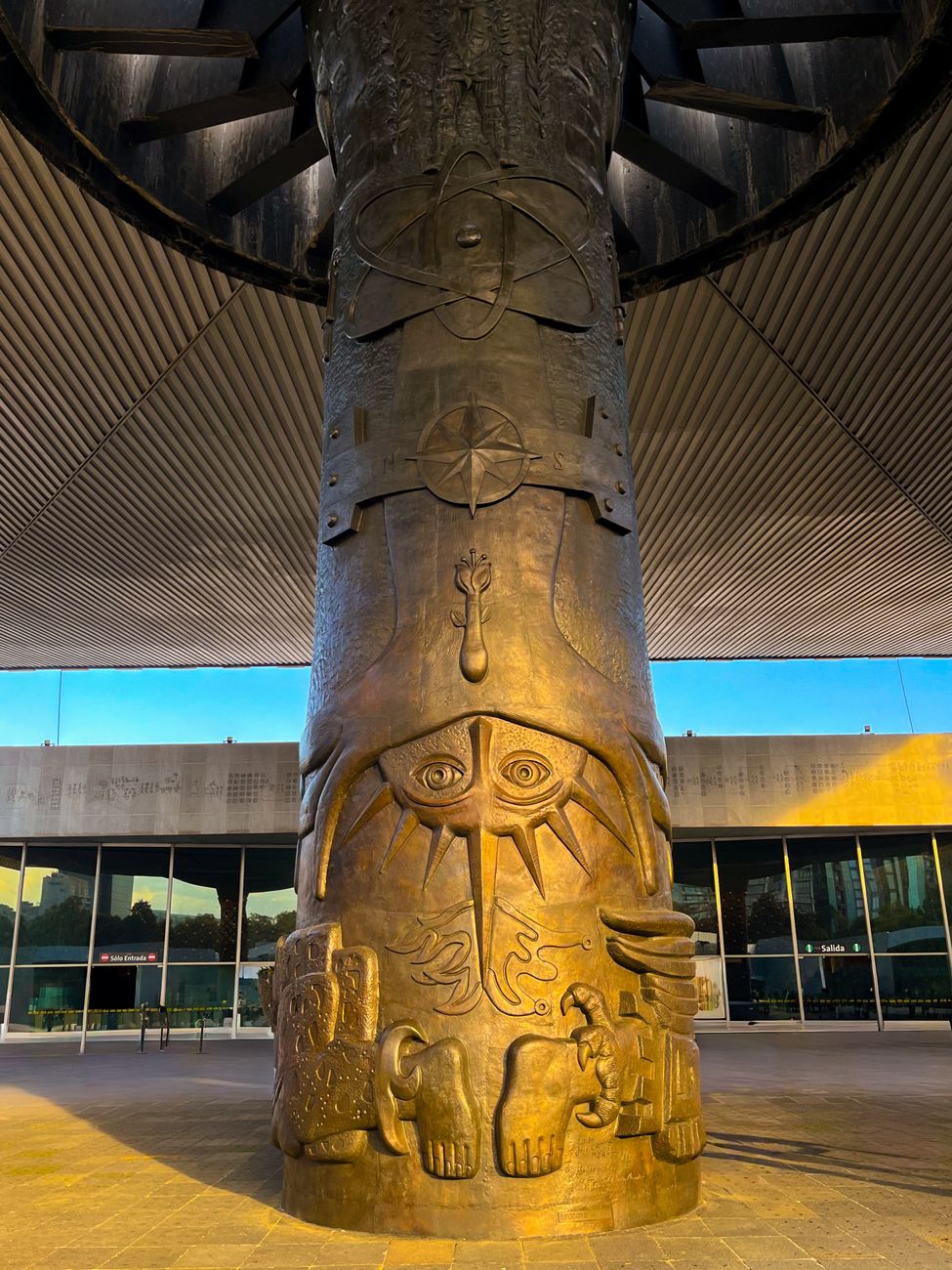
Museo La Venta houses an unusually accessible collection of Olmec heads and stone sculptures set in open park grounds, making pre-Columbian archaeology easy to grasp without long museum lines. The riverfront Paseo Tabasco and Parque Tomás Garrido Canabal offer wide, shaded promenades and boat-launch views of the Grijalva river — good for sunset walks and local life observation. Parque Ecológico Yumká is a small zoo and botanical garden where regional wildlife and guided feeding times let visitors see monkeys and swamp species up close. Food and market culture here reflect Tabasco's coastal and riverine cuisine: pozol, pejelagarto and chilpachole de jaiba are distinctive to the state and available at Mercado Miguel Hidalgo and family-run fondas. Finally, Villahermosa functions as a regional hub: transport links to Tuxtla Gutiérrez, San Cristóbal de las Casas, Campeche and Veracruz make it a practical base for short onward trips, especially by bus or domestic flight.
Quick Planning Tips
Fly into Aeropuerto Internacional Carlos Rovirosa Pérez (VHM). Taxis, Uber and DiDi run to Centro in about 20–30 minutes; expect MXN 250–350 by taxi and MXN 200–300 via app depending on traffic. Buses and colectivos serve shorter intra-city trips but require exact cash.
Carry pesos for small purchases and market food; many fondas and market stalls do not accept cards. ATMs are available downtown but withdraw at a bank branch for lower fees. Avoid scheduling outdoor museum visits or riverwalks during the heaviest rains from June through October; storms can arrive suddenly and some neighborhoods flood. Confirm opening hours the day before: Museo La Venta and many state museums close Mondays and have midday breaks.

Day 1
Morning: Start at Museo La Venta (Parque-Museo La Venta). Allow 2–3 hours to see the Olmec heads, basalt sculptures and small indoor exhibits. The park sits on Avenida Universidad; walkable routes from Centro take 10–15 minutes by taxi.
Late morning: Walk or take a short taxi to Parque Tomás Garrido Canabal along Paseo Tabasco. Spend 45–90 minutes strolling shaded alleys, checking local vendors and photographing river views. The riverwalk connects into plazas and gives a good orientation for Centro.
Lunch: Eat at a fonda near Mercado Miguel Hidalgo — try pozol and tamales de chipilín. Allow 60 minutes; market stalls accept cash only and often close mid-afternoon.
Afternoon: Visit Museo Regional de Antropología Carlos Pellicer (in or near Paseo Tabasco depending on building) to complement La Venta's outdoor pieces with archaeological context; plan 1–1.5 hours. From the museum, walk 10 minutes to Plaza de Armas to see the Palacio de Gobierno facade and local benches.
Evening: Dinner along Av. 27 de Febrero where small seafood restaurants serve chilpachole de jaiba or grilled river fish; expect MXN 120–220 per main. Finish with a sunset walk along Paseo Tabasco; benches and lighting make this an approachable evening stroll.

Day 2
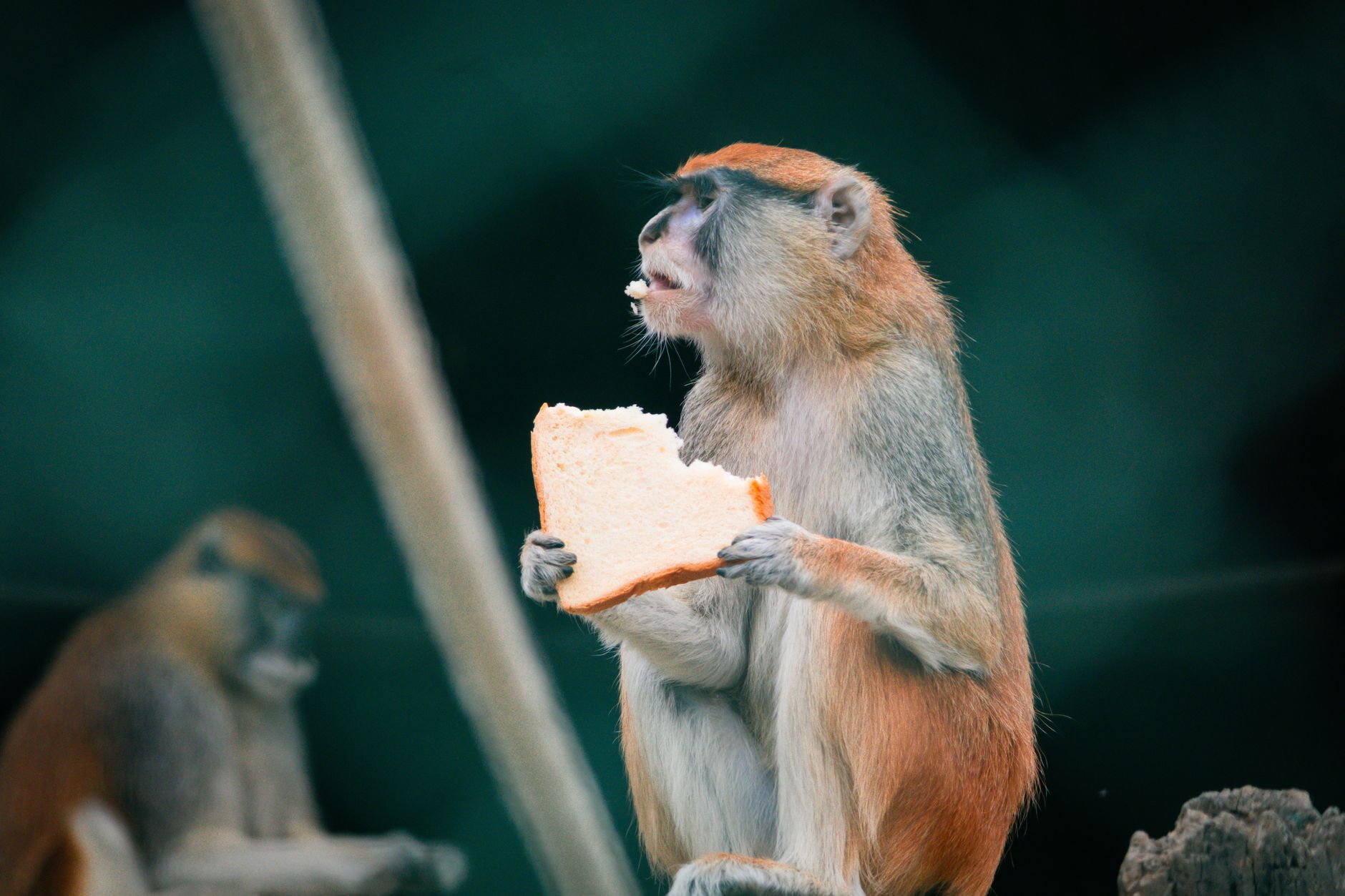
Morning: Head to Parque Ecológico Yumká outside central streets; allow 20–30 minutes by taxi from Centro. Spend 2–3 hours on trails, exhibits and scheduled feedings; check entry times since the park closes earlier than downtown attractions.
Lunch: Eat near Yumká at a local seafood stand or return to Centro for a mid-afternoon Mercado Miguel Hidalgo meal — try pejelagarto grilled or in a stew depending on the vendor.
Afternoon: Explore Tamulté de las Sabanas neighborhood for residential markets and riverside views; use a short taxi ride from Yumká or Centro (10–20 minutes). Visit smaller local churches and bakeries and watch river traffic on quieter embankments.
Late afternoon: Return to Centro and visit a contemporary arts spot such as Centro de las Artes Tabasco (verify current exhibitions) or a temporary show at the Museo del Estado. These indoor options are sensible if rain interrupts the park plan.
Evening: Dinner in the Reforma or Avenida Adolfo Ruiz Cortines corridor where larger restaurants serve regional plates with a more formal setting; expect mains MXN 180–350. Consider an early evening boat or river look if water levels permit.
Day 3
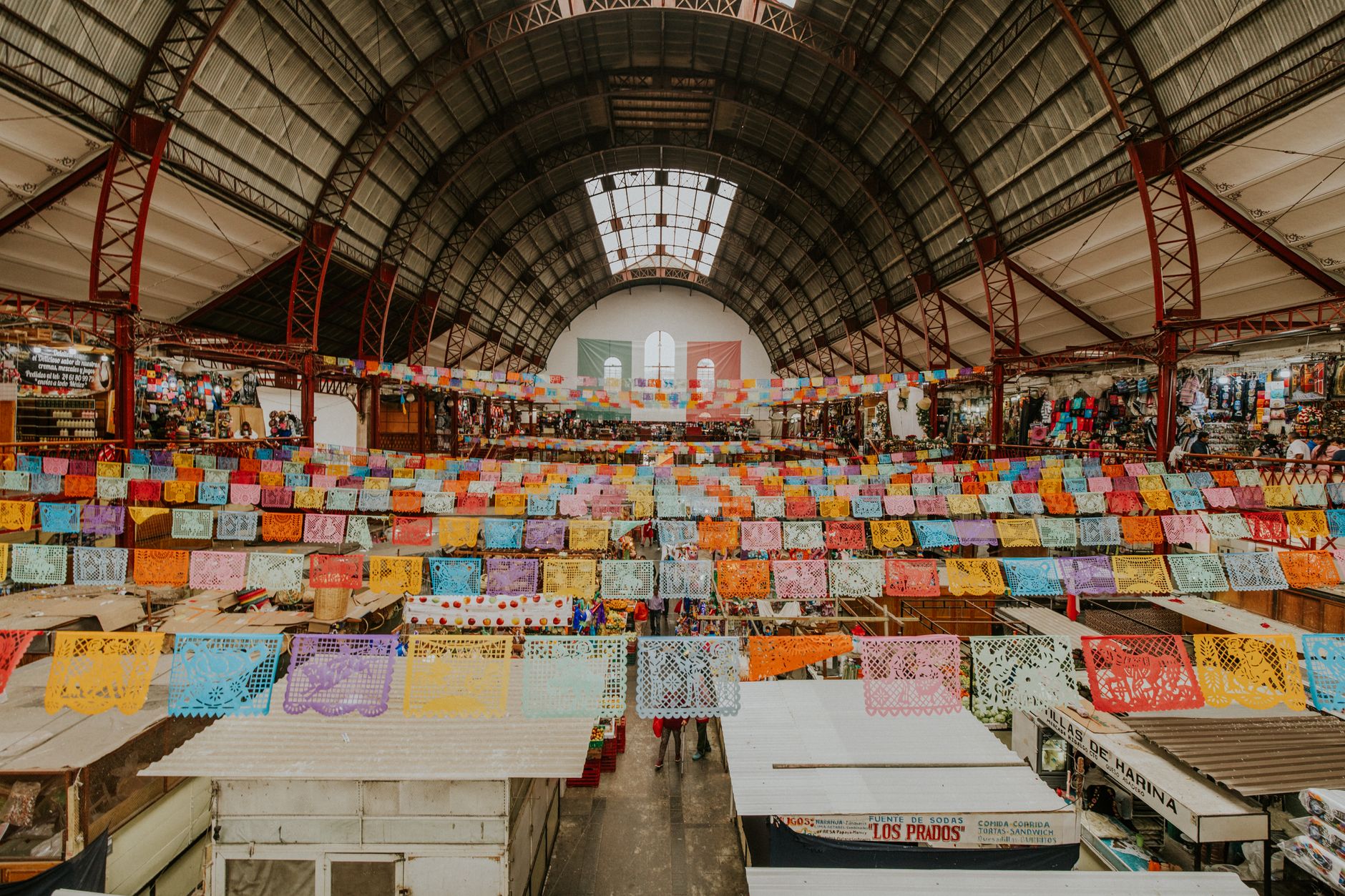
Morning: Visit any missed museums or return to Mercado Miguel Hidalgo for purchases and breakfast of pozol and tamales; arrive early (7–9am) when stalls are busiest. If checking out of accommodation, schedule time to leave luggage at reception or a locker service.
Late morning: Take a short trip to a local art or handicraft shop that sells indigenous pottery and textiles from Tabasco's communities; ask at the tourist desk for a reputable place near Centro. Allocate 1–2 hours for shopping and small bites.
Lunch: Choose a riverfront restaurant along Paseo Tabasco for a final meal — fresh river fish or a plate of chilpachole de jaiba works well before travel. Allow 60–90 minutes and leave time for traffic to the airport.
Afternoon: If an afternoon flight is planned, allow at least 60–90 minutes to travel to Aeropuerto Internacional Carlos Rovirosa Pérez (20–30 minutes in normal traffic) and arrive 90 minutes before domestic departures. If staying longer into the evening, an optional short stop at a neighborhood café or pastry shop on Av. 27 de Febrero rounds out the visit.
Best Local Experiences
Mercado Miguel Hidalgo: early-morning food stalls for pozol, tamales de chipilín and fresh juice; great for breakfast and cheap local snacks. Museo La Venta (Parque-Museo La Venta): outdoors Olmec sculptures and shaded trails showing the region's pre-Hispanic artifacts. Parque Ecológico Yumká: scheduled feedings and a small zoo set around native plantings; practical for families. Paseo Tabasco and Parque Tomás Garrido Canabal: riverwalk and promenades for sunset and people-watching. Chilpachole de jaiba tasting at small seafood stands along Av. 27 de Febrero: crab soup that showcases coastal Tabasco flavors. Plaza de Armas and Palacio de Gobierno: observe civic life and municipal architecture, especially during weekday office hours when local activity peaks.

Where to Stay
Centro (downtown): Suits first-time visitors who want walking access to Museo La Venta shuttles, Paseo Tabasco and Plaza de Armas. Expect mid-range hotels from MXN 700–1,500 per night (≈ USD 40–85 / EUR 35–80). Walking distance to restaurants and vendors reduces taxi dependence.
Tamulté de las Sabanas: Suits travelers wanting riverside streets and quieter local neighborhoods; expect budget guesthouses and small hotels MXN 400–900 per night (≈ USD 22–50 / EUR 20–45). This area is residential with local bakeries and short taxi rides to central museums.
Reforma / Av. Adolfo Ruiz Cortines corridor: Suits visitors who prefer larger hotels, restaurants and easier airport access. Nightly rates are MXN 1,200–2,500 (≈ USD 65–140 / EUR 60–130). Hotels here tend to offer airport shuttles and more stable power/AC systems, useful in hot months.
Food and Drink
Pozol: A cold fermented corn and cocoa drink often sold at Mercado Miguel Hidalgo and by street vendors; served in a gourd or plastic cup, around MXN 15–30. Pejelagarto: A river fish grilled whole or served in stews; best found at seafood stands on Av. 27 de Febrero or near riverfront restaurants, mains MXN 120–250. Chilpachole de jaiba: A Tabascan crab soup thick with tomato and spices; try at small family-run marisquerías for MXN 100–220 per bowl. Tamales de chipilín: Tamales made with the local herb chipilín, found at markets and fondas for MXN 12–30 each; a breakfast staple. Ceviche de jaiba or pescado: Fresh ceviche at Mercado Miguel Hidalgo stands and local seafood restaurants, typically MXN 80–160.
Breakfast option: Mercado Miguel Hidalgo for pozol and tamales de chipilín plus coffee — cheap, fast, and authentic. Street food: grilled pejelagarto or tacos at market stalls; bring napkins and expect cash payments. Dinner recommendation: pick a riverfront restaurant along Paseo Tabasco or Av. 27 de Febrero for a plated seafood main and a chance to sit in a cooler, shaded venue; mains MXN 150–350.
Getting Around
Modes: Local buses and colectivos cover many routes but run on irregular schedules and require exact cash (fare MXN 8–12). Taxis operate widely; negotiate a meter or agree a fare before travel for short trips (MXN 30–60 inside Centro). Ride-hailing apps Uber and DiDi operate and are often more reliable for fixed fares; app fares from Centro to the airport typically MXN 200–300. Airport taxi to Centro: MXN 250–350, 20–30 minutes in normal traffic.
No city metro exists; most visitors rely on taxi/Uber for comfort and speed. Use Google Maps plus the Uber/DiDi apps for routing; local bus routes change, so confirm with hotel staff or a vendor. There is no widely used single-day transit pass; budget MXN 80–150 per day for modest travel by bus and two short taxi/Uber rides.
Best Time to Visit
Dry season (November to April) offers lower humidity, clearer skies and daytime temperatures from about 24–32°C (75–90°F), with November–February being the most comfortable and less rainy. This period is also when hotel rates can be slightly higher around holidays.
Rainy season (May to October) brings high humidity, frequent heavy showers and occasional floods; daytime temperatures are 26–34°C (79–93°F). Value travelers seeking lower rates should consider late May or September but plan alternate indoor activities in case of storms.
Avoid the heaviest flood risk months of September and October if travel plans include riverside walks or rural roads, since sudden rains can disrupt bus schedules and create localized closures.
Budget and Practical Tips
Typical daily budget (per person): Accommodation: MXN 700–1,500 (≈ USD 40–85 / EUR 35–80) for mid-range hotels. Food: MXN 200–400 (≈ USD 12–22 / EUR 11–21) for three meals if mixing market food and modest restaurants. Transport: MXN 80–200 (≈ USD 4–12 / EUR 4–11) including two Uber/taxi rides and some bus trips. Entry fees: Museo La Venta MXN 80, Yumká MXN 90, Museo Carlos Pellicer around MXN 40–80; budget MXN 200–400 for attractions over three days.
Carry cash in small denominations for markets and bus fares; cards are fine in hotels and larger restaurants. Tipping norms: round up small bills for market servers and tip 10–15% in sit-down restaurants if service is not included. Bring a lightweight rain jacket for the wet season and a refillable water bottle; bottled water costs around MXN 12–25.
FAQ
Is Villahermosa safe for tourists?
Most visits are trouble-free in daytime tourist areas like Paseo Tabasco and Museo La Venta; use common-sense precautions after dark, avoid poorly lit side streets and keep valuables concealed.
How do I get from the airport to downtown?
Aeropuerto Internacional Carlos Rovirosa Pérez is about 20–30 minutes from Centro; taxis cost MXN 250–350 and Uber/DiDi often MXN 200–300 depending on traffic.
Are museums open every day?
Many state museums, including Museo La Venta, close on Mondays and may have midday breaks; verify hours online or by phone before arrival.
Is a city transport pass worth buying?
There is no widely used day pass; buses are cash-only, so taxis or ride-hailing are more practical for short visits.
What about flooding during the rainy season?
Heavy rain and localized floods are most likely June–October; avoid scheduling low-lying riverside plans during major storms and follow local officials for closures.
Can vegetarian or vegan travelers find options?
Markets offer tamales de chipilín, beans, fresh fruit and juice stands suitable for plant-based diets; inform vendors about preferences and expect limited dedicated vegan restaurants.
Are credit cards widely accepted?
Cards work in mid-to-upper restaurants and hotels, but markets and fondas are cash-only; carry small denominations to pay bus drivers and vendors.
Is tipping required?
Not required but customary: round up small bills at markets, give 10–15% in restaurants when service is good.
Conclusion
Three days provide a compact, honest view: outdoor archaeology at Museo La Venta, market breakfasts at Mercado Miguel Hidalgo, and at least one park visit to Yumká or Paseo Tabasco. Travelers will most likely remember the Olmec sculptures and the taste of local seafood or pozol more than nightlife or shopping. If time is tight, prioritize Museo La Venta and a riverfront meal; those two elements capture the region's archaeology and food culture in a single afternoon.
How this guide was prepared
This guide was prepared through a structured research that combines destination research, geographic context, itinerary planning logic, and content review.