

San Jose del Cabo: Practical 3-Day Itinerary and Tips
A practical 3-day guide to San Jose del Cabo with transit routes, market picks, daily plans, real prices and what to skip to save time.
Three realistic days in San Jose del Cabo focused on the Art District, beaches and local markets, with transit times, costs and safety notes.
San Jose del Cabo has a quieter pace than the busier tourist strip to the west. Streets in the Historic Center move at walking speed: gallery openings, family-run restaurants and the mission plaza form the core day-to-day life. Arrivals usually notice fewer nightclubs, earlier restaurant closing times outside high season and a stronger focus on art and nature than in Cabo San Lucas.
Expect practical annoyances: intermittent Uber availability, taxis with set fares from the airport, and some galleries closing in summer. This place suits travelers who want to mix short beach sessions, a slow evening art walk and a single splurge meal rather than nonstop action.
Is 3 days in San Jose del Cabo enough?
Yes—three days lets a traveler cover the Historic Center, the Gallery District Art Walk, a morning at the estuary and a surf or beach afternoon, plus one nearby farm-to-table meal. Caveat: there isn't time for both extensive golf/boat trips and a full-day remote excursion (Cabo Pulmo or East Cape) without cutting other activities.
Who This Guide Is For
Best for travelers who prefer art, slow beach days and local food rather than nonstop nightlife. Not ideal for visitors who want a full week of water sports, deep-sea fishing charters or multiple long-distance day trips.
Local Tips for San Jose del Cabo
Practical details that most travel sites skip — specific to San Jose del Cabo.
- Art Walk runs Thursday evenings (roughly 6–9pm) from November through June along Hidalgo and Abelardo L. Rodríguez; many galleries close for the summer.
- Los Cabos International Airport (SJD) is about 15–20 minutes from downtown; expect official taxi fares roughly 350–450 MXN to downtown San José and shared shuttles around 150–250 MXN per person.
- Playa Costa Azul (the Zippers surf break) sits off Calle Playa Coral near the Hotel Zone; board rentals run about 250–400 MXN/day and local surf lessons about 900–1,200 MXN.
- The San José estuary (Estero San José) is a protected RAMSAR site; best birdwatching is at low tide near the bridge by Calle Lázaro Cárdenas around sunrise.
- Many downtown shops and the Market on Niños Héroes accept cards but small stalls, taxis and street vendors prefer cash (pesos); ATMs are available on Avenida Mijares but withdraw smaller amounts to avoid high ATM fees.
How This Guide Was Prepared
San Jose del Cabo is quieter and more local than its neighbor Cabo San Lucas; this guide shows how to use that slower pace to see art, estuary wildlife and surf without wasting time on tourist traps. Many guides overemphasize luxury resorts; this plan concentrates on downtown life, the Gallery District's evening art walk, nearby beaches like Costa Azul and realistic transport options. This guide was prepared through a structured research that combines destination research, geographic context, itinerary planning logic, and content review.
Plan Your Stay in San Jose del Cabo
Use this itinerary as your starting point, then compare areas to stay, transport options, seasonal timing, and realistic daily costs before booking.
Why Visit
The Gallery District offers an unusually concentrated small-art scene for a town this size; many independent galleries line Hidalgo Street and hold the weekly Art Walk from November to June. The estuary (Estero San José) provides birdwatching within a five-minute walk of Plaza Mijares and is one of the few coastal wetlands in Baja accessible without a long drive. Beaches near downtown, especially Playa Costa Azul, are surf-accessible and useful for a half-day lesson or watching local surfers.
Culinary reasons include Baja-Med influences and farm-to-table picks like Flora's Field Kitchen just outside town, which contrasts with resort dining on the Hotel Corridor. Practical advantages include short transfer times from Los Cabos International Airport (SJD), and a compact downtown that makes walking between galleries, restaurants and the mission efficient for a three-day stay.

Quick Planning Tips
Fly into Los Cabos International Airport (SJD); taxis have posted fixed rates to downtown San José around 350–450 MXN while shared shuttle vans cost roughly 150–250 MXN per person. Check your airline bag allowance if planning surf lessons—boards may incur extra fees.
Pay in pesos for small purchases and taxis; most galleries, midrange restaurants and hotels accept major cards but smaller stalls, the fish market and some taxis will be cash-only. Avoid the mistake of assuming regular public buses run on a strict timetable—colectivos and municipal buses operate frequently enough but waits can be 10–30 minutes depending on season.

Day 1
Morning: Start at Plaza Mijares and the adjacent Misión San José del Cabo (Iglesia San José). The plaza is compact and gives a clear sense of local rhythm; expect 30–45 minutes here for photos and a coffee at a nearby café.
Late morning: Walk (5–10 minutes) to the Estero San José for birdwatching along the boardwalk. Allocate 60–90 minutes; bring binoculars and sunscreen. The estuary is surprisingly active and the paths are flat and stroller-friendly.
Lunch: Eat at a local spot near Avenida Mijares — a popular choice is a seafood-focused fonda or the casual Mercado Municipal stalls (lunch 120–220 MXN per person). After lunch, head to the Gallery District on Hidalgo Street (2–7 minute walk) and spend the afternoon hopping 6–8 small galleries; plan 1.5–2 hours.
Late afternoon: Walk 15–20 minutes or take a short taxi (60–100 MXN) to Playa Costa Azul to watch or join a surf lesson (lessons ~900–1,200 MXN). Evening: Return for the Art Walk on Hidalgo and Abelardo L. Rodríguez if visiting between November and June; galleries open 6–9pm and tapas or small plates run 120–350 MXN.

Day 2
Morning: Drive or take a 15–25 minute taxi to Flora's Field Kitchen (reserve ahead). This is a farm-to-table lunch option in the foothills; expect to spend 2–3 hours including the garden walk and meal (menu items 320–700 MXN). It is a different rhythm than downtown: open-air dining, rustic grounds and seasonal produce.
Afternoon: Return toward the Hotel Corridor and stop at Playa Palmilla or the nearby public beach for swimming and sun; travel times are about 20–30 minutes by taxi from Flora's Field. Palmilla’s water is calmer and better for a relaxed afternoon compared with Costa Azul's surf breaks.
Late afternoon: If interested in golf, drive past the Hotel Corridor to view the Palmilla golf course and public access points; green fees at premier courses often start high (several thousand MXN). Evening: Dine in the downtown Gallery District or try a midrange restaurant on Boulevard Lázaro Cárdenas; tacos and seafood here are more affordable than beachfront hotel dining.

Day 3
Morning: Book an early morning walk through the Estero or a short guided birding tour (guides 500–800 MXN) to catch cooler temperatures and active birdlife. Alternatively, visit any galleries missed earlier or shop along Avenida Mijares for souvenirs and local crafts.
Late morning: Short taxi (10–15 minutes) to Puerto Los Cabos marina for a coffee and a walk along the docks; many charter operators leave from here for fishing and whale-watching but full trips will take the whole day and are not recommended if catching an afternoon flight. If staying local, arrange a mid-price lunch near the marina (250–500 MXN).
Afternoon / travel note: For travelers checking out and heading to SJD for afternoon flights, allow 60–90 minutes for taxi transfer and an extra 30–60 minutes for airport check-in during high season. If a late flight is planned, use the final hours for slow beach time at a nearby public beach or a last gallery visit.
Best Local Experiences
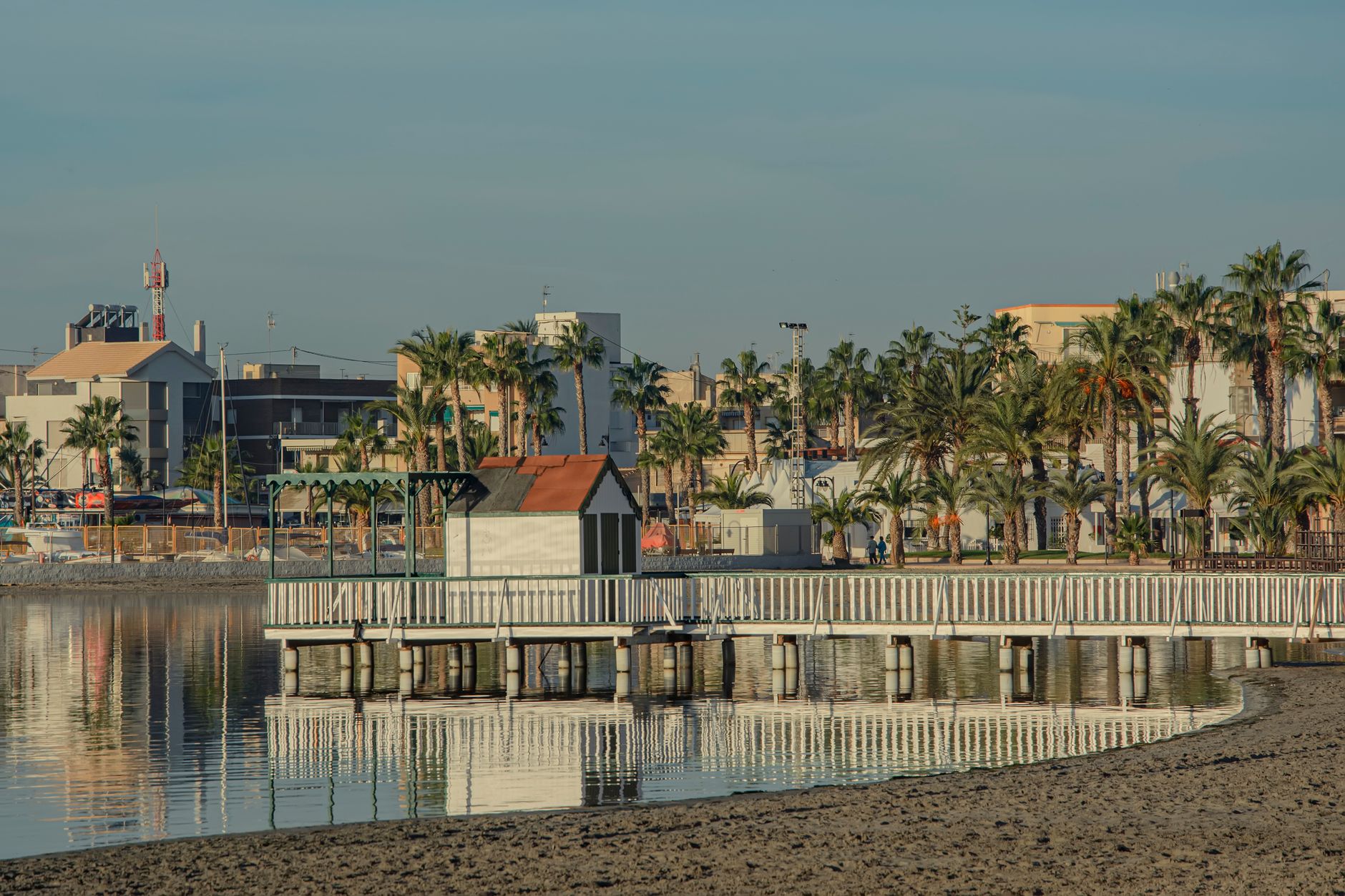
Art Walk in the Gallery District on Hidalgo and Abelardo L. Rodríguez (Thursday evenings, Nov–Jun) is the single most characteristic event for a short visit. The Estero San José is a protected wetland and a prime stop for birdwatchers; bring neutral clothing and binoculars. Playa Costa Azul (Zippers) is where local surfers and surf schools meet; watch the break from Calle Playa Coral or take a lesson.
Flora's Field Kitchen is the closest farm-to-table experience without a long drive and requires reservations. The Saturday Tianguis or farmers’ stalls near Avenida Mijares and Niños Héroes offer fresh produce and snacks—buy small local pastries or grilled seafood for sampling. A walk along the Hotel Corridor frontage offers contrasting resort architecture and public viewing points of coastline without entering resort grounds.

Where to Stay
Historic Center / Plaza Mijares: Suits travelers who want immediate access to galleries, the mission and restaurants. Expect small boutique hotels and guesthouses from about 1,200–2,200 MXN/night (approx €60–110 / $65–120). Walking distances are minimal and taxis to beaches are short.
Hotel Corridor (Corredor Turístico): Suits travelers wanting resort amenities, pools and beachfront access while remaining 15–20 minutes from downtown. Nightly rates vary widely: midrange 2,500–6,000 MXN (€120–290 / $130–320); luxury resorts considerably higher.
Palmilla / East End: Suits travelers seeking calmer beaches and quieter residential areas; a taxi to the Gallery District is 15–25 minutes. Expect vacation rentals and boutique options from 2,000–4,500 MXN/night (€95–215 / $100–230).
Food and Drink
Fish tacos (tacos de pescado): Light battered or grilled fish in a corn tortilla with cabbage and salsa; widely available at Mercado Municipal and taquerias—price 45–90 MXN each. Ceviche de camarón: Shrimp cured in lime with onion, tomato and cilantro; good versions at seafood stalls near Avenida Mijares (120–220 MXN).
Tacos Gobernador: Shrimp with melted cheese and peppers, often found in coastal Baja eateries; expect 80–160 MXN for two or three tacos. Chilaquiles: Breakfast dish of fried tortillas with salsa, cheese and egg—common at cafés near Plaza Mijares, 90–160 MXN. Michelada and Paloma: Local beer-based cocktail and tequila-based grapefruit cocktail; enjoy at many bars—prices 80–180 MXN.
Dinner recommendation: Reserve at Flora's Field Kitchen or a reputable Gallery District restaurant for a Baja-Med tasting menu; mains often 300–650 MXN. For cheaper meals, use the Mercado Municipal stalls for fresh seafood and local snacks.
Getting Around
Public options include municipal buses and collective vans (colectivos) that run between San José and Cabo San Lucas along the corridor; identify vehicles marked for 'Cabo' or 'San José.' Typical single fare on local buses/colectivos is about 9–15 MXN depending on distance; exact change helps. Taxi fares inside town are short rides 60–150 MXN; from SJD expect posted rates 350–450 MXN.
Uber operates intermittently in Los Cabos; when available it can be cheaper than taxis but expect surge pricing at peak times. For transit apps use local taxi apps or WhatsApp contacts provided by hotels; no single unified transit card covers all services. Rent a car for maximum flexibility—expect daily rates from 700–1,200 MXN depending on season.
Best Time to Visit
High season runs November through April: temperatures 18–28°C with sunny, dry days and higher prices; Art Walk is active in this window. Shoulder months May and October offer lower rates and still-dry weather early in the month; temperatures climb into the high 20s and low 30s°C.
Avoid late July–September if possible due to hot, humid weather, water-temperature changes and occasional tropical storms; daytime highs often 30–38°C and higher humidity. For best value and active cultural programming, target late October–mid-December or late April–May.
Budget and Practical Tips
Daily budget estimate per person (moderate): Accommodation 1,200–3,500 MXN (€60–170 / $65–175), food 400–900 MXN (€20–45 / $22–45), transport 150–400 MXN (€7–20 / $8–22), entry fees & activities 0–1,200 MXN (€0–60 / $0–65) depending on choices. A tight budget can manage with guesthouses and market meals for 1,000–1,500 MXN/day; splurging on one dinner and a surf lesson pushes daily costs higher.
Tipping norms: Restaurants typically expect 10–15% on the bill if service is good; taxis are rounded up or 10% for longer rides. Carry small-denomination pesos for market stalls and tip jars. Bring sunscreen and a reusable water bottle; potable tap water is not recommended for sensitive stomachs, so use bottled or filtered water.
FAQ
Is San Jose del Cabo safe for tourists?
Yes; downtown areas, the Gallery District and main beaches are generally safe during daytime and early evening. Standard precautions apply: avoid poorly lit side streets late at night and watch personal items in crowded areas.
How do I get from SJD airport to downtown?
Taxis with posted fixed rates (approx 350–450 MXN) are available at the arrivals curb; shared shuttles and private transfers can be booked ahead for roughly 150–250 MXN per person.
Is there an effective public transit card or app?
No single transit card covers all local services; use cash for colectivos and municipal buses, taxi apps or Uber when available, and hotel-arranged shuttles for reliable transfers.
Is a rental car necessary?
Not required for a three-day stay focused on downtown, beaches and a single day trip to Flora's Field, but a car is useful for exploring wider East Cape or remote beaches.
Should I buy a city pass or tourist card?
No universal city card is recommended; most attractions are free or individually priced and the Art Walk is free—invest instead in one guided tour or a surf lesson if interested.
When is the Art Walk and is it worth it?
The weekly Art Walk runs Thursday evenings (6–9pm) during November–June; it’s the best way to see multiple galleries quickly and meet local artists, so it is worth prioritizing if present those months.
Are beaches swimmable year-round?
Some beaches like Palmilla are calmer and swimmable most of the year; Costa Azul offers surf conditions and can have strong currents—check local flags and lifeguards before entering.
Is tipping expected for small purchases or market stalls?
Not usually; round up small bills or leave loose change for street vendors, and tip staffable service at restaurants around 10–15% when service is good.
Conclusion
Three days in San Jose del Cabo is enough to absorb the town’s art scene, an estuary morning and a relaxed beach or surf session while tasting Baja-Med influences. Travelers should prioritize the Gallery District Art Walk and an estuary visit; those two elements most clearly separate this town from neighboring resort areas. If time runs short, prioritize a single farm-to-table meal (Flora's Field) or the Art Walk over expensive boat trips that take the entire day.
How this guide was prepared
This guide was prepared through a structured research that combines destination research, geographic context, itinerary planning logic, and content review.