
3 Days in Mazatlan: A Practical Itinerary
Plan 3 days in Mazatlan with this practical itinerary covering major sights, neighborhoods, food, and transport.
A clear, actionable 72-hour plan for Mazatlán covering Centro Histórico, the Malecón, Isla de la Piedra, markets, transit and true costs.
First impressions are usually salty air, long concrete promenades and a town where seafood stalls meet colonial facades. The pace varies by neighborhood: Zona Dorada has resort energy and big hotels, while Centro Histórico concentrates evening life around Plazuela Machado and Teatro Ángela Peralta. Many visitors assume the destination is only about resort beaches; the real pull is the combination of the Malecón walks, fish markets and the compact historic core that is easy to explore on foot. Crowds spike during Carnaval and winter holidays; off-season mornings can feel local and more affordable.
Is 3 days in Mazatlan enough?
Yes: three full days lets a traveler see Centro Histórico, walk long stretches of the Malecón, take a half-day to Isla de la Piedra, and sample the best seafood. Caveat: a relaxed week on more distant beaches or inland Sinaloa towns will need more time.
Who This Guide Is For
Best for active travelers who like walking, seafood, and short boat trips; less good for those wanting a slow resort-only beach holiday or multi-day surfing/watersports training.
Local Tips for Mazatlan
Practical details that most travel sites skip — specific to Mazatlan.
- Pulmonías (open-air taxis) run along the Malecón and short rides typically cost MXN 30–60; agree the fare before boarding for a set distance.
- Pangas to Isla de la Piedra launch from Playa Gaviotas and Playa Norte; expect MXN 120–220 round trip and departures every 20–40 minutes during high season.
- Mercado Pino Suárez on Avenida Nicolás Bravo sells fresh ceviche and aguachile by the kilo—prices around MXN 120–220 depending on shrimp size.
- Acuario Mazatlán tickets are usually cheaper if bought online; typical gate price MXN 180–260 while discounts sometimes apply for students/locals.
- Carnaval de Mazatlán (late Feb–early Mar) doubles room rates and fills Centro Histórico; book accommodation at least 2–3 months ahead for those dates.
How This Guide Was Prepared
Mazatlán's mix of long seaside promenades, Sinaloa seafood culture, and an easily walkable Centro Histórico makes a short trip feel substantive. Many guides overplay resort beaches and downplay how much life centers on Plazuela Machado, the fish markets and the late-afternoon Malecón scene. This guide was prepared through a structured research that combines destination research, geographic context, itinerary planning logic, and content review.
Plan Your Stay in Mazatlan
Use this itinerary as your starting point, then compare areas to stay, transport options, seasonal timing, and realistic daily costs before booking.
Why Visit
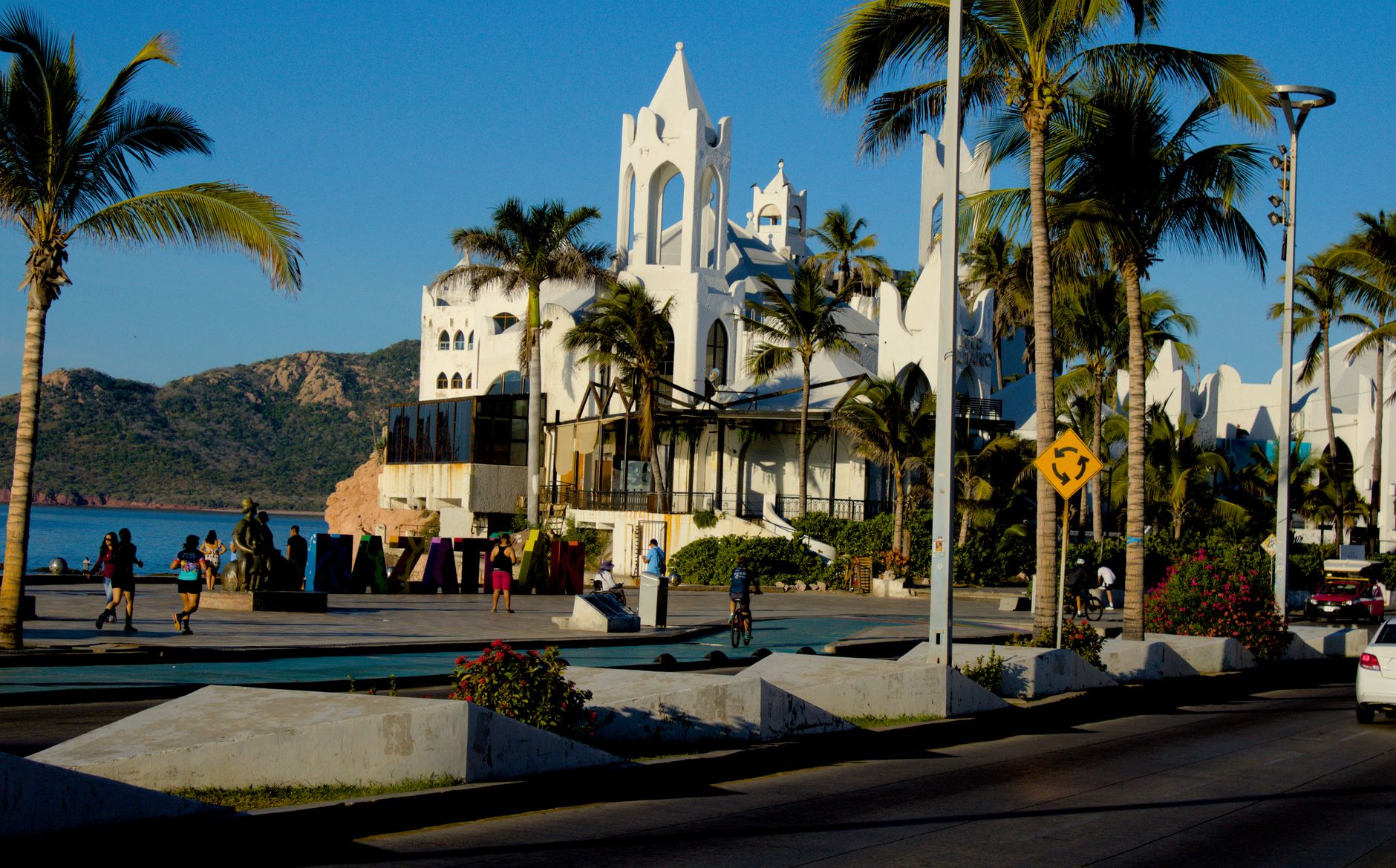
There is straightforward access to a very long seaside promenade—the Malecón—which is one of the longest in the world and makes walking between neighborhoods easy. The seafood scene reflects Sinaloa traditions: Mercado Pino Suárez and the fish stalls near Playa Norte serve aguachile and ceviche that differ from coastal restaurants elsewhere. Centro Histórico offers restored 19th-century buildings, the Teatro Ángela Peralta and small galleries in a compact area that comes alive at night. Short boat trips to Isla de la Piedra provide a rustic beach day with local eateries and horse rides without the long transfer times of some Pacific resorts.
Quick Planning Tips
Fly into General Rafael Buelna International (Sinaloa) or arrive by bus at the Central de Autobuses; taxis from the airport to Zona Dorada normally run MXN 300–450, while Uber/DiDi can be cheaper when allowed. Carry cash for markets and pulmonías; many small stalls do not take cards and ATMs charge fees—withdraw in larger amounts to avoid multiple fees. Avoid booking a resort-only stay if the goal is Centro Histórico; transit time between the Marina and Olas Altas can eat into short days. Pack light layers: evenings on the Malecón can be breezy even in warm months.

Day 1
Morning: Start in Centro Histórico at Plazuela Machado, arriving around 09:00 to see market stalls setting up and to visit Teatro Ángela Peralta. Spend 60–90 minutes exploring nearby streets (Calle Constitución and Avenida Ignacio Allende) and a small art stop at Museo de Arte de Mazatlán (MAZ), which is a 5–10 minute walk from the plaza.
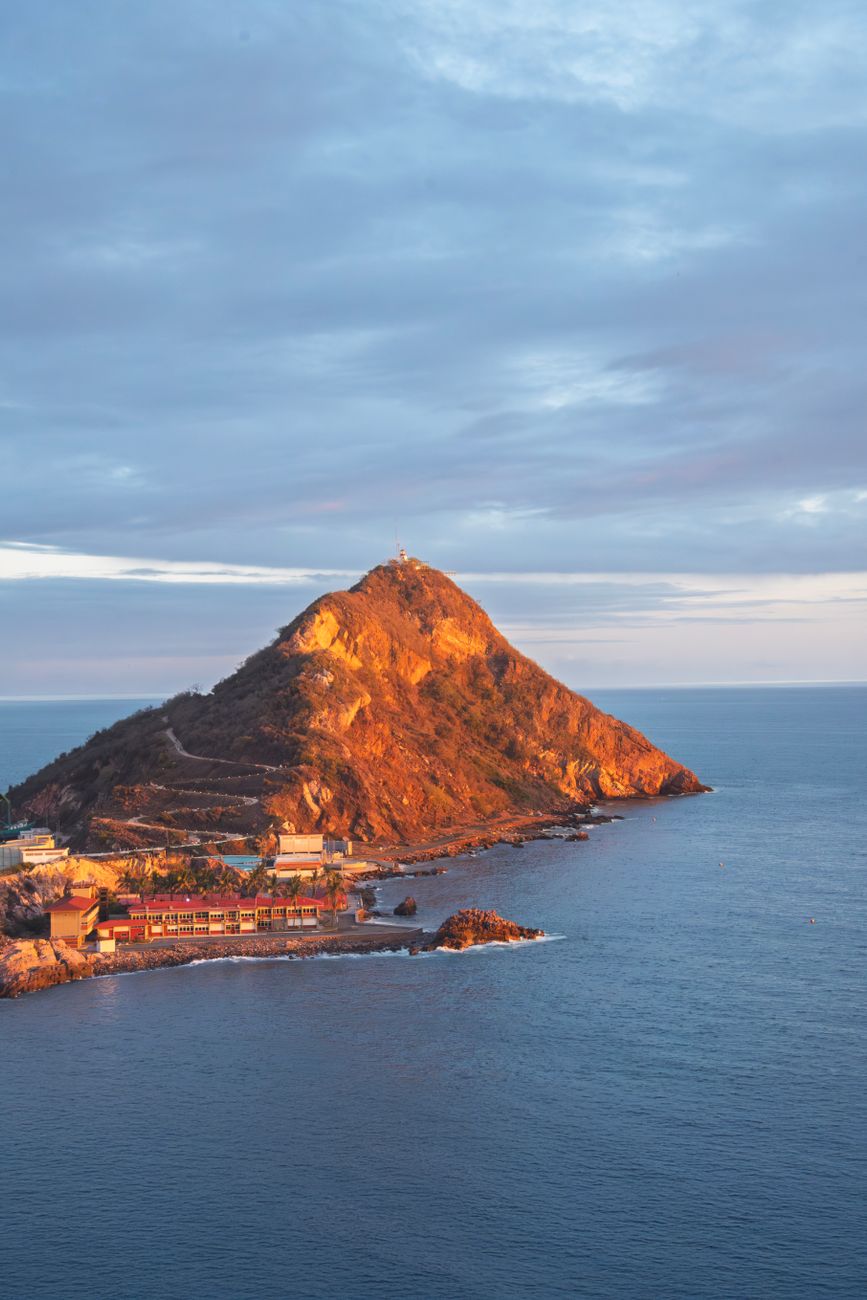
Late morning: Walk 12–20 minutes west along the Malecón to the Monumento al Pescador and continue toward El Faro. The hike to El Faro on Cerro del Crestón takes 30–45 minutes from the Malecón access stairs and rewards with panoramic views and photo opportunities (allow 90 minutes round trip).
Lunch: Return toward Olas Altas and eat at a seafood stand near Playa Olas Altas or pick a sit-down option on Calle Domingo Rubí; expect MXN 120–300 for a plated shrimp dish.
Afternoon: Walk the Malecón east for 20–30 minutes to the Aquarium (Acuario Mazatlán). Allocate 90 minutes for exhibits and the seal show.
Evening: Dinner back in Centro Histórico at a restaurant around Plazuela Machado. After dinner, enjoy live music at the plaza or a late stroll on the Malecón under night lights.
Day 2
Morning: Take a short pulmonía or taxi to Playa Norte or Playa Gaviotas in Zona Dorada for a beach walk and a panga departure to Isla de la Piedra. The boat ride is 15–30 minutes; coordinate return times with the local boatmen. Island vendors sell fried seafood and aguas frescas.
Lunch: On Isla de la Piedra, eat at a palapa restaurant—order pescado frito or camarones empanizados; prices usually MXN 160–300 per dish. Relax on the sand or rent a kayak for an hour.
Afternoon: Return to the mainland and visit Mercado Pino Suárez for fresh ceviche or aguachile tasting. It’s a 10–15 minute taxi from Zona Dorada and the market stays busy into late afternoon.
Late afternoon: Walk the eastern stretch of the Malecón toward Cerro del Vigía for sunset from the mirador; this is a 20–30 minute walk from Mercado Pino Suárez depending on where one disembarks.
Evening: Try a casual seafood cena at a family-run marisquería in Sábalo or the nearby marina area, then sample a michelada or local cerveza at a beachfront bar.

Day 3
Morning: Spend the morning in Centro Histórico visiting small museums and galleries; include the Museo Casa Haas (if open) and a quick guided tour or exterior visit to Teatro Ángela Peralta. Count on 2–3 hours to see a couple of sites and shop for local sweets or artisanal sinaloense items along Avenida Camarón Sábalo.
Late morning: Walk down to the Malecon for a final long stroll toward the Monumento al Pescador then stop for a late brunch at a café on Olas Altas.
Afternoon (departure day note): If checking out and catching an afternoon flight, store luggage at the hotel and take a short taxi (MXN 20–60 in city or MXN 300–450 from Zona Dorada to the airport). Allow at least 90 minutes for airport check-in on domestic flights; use the morning for a last market visit if time allows.
If staying later: Fit a short museum visit to MAZ or a late boat trip for sunset photography. End with a relaxed seafood dinner near the marina or Centro Histórico.
Best Local Experiences
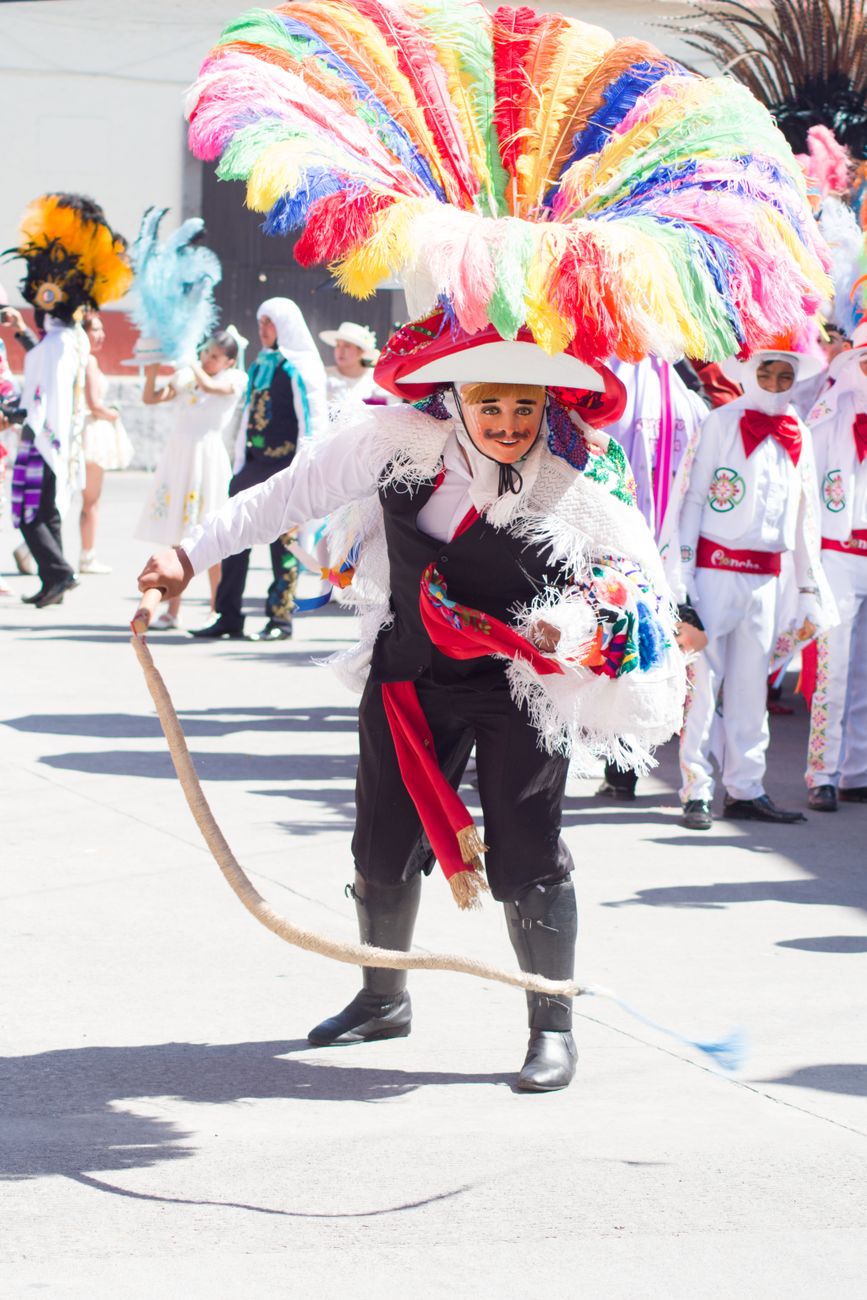
Carnaval de Mazatlán (late Feb–early Mar) is a local highlight with parades and comparsas; it’s noisy and crowded but the street atmosphere is unique. Early-morning visits to Mercado Pino Suárez show the catch arrivals and are the place to try raw ceviche and aguachile prepared to order. Walking long stretches of the Malecón between Olas Altas and the Marina captures different local rhythms—fishermen, joggers, street vendors and pulmonías. A panga trip to Isla de la Piedra delivers a rustic beach day with palapa restaurants and horseback rides along sandbars. Climb to El Faro at sunrise for a quieter view and fewer people; the trail is steep but short compared with multi-hour hikes elsewhere.
Where to Stay
Centro Histórico: Suits travelers who want nightlife, galleries and walking access to Teatro Ángela Peralta and Plazuela Machado. Expect boutique hotels and guesthouses from MXN 900–2,200 per night (≈USD 50–120 / EUR 45–105). Zona Dorada (Golden Zone): Best for beach time and big hotels near Playa Norte and the main tourist strip; good for families and beach-focused travelers. Typical nightly rates range MXN 1,200–3,500 (≈USD 65–195 / EUR 60–175) depending on season. Marina Mazatlán and Sábalo: Ideal for those wanting a quieter marina atmosphere, boat trips and newer developments; hotels and condos run MXN 1,000–2,800 per night (≈USD 55–155 / EUR 50–140).
Food and Drink
Aguachile: Sinaloa-style raw shrimp cured in lime with chile and cucumber. Find it at Mercado Pino Suárez or small marisquerías; a portion costs MXN 120–220. Ceviche de camarón: Cooked shrimp marinated with lime, onion and tomato; common at beach stalls—MXN 80–180 per serving. Chilpachole de camarón: A regional shrimp stew with tomato and achiote flavors; order at traditional restaurants in Centro Histórico for MXN 150–300. Pescado frito (fried whole fish): Typical on Isla de la Piedra and Playa Gaviotas palapas; expect MXN 160–350 depending on size. Tuba: a sweet local fermented coconut-palm drink sold by street vendors near the Malecón; small glass MXN 20–40. Breakfast option: chilaquiles with or without shrimp at local cafés around Plazuela Machado for MXN 70–150. For dinner, choose a family-run marisquería in Sábalo or Centro Histórico for fresh grilled shrimp or seafood platters—dinner for two often MXN 400–900.
Getting Around
Local transit includes town buses, pulmonías (open-air taxis), metered taxis, and app-based services like Uber and DiDi where available. Bus rides within the city are inexpensive—typically MXN 10–14 per trip—and routes cover most neighborhoods; exact route numbers vary by corridor and maps at bus stops help. Pulmonías are convenient for short Malecón hops and small groups; agree price in advance (MXN 30–60 short rides). Airport taxi to Zona Dorada usually MXN 300–450; Uber/DiDi can be cheaper but availability varies at the airport due to operations rules. Use Google Maps for basic routing and Moovit as a transit-app alternative for local bus schedules. For Isla de la Piedra, use pangas (shared boats) rather than formal ferries; costs around MXN 120–220 round trip.
Best Time to Visit
High season runs November through April when temperatures are pleasant (daily highs about 24–30°C and lows 18–22°C) and humidity is lower; this period sees the most visitors and higher hotel rates. Carnaval in late February or early March draws big crowds and higher prices. Shoulder months (May and October) can offer better hotel deals but expect hotter days—May averages 27–33°C—and the risk of early rains. Hurricane season runs June–November, with the highest storm risk and heavy rains typically July–September; sea conditions can close some beaches during storms. For best balance of weather and cost, aim for November–early December or late April–May.
Budget and Practical Tips
Daily budget estimates per person: Budget traveler: MXN 650–1,200 (≈USD 35–70 / EUR 30–60) including hostel or budget hotel MXN 300–600, food MXN 250–400, local transport MXN 50–120 and low entry fees. Mid-range: MXN 2,000–4,500 (≈USD 110–250 / EUR 95–225) covering a mid-range hotel MXN 1,000–2,500, meals MXN 500–900, transport MXN 150–300, and a couple of paid attractions. Expect Acuario entry around MXN 180–260, small museum fees MXN 30–70, and El Faro access usually a small voluntary fee MXN 20–50. Tipping: restaurants typically expect 10–15% if service is not included; rounding up small taxi fares is normal. Carry cash for markets and small vendors; use ATMs in Centro Histórico or major malls to avoid unreliable small machines near beaches.
FAQ
Is Mazatlán safe for tourists?
Most visits are trouble-free in common areas like the Malecón, Centro Histórico and Zona Dorada; exercise normal precautions after dark, avoid empty streets and watch your belongings in crowded markets.
How do I get from the airport to Zona Dorada?
Airport taxis charge about MXN 300–450; Uber or DiDi may be available and can be cheaper but check availability at the airport pickup area.
Are buses easy to use in town?
Yes—local buses run frequent routes with fares around MXN 10–14; use Moovit or Google Maps to find routes and stops.
Is a Mazatlán city card worth buying?
There is no widely used all-inclusive city card; buying tickets to major sites separately and saving on Acuario by buying online is the practical approach.
Can visitors swim at the main beaches?
Many beaches are swimmable but conditions change—observe flag warnings, lifeguard instructions and local advisories before entering the water.
Is Isla de la Piedra worth a visit on a short trip?
Yes for a rustic beach day without long transfers; plan half a day and confirm boat schedules to avoid waiting long for a return trip.
What is the tipping norm for marisquerías and beach vendors?
Leave 10–15% in restaurants; for small beach stalls a small coin or rounding up is appreciated.
Are credit cards widely accepted?
Cards are accepted at hotels, larger restaurants and shops in Centro Histórico and Zona Dorada, but markets and small vendors are cash-only.
Conclusion
A focused three-day visit will leave most travelers remembering long Malecón walks, fresh seafood, and the lively evening scene around Plazuela Machado. Time is best spent mixing Centro Histórico exploration with at least one ocean outing—to El Faro at sunrise or a panga to Isla de la Piedra—rather than trying to fit every beach into a tight schedule. If time becomes tight, prioritize a Centro Histórico evening and one morning or afternoon on the water; those two experiences capture the clearest contrasts this destination offers.
How this guide was prepared
This guide was prepared through a structured research that combines destination research, geographic context, itinerary planning logic, and content review.