

Santa Monica: Honest 3-Day Itinerary and Practical Tips
A no-nonsense 3-day Santa Monica guide covering transit, realistic budgets, beaches, museums, and where to eat, with timing and safety tips for planning.
Three days in Santa Monica offers a compact mix of beach time, coastal walks, local markets, and a few serious food stops. This guide prioritizes realistic timing, transit options.
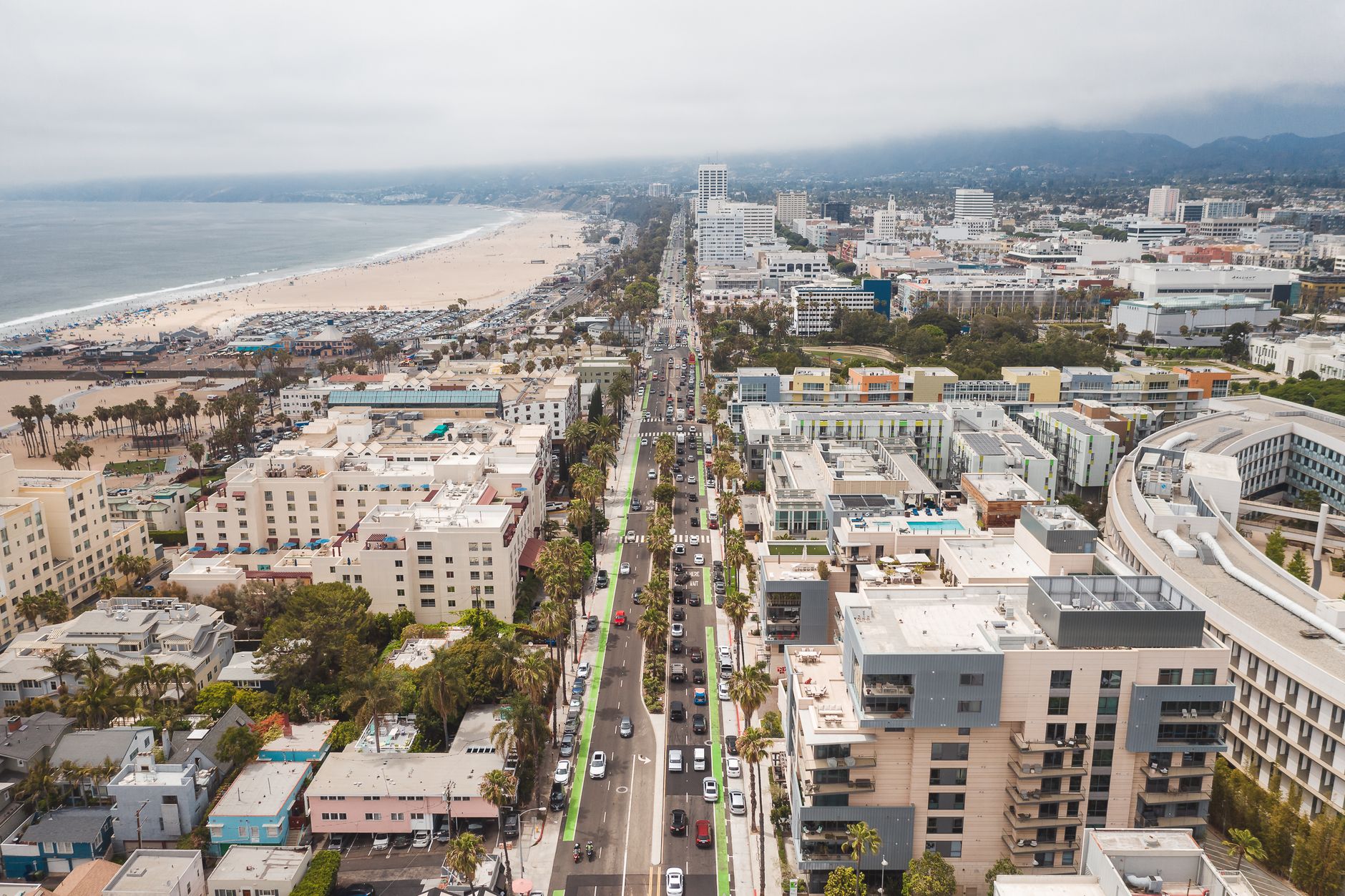
Expect a coastline-focused town with an easygoing daytime pace and noisy tourist pockets around the Pier and Promenade. The first impression is bright light, frequent cyclists, and a mix of beach recreation and retail; street-level activity drops after 9pm in most residential pockets.
Many guides suggest cramming Santa Monica and all of Los Angeles into one long day; that approach underestimates traffic, beach time, and the slow-moving crowd around the Pier. This plan separates the beachfront, a residential shopping strip, and a gallery/market day to avoid backtracking.
The place suits walkers who like flat terrain, bikers who want a long seaside path, and travelers who prefer short transit hops rather than long drives. Noise, tourist density, and parking costs are the realistic trade-offs for easy ocean access.
Is 3 days in Santa Monica enough?
Three days is enough to see the pier and oceanfront, a museum or two, a neighborhood stroll on Montana Avenue, and a bike ride to Venice. The honest caveat: exploring Los Angeles attractions beyond Santa Monica (Griffith Observatory, Hollywood, Getty Center) requires extra days or sacrifices.
Who This Guide Is For
Best for active travelers who prefer walking, short transit hops, and beach time; families and food-focused travelers will get a lot from this plan. Those wanting deep museum days or extensive Los Angeles sightseeing should add days.
Local Tips for Santa Monica
Practical details that most travel sites skip — specific to Santa Monica.
- The Metro E Line (Expo) terminates at Downtown Santa Monica station at Colorado Avenue; use a TAP card (buy at station) to ride from downtown LA for about $1.75 one-way.
- Big Blue Bus day pass costs around $5 and covers local routes inside Santa Monica; buy on the bus app or onboard (cash fares require exact change).
- Parking meters downtown and along Ocean Avenue typically run $3–6 per hour; expect higher event pricing and limited free street parking in most neighborhoods.
- Heal the Bay Aquarium, under the Pier, charges about $6–$10 for admission depending on age and time; check opening hours before planning a morning visit.
- Santa Monica Farmers' Market has large markets downtown (Wednesday and Saturday mornings on 3rd Street/Arizona) — Wednesday is frequented by restaurants and chefs, Saturday draws more locals.
How This Guide Was Prepared
This guide treats three days as a working vacation: manageable walking distances, transit realities, and where crowds permanently cluster. Many guides inflate how much can be seen; this one lays out realistic pacing, transport options, and which popular stops are actually worth the time. This guide was prepared through a structured research that combines destination research, geographic context, itinerary planning logic, and content review.
Plan Your Stay in Santa Monica
Use this itinerary as your starting point, then compare areas to stay, transport options, seasonal timing, and realistic daily costs before booking.
Why Visit
The seafront is the main draw: Santa Monica Pier offers a classic Ferris wheel, arcade, and close access to the Marvin Braude Bike Trail for long coastal rides. The Pier area combines public beach access with short walking links to Tongva Park and Palisades Park for oceanfront viewpoints.
Montana Avenue and Main Street provide a different rhythm — low-rise shops, independent coffee roasters, and calmer dining away from the Pier crowd. Bergamot Station Arts Center turns a rail yard into several contemporary galleries, making an afternoon easy for art-focused visitors.
Access to Venice and the longer Los Angeles area via the Metro E Line and Big Blue Bus is straightforward, letting travelers base here for a beach-focused stay while still visiting major LA sites on day trips.
Quick Planning Tips
Fly into LAX for the shortest ride into town; expect 20–40 minutes to the beach without heavy traffic. Use a rideshare or taxi for luggage-heavy arrivals; an Uber/Lyft to downtown Santa Monica typically runs $30–55 from LAX depending on demand.
Purchase a TAP card at Metro stations if planning any Metro rides; transfers between Metro and Big Blue Bus require the TAP or paying separate fares. Carry a reloadable card or use the TAP mobile app for convenience and to avoid multiple cash fares.
Avoid driving into the Pier/Promenade area during late afternoon on weekends; parking fills early and search times can add 15–30 minutes to short trips. Book accommodation early for summer months and check event calendars for concerts or triathlons that affect traffic and parking.

Day 1
Morning: Start at the Santa Monica Pier for the Ferris wheel, quick arcade stop, and photo ops with the ocean backdrop. Walk along the short wooden boardwalk then descend to the beach to stretch legs; expect 15–30 minutes at the Pier if just seeing the highlights.
Late morning: Walk west along Ocean Avenue into Palisades Park for cliffside views and public sculptures; the walk from the Pier to the north end of Palisades Park is roughly 10–15 minutes. From the park, continue north on Ocean to Annenberg Community Beach House for a look at the historic pool area and beachfront lawn (25 minutes on foot or 8–10 minutes by Big Blue Bus).
Lunch: Eat at The Misfit Restaurant + Bar near Third Street Promenade for reliable American food and a quick table turn; typical lunch plates run $14–25. After lunch, walk the Third Street Promenade for shops and street performers — Promenade to Santa Monica Place mall is a two-to-five minute walk.
Afternoon: Visit Santa Monica Place mall rooftop for a different ocean view or cross to Tongva Park for designed green space and playgrounds — both sites are within 5–10 minutes on foot of the Promenade. If museum time is preferred, schedule a short visit to the nearby Bergamot Station Arts Center by taking the Big Blue Bus or a quick rideshare; expect 20 minutes travel time.
Evening: Return to the Pier to catch sunset light from the western end of Palisades Park, then choose a dinner on Ocean Avenue or the Promenade. For a low-key ending, grab a bench on the beach or head to a rooftop with an ocean view to avoid the busiest restaurant lines.

Day 2
Morning: Head to Montana Avenue for a quieter, residential shopping strip with bakeries, coffee shops, and boutiques; start at 7th Street and walk west. A café breakfast at Huckleberry Bakery & Café or a Main Street Urth-style location is a good fuel stop; expect 10–20 minutes on foot between highlights.
Late morning: Take a short Big Blue Bus ride or a 10–15 minute drive to Bergamot Station Arts Center and spend a couple of hours in galleries. The cluster of contemporary spaces makes it possible to see varied work without long transit between stops.
Lunch: Drive or ride to Main Street and sample a local sandwich spot like Bay Cities (expect $12–20 for a large sandwich) or a fish-taco stand; both neighborhoods offer calmer dining than the Promenade. From Main Street, rent a bike for a coastal ride to Venice — the bike path starts near the Pier and follows the coastline all the way to Venice and beyond.
Afternoon: Bike the Marvin Braude Bike Trail toward Venice Boardwalk and return at a comfortable pace; a typical out-and-back ride to Venice and back takes 1.5–3 hours depending on stops. If tired of bikes, switch to the Big Blue Bus Rapid or a short rideshare between neighborhoods.
Evening: Dine on Main Street or return to the Promenade for choices; local taverns and small seafood restaurants fill up, so reserve on weekends. Consider an early evening walk along the bike path to watch cyclists and skateboarders as the light softens.
Day 3
Morning: Choose between a short hike at Will Rogers State Historic Park in Pacific Palisades or a calmer beach morning with a morning swim near Third Street Pier. Will Rogers Park is about 15–20 minutes by car from central streets; allow extra time for parking and check opening hours.
Late morning: Visit Heal the Bay Aquarium under the Pier for a focused 45–60 minute stop; admission runs around $6–$10 and is useful for families. From the aquarium, walk to the Pier boardwalk and then along the sand toward the Venice breakwater if time allows.
Lunch: Eat at a seafood spot near the water or grab a poke bowl from a takeout vendor for a quick meal; plan for 20–40 minutes for lunch depending on lines. After lunch, check out any open galleries at Bergamot Station if missed on Day 2 or visit local shops on Montana Avenue for last-minute purchases.
Afternoon: If catching an afternoon or evening flight, allow two hours to LAX plus extra for peak traffic; a taxi or rideshare to LAX from central streets typically takes 20–40 minutes depending on traffic and costs about $30–60. For a relaxed final hour, stroll Palisades Park or sit on the beach close to luggage storage spots to avoid carrying bags on the bike path.
Departure note: Confirm luggage storage with accommodation, or use an app-based locker near the Promenade to avoid hauling bags through busy streets.

Best Local Experiences
Bike the Marvin Braude Bike Trail from the Pier to Venice and on to Marina del Rey for long coastal views and active people-watching. Ride rentals are available near the Pier and on Main Street.
Visit the Santa Monica Farmers' Market (Wednesday and Saturday downtown) for produce, chef stalls, and ready-to-eat items; Wednesday draws more restaurant buyers, Saturday has a livelier local crowd. Time a market visit for mid-morning to avoid the earliest crowds.
Spend time at Bergamot Station Arts Center to see multiple galleries in one stop, with changing exhibitions and occasional artist talks. Check gallery hours before visiting, as many spaces close early on Mondays.
Try a surf lesson or sign up for a group class at a beachfront surf school near the Pier for a practical introduction to the water. Reserve lessons in advance in summer when demand is high.
Catch a film or community event at the Santa Monica Pier or Palisades Park during summer; free outdoor screenings and concerts happen regularly and require early arrival for good spots.
Where to Stay
Downtown/Pier area: Suited to first-time visitors who want immediate ocean access and walking convenience to the Promenade. Expect nightly rates from about $200–450 USD (€180–410) in summer for mid-range to upscale hotels, with cheaper deals in shoulder seasons.
Montana Avenue/Main Street: Suited to travelers who prefer calmer evenings, independent boutiques, and neighborhood cafés. This area has smaller boutique hotels and rentals; typical nightly rates run $150–300 USD (€135–275) depending on season and proximity to the beach.
West of the Pier (North Santa Monica/Palisades border): Suited to those who want quieter residential streets and cliff-top outlooks at Palisades Park. Options range from B&Bs to higher-end hotels; prices commonly fall between $180–350 USD (€160–320) per night.
Booking note: Summer and long weekends fill early; midweek stays outside July/August often offer the best value. Consider accommodation with on-site or nearby parking if planning to rent a car.
Food and Drink
Breakfast: Huckleberry Bakery & Café (artisan pastries and seasonal dishes) or a Main Street café for a substantial breakfast and good coffee; expect $10–18 per person. Both serve bagels, egg dishes, and takeout pastries.
Street food: Fish tacos and shrimp tacos from a promenade or Main Street vendor provide quick, affordable beach fuel; typical price $5–12 per taco or combo. Poke bowls are also common takeaway options near the Promenade.
Lunch sandwich: Bay Cities Italian Deli is famous for the Godmother sandwich — large and shareable, expect $15–22 depending on size. Order to go and eat on the beach or in Tongva Park.
Dinner: Blue Plate Taco or similar oceanfront seafood restaurants serve California-style coastal plates; expect $18–35 for mains and higher for cocktails. Reservations recommended on weekend nights.
Local drink: Cold-pressed juices and acai bowls are widely available along Main Street and Montana Avenue, often $8–12. For evening drinks, rooftop bars on Ocean Avenue and craft cocktail bars on Main Street provide different vibes; plan $10–18 per cocktail.
Getting Around
Metro E Line (Expo) connects downtown Los Angeles to Downtown Santa Monica station at Colorado Avenue; TAP cards are needed for Metro fares and can be bought/loaded at stations. Big Blue Bus operates local routes across the city; check the Big Blue Bus app or website for route maps and real-time arrivals.
Expect a Metro one-way fare around $1.75 and consider a TAP day pass or reloadable card if using multiple modes; Big Blue Bus day passes cost about $5. Local trips between downtown, the Pier, and Montana Avenue are often faster on foot or by bike than by car during peak hours.
Rideshare and taxis are widely available; typical Uber/Lyft from LAX to central streets runs $30–55 depending on demand. Parking garages charge hourly rates in downtown areas; when driving, plan for $3–6 per hour in many lots and higher on event days.
Best Time to Visit
Late spring (May–June) and early fall (September–October) offer the best balance of mild temperatures and lower summer crowds; expect daytime highs of about 65–75°F (18–24°C). Water is cooler year-round; swimmers often prefer summer for warmest sea temperatures.
Peak summer (July–August) has the warmest water and the heaviest crowds, higher prices, and fuller restaurants; book ahead and expect busy parking lots. Winter months are quieter with cooler afternoons around 55–65°F (12–18°C); some services reduce hours but hotel prices often drop.
Value months: March–May and September–November usually provide lower rates on hotels and fewer crowds while keeping workable weather for walks and outdoor dining.
Budget and Practical Tips
Daily budget estimate (mid-range traveler): Accommodation $150–300 USD (€135–275), food $40–90 USD (€36–82), transport $5–15 USD (€5–14), entry fees $5–25 USD (€5–23). A realistic mid-range daily total is $200–430 USD (€180–395) depending on season and dining choices.
Tipping norms: Typical restaurant tipping is 15–20% before tax for sit-down meals; tip a few dollars for bar service and $1–2 per bag for bellhop or porter. Rideshares and taxis are commonly tipped 10–15% for good service.
Money and payments: Credit and debit cards are widely accepted; carry small bills for beach vendors and bus exact change. For transit, load a TAP card at a Metro station or use the TAP app to avoid onboard cash fares.
FAQ
How safe is Santa Monica at night?
Central areas like the Pier and Promenade are busy at night but remain active; use normal precautions, avoid poorly lit side streets late at night, and keep valuables secure.
Is three days enough to see Venice and Malibu too?
Three days allows a short Venice visit by bike or bus but not a full Malibu day; plan Malibu as a separate day trip because of drive times and parking.
Is a city card or pass worth buying?
No unified Santa Monica city card exists; buy individual tickets for attractions and consider a Big Blue Bus day pass if making multiple local rides in one day.
What transit apps should be used?
Use the Metro TAP app for TAP card management and the Big Blue Bus app or Google Maps for local schedules and real-time arrivals.
Can the Metro E Line be used from LAX?
There is no direct rail from LAX to the E Line; take a shuttle or rideshare to the nearest Metro station or use the FlyAway bus to Union Station then transfer if needed.
Are there wheelchair-accessible routes and beaches?
Many main sidewalks, the Pier, and public buildings have ramps; beach wheelchair mats and accessible chairs are available seasonally—check venues for current availability.
What about parking costs and enforcement?
Meters and lots are enforced daily in central areas; expect hourly fees and special pricing for events. Read posted signs to avoid tickets.
Conclusion
Three days provides a focused view: oceanfront time, a neighborhood stroll on Montana or Main Street, and at least one cultural stop without feeling rushed. The memory that lasts is usually the ocean light and a long bike ride along the coast, so prioritize a coastal bike or long walk if time becomes tight.
If forced to cut something, skip multiple indoor museums in favor of one focused visit and more time outside — the coastline experience is the reason most travelers come and is easiest to enjoy without extra time spent commuting.
How this guide was prepared
This guide was prepared through a structured research that combines destination research, geographic context, itinerary planning logic, and content review.