
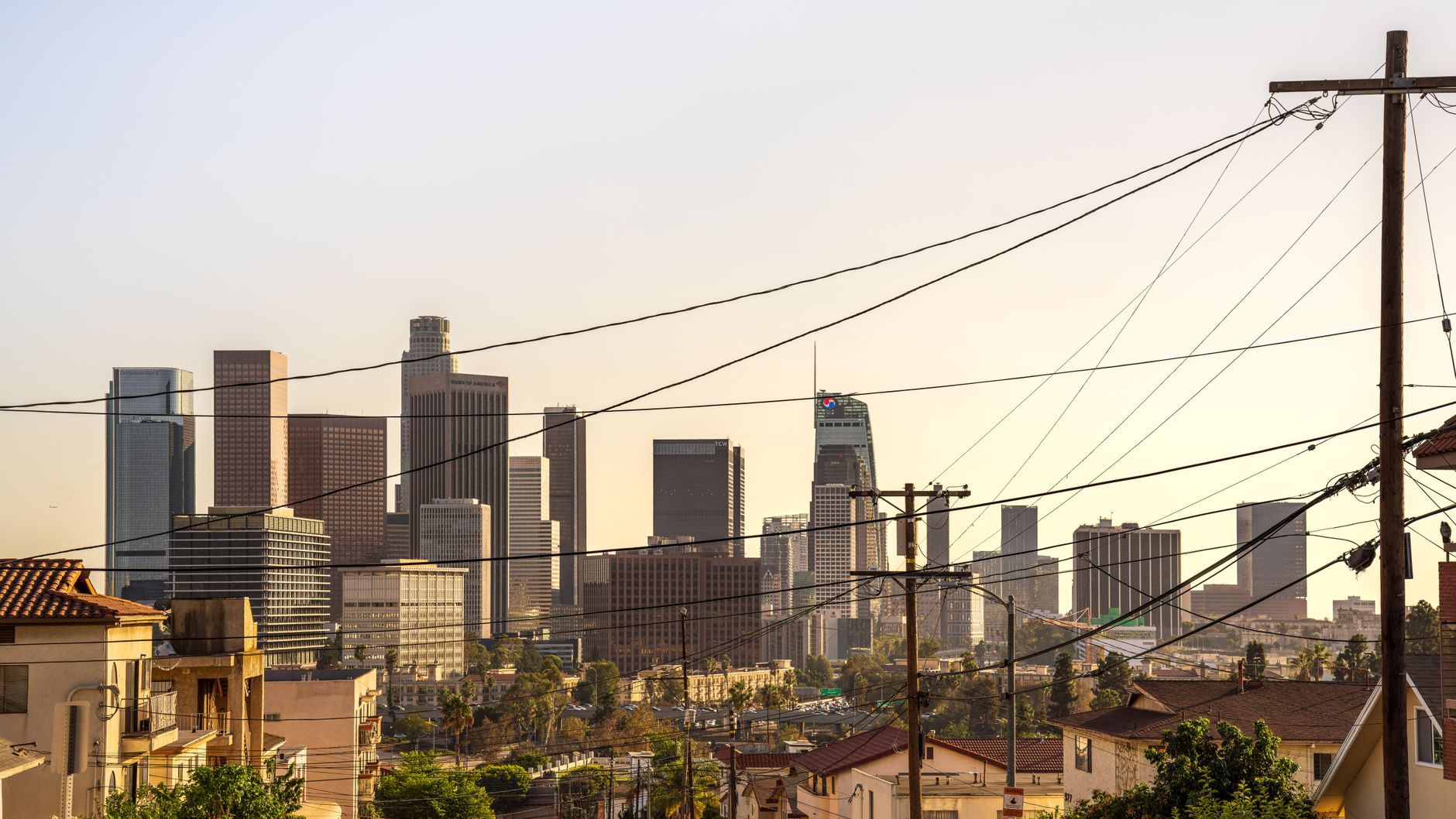
3-Day Los Angeles Itinerary: Practical Plan for a Busy Weekend
A clear, realistic 3-day Los Angeles plan with transit tips, neighbourhood routes, costs and what to skip if time is tight.
A no-nonsense 72-hour plan that balances downtown museums, the Getty and a beach day, with realistic transit times, costs and evening options.
Arrival often feels fragmented: long drives, pockets of dense culture and sudden wide-open sky. The pace changes block to block — a quiet museum garden can sit a 25-minute driveshare from a noisy tourist strip.
Expect heat in summer inland and regular traffic delays on I-405 and US-101 during rush hours. Travelers who picture a compact European-style centre will be disappointed; this plan treats each neighbourhood as its own destination and schedules realistic travel time.
This city suits travellers who accept some transit or rideshare costs in exchange for varied experiences: a morning museum, an afternoon beach, and a neighbourhood walk in the evening. Budget travellers can manage with Metro and bus, while others should budget for parking and rideshares to save time.
Is 3 days in Los Angeles enough?
Three days is enough to sample downtown museums, a major Westside museum (the Getty), and one beach neighbourhood (Santa Monica or Venice). One honest caveat: a studio lot visit plus a full-theme-park day is not realistic in the same 72 hours unless skipping several museum or neighbourhood stops.
Who This Guide Is For
Best for first-time visitors who want a mix of culture, coast and neighbourhood life and who are comfortable using rideshare or Metro. Not ideal for travellers wanting to cram theme parks, multiple studio tours and long hikes into a single long weekend.
Local Tips for Los Angeles
Practical details that most travel sites skip — specific to Los Angeles.
- Buy a TAP card at any Metro vending machine or online (card costs $2) and load stored value; single Metro Rail/bus ride is $1.75 as of 2024 and transfers are time-limited — tap every boarding.
- The Broad offers a free timed-entry ticket online, but there is a standby line; book ahead for weekend mid-day slots or expect to wait at least 60–90 minutes.
- Getty Center admission is free but parking is charged (around $20 per car); budgeting for the tram and parking fee avoids surprise costs.
- FlyAway bus from LAX to Union Station costs about $9.75 one-way and avoids airport taxi surcharges; Blue Line/A Line connection from downtown to Long Beach is useful if continuing south.
- Saturday Santa Monica Farmers Market on Arizona Ave (7:00–11:30) is busiest 8:30–10:30; arrive before 9:00 for stall variety and street parking near 3rd Street Promenade.
How This Guide Was Prepared
This guide treats Los Angeles as a city of distinct neighbourhoods rather than a single walkable centre. Most guides overpack itineraries without accounting for traffic, parking and timed museum tickets; this plan lays out routes that actually fit into three days and calls out the real trade-offs. This guide was prepared through a structured research that combines destination research, geographic context, itinerary planning logic, and content review.
Plan Your Stay in Los Angeles
Use this itinerary as your starting point, then compare areas to stay, transport options, seasonal timing, and realistic daily costs before booking.
Why Visit
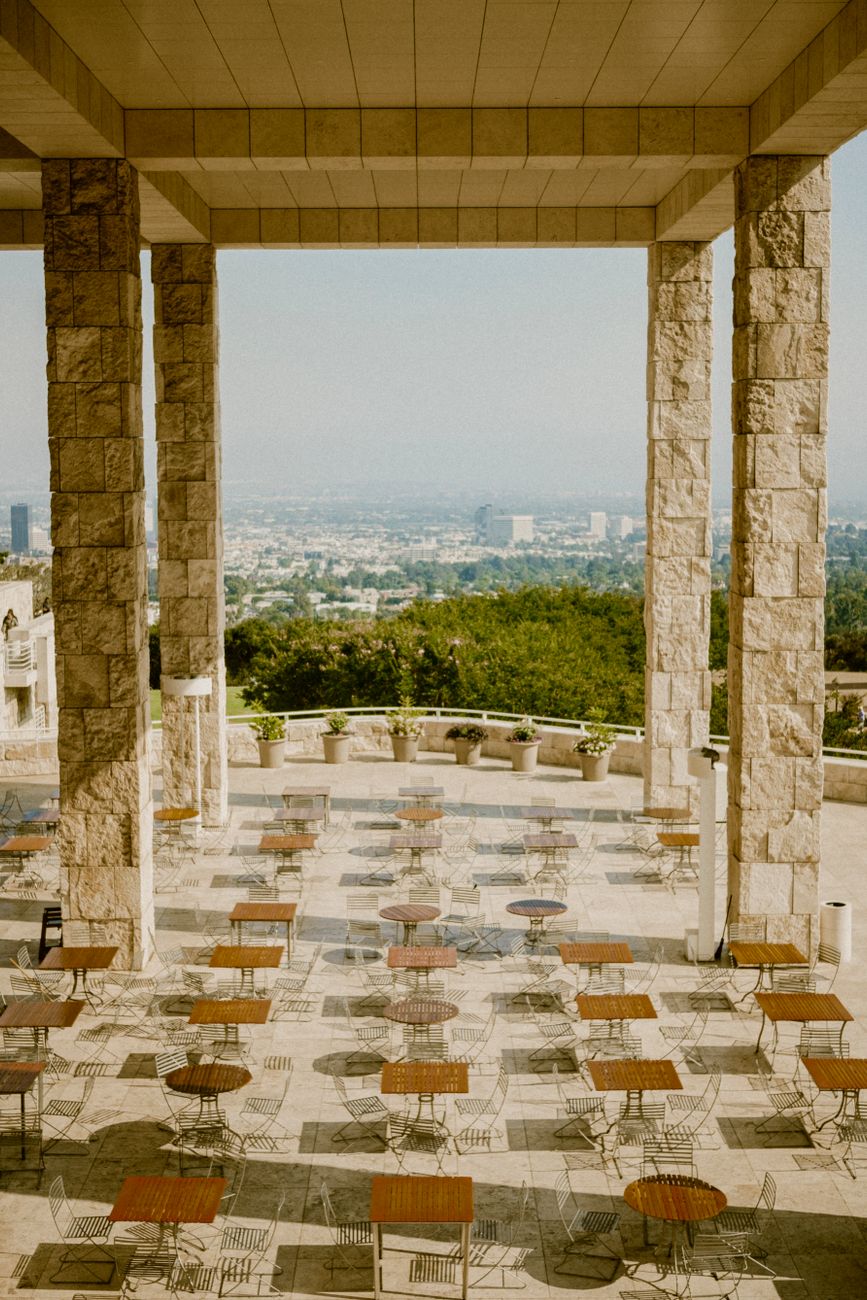
The museum density is unusual: The Broad offers contemporary art with free timed entry, LACMA holds a wide collection on Wilshire, and the Getty Center combines architecture, gardens and Pacific views. Spending a morning at one of these delivers a concentrated cultural experience.
The coastline offers a quick contrast — Santa Monica Pier and Venice Boardwalk provide a public beachfront scene within an hour of most central hotels. A single afternoon on the Promenade or Abbot Kinney shows local food stalls, street performers and surf culture.
Neighborhood character varies sharply. DTLA offers restored railroad-era buildings, Union Station concourse and a growing food scene at Grand Central Market. Stretching to West Hollywood, Sunset Strip and Beverly Hills opens fashion, nightlife and higher-end restaurants.
Practical advantages include multiple airport transfer options, plentiful rideshare service and a growing network of protected bike lanes along parts of the beach.
Quick Planning Tips
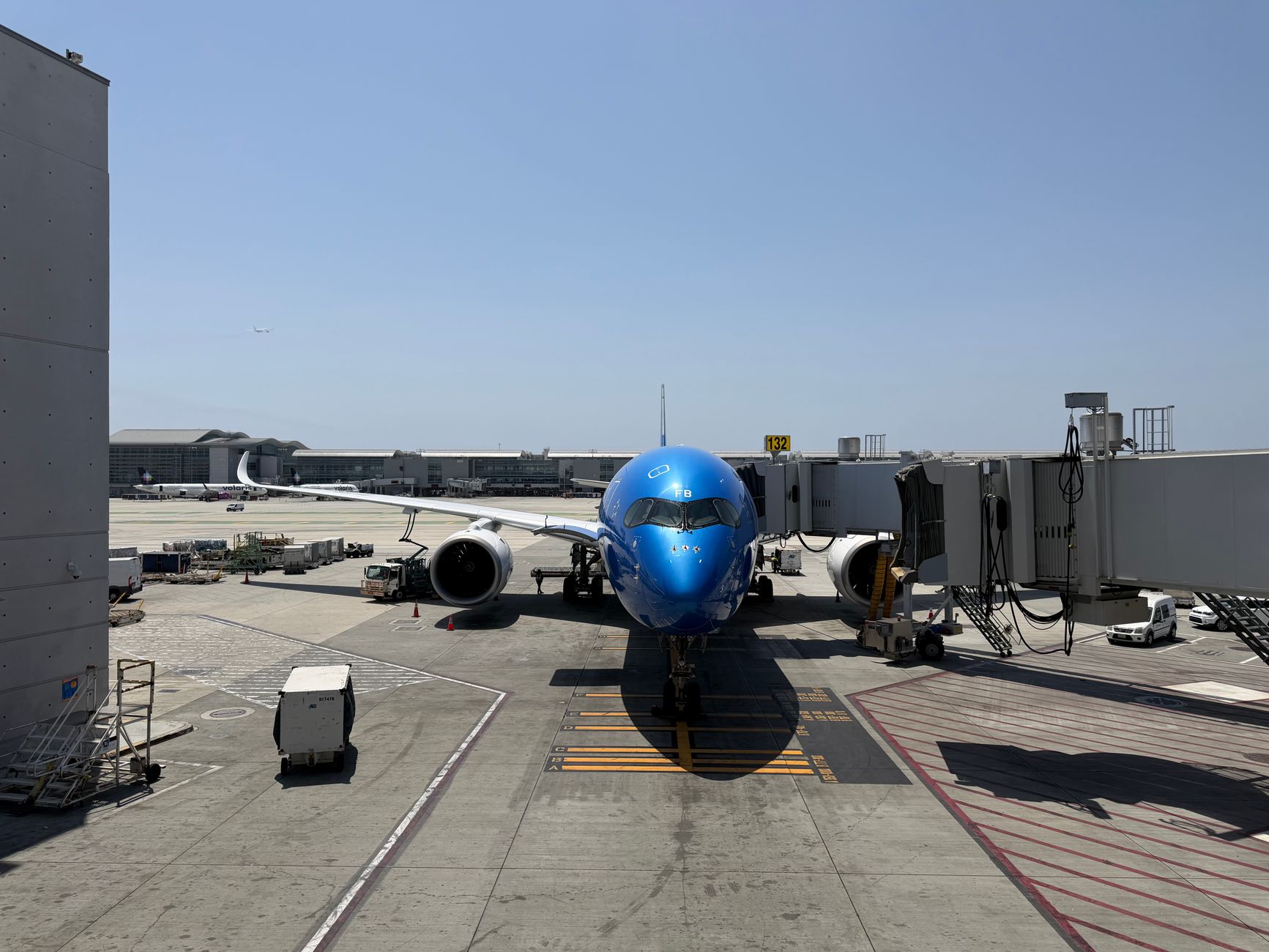
From LAX the cheapest reliable option to downtown is the FlyAway bus to Union Station (about $9.75 one-way) or rideshare (often $35–60 to central areas depending on traffic). If staying near Santa Monica, expect rideshare fares to be higher and plan extra time.
Carry a TAP card for Metro and buses; vending machines at stations accept cards and cash. Credit cards are widely accepted but small vendors and street food sometimes prefer cash.
Avoid packing too many distant stops into one day — a Wilshire museum and a beach trip in the same mid-day can consume most of the afternoon because of traffic and parking. Book timed museum entries and Getty parking in advance when possible.
Day 1
Start at Union Station to feel the city’s transit hub and grab coffee at Coffee Commissary inside or nearby. Walk 5–10 minutes to Olvera Street for a short visit to El Pueblo de Los Angeles Historic Monument and a quick taste of street food from family-run vendors.
From Union Station take the Metro B Line one stop or a 15–20 minute walk to Walt Disney Concert Hall and stroll around the exterior architecture; The Broad sits across Grand Avenue and requires a free timed ticket for guaranteed entry (allow 1–1.5 hours). Lunch at Grand Central Market (2–5 minutes on foot) offers multiple counters — try Eggslut or Tacos Tumbras a Tomas; expect to wait 10–30 minutes at peak.
Afternoon: ride-share or Metro to the Arts District (about 10–20 minutes) to see street murals, breweries and small galleries. Walk between eighth and third streets for breweries and coffee; bring water and sunscreen.
Evening recommendation: return to Bunker Hill and book a rooftop dinner or cocktails at Perch for a city view or catch a performance at Walt Disney Concert Hall. Expect taxi or rideshare to cost $10–25 depending on distance.

Day 2
Devote this day to the Westside and the Getty Center. Start at the Getty Center in Brentwood; allow 2–3 hours for galleries, gardens and the hilltop views. Note that admission is free but parking is charged (around $20), and the tram from the parking lot takes 5–10 minutes.
After the Getty, head to Santa Monica via a 20–40 minute rideshare depending on traffic or by arranging a transfer through Wilshire and the Metro E/A lines. On arrival, walk the Third Street Promenade for shops and street performers, then eat lunch near Ocean Avenue — boxed poke or fish tacos are common and often $12–18 per plate.
Afternoon: stroll the Santa Monica Pier and rent a bike on Ocean Front Walk to cruise toward Venice (allow 25–40 minutes cycling). In Venice, explore Abbot Kinney Boulevard for boutique shops and coffee; expect heavier pedestrian traffic late afternoon.
Evening: dine on Abbot Kinney (try Gjelina for seasonal plates, reservations advised) or return to Santa Monica for a sunset on the pier. Parking in Santa Monica can cost $2–6 per hour in lots and metered areas.

Day 3
Start with a morning viewpoints option: hike a short section in Griffith Park (Ferndell or the Mt. Hollywood Trail) to see the Hollywood Sign and city views; parking at Griffith Observatory is limited so arrive early. Allow 1.5–2.5 hours for a short hike and observatory visit.
After descending, drive or take a 20–30 minute rideshare to the Hollywood Walk of Fame and TCL Chinese Theatre for a quick stroll; this area is tourist-dense, so keep expectations modest. Lunch options include Musso & Frank Grill or casual spots on Hollywood Boulevard.
Afternoon: choose between a studio tour in Burbank (Warner Bros. Studio Tour runs about 2–3 hours and requires advance booking) or visiting the La Brea Tar Pits and LACMA on Wilshire for the fossil displays and museum collections. Transit between Hollywood and Wilshire is 25–45 minutes by car.
Practical note for afternoon flights: if catching an evening flight from LAX, leave inner-city hotels at least 2–2.5 hours before recommended airline check-in (longer during evening rush); factor 45–75 minutes travel time to the airport plus security queues.

Best Local Experiences
Grand Central Market (DTLA) for breakfast and lunch counters, with vendors like Eggslut and Sarita’s Pupuseria. Plan mornings here for shorter lines.
Santa Monica Farmers Market (Arizona Ave, Saturday) for local produce and prepared foods; best before 9:30 a.m. for full stall selection.
A Dodgers game at Dodger Stadium or a LAFC/LA Galaxy match provides a local sports atmosphere — check schedules and buy tickets early as evening matches can sell out.
CicLAvia is a city event that closes streets to cars across different corridors; check dates if visiting on a weekend and it can change travel plans and offer a unique local experience.
Koreatown late-night dining and Korean spas (for example Wi Spa or Olympic Spa) offer 24-hour options and late meals; expect small group fees and gender-separated spa areas.
The monthly Melrose Trading Post (Sunday flea market at Fairfax High) and the Original Farmers Market at Fairfax for specialty grocers and prepared foods.

Where to Stay
Downtown (DTLA): suits sightseers who prioritise museums and restaurants near Grand Avenue and the Financial District. Close to Union Station and Metro access. Mid-range hotels typically run $150–$300 per night (about €140–€275 / $150–$300 USD). Parking can be an extra $25–50 per night.
Hollywood: suits travellers who want proximity to Walk of Fame, nearby nightlife and quick access to studio tours. Expect $120–$220 per night (about €110–€200 / $120–$220 USD). Streets and lots near Hollywood Boulevard can be noisy on weekends.
Santa Monica / Venice: suits beach-focused travellers wanting easy access to the ocean, bike rentals and evening dining on Abbot Kinney. Typical nightly rates are $200–$350 (about €185–€325 / $200–$350 USD). Parking fees are higher here and spots fill early in summer.
Food and Drink
Breakfast option: Eggslut at Grand Central Market — a coddled egg sandwich or Fairfax sandwich runs about $8–$12 and is a reliable quick breakfast.
Street food: al pastor tacos from a known truck or stall (expect $3–$4 per taco); notable spots include Guisados or small family taco trucks near Echo Park and Boyle Heights.
Dinner recommendation: Gjelina on Abbot Kinney for seasonal Californian plates (dinner for two without wine commonly $80–$140). Reservations recommended for evening service.
Other dishes and where to find them: French dip sandwich at Philippe the Original (downtown) about $12–$18; Korean fried chicken or BBQ in Koreatown (Kang Ho-dong Baekjeong or Hae Jang Chon) mains $15–$30; Mexican mole at Guelaguetza in Koreatown around $15–$25.
Drinks: try a local craft IPA at breweries in the Arts District (pints $7–$9) or a classic In-N-Out Double-Double (cashless in most locations now) for a quick $4–$6 bite.
Getting Around
Metro Rail includes heavy-rail B Line and D Line, and light-rail A Line and E Line on major corridors; Metro buses and DASH cover local short hops. Buy and tap a TAP card at station vending machines (card costs $2). Single rides are $1.75 (as of 2024) and a day pass runs about $7; check la metro for current fares.
Rideshare services (Uber/Lyft) are plentiful and often the fastest door-to-door option outside peak-hour congestion. FlyAway bus runs between LAX and Union Station for about $9.75 one-way and is a reliable transfer to central transit.
Apps: use the official LA Metro app or Transit for real-time schedules and delays, and Google Maps for trip planning. Taxi fares from LAX to central areas typically start around $45–$70 depending on destination and tolls.
Best Time to Visit
Spring (April–May): mild temperatures 55–75°F (13–24°C), lower humidity and fewer summer tourists; a good value window before peak rates.
Summer (June–August): temperatures often 65–85°F (18–30°C) near the coast but can exceed 90°F (32°C) inland. Expect beach and tourist crowds, higher hotel rates and June Gloom foggy mornings along the coast.
Fall (September–November): often the best weather with warm, clear days 60–85°F (16–29°C) and fewer crowds after Labor Day. Hotel rates typically drop after mid-September.
Winter (December–February): coolest months with 50–65°F (10–18°C) and occasional rain. Lower hotel prices but check schedules for holiday closures or reduced hours at some attractions.
Budget and Practical Tips
Sample daily budget (per person): Budget traveller: accommodation $80–120, food $30–50, transport $8–15, entries $10–25; total $130–210 (approx €120–195). Mid-range traveller: accommodation $150–300, food $50–100, transport $15–30, entries $20–50; total $235–480 (approx €215–440). Luxury travellers should double the mid-range figures.
Many museum entry fees range from $15–30 (Petersen, LACMA special exhibitions), while The Broad offers free timed entry. Parking is a frequent extra cost: expect $10–35 per day at museums and beaches.
Tipping norms: 15–20% in restaurants before tax, $1–2 per bag for bellhops, and rounding up or $1–3 for coffee shop baristas is common. Sales tax adds roughly 9–10% depending on the city and must be checked at point of sale.
FAQ
Is Los Angeles safe for tourists?
Many central tourist areas are generally safe in daytime, but petty theft and vehicle break-ins are common; avoid leaving bags or electronics visible in parked cars and be cautious in poorly lit areas at night.
What is the best way to get from LAX to downtown?
FlyAway bus to Union Station is cheapest and avoids surge pricing (about $9.75); rideshare is door-to-door and often $35–60 depending on traffic.
Is the Metro useful for tourists?
Yes for downtown, Wilshire, and some Westside connections — use the TAP card and check line maps; Metro is slower to the beaches and less frequent late at night.
Are city passes worth buying?
A general attraction pass saves money only if planning several paid sites in a single day; Timed-entry free attractions like The Broad and Getty reduce the need for a pass.
Can one visit Universal Studios in a single day on a 3-day trip?
Yes but it requires a full day; choosing Universal means dropping another major museum or beach visit from the itinerary.
How long should I plan for airport transfers during rush hour?
Plan 60–90 minutes from central areas during weekday rush hours and 45–60 minutes off-peak; always add extra time for evening flights.
Conclusion
Three days allows a balanced sample: one day in downtown museums and markets, one day for Getty and the beach, and one day for Hollywood or a studio tour. Expect time spent in transit; scheduling fewer destinations per day yields a better experience than trying to see everything.
If time is tight, prioritize one museum (The Broad or Getty) and one neighbourhood (Santa Monica or Griffith/Observatory). Those two choices give a clear sense of both the inland culture and the coastal lifestyle most visitors remember.
How this guide was prepared
This guide was prepared through a structured research that combines destination research, geographic context, itinerary planning logic, and content review.