
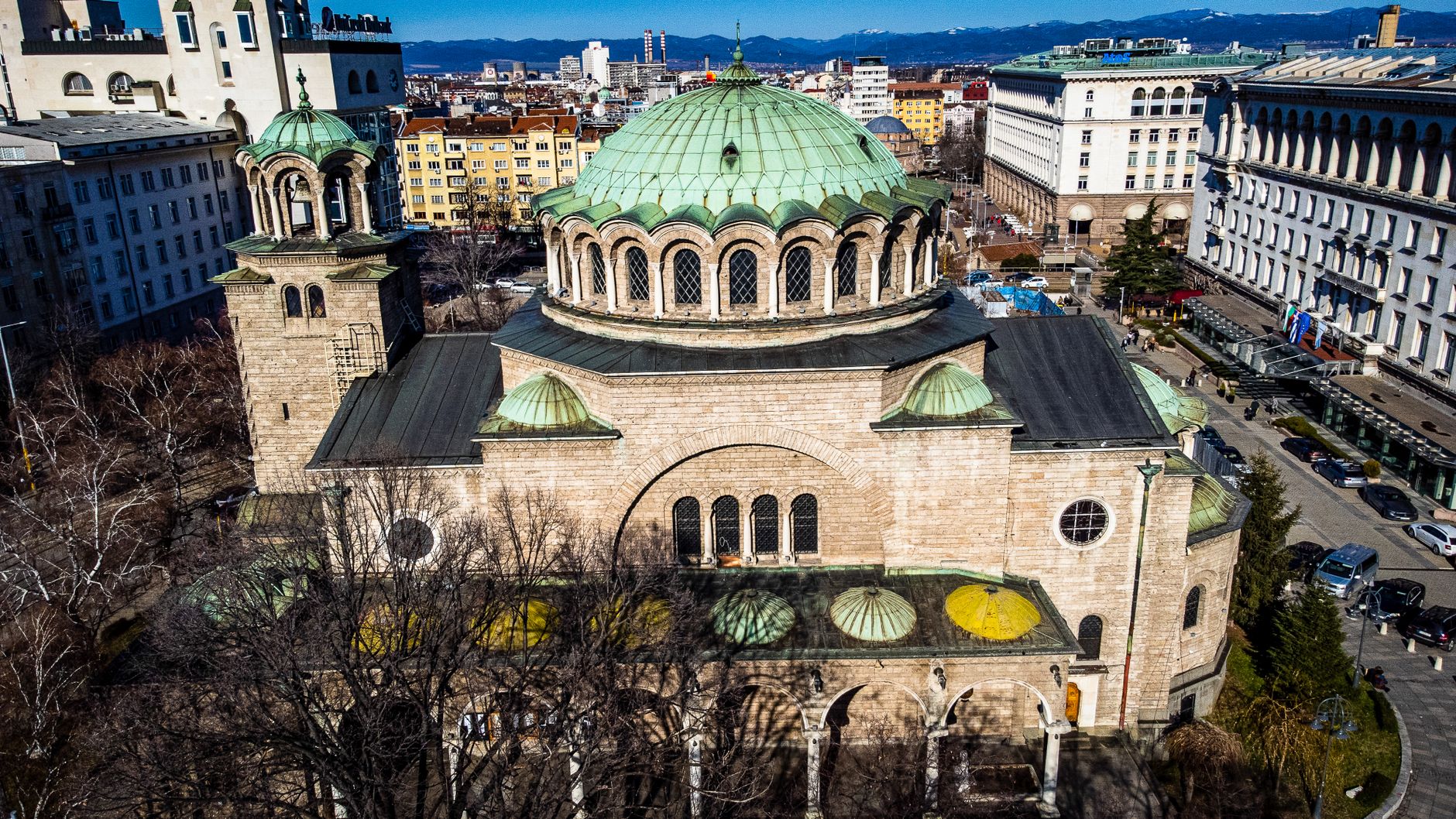
Sofia in 3 Days: Practical Weekend Itinerary and Tips
A practical 3-day Sofia itinerary covering central museums, Vitosha, markets, transport tips, realistic costs, and safety cautions.
A no-nonsense, walkable 3-day plan that balances museums, a mountain half-day, neighbourhood food, and realistic transport advice for a short stay in Sofia.
First impressions are concrete Soviet-era blocks, wide boulevards, and a surprisingly active street café culture. The centre around Serdika and Vitosha Boulevard is compact enough to explore on foot with short tram or metro hops to scatter sites. Noise and construction are frequent near major junctions; expect trams, buses and midday delivery trucks in key streets.
The city mixes Orthodox churches, Ottoman-era mosques, communist-era apartment blocks and leafy parks inside one compact centre. That mixture makes navigation a little jarring: a gold-domed cathedral can sit a 10-minute walk from a plain socialist square. This suits travellers who enjoy architectural contrasts, short museum visits, and a quick mountain outing rather than slow, luxury travel.
Is 3 days in Sofia enough?
Yes — three days are enough to see Sofia's core museums, main sights like Alexander Nevsky, plus a half-day on Vitosha and a neighbourhood food crawl. The caveat: deeper museum exploration (full National Archaeological Museum, National Gallery collections) and day trips to Plovdiv or the Black Sea will need extra days.
Who This Guide Is For
Best for urban explorers who like compact museums, public transport, and a mountain walk; less suitable for travellers who want a slow-paced luxury break or a dive into Bulgaria's Black Sea resorts on the same trip.
Local Tips for Sofia
Practical details that most travel sites skip — specific to Sofia.
- Buy single tickets at metro stations or kiosks for 1.60 BGN; validate on entry—inspectors fine riders without a validated ticket.
- The 24-hour transport card (around 4.00 BGN) covers unlimited buses, trams and metro and pays off after a few journeys; buy it from red ticket machines marked 'БИЛЕТИ'.
- Central Market Hall (Tsentralni Hali) closes Sundays and is busiest 10:00–14:00; the indoor food stalls are best early afternoon for ready-to-eat shops.
- Take bus 84 from Terminal 2 to Serdika metro station for around 1.60 BGN; it is usually faster than queues for taxis during peak arrivals.
- The Sofia Pass or private museum combo tickets occasionally cover Boyana Church and the National History Museum—check official museum sites for current combined offers.
How This Guide Was Prepared
Three days reveal Sofia's mix of austere postwar architecture, lively kafene and backstreet markets, and an easy escape to Vitosha. Most guides overfocus on the cathedral and miss how transit, local markets and a half-day on Vitosha shape a realistic short stay. This guide was prepared through a structured research that combines destination research, geographic context, itinerary planning logic, and content review.
Plan Your Stay in Sofia
Use this itinerary as your starting point, then compare areas to stay, transport options, seasonal timing, and realistic daily costs before booking.
Why Visit
There are clear reasons to spend three days here. First, museums like the National Archaeological Museum and the National Gallery offer concentrated collections in a compact area that can be sampled efficiently. Second, Vitosha Mountain sits minutes from the city edge and allows a half-day hike or cable-car ride without committing to a long day trip.
Third, markets and neighbourhood kafene provide affordable, local food experiences—from the Central Market Hall stalls to halal cooks near Banya Bashi Mosque. Fourth, the transport network of trams, buses and metro lines M1, M2 and M3 makes short transfers fast and cheap compared with many European capitals.
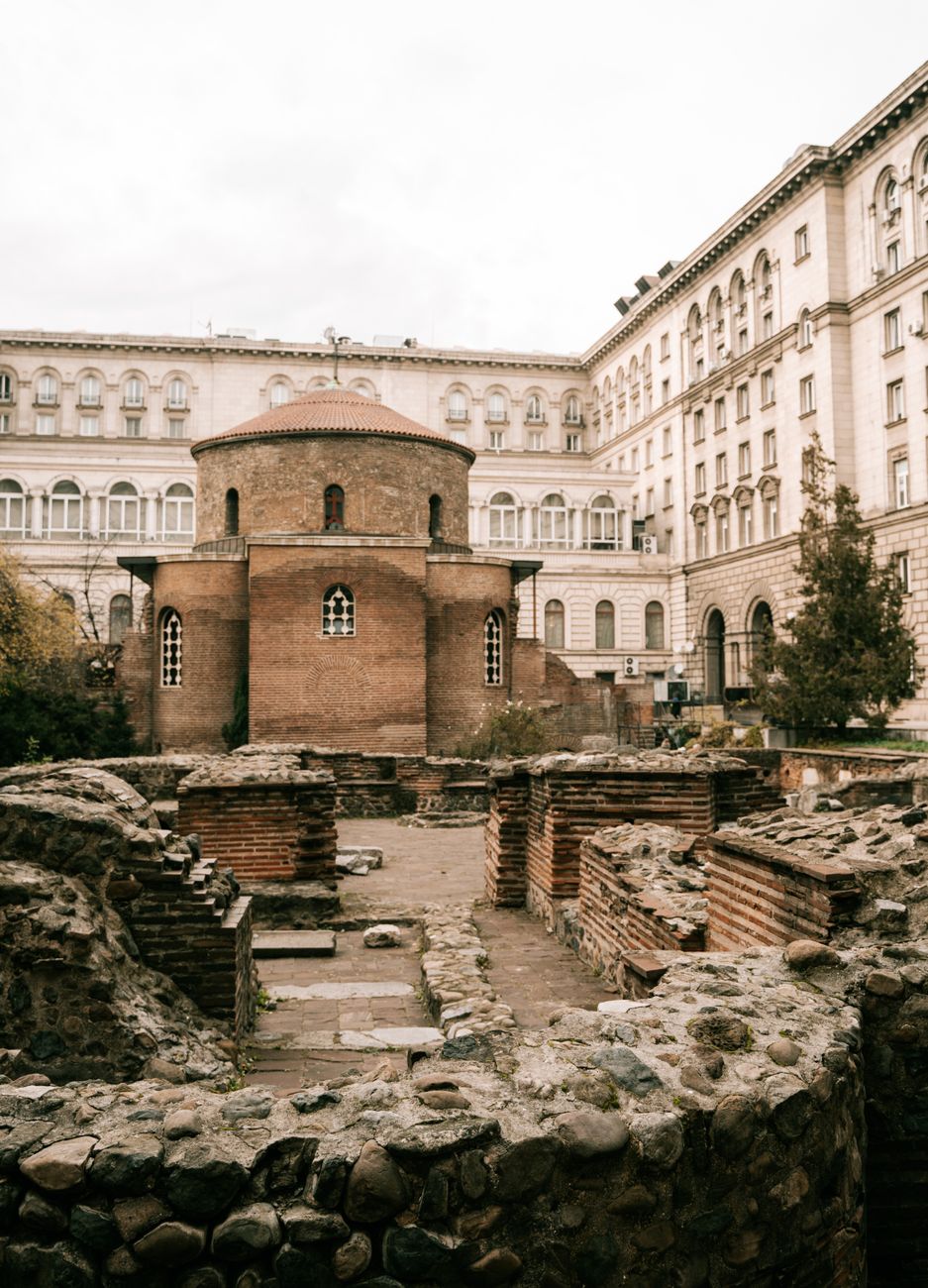
Quick Planning Tips
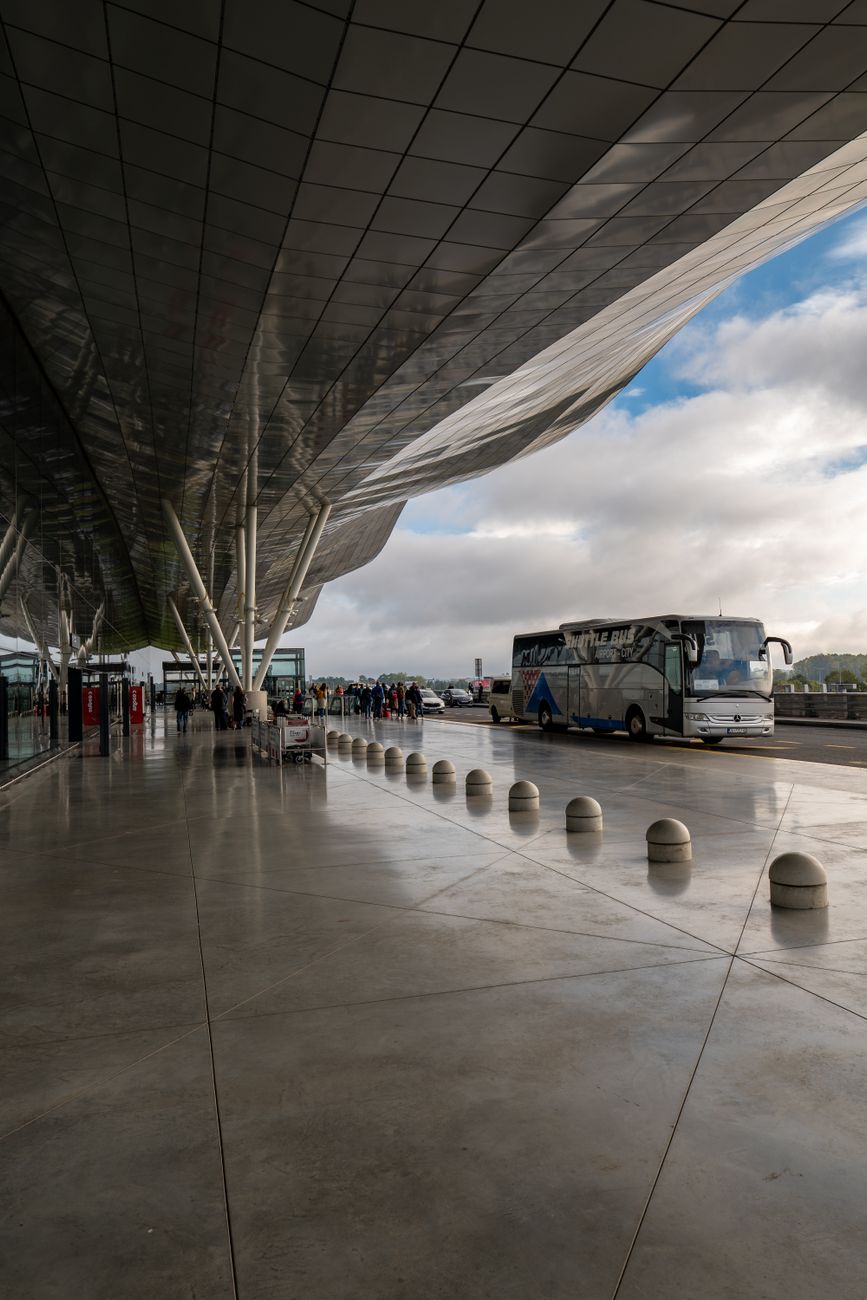
Arrive through Sofia Airport; take bus 84 to Serdika station for a straightforward transfer into the centre or use a licensed taxi from the official rank. Carry some Bulgarian lev (BGN) for small purchases and market stalls; many kiosks and smaller restaurants are cash-first.
Download the 'Sofia Urban Mobility' or Moovit app for planning metro, tram and bus trips and buy single or 24-hour tickets at red vending machines in stations. Avoid booking every museum for the same day—crowding and opening hours vary, so check opening times and book Boyana Church ahead because timed slots fill on weekends.
Day 1
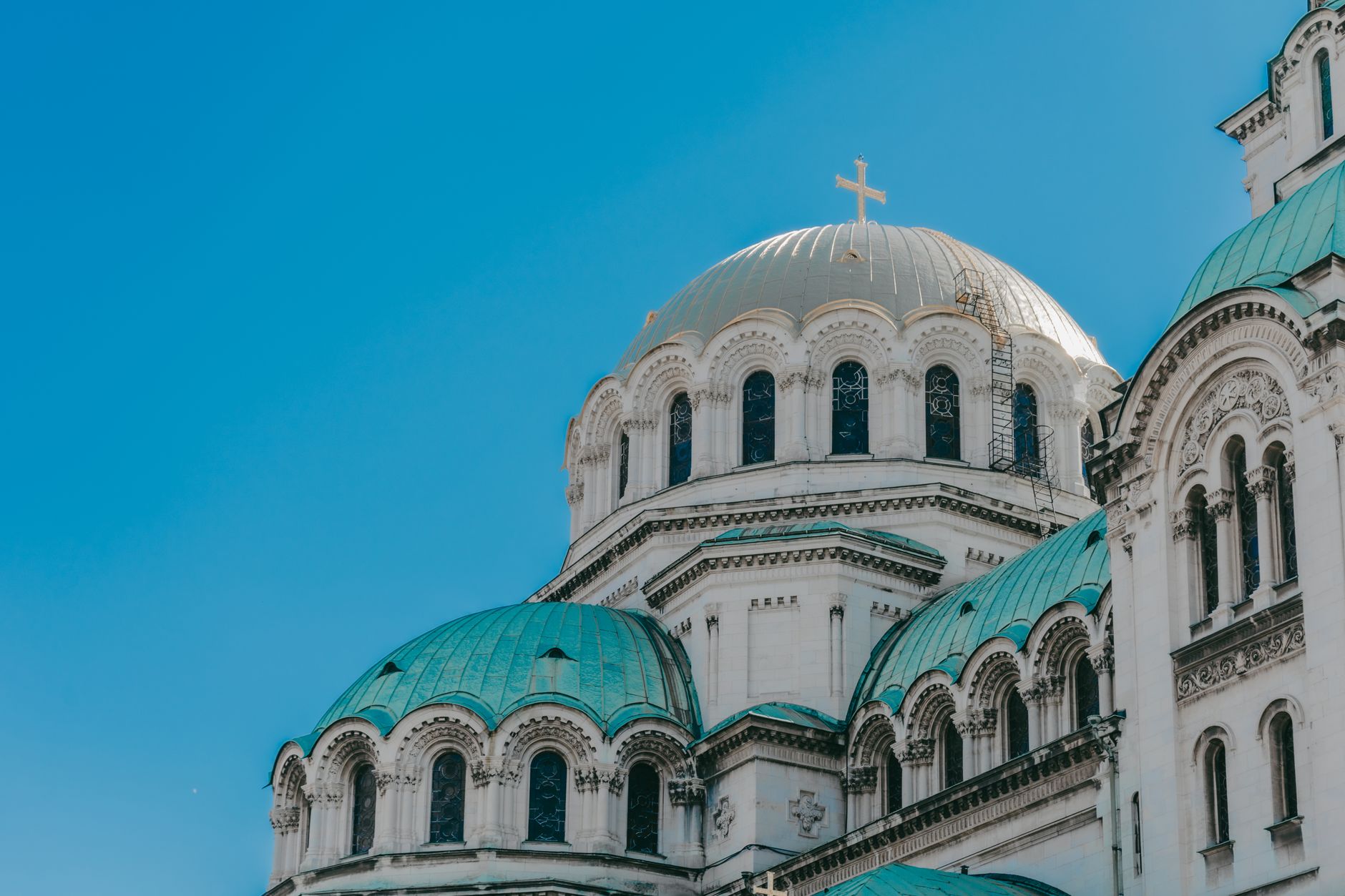
Start at Alexander Nevsky Cathedral, arrive early to avoid groups and spend 45–60 minutes inside viewing the iconostasis and crypt. From there walk 7 minutes to the National Art Gallery and the National Archaeological Museum on Tsar Osvoboditel Boulevard; pick one for a focused 60–90 minute visit. Walk 8 minutes to Central Market Hall (Tsentralni Hali) for a light lunch—try the grilled shop for kebapche and shops selling banitsa; expect to pay 4–8 BGN for a meal.
After lunch, stroll 10 minutes to Ivan Vazov National Theatre and the adjacent City Garden for coffee and people-watching. In the late afternoon, take tram 6 or the metro from Serdika to National Palace of Culture (NDK) for a rooftop walk and views along Vitosha Boulevard. Dinner suggestion: Sofia Restaurant or a local mehana on Vitosha Boulevard for traditional fare; budget 25–40 BGN per person. Evening recommendation: a short bar crawl on Vitosha Boulevard or a performance at Sofia Opera if there is an evening show.
Day 2
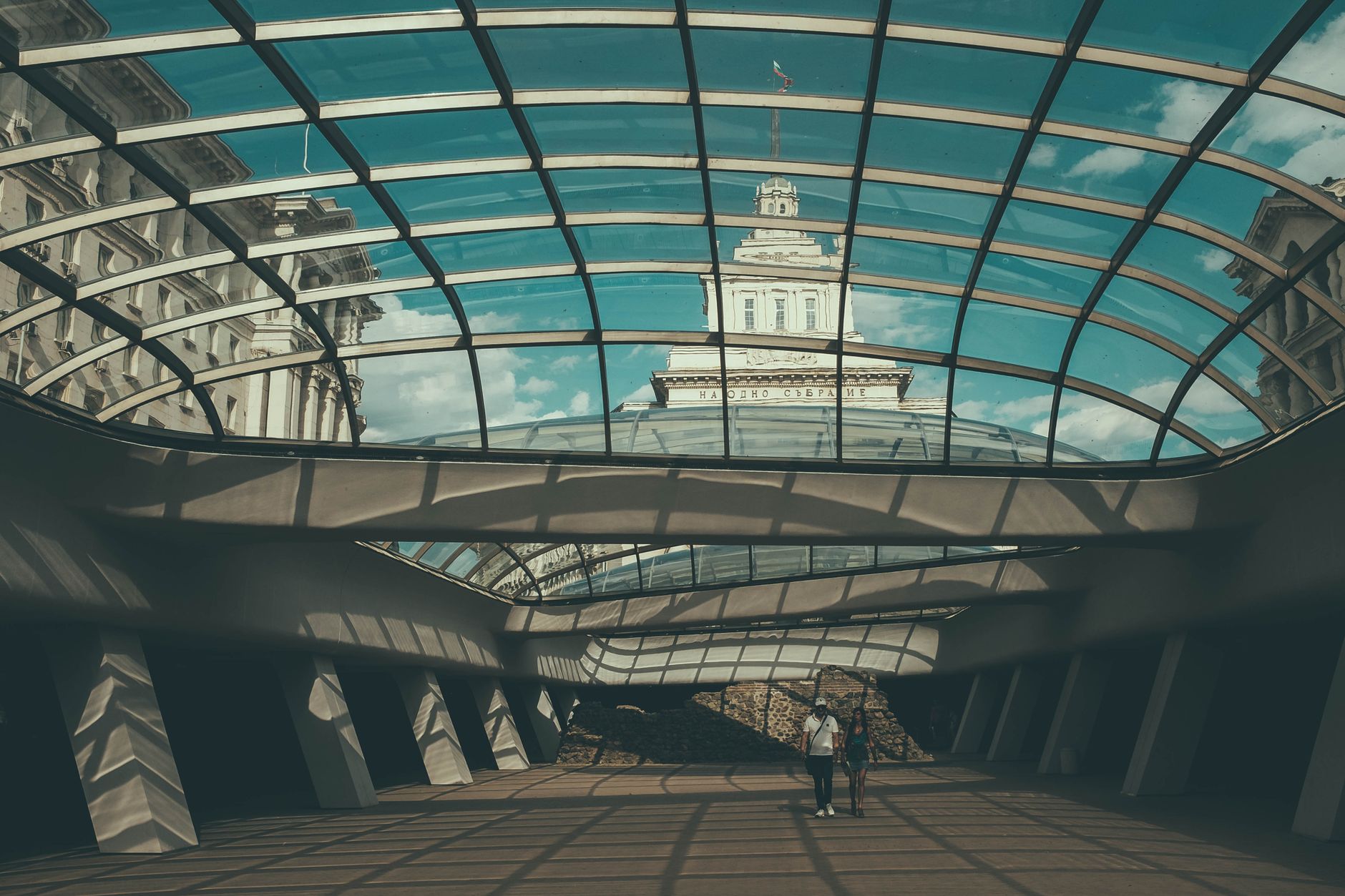
Spend the morning in the Serdika area: start at Serdika Archaeological Complex, then enter St. Sophia Church and walk to Banya Bashi Mosque; this cluster takes about 2–3 hours including short stops. Take Metro M1 or M2 from Serdika to the shopping street around Vitosha Boulevard for a midday lunch at a kafene; expect 10–20 BGN for a main dish.
In the afternoon, focus on neighbourhood character: take tram 10 toward Lozenets and walk in the Lozenets district for galleries and local bakeries, or use bus 83 to the Doktorska Garden area for quieter streets. For a different pace, head to the National Palace of Culture and walk the park behind it before visiting the nearby South Park for a relaxed evening stroll. Dinner recommendation: a contemporary Bulgarian restaurant in Lozenets or hip Knyaz Boris area; reserve at busy times. Evening option: live music at a jazz bar near Slaveykov Square.
Day 3
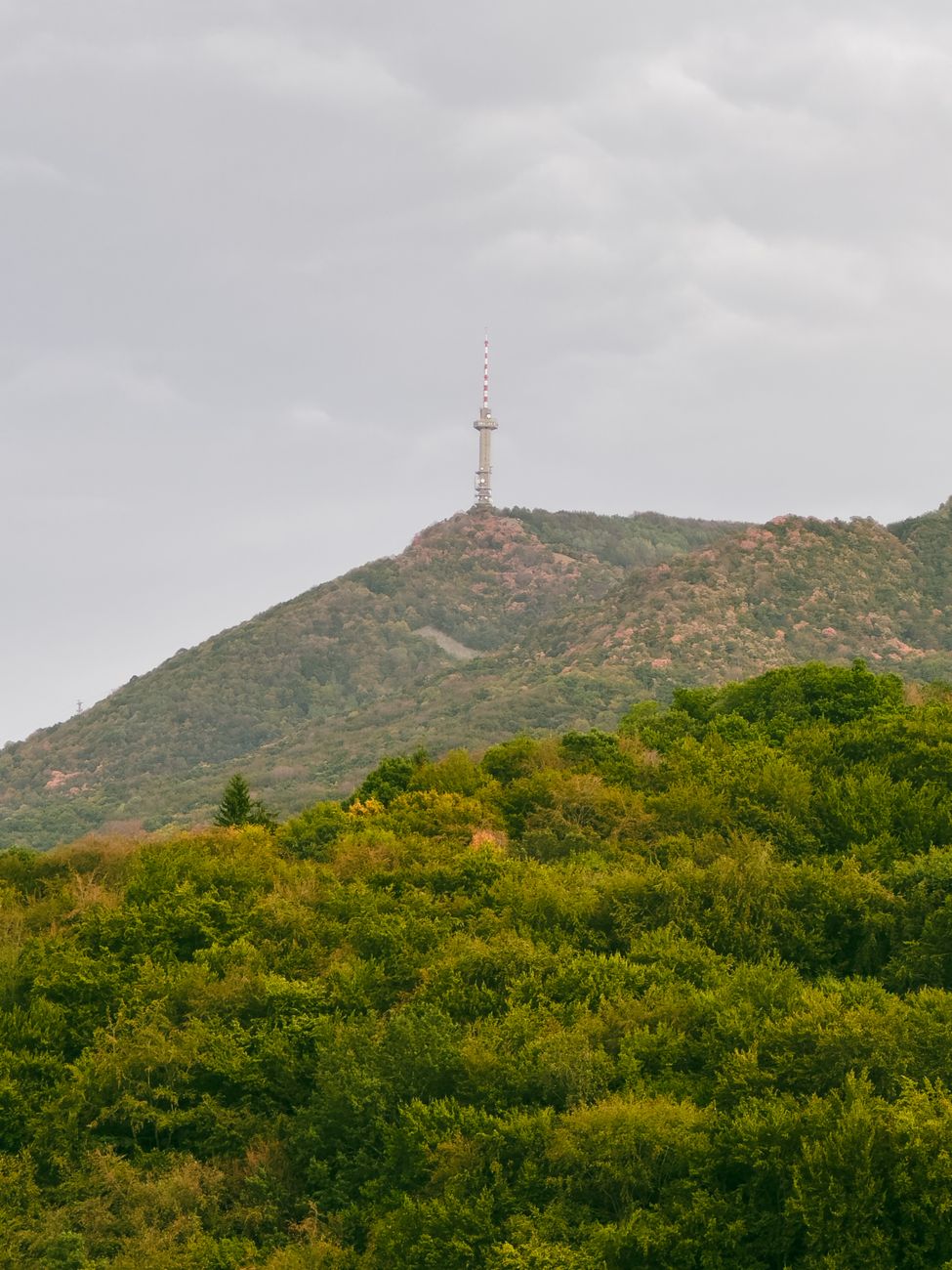
Reserve the third day for Vitosha half-day and a neighbourhood museum. Catch bus 66 or take a taxi to Aleko hut on Vitosha for a 2–3 hour hike or a cable-car ride if open; allow 45 minutes travel from the centre depending on traffic. After returning to town, visit Boyana Church on the city's outskirts—book a timed ticket and combine it with the nearby National Museum of History if time allows; transport is a 20–30 minute taxi ride or a quick commuter bus.
If leaving in the afternoon, keep the morning light: drop bags at the station or arrange a late checkout, do the Boyana visit earlier, and head straight to the airport using bus 84 or a pre-booked taxi. For a final meal, pick a kafene near Serdika or a bakery for banitsa and a takeaway coffee. Practical note: allow 90 minutes to the airport if travelling during rush-hour by taxi and 40–60 minutes by bus depending on terminal and traffic.
Best Local Experiences
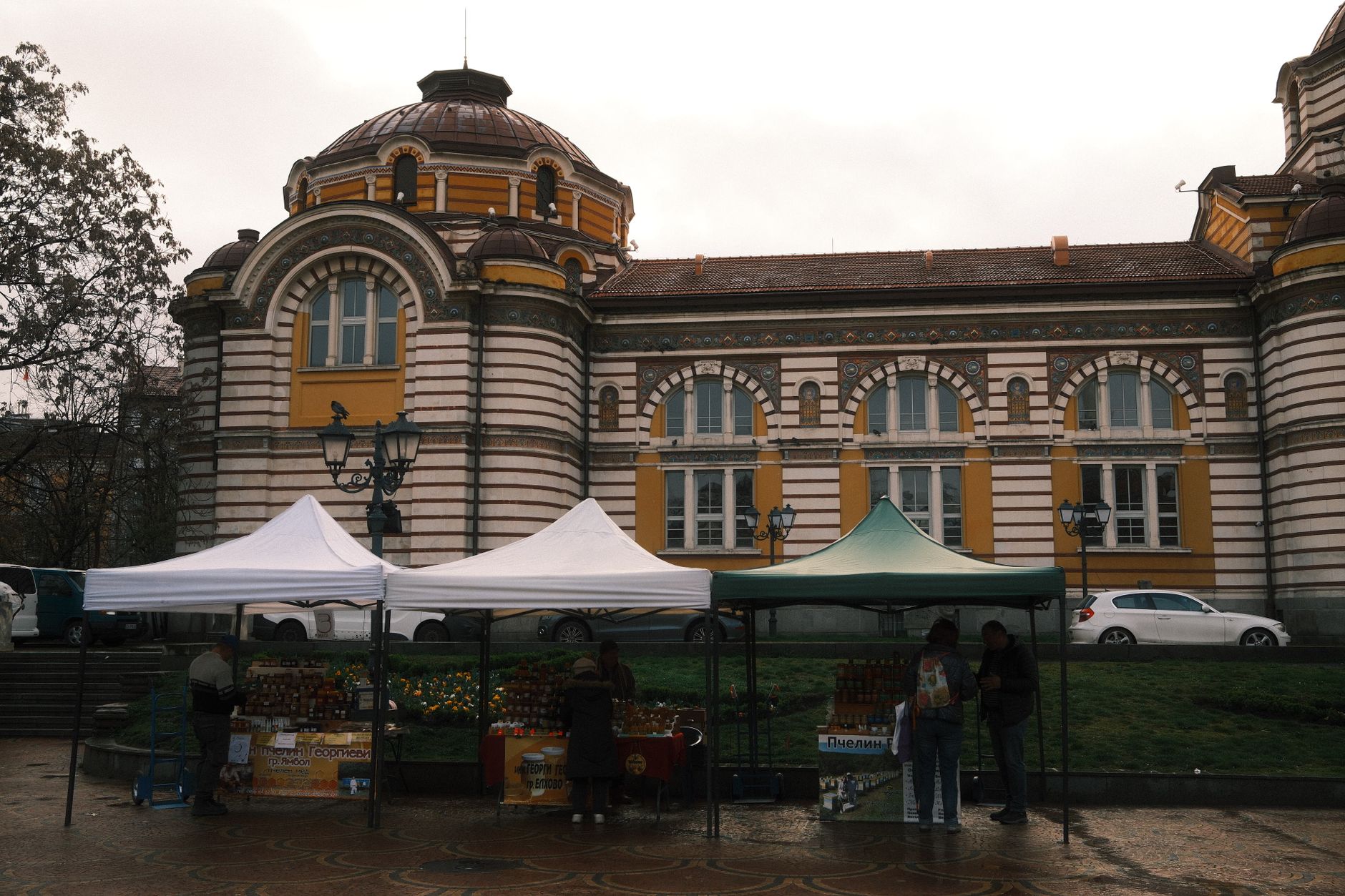
Explore Central Market Hall for weekday lunch stalls and pick shops serving lukanka and local cheeses. Visit the flea market area behind the market on Saturday mornings for second-hand books, vinyl and Soviet memorabilia. Walk the Serdika archaeological site under and around Serdika metro station to see Roman streets in the modern core.
Spend a half-day on Vitosha Mountain from Aleko or the Simeonovo lift for easy trails and city views. Visit Boyana Church for medieval frescoes (timed entry required) and combine with the National Museum of History in Boyana to understand Bulgaria's medieval and national revival periods.
Where to Stay
Sofia centre (around Serdika, Cathedral and Vitosha Boulevard) suits first-time visitors who want walking access to main museums and restaurants; expect 60–150 BGN/night (30–75 EUR/USD) for mid-range hotels. This area is busy and noisy at night near Vitosha Boulevard but keeps walking times under 15 minutes between major sites.
Lozenets is quieter and favours business travellers and couples wanting tree-lined streets and smaller boutiques; prices typically 70–160 BGN/night (35–80 EUR/USD). Students and budget travellers should consider the Studentski Grad area or Poduyane for cheaper hostels and easy tram or metro access, with dorms and budget rooms from 25–60 BGN/night (13–30 EUR/USD).
Food and Drink
Banitsa: a layered filo pastry with cheese and egg, commonly eaten at bakeries like 'Bakery Niko' or market stalls for 1.50–2.50 BGN. Shops selling banitsa are available in Central Market Hall and along Vitosha Boulevard.
Kebapche: minced meat grilled and served with lyutenitsa or fries; a typical portion costs 3–6 BGN and can be found at market stalls or mehani such as those near Rakovski Street. Shops and small restaurants around Serdika do good versions.
Shopska salad: chopped tomatoes, cucumbers, roasted peppers and feta-style sirene; a starter at restaurants is 4–8 BGN. Tarator: cold yogurt and cucumber soup, good for lunch in summer at kafene and costs 2.50–4 BGN. Rakia: strong fruit brandy served as an aperitif in specialty bars or mehani, expect 3–6 BGN per small measure. For dinner, try a mehana serving mixed grilled platters in the city centre for 20–40 BGN per person.
Getting Around
Metro lines M1, M2 and M3 form the backbone of rapid travel across the city; key interchange stations are Serdika and Sofia University. Major tram lines include 6, 7 and 12; buses cover neighbourhoods and airport link bus 84 connects Terminal 2 with Serdika.
Single tickets are 1.60 BGN purchased at machines or kiosks and must be validated; a 24-hour card costs about 4.00 BGN for unlimited rides. Taxi fares from the airport typically range 20–35 BGN to the centre depending on time and traffic; use licensed companies or apps such as TaxiMe or Yellow! and check that the meter runs.
Best Time to Visit
Spring (April–June) offers mild days 12–24°C and lower hotel prices than summer; crowds start to pick up in May. Summer (July–August) is warm 20–32°C and busiest for terraces and events, with higher accommodation costs and occasional afternoon storms.
Autumn (September–October) gives cool, stable weather 10–20°C and good value on lodging and flights. Winter (December–February) is cold, often below 0°C with snow on Vitosha—this suits those who want winter walks and fewer tourists but expect shorter daylight and some closures on mountain lifts.
Budget and Practical Tips
Typical daily budget for a mid-range traveller: accommodation 70–120 BGN (35–60 EUR/USD), food 30–50 BGN (15–25 EUR/USD), transport 4–10 BGN (2–5 EUR/USD), entry fees 10–30 BGN (5–15 EUR/USD). A backpacker can manage on 40–70 BGN/day by using hostels, market meals and 24-hour transport cards.
Tipping is modest: 5–10% in restaurants if service is not already included; a small tip for taxi drivers rounding up to the nearest lev is normal. Carry a mixture of cash and card; many smaller places won't accept cards or impose minimums. Keep copies of reservations and check Boyana Church's timed-entry rules to avoid last-minute disappointment.
FAQ
Is Sofia safe for solo travellers?
Central areas and daytime neighbourhoods are generally safe; standard city precautions apply—avoid poorly lit parks late at night and watch for pickpockets on crowded trams.
How do I get from the airport to the centre?
Take bus 84 to Serdika for a cheap option (around 1.60 BGN) or a licensed taxi for 20–35 BGN; check terminal signs for the official taxi rank.
Is a Sofia city card worth it?
The municipal Sofia Pass or combined museum tickets can save money if planning visits to multiple paid museums and guided tours; compare current offers online before buying.
Can most places be visited on foot?
Most central sights are within 20–30 minutes on foot from Serdika; use metro or tram for attractions at the edge of the city like Boyana or for quick transfers.
Are cards widely accepted?
Cards are accepted in larger restaurants, hotels and shops; carry cash for trams, market stalls, small cafes and bakeries.
How much time is needed for Boyana Church?
Allow 60–90 minutes including travel and timed-entry procedures; book ahead on busy weekends.
Conclusion
Three days provide a realistic window to sample central museums, neighbourhood life and a half-day on Vitosha without rushing through everything. The most memorable parts are likely the contrast between gold-domed churches and communist-era squares, the market lunches, and the quick mountain escape.
If time is short, prioritise Alexander Nevsky Cathedral plus one major museum and a Vitosha half-day; these deliver a compact sense of what defines the city and leave room for relaxed eating and short walks.
How this guide was prepared
This guide was prepared through a structured research that combines destination research, geographic context, itinerary planning logic, and content review.