
Responsible Travel in New Delhi — Practical Support for 3-Day Visitors
Practical, sustainable advice for visiting New Delhi: where to go, how to get around responsibly, seasonal tips, local etiquette, and booking guidance that complements our 3 days in New Delhi itinerary.
Support page for the 3 days in New Delhi itinerary with low-impact recommendations, neighborhood tips, transport realities, and local-first advice to make short stays more responsible and authentic.
Quick Answer
Support page for the 3 days in New Delhi itinerary with low-impact recommendations, neighborhood tips, transport realities, and local-first advice to make short stays more responsible and authentic.
Who This Page Is For
This page is for travelers planning a stay in New Delhi who want clearer decisions about responsible travel, local logistics, timing, budgeting, and practical trip planning.
How This Page Was Prepared
This page was prepared through a structured editorial workflow that combines destination research, geographic context, and practical travel-planning review.
Plan the Rest of Your Trip
Use this page together with the full itinerary and the related planning pages below to make better booking, timing, transport, and budget decisions.
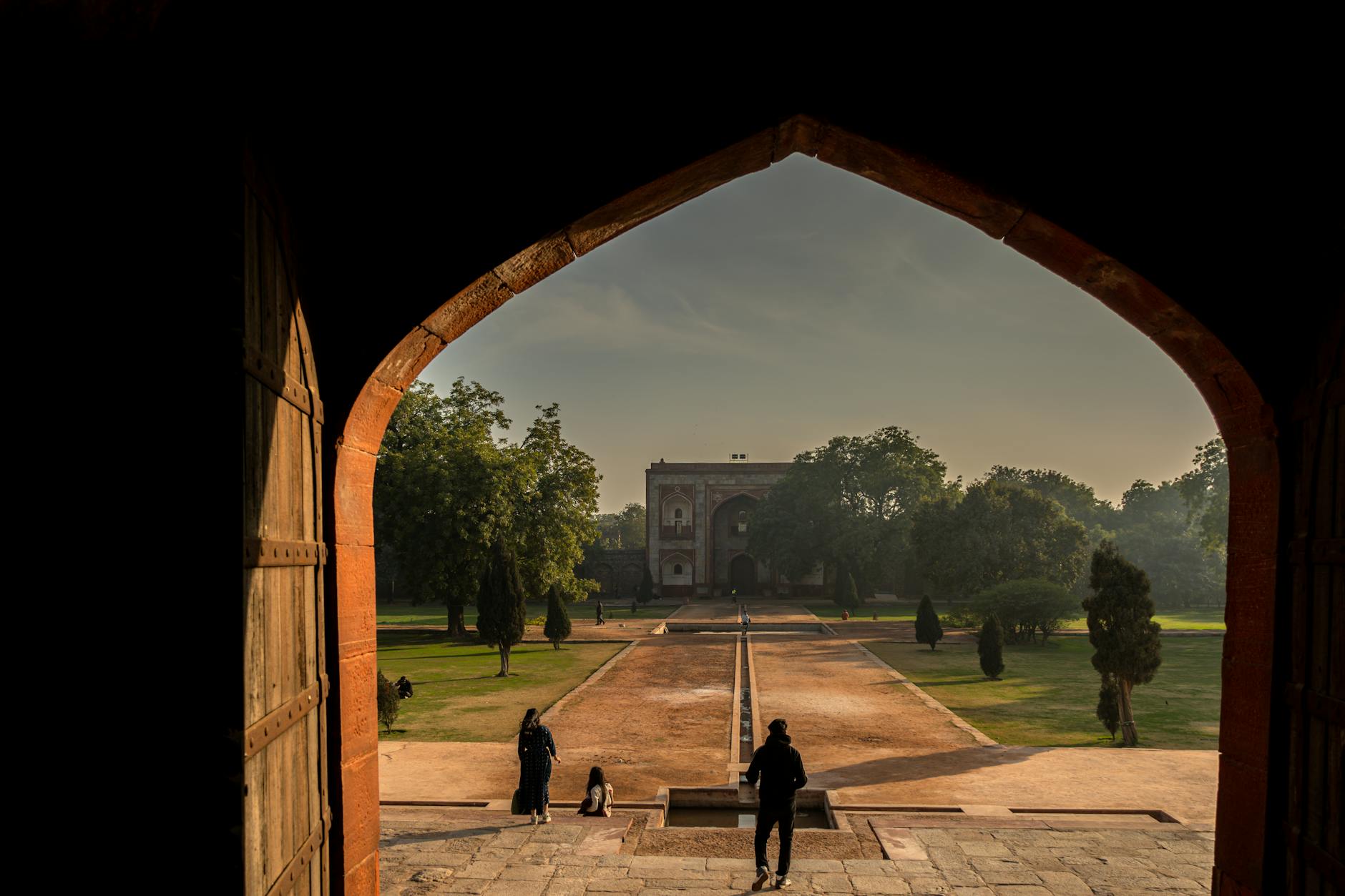
If you have three days in New Delhi and want to travel responsibly: visit major UNESCO and historic sites early to avoid crowds and heat, buy Metro tokens or an RFID card for low-emission transit, hire licensed local guides or community-run experiences in Old Delhi, prioritize small-owned eateries and cooperatives in neighborhoods like Daryaganj and Hauz Khas, and plan one low-impact day trip (e.g., Humayun’s Tomb and Lodhi Garden rather than long drives). For an integrated plan, see our 3 days in New Delhi guide for timing and maps.
This page is a practical companion to the main 3 days in New Delhi itinerary, focused on low-impact choices, spending with local businesses, and realistic logistics for short stays. It condenses seasonal advice, neighborhood realities, and simple steps you can take to reduce your footprint while enjoying Delhi’s history, food, and civic life. Use it to adapt the three-day plan to your priorities: culture, food, markets, or easy day trips to Agra or Gurgaon.
What This Page Helps You Decide
Use this page to choose:
Top Recommendations
Short, actionable picks that pair well with the 3-day itinerary:
- Timing: Visit outdoor monuments (Red Fort, Qutub Minar) before 10:30 AM or late afternoon to avoid heat and peak pollution. Prefer shoulder months (late Sep–Nov, Feb–Mar) for clearer skies.
- Transport: Buy a reusable Delhi Metro card or use the One Nation One Card for lower per-trip cost; prefer Metro and app-based electric cabs for longer trips. Walk short stretches in Connaught Place and Lodhi Estate.
- Local spending: Eat at family-run dhabas and book a licensed Old Delhi walking food tour that pays local cooks directly. Buy textiles and crafts from cooperative-run shops in Dilli Haat rather than tourist stalls in Connaught Place.
- Booking: Reserve timed-entry tickets online for Red Fort and Qutub Minar when available. Book a certified guide for complex sites (Humayun’s Tomb, Jama Masjid) to support local expertise and avoid misunderstandings.
- One-day low-impact trip: Choose Agra only if you use a certified driver or train (Shatabdi/express) and combine it with a guide to shorten wasteful transfers; otherwise favor nearby Gurgaon or Noida for modern markets and coworking meetups.
Local Context
Neighborhoods and rhythms:
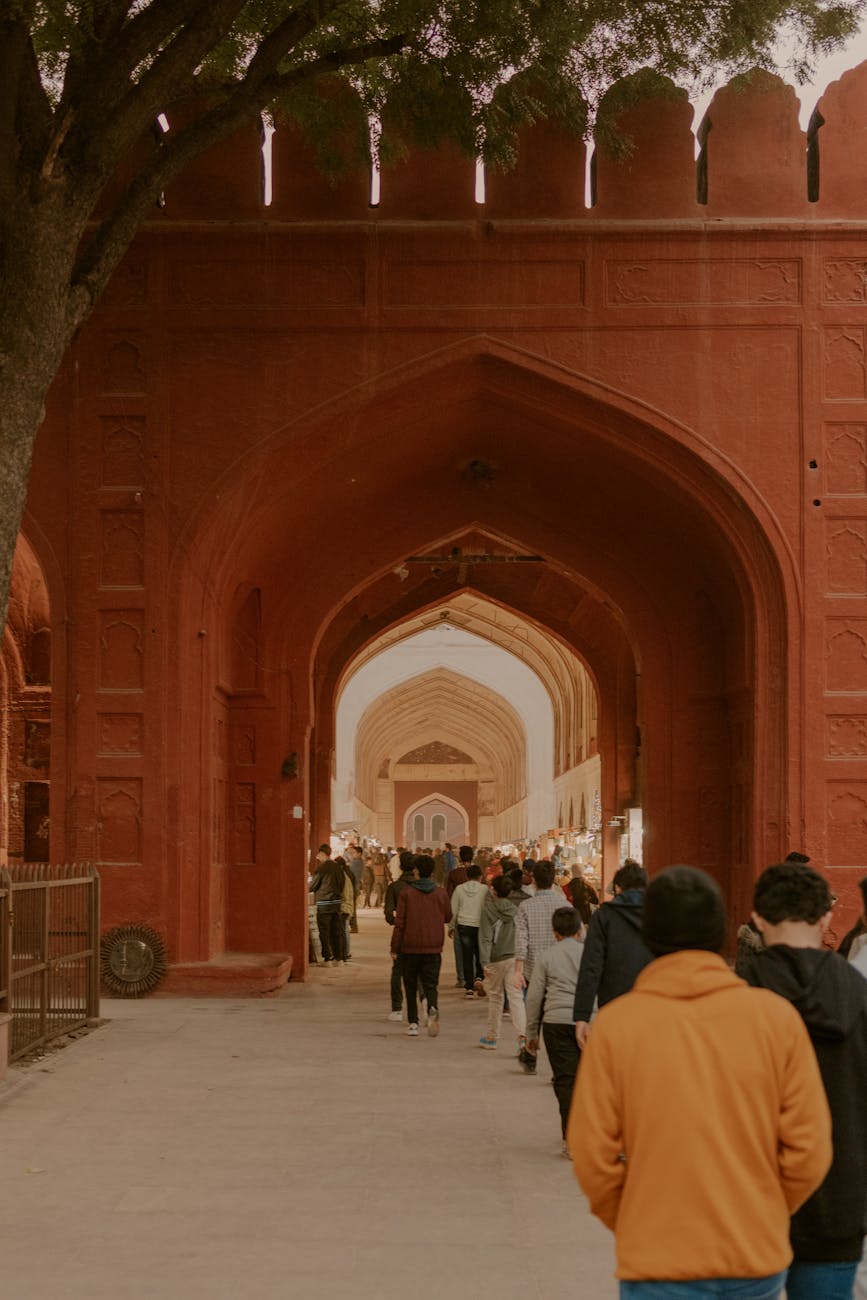
- Old Delhi (Chandni Chowk, Jama Masjid): dense streets, best explored on foot with a local guide. Expect crowds, narrow alleys, and active market bargaining.
- Central Delhi (Connaught Place, Janpath): colonial-era arcades, organized markets, easy Metro access; good base for first-time visitors.
- South Delhi (Hauz Khas, Lodi Estate, Greater Kailash): leafy streets, galleries, small restaurants, and safer walking in the morning or early evening.
- Satellite cities: Noida and Gurgaon are modern business hubs with malls and transit links; Faridabad and Chandigarh are farther afield. Agra is a common day trip but involves a long transfer.
Seasonal patterns and health:
- Summers (Apr–Jun) are very hot; prefer indoor museums with AC and morning visits. Monsoon (Jul–Sep) brings humidity and occasional waterlogged streets. Winters (Dec–Jan) can be cold with poor air quality—check AQI and favor indoor mornings for strenuous walking.
Transport realities:
- Delhi Metro is fast, reliable, and covers most tourist nodes; plan journeys by line to minimize surface traffic. Autorickshaws and cycle rickshaws are useful for last-mile trips in Old Delhi, but always confirm a price or insist on the meter.
How to Choose Well
Decide based on energy, interests, and impact:
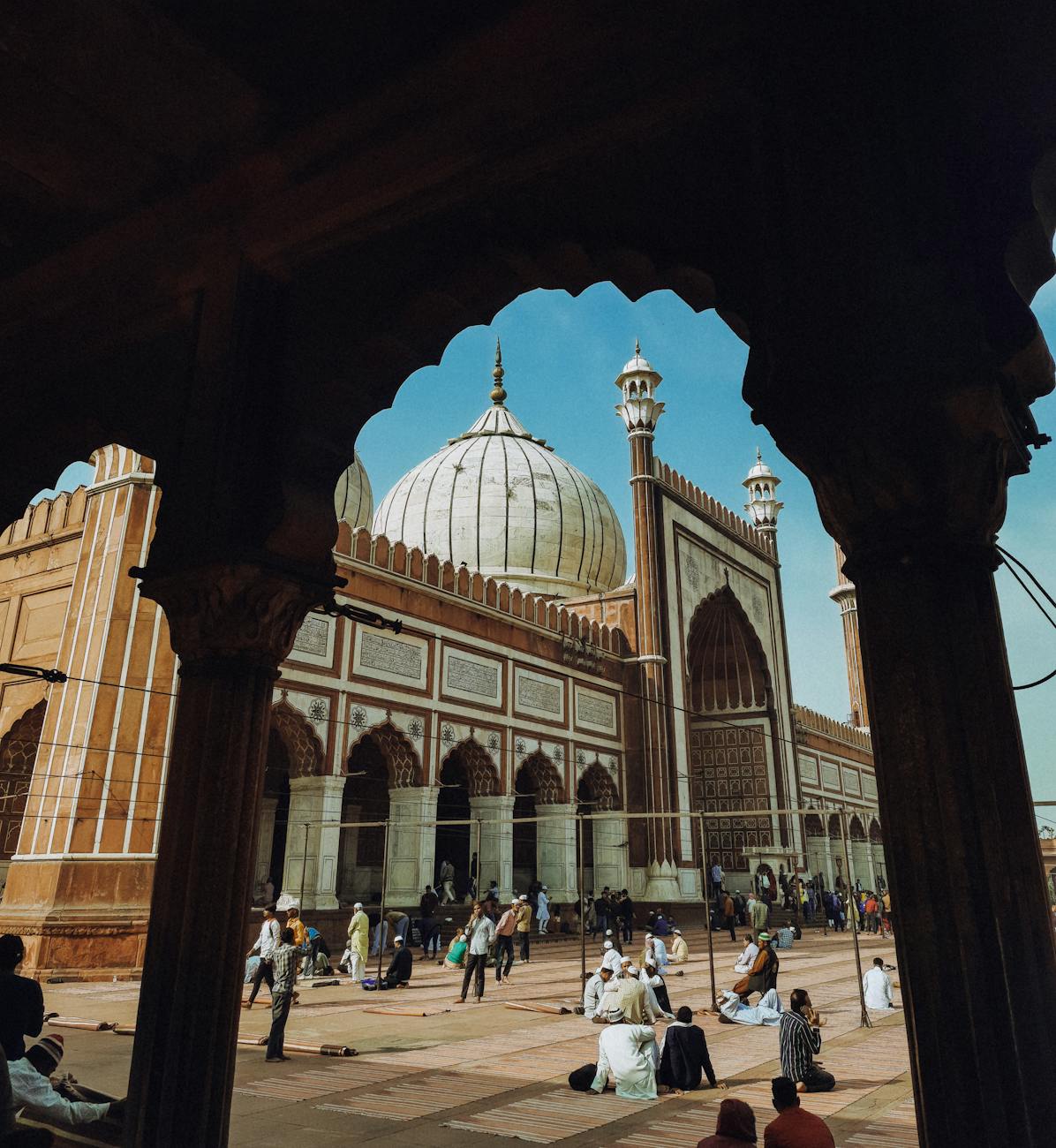
- If you value architecture: prioritize Humayun’s Tomb and Qutub Minar in cool hours and hire an archaeologist or knowledgeable local guide.
- If you prioritize food: book a small-group walking food tour in Old Delhi that shares food at family stalls and pays vendors directly.
- If you want quieter parks and local life: spend a morning at Lodhi Garden or the Mehrauli Archaeological Park rather than a full museum day.
Booking tips:
- Choose licensed guides (look for Delhi tourism badges or reputable agencies listed in the 3 days in New Delhi guide).
- Reserve popular experiences (Red Fort timings, guided Old Delhi food walks) at least a week ahead during high season.
- Prefer trains (Shatabdi) to Agra for lower-carbon travel over private car hires when schedules match your plan.
Responsible and Local-First Tips
Practical, effective steps to keep your trip community-positive:
- Spend locally: eat at small eateries, buy crafts from cooperative-run stalls in Dilli Haat or Hauz Khas Village, and tip staff directly.
- Hire local guides and drivers from community cooperatives or licensed agencies to ensure fair pay and accountability.
- Reduce waste: carry a refillable water bottle and a small cutlery set; many cafes offer filtered water for a small fee.
- Low-impact transport: prefer Metro, e-rickshaws, and walking for short distances. Combine activities by neighborhood to cut taxi time.
- Respect sites: follow dress and shoe rules at religious sites, ask before photographing people, and follow signposted paths in protected monuments.
- Seasonal awareness: avoid heavy outdoor itineraries on high-pollution winter days; shift indoor museums and cooking classes to those dates instead.

Common Mistakes to Avoid
Short, practical warnings:
- Trying to do too much: Don’t pack multiple long day trips into three days; pick one farther destination like Agra and leave a flexible day.
- Ignoring air quality: Check AQI; move outdoor visits to midday on cleaner days and favor museums or markets when AQI is poor.
- Haggling badly: In street markets, reasonable bargaining is normal; remember most vendors rely on small margins—request a fair price rather than an aggressive cut.
- Relying solely on ride-hailing for short hops: Traffic can make short car trips inefficient; use Metro and walk smaller distances.
- Skipping official guides: For complex monument histories, a licensed guide prevents confusion and channels revenue to local experts.
FAQ
When is the best time to visit New Delhi to avoid heat and crowds?
Aim for late September to early November and February to March for cooler temperatures and clearer skies. December–January has pleasant temperatures but can have poor air quality. Avoid peak summer months (April–June) for outdoor-heavy itineraries.
How can I support local businesses during a short stay?
Eat at family-run restaurants, hire licensed local guides, buy crafts from cooperative markets like Dilli Haat, and favor small guesthouses or homestays listed in the 3 days in New Delhi guide. Tip directly and ask how to best support vendors.
Is Delhi safe to walk around as a solo traveler?
Central and South Delhi neighborhoods (Connaught Place, Lodhi Estate, Hauz Khas) are generally safe in daylight. In Old Delhi, walk with a guide or in a group, especially after dark. Use registered taxis or Metro for later travel and avoid poorly lit side streets.
Should I prebook trains or drivers for Agra day trips?
Yes. Book a Shatabdi or express train in advance for comfort and lower emissions. If you choose a car, hire a reputable, licensed driver and plan to leave early to avoid traffic and return by train if possible.
Any health and etiquette tips for monuments and temples?
Wear modest clothing, remove shoes where required, and observe silence in prayer spaces. Carry basic medication, sunscreen, and a refillable water bottle; avoid single-use plastics where possible.
Conclusion
Three days in New Delhi can be meaningful and low-impact with a little planning. Prioritize neighborhoods by interest, use Metro and walking for most short trips, book licensed local guides and community-run experiences, and time outdoor visits to avoid heat and poor air quality. For a ready-made plan, see our 3 days in New Delhi guide and consider a single, well-organized day trip to Agra or a local visit to Gurgaon or Noida as alternatives. Small choices—where you eat, who you hire, and how you travel—add up to better outcomes for both visitors and local communities.
How this guide was prepared
This guide was prepared through a structured research that combines destination research, geographic context, itinerary planning logic, and content review.