
3-Day Practical Guide to Sunnyvale: Itinerary, Transit, Eats
A practical 3-day Sunnyvale guide with day-by-day plans, transit tips (Clipper, Caltrain, VTA), market and Moffett Field notes, and realistic budgets.
Three days gives a clear taste of Sunnyvale: downtown streets and the Baylands, tech-adjacent museums, local markets and a day in nearby Mountain View or San Jose.
Sunnyvale feels like a compact suburban downtown with a predictable weekday tempo and much quieter nights. Streets near Murphy Avenue and along W. Evelyn carry local shops, mid-priced restaurants and cafés that serve tech commuters during the week and families on weekends. The immediate impression for new arrivals is practical order: grid streets, pocket parks and corporate campuses nearby rather than flamboyant tourist infrastructure.
Is 3 days in Sunnyvale enough?
Yes—three days is enough to cover downtown Murphy Avenue, the Baylands, a tech museum in Mountain View and a neighbourhood exploration. One honest caveat: there won't be time for deep day trips to Santa Cruz or San Francisco without cutting other items.
Who This Guide Is For
Best for travellers who like short walks, easy transit connections and food markets rather than nightlife. Not ideal for visitors seeking museum-heavy city breaks or late-night entertainment.
Local Tips for Sunnyvale
Practical details that most travel sites skip — specific to Sunnyvale.
- Buy a Clipper card at a Caltrain station or online for seamless fares across Caltrain, VTA buses and some regional services; it avoids multiple single-ride purchases.
- Sunnyvale Farmers Market runs Sunday mornings on Murphy Avenue (roughly 9:00–1:00); arrive early for the best produce and prepared-food stalls.
- Sunnyvale Caltrain station is the easiest rail access point; off-peak trains from San Jose Diridon take about 10–15 minutes and one Caltrain zone fare.
- Moffett Field’s Hangar One is visible and often open for special events; public access requires checking NASA Ames or Moffett Field Visitor Center schedules.
- Parking downtown (Murphy Avenue) has time-limited meters and private lots; read signs—some lots enforce 2-hour limits and tow if overstayed.
How This Guide Was Prepared
Short stays here are about contrasts between quiet residential streets, corporate campuses and accessible outdoor marshland. Many guides treat Sunnyvale as a suburb to pass through; this guide treats it as an easy base for low-key urban walking, straightforward transit hops and food focused on local immigrant communities. This guide was prepared through a structured research that combines destination research, geographic context, itinerary planning logic, and content review.
Plan Your Stay in Sunnyvale
Use this itinerary as your starting point, then compare areas to stay, transport options, seasonal timing, and realistic daily costs before booking.
Why Visit
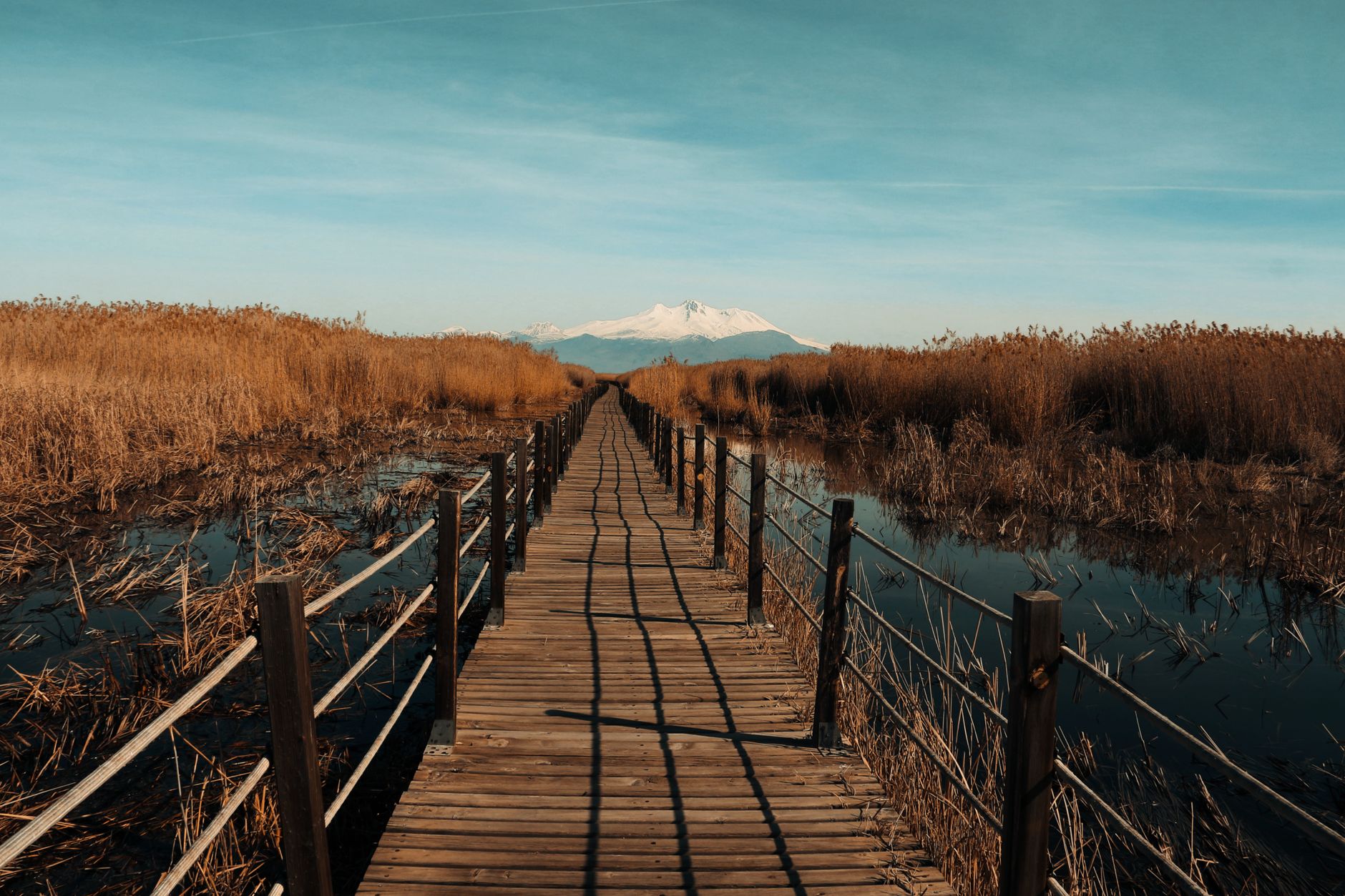
Sunnyvale is useful as a low-stress base for exploring the middle of Silicon Valley without paying Mountain View or Palo Alto hotel prices. Murphy Avenue offers a short, walkable strip of restaurants and local shops within a few blocks of the Caltrain station. The Baylands are an accessible natural area with flat trails and birding right next to tech campuses—good for evening walks or bike rides without leaving the city.
Quick Planning Tips
Fly into San Jose Mineta (SJC) for the shortest transfer; a taxi or rideshare to downtown runs about $25–40 depending on traffic. Public transit from SJC involves a VTA bus plus a Caltrain transfer and can take 45–70 minutes, so allow extra time if arriving by air and needing to check in quickly. Carry a Clipper card or load the Clipper app before arrival; using Clipper avoids multiple single-paper fares and speeds transfers between Caltrain and VTA buses.

Day 1
Morning: Start at the Sunnyvale Caltrain Station and walk 5–10 minutes to Murphy Avenue for coffee and pastries. Murphy Avenue hosts small cafés such as local bakeries and an easy stroll of shops; plan 60–90 minutes for wandering and a mid-morning snack.
Late morning: Head west on Evelyn Avenue and walk 10 minutes to Heritage Park and the Sunnyvale Heritage Park Museum for local artifacts and modest exhibits (allow 45–60 minutes). The museum is next to the La Avenida shopping area and small park spaces for a short break.
Lunch: Eat at a taqueria or noodle shop on Murphy Avenue; many lunch spots serve under $12–15 for a full plate. Expect a 0–5 minute walk between most lunch spots and the museum area.
Afternoon: Walk or bike 20–30 minutes (or take a short rideshare) to Sunnyvale Baylands Park. Spend two hours on the flat Baylands Trail loop and the Duck Pond; this is where the marshes and industrial silhouettes meet for easy photography.
Evening: Return to downtown for dinner at a full-service restaurant on Murphy Avenue or a nearby gastropub. End the evening with a short post-dinner walk along Murphy Avenue; most places close by 10–11pm on weekdays.

Day 2
Morning: Take Caltrain one stop or a 10–15 minute ride to Mountain View’s Castro Street to experience a busier restaurant scene and the Computer History Museum on Shoreline Boulevard. Allow 2–3 hours for the museum; adult admission is roughly $15–20 and schedules vary by exhibit. The trip from downtown Sunnyvale to Castro Street by Caltrain typically takes 5–10 minutes plus a 5–10 minute walk from the station.
Lunch: Eat on Castro Street where options range from sit-down to quick eats; budget $12–25 depending on choice. After lunch, walk to the Shoreline area for views of the Google campus and Shoreline Amphitheatre lawns.
Afternoon: Return to Sunnyvale and explore Moffett Park and the Moffett Field perimeter for Hangar One views; check current visitor hours since access is irregular. Drive or rideshare between Mountain View and Moffett Park in 10–20 minutes depending on traffic.
Late afternoon: Visit local shopping centers near Lawrence Expressway for any tech store runs or pick up provisions at a supermarket.
Evening: Choose a mid-range restaurant in Moffett Park or back on Murphy Avenue for dinner; weekday crowds spike around 6–7pm near major employers, so reservations help.
Day 3
Morning: Start with the Sunday Sunnyvale Farmers Market on Murphy Avenue if it aligns with dates; expect vendors from 9:00 to about 1:00 and allow 60–90 minutes for browsing and tasting. If not market day, use the morning to check smaller neighbourhoods such as Fairwood or West Sunnyvale for tree-lined streets and local cafés.
Late morning: Spend time at a neighborhood park—Washington Park or Las Palmas Park are good for short walks and people watching. These parks are within a 5–10 minute drive or a 20–30 minute walk from Murphy Avenue.
Lunch: Pick a local favorite—Indian thali, Vietnamese pho or a Californian-style sandwich—many sit-down options near the Caltrain station will serve lunch in the $12–20 range. After lunch, use the remaining midday hours for a short trip into San Jose’s Japantown or Santana Row depending on interest; both are 15–25 minutes by car.
Afternoon (departure-ready note): If leaving mid-afternoon or catching a flight, plan transit or a ride to Caltrain or a rideshare pick-up with 90 minutes buffer for security at SJC. For those checking out of a hotel, many downtown properties will hold luggage a few hours; confirm at booking time.
Evening: If time allows before a late flight, take one final slow walk along the Baylands trail for sunset light on the salt marsh; otherwise use early afternoon for last-minute shopping or a café visit.

Best Local Experiences
Sunnyvale Farmers Market on Murphy Avenue (Sundays) for seasonal produce and prepared foods is a practical morning activity. Walk or bike the Sunnyvale Baylands Park loop for birding, wide views and easy flat trails within city limits. Heritage Park and Museum offers local municipal history and rotating exhibits—good for 45–60 minutes. Moffett Field viewing and any public Hangar One events give a glimpse of aviation history next to NASA Ames. Downtown Murphy Avenue restaurant-hopping—small taquerias, boba shops and family-run Indian and Vietnamese places—shows the city’s everyday culinary mix.

Where to Stay
Downtown / Murphy Avenue: Suited to walkers who want restaurants and the Caltrain station close at hand. Expect a mix of boutique motels and brand hotels; typical nightly rates run $140–220 USD (~€130–200) depending on season. Moffett Park / North Bayshore: Good for business travellers and campus visits near Moffett Field and corporate offices. Hotels here are convenient for short drives to Mountain View and Sunnyvale; typical rates $160–260 USD (~€150–240). Lawrence Expressway / Fair Oaks area: More residential and quieter at night, with some chain hotels and easy freeway access. Suits drivers and families; expect lower off-peak rates around $110–160 USD (~€100–150).
Food and Drink
Boba milk tea: A common afternoon treat; several shops cluster near Murphy Avenue and the Caltrain station. Expect $4–6 for a standard milk tea with tapioca pearls. Street tacos: Found at taquerias along El Camino Real and near Lawrence Expressway; a plate or three tacos usually costs $8–12. Pho: Vietnamese noodle soups are widely available in downtown and nearby neighborhoods; a bowl runs $10–15 and provides a generous, cheap meal. Indian thali or biryani: Full plates appear in West Sunnyvale and near Lawrence Expressway; prices range $12–18 at modest restaurants. Seafood or American dinner: For a sit-down dinner on Murphy Avenue or Moffett Park, plan $20–40 per person before drinks; reservations help for weekend evenings.
Getting Around
Key modes: Caltrain rail, VTA buses and limited VTA light rail nearby; Clipper card links Caltrain and VTA fares. Single VTA bus fare is about $2.50; day passes vary but are typically around $5–6 for unlimited local rides. Caltrain fares are zone-based; short hops inside Santa Clara County can be under $4 one-way while San Francisco to Sunnyvale is roughly $7–9 depending on zones—use the Caltrain app or Clipper for exact fares. Rideshare and taxis from San Jose Mineta (SJC) typically run $25–45 to downtown; from SFO expect $90–130. Recommended apps: Caltrain mobile app for schedules, Clipper for payments, VTA Trip Planner or 511.org for local connections, and Transit or Google Maps for live bus/train arrivals.
Best Time to Visit
Late spring through early fall (May–October) offers warm, mostly dry weather with daytime highs typically 18–28°C (64–82°F) and minimal rain—expect more visitors on weekends. Winter months (December–February) are cooler and wetter with daytime highs often 12–16°C (54–61°F) and occasional heavy rain; hotel rates tend to be lower then. Shoulder months (March–April, late October) balance mild weather and fewer weekend crowds and can be the best value for hotel rates. Avoid the hottest inland heat spells in late summer if planning long mid-day outdoor hikes, though the Baylands remain breezy compared with inland valleys.
Budget and Practical Tips
Typical daily budget (mid-range traveler): Accommodation $140–220 USD (~€130–200) per night; meals $30–60 per day (breakfast $5–12, lunch $10–20, dinner $15–30); local transport $6–12 for a day of buses and short Caltrain hops if using Clipper; modest entry fees $10–20 for nearby museums. Shoes and walking gear matter more than fancy clothes for daytime exploration. Tipping: standard U.S. norms apply—restaurants 15–20% before tax, $1–2 per drink at bars, and round up taxi or rideshare fares; service at quick counter eateries is not typically tipped beyond rounding up. Cheap options: markets and taquerias will keep daily food spending under $25 if chosen; a long Caltrain trip to San Francisco is the biggest single extra cost to budget for.
FAQ
Is Sunnyvale safe for walking at night?
Yes, downtown streets are generally safe for walking, though after 10pm activity drops and it’s wise to stay on well-lit streets and avoid isolated parking lots.
What’s the best way to get from SJC airport?
A taxi or rideshare is the fastest (about 10–25 minutes) and costs $25–45; public transit via VTA buses plus a Caltrain transfer is cheaper but can take 45–70 minutes.
Is a Clipper card or city pass worth it?
Buy a Clipper card if using Caltrain and VTA more than once—loads faster and usually cheaper than single cash fares; there is no single Sunnyvale city pass that bundles attractions.
Are there late-night dining options?
Limited—most restaurants close by 10–11pm on weekdays; plan later meals on Fridays and Saturdays or head to nearby Mountain View for more options.
Can Caltrain be used for day trips to San Francisco?
Yes—Caltrain runs frequent weekday services and less frequent weekends; check express/local schedules and allow 60–90 minutes one-way depending on service.
Is parking free downtown?
No—downtown parking mixes metered curb spaces and private lots; read signage carefully and expect enforced limits during business hours.
Is Sunnyvale easy to visit without a car?
Yes for downtown and the Baylands if relying on Caltrain, VTA buses, walking and occasional rideshares; car is useful for quicker access to nearby parks and off-hour schedules.
Conclusion
Three days yields a clear, manageable impression: a compact downtown, accessible marshland trails and enough nearby museums and neighbourhoods to mix outdoor time with food and short rail hops. Most visitors will remember the contrast between short, efficient transit trips and quiet residential blocks rather than grand monuments. If time gets tight, prioritize Murphy Avenue plus a Baylands walk; those two experiences capture the local feel and leave easy opportunities to extend into Mountain View or San Jose on another trip.
How this guide was prepared
This guide was prepared through a structured research that combines destination research, geographic context, itinerary planning logic, and content review.