
Kandy in 3 Days: Practical Itinerary and Local Tips
Practical 3-day Kandy itinerary with transit tips, realistic costs, neighbourhood picks, festival timing, and priorities if time is short. Plan smart.
A straightforward, no-fluff 72-hour plan for Kandy that balances temple visits, a major botanical garden, a hilltop view, and a neighbourhood with local food and markets.
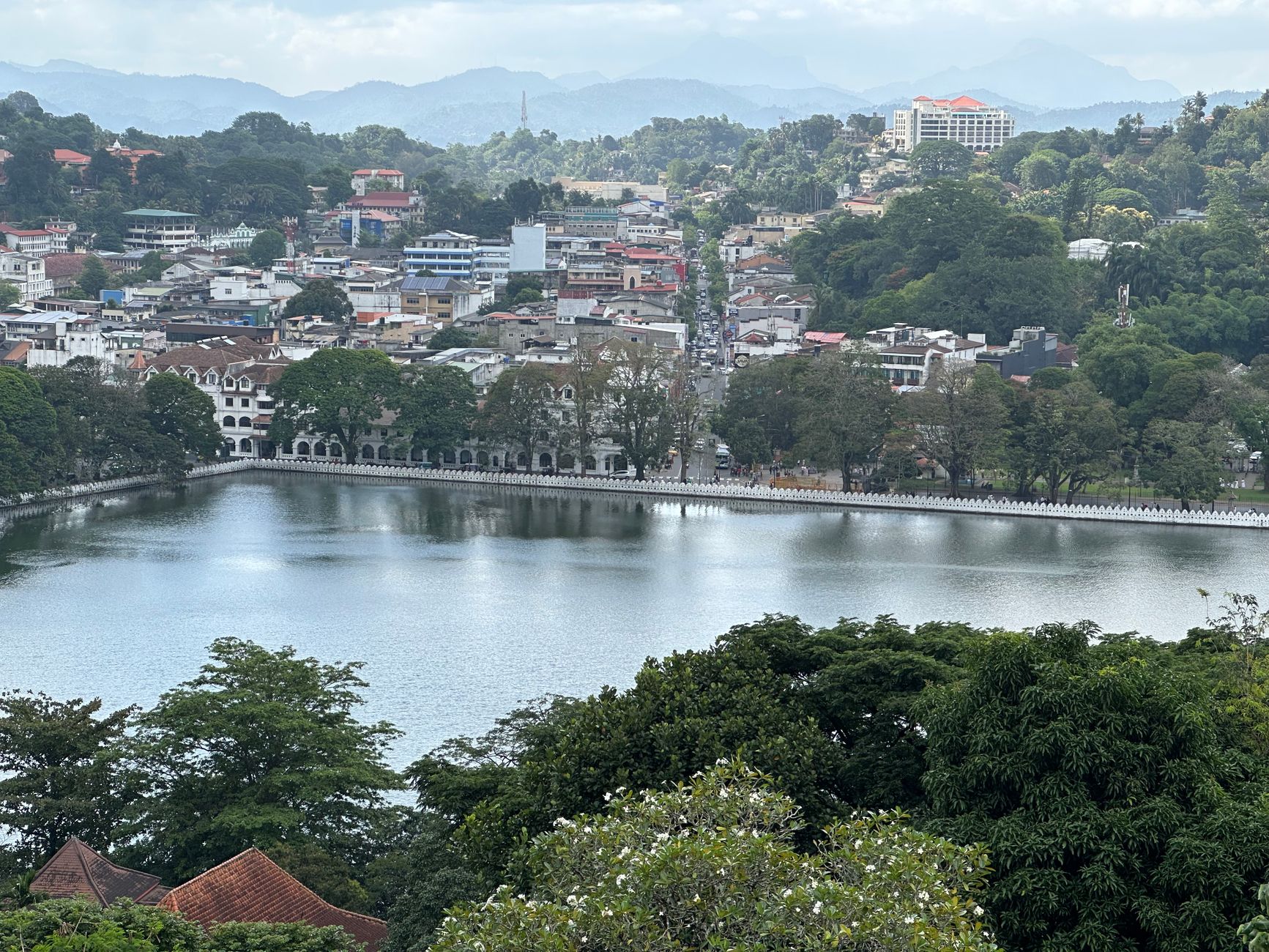
A hill town with a steady stream of pilgrims, tourists and university students, this place feels like a working regional capital rather than a resort. Streets near the lake can be busy between 08:00 and 18:00 with markets, religious visitors and tuk-tuks; evenings quieten early except around the main temple and a handful of guesthouses. Weather shifts quickly—mornings are often clear, afternoons can throw heavy showers during the monsoon months, and nights cool compared with the coastal plains.
Expect a mix of ceremonial activity around the Temple of the Tooth, formal gardens in Peradeniya and pockets of everyday Sri Lankan life along Dalada Veediya and around the Central Market. Many travellers arrive wanting just the main shrine and assume the rest is walkable in an hour; distances and uphill sections make that impractical without a tuk-tuk or short bus ride.
This guide suits travellers who want the ritual and horticultural highlights without long treks. It gives realistic times, transit choices and where to save or spend so three days cover the essentials without rushing every stop.
Is 3 days in Kandy enough?
Three days are enough to see the Temple of the Tooth, Peradeniya Botanical Gardens, a Kandyan dance performance, and a short hike in Udawattekele, plus one neighbourhood food crawl. It will not leave time for long hikes into the Horton Plains or a beach extension.
Who This Guide Is For
Best for travellers who want cultural sites, gardens and short urban hikes on a modest budget. Less suitable for long-distance backpackers who prefer multi-day treks or visitors expecting nightlife after 10pm.
Local Tips for Kandy
Practical details that most travel sites skip — specific to Kandy.
- Temple of the Tooth (Sri Dalada Maligawa) enforces a strict dress code and no shoes; foreigners pay around LKR 1,500–2,000 for daytime entry, so carry exact cash.
- Buy train tickets at Kandy Railway Station ticket window or use the Sri Lanka Railways online portal; the Main Line from Colombo Fort takes about 2.5–3.5 hours depending on the service.
- Peradeniya Botanical Gardens charges roughly LKR 1,000–1,500 for foreign adults and is busiest between 09:00–12:00; arrive early to avoid coach groups.
- Use the PickMe app for metered tuk-tuk or taxi fares inside town; expect short tuk-tuk rides of LKR 200–500 and a Bandaranaike Airport private transfer around LKR 10,000–15,000.
- Kandy Central Bus Stand (near the Market and Kandy Lake) is the hub for local buses to Peradeniya, Nuwara Eliya and Matale; tell the conductor the stop name to avoid missing it.
How This Guide Was Prepared
This guide treats Kandy as a working hill town rather than a postcard. Most guides focus only on the Temple of the Tooth and Peradeniya; this plan shows how to stack a mix of ritual, green space, local markets and a riverside neighbourhood without wasting travel time. This guide was prepared through a structured research that combines destination research, geographic context, itinerary planning logic, and content review.
Plan Your Stay in Kandy
Use this itinerary as your starting point, then compare areas to stay, transport options, seasonal timing, and realistic daily costs before booking.
Why Visit
The Temple of the Tooth is a live religious centre where daily rituals matter; watching a puja offers a direct view of contemporary Buddhist practice rather than an empty museum display. Peradeniya Botanical Gardens supplies a contrast: wide avenues of palms and orchids at the University of Peradeniya edge offer plant collections that take a full morning to explore.
Local dance and percussion are accessible without a staged tourist feel—small shows at the Kandyan Art Association near the Temple and private performances in guesthouses are short, intense introductions to the hill-country style. Nearby medieval stone temples such as Lankatilaka and Gadaladeniya around Pilimathalawa show a different architectural rhythm than the coastal Dutch and Portuguese sites.
Practical day trips to tea country and to Matale spice gardens depart from the Central Bus Stand or by hiring a driver for the day, making this spot a useful base for short inland excursions.

Quick Planning Tips
The simplest route from Bandaranaike Airport is a private transfer to Colombo Fort and then the Main Line train to Kandy from Colombo Fort station; a private direct transfer to town costs roughly LKR 10,000–15,000 and saves time if carrying heavy luggage. From Colombo Fort train takes about 2.5–3.5 hours depending on the service; book reserved seats for peak season and check schedules at the Sri Lanka Railways site.
Carry cash in LKR for temple fees, small restaurants and market purchases; ATMs are plentiful but withdraw at least LKR 5,000–10,000 on arrival. Avoid planning temple visits around midday coach arrivals — many tours hit the Temple of the Tooth after 11:00 and again late afternoon, creating short-term crowd spikes.

Day 1
Morning: Start at the Sri Dalada Maligawa (Temple of the Tooth) on Dalada Veediya when it opens to avoid crowds; allow 60–90 minutes to see the shrine, cloisters and the immediate museum rooms. From the temple, walk 5–10 minutes around Kandy Lake for photos and to get a sense of the town layout.
Late morning: Take a short tuk-tuk (5–10 minutes, LKR 200–400) or walk 20–30 minutes to the Royal Palace and National Museum on Arnolis Avenue to see Kandyan-era artifacts and costumes; expect 45–60 minutes here. Lunch: Head to Kandy Central Market and eat at a known spot such as Balaji Dosai for a reliable rice-and-curry or string hoppers; prices LKR 200–700 per plate.
Afternoon: Walk or take a tuk-tuk 10 minutes to Udawattekele Sanctuary for a 60–90 minute loop through forest trails and small viewpoints above the lake. Late afternoon: Return to the lake edge for a sunset stroll and then attend the evening puja at the Temple if timings suit; the evening puja is more atmospheric and lasts about 30–45 minutes.
Evening: Dinner on Temple Road or in the Lake Side neighbourhood; options range from LKR 500 for a local meal to LKR 2,000 at a mid-range restaurant. Finish with a short walk along Dalada Veediya where small shops and stalls sell sweets and souvenirs.

Day 2
Morning: Cross the Mahaweli River by tuk-tuk and spend the morning at Peradeniya Botanical Gardens; allow 2–3 hours to cover the palm avenues, orchid house and the bamboo collection. From the gardens, visit the nearby University of Peradeniya campus for a short riverside walk; both spots are a 10–15 minute tuk-tuk ride apart.
Lunch: Eat at a garden-side cafe near the main gate or return toward Peradeniya town for local rice-and-curry; expect LKR 300–800. Afternoon: Drive 20–30 minutes to Pilimathalawa to see Gadaladeniya and Lankatilaka temples — the stonework and hilltop settings are different from the lakefront temples and quieter in the afternoon.
Evening: Return to New Town (Colombo Road side) for an informal food crawl: try hoppers at a recommended stall or a small family-run restaurant for kottu. Finish with a short visit to Bahirawakanda Vihara Buddha Statue for a panoramic night view over the town; the viewpoint is open late but take a tuk-tuk back as streets narrow after 21:00.

Day 3
Morning: Start with Kandy Central Market near the lake to buy spices, fresh fruit and street snacks; sample a short plate and walk the vegetable aisles for local scenes. From the market, take a tuk-tuk 10–15 minutes to the Kandy Textile Museum or the Commonwealth War Cemetery for a 30–60 minute visit depending on interest.
Late morning: Catch a short train or bus toward Katugastota for riverside views and a less-touristed neighbourhood feel, or hire a driver for a 45–60 minute trip to the tea plantations around Hantana for a panoramic walk. Lunch: Choose a road-side restaurant near the Hantana viewpoint or return toward town for a set meal.
Afternoon: If catching an afternoon or evening train/flight, return to the hotel to collect luggage and allow extra time for traffic; a taxi to Colombo Fort station takes about 2.5–3.5 hours, so plan accordingly. If leaving by road, reserve a private transfer or book a PickMe with confirmation; airport transfers need 3–4 hours from Kandy depending on traffic.

Best Local Experiences
Esala Perahera (usually July–August) is the major festival; attending one night is intense and loud with processions, elephants and drummers — book accommodation early if travel dates overlap. Peradeniya Botanical Gardens early-morning birdwatching reveals bulbuls and bulbuls and resident monkeys before coach groups arrive.
Kandyan dance shows at the Kandyan Art Association or at the Giragama Walauwa offer short performances focused on percussion and mask work. The Central Market (near Temple Road) is where spice sellers and vegetable traders pack the alleys; a quick spice-buying stop helps understand local flavours. A tea-tasting session at a family-run plantation in Hantana or a roadside tea house demonstrates local brewing methods and gives views without a full-day hike.
A short guided walk through Udawattekele with a local naturalist highlights endemic plants and bird calls; small-group walks matter because paths fork and documentation is sparse.

Where to Stay
Lake Side (Dalada Veediya area): Suits visitors who want to be steps from the Temple of the Tooth and the lake. Expect guesthouses from LKR 4,000–8,000 per night (≈€12–30 / US$13–32) and mid-range hotels LKR 10,000–20,000 (≈€30–60 / US$32–65).
Peradeniya / Peradeniya Road: Suits garden and university visitors and those arriving by train from Colombo. Prices here are often lower for homestays, roughly LKR 3,000–7,000 (≈€9–21 / US$10–23), and it is convenient for early access to the botanical gardens.
Hantana / Upper Hillside: Suits travellers who want quieter nights and hill views; expect small guesthouses and bungalows from LKR 5,000–12,000 (≈€15–36 / US$16–39). Travel to the centre takes 15–30 minutes by tuk-tuk depending on traffic.
Food and Drink
Lamprais: A Dutch Burgher-influenced rice and curry parcel wrapped in banana leaf. Find good versions at family-run eateries near the Central Market; expect LKR 500–1,200. Kottu roti: Chopped roti fried with vegetables and optionally meat; street stalls near the railway station sell plates for LKR 200–600.
Hoppers (appa): Bowl-shaped pancakes made from fermented rice flour batter, served plain or with an egg; try at morning stalls on Temple Road for LKR 60–200. String hoppers (idiyappam) with coconut sambol and curry make a gentle breakfast available at small restaurants and guesthouses for LKR 150–400.
Ceylon tea (strong black) served at roadside tea shops and at tea houses in Hantana; a proper tasting session at a small plantation costs LKR 500–1,500. For dinner, choose a rice-and-curry house such as those near the market for LKR 300–800, or a mid-range restaurant for LKR 1,200–2,500.
Getting Around
Main transport modes are Main Line trains (Colombo Fort–Kandy–Badulla), local bus services from Kandy Central Bus Stand, tuk-tuks and ride-hailing via the PickMe app. Single local bus fares inside town are often LKR 30–150 depending on distance; tuk-tuk short rides start around LKR 200–400.
Reserved intercity train fares vary by class: second-class reserved seats are inexpensive and worth the booking during high season. Day passes are not common; for multiple taxi/tuk-tuk trips, use PickMe for fare estimates and receipts. Expect a private taxi transfer from Bandaranaike Airport to town around LKR 10,000–15,000 (≈€30–45 / US$32–50) depending on vehicle and luggage.
Use Google Maps for walking and transit planning and the PickMe app for booking rides. Keep cash for market and temple payments because many small vendors do not accept cards.
Best Time to Visit
January–March: Cooler and relatively dry with daytime highs around 24–28°C; good value and fewer heavy showers. April–June: Hotter and increasingly humid with isolated showers; crowds build toward the Esala Perahera season later in July.
July–August: Festival season around Esala Perahera brings large crowds and higher accommodation rates; nights can be noisy near the temple but the procession is a unique cultural experience. October–December: Monsoon influence brings variable rain; mornings can be fine but expect heavy afternoon showers and higher humidity.
For a balance of weather and prices, January–March offers the best combination of clear days, moderate crowds and reliable garden visits.
Budget and Practical Tips
A realistic daily budget: Shoestring LKR 3,000–5,000 (≈€9–15 / US$10–16) covering a basic guesthouse, street food and local buses. Mid-range LKR 8,000–15,000 (≈€24–45 / US$26–50) includes a mid-range hotel, restaurant meals and a few tuk-tuk rides. Add LKR 1,000–2,500 per major attraction for foreign entry fees (Temple of the Tooth, Peradeniya, museums).
Tipping is modest: rounding up a bill or leaving 5–10% in restaurants is appreciated but not mandatory. Carry small denominations of LKR for tuk-tuks, market stalls and temple donations. For safety bring a photocopy of the passport and leave originals in a hotel safe; petty theft can occur around crowded market alleys but the town is generally safe for daytime exploration.
FAQ
Is Kandy safe for solo travellers?
Daytime streets and main tourist areas are generally safe; avoid poorly lit side lanes at night and keep valuables secure in crowded market areas.
How do I get from Bandaranaike Airport to Kandy?
Best options are private transfer (LKR 10,000–15,000) or take a taxi to Colombo Fort then a reserved Main Line train to Kandy; direct buses exist but take longer.
Is the Temple of the Tooth worth visiting and how much is entry?
Yes, it is a living shrine with daily rituals; expect to pay roughly LKR 1,500–2,000 for foreign adult daytime entry and follow the dress rules.
Are trains reliable and worth taking?
Trains on the Main Line are reliable and scenic; reserve seats in peak season and be prepared for delays that add 30–60 minutes on some services.
Should a visitor buy a city pass or card?
There is no single Kandy city pass that covers all sites; buy individual tickets for places like Peradeniya and the temple and use PickMe for transport receipts.
Can cards be used widely?
Cards work at larger hotels and restaurants but carry cash for market stalls, small temples, tuk-tuks and local eateries.
Conclusion
Three days provide a solid, realistic overview: ritual life at the Temple of the Tooth, a full morning in Peradeniya Botanical Gardens, a short hill walk and a neighbourhood food run. Expect short tuk-tuk hops, some cash-only vendors and crowds around major religious timings.
If time runs short, prioritise the Temple of the Tooth and Peradeniya Botanical Gardens; those two give the clearest contrast between the town’s religious life and its green infrastructure.
How this guide was prepared
This guide was prepared through a structured research that combines destination research, geographic context, itinerary planning logic, and content review.