

3 Days in Surat: A Practical Itinerary
3-day Surat itinerary: explore the diamond and textile capital—riverfront walks, Nanpura street food, Surat Castle, Dumas Beach and smart shopping tips.
A compact, practical 72-hour guide to Surat that balances markets, museums, riverfront time and local food. Ideal for first-time visitors who want shopping, history and bites.
Surat is a lively, modern Gujarati city built along the Tapi River, famous as India’s diamond-cutting capital and a textile hub. It suits shoppers hunting for saris and dress fabrics, food lovers chasing Surti street snacks, history buffs wanting compact forts and museums, and families who prefer easy transit and green riverfronts. Three days is ideal because you can explore the old town and Surat Castle, wander textile streets in Varachha, watch artisans at the Diamond Bourse area, do a Nanpura street-food crawl, and catch sunset at Dumas Beach without rushing. With two full days for neighborhoods and markets plus one flexible day for museums, parks or a short day trip, a 72-hour visit gives a realistic, relaxed first look.
Why Visit
Visit for easy-to-reach markets, fast-paced street food and a mix of modern industry and old-town charm. The city’s claim to fame—diamonds and textiles—means world-class craft and great bargains. The riverfront and nearby beach provide urban green space and a chance to unwind after market runs. Cultural stops like the castle and Sardar Patel Museum add historical texture between shopping and bites.

Quick Planning Tips
Base yourself centrally (see Where to Stay) to minimize travel time. Carry cash for small purchases; markets are cash-friendly though cards and UPI are widely accepted. Expect warm weather most of the year—light clothes, sunscreen and a reusable water bottle matter. Weekdays are better for calmer markets; weekends draw larger local crowds. Book an app taxi for early mornings or late nights. Keep a small bag for purchases and a list of fabric types (silk, chiffon, brocade) when shopping.

Day 1
Morning: Start at Surat Castle to get local history and short walking routes through the old town. Walk toward Nanpura for mid-morning snacks—try locho and local sweets. Noon: Head to the Sardar Patel Museum or the Science Centre to escape heat and learn local history. Afternoon: Visit the textile streets in Varachha or Ring Road; explore bolt-by-bolt shops and bargain politely. Evening: Walk the Tapi Riverfront at sunset and grab dinner at nearby eateries. Transit tip: short auto rides link the old town and textile districts; walking is practical inside market clusters.

Day 2
Morning: Schedule a visit to the Surat Diamond Bourse or meet a local guide who can explain the diamond industry; arrange visits in advance. Late morning: Explore Dutch Garden and Gopi Talav for relaxed garden time. Afternoon: Spend a dedicated shopping block—custom tailoring shops and sari showrooms in Varachha excel for choices and alteration services. Evening: Drive to Dumas Beach for a sunset stroll and seafood stalls along the road. Note: diamond workshops may require permission, so plan ahead and be respectful of photography rules.

Day 3
Morning: Choose a relaxed start—visit Sarthana Nature Park or Gopi Talav for a morning walk. Midday: Return to any market to finish shopping or pick up spices and snacks. Afternoon: Visit the Science Centre if you missed it, or take a short drive to nearby textile showrooms for bulk buys. Late afternoon: Pack and enjoy a final street-food crawl through Nanpura or chowk bazaars. Evening: If time allows, take a short train or bus ride to a nearby neighborhood like Adajan for a neighborhood meal before departure.

Best Local Experiences
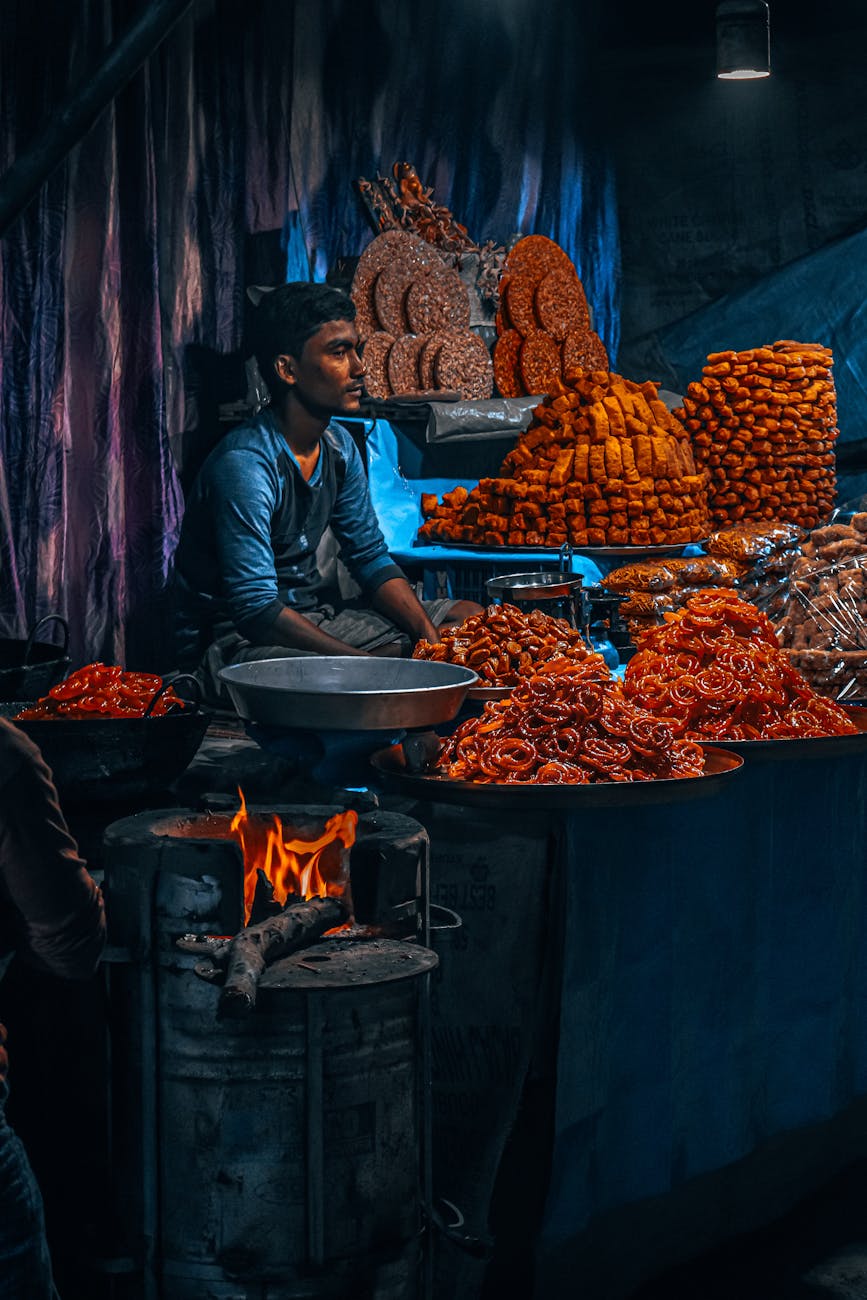
Street-food crawl in Nanpura: locho, fafda, jalebi and Surti ghari. Textile hunt in Varachha: shop bolts, negotiate alterations and sample local tailoring. Diamond district overview: learn why the city is vital to the global trade—book a guided visit. Tapi Riverfront at sunset: a modern civic space for walks and local life. Sunrise at Dumas Beach: quieter early mornings and coastal snacks. Markets come alive in the late afternoon and early evening—plan shopping windows accordingly.
Where to Stay
Central areas near Surat Railway Station or Athwalines are best for first-timers—good transit links and quick access to markets. Varachha or Ring Road suit serious shoppers who want early market access. Adajan and Udhna area hotels are convenient and often quieter for families. Look for hotels with good luggage storage and early breakfast service if you plan morning market runs. Many mid-range hotels offer easy taxi/auto coordination for market pickups.
Food and Drink
Surat’s food is a highlight: don’t miss locho (steamed gram snack), Surti ghari (sweet), fafda-jalebi and dhokla. Street clusters around Nanpura and Chowk Bazaar serve the most authentic bites. For full meals try local Gujarati thalis and seafood near Dumas. Tea stalls (chai) and late-night snack shops are common. Drink bottled water; reusable bottles with filters are handy. If you drink alcohol, hotels and select restaurants serve it—check hours and local rules.
Getting Around
Surat has an international airport with quick links to Mumbai and Ahmedabad. The main railway station connects fast and frequent trains across Gujarat and Maharashtra. Within the city use auto-rickshaws, local buses and app taxis (Ola/Uber). For short market hops, walking is fastest; for beach or Diamond Bourse trips take a taxi. Traffic can be busy at peak commute hours—factor extra time between neighborhoods. Carry small change for autos and street purchases.
Best Time to Visit
November to February is best: cooler days, festival season and pleasant evenings for riverfront walks. Monsoon (June–September) brings heavy rains and humid streets—beach visits may be unpredictable. Avoid peak summer months (April–June) if you’re heat-sensitive; if you travel then, plan indoor museum and market time in mornings and evenings for outdoor activities.
Budget and Practical Tips
Daily budgets vary: budget travelers can manage on modest guesthouses, street food and public transport; mid-range travelers should allow for comfortable hotels, taxis and shopping time; luxury travelers will find boutique hotels and private guides. Bargain politely in textile markets; ask for hem-and-stitch turnaround times. Keep ID for hotel check-in and any diamond area visits. Language: Gujarati and Hindi are common; English works in hotels and market showrooms. Safety: Surat is generally safe—watch belongings in crowded bazaars and on transit.
FAQ
Is 3 days enough to see Surat?
Yes. Three days covers the castle, riverfront, textile markets, a diamond-bourse overview, street-food circuits and a beach visit at a relaxed pace.
How do I get from Mumbai to Surat?
Regular trains and buses connect Mumbai to Surat in about 4–6 hours; driving time varies by traffic. Flights are also available to Surat airport.
Are diamond workshops open to visitors?
Some workshops and the Diamond Bourse allow guided visits but require prior arrangement and ID; photography is often restricted.
Where is the best street for food?
Nanpura and surrounding Chowk Bazaar are the top clusters for iconic Surti snacks and sweets.
Can I buy textiles to ship home?
Yes. Many shops offer packing and shipping; confirm costs and timelines before purchasing large orders.
Is the city family-friendly?
Yes. Parks, the riverfront, easy transport and mild attractions make it suitable for families with older children.
Conclusion
Three days in Surat gives a balanced view of industry, culture and cuisine: shop the textile lanes, taste local snacks, learn how diamonds shape the economy and relax by the river or sea. Use the flexible day to dive deeper into a market or add a short excursion. Pack light, schedule any diamond or tailoring appointments ahead, and let evenings belong to the riverfront and street-food stalls for the most memorable moments.
How this guide was prepared
This guide was prepared through a structured research that combines destination research, geographic context, itinerary planning logic, and content review.