
Toulouse in 3 Days: Practical Weekend Itinerary and Tips
Three days in Toulouse: a no-nonsense plan with realistic budgets, transit tips (Tisséo), museum costs, markets, and Canal du Midi best times and pitfalls.
A compact, realistic 72-hour plan that prioritises walking routes, public transit, and food stops so visitors see the core sights without wasting time.
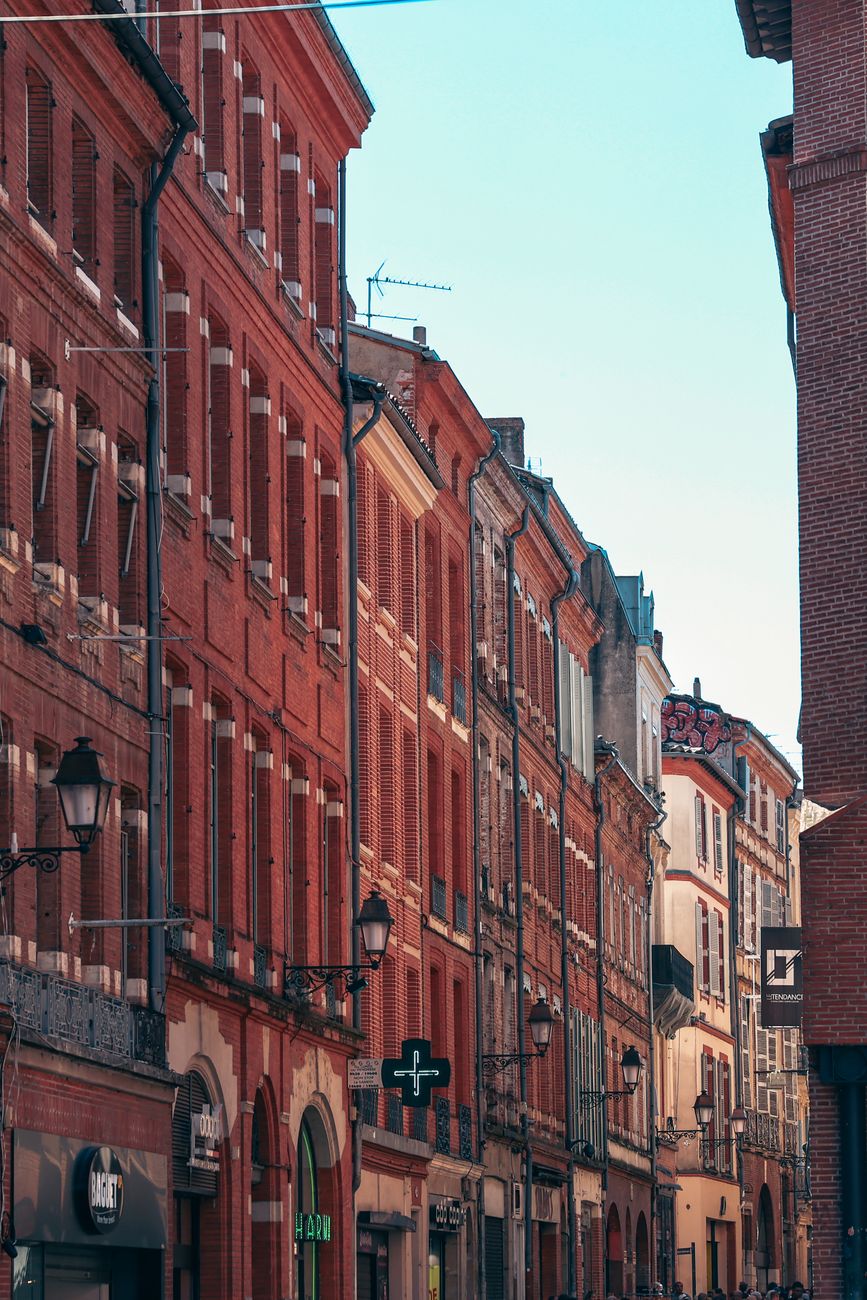
A short break in this southwestern French city feels like a mix of university energy, industrial aviation history, and riverfront life. Expect warm brick facades around the central square, busy market mornings, and a network of compact neighbourhoods that can be walked or crossed quickly by metro lines A and B. Noise levels are moderate: streets near Place du Capitole and rue Saint-Rome are lively during daytime but calmer after 22:00, except for student areas around Carmes. Visitors often arrive expecting only pretty façades and miss the aerospace museums, working-class markets, and riverside scenes that make the place feel like a real regional capital rather than a theme-town.
Is 3 days in Toulouse enough?
Three days are enough to cover the main monuments (Capitole, Saint-Sernin), a major museum, and a neighbourhood or two, with time for the Canal du Midi or the Cité de l'Espace. The honest caveat: a true day trip to Carcassonne or the Pyrenees requires an extra day and will feel rushed if attempted within the same 72 hours.
Who This Guide Is For
Best for first-time visitors who like walking, markets, and museums and who travel by rail. Less suitable for beach-focused travellers or anyone wanting to use Toulouse as a single base for multiple long day trips.
Local Tips for Toulouse
Practical details that most travel sites skip — specific to Toulouse.
- Tisséo runs metro lines A and B; A connects Balma–Gramont to Basso-Cambo and B runs from Borderouge to Ramonville — buy tickets at orange Tisséo machines or via the Tisséo app.
- The Navette (airport shuttle) links Toulouse‑Blagnac and Gare Matabiau; expect roughly €8–€10 one-way and departures every 20–30 minutes — allow 30–40 minutes total travel time including wait.
- Marché Victor Hugo on Place Victor Hugo is busiest 08:00–11:30; most standout stalls and restaurants clear out by 14:00, so plan market meals for morning or early lunch.
- VélÔToulouse is the city bike-share; short rentals from stations near Pont Neuf and Jardin Compans-Caffarelli cost around €1.70 for a short trip when using the app or a 1‑day pass.
- Many restaurants list 'service compris' on the menu; tipping is small change or rounding up, not the 15–20% habit in some other countries.
How This Guide Was Prepared
This guide treats Toulouse as a working regional capital rather than a postcard. Most guides overfocus on the pink brick facades around Place du Capitole and skip the aviation industry, the strong local food scene at Marché Victor Hugo, and riverfront life along the Garonne. Practical timing and transit details here aim to turn a long weekend into a calm, achievable exploration. This guide was prepared through a structured research that combines destination research, geographic context, itinerary planning logic, and content review.
Plan Your Stay in Toulouse
Use this itinerary as your starting point, then compare areas to stay, transport options, seasonal timing, and realistic daily costs before booking.
Why Visit
Strong regional cuisine and a concentrated market scene make food a major reason to visit, with Marché Victor Hugo as the obvious destination for market lunches. Aviation history and modern science are visible at the Cité de l'Espace and Aeroscopia, offering a different mood from the medieval sights in Carcassonne. The riverbanks and Canal du Midi provide easy outdoor time without leaving the city; the Canal's towpaths are good for short walks or bike rides. Compact museums such as Musée des Augustins and Les Abattoirs let visitors see significant collections without needing an entire day.
Quick Planning Tips
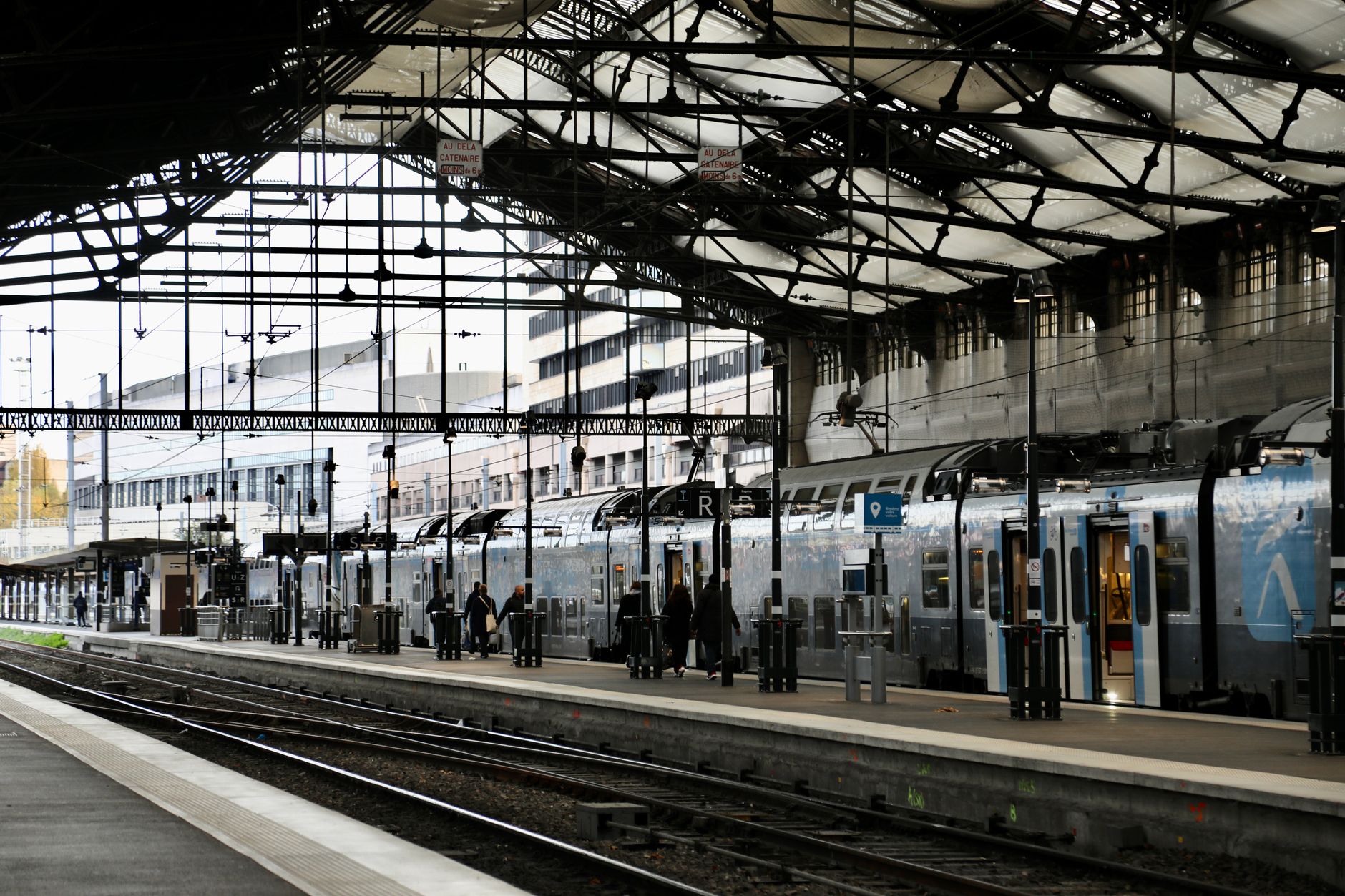
Arrive by train at Gare Matabiau for the fastest city access; the station sits one metro stop from Place du Capitole on line A and is roughly a 10–15 minute walk. From Toulouse‑Blagnac airport the Navette shuttle reaches Gare Matabiau in about 20–30 minutes plus waiting time; taxis cost noticeably more. Carry a few euros for market purchases and small cafés, and download the Tisséo app to buy single tickets, day passes, and see real‑time departures. Avoid booking a long day trip for the first morning: crowds at the market and museum queues are worst early in the day and can eat into a full itinerary.
Day 1
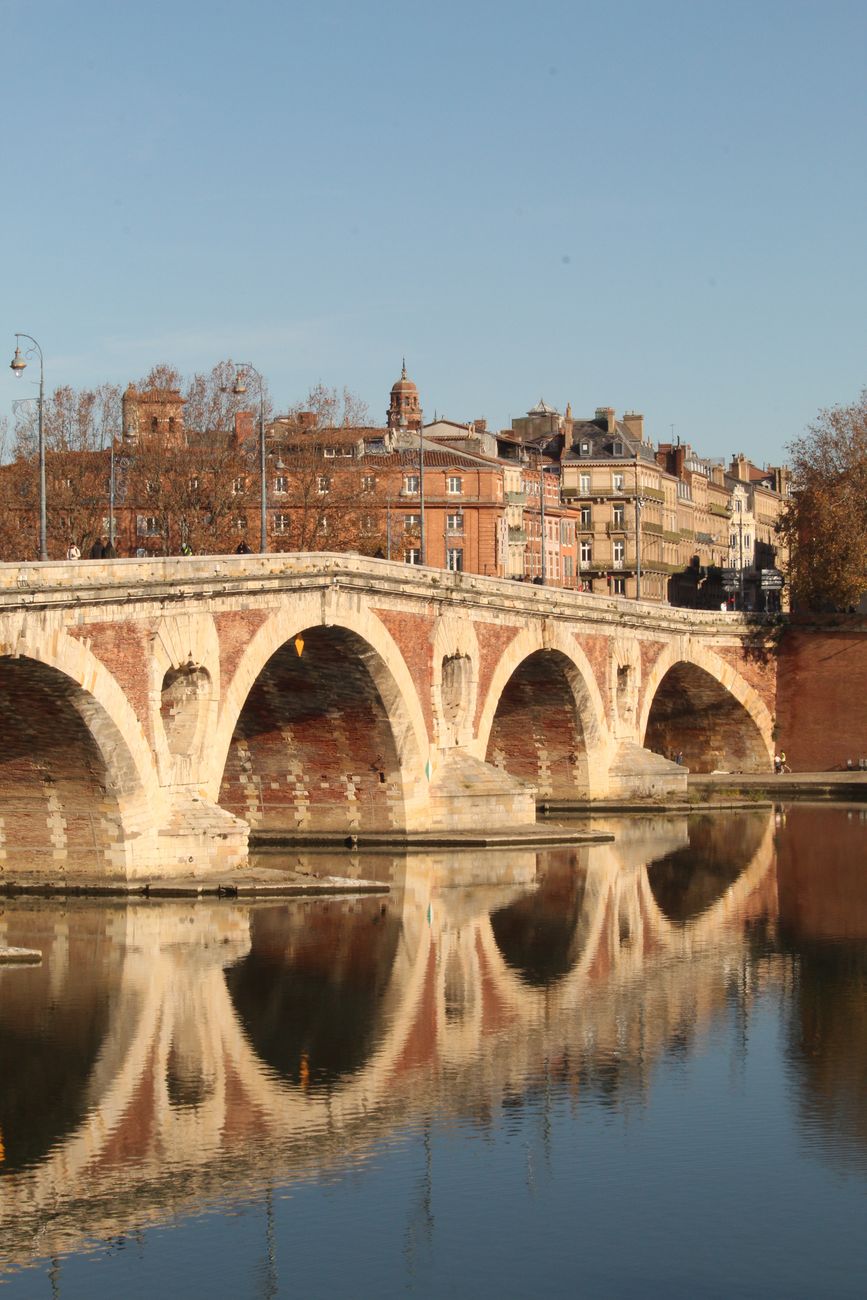
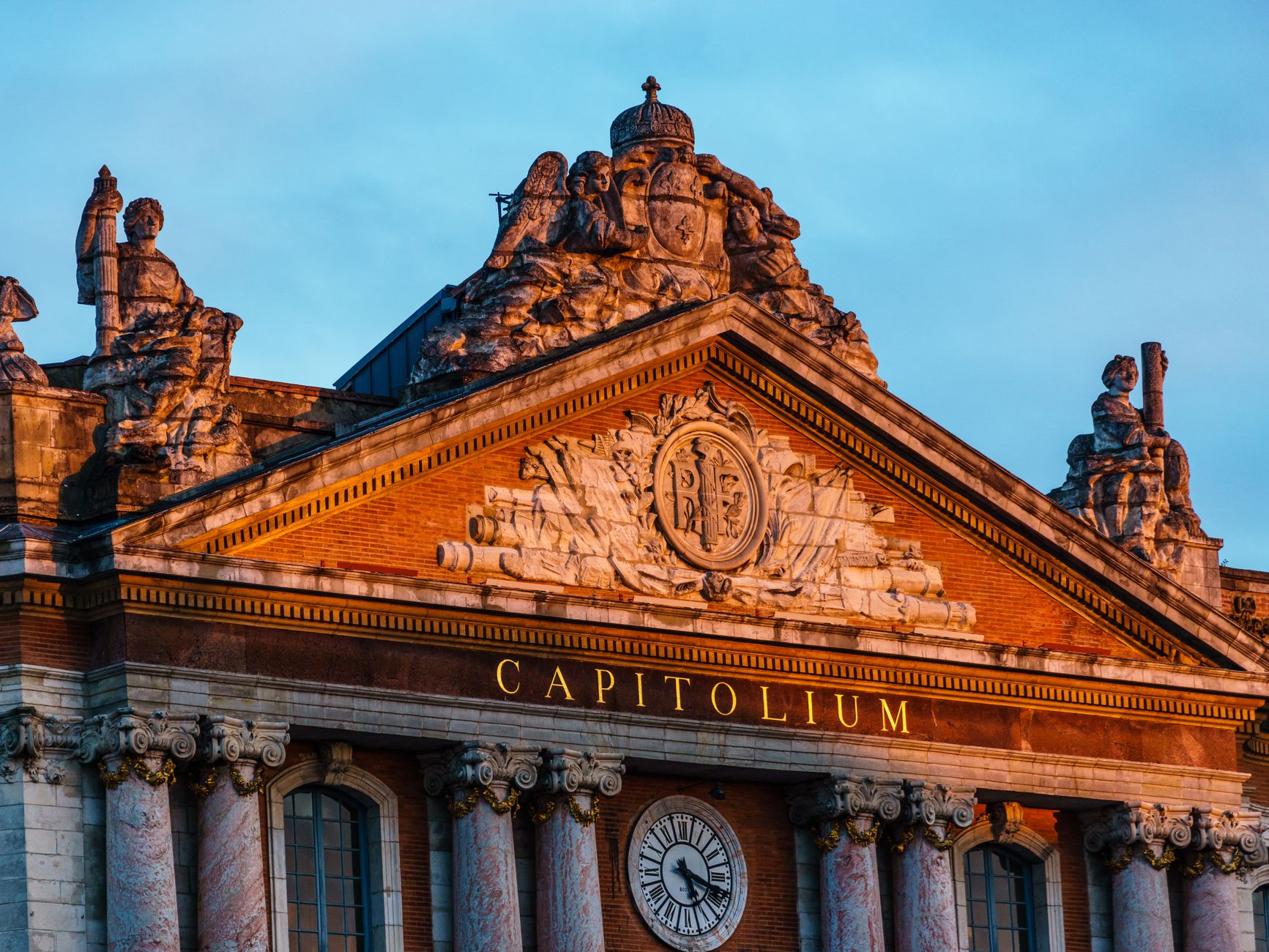
Start at Place du Capitole to take in the square and the Capitole building; allow 45–60 minutes to walk the façades and visit the tourist office. A 5–10 minute walk south brings you to Basilique Saint-Sernin; allocate 40–60 minutes for the interior and the exterior views. From Saint-Sernin walk 10 minutes to Musée des Augustins for medieval and Renaissance painting and sculpture; plan 60–90 minutes. Lunch at Marché Victor Hugo takes 15 minutes by foot from the museum; choose a stall or one of the market restaurants and budget €12–€20. After lunch, stroll towards Pont Neuf along the Garonne — 15–20 minutes — and follow the quays to Jardin Japonais (about 20 minutes further) for a low-key afternoon. Dinner option: book a table at a bistro serving saucisse de Toulouse or cassoulet near rue Saint-Rome. Evening recommendation: cross to Prairie des Filtres for sunset views of Pont Neuf and people-watching; this area is lively on weekends.
Day 2
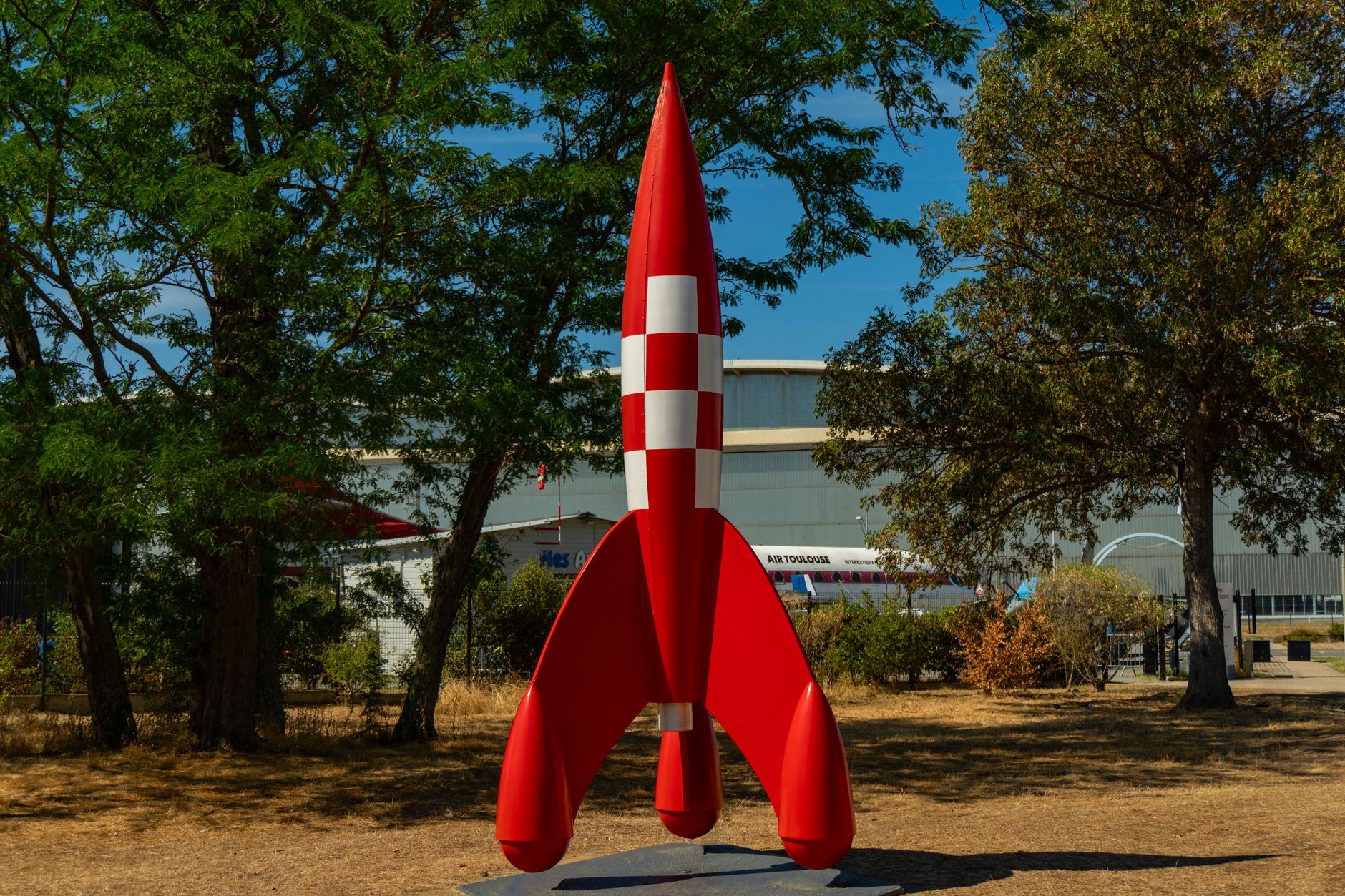
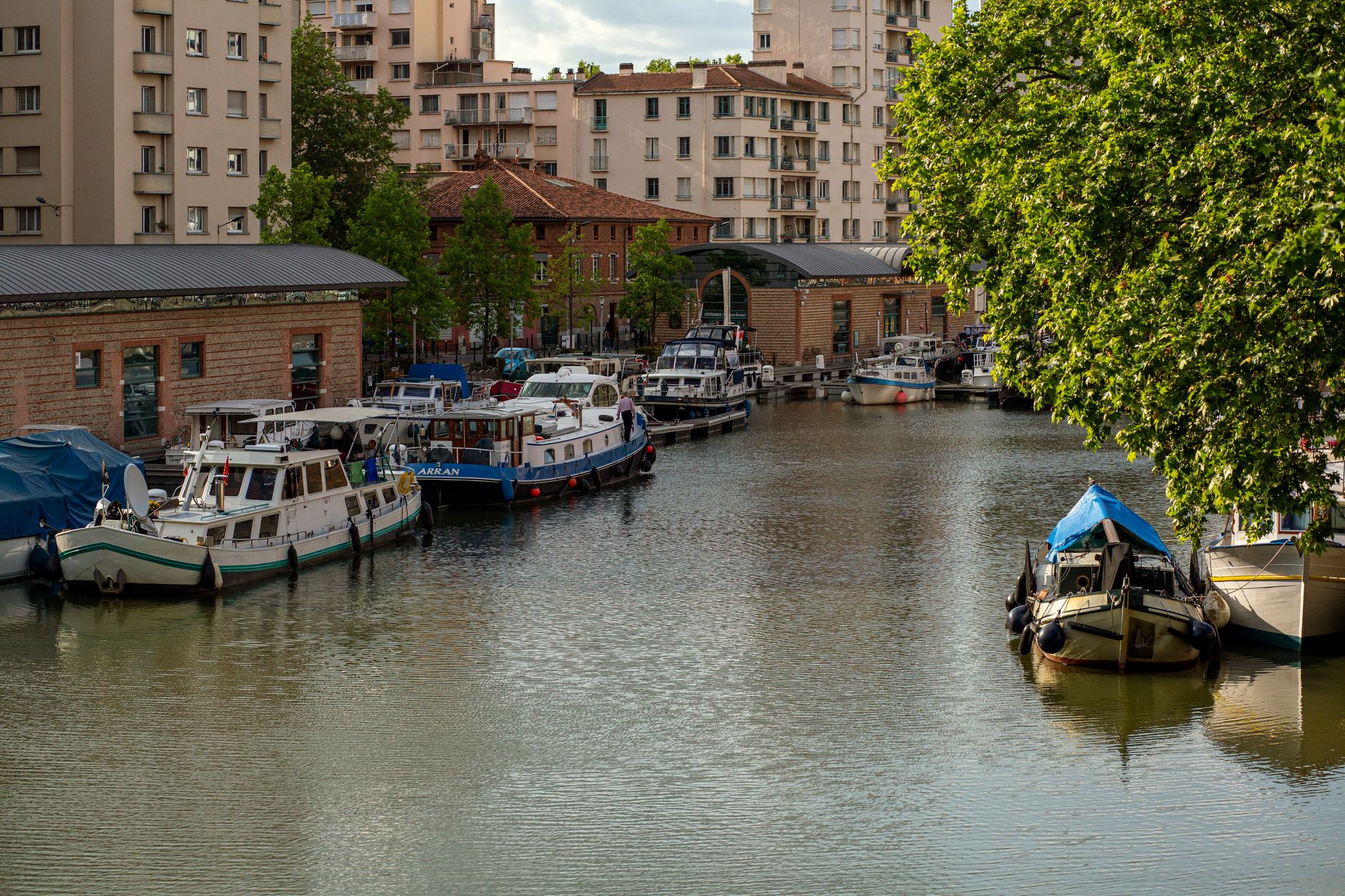
Spend the morning at the Cité de l'Espace — take metro line A to Jolimont then transfer by local bus or tram where needed; expect a 30–40 minute transit from central hotels. Give the space centre 3–4 hours for exhibits and the planetarium; adult tickets are typically in the €15–€20 range. Return to the city and head to Les Abattoirs for modern art; the tram or a short taxi from Matabiau takes 15–20 minutes. Walk or tram to the Carmes neighbourhood for late-afternoon shopping and specialty food shops. Dinner idea: try a restaurant around Place Saint-Georges for duck or regional wines from Fronton; expect €20–€35 per person. Evening recommendation: a late stroll on Canal du Midi towpaths near Port Saint-Sauveur for a quieter riverside mood.
Day 3
Begin at Musée Saint-Raymond near Place du Capitole to see Gallo-Roman finds; plan 60–90 minutes. Walk 10 minutes to Jardin Compans-Caffarelli for a relaxed morning and the local botanical displays. Midday, head to the Canal du Midi and take a short boat trip from Port Saint-Sauveur if time allows, or rent a bike at a VélÔToulouse station and ride a section of the towpath — allow 2–3 hours depending on pace. Lunch at a canal-side café or back near Victor Hugo market keeps the day flexible. Practical note for departures: if checking out and catching an afternoon flight, store luggage at Gare Matabiau or use hotel storage, and allow 45–60 minutes travel time to the airport including boarding for the Navette or taxi.
Best Local Experiences
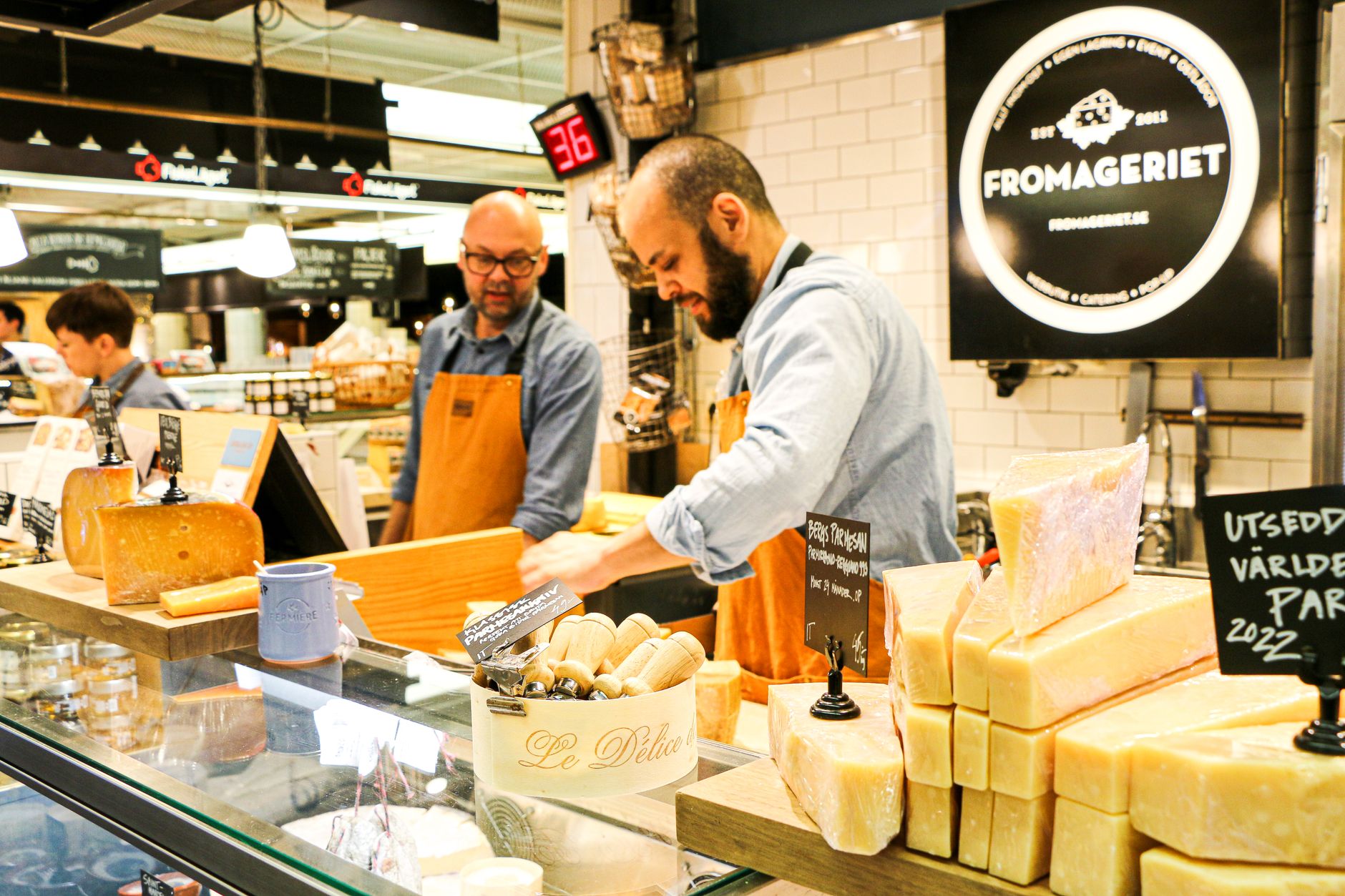
Spend a morning at Marché Victor Hugo sampling charcuterie and cheeses and sit at a market counter for a casual lunch. Take the Cité de l'Espace for a hands-on view of the region's aerospace industry and book a planetarium show. Walk or cycle a stretch of the Canal du Midi from Port Saint-Sauveur for countryside scenes without leaving the metropolitan area. Visit Les Abattoirs on a temporary exhibition day for contemporary work that contrasts with older collections at Musée des Augustins. Attend an evening at Halle de la Machine when exhibitions are scheduled to see mechanical displays and public events; check dates in advance. Each activity reflects different sides of city life: market trade, industry, riverside leisure, modern art, and family-friendly science.
Where to Stay
Capitole / Jean Jaurès: suits first-time visitors who want to be within walking distance of Place du Capitole, rue Saint-Rome, and many museums. Expect mid-range hotels to start around €90–€140 per night (≈€100–$155). Carmes / Saint-Cyprien: good for food-focused travellers and a younger crowd; restaurants and smaller boutiques are nearby. Nightly costs often range €70–€120 (≈€78–$95). Compans-Caffarelli / Matabiau: better for rail travellers and quieter nights, with easy access to Gare Matabiau; mid-range hotel prices around €60–€110 (≈€67–$110). Each neighbourhood changes character after 22:00, so pick based on whether nightlife or an early train matters most.
Food and Drink
Cassoulet: a rich slow‑cooked bean and meat casserole (saucisse de Toulouse, confit) best at traditional bistros such as older local brasseries; expect €14–€25 per portion. Saucisse de Toulouse: a classic pork sausage usually grilled or in cassoulet; order at marché counters or bistros for €6–€12. Magret de canard: duck breast pan-seared and common on dinner menus; prices €15–€25. Foie gras: served as starter or in the market, high quality versions at Marché Victor Hugo stalls cost €6–€12 for a small plate. Breakfast option: a café au lait with a croissant at a corner café near Place du Capitole for about €4–€6. Street food: jambon-beurre and market sandwiches from Victor Hugo stalls make practical lunches for €5–€8. Wine: wines from Fronton and other South-West appellations are easy to find by the glass in cafés for €3.50–€6.
Getting Around
Public transit is run by Tisséo: metro lines A and B, tram lines T1 and T2, and an extensive bus network. Single paper tickets bought at machines cost about €1.70–€2 and are valid for an hour; a 24-hour pass costs around €5–€6 via the Tisséo app. VélÔToulouse bike-share stations are plentiful near Pont Neuf and Compans-Caffarelli. Regional trains connect Gare Matabiau to Carcassonne and Bordeaux; check SNCF schedules. Taxis from the airport average €30–€45 depending on time and traffic; the Navette airport shuttle is cheaper and takes about 20–30 minutes to Matabiau. Use the Tisséo app for trip planning and real-time departures.
Best Time to Visit
Spring (April–June) brings mild weather, daytime highs around 15–24°C and fewer tourists than summer; this is a best-value season. Late summer (July–August) is warm with highs often 25–32°C; expect more crowds and limited restaurant openings around mid-August. Early autumn (September–October) mirrors spring with pleasant temperatures and grape harvest events in surrounding vineyards. Winter (November–February) is cooler, 5–10°C daytime, and some attractions have shorter hours; bargains on hotels are common but expect rainier days. For market and outdoor café time, choose April–June or September for the best balance of weather and availability.
Budget and Practical Tips
Daily budget (mid-range): accommodation €70–€120, food €25–€50, transport €5–€8, entry fees €10–€25; total roughly €110–€200 per day (≈$120–$220). Lower budgets are possible with dorms or budget hotels (€30–€50), market lunches, and walking. Many museums have reduced fares for students or combined tickets; plan €6–€18 per main museum. Tipping: service is included on bills; leaving 1–2 euros for good service or rounding up is customary. Cash is useful at market stalls, but most cafés and shops accept cards; smaller vendors may prefer cash. Carry a validated Tisséo ticket on public transport to avoid fines.
FAQ
Is Toulouse safe for solo travellers?
Yes, central areas and major tourist spots are generally safe by day; take usual precautions at night around busy bars and on crowded tram stops.
How do I get from Toulouse‑Blagnac airport to the city center?
The Navette airport shuttle goes to Gare Matabiau in about 20–30 minutes; taxis are faster door-to-door but cost more.
Are city museum passes worth buying?
Buy a short-duration pass only if planning multiple paid museums in one day; individual museum tickets and timed entries are often enough for a 3-day stay.
Can a visitor day-trip to Carcassonne by train?
Yes, Carcassonne is reachable by regional train from Gare Matabiau in about 1 hour and 15 minutes; allow a full day for travel and sightseeing.
What are peak times for Marché Victor Hugo?
Saturday morning is the busiest; arrive early around 08:00–09:00 for the best stalls and less waiting at restaurant counters.
Is English commonly spoken?
English is spoken in tourist areas, museums, and restaurants, but learning a few French phrases helps with markets and smaller shops.
What's the best transport app to use?
The Tisséo app handles tickets, real-time departures, and route planning; use it for metro, tram, and buses.
Are there easy luggage storage options at the train station?
Gare Matabiau has luggage lockers and services; check operating hours and sizes before arrival.
Conclusion
A three-day stay will leave a clear impression of the market culture, the pink brick centre, and the strong aerospace presence behind the city's public attractions. Most visitors remember a market lunch, a riverside stroll, and one standout museum like the Cité de l'Espace or Musée des Augustins. If time runs short, prioritise a morning at Marché Victor Hugo and an afternoon walk along the Garonne — those two experiences capture both the food and the riverside character that make the place distinct.
How this guide was prepared
This guide was prepared through a structured research that combines destination research, geographic context, itinerary planning logic, and content review.