
Responsible Travel Support for Tokyo — Practical Choices for Low-Impact 3-Day Visits
Practical, local-first advice for visiting Tokyo responsibly. Neighborhood picks, transport realities, sustainable tips, and booking guidance to support a 3-day Tokyo itinerary and nearby day trips to Yokohama, Kawasaki and Chiba.
Short, scan-friendly guidance to choose where to stay, how to move, and how to spend locally during a low-impact 3-day visit to Tokyo. Includes neighborhood pros and cons, seasonal notes, and smart booking tips that complement our main 3 days in Tokyo itinerary.
Quick Answer
Short, scan-friendly guidance to choose where to stay, how to move, and how to spend locally during a low-impact 3-day visit to Tokyo. Includes neighborhood pros and cons, seasonal notes, and smart booking tips that complement our main 3 days in Tokyo itinerary.
Who This Page Is For
This page is for travelers planning a stay in Tokyo who want clearer decisions about responsible travel, local logistics, timing, budgeting, and practical trip planning.
How This Page Was Prepared
This page was prepared through a structured editorial workflow that combines destination research, geographic context, and practical travel-planning review.
Plan the Rest of Your Trip
Use this page together with the full itinerary and the related planning pages below to make better booking, timing, transport, and budget decisions.
If you want a low-impact 3-day Tokyo trip: stay in a small guesthouse or business hotel near a JR or metro line (Yanaka, Ueno, Kagurazaka, or Shimokitazawa for a local vibe). Use a rechargeable Suica/Pasmo card and favor trains, trams and walking over taxis. Book priority experiences (sushi counter, sumo museum, guided food tour) in advance and choose shoulder-season travel (late March/early April, May, October–November) to avoid peak crowds. See the 3 days in Tokyo itinerary for a ready-made day-by-day plan.
This page is a compact, practical companion for the 3 days in Tokyo itinerary. It focuses on decisions you’ll actually make: where to base, how to travel between areas with the least environmental and social impact, and which local businesses to prioritize. Use these tips to tighten plans, reduce waste, and turn your days into direct support for neighbourhood shops and artisans. For longer travel, we flag convenient low-impact day trips to Yokohama, Kawasaki and Chiba.
What This Page Helps You Decide
This support page helps you pick:
- A neighbourhood base that matches your pace (quiet traditional vs. central, busy).
- How to allocate transport budget between regional trains, subways and luggage forwarding.
- Which local experiences to pre-book and which to improvise.
Practical outcomes: shorter transit times, less exposure to rush-hour crowds, more spending at family-run restaurants and markets, and one or two nearby day trips (Yokohama or Kawasaki) that don’t require extra flights or car rental.
Top Recommendations
Neighborhoods (best for a 3-day stay):
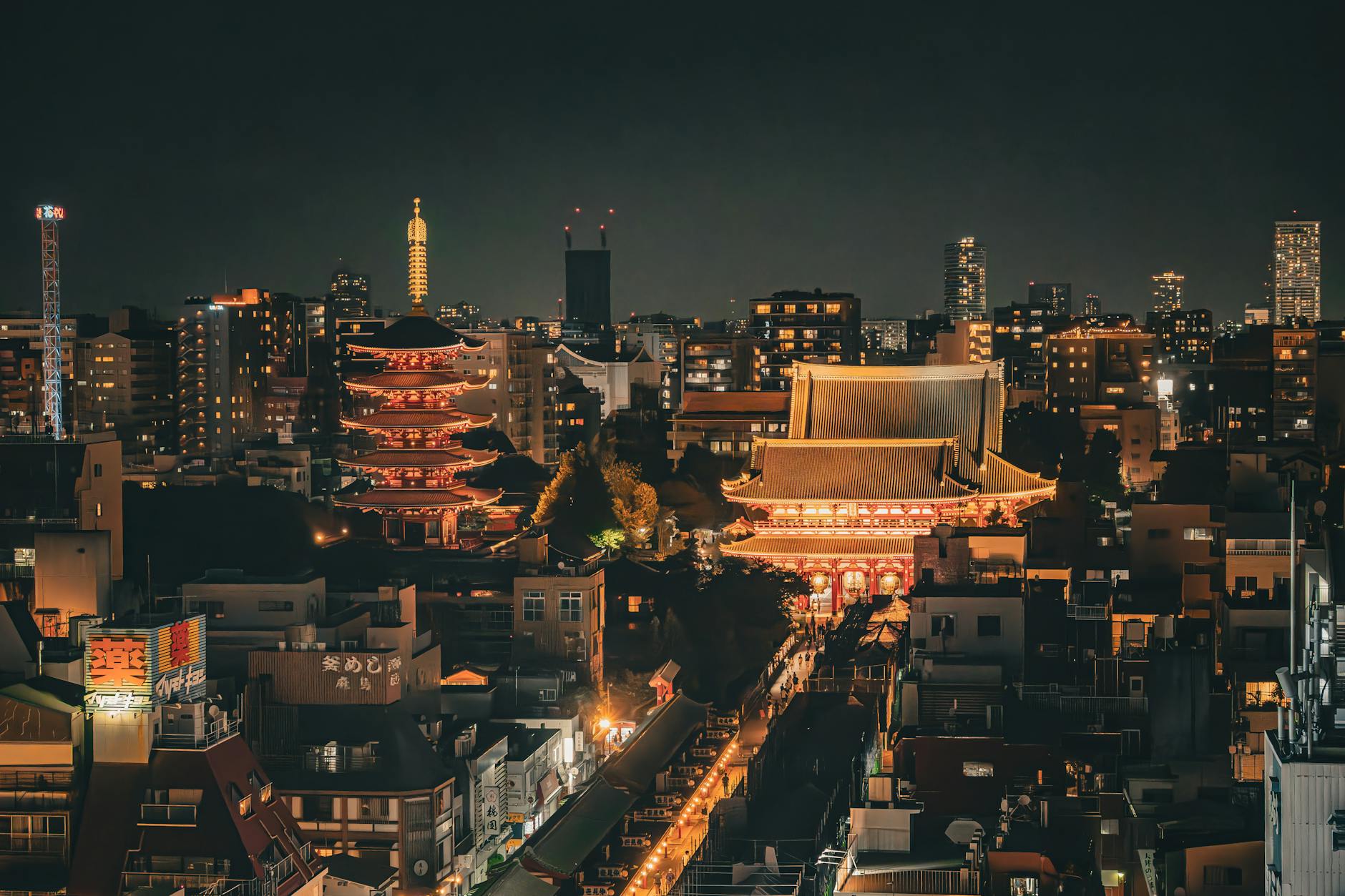
- Ueno/Asakusa: close to museums, parks and traditional shopping streets; quieter in evenings.
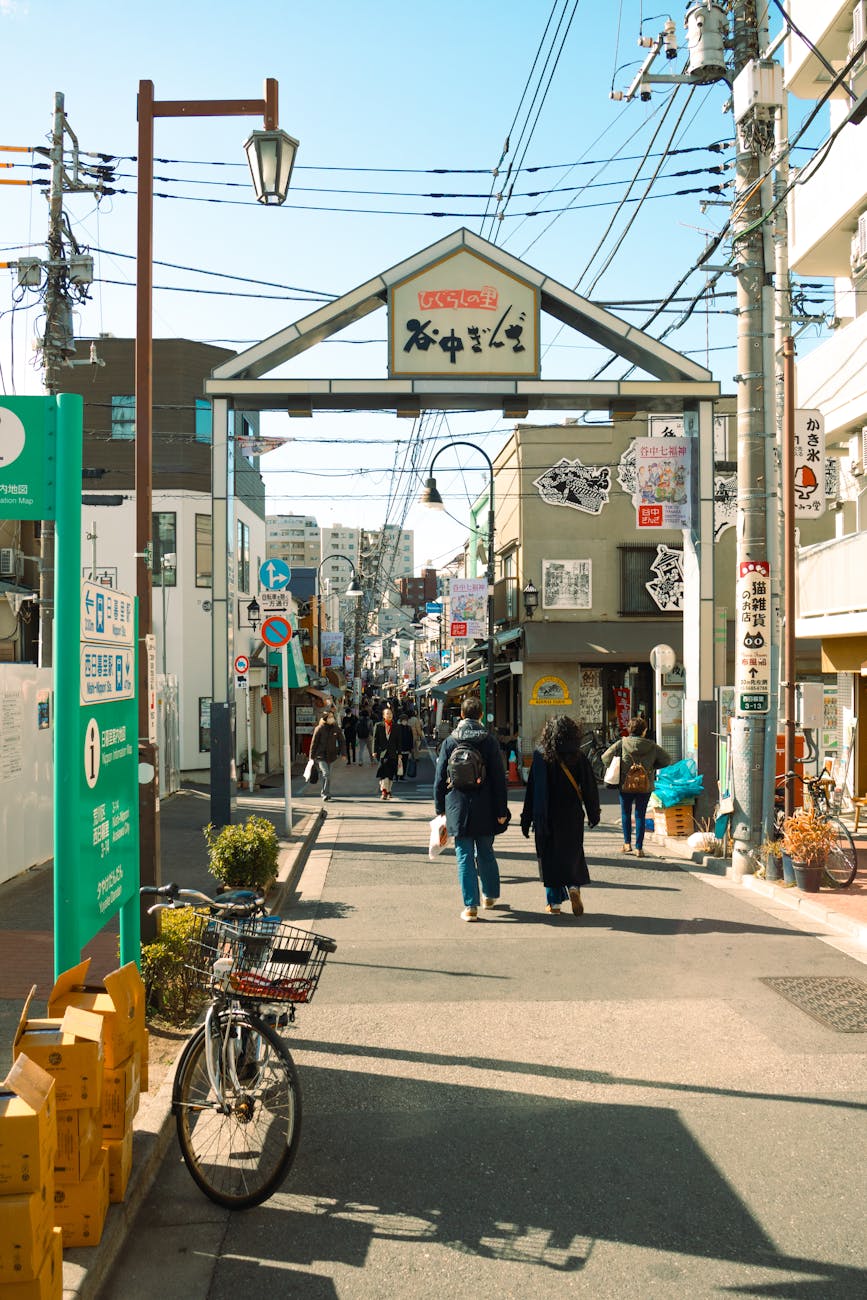
- Yanaka: low-impact, heritage streets and ceramics shops — great for buying local crafts.
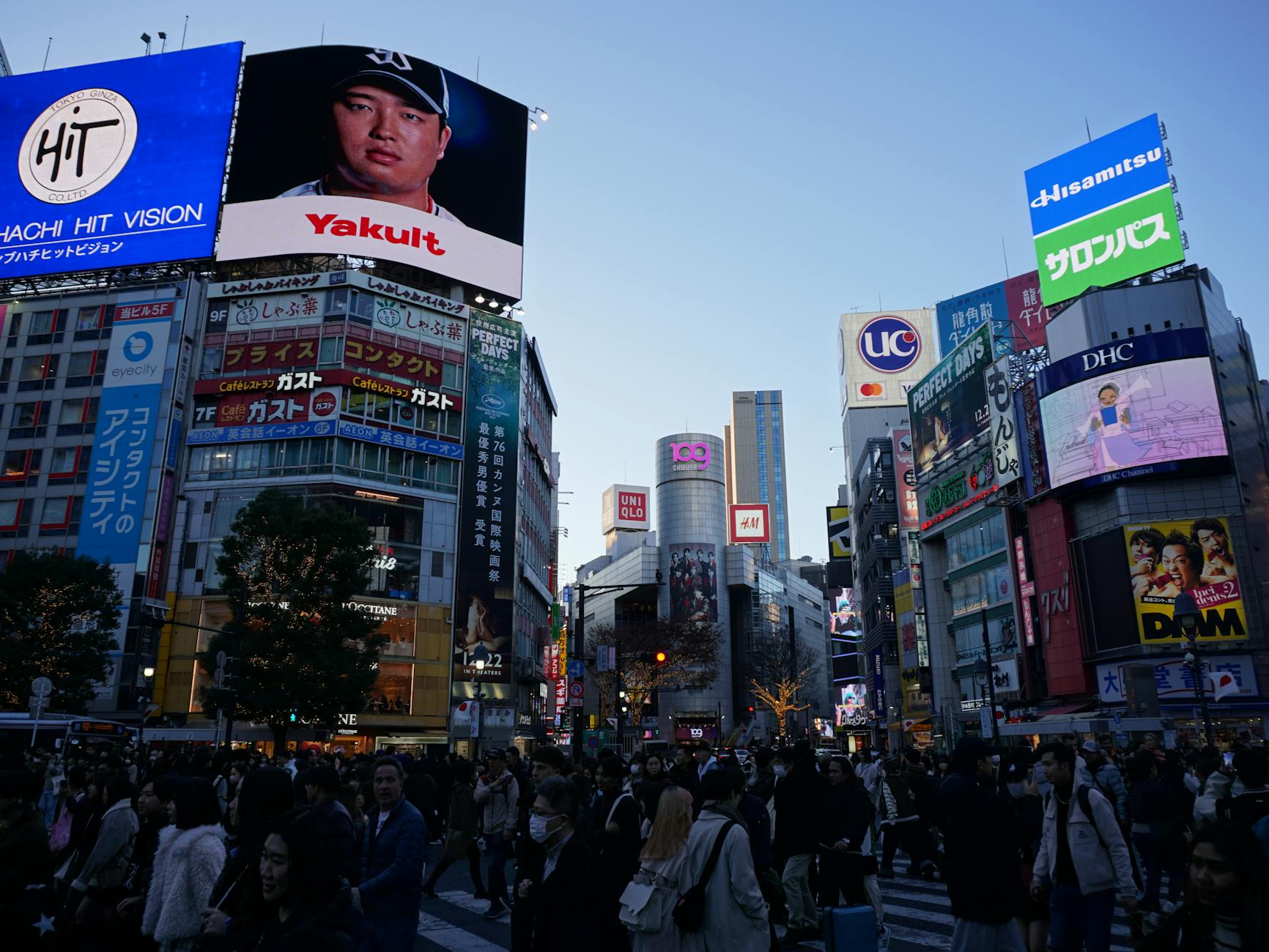
- Kagurazaka: narrow lanes, small restaurants, easy access to central Tokyo without the Shibuya bustle.
- Shimokitazawa: creative, secondhand shops and cafes; walkable and bicycle-friendly.
Transport and passes:
- Get a Suica or Pasmo for convenience and to reduce paper tickets.
- Use Narita Express, Keisei Skyliner or the airport train options for lower-carbon transfers from Narita; Haneda is closer and well-connected by monorail/Keikyu.
- Consider luggage forwarding (takkyubin) if you plan day trips without dragging suitcases.
Eating and spending:
- Favor depachika (department-store food halls) and small eateries over chain restaurants.
- Shop at Tsukiji Outer Market, local bakeries, and produce stands to keep food dollars local.
Booking tips:
- Reserve small-seat sushi counters and specialized tours ahead of time (these fill up even mid-week).
- Book during shoulder seasons to get lower rates and fewer crowds.
Local Context
Transport realities:
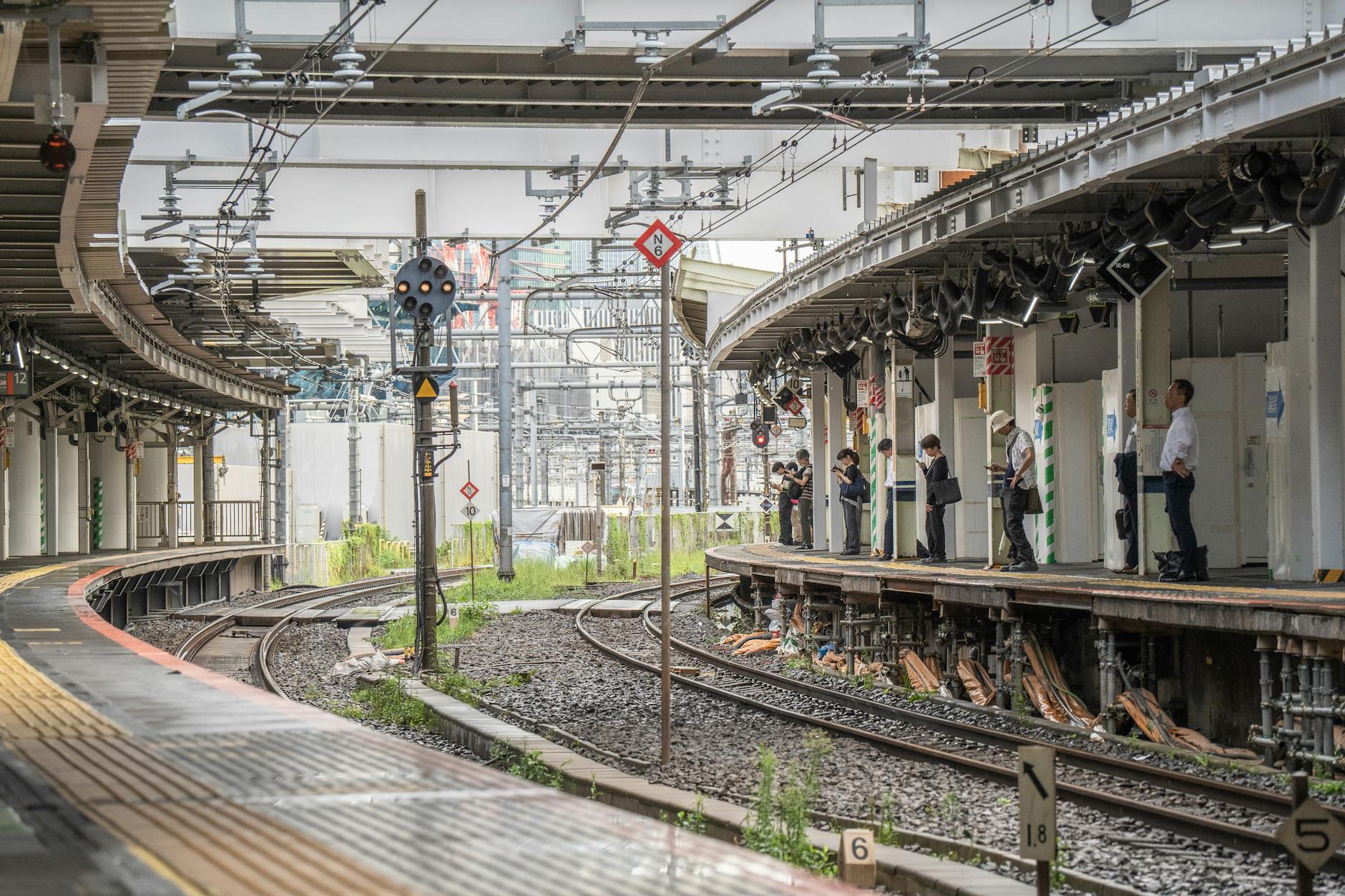
- Trains are punctual and frequent, but peak-hours (roughly 7:30–9:30 and 17:00–19:00) are extremely crowded — avoid them when possible.
- Many sights are best reached by a short walk from a main station rather than by taxi; walking reduces carbon and reveals local life.
Seasonal patterns and crowds:
- Cherry blossom season (late March–early April) and Golden Week (late April–early May) are high-traffic — choose shoulder days if you want lighter conditions.
- June is the rainy season; expect humidity in July–August and excellent foliage and cooler temperatures in October–November.
Local etiquette and practicalities:
- Tipping is not customary; a polite thank you is the norm.
- Remove shoes where requested (small temples, some ryokan and traditional restaurants).
- Carry some cash for small stalls; not all small businesses accept cards.
- Public bins are rare — carry a small bag for your waste and separate recyclables where bins exist.
How to Choose Well
Match neighbourhood to your priorities:
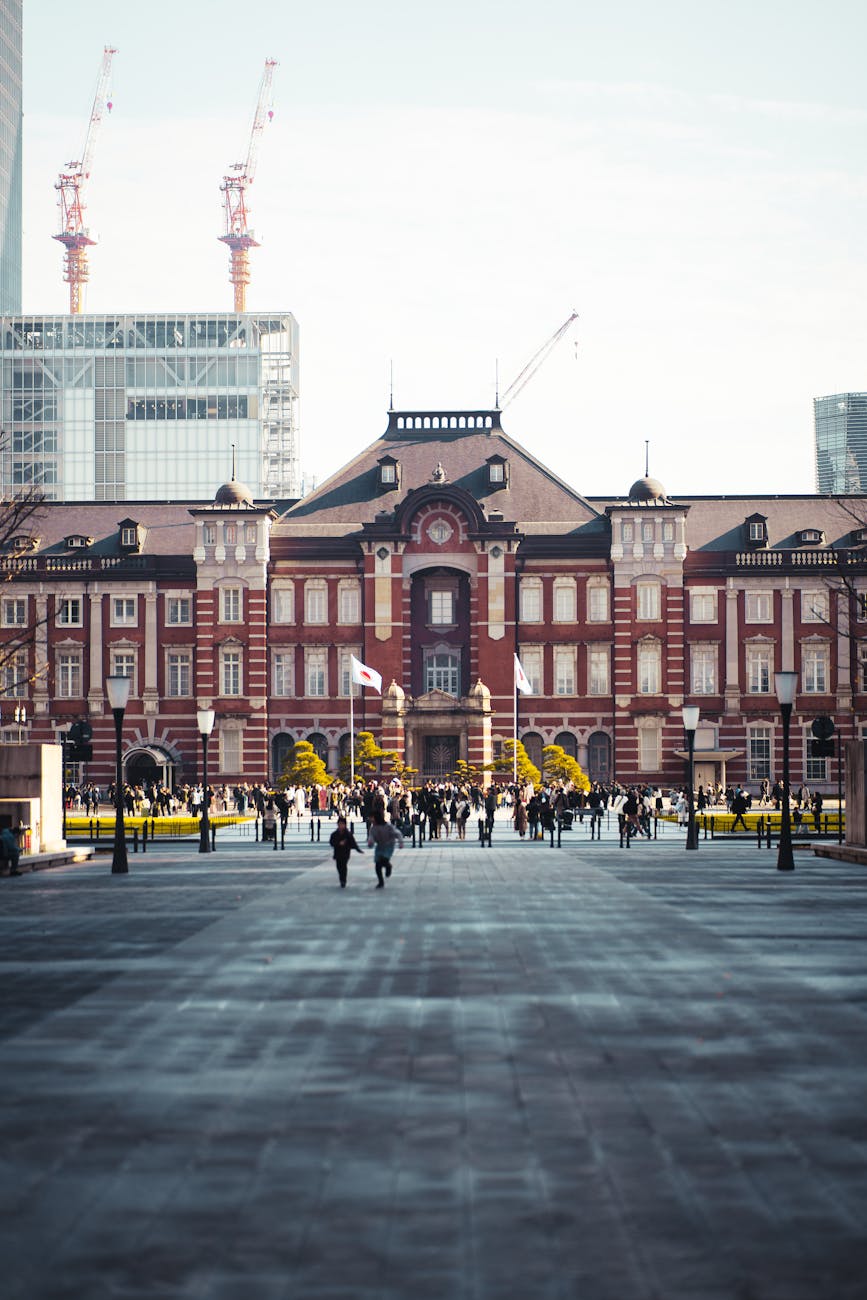
- Ease of transit: Choose near a JR Yamanote or major metro line (Shinjuku, Shibuya, Tokyo Station) if you prioritize fast moves between sights.
- Local atmosphere: Choose Yanaka, Kagurazaka or Shimokitazawa for smaller businesses, crafts and quieter evenings.
- Budget and space: Business hotels near major stations are space-efficient and often sustainably managed; small guesthouses can be more community-supportive.
Booking and timing tips:
- Use refundable rates for flexibility; double-check cancellation policies for small guesthouses.
- Reserve high-demand experiences (sushi counter, tea ceremony) at least 2–4 weeks ahead for shoulder season and up to 2 months for peak times.
- If you plan day trips to Yokohama or Kawasaki, prioritize morning departures to avoid evening commute crowds.
Responsible and Local-First Tips
Simple actions that support sustainable tourism:
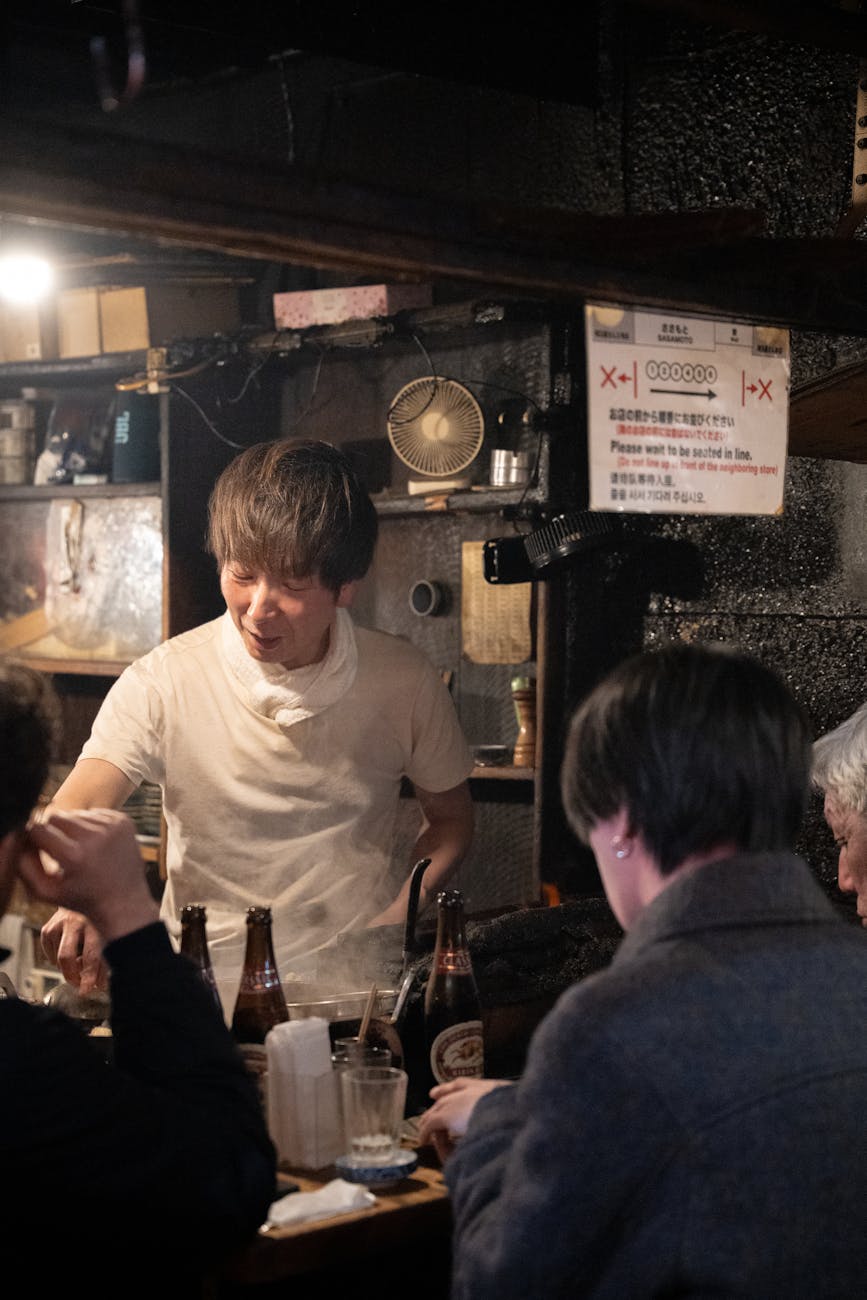
- Spend where it matters: eat at family-run izakayas, buy crafts from independent makers in Yanaka, and pick up specialty ingredients at depachika or Kappabashi kitchenware shops.
- Reduce waste: carry a reusable bottle and chopsticks, decline plastic bags and free disposable cutlery.
- Travel lighter: use luggage forwarding to reduce the need for taxis and to ease public-transport transfers.
- Choose local guides and small-group tours; they keep revenue in the community and provide context you won’t get from big operators.
- Respect cultural sites: speak softly in shrines, ask before photographing people (especially in private shops or festivals), and leave no trace at parks.
Common Mistakes to Avoid
- Trying to 'do it all' in three days; prioritize a neighbourhood or two and one nearby day trip.
- Traveling during weekday morning and evening rush hours — it’s crowded and stressful for locals.
- Assuming cards always work — small shops and markets may be cash-only.
- Visiting the inner Tsukiji wholesale market (it moved); use Tsukiji Outer Market for retail stalls and food.
- Taking long-distance day trips (e.g., Takayama) as same-day returns from Tokyo — those are better as multi-day journeys.
- Leaving trash on streets; carry your waste until you find proper disposal or recycling points.
FAQ
What’s the most sustainable way from Narita Airport to central Tokyo?
Take the Narita Express or Keisei Skyliner to central stations (Tokyo, Ueno, Shinagawa) and continue by metro or local train. These options are faster and lower-emission per passenger than taxis. If time allows, take local trains for lower cost.
Which neighbourhood is the best base for a 3-day trip?
For a balance of access and local life, choose Ueno/Asakusa for culture and parks, Yanaka for crafts and quiet streets, or Kagurazaka for food and atmosphere. Pick near a JR or metro line to minimize wasted transit time — see our 3 days in Tokyo itinerary for sample day plans tied to neighborhood choices.
Are small guesthouses and ryokan worth it for sustainability?
Yes. Small, locally run accommodations often source food locally and reinvest in the neighbourhood. Check reviews for cleanliness and cancellation policies, and prioritize properties that demonstrate clear sustainability practices.
How should I handle cash and cards?
Carry some cash for markets, small temples’ donation boxes, and tiny noodle shops. Use Suica/Pasmo for most transit and many shops; larger stores accept cards. Avoid relying solely on credit cards.
Can I do a day trip to Yokohama or Kawasaki from Tokyo without a car?
Absolutely. Yokohama and Kawasaki are 20–40 minutes by regular commuter train; ideal for low-impact day trips. Chiba is also a straightforward train ride. For Hamamatsu or Takayama, plan overnight stays or a longer rail journey rather than a same-day return.
Conclusion
Use these choices to make your short Tokyo visit lower-impact and locally beneficial. Base yourself where you’ll spend money intentionally—small restaurants, markets and craft shops—and use trains, walking and luggage forwarding to keep transit light. For hands-on planning, pair this page with the main 3 days in Tokyo itinerary and consider easy day trips to Yokohama, Kawasaki or Chiba when you want to extend your low-impact exploration.
How this guide was prepared
This guide was prepared through a structured research that combines destination research, geographic context, itinerary planning logic, and content review.