
3 Days in Tours: Practical 72-Hour Loire Itinerary
A practical 3-day guide to Tours with walking routes, market hours, transit tips, budgets and Loire châteaux options for a tight weekend.
A candid 72-hour plan for seeing the old town, markets, riverbanks and a nearby château, with transit tips and realistic budgets for a focused weekend.
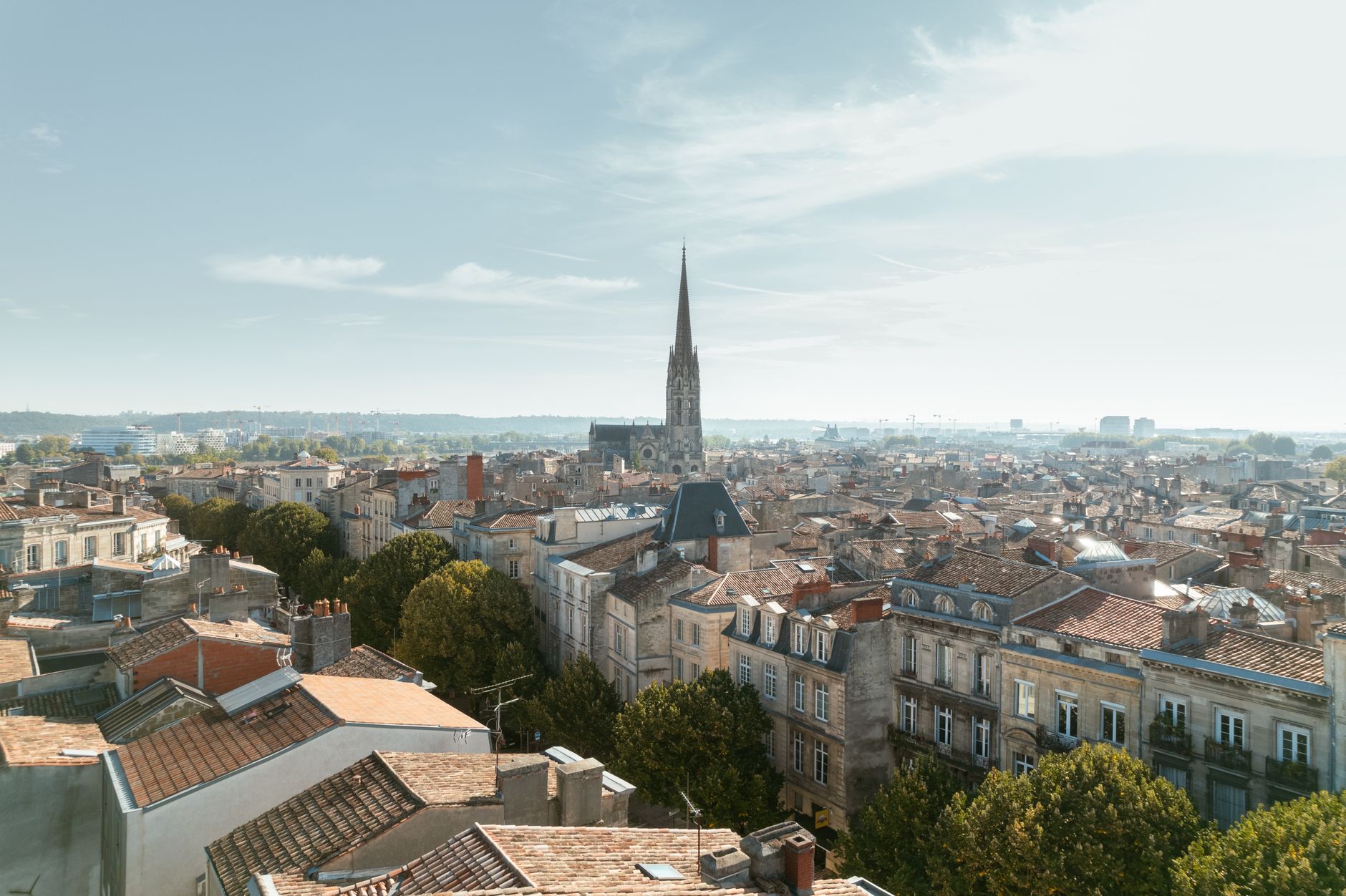
Expect an urban centre that mixes a medieval core with provincial everyday life. Timber-framed houses and narrow streets around Place Plumereau sit alongside postwar boulevards and a modest station quarter. Noise levels are low compared with a major city; market mornings and late-afternoon river walks are the liveliest parts of the day.
The common surprise: the city is less about monumental, nonstop sightseeing and more about food markets, short museum visits and Loire-side promenades. This suits travellers who prefer compact walking days, short train hops to nearby châteaux and wine stops, and those who dislike marathon museum itineraries.
Practical first impression: the centre is very walkable but spread across neighbourhoods with different characters—old town for evening cafés, Prébendes and Jardin Botanique for quieter afternoons, Gare area for day-trip logistics. Accommodation choices affect how much time is lost to transit, so pick a base near the old town or the station depending on day-trip plans.
Is 3 days in Tours enough?
Three days is enough to see the old town, the cathedral, the main markets and one nearby château (Villandry or Chenonceau). The honest caveat: seeing more than one major Loire château plus deeper vineyard visits requires extra time or a car.
Who This Guide Is For
Best for travellers who like food markets, short walks and accessible day trips by train. Poor fit for people who want to visit numerous Loire châteaux in a single weekend without renting a car.
Local Tips for Tours
Practical details that most travel sites skip — specific to Tours.
- Gare de Tours has frequent TER and TGV services: Paris Montparnasse is typically about 1 hour by TGV; book on the SNCF Connect app for best fares.
- Les Halles de Tours (covered market on Place Gaston Paillhou) runs busy mornings; most producers pack up by 13:00 so aim for an early visit.
- Place Plumereau terraces fill fast on sunny evenings; arrive before 20:00 at weekends to avoid long waits for a table.
- Use the Fil Bleu app for local buses; single Fil Bleu tickets are roughly €1.70 and are generally valid for transfers within 60 minutes.
- Most restaurants list 'service compris' on the bill; rounding up small change or leaving €1–3 per person is common rather than large tips.
How This Guide Was Prepared
This guide treats Tours as a compact regional hub rather than a château checklist: the city rewards slow walking, markets and wine bars. Many guides over-focus on long château lists and ignore how easy it is to experience genuine market culture, river walks and neighbourhood cafés in a short stay. This guide was prepared through a structured research that combines destination research, geographic context, itinerary planning logic, and content review.
Plan Your Stay in Tours
Use this itinerary as your starting point, then compare areas to stay, transport options, seasonal timing, and realistic daily costs before booking.
Why Visit
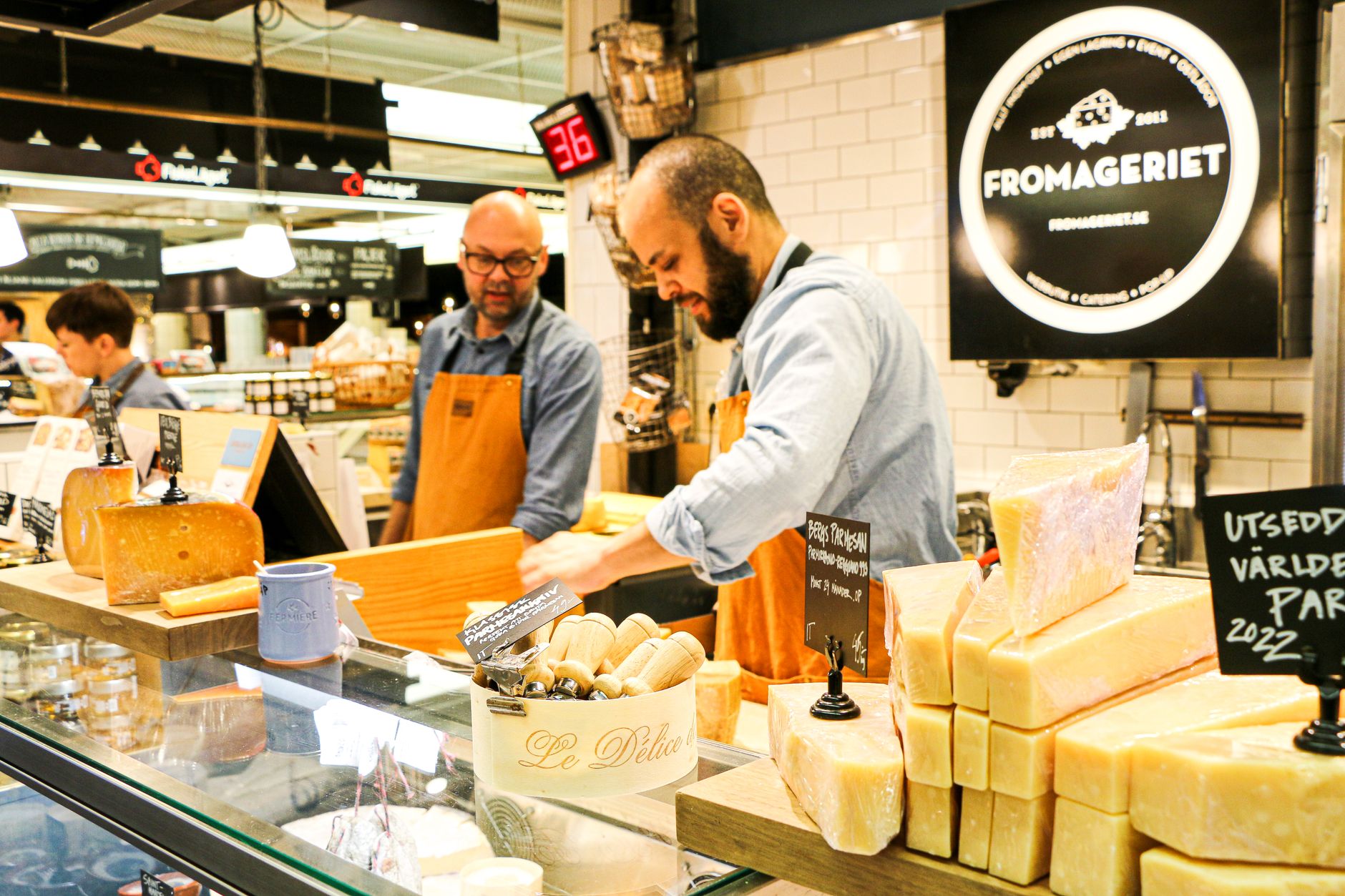
Local food culture is unusually accessible: Les Halles de Tours concentrates Loire Valley producers and forms a practical starting point for tasting local cheese, rillons and fouée. Walking the Loire quays provides a calm riverside contrast to the market noise and offers clear views toward the city bridges.
The old town (Vieux Tours) places cafés and medieval architecture within five minutes of each other, so sightseeing and eating can be mixed without long transfers. Museums such as the Musée des Beaux-Arts sit beside the cathedral and regularly run exhibitions that complement a single afternoon visit.
Proximity to key châteaux makes this an efficient base: Château de Villandry and Château de Chenonceau are reachable in about 30–45 minutes by car or regional train, so daytrips are feasible without changing hotels. Finally, the local wine route—especially Vouvray—lets travellers pair short vineyard visits with city meals without long drives.

Quick Planning Tips
Arrive by train if possible: Gare de Tours has frequent TER services to Angers, Le Mans and Orléans and TGV links to Paris Montparnasse (around 1 hour). For air travel, Tours Val de Loire airport handles a few routes; Nantes or Paris airports are the practical international options.
Buy local bus tickets on the Fil Bleu app or from machines at main stops; keep a print or screenshot of regional train reservations from the SNCF Connect app. Cash is accepted widely but most cafés and shops prefer card for bills over €10; contactless is common.
Avoid the planning mistake of scheduling multiple château daytrips by train in one day—regional trains are fine but timetables and station walks add time. Book any château tickets and popular museum exhibitions ahead during summer weekends.

Day 1
Morning: Start at Les Halles de Tours (Place Gaston Paillhou) for market stalls, cheese counters and coffee. Spend 60–90 minutes sampling rillons and local cheeses; stalls close early so arrive by 10:00.
Late morning: Walk 5–10 minutes to Cathédrale Saint-Gatien for stained-glass and the adjacent Musée des Beaux-Arts. Expect 45–75 minutes for both; the museum's permanent collection can be done quickly and exhibition fees are modest when applicable.
Lunch: Eat at a market stall inside Les Halles or at a nearby bistro on Rue Colbert — fresh produce and charcuterie are the simplest, most reliable options.
Afternoon: Stroll the Loire quays (Pont Wilson to Pont Nuaillé area) for 30–60 minutes, then head to Jardin Botanique for a quieter hour. Walking time from the cathedral to the quays is about 10 minutes; quays to the garden is another 15 minutes.
Evening: Return to Place Plumereau for dinner and terrace life. Choose an early dinner (19:00–20:00) to avoid weekend waits. Afterward, if energy allows, a short night walk along the lit cathedral façade rounds the day.
Day 2
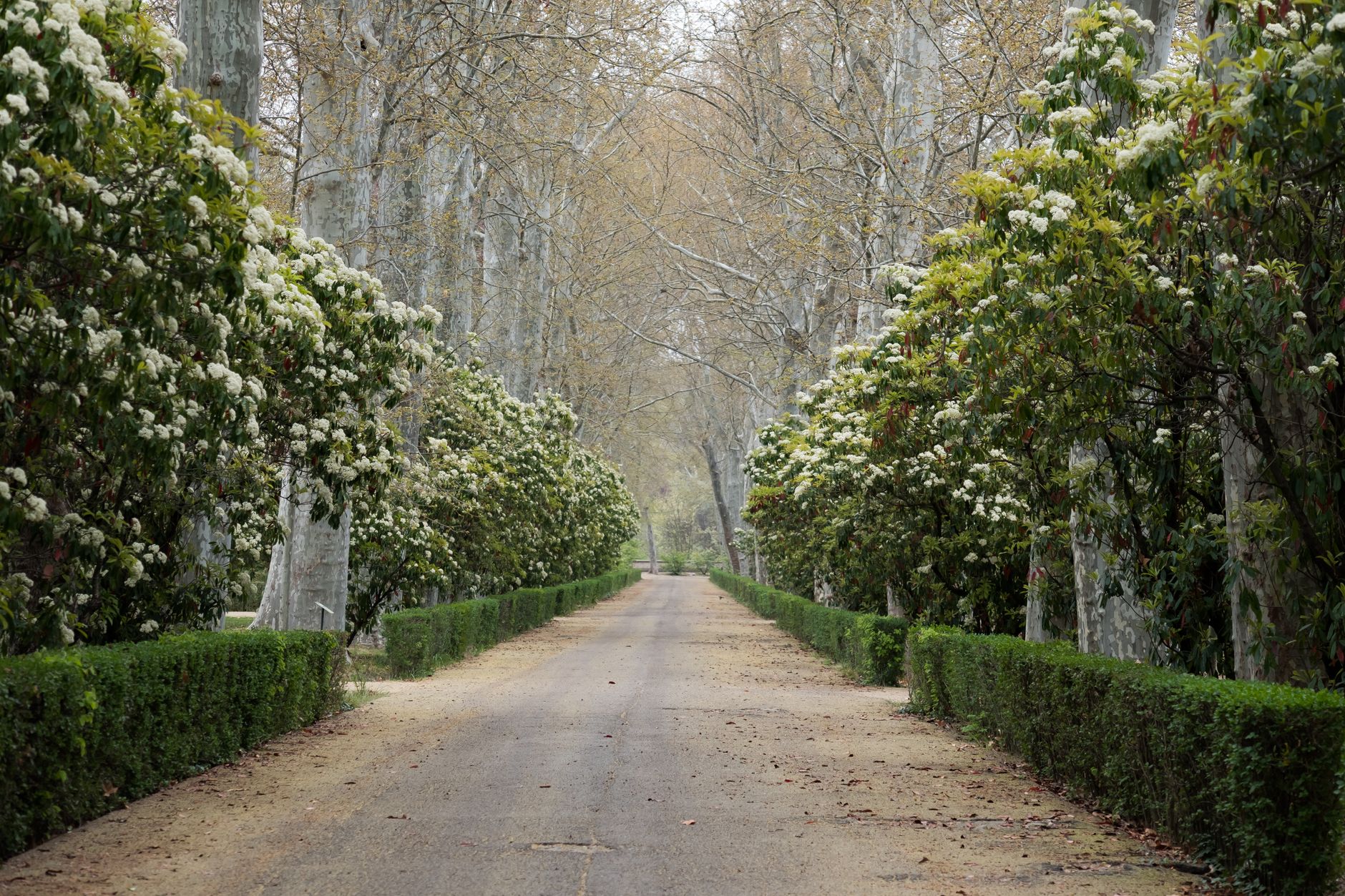
Morning: Take a short tram-free transit ride by Fil Bleu bus or a 15–20 minute walk to Parc Mirabeau and the Prébendes neighbourhood for leafy avenues and local bakeries. Spend 45–75 minutes here and grab a coffee from a boulangerie on Rue du Commerce.
Late morning: Explore small museums—Musée du Compagnonnage and local history spots are concentrated near the cathedral area; combine with a quick visit to the Hôtel Goüin if time allows. Expect 90 minutes total for one small museum visit.
Lunch: Choose a wine bar or bistro around Rue Colbert for Loire-focused dishes and a glass of Vouvray. Many places list small plates designed for sharing.
Afternoon: Cross the Loire and walk sections of the Loire à Vélo route or rent a bike for a 1–2 hour ride along the river. Alternatively, take a 20–30 minute TER to Villandry or Chenonceaux if visiting a château is the priority.
Evening: For a quieter night, head to Prébendes or the Gare quarter where locals eat; restaurants are less tourist-oriented than Place Plumereau and often open later during the week.
Day 3
Morning: Choose a single château for this day. Château de Villandry (gardens) is about 20–30 minutes by car and roughly 30–45 minutes by local bus or taxi; allow two to three hours to walk gardens and see the house. Château de Chenonceau is about 30–40 minutes by car and reachable by regional train to Chenonceaux station plus a short shuttle or walk.
Late morning: If skipping a château, spend extra time in Musée des Beaux-Arts or take a guided food walk focusing on Les Halles and surrounding streets.
Lunch: If on the château route, many châteaux have cafés; otherwise return to the centre and pick a bistro near Place Plumereau for a final meal.
Afternoon: For travellers with an afternoon departure, stay near Gare de Tours after checkout. Allow at least 60–90 minutes buffer before a scheduled train or airport transfer. Taxis and buses serve the station; luggage storage options are limited so plan packing accordingly.
Evening/Departure: If time remains after a late train, a short riverside walk completes the visit and offers a calm end to the weekend.

Best Local Experiences
Les Halles de Tours market on Place Gaston Paillhou — morning stalls for cheese, rillons and seasonal produce. Arrive early to see producers packing up.
Place Plumereau after sunset — terrace culture with timber-framed cafés and late-night people-watching focused on local crowds rather than tourist spectacles.
Loire quays and the Loire à Vélo cycling route — rent a bike for an hour and ride the riverbank paths that link parks and bridges.
Vouvray wine tastings — visit a cellar or wine bar in the Vouvray appellation for Chenin Blanc; many producers offer short tastings within 20–30 minutes from the centre.
Garden visits: Jardin Botanique and Château de Villandry gardens provide two contrasting green spaces, the public botanic collection and formal Renaissance beds respectively.
Bonus activity: a short TER hop to Chenonceaux for the unique river-crossing château; it fits a half-day if timed with train schedules.

Where to Stay
Vieux Tours / Place Plumereau: Suits travellers who want nightlife and walking access to cafés and restaurants. Close to the cathedral and Musée des Beaux-Arts. Typical nightly rates range €90–€160 (≈$100–$175) depending on season.
Prébendes / Jardin Botanique: Suits those who prefer quieter streets and easy access to parks and mid-range restaurants. Short walks to the old town and a calm place to return to. Expect €80–€130 per night (≈$90–$145).
Gare / Faubourg neighbourhood: Suits day-trippers and those arriving by train who need easy departures. More functional hotels and faster access to TER/TGV platforms. Prices often range €60–€110 per night (≈$65–$125).
Booking note: during late spring and early autumn weekends prices rise; secure rooms early if weekend château events or wine festivals are scheduled.
Food and Drink
Rillons: slow-cooked pork cubes similar to confit; commonly found at Les Halles and served as a cold charcuterie item. Expect €3–6 on a market stall tasting portion.
Fouée (or fouace variant): a small wood-fired pocket bread served with pork rillons, cheese or rillettes; often available from producers at markets or at traditional bouchons near the old town for about €4–8.
Rillettes de Touraine: shredded, seasoned pork spread — find it at Les Halles and many charcuterie counters for €3–6 per portion.
Vouvray (Chenin Blanc): local white wine, from dry to semi-sparkling; sample at a wine bar or a domaine tasting, typically €6–12 per glass at bars and €10–20 for a tasting flight at producers.
Breakfast option: a boulangerie tartine or croissant with coffee from a bakery on Rue Colbert or Rue du Commerce; expect €3–6 for a coffee and pastry.
Dinner recommendation: choose a Loire-focused bistro near Place Plumereau or Rue Colbert serving river fish or a saisonal menu; main dishes generally range €12–€25.
Getting Around
Local buses: Fil Bleu operates the city network; buy tickets on the Fil Bleu app or at vending machines. Single tickets are roughly €1.70 and valid for about 60 minutes with transfers.
Regional trains: TER Centre-Val de Loire links Gare de Tours to Angers, Le Mans, Orléans, Nantes and local château stations; buy on SNCF Connect. TGVs to Paris Montparnasse take about 1 hour.
Cycling and walking: the centre is compact and many attractions are within 15–25 minute walks. The Loire à Vélo route runs through the area and local bike rentals are available for half-day or day use.
Taxis and airport transfer: Tours Val de Loire airport is a local option; typical taxi fares from the airport to the centre are around €25–€35. For longer transfers to Nantes or Paris, pre-booked shuttles or trains are more practical.
Apps/cards: use Fil Bleu for city buses and SNCF Connect for regional and TGV reservations; contactless bank cards are widely accepted on public terminals.
Best Time to Visit
Spring (April–June): Mild temperatures (10–22°C) and market produce season; late-April to June offers the best balance of open château gardens and manageable crowds. Prices are moderate to rising toward June.
Summer (July–August): Warmer weather (18–28°C or higher) and highest tourist levels; terraces and market mornings are busy, and some restaurants close for August holidays. Expect peak prices and crowded châteaux weekends.
Autumn (September–October): Comfortable temperatures (10–20°C), grape harvest activity nearby and lower crowds than summer. Early October is a good value window for wine-focused visits.
Winter (November–March): Colder weather (0–10°C) and quieter streets; many château gardens are closed or limited, but museum and market visits are still possible. Best value for lower accommodation rates and empty streets.
Budget and Practical Tips
Daily budget (mid-range, per person): Accommodation €80–€130 ($90–$145), food €30–€60 ($33–$67), local transport €3–€8 ($3.50–$9), entry fees €5–€20 ($6–$22). A comfortable daily total around €120–€220 ($130–$240).
Accommodation: budget hotels and private rooms near the Gare can be €50–€80 per night; mid-range central hotels typically €90–€160. Market cafés and simple bistros keep meal costs reasonable.
Transport: single Fil Bleu tickets roughly €1.70; regional TER fares vary by distance—short hops to nearby châteaux often €5–€12 one way. Taxis start around €5–€7 and airport runs are €25–€35.
Entry fees: small museums often charge €3–€8 for permanent collections or ask for a voluntary donation; château entry ranges from €8–€15 depending on site and season. Check online for timed entries in high season.
Tipping: 'Service compris' is usually included. Leaving small change or rounding up is appreciated for good service but not obligatory.
FAQ
How safe is Tours for visitors?
Central districts and major tourist areas are generally safe during daytime; exercise normal urban caution at night, avoid poorly lit back streets and keep an eye on belongings at markets and transport hubs.
Is one day enough to visit Château de Chenonceau?
Yes; allocated travel time plus a two-hour visit is feasible from the centre. Check TER timetables and allow for shuttle or a short walk from Chenonceaux station.
Should a visitor buy a city card or pass?
There is no single all-purpose city card that covers everything; buy attraction tickets and château entries individually and consider a rail discount card for multiple TER trips if taking several daytrips.
What are the best transport options from Paris?
Fastest is TGV from Paris Montparnasse to Gare de Tours (about 1 hour). Book in advance on SNCF Connect for better fares.
Can travellers do wine tastings without a car?
Yes—many Vouvray producers and wine bars in the city offer tastings; some domaines are reachable by short taxi or by combined train and local taxi/transfer.
Are markets open every day?
Les Halles runs the main daily market mornings with reduced activity on Mondays in many French towns; plan morning visits Tuesday–Sunday for full stalls and check stall-specific hours online.
Is English widely spoken?
Basic English is common in restaurants and hotels, but knowledge varies; learning a few French phrases speeds transactions at markets and small shops.
Are bicycles easy to rent and use?
Yes; local rental shops and Loire à Vélo infrastructure make short rides straightforward. Helmets and lights are recommended for comfort and safety.
Conclusion
A well-planned 72 hours will leave a clear sense of the market culture, cathedral precinct and river life. Expect memorable food experiences at Les Halles, a relaxed promenade along the Loire and at least one château garden if time is allocated carefully.
If time runs short, prioritise a morning at Les Halles and an afternoon riverside walk or a single château visit; that combination gives a strong sense of the area without overloading transit time. The central streets and market are what most visitors remember most quickly.
How this guide was prepared
This guide was prepared through a structured research that combines destination research, geographic context, itinerary planning logic, and content review.